Photo credit: izzet çakallı/Pexels.com
Public-land hunting gets called “crowded” in a lot of places, but not all crowding is the same. Sometimes it comes from sheer hunter numbers. Sometimes it comes from limited access pushing everybody onto the same blocks. Sometimes it comes from over-the-counter opportunity, easy-to-draw tags, or private-land refuges that shove animals off public and leave hunters stacked up on what they can actually reach. Colorado Parks and Wildlife said in its 2025–2029 big-game season memo that crowding improved in some recently limited elk units, but pressure shifted into neighboring OTC units and worsened crowding there. Wyoming Game and Fish’s 2025 hunt forecast also warned hunters to expect “some overcrowding on accessible public lands.”
That is the angle for this list. This is not “the 15 worst states to hunt.” A lot of these states are great. They just have very real reasons public-land hunting can feel shoulder-to-shoulder in the wrong places. Some are famous destination states. Some have huge hunter traditions and not enough easy access where people actually want to go. Some rely on quota systems precisely because crowding would get ugly without them. These are 15 states where public-land hunting feels crowded for a reason.
Colorado

Colorado has to start this list because it is one of the clearest examples of a state where public-land opportunity and public-land pressure are tied together. CPW’s big-game season memo said crowding improved in some recently limited archery elk units, but pressure then shifted into neighboring units that still had OTC licenses, which made crowding worse there. That is a pretty direct admission that hunter pressure is not imagined.
Colorado also still carries huge destination appeal because of elk numbers, public land, and the long history of OTC opportunity. That is what keeps hunters coming. The upside is obvious. So is the downside. When a state becomes the go-to answer for accessible western hunting, the public ground in the easiest and most famous places is going to feel it.
Wyoming

Wyoming belongs near the top because the state’s own 2025 hunt forecast told hunters to expect “difficult access to private lands and some overcrowding on accessible public lands.” Wyoming Game and Fish also notes on its elk-hunting page that high hunter densities on public lands often reduce hunter success.
That is really the Wyoming story in a nutshell. The state has excellent hunting reputation, lots of public ground, and strong nonresident appeal, but access bottlenecks and private-land refuges can make the public acres people can actually use feel more crowded than the map suggests. Wyoming is not short on country. It is short on evenly distributed, low-pressure opportunity in the places hunters want most.
Montana

Montana is another state where public-land crowding is no longer just camp talk. Proceedings from a 2023 deer-and-elk workshop noted that hunter crowding is a common complaint from Montana resident hunters, and late-2025 FWP material for Region 5 elk specifically said overcrowding on National Forest lands was contributing to hunter dissatisfaction and elk redistribution onto private lands.
That makes sense. Montana has big-time draw for residents, nonresidents, general-season hunters, and people chasing the classic western do-it-yourself experience. Put all that pressure on the same accessible National Forest ground and you get exactly what a lot of hunters describe every fall: more trucks, more camps, more bumped elk, and less elbow room than the romantic version of Montana suggests.
Idaho

Idaho earns a spot because it is one of the most appealing western states for hunters who want a real shot without committing to a points system. onX recently called Idaho a top destination for new mule deer hunters because of its public land and draw structure, and Idaho Fish and Game’s own pre-hunt guidance tells hunters to be realistic about the challenges of public-land hunting.
That is exactly why certain Idaho units feel crowded. The state has real opportunity, lots of public land, and no points game locking people out for years. That accessibility is a feature, but it also means more people converge on the same country. Idaho still gives a hunter room to earn it, but the easier-access zones and familiar public tracts are not exactly secret anymore.
Pennsylvania

Pennsylvania is a different kind of crowded, but it absolutely belongs. The Game Commission has said Pennsylvania’s firearms deer season historically draws the biggest crowds of all hunting seasons and has long served as the state’s principal deer-management tool.
That matters because Pennsylvania is full of hunting tradition, huge participation, and a public-land culture that is still very alive. This is not the western version of crowding with camps spread over giant federal ground. This is old-school eastern pressure: lots of hunters, a lot of opening-day movement, and a lot of competition on accessible state game lands and other public parcels. Public-land deer hunting there feels crowded because the hunting culture is still that big.
Arkansas
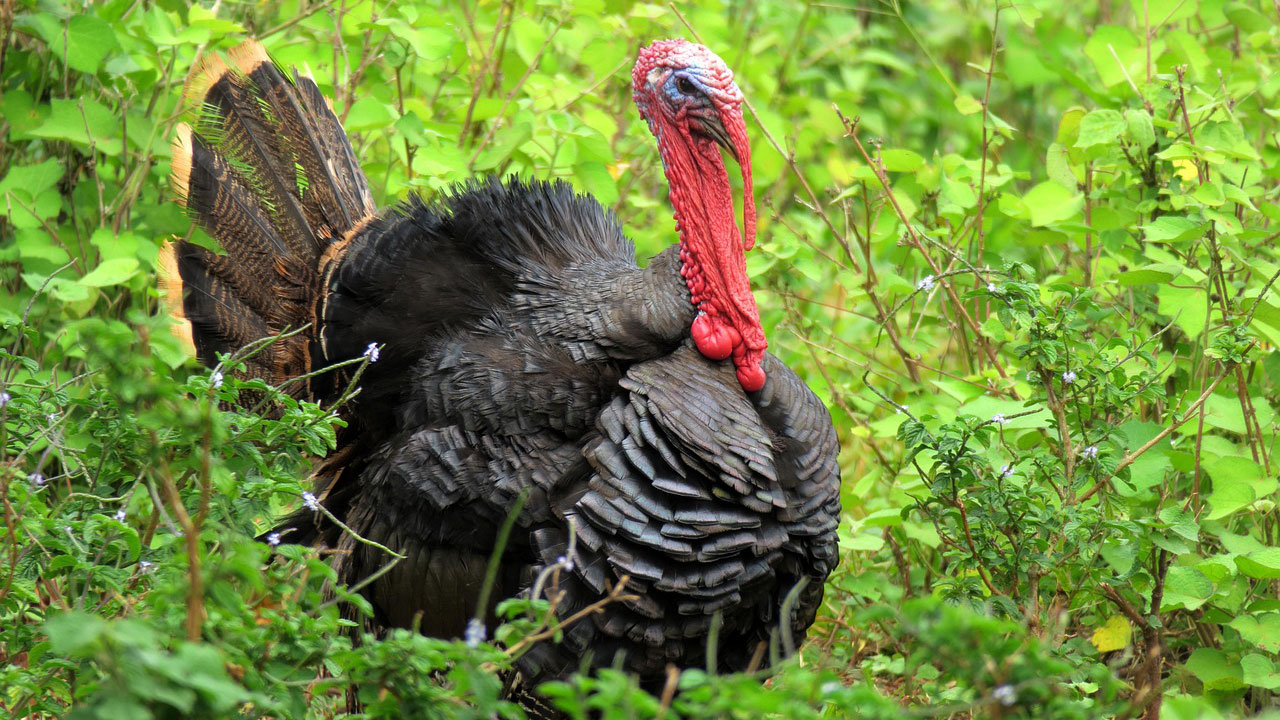
Arkansas belongs because some of its most popular public-land hunting runs straight into hard-cap reality. AGFC has said public-land hunting pressure can be higher on Arkansas ground, and its public-waterfowl reporting has described crowds exceeding available hunting holes in draw systems.
That tells you a lot. Arkansas has a ton of public hunting appeal, especially for waterfowl and turkey hunters, but in high-demand places the pressure is very real. When a draw crowd exceeds the available spots, that is not a vibe. That is crowding in plain English. Arkansas can still be excellent, but a lot of hunters feel packed in because the best-known public opportunities are exactly that well known.
Washington

Washington deserves a spot because WDFW has been blunt for years that decreasing land available for public hunting increases pressure on public lands. The state’s big-game regulations also warned that crowded conditions on public land are increasing as access changes, particularly where private timberland access has tightened.
That is the kind of structural reason that keeps crowding sticky. Washington is not just dealing with hunter numbers. It is dealing with lost or restricted access that pushes hunters harder onto the land still open. That is why public-land hunting there can feel crowded even when a map suggests there ought to be room. Access changes can make crowding worse without adding a single acre of new public ground.
Oregon

Oregon fits because ODFW has openly discussed changing archery seasons to better manage hunting pressure in popular units, and its mule-deer harvest-management materials note that limits and controls on hunter numbers have long been used to address management problems.
That matters because Oregon has enough public land and enough hunting opportunity to attract a lot of people, but not enough low-pressure space in every sought-after unit to keep the experience feeling open. When an agency is explicitly talking about popular units and hunting-pressure management, the crowding issue is already on the table.
Florida

Florida is not usually the first state people think of in this conversation, but it should be. FWC says its limited-entry and quota-hunt programs exist to provide quality public hunting and prevent overcrowding on WMAs and other public lands.
That is a giant clue. States do not build quota systems around public land for fun. They do it because without those caps, the pressure would be too high. Florida’s public land is very huntable, but it is also in a state with huge population, lots of demand, and many smaller or high-interest WMAs where crowding has to be actively managed.
Wisconsin

Wisconsin belongs because it has a deep hunting culture, a lot of public use, and long-standing concern over pressure on public lands. The Game Commission equivalent issue is not exactly the same as out West, but Wisconsin public ground sees enough traffic and general outdoor use that space gets tight fast, especially in deer country and during major seasons. Public-land use pressure is also reflected more broadly in how heavily the state manages and promotes multi-use public forests and lands.
The reason it feels crowded is not mysterious. Wisconsin still has a lot of hunters, a lot of tradition, and a lot of people heading to the same accessible forest and public parcels. In some parts of the state, especially closer to population centers and well-known public blocks, public-land hunting can feel crowded simply because so many people still take it seriously.
Arizona

Arizona belongs because it is one of those states where limited tag availability and public-land appeal both work against the feeling of space. OTC nonresident archery deer tags are capped and go fast, and western e-scouting platforms keep steering hunters toward the same road-density and public-land planning tools.
That means a lot of hunters are working from the same broad map logic in a state with highly attractive public-land hunting. Arizona still offers great hunting, but the combination of demand, internet-savvy planning, and famous public desert and mountain units means certain accessible areas get company fast. It is not crowded everywhere. It is crowded in the places everyone thinks look smartest.
Utah

Utah earns a place because it is one of the most desirable western states with a heavy mix of public-land opportunity, limited-entry dream hunts, and lots of hunters trying to make general-season and accessible public ground work. onX’s recent elk-state analysis still ranks Utah as a trophy destination with difficult draws, which is another way of saying high demand is built into the system.
That demand does not disappear on public ground. It gets concentrated. Utah hunters know exactly what that feels like on the more reachable general-season units and better-known public mountains. A lot of Utah is public on paper, but the hunter experience narrows fast once terrain, access, and reputation start filtering everybody into the same zones.
New Mexico

New Mexico is another place where public-land hunting feels crowded because the state is so attractive to out-of-state hunters and DIY western hunters. onX recently pointed out that New Mexico stays appealing because it uses a random draw rather than a points system, which keeps hope alive every year.
That no-points appeal is great for opportunity, but it also keeps pressure high. Hunters who are tired of waiting a decade elsewhere often look hard at New Mexico. Once tags are in hand, many of them head for the same public ground that everybody else has already been e-scouting. The state still has outstanding hunting, but easy-access public country can feel busier than people expect from the postcard version.
Tennessee

Tennessee belongs because public-land hunting there is popular enough that the agency actively tiers and structures access in several areas, especially for waterfowl and other managed public opportunities. TWRA’s annual reporting shows hundreds of public blind locations and a broad system designed around allocating hunter access, which is usually what states do when demand is strong and space is finite.
This is another eastern-style pressure state. Tennessee may not get the same “crowded public land” headlines as Colorado, but public hunting is a big deal there and the best-known WMAs are not exactly hiding. The crowding is often less about endless public acres and more about high demand on the most convenient or best-managed places.
Michigan

Michigan fits for many of the same reasons as Pennsylvania and Wisconsin. It has a massive hunting culture, plenty of public-land use, and high seasonal participation. Even without a fresh single-state crowding quote in the sources I pulled, the broader pattern across Great Lakes deer country is clear: accessible public parcels in heavily hunted states tend to feel busy because the hunter base is still large and loyal. The COVID-era surge in state game land use noted by Pennsylvania is part of the same broader regional story of public-land demand staying high.
Michigan public-land hunting can still be very good, but nobody should be shocked that it feels crowded in many places. A big hunting tradition plus accessible public ground usually adds up the same way every time. More orange. More pressure. More people trying to make the same obvious spots work.
Like The Avid Outdoorsman’s content? Subscribe to our newsletter so you never miss an article.
Here’s more from us: