Photo credit: Thomas Torget/Shutterstock.com
We may earn revenue from products featured on this page through affiliate links.
Most guys pick a deer caliber the same way they pick a truck—by reputation, what their buddy shoots, or what Grandpa swore by. Sometimes that works out. Sometimes it turns into a season of flinching, bad hits, and “I should’ve just gone with what I can actually shoot.” The perfect deer caliber isn’t the biggest or the trendiest. It’s the one that fits your terrain, your realistic shot distance, your recoil tolerance, and the ammo you can actually find and practice with. Deer aren’t armored, but they do punish sloppy shot placement, and the caliber you shoot best is usually the caliber that kills cleanest.
Start with your real distances, not your “maybe once” distance
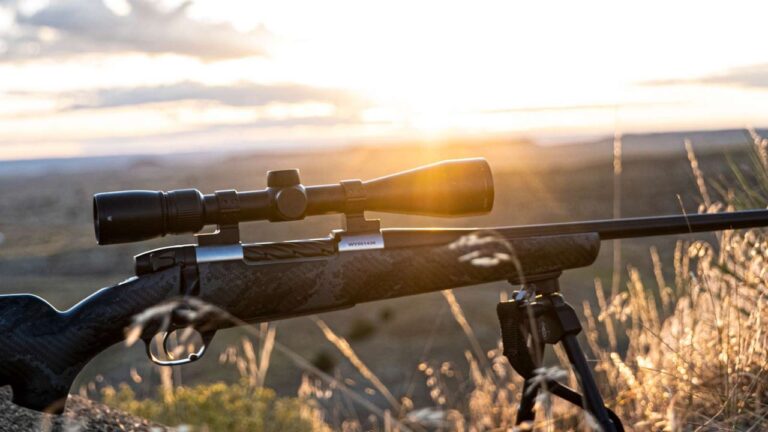
The biggest mistake I see is guys choosing a caliber for a 350-yard fantasy shot when their actual season is 60–150 yards in timber, brush, or field edges. If your deer hunting is mostly inside 150, you don’t need to build your whole setup around long-range ballistics. You need something that comes up fast, shoots flat enough that you’re not doing math, and hits with a bullet that expands reliably at typical impact speeds. If you hunt thick cover, a cartridge like .30-30 still makes sense because it’s quick, proven, and deadly at normal woods distances, and spending your mental energy on wind calls you’ll never use is backwards. If you hunt open country where 200–350 is normal and sometimes farther, then yes, you should care more about wind drift and drop, and modern rounds like 6.5 Creedmoor or classic flats like .270 and .308 start earning their keep because they buy you forgiveness when distance and wind aren’t perfect.
Recoil matters more than caliber arguments, because recoil changes behavior
The “perfect” caliber on paper is worthless if you shoot it like you’re bracing for a punch. Flinch is real, and it shows up hardest when guys buy more cartridge than they can handle consistently. That’s why lighter-recoiling deer rounds keep stacking bodies every year: they let you practice more, shoot more confidently, and place shots better when your heart rate spikes. If you shoot a .243 well and you’ll actually practice with it, it can be a better deer tool than a .30-06 you only shoot three times a year because you hate it. If you can run a .308 without getting jumpy, it’s one of the most balanced deer rounds ever made. The goal isn’t to impress anyone. The goal is a calm trigger press and a bullet where it needs to be when you’re cold, awkward, and trying not to move too much.
Your terrain decides more than you think: woods vs fields vs mixed country
Terrain drives shot angles and recovery reality. In tight woods, deer appear fast and disappear faster, and you may take a quick shot through a small window. In that world, the cartridge you can snap to the shoulder and shoot without hesitation matters more than raw energy. In fields and cuts, you may have time to settle in, range, and make a cleaner long shot, which is where flatter trajectories and better wind behavior start paying you back. Mixed country is where most hunters live, and that’s why “middleweight” cartridges keep winning: .270, .308, .30-06, 6.5 Creedmoor. They don’t require special handling, they don’t force extreme recoil, and they’re flexible enough to cover a lot of deer seasons without you fighting your rifle.
Bullet choice is the real deer-killer, and it’s where people get lazy
You can turn a great deer cartridge into a headache with the wrong bullet, and you can make a “plain” cartridge perform like a pro with a smart load. Deer don’t require extreme penetration like elk, but you still want a bullet that expands reliably and holds together enough to reach vitals from imperfect angles. That’s why bonded and mechanically locked hunting bullets are popular—they tend to give consistent expansion without the “grenade on shoulder” failure that some fast, light bullets can produce at close range. A very practical, widely used example is Federal Premium Fusion in .308 Winchester, which is marketed specifically for deer-sized game and is built around a bonded bullet design intended to expand and hold together in a broad range of field impacts. The point isn’t that you must use that exact load, it’s that choosing a deer-built bullet design matters more than chasing velocity claims, and it’s the easiest way to make your caliber choice “work” across different shot angles and distances.
The boring calibers keep winning because they fit real life
If you want the truth, most deer hunters would be perfectly served by a short list: .30-30 for woods, .243 for recoil-sensitive shooters who place shots well, 6.5 Creedmoor for open country and disciplined shot placement, .270 for classic flat shooting, .308 for balanced do-everything performance, and .30-06 for guys who want a little more flexibility with heavier bullets and don’t mind the recoil. The reason these keep showing up isn’t tradition alone—it’s that ammo is available, rifles are everywhere, and the performance is proven on whitetails and mule deer across every kind of terrain. The “weird” calibers can work too, but if you’re trying to build a perfect deer season, the best move is usually choosing a cartridge you can feed easily, practice with regularly, and find good hunting ammo for without driving all over the state.
Ammo availability and practice volume matter more than people admit
A caliber you can’t find is a caliber you won’t practice with, and practice is what makes the season feel smooth instead of stressful. This is one reason mainstream rounds stay popular: you can find practice ammo, you can find hunting ammo, and you can usually find it again next year without rebuilding your whole zero around a different load. It’s also why a lot of guys end up back on .308 or .30-06 after experimenting. They want to walk into a store and grab something that works. They want to shoot enough in the off-season to feel ready. They want a rifle and cartridge combination that doesn’t require constant tinkering. That practical reality doesn’t sound exciting, but it’s exactly what makes a season feel “perfect” instead of chaotic.
A simple way to choose without overthinking it
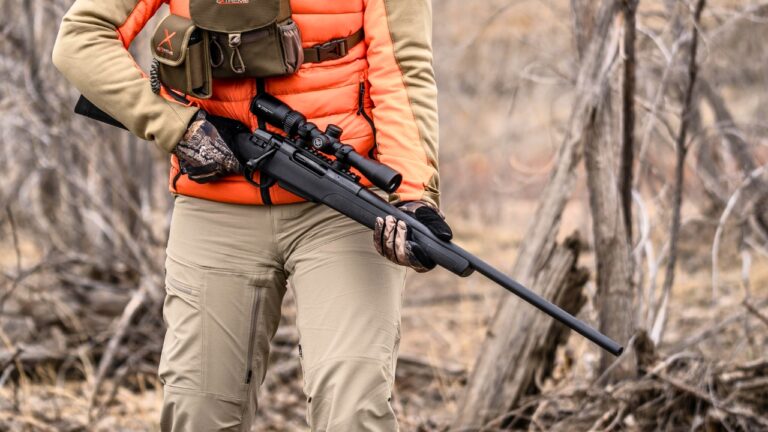
If you hunt mostly woods inside 150 yards and you like lever guns, .30-30 is still a hammer. If you want mild recoil and you’re disciplined about shot placement, .243 can be an excellent deer round. If you hunt mixed terrain and want the safest all-around answer, .308 is hard to beat for balance, ammo options, and shootability. If you hunt open country and want something that carries velocity and handles wind well while still being easy to shoot, 6.5 Creedmoor makes sense when paired with a proper hunting bullet. And if you want one rifle you can keep forever that you’ll actually shoot often because it’s straightforward and affordable, something like the Ruger American Gen II is exactly the kind of rifle platform a lot of deer hunters end up with because it’s practical and easy to live with. Pick the caliber that matches how you hunt, choose a bullet built for deer, confirm zero with the ammo you’ll actually carry, and you’ll be ahead of most people before the season even starts.
Like The Avid Outdoorsman’s content? Subscribe to our newsletter so you never miss an article.
Here’s more from us: