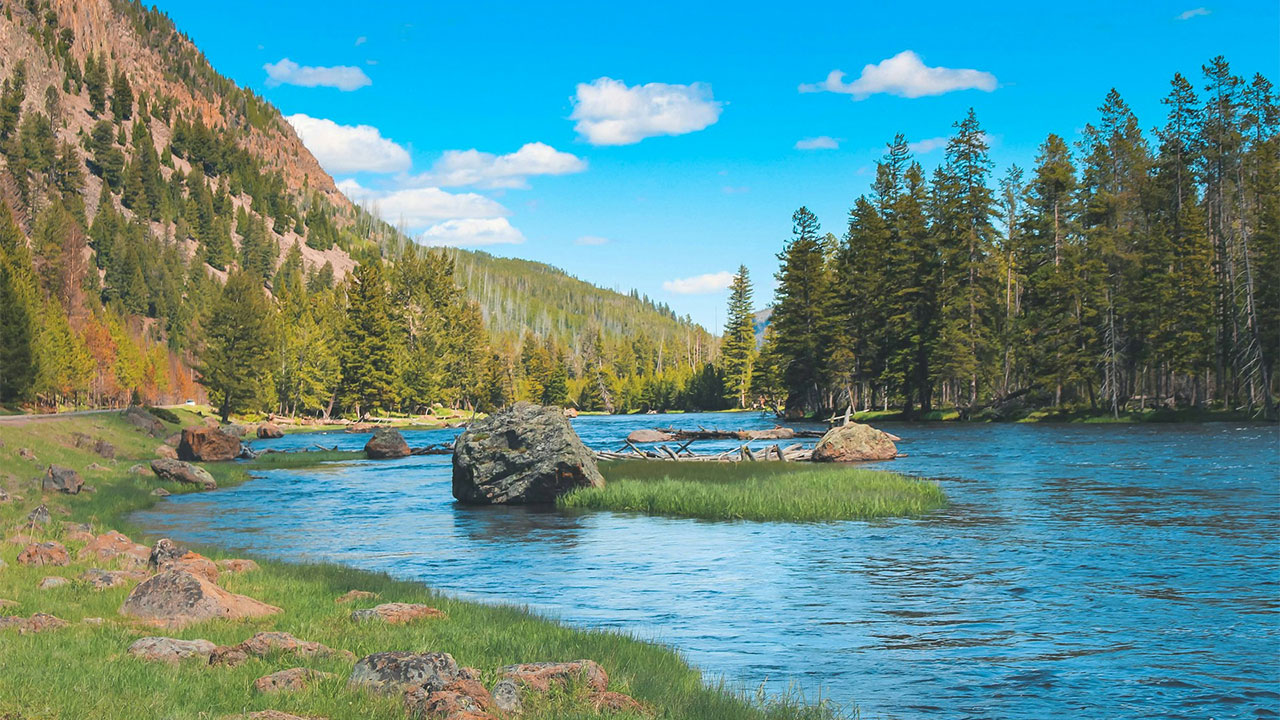
Photo credit: Kedar Gadge/Unsplash.com
A lot of people talk about wildlife management areas like they are just cheap hunting spots. That sells them way short. State wildlife management areas are usually built to do several jobs at once: habitat work, wildlife research, hunting access, fishing, birding, hiking, and public-use opportunities that still fit the bigger conservation mission. Texas Parks and Wildlife says WMAs were established for wildlife and habitat research, education, demonstrations of sound resource management, and compatible public recreation, while Georgia describes traditional WMAs as places managed for activities that can include hunting, fishing, bird watching, hiking, camping, and more.
That is also why they can confuse people the first time they use one. WMAs are not all built alike, and they definitely are not all run like state parks. Access, permits, road rules, season structures, camping rules, weapon restrictions, and even whether you can be there at all on a given day can vary by area. Here are 15 facts that surprise a lot of people the first time they start paying attention to how WMAs really work.
They are not just for hunting
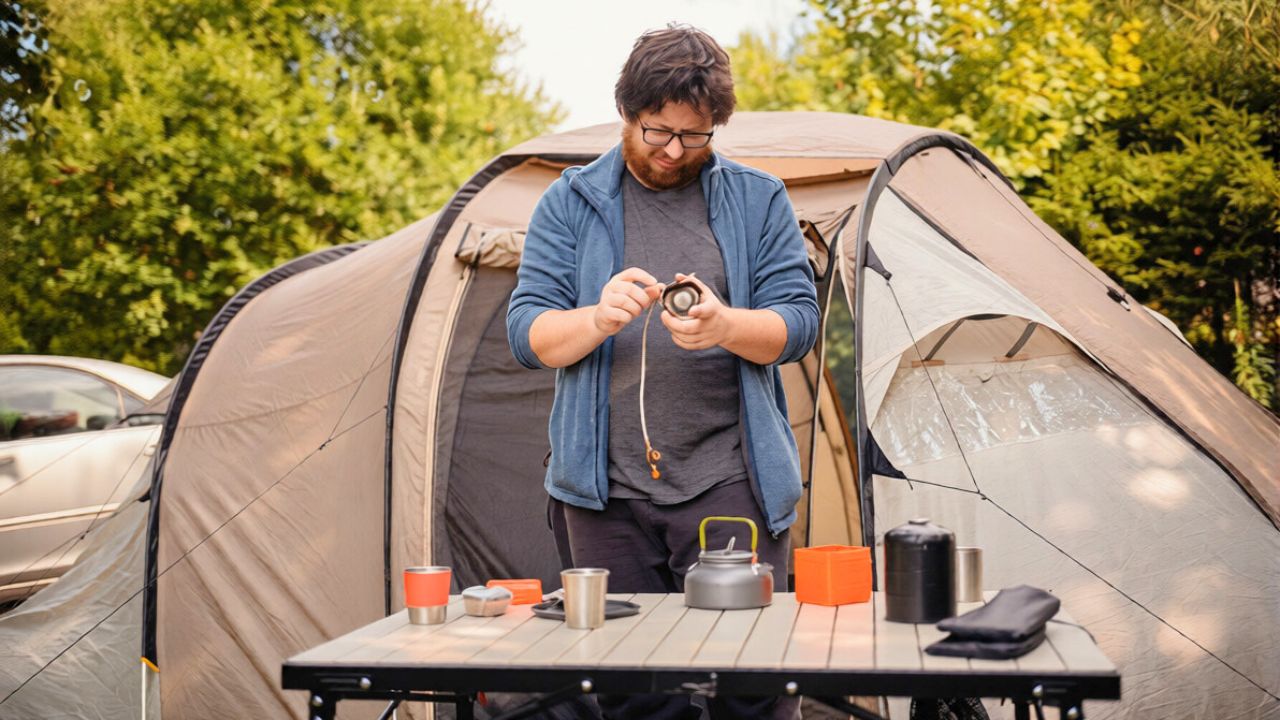
A lot of people assume “wildlife management area” automatically means “hunters only.” That is not how many of them work. Texas says many WMAs are open for biking, primitive camping, birding, fishing, hiking, equestrian activities, driving tours, and wildlife viewing. Georgia says traditional WMAs can provide opportunities for hunting, fishing, bird watching, bike riding, hiking, camping, and other activities.
That matters because a WMA can be a much more useful place than people expect, especially if you like low-cost, less-developed places to scout birds, fish, hike, or just get outside. The catch is that recreation still has to fit around habitat work and hunting schedules, so you cannot assume a WMA works like a normal park just because it allows some of the same activities.
Conservation work comes before your convenience
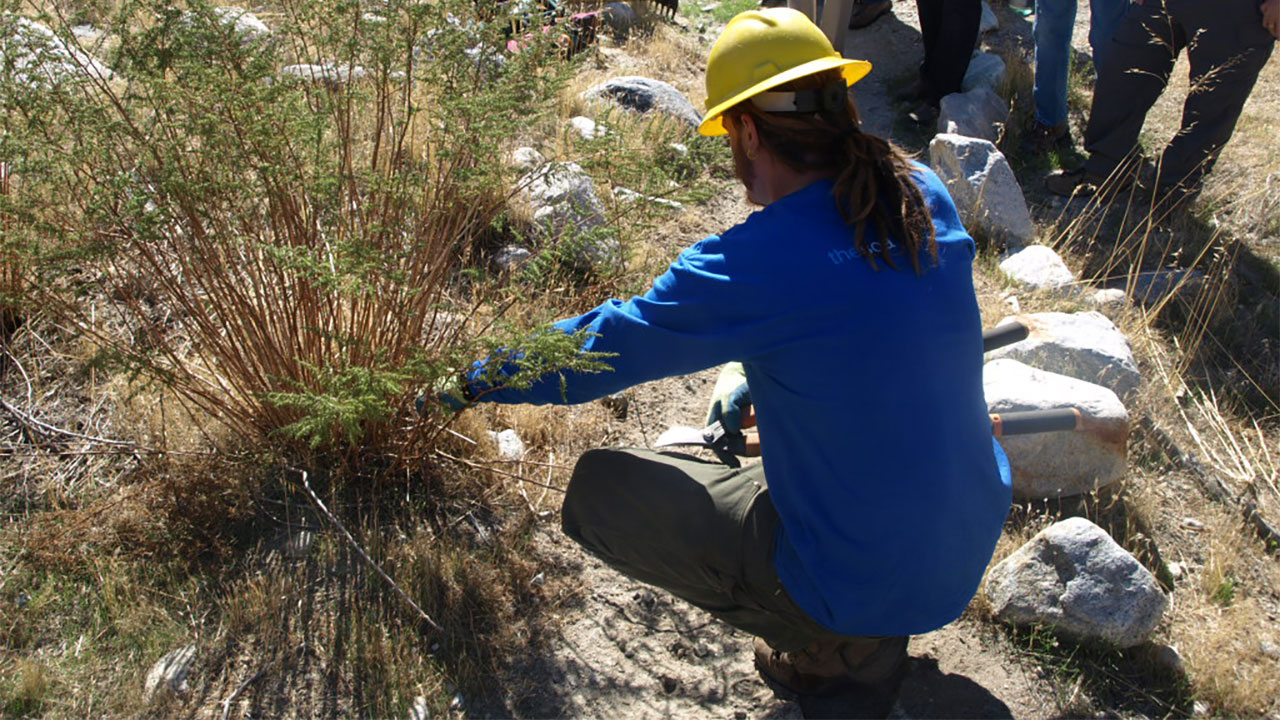
These areas are managed land first and recreation land second. Texas says WMAs exist to study wildlife populations and habitat management practices and to demonstrate sound resource management. That is a big clue about how decisions get made there. If a road closes, a gate stays locked, or access changes, it is often because habitat work or wildlife protection took priority.
Georgia’s Oaky Woods WMA is a good example. The state says main gates close seasonally in part because research showed the area was used more by bears during closed periods than open periods. That is the kind of thing that surprises people who assume public access always comes first. On WMAs, the wildlife usually wins that argument.
Some WMAs are permit-only even if you are not hunting
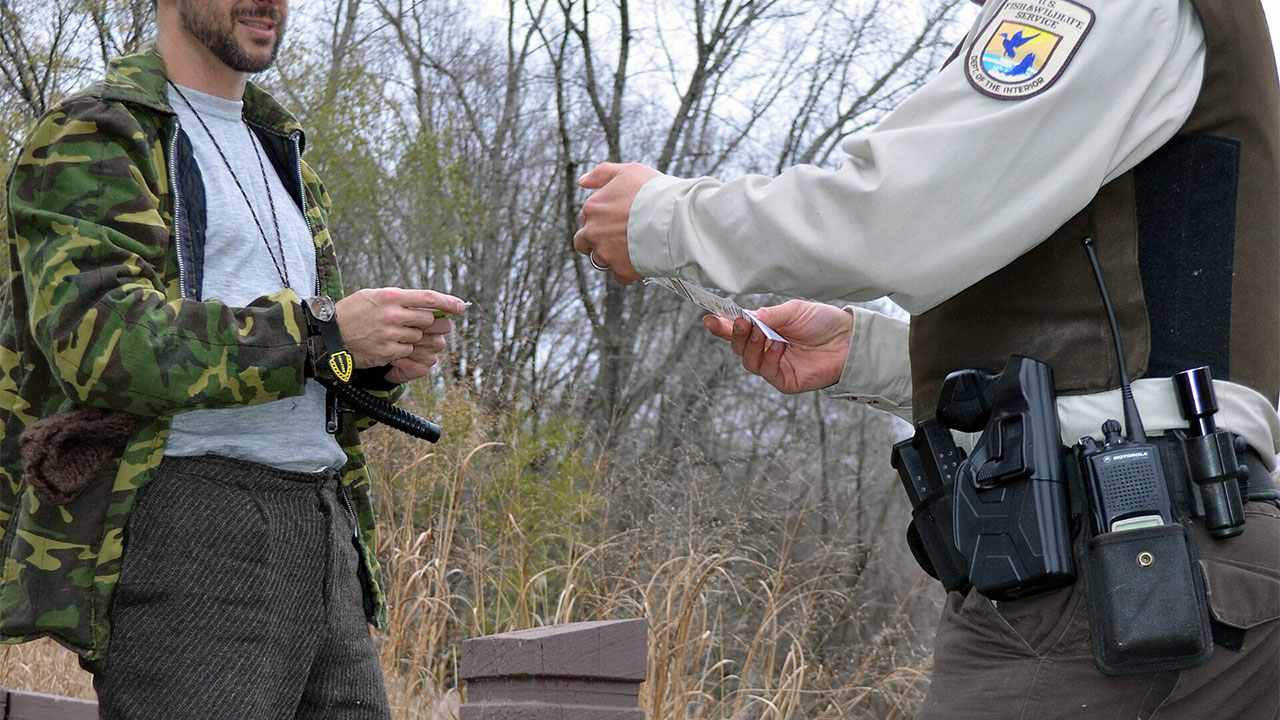
A lot of people think permits only matter if you are carrying a tag or a weapon. Not always. Texas says Caddo Lake WMA is entry by permit only, and accepted permits there include either an Annual Public Hunting Permit or a Limited Public Use permit. That means even someone going in for wildlife viewing or paddling needs to know the access rules before showing up.
That is one of the biggest beginner mistakes with WMAs: assuming “public land” means “just park and go.” Some places work that way. Some absolutely do not. A permit might cover hunting, general recreation, or specific access windows, and if you do not check first, your trip can be over before it starts.
A wildlife management area is not the same thing as a state park
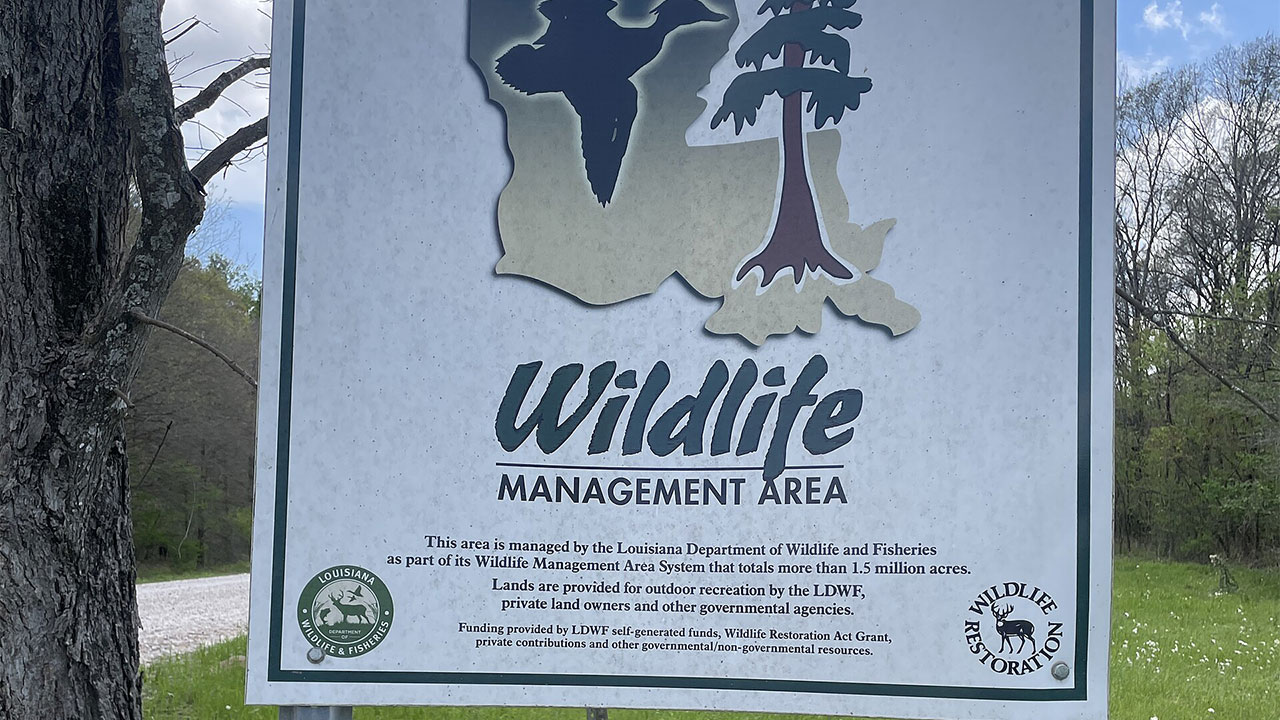
The two can overlap in a public-land conversation, but they are not run with the same basic purpose. Texas state parks are governed under a park-rules framework aimed at visitor safety, public use, and park protection. Texas WMAs, by contrast, are described first as research, habitat-management, and conservation areas with recreation allowed when it stays compatible with that mission.
That difference shows up on the ground. A park visitor may expect water, easy signage, broad public access, and more predictable recreation rules. A WMA user needs to expect rougher infrastructure, changing access, more seasonal restrictions, and a management style that is built around wildlife needs rather than visitor comfort.
Potable water may not be there

This one catches people off guard fast. Texas says potable water for drinking or cooking is not available to the public on most WMAs. That sounds like a small detail until someone shows up expecting campground-style basics and realizes the place is a lot more bare-bones than expected.
That one fact tells you a lot about the WMA mindset. These places are often closer to managed field sites than comfort-focused recreation areas. If you are heading in for a long day, primitive camping, or early-morning scouting, you need to pack like the area may give you access to land but not much else.
Some hunting access is first-come, and some is drawn
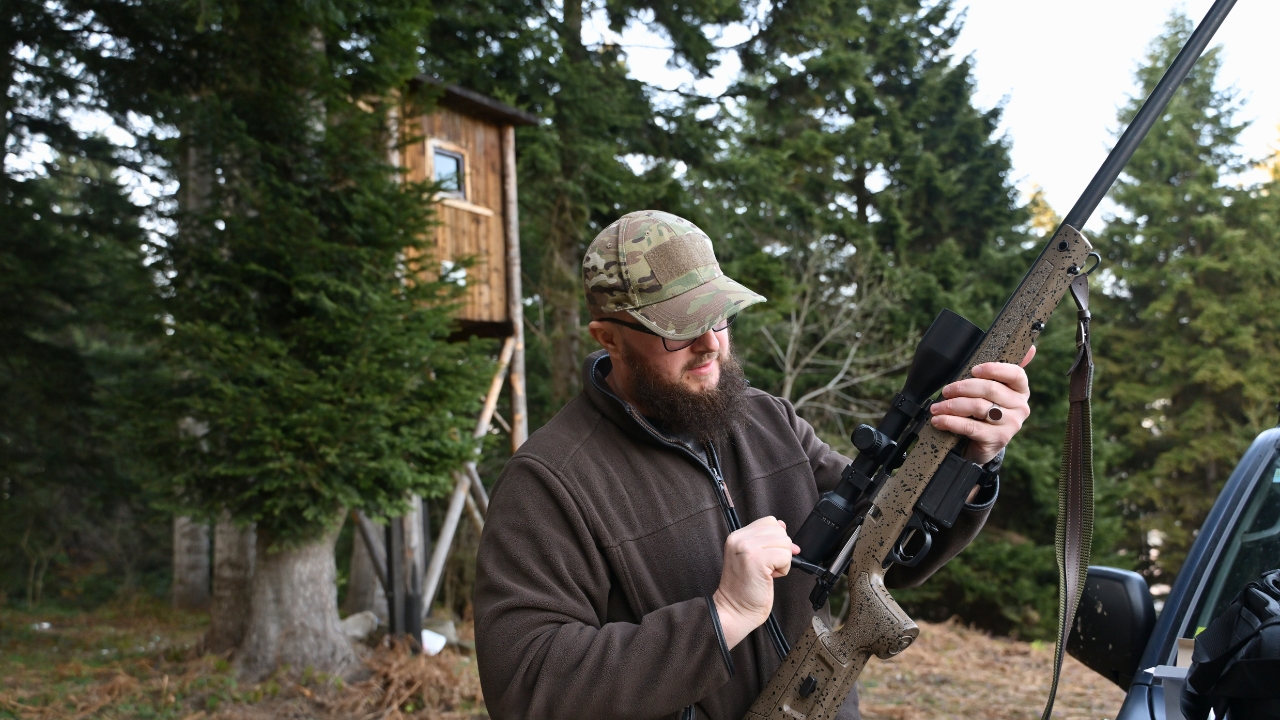
People new to WMAs often think access is either fully open or fully closed. In reality, it can be a mix. Texas says some public-land opportunities are regular daily permit hunts issued on a first-come, first-served basis, while other hunts are handled through a drawn-hunt system. The state’s drawn-hunt catalog for 2025-26 also shows how many hunt categories are permit-based and application-driven.
That means “public hunting” does not always mean “show up opening morning and get after it.” On some areas, that works. On others, you need to apply months ahead, pay attention to categories, and understand whether the area is walk-in, daily-permit, or drawn-only for the species and method you want.
The legal game list is everything

A lot of hunters get tripped up by assuming statewide seasons tell the whole story. Texas says if a species or season is not listed in the Legal Game Legend for that public-hunting unit, then there is no hunting allowed for that species or that means on that area. It even gives a direct example: if only archery deer season is listed, then no gun deer hunting is allowed there.
That is a bigger deal than people realize because WMA rules can be much tighter than statewide private-land assumptions. You can be perfectly legal in the state overall and still illegal on a specific WMA if you are using the wrong method, hunting the wrong species there, or hunting outside the exact unit schedule. That is why area-specific rules matter so much.
You may need more than just a hunting license
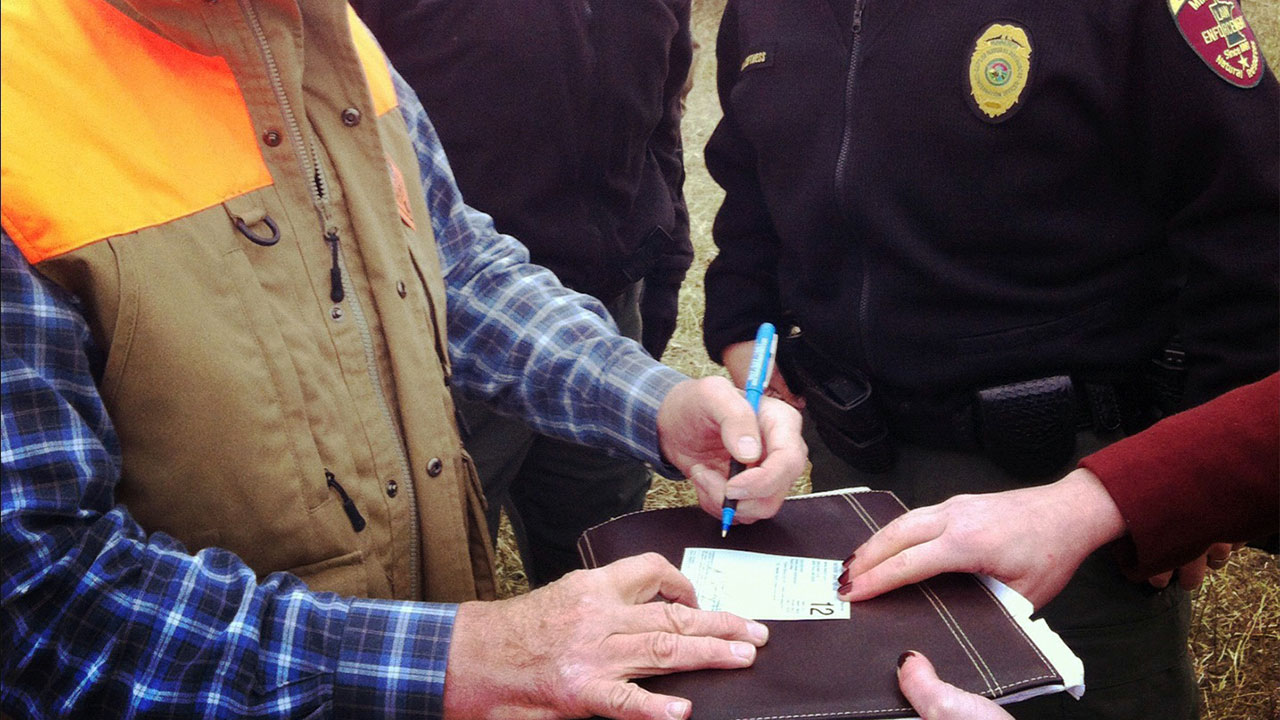
Public-land newcomers often think a hunting license handles everything. Not necessarily. Texas says that to hunt on public hunting lands, people 17 and older generally need the required hunting license, any required stamps, and the appropriate public-land permit. The Annual Public Hunting Permit and Limited Public Use permit each cover different kinds of access.
That is one reason WMAs feel more complicated than private land. The land itself may carry an added layer of entry requirements, and those requirements can change depending on whether you are hunting, fishing, camping, or just using the area recreationally. A valid license is necessary, but on many WMAs it is not the whole answer.
Some WMAs include leased private land, not just state-owned ground
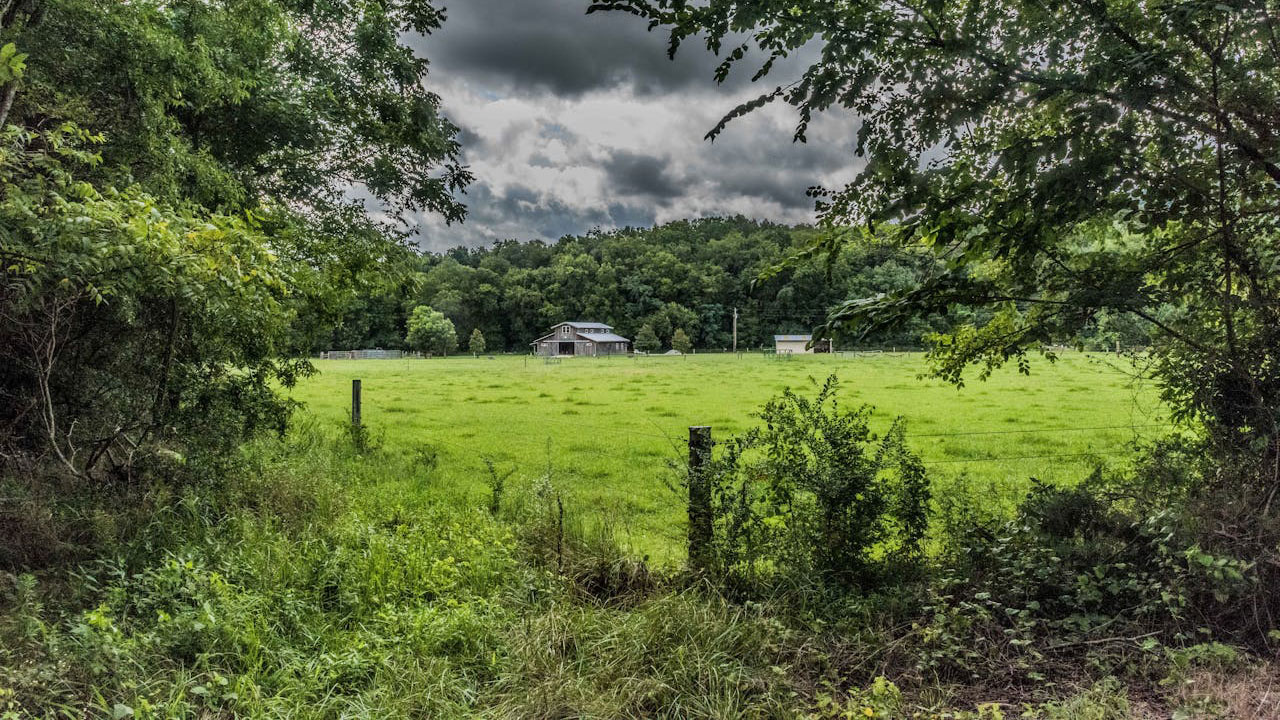
This surprises a lot of people because they hear “public land” and picture state-owned property. Texas says its Annual Public Hunting program includes not only WMAs and state parks but also roughly 120 dove and small game areas leased from private landowners. So part of your public access may exist because the state arranged access, not because the state owns every acre.
That matters for two reasons. First, access can change when leases change. Second, the feel of the land can vary a lot from one public-hunting property to the next. Some places are classic state-managed habitat units. Others are public-use opportunities layered onto private ownership under specific terms.
ATVs are often more restricted than people expect

A lot of folks assume a WMA is the kind of place where you can freely use an ATV or UTV to get around. That is not safe to assume. Georgia’s John’s Mountain WMA says no ATVs are allowed on the property. Georgia’s Chattahoochee WMA says ATVs and UTVs are not allowed on U.S. Forest Service roads unless specifically designated for their use.
That kind of rule is common enough to be worth checking every single time. Even on large, rough, or remote WMAs, vehicle use is often tightly controlled to protect habitat, reduce damage, and keep pressure manageable. People get themselves in trouble when they assume “rugged land” automatically means “motorized access allowed.”
Camping may be allowed, but usually not in a “campground” way
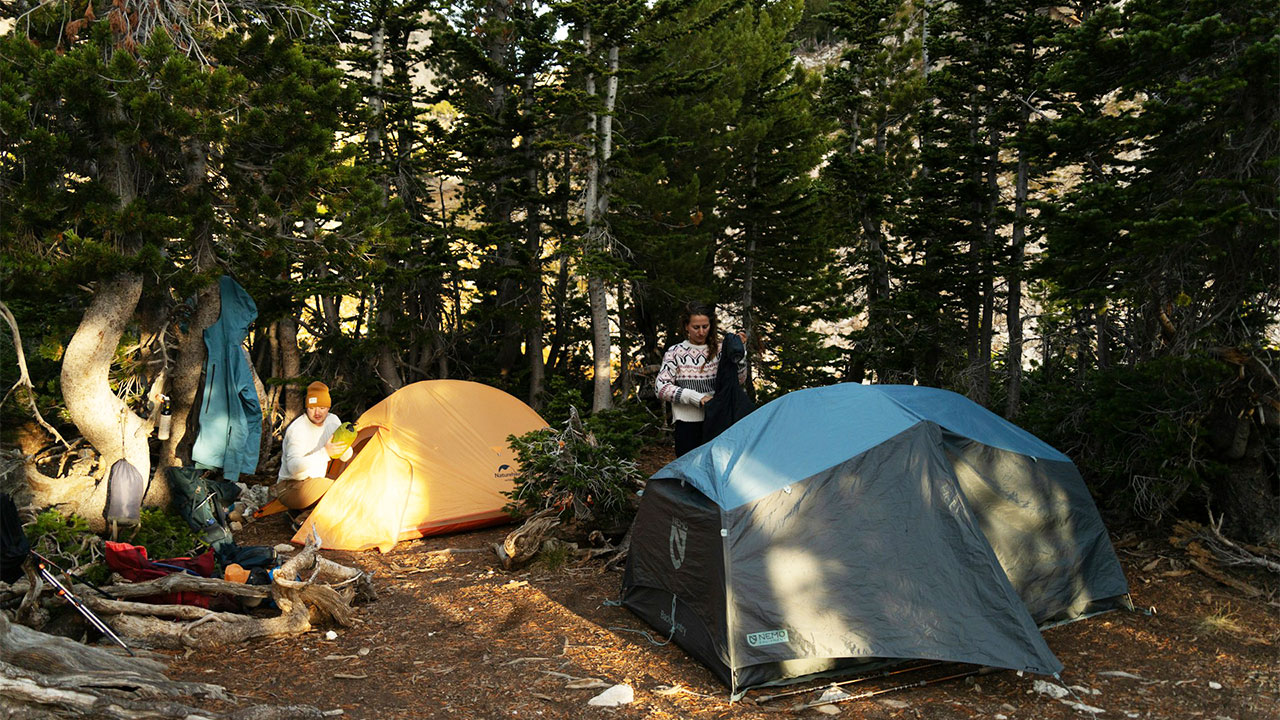
People hear that camping is allowed on some WMAs and picture something closer to a park campground. That can be way off. Texas specifically describes primitive camping on many WMAs, and Georgia’s Oaky Woods WMA lists primitive campsites as part of its accommodations. That word “primitive” is doing a lot of work.
In practice, that usually means fewer services, fewer guarantees, and more responsibility on your end. You may be dealing with seasonal closures, hunt activity, little or no water service, and fewer facilities than a casual camper expects. So yes, some WMAs allow camping, but it is often the stripped-down version.
Habitat work can change what the place looks like from year to year
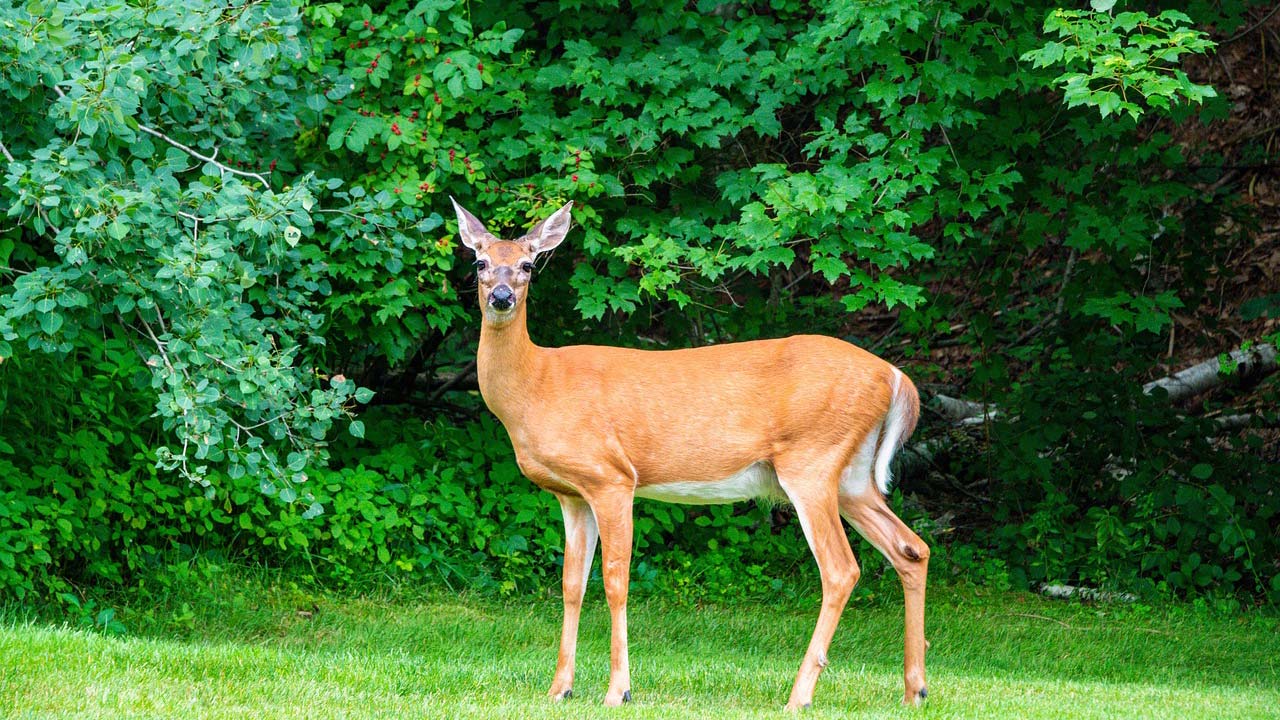
Some hunters and hikers show up to a WMA expecting the land to look basically the same every season. That is not the point of a managed area. Texas describes prescribed fire as an efficient and cost-effective habitat-management tool for improving plant diversity, reducing dead vegetation, and controlling woody plants. Those kinds of treatments can dramatically change cover, visibility, browse, and wildlife use.
That is one reason regular users often know a WMA better than one-time visitors. The place is not static. Between burns, water management, habitat restoration, road closures, and seasonal wildlife needs, the same area can hunt and feel very different from one year to the next.
Fishing rules can be tied to the public-land rulebook too

People sometimes assume fishing on a WMA is a totally separate issue from hunting access. Not always. Texas’ 2025-26 public hunting lands booklet says a fishing license is required to fish from the bank of a WMA if fishing is allowed in the Legal Game Box. That means WMA-specific access information can shape what fishing use is actually allowed there.
So even if you are “just fishing,” you still need to check the area details. A WMA may have public-land-specific rules, permit requirements, or allowable-use windows that matter just as much to an angler as they do to a hunter. It is another place where people get in trouble by assuming general state rules are the whole story.
WMA opportunities can include mentored hunts and youth access
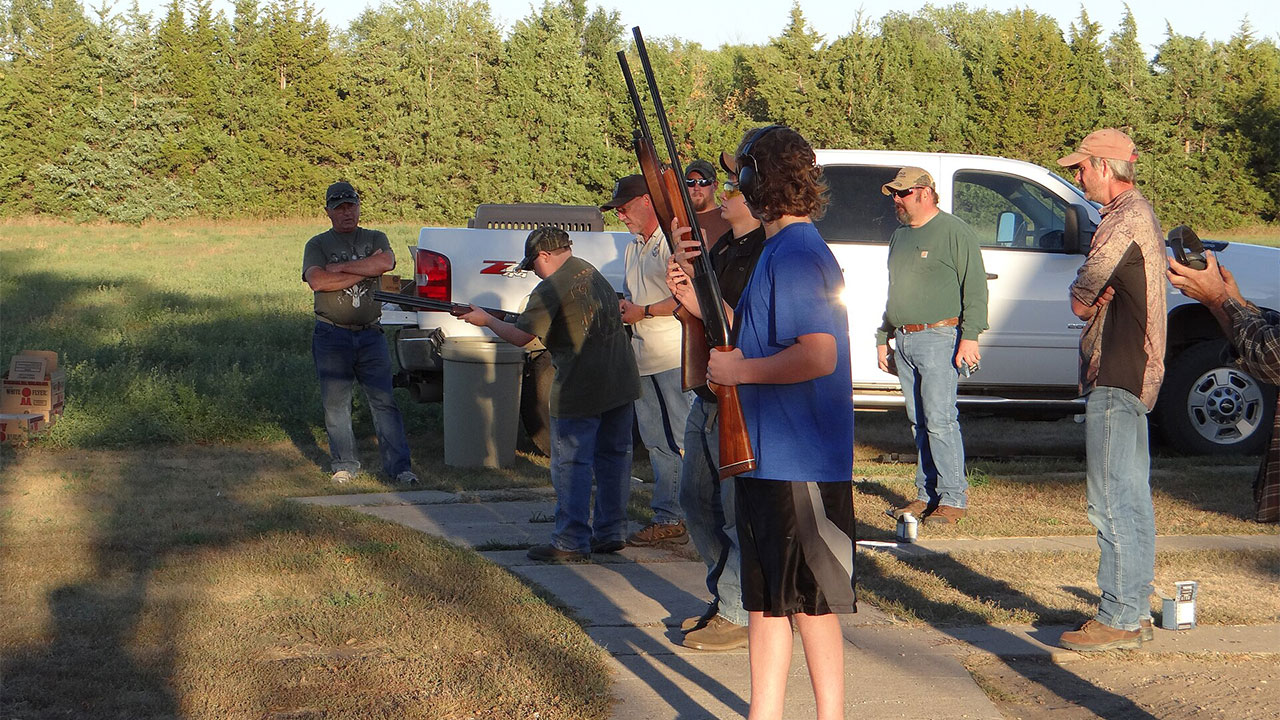
A lot of people think WMAs are mainly for already-experienced hunters who know the system cold. States use them for recruitment too. Texas says it offers mentored hunting workshops through its public-hunting program and also runs youth drawn hunts through the same broader system.
That is worth knowing because WMAs are often one of the few places where newer hunters can realistically get legal, structured, low-cost access without needing private land. They are not just places to manage wildlife. They are also places to train the next generation of people who care enough to use and support that management.
They are one of the most misunderstood public-land tools in the country

The biggest surprise may be that WMAs are not a side dish in state conservation. They are a major working piece of it. Texas says WMAs exist for wildlife and habitat research, management demonstrations, and compatible recreation. Georgia frames its WMAs as managed-use lands that support multiple outdoor opportunities. Put together, that makes them less like leftover public acres and more like active conservation infrastructure.
That is why the rules can feel picky, area-specific, and sometimes inconvenient. The goal is not maximum casual use. The goal is to keep wildlife habitat functioning while still giving the public real access where it makes sense. Once you understand that, WMA rules start making a lot more sense.
Like The Avid Outdoorsman’s content? Subscribe to our newsletter so you never miss an article.
Here’s more from us: