Photo credit: Wileydoc/ Shutterstock.com
Most bad snake encounters do not start with a snake coming out of nowhere and charging into somebody’s day. They start with a warning that got missed, brushed off, or recognized too late. The trouble is that the warning usually does not look dramatic. It looks like a patch of yard clutter nobody has cleaned up yet. A dog acting strange near the fence. Birds raising hell in one corner of the property. A shady spot that feels too ordinary to deserve caution. That is why people keep getting caught flat-footed. They are not ignoring some giant flashing signal. They are ignoring little signs that only seem small until the moment turns serious.
That matters because snakes are good at staying hidden right up to the point where you are too close. They use cover well, they move quietly, and they tend to show up in places people stop paying attention to because those places feel familiar. A lot of the worst encounters happen around homes, sheds, trails, gardens, and routine walking paths for exactly that reason. The person is relaxed. The snake is already there. The only thing missing is somebody noticing the setup for what it is before a hand, foot, or pet gets too close.
Your dog suddenly cares a lot about one spot
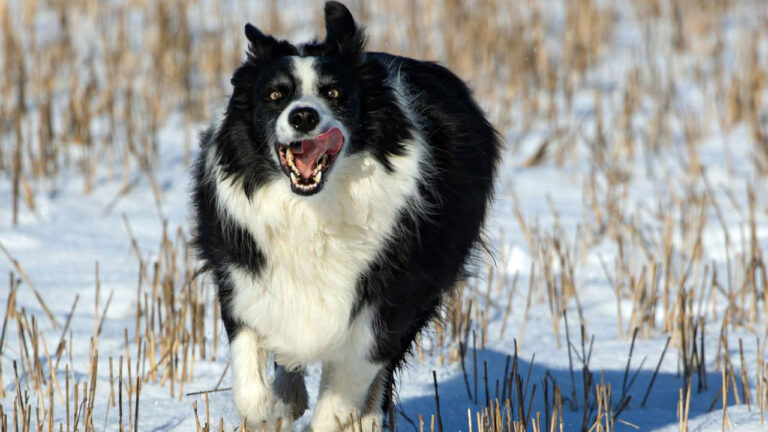
One of the clearest signs people ignore is a dog that gets weird about one part of the yard. Maybe it freezes near the same flower bed every evening. Maybe it keeps barking at one wood pile, one retaining wall, or one corner by the shed. Maybe it refuses to move through an area it normally ignores. People laugh this off all the time because they do not see anything there. But dogs are picking up on scent, movement, or recent activity long before you are.
The important part is repetition. A dog acting alert once is not much of a story. A dog that keeps returning to the same place with serious interest is usually telling you there is a reason that area matters. It may not always be a snake, but when a dog keeps focusing low to the ground around cover, it deserves more respect than people usually give it. A lot of homeowners only realize that after the bad surprise comes a few minutes later.
Birds and small animals start acting wrong
People tend to overlook what the rest of the yard is doing. Birds scolding hard in one shrub bed, squirrels freezing and flicking near the same rock line, rabbits suddenly avoiding one part of the property, all of that can mean something. Small animals are often much better than people at noticing a predator tucked into cover. They do not need a full-body sighting to react. They notice presence, posture, scent, and movement almost immediately.
That matters because these reactions often happen before a person ever walks over there. The yard is giving you information if you pay attention to it. Most people do not. They hear a burst of bird noise and keep walking. They see a squirrel acting tense and assume it is being a squirrel. Sometimes that is true. Sometimes those smaller animals are telling you a snake has already picked a place to sit tight, and the rest of the property has figured that out before you have.
The shady, cluttered spot nobody checks
A lot of bad encounters happen in places people have mentally written off as harmless. Under the edge of a porch. Beside the AC unit. In a pile of lumber. Behind stacked pots. Under a tarp. Along a shaded retaining wall. These are the spots people reach into, step around, or brush past without much thought because they are part of ordinary home life. To a snake, though, they are exactly what good cover looks like.
That is why clutter matters so much. Not because every messy corner holds a snake, but because the kind of mess people ignore tends to create the exact setup snakes use best. Cool shade, narrow hiding space, nearby prey, and very little disturbance. Once that setup has been sitting long enough, it stops being random clutter and starts becoming a real hiding place. A lot of people notice that only after they move the object and find out something was using it first.
You keep seeing prey sign and treating it like a separate issue
Rodents around the shed. Frogs near the water feature. Lizards in the rock border. Chipmunks around the stacked firewood. People often treat those signs like isolated nuisances, when really they may be part of the same story. A yard full of easy prey is a yard that gets more interesting to snakes. That does not mean every mouse problem leads straight to a snake encounter, but it absolutely means the property is becoming more attractive to the kind of predator people do not want to surprise at close range.
This gets ignored because prey activity feels less urgent. A few mice or a lot of frog noise does not scare people the way a snake does. But from a snake’s point of view, that prey is the whole reason to be there. If you keep seeing signs of food building up around cover and cool spots, that is not background detail. It is one of the strongest clues that the area may soon hold more than the prey itself.
The path feels normal, so nobody looks down
Some of the worst encounters happen on the route people use every day. The path to the trash cans. The side yard by the hose. The corner near the garden gate. The strip between the garage and the fence. These spots are dangerous for one simple reason: routine makes people careless. When you have walked the same path a hundred times without trouble, you stop scanning the ground. That is exactly what makes it such a good place for a hidden snake to produce a bad surprise.
The sign people ignore here is not always something dramatic in the path itself. It is often the setup beside it. Leaf litter piled along the edge. Low plants hanging over the walkway. A board or rock that creates a shaded lip. Thick mulch blending into the path line. The person focuses on where they are going, not on what kind of cover sits one step away. Then the encounter feels sudden, even though the conditions were sitting there in plain view.
The garden or flower bed suddenly feels too quiet or too busy
Garden beds are another place where people miss the build-up. Sometimes the sign is too much activity, frogs, insects, mice, birds working one area hard. Sometimes it is the opposite, a spot that feels oddly still until you are right on top of it. Either way, thick low growth, regular watering, ground-level shade, and prey traffic can make a bed or border much better snake habitat than the open yard around it.
People ignore this because gardens feel tended. They assume that if they work the area often, nothing dangerous would settle there. But snakes do not need the whole garden. They need one good cool pocket and enough cover to stay hidden until the wrong hand reaches in. A lot of bad encounters happen while somebody is pulling weeds, picking vegetables, or reaching into low growth barehanded because they treated the whole bed like friendly space instead of looking at it as layered cover.
The pet keeps refusing the same corner
A dog that barks is one thing. A dog or cat that flat-out avoids one section of the yard is another. If your pet suddenly does not want to go near a certain wood line, rock bed, porch step, or patch by the fence, that matters. Animals will often refuse a space that smells wrong or feels risky long before a person notices why. People ignore that because they assume the pet is being stubborn, dramatic, or distracted.
But a repeated refusal is information. Pets often know when a space has changed. If the dog used to move freely through an area and now skirts it, sniffs it carefully, or will not step there at all, that deserves attention. Too many people only realize that after they walk over to “show the dog it’s fine” and step into the encounter themselves.
The property has one spot that keeps rebuilding perfect snake cover
Another sign people miss is the part of the property that keeps turning back into the same problem. The leaves pile up there every week. The boards get stacked there again. The weeds come back along that fence line. The rock border keeps collecting debris. That matters because some spots naturally stay cooler, quieter, and more protected than others. If the same place keeps rebuilding the kind of cover a snake wants, it stays risky even after a quick cleanup.
This is where people fool themselves. They clear it once, assume the issue is solved, and stop thinking about it. But the spot is still doing what it always did. It is still shaded, still overlooked, still close to prey, and still easy for a snake to use. That means the danger is not gone. It is only waiting for the cover to build back up enough to matter again, which often happens faster than people think.
The sign was usually the setup, not the snake
That is really the bigger truth. Most people are waiting for the snake itself to warn them. By the time that happens, the distance is already too short and the moment is already bad. The warning signs before an encounter are usually not dramatic at all. They are the setup. The dog acting off. The birds fussing. The prey building up. The clutter nobody moved. The familiar path bordered by perfect cover. The same overlooked corner getting more inviting every week.
That is why these encounters feel so sudden. People are watching for motion instead of reading conditions. Snakes are good at disappearing into places people stop questioning. The better habit is not paranoia. It is paying closer attention to the parts of a property or trail that make a hidden snake possible in the first place. Most bad encounters have a prelude. The problem is that a lot of people do not realize they were watching it until the last second.
Like The Avid Outdoorsman’s content? Subscribe to our newsletter so you never miss an article.
Here’s more from us: