Photo credit: wirestock/Freepik.com
If you grew up thinking “elk country” meant Colorado, Wyoming, Montana, and a couple neighbors, that used to be a pretty fair mental map. But east of the Rockies and down into pockets of the Midwest, the elk story has been quietly changing. Reintroductions, habitat work, and a whole lot of careful management have turned “maybe someday” into real herds you can glass, hear bugle, and sometimes draw a tag for. Some of these states are still in the “small but growing” phase, and some are already legit elk destinations—just not the ones everybody name-drops first. This list is focused on places where elk momentum is real, where expansion is happening, and where you’re seeing more proof every year that elk aren’t just a Western headline anymore. (And yeah, the tags can be brutal—but the trend line is still up in a lot of these places.)
Kentucky
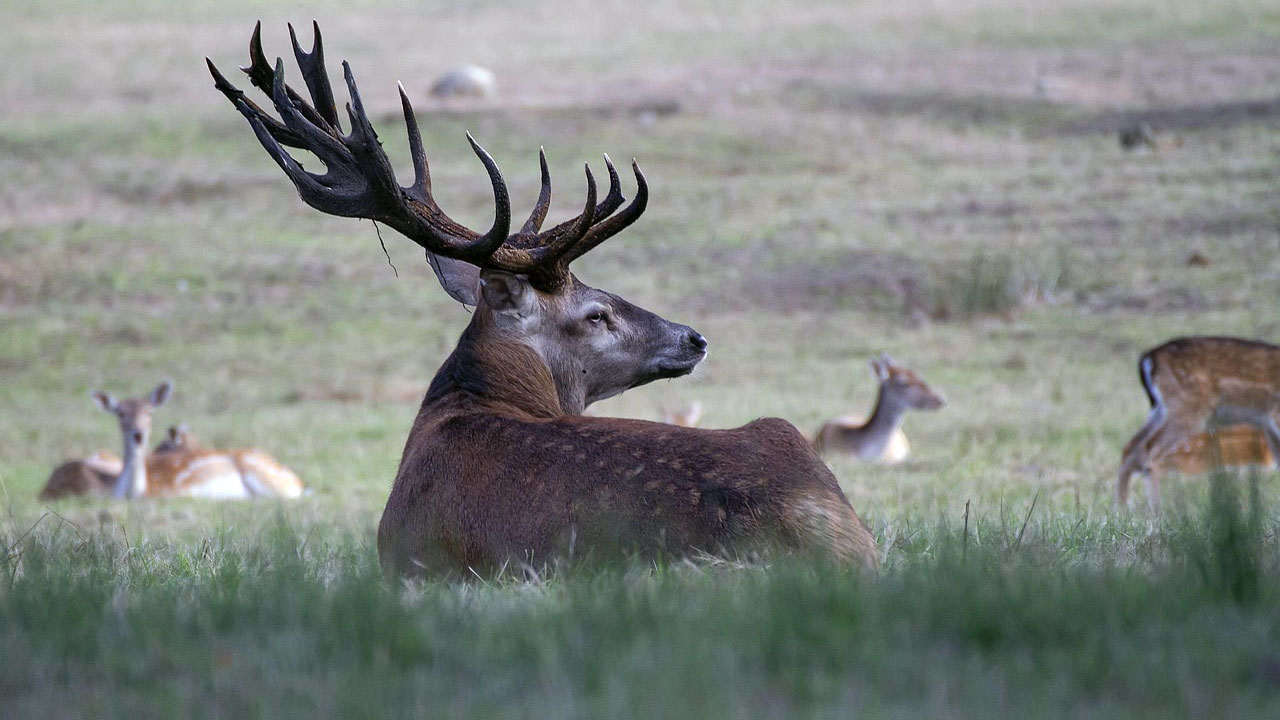
Kentucky isn’t “up-and-coming” anymore—it’s the anchor point for elk east of the Mississippi. The state’s elk restoration zone is huge, the habitat is real, and the population estimate has pushed into the five-figure range depending on the model. That changes everything: more animals means more sightings, more crop/fence conflicts in pockets, and more pressure to keep the herd balanced instead of just “let it grow.” If you want a non-Western state that feels like actual elk country—bugles, wallows, herd behavior, the whole thing—Kentucky is the one. It’s also the reason several nearby states have a head start: elk don’t respect state lines, and Kentucky’s success has helped feed expansion around it.
Tennessee
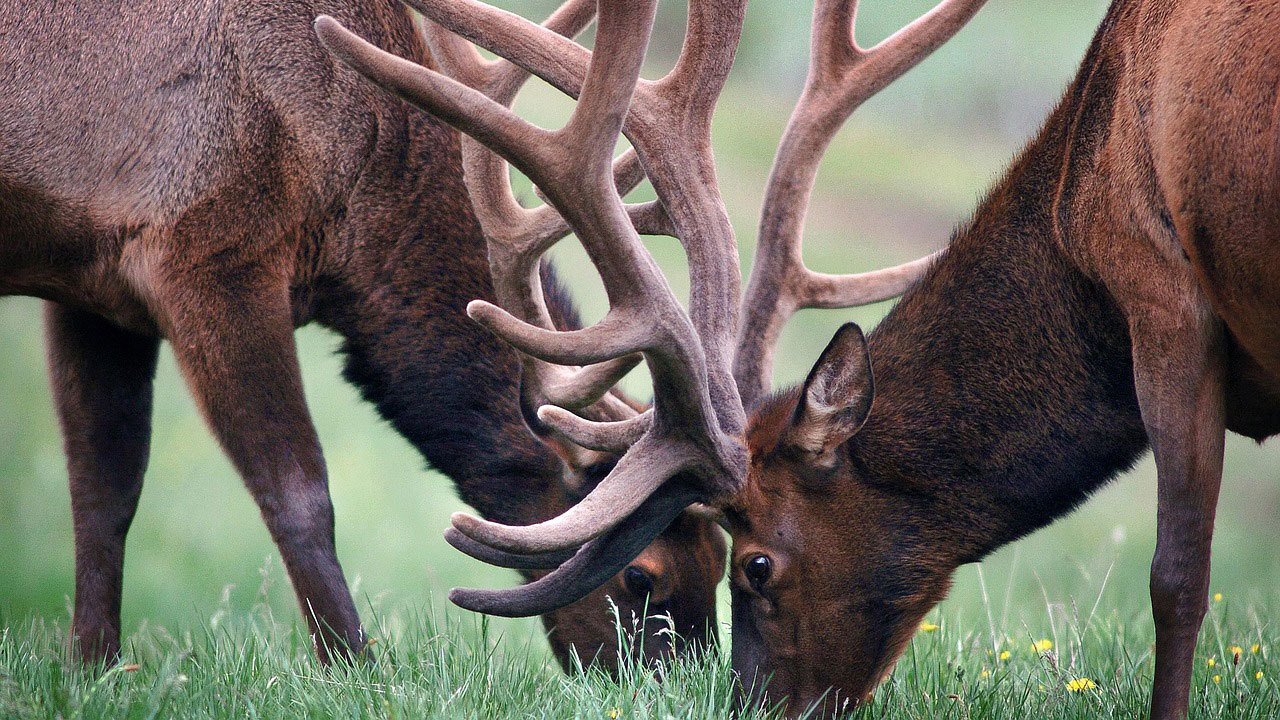
Tennessee is one of the best examples of “quiet progress.” The herd isn’t massive, but it’s established, managed, and still moving in the right direction. TWRA and partners have kept this program alive long enough that you’re not talking about a novelty herd—you’re talking about elk that are reproducing, using real habitat, and spreading their range in a way that forces the state to think long-term. When a state can talk about restoration in terms of access, habitat blocks, and multi-year planning instead of just “we released some animals,” that’s when you know it’s not going away.
North Carolina
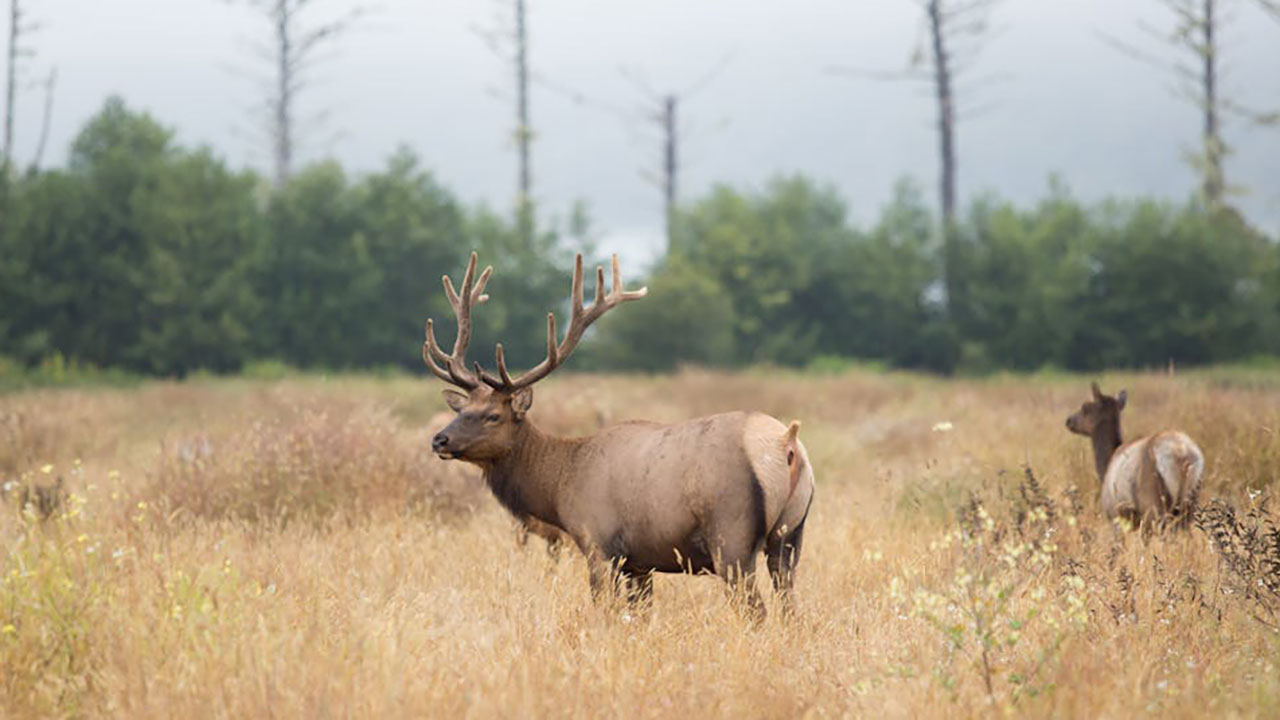
A lot of people don’t realize North Carolina has a real elk story until they see one. The Smokies elk project has produced a population you can actually estimate with modern methods, and it’s not a “handful of animals” situation anymore. What makes NC interesting is how visible the animals can be compared to some wilder Western setups—there are places where elk viewing is a normal thing, which also means the public buys in faster. The challenges are different here (tourism pressure, road issues, human proximity), but the elk momentum is still one of the strongest “outside the usual map” examples.
Virginia
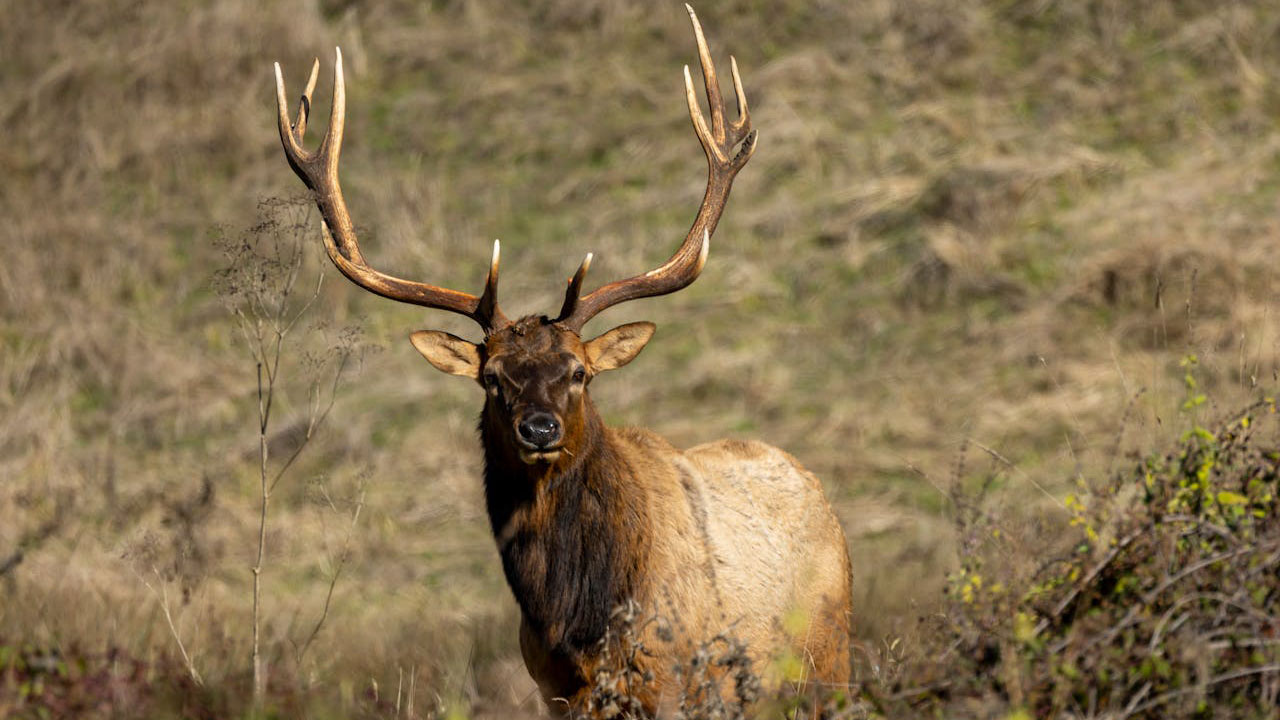
Virginia’s elk restoration is the kind of program that looks small on paper until you pay attention to what it’s doing on the ground. The herd started with relocations into Buchanan County, and the state has been tracking and managing these animals like a serious long-term project, not a publicity stunt. Local reporting has also noted the herd clearing into the “couple hundred” range, which matters because that’s when you start seeing more consistent calf recruitment and a little more geographic spread. It’s still a young elk state compared to Kentucky, but it’s absolutely trending upward.
West Virginia
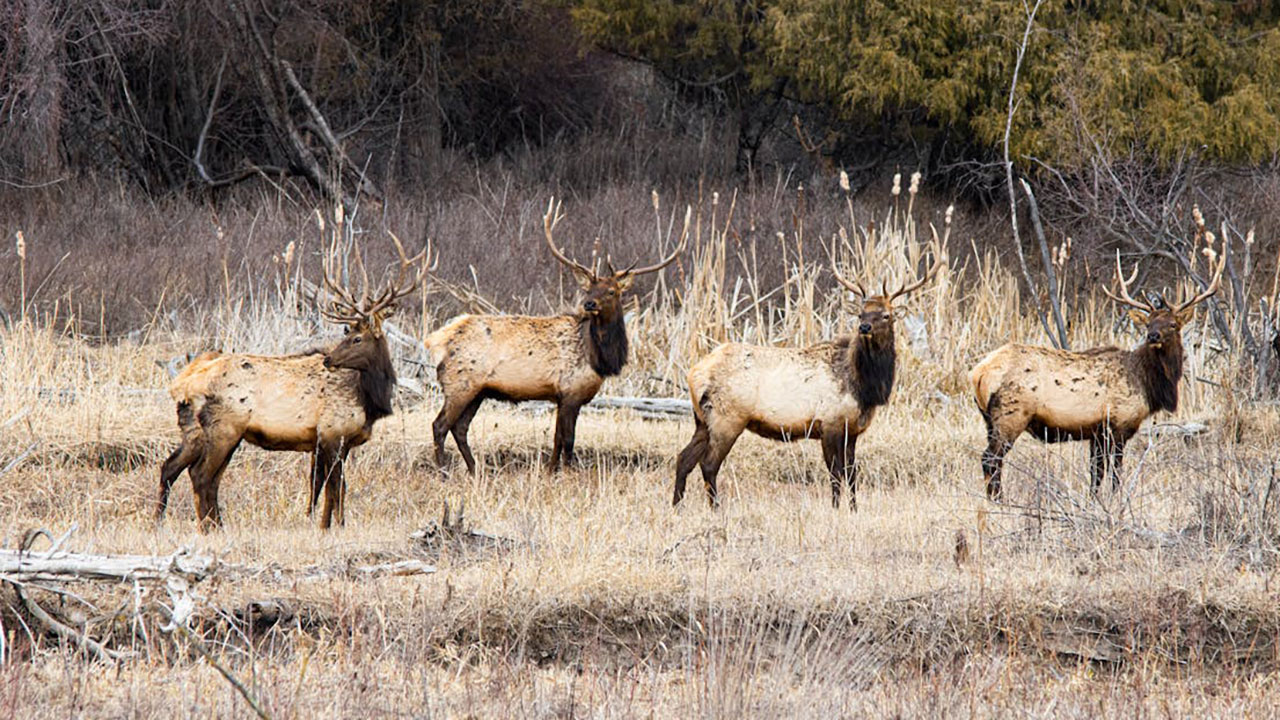
West Virginia is still early, but it’s one of the clearest “expanding east” signals because the state has openly pushed to add animals and grow the herd footprint. When a state is talking about bringing in dozens more elk and building viewing infrastructure, that’s not a state treating elk like a science fair project—that’s a state leaning into elk as a long-term wildlife and tourism asset. It also sits in the same general Appalachian lane as other expanding elk states, which means future range overlap is a real possibility, not a fantasy.
Wisconsin
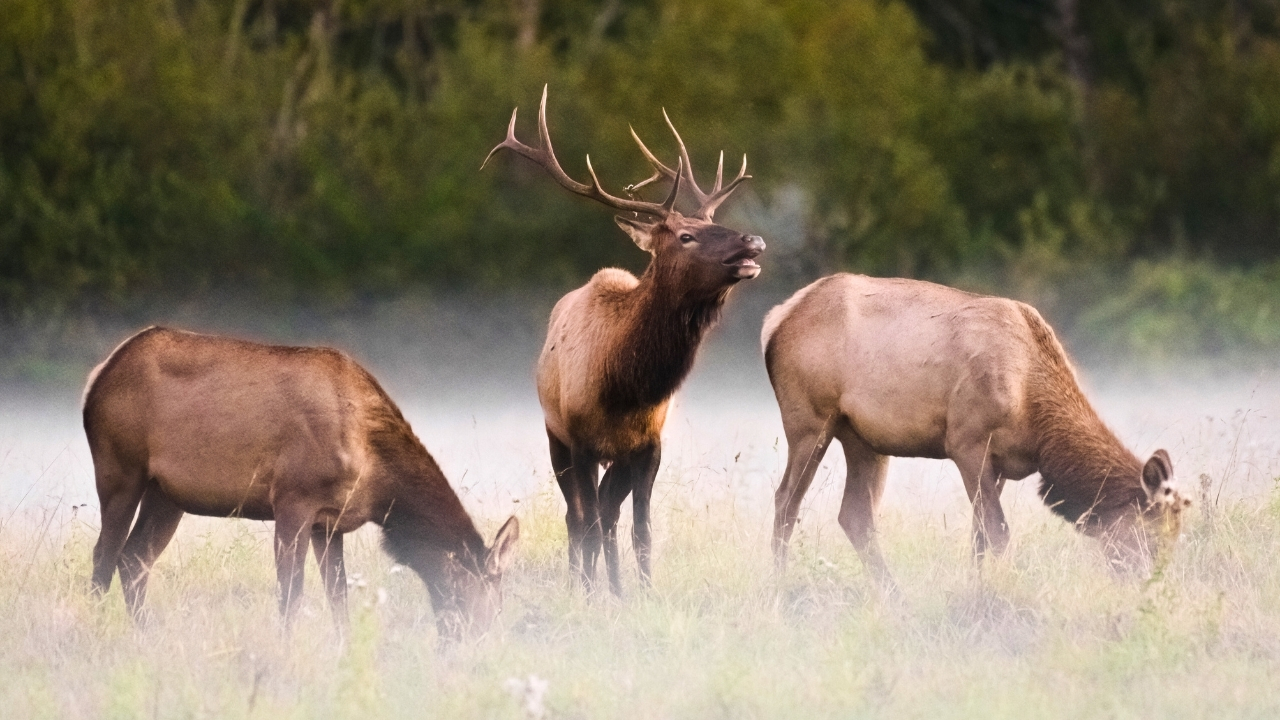
Wisconsin is a legit sleeper. The state has two elk herds with published estimates, and the numbers aren’t “maybe there are a few out there.” They’re counting animals, tracking range, and running regulated hunts based on herd strength. That’s the transition point from “restoration” to “management.” What makes Wisconsin stand out is that it’s not elk in wide-open Western basins—it’s elk in a landscape full of roads, mixed forest, and a lot more human activity. If elk can grow there, elk can grow in a lot of places people wouldn’t expect.
Michigan

Michigan’s elk herd is one of those weird, cool exceptions that proves elk don’t need a mountain state label to be real. The state manages elk in the northern Lower Peninsula, runs hunts, and publishes regular updates tied to harvest and population monitoring. It’s not “elk everywhere,” but it’s stable enough that they’re making multi-year decisions about seasons and survey methods—again, that’s what serious elk management looks like. For hunters, it’s also a reminder that you can have a true elk opportunity in a state most people only associate with whitetails.
Pennsylvania

Pennsylvania is the Northeast elk heavyweight, and it’s been that way long enough that people forget it’s still part of the “outside the usual hotspots” conversation. The herd is established, the viewing culture is huge, and the state treats elk like a flagship species from a management standpoint. Even if you’re not chasing a tag, the fact that you can go to PA and see wild elk on public-land landscapes in the East is a big deal, and it keeps interest (and funding) strong enough to maintain that upward momentum.
Missouri

Missouri’s elk restoration has been one of the more watchable growth stories because you can actually track the herd climbing toward the state’s long-term goal. Local reporting has cited the population moving into the 300+ range, and the state’s own materials talk openly about building toward a much larger, sustainable herd. That “goal herd size” mindset matters: it means the plan isn’t just “have elk,” it’s “have enough elk to be stable, huntable, and managed like a real resource.”
Arkansas
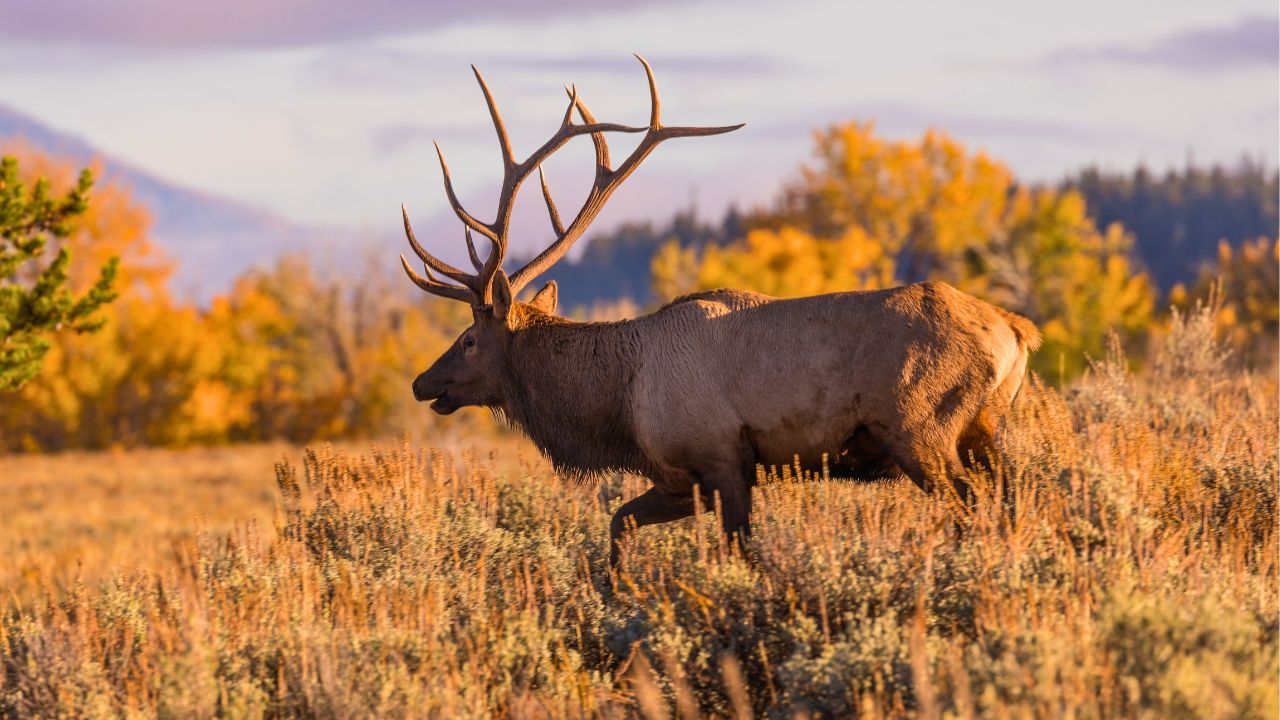
Arkansas is still a smaller-herd state, but it’s moving forward with structured seasons and program leadership that treats elk like a serious, growing resource. Harvest reporting and permit demand show the interest is there, and the fact that the state is producing quality bulls tells you the habitat and management are doing something right. Arkansas is also a good example of how elk growth doesn’t always show up as “massive herd counts” first—it shows up as consistent seasons, stable reproduction, and expanding presence in the zones where elk have room to breathe.
Oklahoma

Oklahoma’s elk situation isn’t just a refuge herd story anymore—it’s a statewide management reality with harvest numbers big enough to get your attention. When a state is reporting hundreds of elk harvested in a season and talking about elk showing up in new areas, that’s expansion, plain and simple. It’s also a reminder that elk thrive in more habitat types than people assume, especially when there’s limited predation and decent forage—sometimes that creates growth fast, and managers have to hustle to keep it balanced.
Kansas

Kansas is another one that surprises folks until they look at the numbers and the direction. The state’s elk harvest reporting has pointed to increasing permit sales over time, which is usually tied to a herd that’s growing in number and distribution. Kansas elk are also a different kind of elk hunt—more private-land reality, more unit-specific planning, and often more “work for access” than big public-land Western hunts. But the trend is still up, and that’s why Kansas keeps popping up more in elk conversations than it used to.
Nebraska

Nebraska doesn’t get talked about like elk country, but the state and partners are investing in research specifically because elk presence has expanded and management decisions are getting more serious. When you see multi-year studies tracking movement and habitat use across broad regions, that’s not something agencies do for a species that’s “not really there.” Nebraska elk are a Northern Plains-style deal—big country, mixed public/private, and a lot of agriculture edges that can create both opportunity and conflict.
South Dakota

South Dakota has long had elk in the Black Hills, but what keeps it on this list is how it sits in that “not a classic elk destination, but absolutely real” lane for a lot of hunters. For plenty of folks east of the Rockies, South Dakota is the closest place where elk feel attainable compared to the bigger-name Western draws. It’s also a state where elk management is tied to tight geography, which means changes in habitat, access, and herd distribution can show up fast—and that’s usually where you see growth conversations heat up.
North Dakota

North Dakota’s elk story is a “badlands and pockets” situation, and the reason it belongs here is the amount of attention the state has put into understanding elk distribution, movement, and monitoring. That level of research focus usually shows up when a species is stable enough—and widespread enough—to create real management questions. North Dakota isn’t going to turn into Colorado, but that’s not the point. The point is: elk are present, they’re being studied like a serious resource, and that typically means they’re not fading out.
Like The Avid Outdoorsman’s content? Subscribe to our newsletter so you never miss an article.
Here’s more from us: