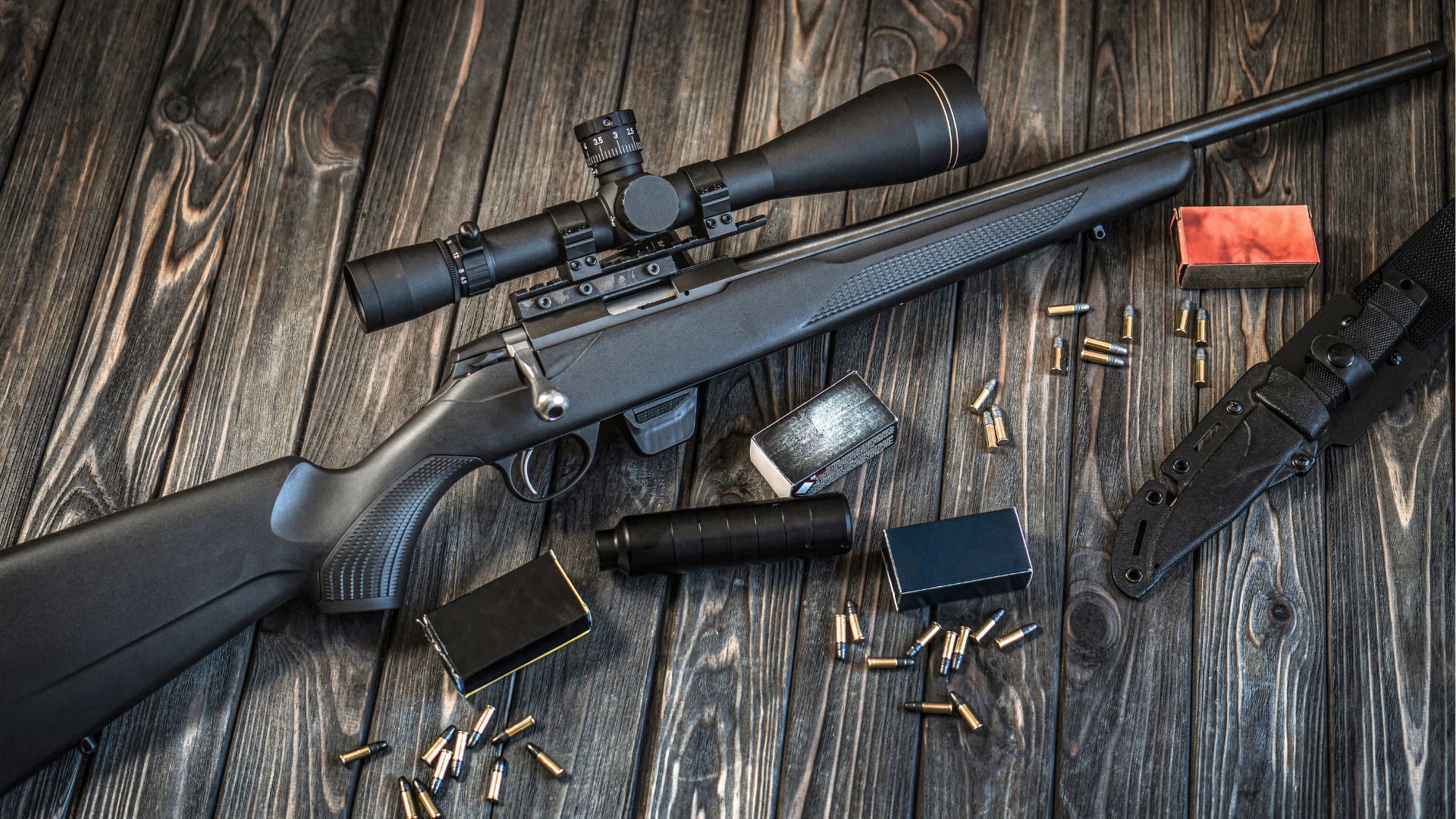
Photo credit: SolidMaks/Shutterstock.com
Some cartridges come with built-in baggage. It doesn’t matter if the rifle is a Remington, Ruger, Savage, or custom build—the cartridge brings the same physics to every platform. That can mean brutal recoil, short barrel life, weird feeding, expensive ammo, or performance that looks great in a chart but doesn’t feel worth it on real targets.
This list isn’t saying these calibers are “useless.” It’s saying they consistently leave shooters feeling like the tradeoffs are heavier than the payoff—no matter what rifle they buy.
.220 Swift

The Swift is famous for speed, but it has a long reputation as a throat-eater when pushed hard. Even with modern barrels, you’re still dealing with an overbore cartridge that can punish barrel life if you shoot it like a high-volume varmint round.
It can be accurate and effective, but a lot of owners end up disappointed when the maintenance and barrel wear don’t match how they wanted to use it. The cartridge doesn’t care what rifle it’s in—fast and hot stays fast and hot.
.22-250 Remington

The .22-250 is a killer coyote round, but the same complaint follows it everywhere: heat and throat erosion show up faster than people expect if they shoot strings or do a lot of practice. It’s easy to fall in love with velocity and then realize the cost on the barrel side.
In most rifles it shoots great—right up until you treat it like a .223 and burn it down. Owners who don’t pace shots or who like high-volume range sessions often end up feeling like the caliber is more work than it’s worth.
.243 WSSM
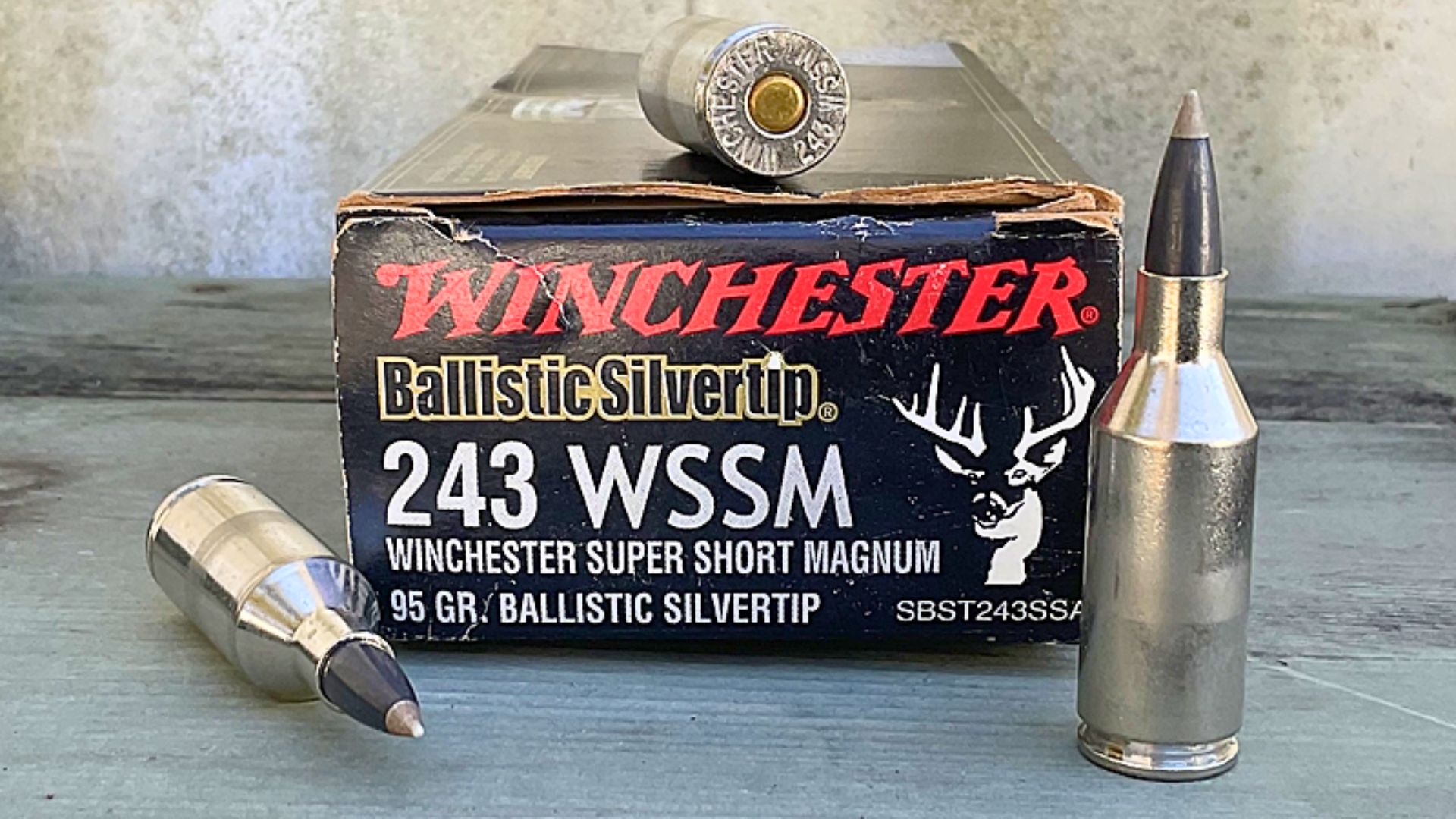
The WSSM family is a classic “cool idea, limited future.” The .243 WSSM promised short-action speed, but feeding quirks, limited rifle options, and thin ammo availability have followed it for years.
Even if you find a rifle that shoots it well, you’re often stuck with fewer factory loads and less long-term support. That turns into disappointment the moment you try to stock ammo, find brass, or keep the rifle fed long-term.
.223 WSSM
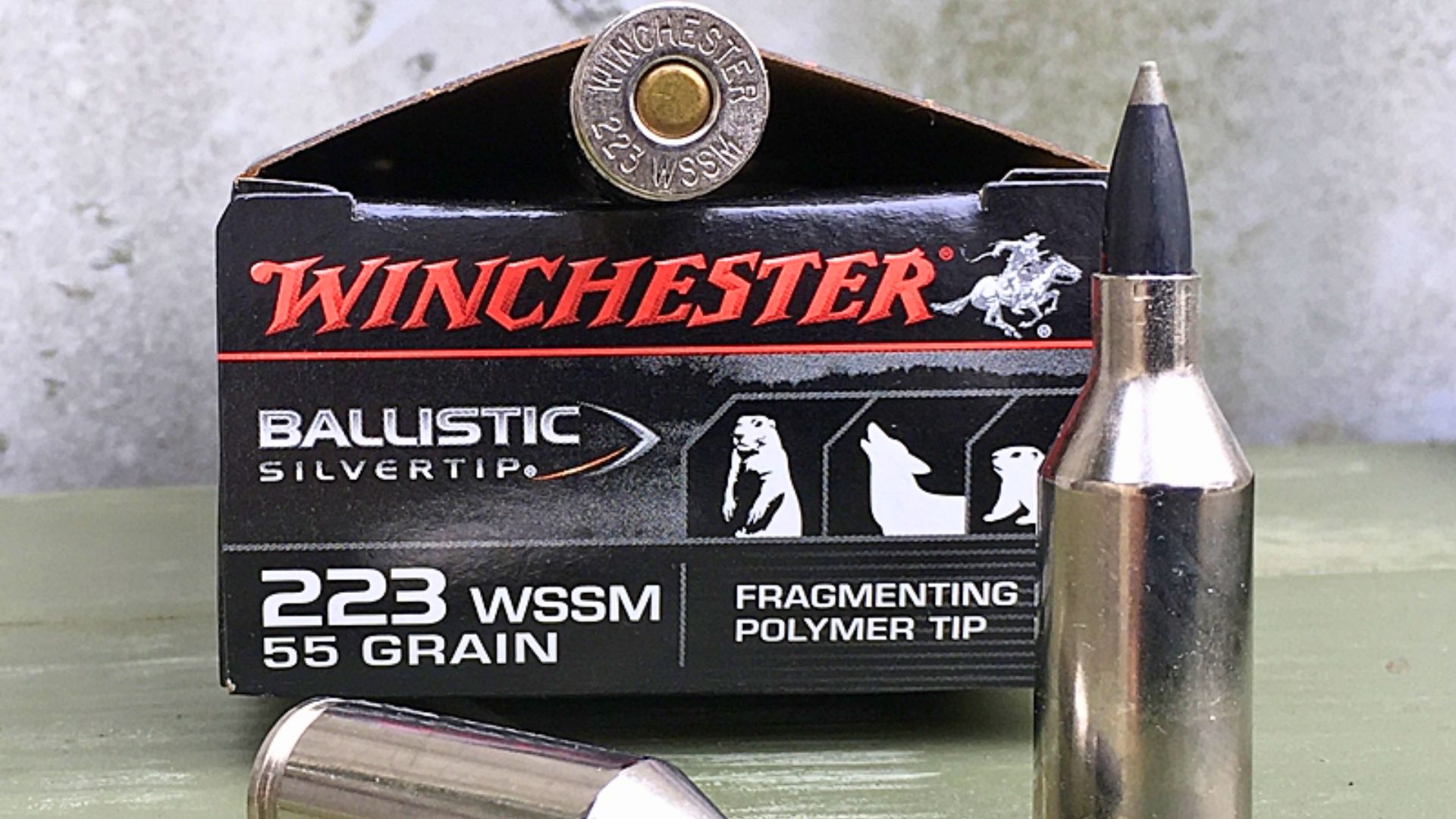
Same story as the .243 WSSM, with the added reality that .223 Rem and .22-250 already cover most needs. The .223 WSSM can run hot and fast, but it’s hard for many shooters to justify the niche.
Across rifles, the drawback is the same: you’re buying into a cartridge with a smaller ecosystem and fewer options. When ammo is hard to find, the rifle brand doesn’t matter much—you’re still hunting for food.
.264 Winchester Magnum

The .264 Win Mag has always been a “looks amazing on paper” cartridge that comes with classic overbore downsides. Barrel life complaints have followed it for decades, and recoil isn’t free either.
You can make it shine, but a lot of owners walk away thinking, “I could’ve done 90% of this with a more common 6.5 and saved money and wear.” That feeling shows up no matter what rifle it’s chambered in.
.257 Weatherby Magnum

The .257 Weatherby is flat and fast, but it also carries the same two disappointments everywhere: cost and barrel wear. Weatherby performance is real—but so is the price of feeding it and the reality of throat erosion with lots of shooting.
Many shooters love it for hunting, then realize they don’t want to practice with it as much as they should because every trigger pull feels expensive. That disconnect is where disappointment grows.
6.5-300 Weatherby Magnum
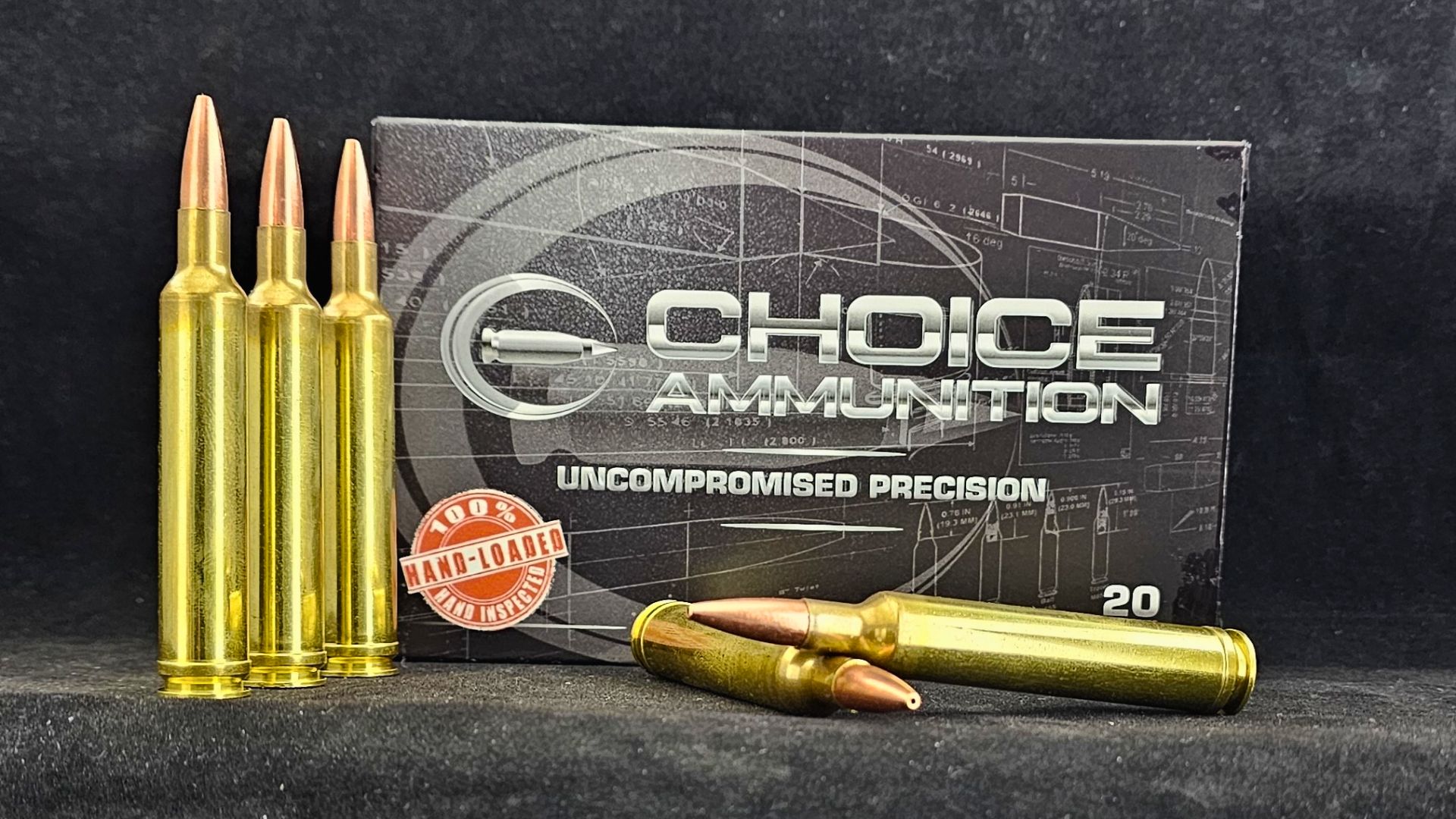
This is peak “screaming fast 6.5,” and it brings peak overbore behavior with it. Barrel life concerns are baked in, and you’re paying premium prices to stay on that ride.
In any rifle, it’s the same story: it can do impressive things, but you’re trading longevity and cost for speed. For most shooters, the real-world payoff doesn’t match the long-term ownership headaches.
.26 Nosler

The .26 Nosler promises a lot, and it can absolutely deliver speed and trajectory. The disappointment comes from the same two points in nearly every owner story: barrel life and ammo cost/availability.
Even with a great rifle, you’re still managing an overbore cartridge. If you don’t accept that the barrel is a consumable and the ammo isn’t cheap, this caliber turns into a regret buy pretty quick.
.28 Nosler
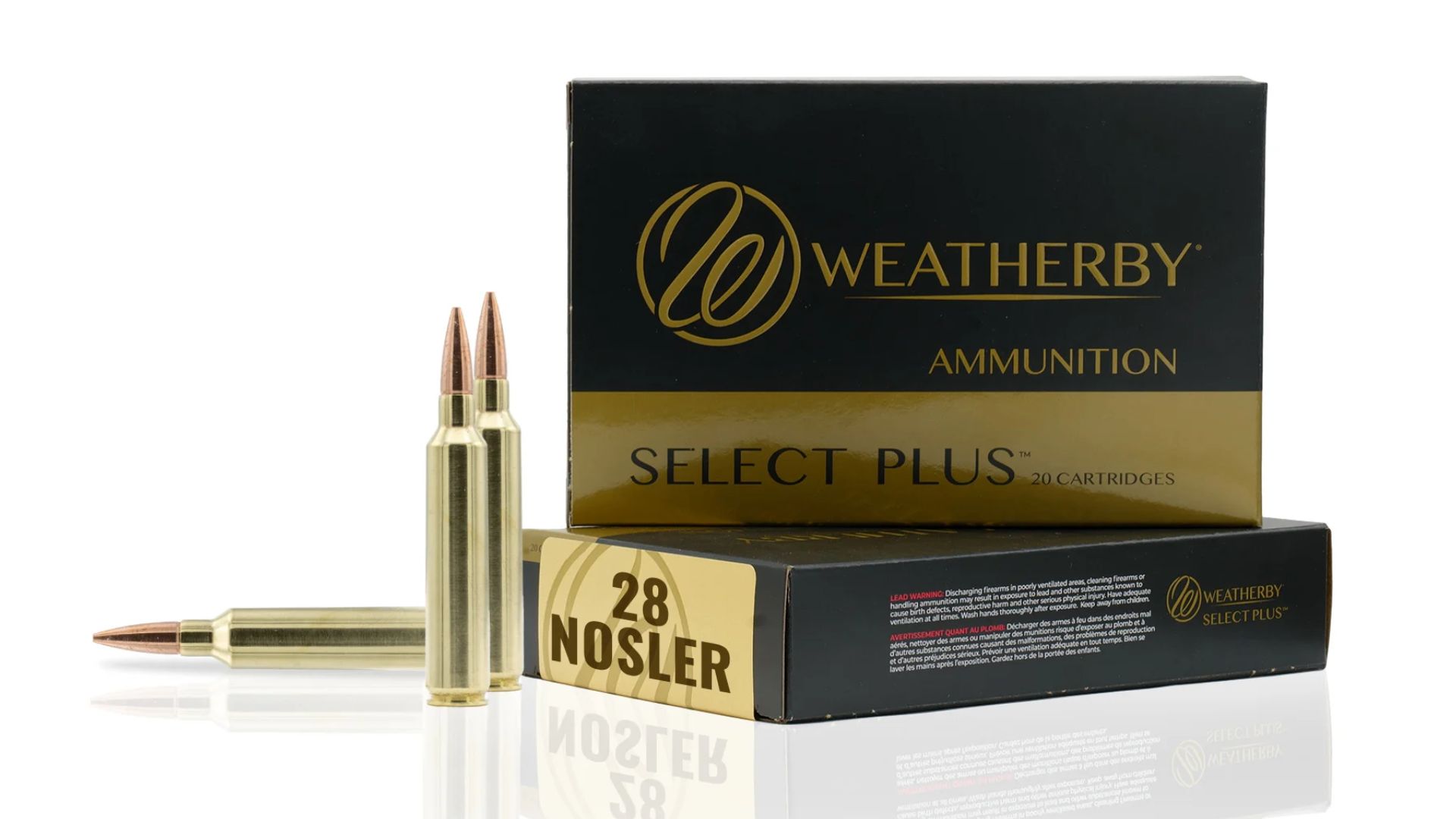
The .28 Nosler can be a hammer, but it has a consistent “ouch” factor: recoil, cost, and barrel wear. It’s not a casual shooter’s cartridge, and people sometimes buy it thinking it’s a simple upgrade from common 7mm options.
In almost every rifle, the complaint is the same: it’s a lot of cartridge for what many hunters actually do. If your longest real shot is 250–400 yards, it’s easy to end up thinking you bought a problem you didn’t need.
7mm STW
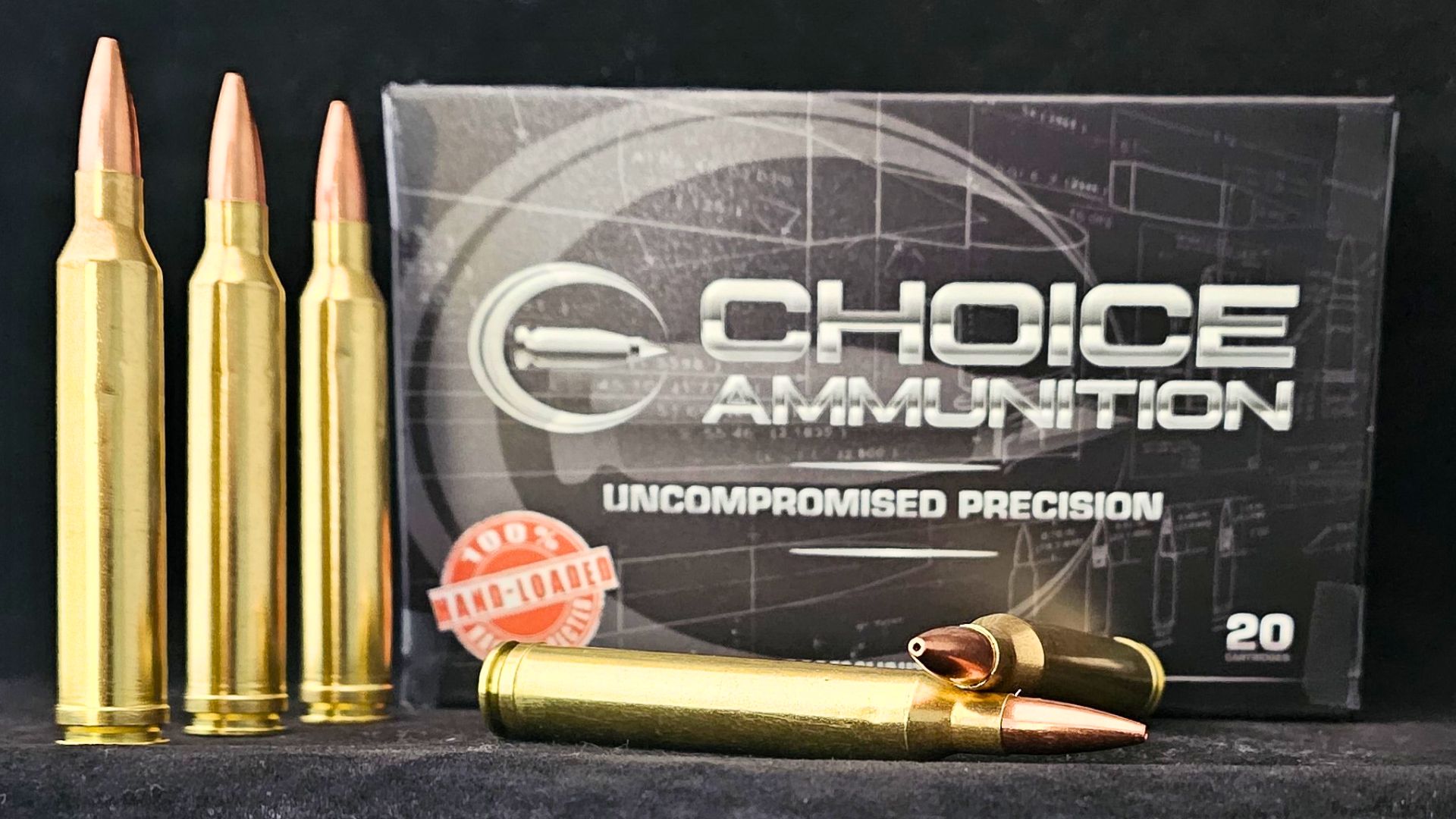
The 7mm Shooting Times Westerner is another overbore speed play that comes with real tradeoffs. It can shoot flat, but it’s hard on barrels and doesn’t bring a big advantage over more common 7mm choices for most shooters.
Across rifles, that reality doesn’t change. You still deal with less common ammo/brass, and you still get the heat and wear that come with a big case pushing a 7mm hard.
.300 Remington Ultra Magnum

The .300 RUM is a serious cartridge, but it’s also the definition of diminishing returns for many people. Recoil is heavy, muzzle blast is rough, and barrel life isn’t great if you shoot it a lot.
In any rifle, you’re still dealing with the same truth: it can reach out, but it demands a shooter who can actually run it well. A lot of owners discover they don’t shoot it better than a .300 Win Mag, and that’s where disappointment lives.
.30-378 Weatherby Magnum
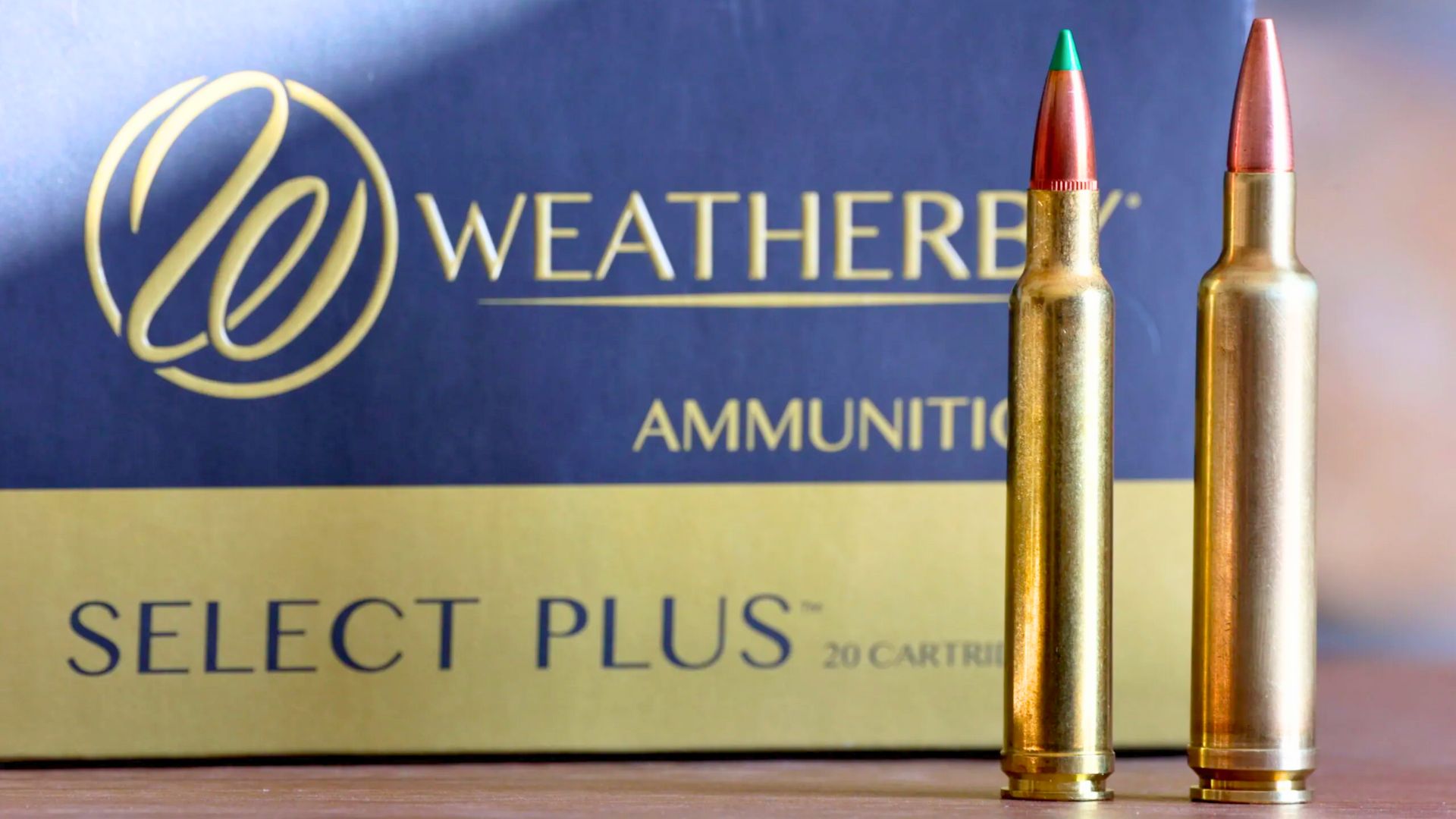
This one looks impressive, and it is—on a ballistic chart. In real life, most shooters end up wrestling recoil, blast, cost, and barrel wear. It’s a cartridge that asks a lot from the person behind the gun.
No matter the rifle, the tradeoffs are the same. You need a brake, you need serious practice, and you need a thick wallet. Many people end up realizing they built a long-range rig they don’t enjoy shooting.
.338 Lapua Magnum

The .338 Lapua has earned its place, but it disappoints plenty of buyers for a simple reason: it’s expensive and unforgiving. Ammo cost alone can turn it into a safe queen for normal working folks.
It also demands a rifle setup and shooter skill that a lot of people underestimate. If the goal is practical long-range capability on a budget, the .338 Lapua often ends with, “I should’ve bought something I’d actually shoot weekly.”
.45-70 Government (for people expecting “flat shooting”)
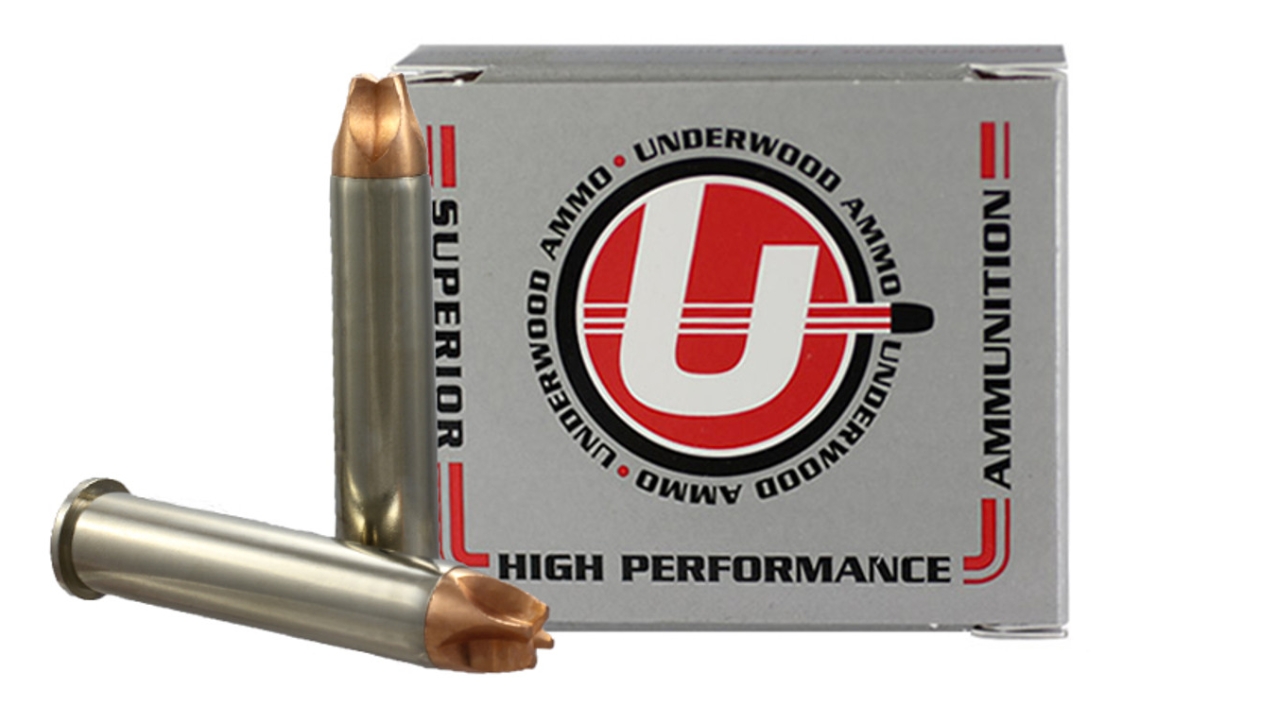
This one is all about expectations. The .45-70 can be excellent for certain work, but it disappoints buyers who thought it would be a do-everything rifle cartridge. Trajectory drops fast, and recoil can be stout in lighter lever guns.
That’s not a rifle problem—it’s the cartridge and the platform reality. In almost any rifle, you’re still dealing with rainbow ballistics compared to modern rifle rounds, and that surprises a lot of new owners.
.350 Legend (for people expecting “long-range”)
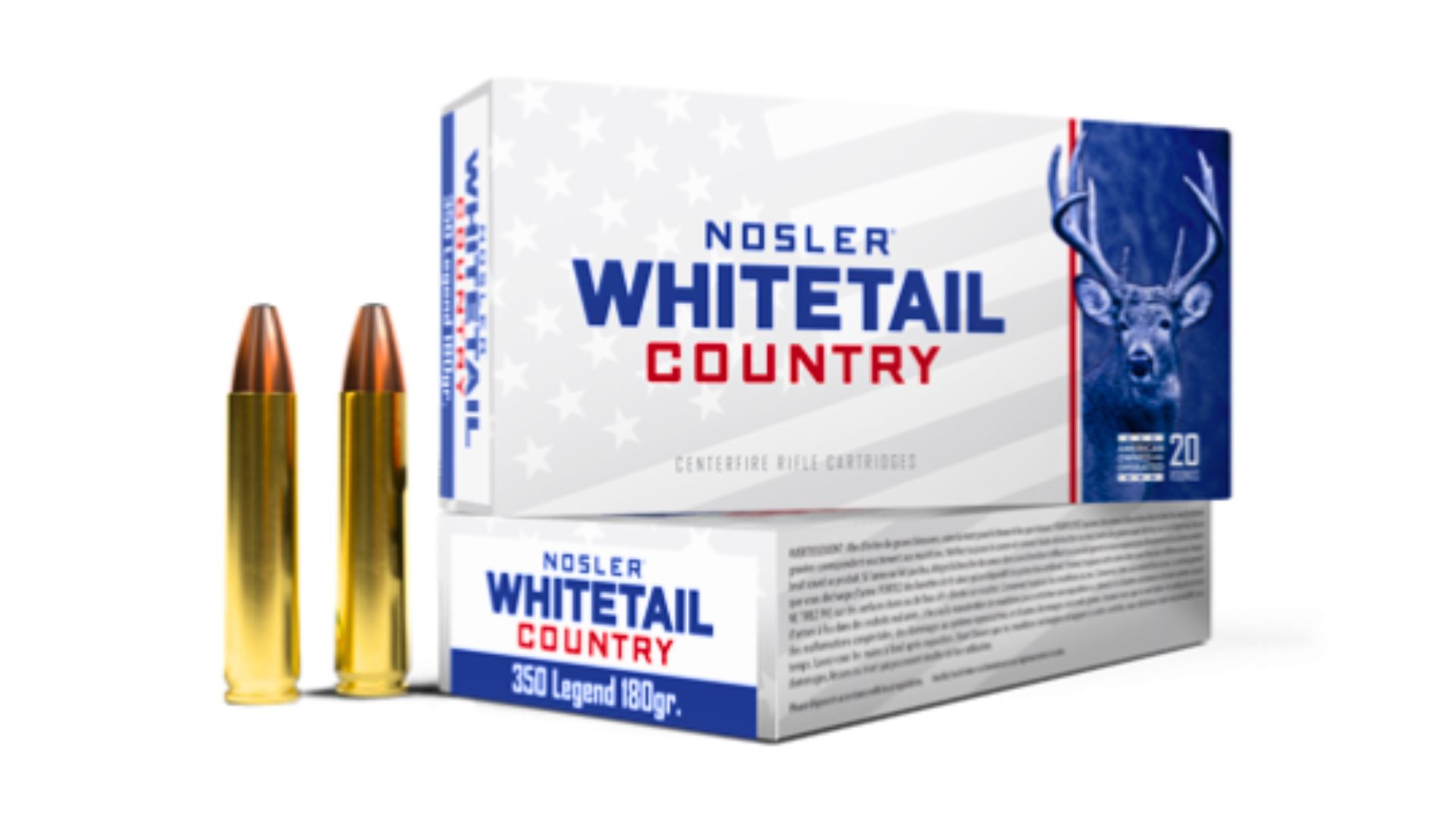
The .350 Legend does what it was built to do, but it disappoints people who expect it to behave like a standard rifle cartridge at distance. It’s a straight-wall that can be effective inside its lane, but it’s not a flat-shooting, wind-bucking star.
Across rifles, the same limitations show up: trajectory, wind drift, and performance that falls off faster than many buyers want. If you bought it thinking it’s a 300-yard hammer without careful setup, you’ll likely feel let down.
Like The Avid Outdoorsman’s content? Subscribe to our newsletter so you never miss an article.
Here’s more from us: