Photo credit: The Avid Outdoorsman
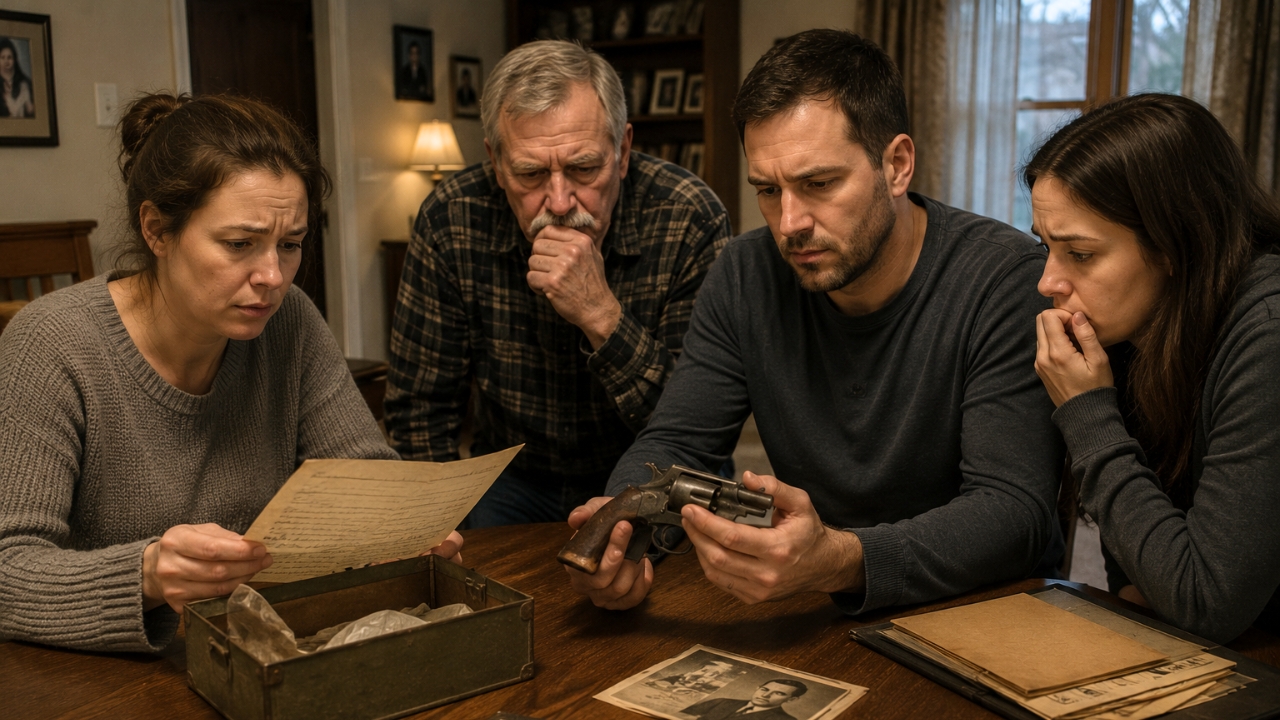
The family said the revolver came with a story nobody really wanted attached to it. According to the Reddit post, they inherited an old firearm in California, but it was not just a keepsake from a relative’s closet. The gun was believed to have been used in a killing years earlier.
That immediately made the inheritance feel different. A normal inherited revolver might raise questions about registration, transfer rules, storage, or whether anyone in the family even wants to keep it. But a possible murder weapon carries a heavier kind of uncertainty.
The original Reddit post can be found here: https://www.reddit.com/r/legaladvice/comments/88j726/inherited_a_murder_weapon_california/
The family wanted to know what they should do with it. Keeping it felt uncomfortable. Turning it over to police seemed logical, but they were not sure what that might trigger. If the case was old, closed, or already handled in court, would anyone care? If it was not fully resolved, could the gun still matter? And if they simply handed it in, would they create legal problems for themselves?
That is the strange place inherited firearms can put people. The person receiving the gun may have done nothing wrong and may know very little about its history. But once they learn it may be tied to a serious crime, it is hard to treat it like ordinary property.
There was also the California angle. Firearm transfers and possession rules can be strict, especially when ownership changes through inheritance. Even without the darker history, the family needed to think about whether they could legally possess or transfer it. The alleged connection to a killing only added more pressure to handle it carefully.
The post did not read like someone trying to hide evidence. It read like someone trying to avoid making a bad decision with an object they never asked to receive. A gun can sit in a drawer for decades, but once the story comes out, the family has to decide whether they are holding a family relic, evidence, or both.
The safest path in a situation like that is usually not to sell it, fire it, clean it heavily, or pass it around. If it might be connected to a crime, even an old one, preserving it as-is and getting legal guidance makes more sense than guessing.
Commenters generally told the family not to do anything casual with the revolver. Several said they should not sell it, destroy it, or give it away until they knew whether it had any legal significance.
Others suggested contacting an attorney before walking into a police station with it. The goal was not to avoid law enforcement, but to make sure the family understood how to turn it over or disclose it properly without accidentally creating confusion about possession, transfer, or evidence.
Some commenters said if the case was known and closed, police may not need the gun. But if the weapon had never been recovered or if there were unresolved questions, it could still matter. The family would not know until someone checked.
A few people focused on safe storage. Until the family decided what to do, the revolver needed to be unloaded, secured, and kept away from anyone who should not access it. A possible crime history does not change the basic safety rules.
The post ended with the family holding something that was more than an inherited object. It was a firearm with a story attached, and the weight of that story made the next step matter more than the gun’s actual value.
Like The Avid Outdoorsman’s content? Subscribe to our newsletter so you never miss an article.
Here’s more from us: