Photo credit: The Avid Outdoorsman
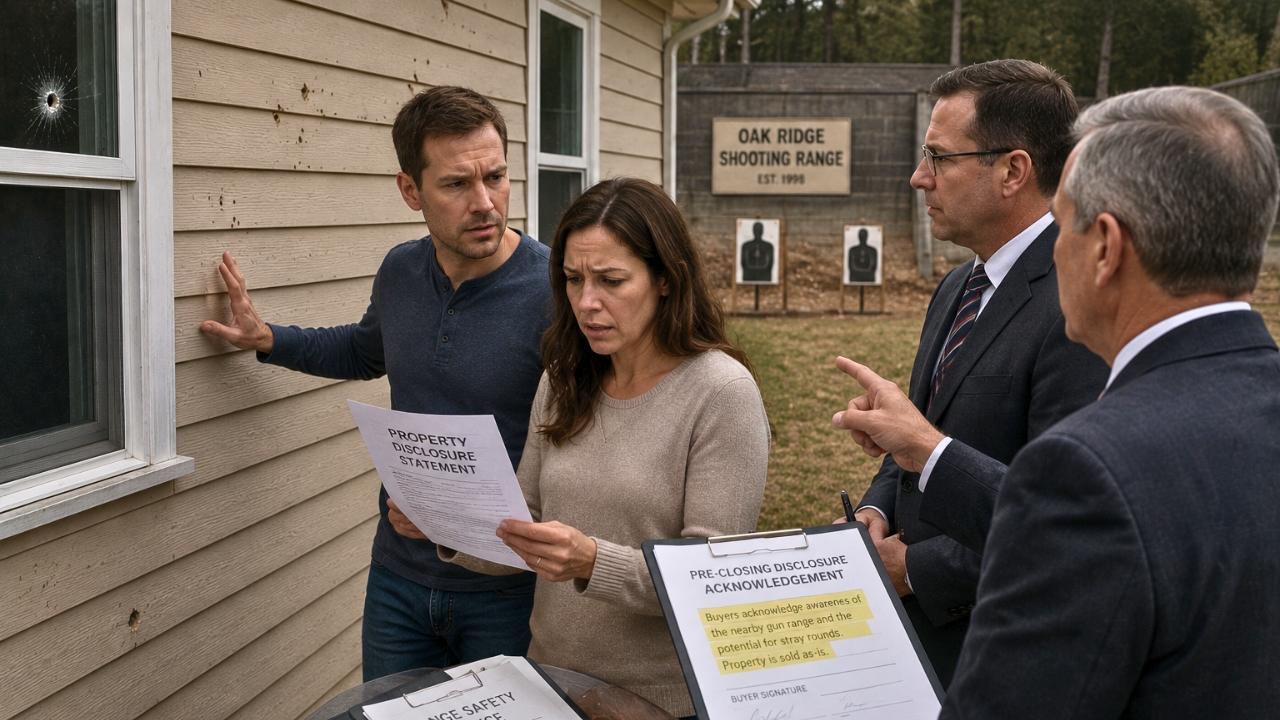
The homeowner said they bought the house without realizing one major problem: it sat directly in the path of stray rounds from a nearby gun range. According to the Reddit post, they later learned the issue had already been known before closing.
That is the kind of discovery that can make a new homeowner feel sick. Buying a house is stressful enough when the surprises are normal ones like a bad water heater, drainage trouble, or an old roof. Finding out bullets may be reaching the property is a different level of concern.
The original Reddit post can be found here: https://www.reddit.com/r/legaladvice/comments/aj6b6o/i_purchased_a_house_unknowingly_that_is_directly/
The homeowner was not simply upset about noise. Gun range noise can be annoying, but it is also something people can often research or notice before buying. Stray rounds are different. If bullets are leaving the range and reaching nearby homes or land, that becomes a safety issue, a disclosure issue, and possibly a property value issue all at once.
The post centered on what the homeowner could do after learning the problem may have existed before the sale. That matters because real estate transactions depend heavily on what sellers, agents, inspectors, and buyers knew or should have known. If a dangerous condition was known and not disclosed, the homeowner may have a reason to ask harder questions.
At the same time, proving that kind of claim is not simple. The homeowner would need evidence that rounds actually reached the property, that the issue existed before closing, and that someone involved in the sale knew about it and failed to disclose it. Suspicion alone would not be enough.
There is also the gun range side. A properly run range should have safe backstops, berms, and procedures to keep rounds contained. If stray rounds are reaching neighboring property, that is not a normal inconvenience. That is the kind of thing that could involve law enforcement, local officials, range management, insurance companies, and possibly attorneys.
For the homeowner, though, the immediate fear was basic: they had moved into a home where they now worried about where bullets might land. That affects how you use the yard, whether kids can play outside, whether pets can be out, and whether sitting on a porch feels safe.
Commenters told the homeowner to start gathering proof before making accusations. Photos of impact marks, recovered projectiles, dates, times, and locations could all matter. If neighbors had similar experiences, their statements could help show a pattern.
Several people suggested contacting local law enforcement or the county to report any suspected rounds landing on the property. If there was an active safety issue, it needed to be documented officially, not just discussed with the seller or agent.
Others said the homeowner should speak with a real estate attorney. If the issue was known before closing and not disclosed, an attorney could review the sale documents, disclosure forms, inspection reports, and any local complaints about the range.
Some commenters also recommended checking public records. Complaints to the county, police reports, zoning records, or prior neighborhood disputes could show whether the problem had been documented before the homeowner bought the property.
A few people were careful to say that the range itself was not automatically at fault just because the house was nearby. The facts would matter. But if bullets were truly leaving the range and reaching private property, commenters agreed that was serious and needed to be handled through official channels.
The post ended with the homeowner facing a problem no buyer wants after closing. They thought they were buying a house. Instead, they may have inherited a known safety issue tied to stray rounds, disclosure questions, and a nearby gun range that suddenly mattered a lot more than it did on moving day.
Like The Avid Outdoorsman’s content? Subscribe to our newsletter so you never miss an article.
Here’s more from us: