Photo credit: The Avid Outdoorsman
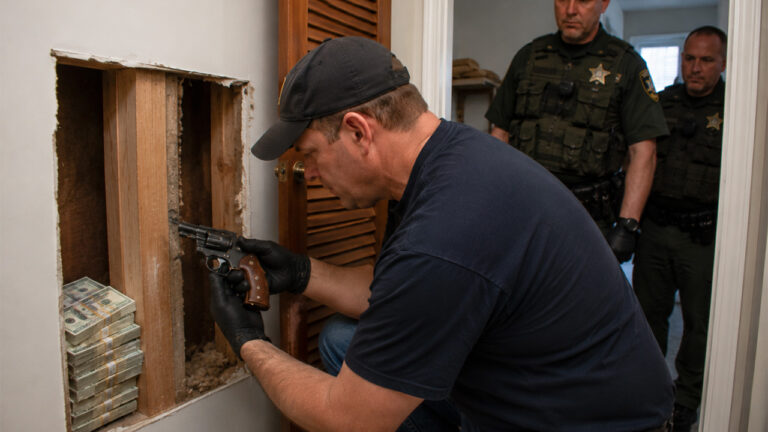
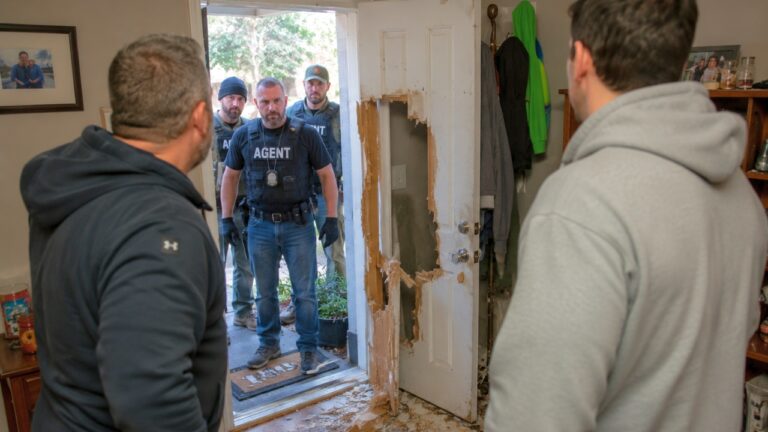
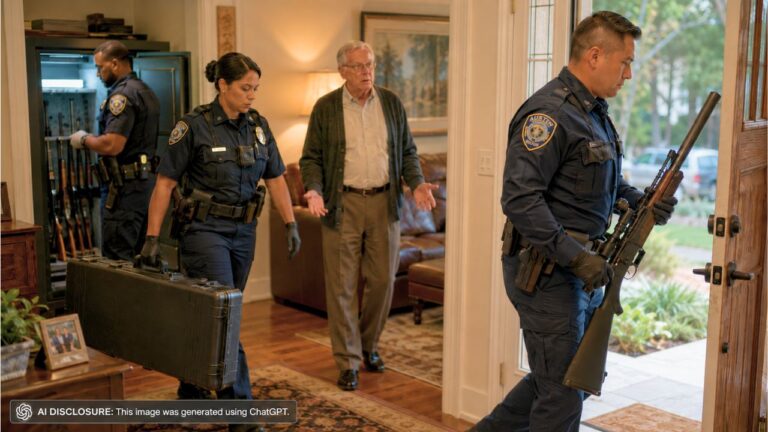
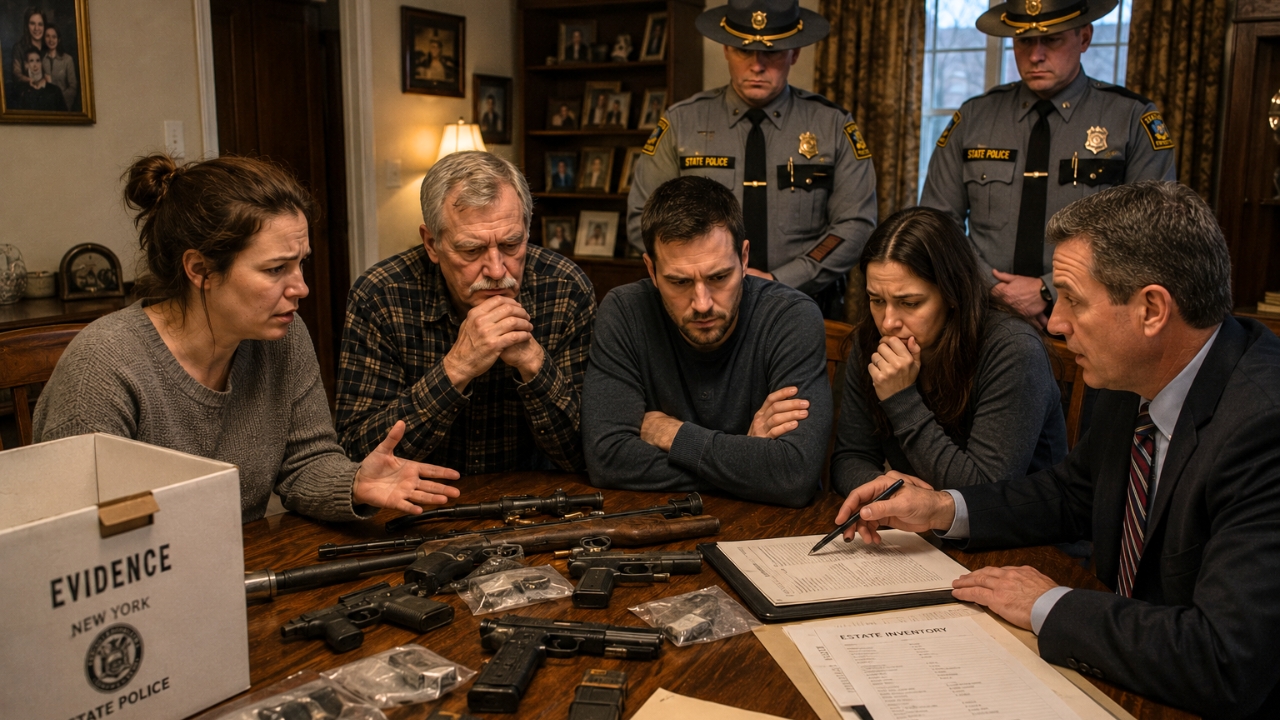
The family thought they were dealing with an estate issue, not a stolen-property problem. According to the Reddit post, they were informed that firearms connected to an inheritance may have been stolen. That turned what could have been a normal estate question into something much more serious.
The original Reddit post can be found here: https://www.reddit.com/r/legaladvice/comments/4wxn79/i_was_just_informed_that_i_have_allegedly/
Inherited firearms can already be complicated. Families have to think about who legally owns them, where they are stored, whether transfers are required, and whether anyone receiving them is allowed to possess them. But when someone says the guns may be stolen, the whole situation changes.
The family could not simply divide them up, sell them, or put them in a safe and move on. If the firearms were actually stolen, they might need to be returned to the rightful owner or held by law enforcement. If they were mistakenly flagged, the family needed proof. Either way, guessing was not safe.
That is where state police and estate lawyers became important. The family needed people who could sort out the facts without turning a confusing inheritance into a bigger legal problem. A stolen firearm is not just a disputed household item. It can carry criminal risk, ownership questions, and law enforcement records tied to the serial numbers.
The difficult part for the family was that they may not have done anything wrong. They may have simply inherited what they were given, only to learn later that the history of the guns was not clean. But innocence does not make the problem disappear. Once someone is told property may be stolen, especially firearms, they have to handle it carefully.
The post had that uncomfortable estate-dispute feeling where the past suddenly lands in someone else’s lap. Whatever happened before may not have involved the current heirs at all, but they were now the ones who had to deal with police, lawyers, paperwork, and the possibility that part of the inheritance was never legally the deceased person’s to pass down.
Commenters urged the family not to move, sell, or transfer the firearms until the issue was sorted out. Several said the serial numbers needed to be checked through proper channels, and the family should let the attorney and law enforcement guide that process.
Others said the estate lawyer was the right person to coordinate with police. That way, the family would not accidentally make statements or decisions that complicated the estate or created personal exposure.
Some commenters pointed out that if the guns were truly stolen, they likely were not estate property at all. They would need to go back through whatever legal process applied to stolen property, even if the family had expected to inherit them.
A few people also said documentation mattered. The family needed records of how the firearms came into the estate, who claimed they were stolen, what police said, and what the lawyer advised. Estate issues can become messy when multiple relatives, property claims, and old ownership questions collide.
The post ended with the family facing a situation that was bigger than sentimental value or who wanted which gun. If the firearms were stolen, the inheritance was not really an inheritance at all. It was a legal problem waiting to be cleaned up.
Like The Avid Outdoorsman’s content? Subscribe to our newsletter so you never miss an article.
Here’s more from us: