Photo credit: M2 Systems/GunBroker
The Smith & Wesson Shield is one of those pistols that got so common so fast that a lot of shooters stopped thinking about how big a deal it actually was. People remember it as a slim carry gun, maybe the one that made them finally start taking concealed carry seriously, but the Shield was more than just another compact 9 mm. Smith & Wesson introduced it in April 2012, and the company says it was built to address the growing personal protection and concealed-carry market with a slim, striker-fired design.
That timing mattered. The Shield showed up right as the single-stack concealed-carry pistol market was primed to explode, and it quickly became one of the defining handguns of that era. Smith & Wesson later said it had shipped nearly 5 million Shields by April 30, 2021, while earlier reporting noted 3 million shipped by mid-2019.
1. It was introduced in 2012, not in the later micro-compact era

A lot of people mentally lump the Shield in with the later wave of higher-capacity micro-compacts, but the original M&P Shield launched in 2012. Smith & Wesson’s original announcement and company history both put the debut there.
That matters because the Shield belongs to an earlier concealed-carry moment. It was built before the industry-wide rush toward double-digit micro-compact capacity became the norm.
2. It was the smallest M&P pistol Smith & Wesson had made at the time

When it launched, the Shield was not just “another M&P.” American Rifleman’s 2012 coverage called it the smallest and lightest offering to date in the M&P pistol line, and another early piece described it as the smallest addition yet to the company’s M&P lineup.
That helped the pistol stand out immediately. The Shield was not trying to replace the full-size or compact M&Ps. It was clearly built to shrink the platform into something much easier to conceal.
3. It launched first in 9 mm and .40 S&W, not .380 or .45
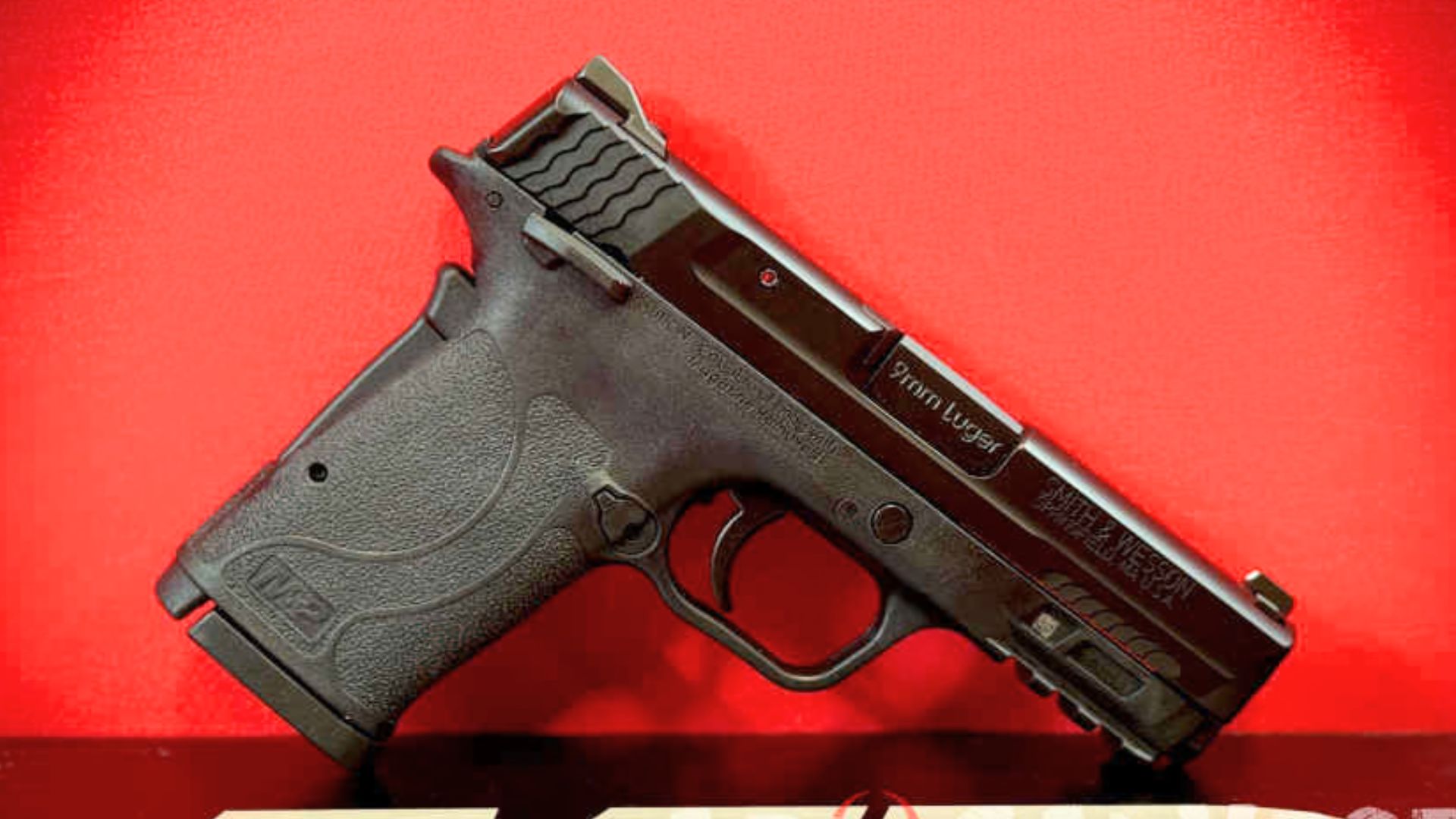
The original 2012 launch announcement says the first Shield models were offered in 9 mm and .40 S&W.
That is useful to remember because many shooters today strongly associate the broader Shield family with later chamberings like .380 Auto and .45 ACP, but those came after the original debut. Smith & Wesson’s later filings explicitly list the family as eventually including 9 mm, .380 Auto, .40 S&W and .45 Auto.
4. The original Shield was impressively slim for 2012
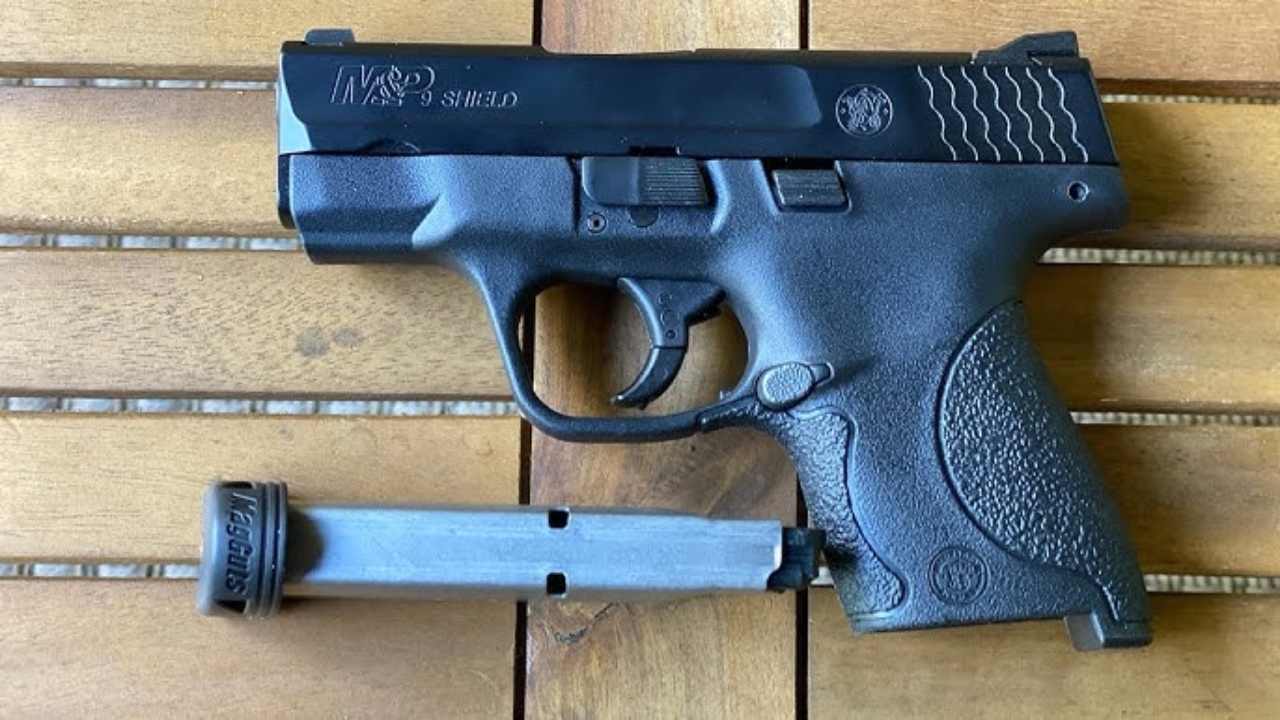
American Rifleman’s launch-day review says the Shield was only 6.1 inches long, 4.6 inches tall, and under 1 inch wide, while Shooting Illustrated’s 2014 review described the pistol as just under an inch thick.
That sounds normal now because carry pistols kept getting smaller and thinner, but in 2012 those dimensions were a major part of why the gun felt like such a smart everyday-carry option.
5. It helped define the single-stack carry craze
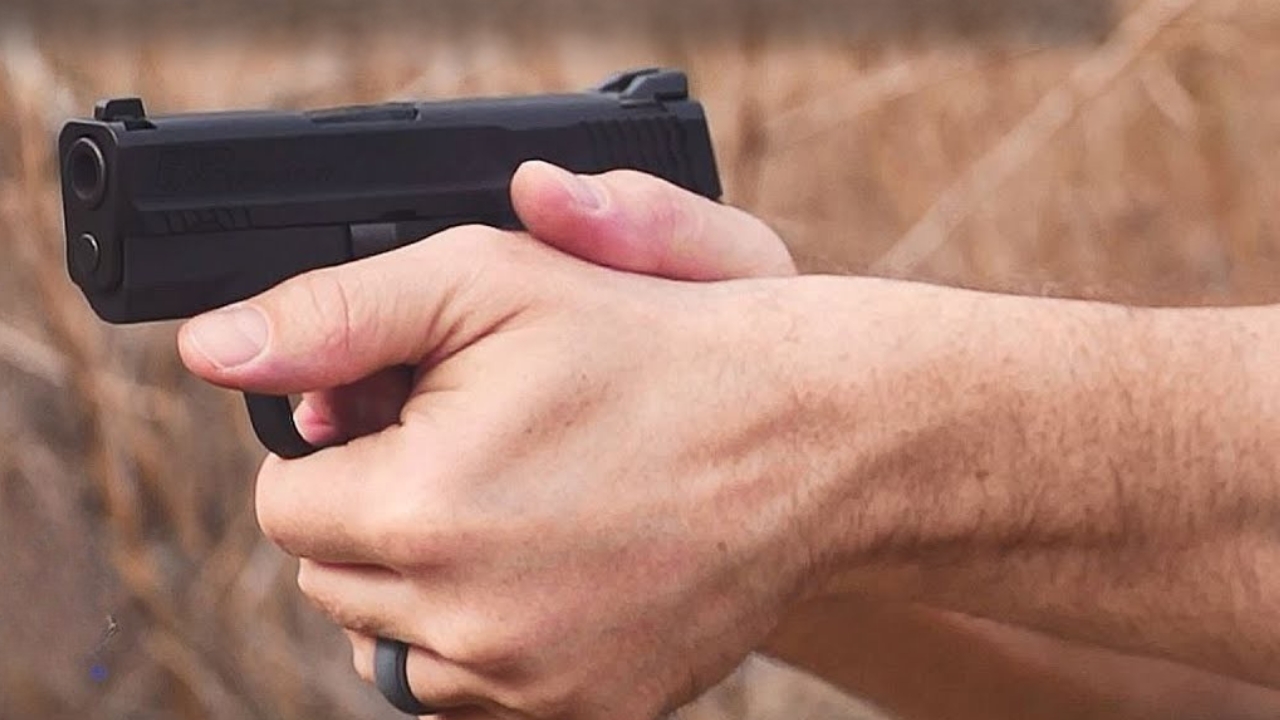
By 2017, American Rifleman said the Shield had led the market for single-stack, subcompact, semi-automatic pistols since its introduction. Shooting Illustrated’s 2021 review of the Shield Plus also called the original Shield a breakout success in the segment when it launched.
That is a bigger legacy point than many people give it credit for. The Shield did not just join a trend. It helped become one of the pistols that defined the trend.
6. It was marketed unusually well right out of the gate

Shooting Illustrated’s 2021 Shield Plus review says the original Shield was advertised heavily, priced aggressively, and, importantly, had inventory ready to ship when it was announced. The same piece says popular holster makers had already been given samples so buyers did not have to wait months for carry options.
That is a big reason the Shield hit so hard. It was not just a good idea on paper. Smith & Wesson launched it like it expected the gun to matter immediately.
7. The original magazine setup was 7+1 or 8+1 in 9 mm

Shooting Illustrated’s 2014 review says the Shield came with two magazines, one holding seven rounds and the other eight, with the extended magazine using a sleeve that effectively lengthened the grip.
That setup was part of the gun’s appeal. It gave buyers a choice between maximum concealability and a slightly fuller grip without needing a totally different pistol.
8. There was a 2013 safety alert on early pistols

One of the most important little-known Shield facts is that Smith & Wesson issued a consumer safety alert in August 2013 covering Shield pistols manufactured before August 19, 2013. The company’s alert page says the issue applied to early guns and prompted corrective action.
That matters for anyone interested in early-production history or secondhand purchases, because not every “original Shield” story is just about the launch hype and success. Early-production history includes that safety-alert chapter too.
9. The Shield became one of Smith & Wesson’s biggest modern handgun hits
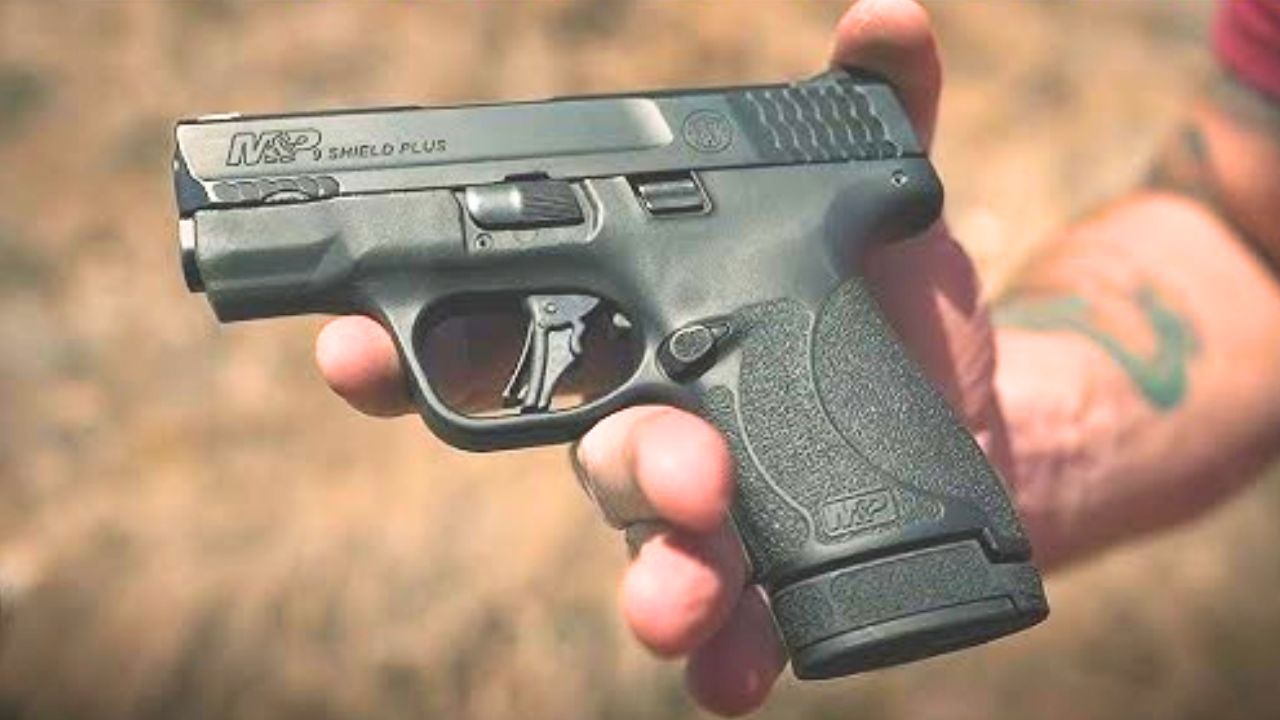
By June 2019, Smith & Wesson announced it had shipped more than 3 million M&P Shields, and by the company’s 2021 and 2024 filings it said the Shield family had shipped nearly 5 million units as of April 30, 2021.
That is a huge number for a concealed-carry pistol line. It helps explain why the Shield feels less like just a popular handgun and more like part of the basic background of modern carry culture.
10. The Shield M2.0 did not arrive until 2017
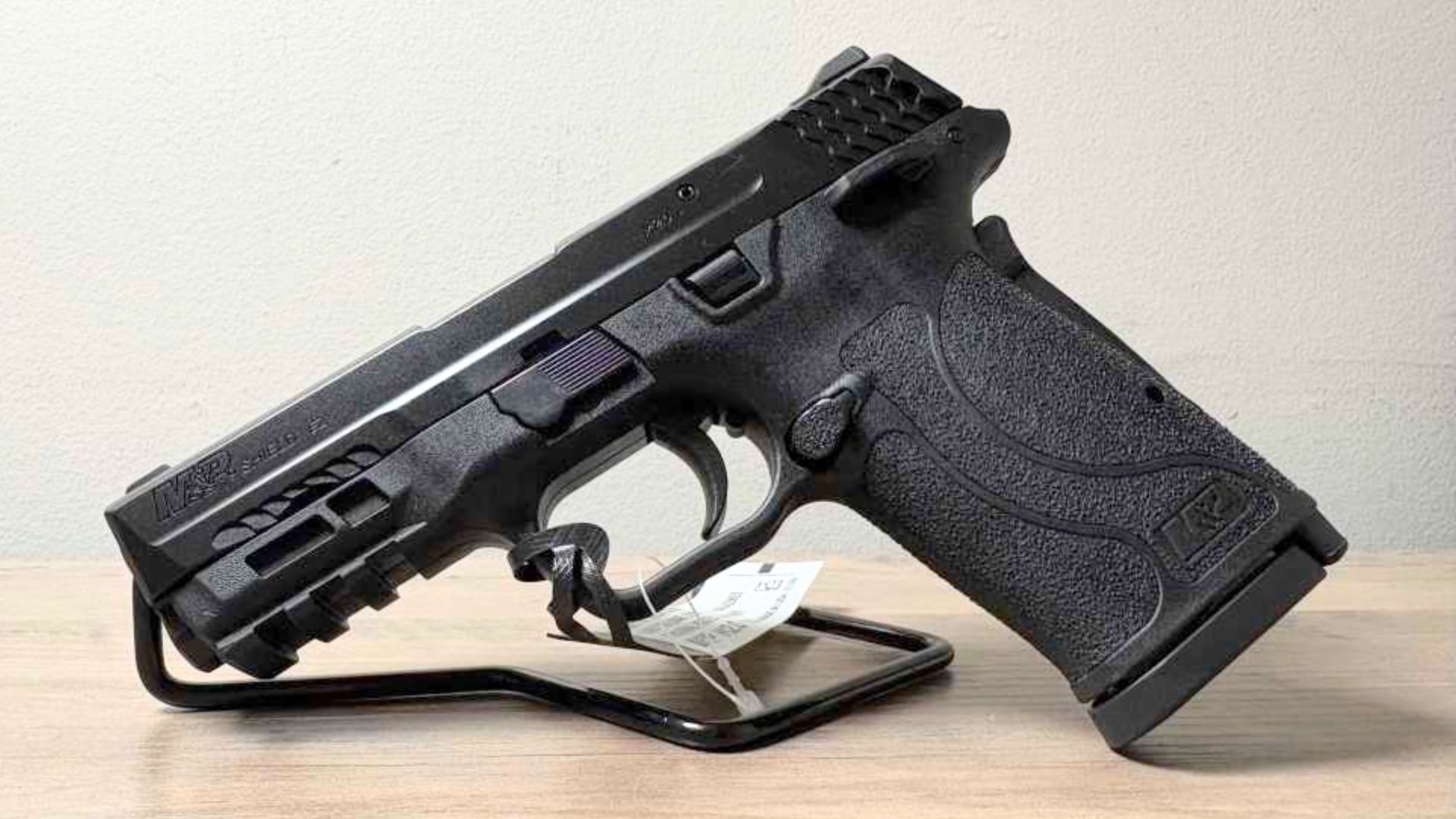
A lot of shooters talk about the Shield like the grippier texture and updated trigger were always there. They were not. American Rifleman and Shooting Illustrated both say the Shield M2.0 was introduced in 2017.
That means the original 2012 Shield and the later M2.0-era pistol are distinct chapters in the product’s history, not just the same gun under one endless label.
11. The Shield family expanded into .45 ACP

A lot of people still think of the Shield as a slim 9 mm only. Shooting Illustrated’s 2016 coverage of the M&P45 Shield shows that Smith & Wesson expanded the line into .45 ACP, giving the platform a larger-caliber carry option while keeping the basic slim-profile concept.
That says a lot about how strongly Smith & Wesson believed in the Shield brand. It was not just one hit pistol. It was a whole carry-family concept that the company kept stretching.
12. The Shield Plus was a major pivot away from the single-stack identity

Smith & Wesson’s 2024 filing says the company has continued adding Shield variants, “most recently, the Shield Plus with enhanced features and capacity.” American Rifleman and Shooting Illustrated both covered the Shield Plus in 2021 as the next major step in the line.
That is important because the Shield originally helped define the single-stack era, then later had to evolve beyond it once the market shifted toward more capacity in similarly small guns.
13. The Shield sits inside a much older “M&P” lineage than many people realize
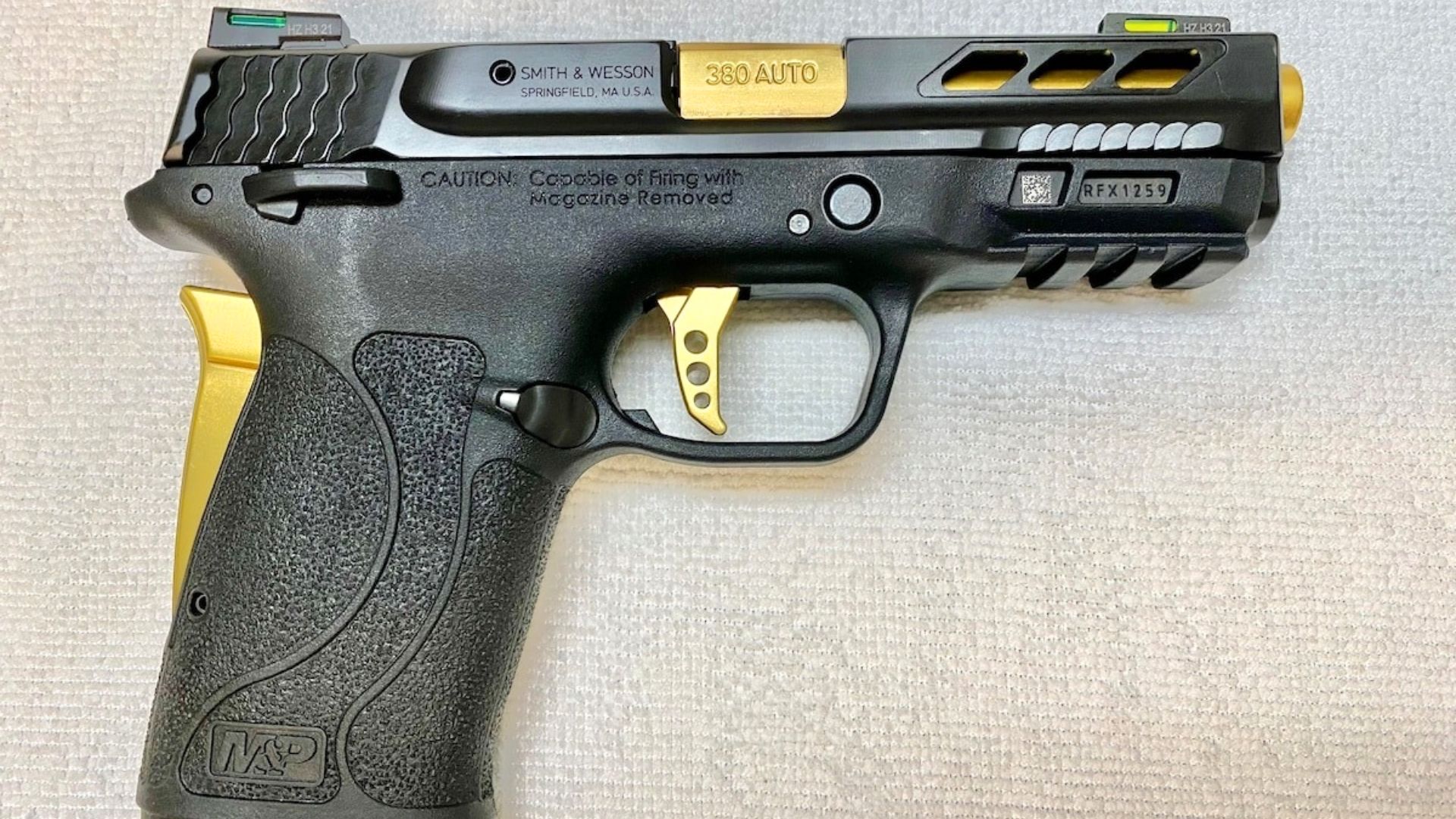
American Rifleman’s 2022 “Then & Now” piece says the M&P name goes back to 1899, originally tied to Smith & Wesson’s .38 Military & Police revolver lineage. The Shield, despite being a very modern polymer carry gun, carries that old M&P branding forward.
That is a neat piece of continuity. The Shield feels like a very modern concealed-carry pistol, but the name on the slide belongs to one of Smith & Wesson’s oldest and most important product identities.
14. The Shield’s success was tied directly to the concealed-carry boom
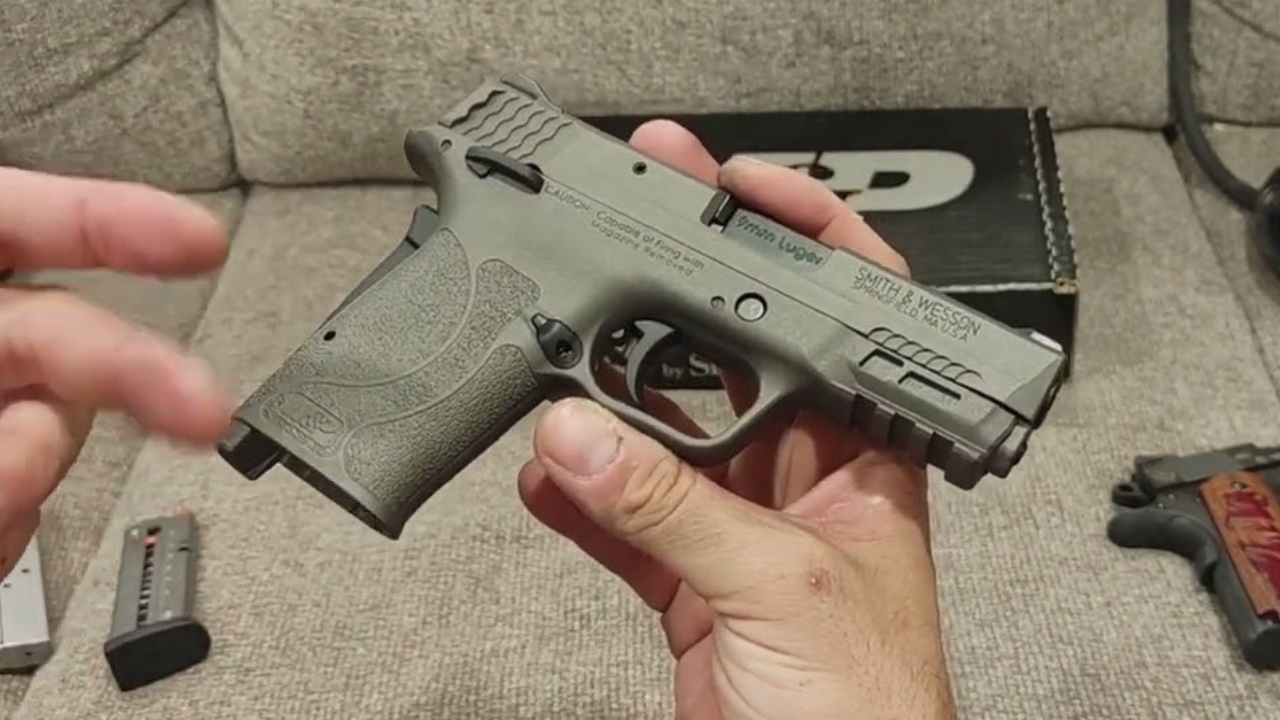
Smith & Wesson’s filings explicitly say the M&P Shield was launched in fiscal 2012 to address the growing personal protection and concealed-carry market. American Rifleman’s 2021 Shield Plus review also says the original Shield hit shelves at a time when the carry market was already primed.
That matters because the Shield was not a random success. It landed exactly where the market was heading and offered a pistol that matched that moment extremely well.
15. Its biggest surprise may be that it became a carry benchmark more than just a model
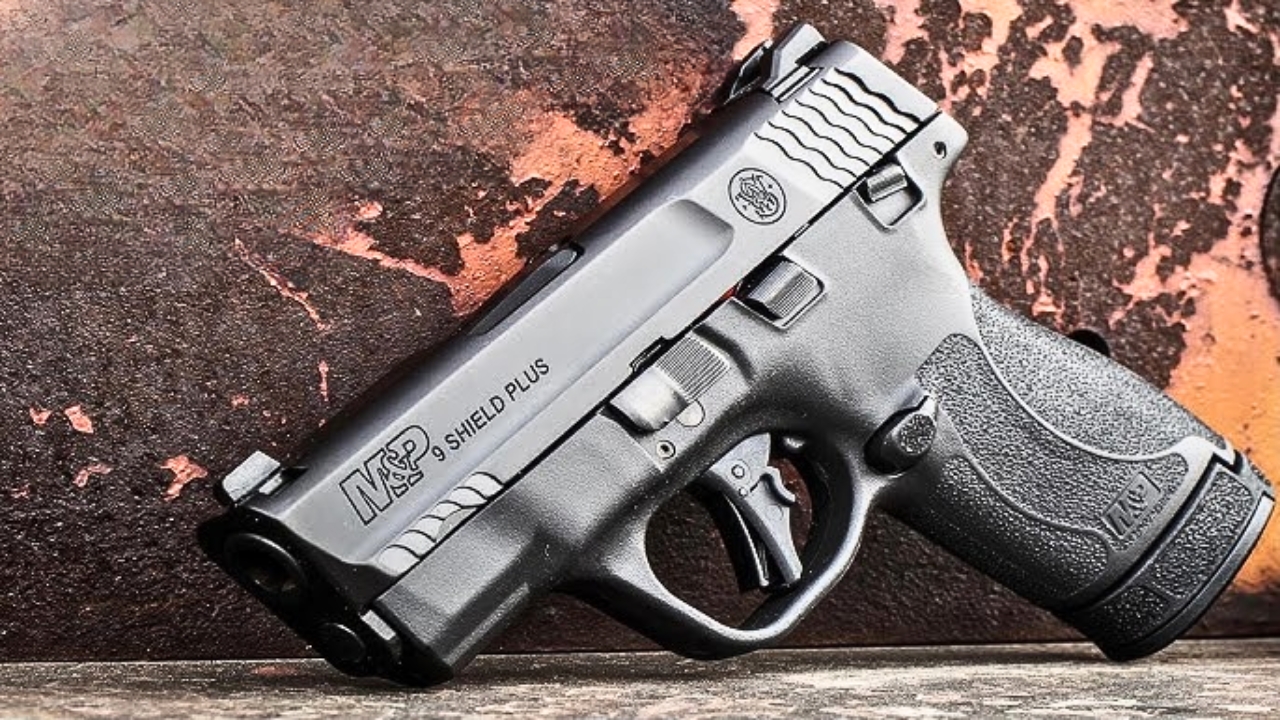
The Shield started as Smith & Wesson’s smallest M&P pistol, but it ended up becoming something larger than that: a benchmark for slim carry guns in the 2010s. The combination of its 2012 launch timing, rapid market success, and multi-million-unit sales made it one of the defining pistols of that whole carry era.
That is probably the biggest thing people forget. The Shield was not just “one of the carry guns.” For a long stretch, it was one of the carry guns everything else got compared to.
Like The Avid Outdoorsman’s content? Subscribe to our newsletter so you never miss an article.
Here’s more from us: