Photo credit: The Avid Outdoorsman
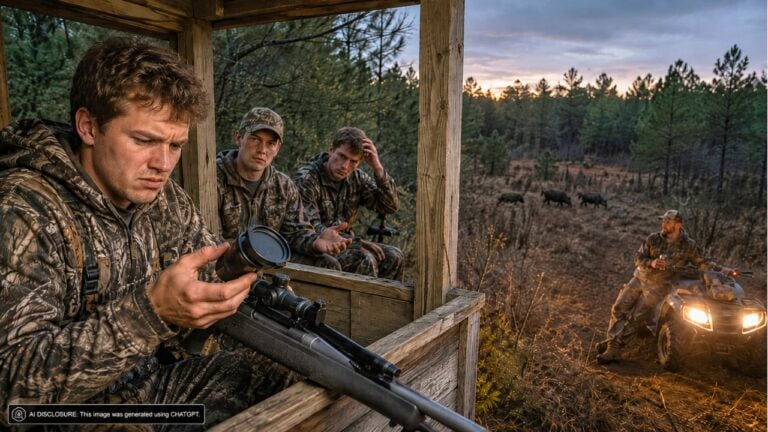
The homeowner said the problem started during dove season, when nearby hunters were shooting close enough that birdshot was reaching houses. According to the Reddit post, the pellets were not just falling harmlessly somewhere out in a field. They were hitting homes.
That is the kind of issue that can split people fast. Dove hunting is common in many areas, and birdshot loses energy much faster than a rifle round. But that does not mean people want pellets raining down on roofs, windows, siding, vehicles, or patios where families are trying to live their normal lives.
The original Reddit post can be found here: https://www.reddit.com/r/legaladvice/comments/1f8bko8/hunters_spraying_houses_with_birdshot/
The homeowner’s concern was not hard to understand. Even if the hunters were not aiming at the houses, the result was still reaching the neighborhood. If pellets are striking property, the people living there are going to wonder whether the hunters are shooting at poor angles, standing too close, ignoring what sits beyond the birds, or simply not taking the nearby homes seriously enough.
Dove hunting can involve fast shots at birds crossing overhead. That is exactly why location and direction matter. A safe field setup should consider where the shot will fall, where roads and homes sit, and whether there is enough distance from occupied areas. If people in houses are hearing pellets land or finding marks afterward, something about the setup deserves a closer look.
The homeowner wanted to know what could be done. That question matters because this is not always as simple as “call police and it stops.” If the hunters are on land where hunting is legal and the shot is birdshot, law enforcement or game wardens may need specific evidence that the shooting is unsafe, unlawful, too close to homes, or causing actual damage.
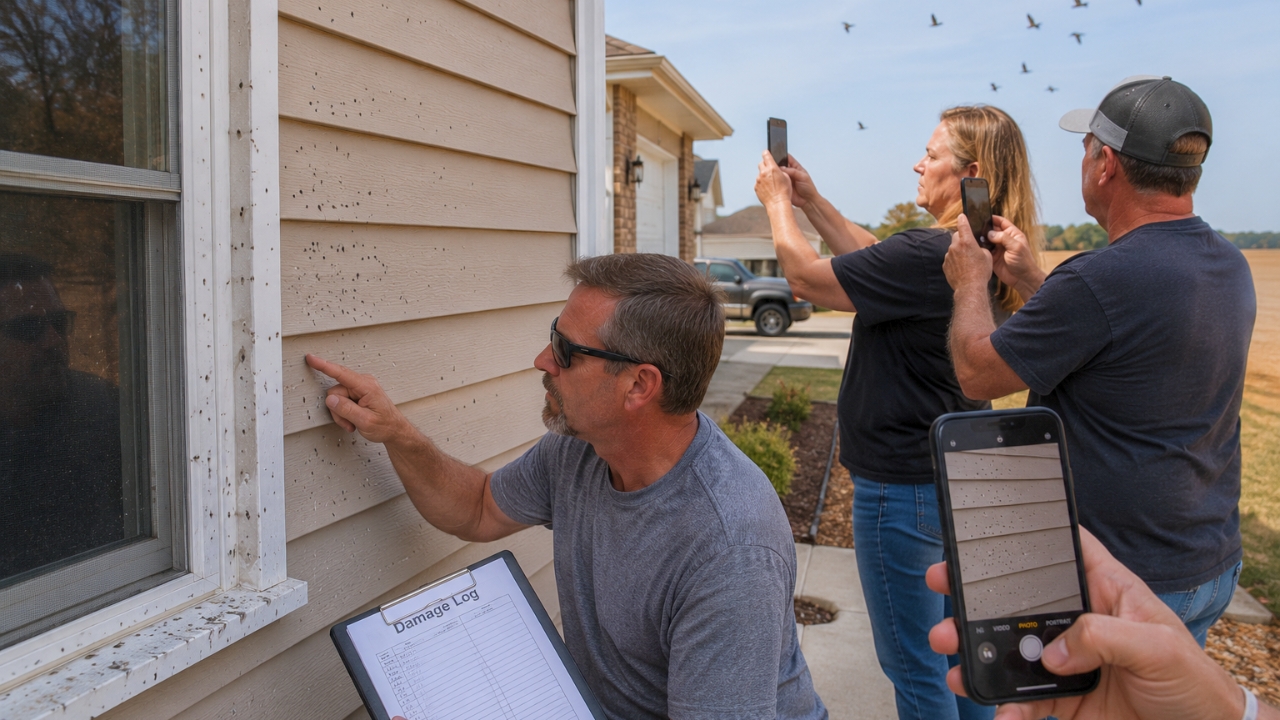
That is where documentation becomes important. The neighbors would need photos of damage, dates and times, video if safe to capture, and maybe even recovered pellets. If multiple homes are being hit, those reports together could show a pattern instead of one homeowner making a vague complaint.
The post also had the feel of a rural/suburban edge conflict. Hunters may see the area as a legal dove field. Homeowners may see it as a place where pellets are landing too close to families. Both sides may think the other side is overreacting until there is a clear record of what is actually happening.
Commenters told the homeowner to document every incident carefully. Photos of pellet marks, damaged siding, broken glass, dents, and where the pellets were found could all matter. Several people said neighbors should compare notes so they could show the issue was affecting more than one house.
Others suggested contacting a game warden or conservation officer. Since the issue involved hunting activity, wildlife officers would likely understand dove hunting rules, legal distances, unsafe shooting complaints, and what evidence would be useful.
Some commenters said the homeowner should check local discharge ordinances and hunting setback rules. Depending on the state, county, and whether the homes were inside city limits, there may be rules about shooting near occupied dwellings, roads, or neighborhoods.
A few people warned against confronting armed hunters directly in the field. Even if the homeowners were angry, walking into a hunting setup during active shooting could be risky and could make the situation more heated. The safer route was documentation, calls to the proper agency, and letting officials handle the contact.
The post ended with the homeowner trying to turn a scary, frustrating pattern into something enforceable. The hunters may not have meant to hit the homes, but once birdshot starts reaching houses, the people living there have every reason to ask whether that field is being hunted safely.
Like The Avid Outdoorsman’s content? Subscribe to our newsletter so you never miss an article.
Here’s more from us: