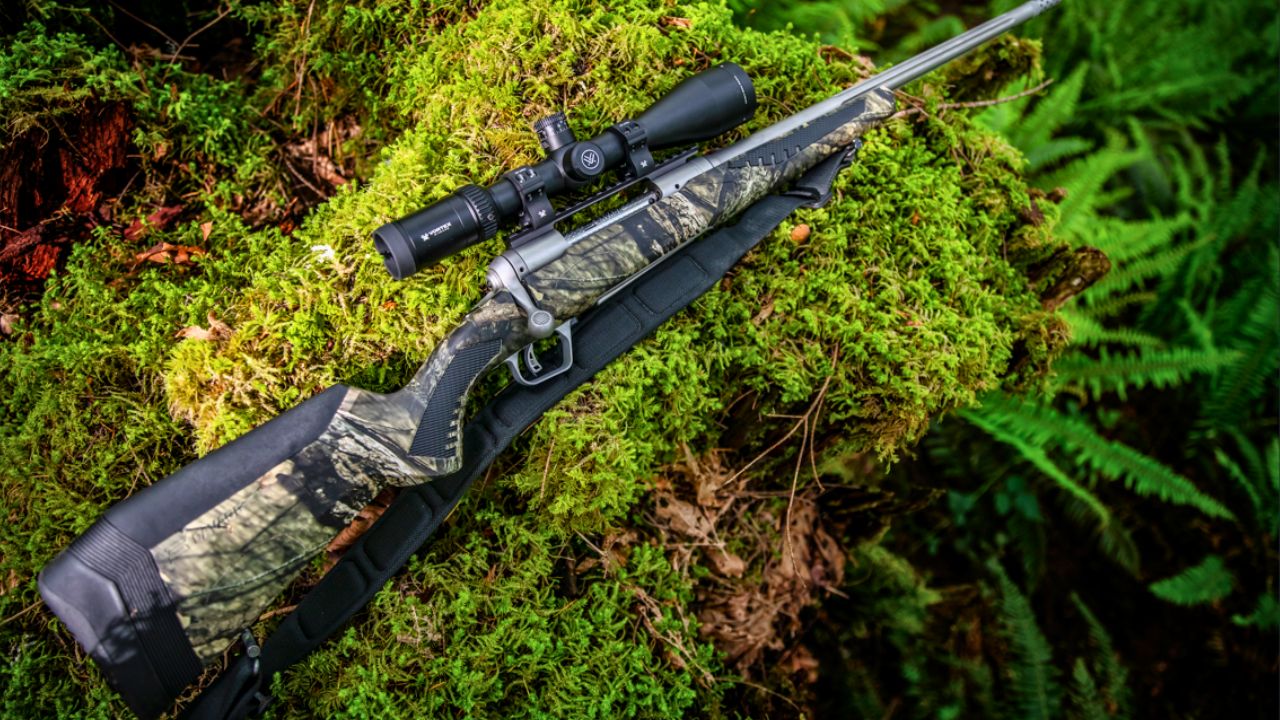
Photo credit: Savage Arms
The Savage 110 is one of those rifles a lot of shooters know without always realizing how important it really is. It does not always get talked about with the same romance as some older classics, and it does not always have the same prestige aura as higher-end bolt guns. But the truth is, the 110 has quietly earned one of the strongest reputations in the modern hunting-rifle world. It is accurate, adaptable, widely available, and trusted by a huge number of shooters who care more about real performance than polished image.
That is what makes the Savage 110 such a good rifle to write about. It is one of those guns that has done a lot more than people give it credit for. The platform has been around for decades, it has gone through major updates without losing its identity, and it helped change what many shooters expected from a production bolt-action rifle. Here are 15 surprising facts about the Savage 110.
It is one of the longest-running bolt-action rifle lines in America

A lot of shooters think of the Savage 110 as a more modern value rifle, but the line actually goes back much farther than many people realize. The 110 was introduced in the late 1950s, which means it has been part of the American bolt-action landscape for generations. That kind of longevity is a big deal in a market where plenty of rifles come and go without ever building a lasting identity.
That long run matters because the 110 was not just surviving on nostalgia. It kept selling because it stayed useful. The rifle found a lane where hunters and practical shooters appreciated what it offered, and Savage kept adapting the platform instead of letting it become stale. The result is a rifle line that has lasted far longer than many people would guess just from its plainspoken reputation.
It was designed to be affordable from the start
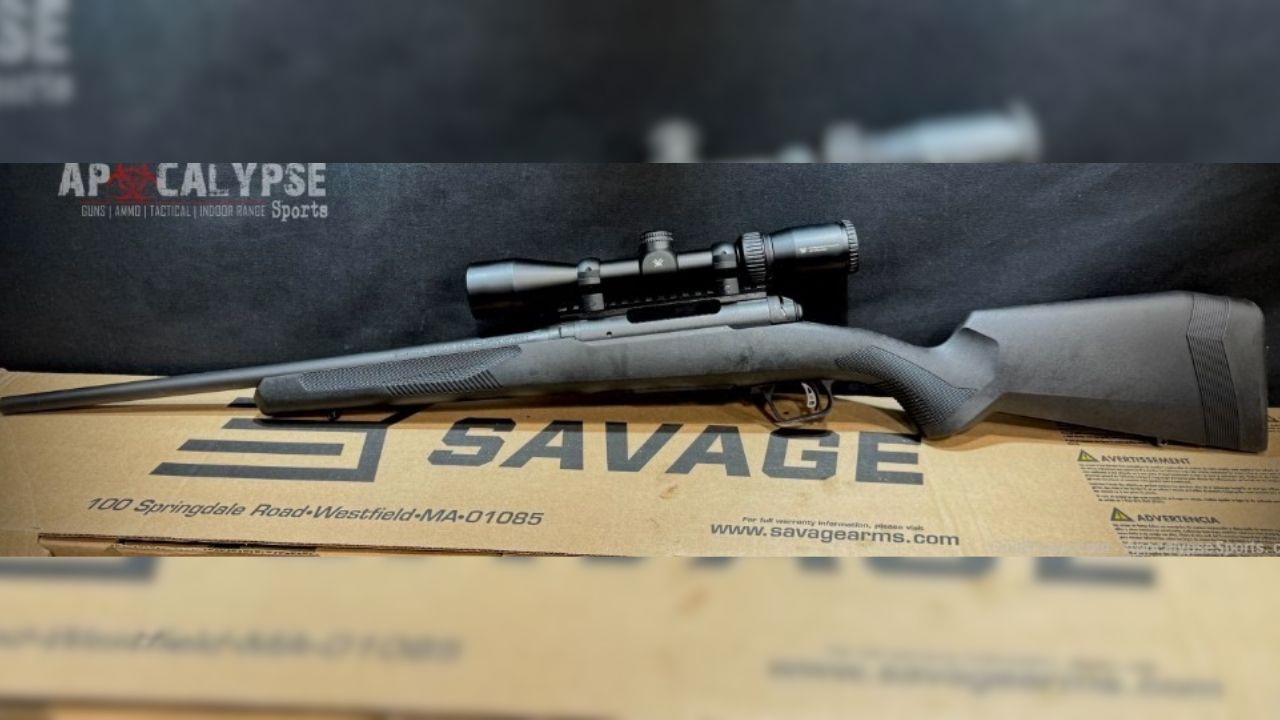
One of the reasons the Savage 110 made such a big impact is that it was built with affordability in mind. Savage wanted to put a functional, accurate bolt-action rifle within reach of ordinary buyers, not just people shopping for polished premium guns. That goal shaped the rifle’s design from the beginning, and it is a big reason the 110 became such a fixture for hunters who cared about performance more than status.
That does not mean the rifle was cheaply thought out. It means Savage understood the market. A lot of shooters wanted a bolt gun they could trust without paying for extra shine and flair they did not need. The 110 hit that target. It offered practical value, and over time it proved that “affordable” did not have to mean “second-rate,” which helped build the rifle’s reputation the hard way.
The barrel nut became one of its most influential features

If there is one technical detail that really helped define the Savage 110, it is the barrel nut system. To casual shooters, it may not look like much. To people who understand rifle design, it became one of the platform’s signature traits. That setup helped simplify headspacing and made it easier for Savage to build accurate rifles consistently at the factory without driving costs way up.
That little barrel nut also became a huge part of the rifle’s long-term influence. It made the platform more approachable for tinkerers and gunsmith-minded shooters who liked the idea of changing barrels or working with the rifle more easily than with some competing designs. What looked plain to outsiders actually turned out to be one of the smartest things about the 110, and it helped the rifle build a following that went way beyond basic deer hunting.
It built a giant reputation for accuracy without a giant price tag

The Savage 110 became one of those rifles people kept recommending because it shot better than its price suggested it should. That was a huge part of its success. Shooters discovered they could buy a Savage, spend reasonable money, and still end up with a rifle that grouped extremely well. In a market full of rifles where price often gets tied to expectations, that stood out fast.
That accuracy reputation changed how a lot of people viewed the brand. Savage was no longer just the company making affordable rifles for buyers on a budget. It was making rifles that could hang with more expensive competition where it really counted—on target. That kind of reputation spreads quickly in hunting circles and among practical rifle shooters, and it did a lot to turn the 110 into a serious player rather than just an economical option.
The action looks plain, but that plainness helped it work

Nobody has ever accused the Savage 110 action of being especially glamorous. It has never been the rifle people point to first when they want to talk about sleek lines or silky old-world polish. But that plain, straightforward action helped keep the rifle practical and cost-effective, and over time shooters learned to respect that. The 110 was built to perform, not to win a beauty contest.
That simplicity became part of the charm. A lot of rifle owners would rather have a plain gun that shoots well than a prettier one that costs more and does less. The 110 leaned into that reality. It may not have had the mystique of some premium actions, but it delivered where many hunters actually cared most: reliability, shootability, and value. That made a bigger difference in the real world than fancy styling ever could.
The floating bolt head helped the rifle shoot better than people expected

One detail that serious Savage fans love to bring up is the floating bolt head. That design feature helps the bolt align more consistently with the locking lugs and chamber, which can contribute to the rifle’s reputation for good accuracy. It is one of those smart mechanical details that the average buyer may not notice at first, but it plays a real role in why the platform performs the way it does.
That feature is a great example of what made the 110 interesting. Savage was not trying to impress buyers only with flashy cosmetics or brand mythology. It built in practical engineering touches that helped the rifle shoot. Over time, those details added up. Shooters started realizing the 110 had more going on under the hood than its simple appearance suggested, and that gave the platform more respect among people who really paid attention.
It became a favorite for hunters who wanted performance over prestige

The Savage 110 has long appealed to a very specific kind of buyer: the hunter who wants the rifle to work, shoot straight, and hold up without worrying much about impressing anybody at camp. That kind of shooter often values meat-in-the-freezer performance over polished wood and big-name swagger, and the 110 fit that mindset perfectly. It earned loyalty from people who did not need a rifle to be fancy if it delivered in the field.
That practical reputation helped the rifle endure. A lot of hunting rifles get bought for image as much as performance. The 110 built much of its following among people who were less interested in image and more interested in results. Once that kind of hunter finds a rifle that works well and stays affordable, word travels. The Savage 110 benefited from that kind of honest, real-world endorsement for years.
The AccuTrigger changed how many people saw Savage

When Savage introduced the AccuTrigger, it was a major moment for the brand. The system gave shooters an adjustable trigger that felt far better than what many people expected from a production rifle in that price range. For a lot of buyers, it was one of the first big signs that Savage was not content to just be the “cheap but decent” rifle company. It wanted to offer features that genuinely moved the rifle forward.
That mattered because trigger quality plays a huge role in how a rifle feels and performs. Once shooters experienced a factory Savage with an AccuTrigger, a lot of them started rethinking what they expected at that price point. It helped the 110 feel more refined without losing the practical identity that made it so popular. In many ways, the AccuTrigger gave the rifle line a fresh level of credibility.
It became a major platform for all kinds of variants

A lot of people say “Savage 110” like it refers to one exact rifle, but the platform became much broader than that over time. Hunting rifles, long-range rifles, lightweight rifles, tactical-style models, youth models, left-handed variants, and all kinds of caliber options ended up under the broader 110 umbrella. That turned the line into more of a family than a single rifle.
That flexibility helped Savage stay relevant with a much wider slice of shooters. Instead of relying on one basic configuration forever, the company built around the platform and let it branch into different roles. That was a smart move because it kept the 110 from feeling locked into one era or one buyer type. Hunters, target shooters, and practical rifle owners could all find versions that made sense for them.
Left-handed shooters have had better options with Savage than with many brands
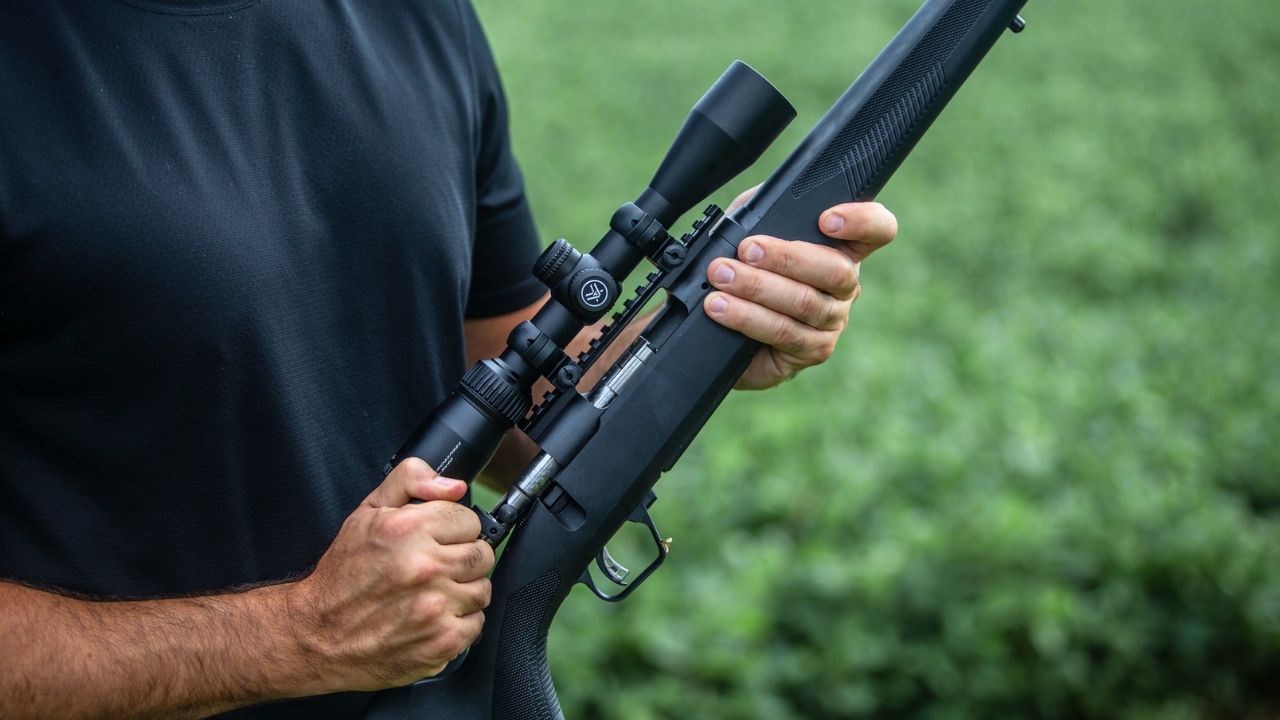
One thing Savage deserves more credit for is how often it has offered left-handed bolt-action rifles compared with many competitors. Left-handed shooters are used to being treated like an afterthought in the rifle market, but Savage has long had a stronger reputation than most when it comes to giving them real options. That helped earn the brand a lot of loyalty from a group of shooters who notice very quickly when a company actually bothers to serve them.
That matters more than some right-handed shooters realize. A left-handed hunter who can buy a rifle built for how he or she actually shoots, without settling for a workaround, tends to remember that. Savage made those shooters feel less ignored than many other brands did, and that practical accessibility helped the 110 build a wider and more appreciative customer base.
The 110 earned respect with target shooters too, not just deer hunters
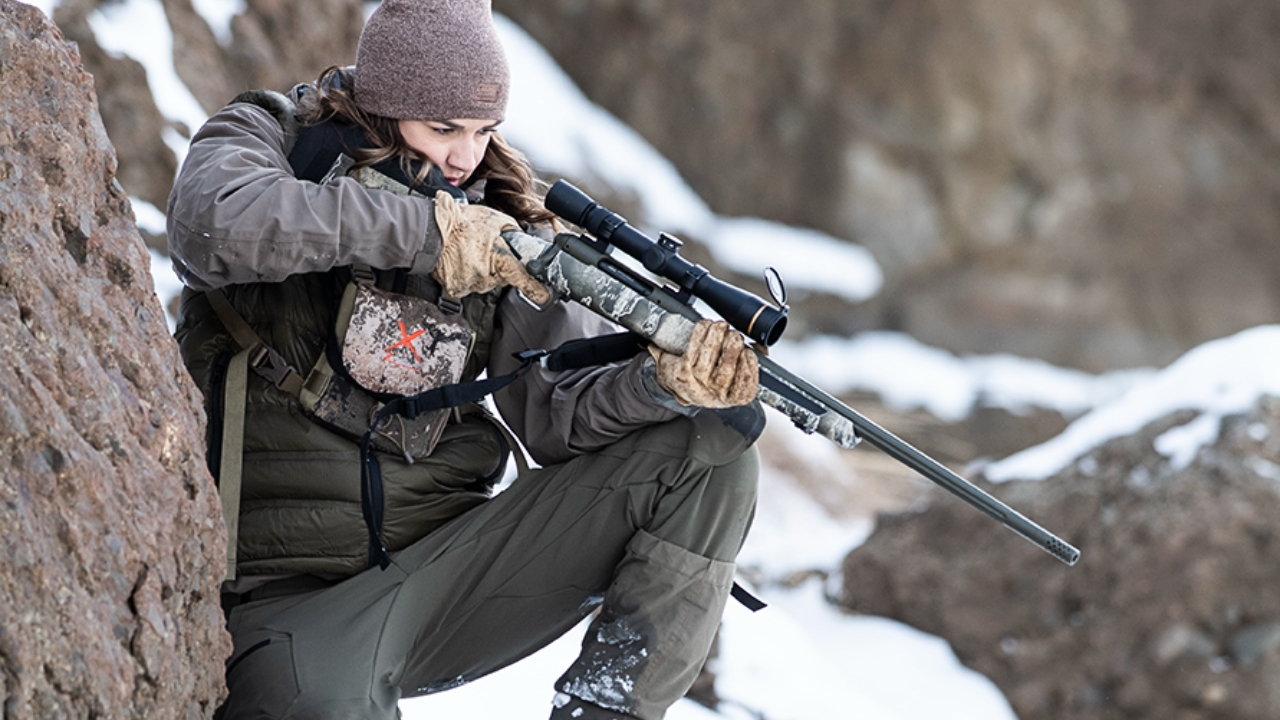
Because the 110 became so common in the hunting world, some people forget it also gained a lot of respect among accuracy-minded target shooters and tinkerers. The platform’s inherent shootability, accessible pricing, and relatively friendly design for modification made it appealing to people who wanted to do more than just sight in before deer season. Plenty of shooters found out that a Savage could be a very serious rifle on paper targets too.
That crossover mattered because it broadened the rifle’s identity. Once a hunting rifle starts getting nods from people who care deeply about groups, consistency, and tunability, its reputation changes. It stops being just a serviceable field gun and starts becoming something more substantial. The 110 pulled that off better than many similarly priced rifles ever did.
The ugly-duckling reputation actually helped it

This may sound strange, but one reason the Savage 110 developed such a loyal fan base is because it was often underestimated. Plenty of shooters looked at the action, the overall styling, or the price tag and assumed the rifle could not be anything special. Then they shot one, saw what it could do, and came away surprised. That experience helped create the kind of word-of-mouth reputation money cannot buy.
There is something powerful about a rifle that performs better than people expect. It creates believers. The 110 became that kind of gun for a lot of people. It was the rifle that did not look fancy, did not cost a fortune, and still stacked up hits in a way that made shooters smile. That surprise factor became part of the platform’s identity, and in a strange way, being underestimated worked in its favor.
It became popular with DIY-minded shooters for a reason

The Savage 110 is one of those rifles that attracted a strong do-it-yourself crowd. Because of the barrel nut system and the general practical nature of the design, it became especially appealing to shooters who liked the idea of swapping barrels, tuning setups, and making the rifle their own without getting buried in cost. That kind of appeal helped create a whole ecosystem of enthusiasts who saw the rifle as more than just an off-the-shelf hunting gun.
That DIY friendliness gave the platform extra life. It made the 110 interesting not only to hunters buying one rifle for the season, but also to hobbyists who enjoyed building, tweaking, and experimenting. A rifle that welcomes that kind of involvement tends to stay relevant longer because it becomes part of a shooter’s project life, not just a tool that sits unchanged in the safe.
It helped redefine what “budget rifle” could mean

Before rifles like the Savage 110 built the reputation they did, “budget rifle” often carried the assumption that buyers were settling for less in all the ways that mattered. The 110 helped push back against that. It showed that a rifle could be affordable and still shoot well, offer smart features, and hold real credibility with experienced shooters. That was a meaningful shift in the market.
This is one of the biggest reasons the 110 matters. It did not just succeed for Savage. It helped change buyer expectations. Once shooters got used to the idea that an affordable rifle could genuinely perform, the whole category had to respond. That forced competitors to take value more seriously too. In that sense, the 110’s impact went beyond its own sales numbers.
The platform adapted well to the modern precision-rifle boom

Even though the Savage 110 started life long before today’s precision-rifle scene took off, the platform adapted surprisingly well to that modern interest in long-range shooting and accuracy-focused rifle setups. Savage was able to evolve the line into heavier-barreled, more specialized, and more precision-oriented versions without losing the practical roots that made the rifle popular in the first place.
That adaptability is a big reason the 110 never got trapped in the past. Some old rifle lines survive only as legacy hunting guns. The 110 managed to keep one foot in traditional hunting while also moving into more modern accuracy and precision spaces. That helped it stay fresh with newer shooters who might never have looked twice at an old-school deer rifle alone.
Like The Avid Outdoorsman’s content? Be sure to follow us.
Here’s more from us: