Photo credit: hickok45/Youtube
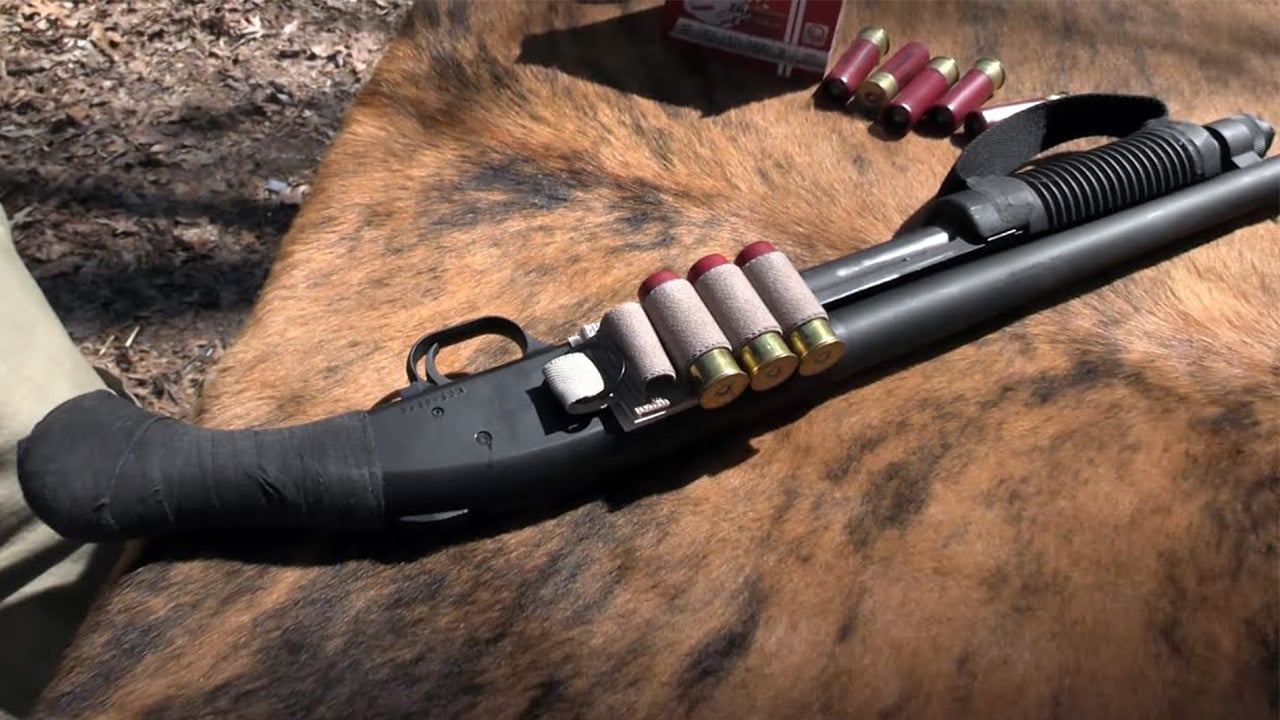
The Mossberg Shockwave is one of those guns that people recognize right away, but a lot of shooters still misunderstand what it actually is. Some call it a shotgun, some call it a loophole gun, and some just know it as that short Mossberg with the bird’s-head grip. The truth is a little more interesting than any of those quick labels. Mossberg’s current 590 Shockwave line still centers on a 14-inch barrel, bird’s-head grip, strapped forend, and compact overall package, and American Rifleman’s early coverage explained why that combination made such a splash in 2017.
What made the Shockwave so memorable was not just the look. It was the way Mossberg took the proven 590 pump-action platform and turned it into a compact, non-NFA “firearm” that instantly stood out in the market. Since then, the line has grown beyond the original 12-gauge version into 20-gauge, .410 bore, short-shell-compatible 590S variants, and accessorized SPX models, which means the Shockwave is more of a family now than a one-off oddity.
1. It is legally not a shotgun under federal classification

This is the biggest thing most people get wrong. American Rifleman explained in 2017 that the 590 Shockwave is legally considered a “firearm,” not a shotgun, under the Gun Control Act because of how it is manufactured and configured. That classification is a huge part of why the gun became so famous so quickly.
That distinction matters because it is the whole reason the Shockwave can exist in its factory form without being treated like a short-barreled shotgun under the NFA at the federal level. A lot of people talk about the Shockwave as if Mossberg just chopped down a normal shotgun, but the legal story is more specific than that.
2. The original Shockwave launched in 2017

The Shockwave feels like it has been around forever now, but it is actually a fairly recent addition to the pump-gun world. Mossberg announced it at SHOT Show 2017, and American Rifleman’s coverage from January and March of that year tracks the launch and early buzz around the gun.
That timing matters because the Shockwave did not come out of some old forgotten catalog era. It was a modern product that hit at exactly the right moment, when compact defensive firearms and unconventional format guns were getting a lot of attention.
3. The 14-inch barrel is one of the key details behind the whole concept
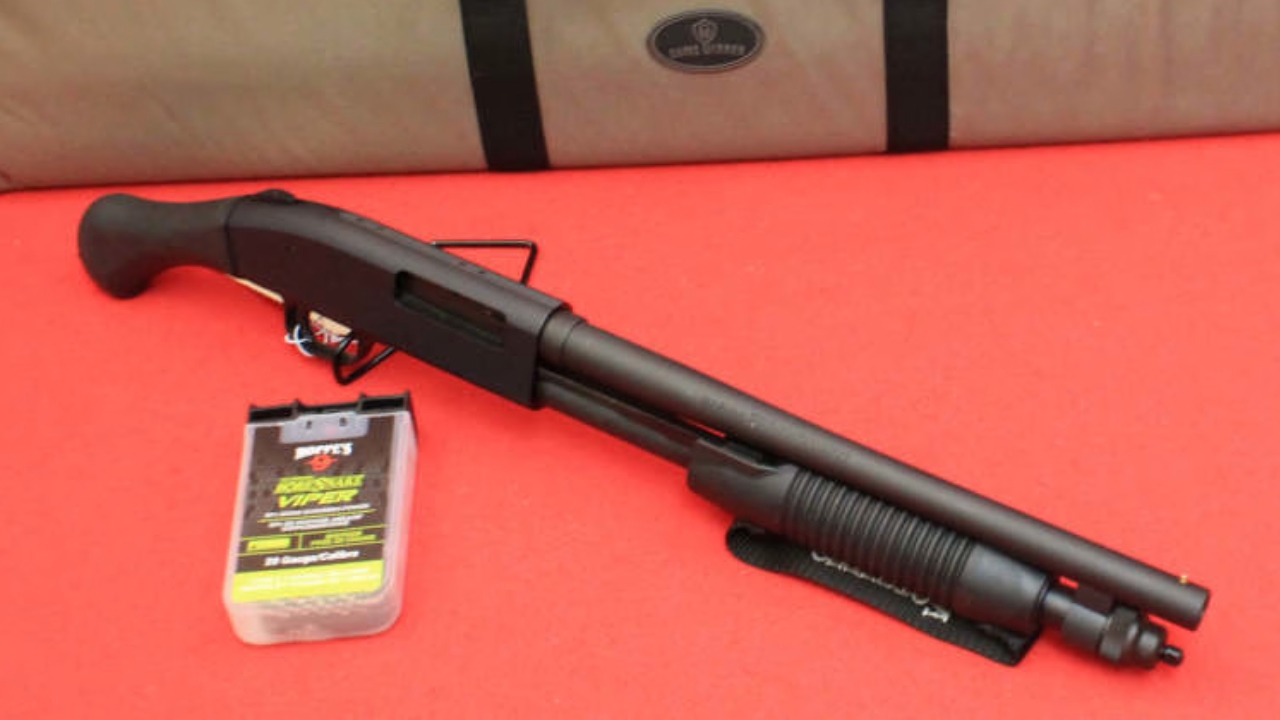
The Shockwave’s 14-inch barrel is not just there to look aggressive. Mossberg’s current product pages and American Rifleman’s original coverage both make that barrel length central to the design.
That short barrel is a huge part of what makes the gun compact and distinctive, but it only works in combination with the rest of the factory setup. The Shockwave’s story is really about the entire package, not just one shortened part.
4. Overall length is a huge part of why it works legally

American Rifleman’s 2017 coverage lists the original 12-gauge Shockwave at 26.32 or 26.37 inches overall, depending on the article, and specifically ties that overall length to its federal classification as a non-NFA firearm.
That is one of those details casual buyers often miss. The Shockwave is not just “legal because it has a bird’s-head grip.” The overall length is part of the formula too, which is why people need to be very careful about assuming they can change things around without consequences.
5. The bird’s-head grip is not just a styling gimmick
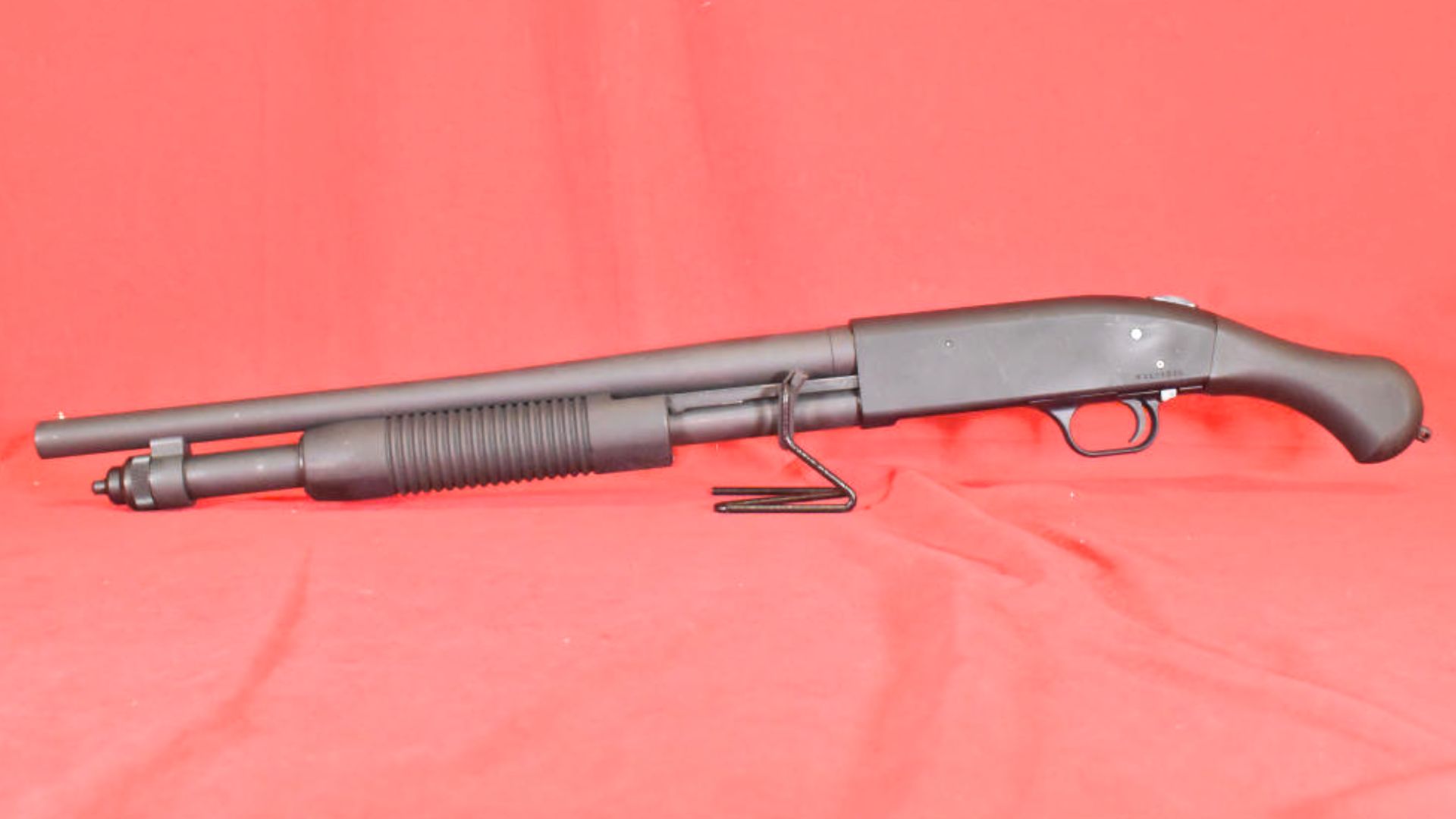
Mossberg says the Shockwave’s bird’s-head-style grip is uniquely shaped to provide a firm grip and minimize felt recoil. That shape became one of the defining visual features of the whole line.
That matters because the Shockwave grip is doing real work here. It is part of the handling, part of the recoil management, and part of the overall legal format. It is one of those features that people joke about until they realize the whole design depends on it.
6. The strapped forend is one of the smartest details on the gun
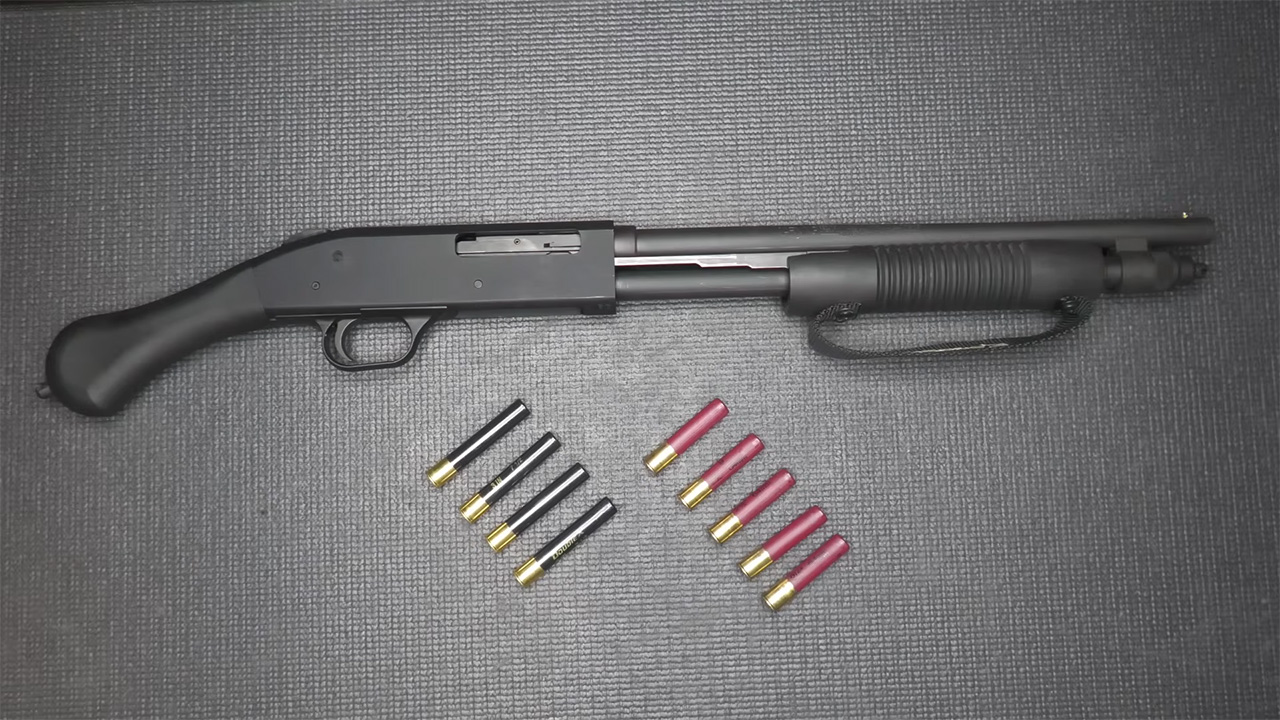
Mossberg highlights the strapped forend on current Shockwave pages, and American Rifleman noted early on that the forend strap helps keep the support hand from slipping forward in front of the muzzle when cycling the gun.
That is a very practical feature, not some marketing extra. On a compact pump gun with a 14-inch barrel, hand placement matters a lot. The strap is one of the clearest examples of Mossberg designing the Shockwave around real use instead of just shock value.
7. It is built on the proven 590 action
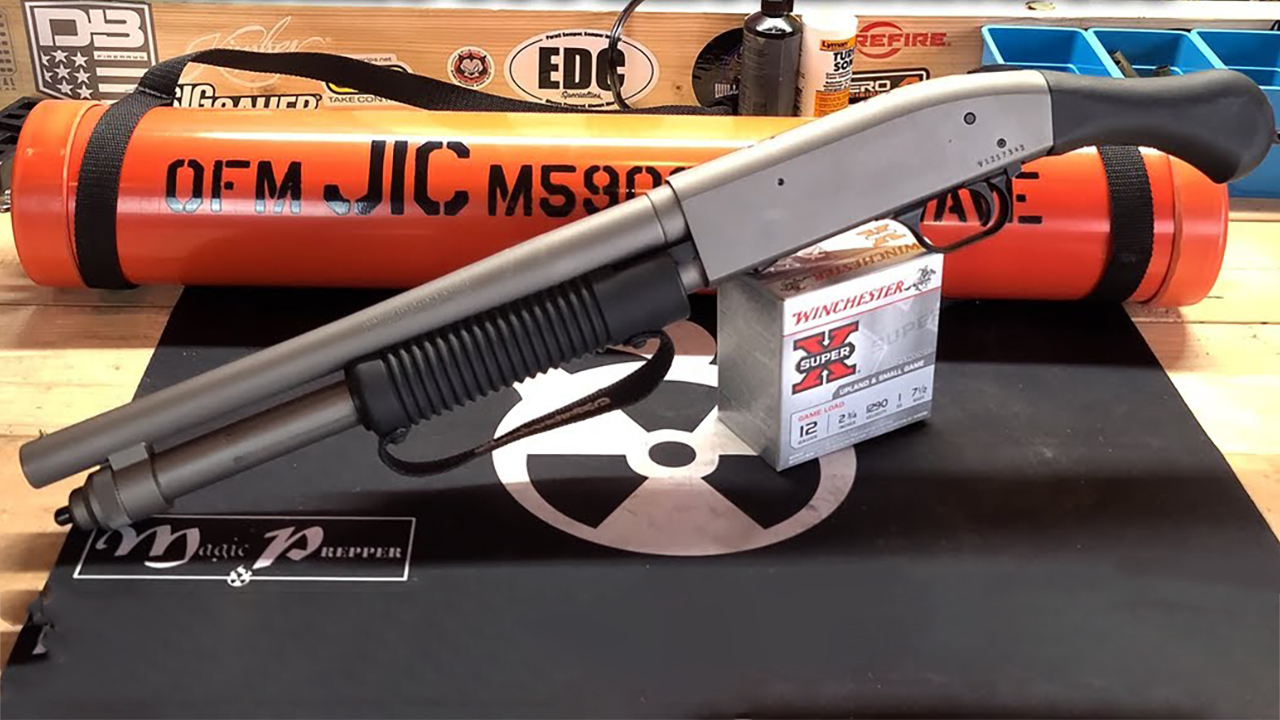
The Shockwave was never some clean-sheet experiment. American Rifleman’s 20-gauge review and other coverage make clear that it is based on Mossberg’s 590 tactical shotgun platform. Mossberg’s own pages also emphasize the familiar pump-action features that came with that heritage.
That is a big reason the Shockwave found traction so fast. Buyers were not being asked to trust a weird unproven mechanism. They were getting a very unusual format wrapped around a pump-action lineage that already had a huge reputation.
8. The original 12-gauge version was a 5+1 gun with 2¾-inch shells
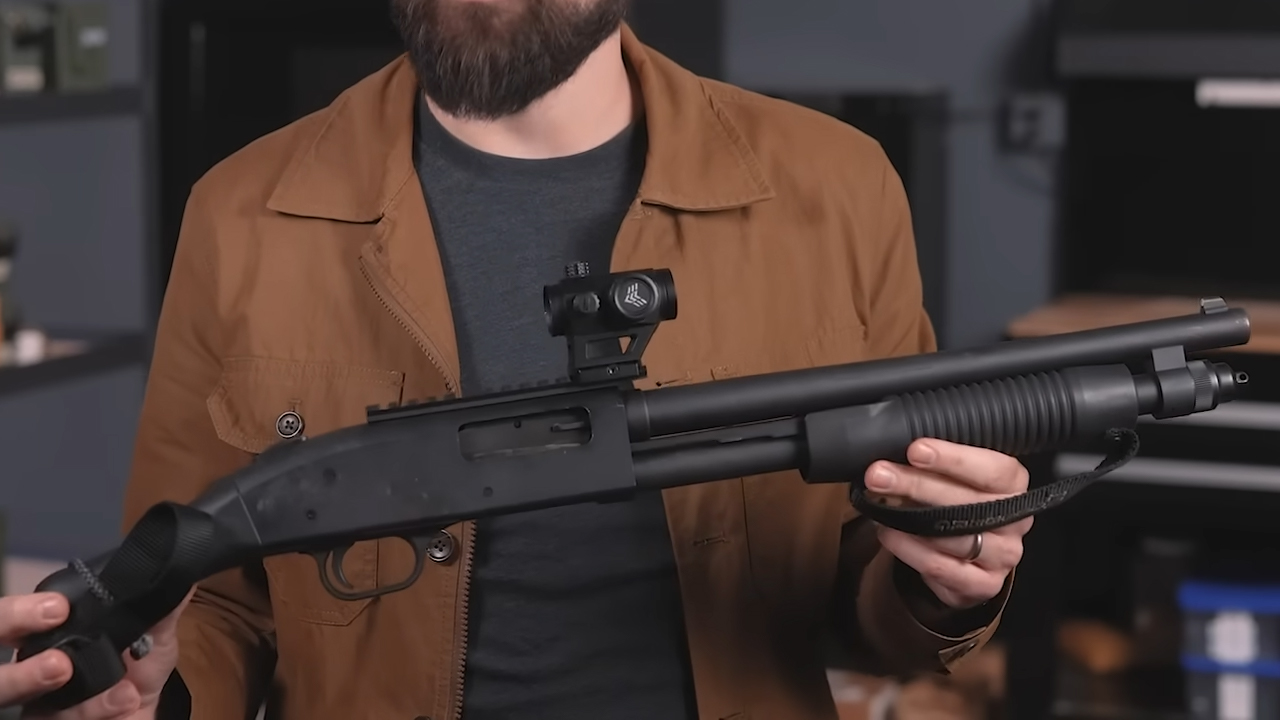
American Rifleman’s early 2017 coverage says the original 12-gauge 590 Shockwave had a 5+1 capacity with 2¾-inch shells, and four in the tube with 3-inch shells.
That is worth knowing because people sometimes assume a short gun automatically means very low capacity. The original Shockwave still offered a pretty useful payload for such a compact package, which was part of the appeal.
9. Mini-shell compatibility became part of the conversation almost immediately
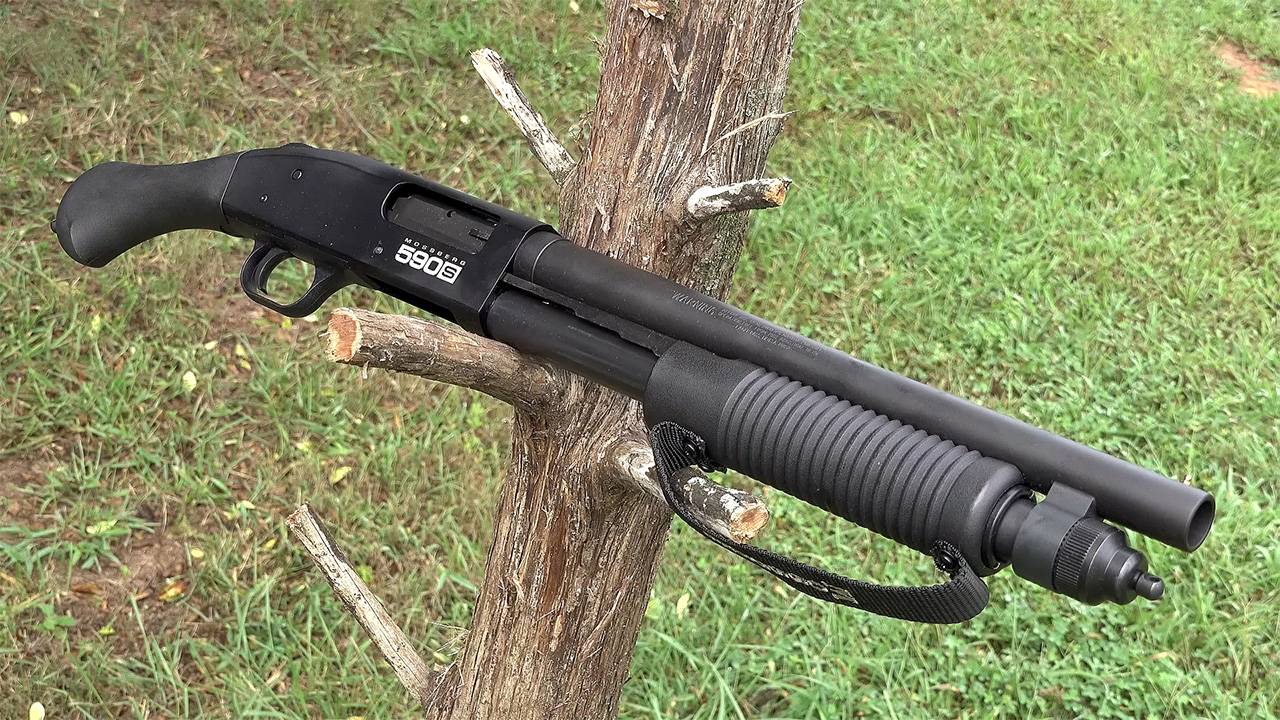
One of the early surprises around the 12-gauge Shockwave was how attractive mini-shell use sounded in this format. American Rifleman noted in 2017 that with an aftermarket adapter, the original 590 Shockwave could reliably feed Aguila mini-shells and bring total capacity up to nine rounds.
That mattered because it pointed toward one of the gun’s most interesting strengths: the ability to combine compact size with reduced-recoil ammo and boosted capacity. That idea became even more important later when Mossberg expanded into the 590S line.
10. The 20-gauge version was not just a caliber swap
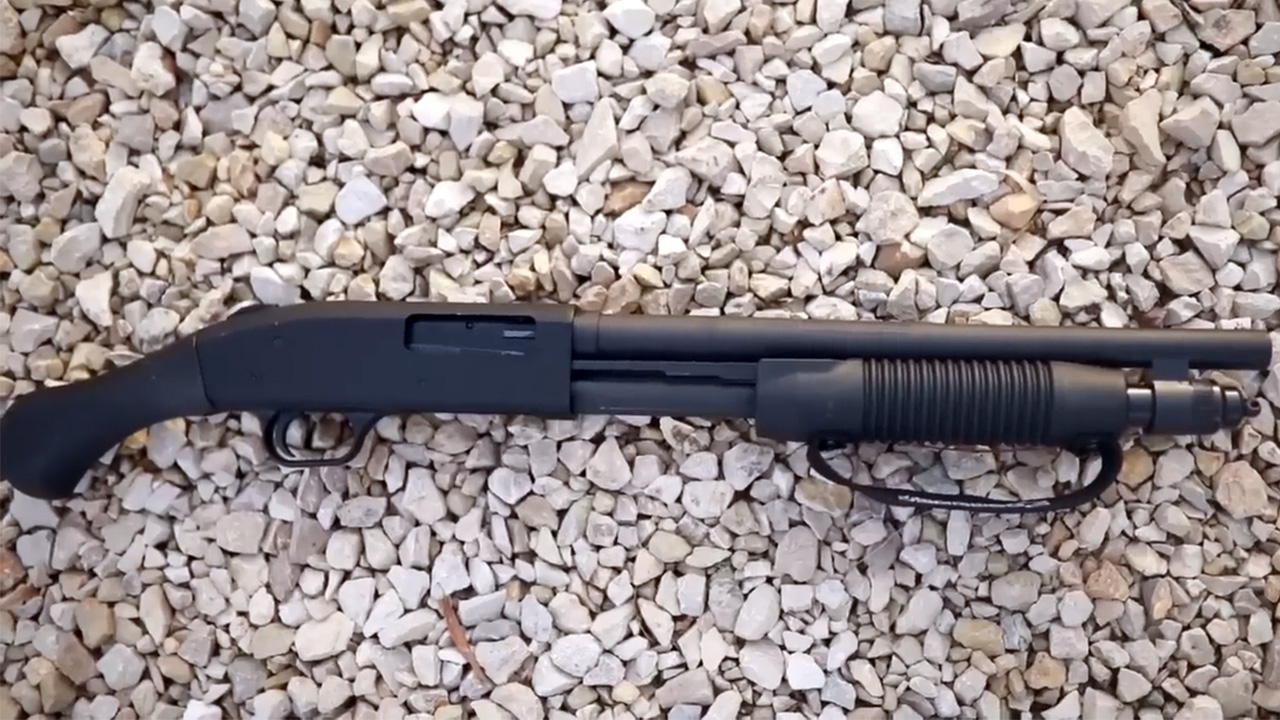
When Mossberg released the 20-gauge Shockwave, American Rifleman reported that it required an engineering redesign and marked Mossberg’s first 590 offering in that smaller gauge. The article also listed the 20-gauge model at 4.95 pounds, 26.4 inches overall, and a 6-round capacity.
That is a cool detail because it shows Mossberg took the line seriously enough to do more than just chamber the same gun differently. The 20-gauge Shockwave was treated like a proper adaptation of the concept, not just a lazy variation.
11. There is also a .410 bore version
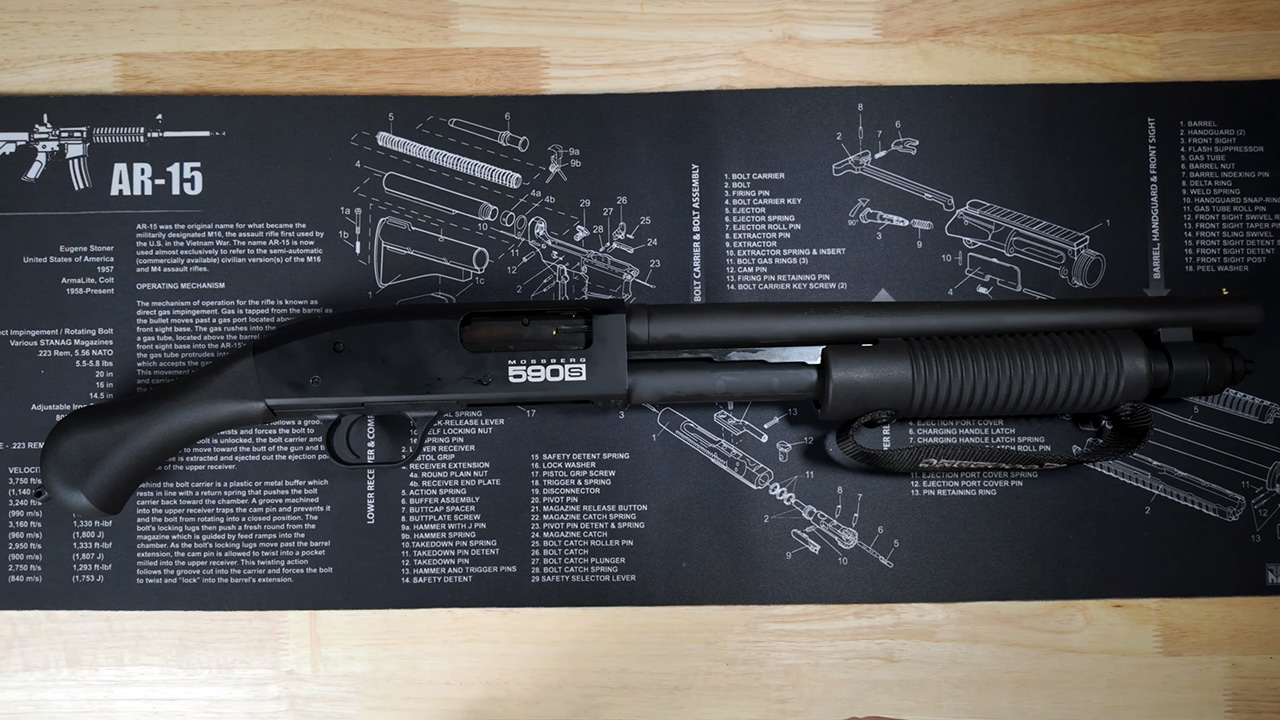
A lot of shooters still think of the Shockwave as strictly a 12-gauge novelty, but Mossberg’s current lineup includes a .410 bore version, and American Rifleman covered that addition in 2018. Mossberg’s product page keeps the same core identity: 14-inch barrel, bird’s-head grip, and strapped forend.
That matters because it broadens who the Shockwave might appeal to. The .410 version brings a lighter gun and a different recoil profile to the same basic platform, which gives the family more range than people often assume.
12. Mossberg now offers short-shell-capable 590S Shockwave models
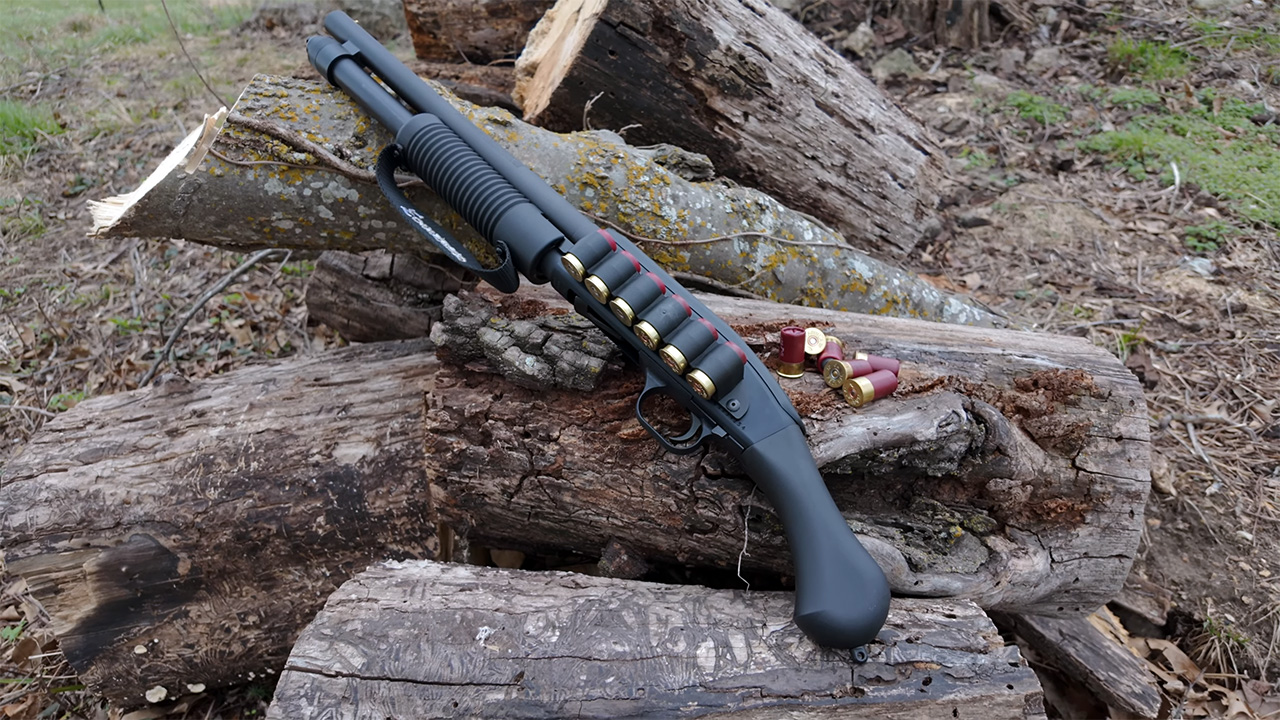
The Shockwave family did not stay stuck in its original configuration. Mossberg’s current Shockwave family page lists a 590S short-shell-compatible model, and American Rifleman’s 2021 review of the 590S Shockwave says that version can hold 4+1 rounds of 3-inch shells, 5+1 rounds of 2¾-inch shells, or 8+1 rounds of 1¾-inch mini-shells.
That is a pretty meaningful evolution of the platform. Instead of relying on aftermarket workarounds, Mossberg pushed deeper into the mini-shell concept in a factory-supported way.
13. The Shockwave line now includes accessorized SPX models too
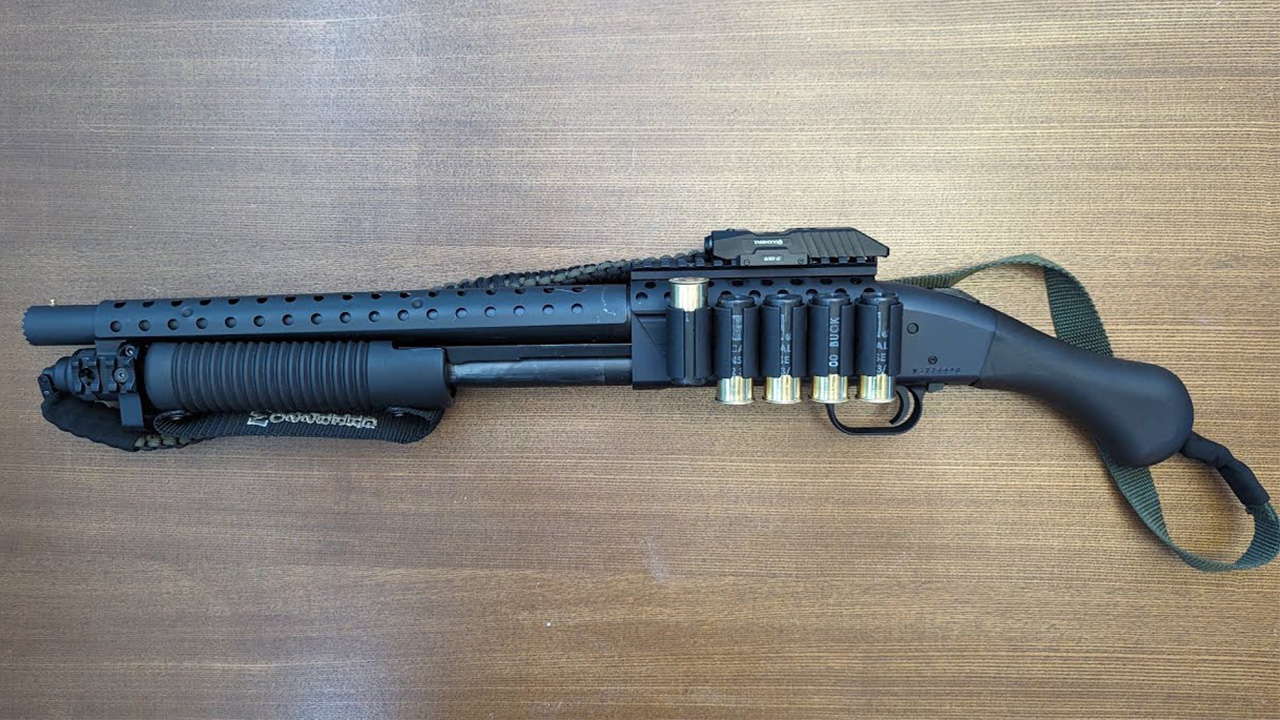
Mossberg’s current catalog includes a Shockwave SPX, which adds features like a receiver-mounted side saddle, removable top rail, and barrel heat shield.
That tells you the Shockwave is no longer just a single stripped-down format. Mossberg clearly sees it as a flexible family with room for buyers who want a more built-out setup right from the factory.
14. It became a serious commercial hit, not just a conversation piece
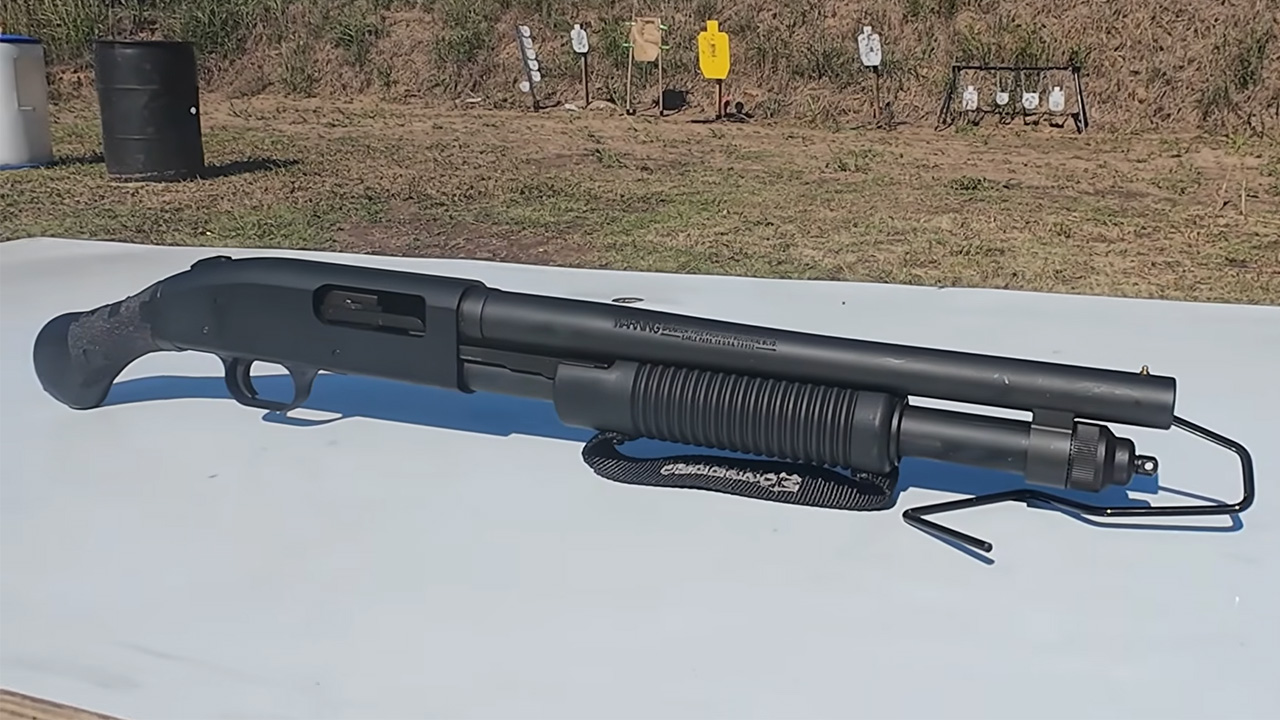
American Rifleman reported in 2021 that the 590 Shockwave was the top-selling pump shotgun in 2020. That is a pretty wild result for a platform many people initially treated like a weird side project.
That sales success says a lot. The Shockwave did not survive just because people liked talking about it online. It sold in real numbers and turned into one of the most visible compact pump-gun formats of the last several years.
15. Its biggest surprise is that it turned a strange format into a permanent Mossberg category
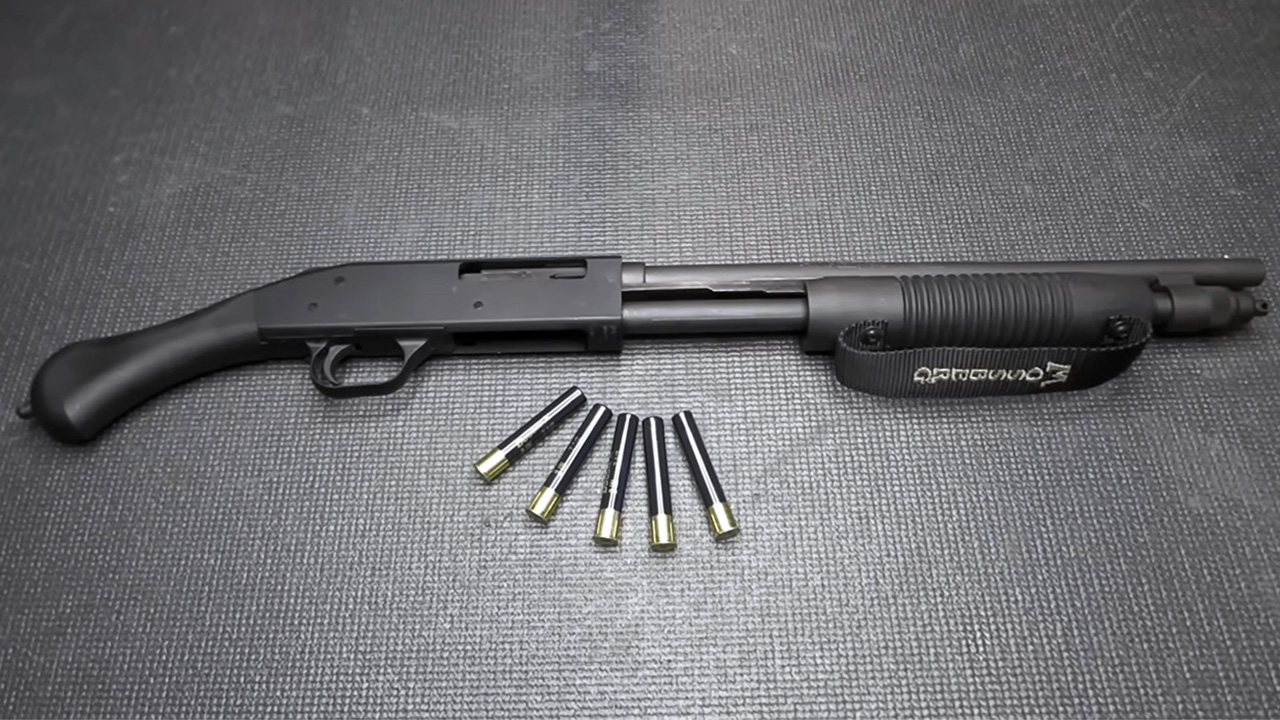
On paper, the Shockwave could have easily been a one-year attention grabber. Instead, Mossberg kept expanding the line with 12-gauge, 20-gauge, and .410 versions, 590S short-shell models, Nightstick variants, and SPX configurations. The company now gives Shockwave its own dedicated category under “Others,” which tells you this is not some forgotten experiment.
That is probably the most interesting thing about the Mossberg Shockwave. It started as one of the most talked-about oddball pump guns in the market, and then it stuck around long enough to become a real product family with staying power.
Like The Avid Outdoorsman’s content? Be sure to follow us.
Here’s more from us: