Photo credit: Sam Carrera/Shutterstock.com
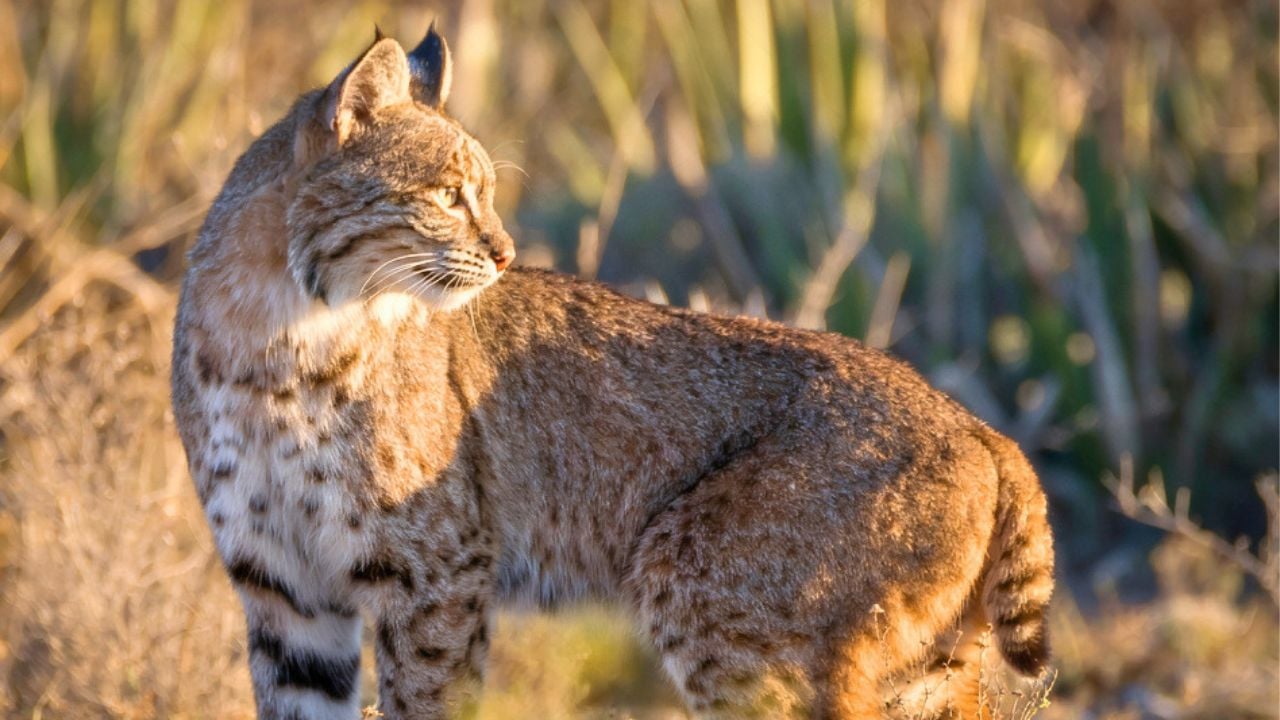
A lot of people assume they would know immediately if a bobcat had been around. Usually they would not. Bobcats are elusive, mostly active around dawn and dusk, and often move through a place quietly enough that the only real evidence is what they leave behind. California’s Department of Fish and Wildlife says the most common way to tell bobcats are in an area is by finding sign like tracks or scat, and Arizona Game and Fish says bobcats are often drawn to yards by food, water, shade, brush, shelter, domestic birds, and small pets. That combination is why people miss them. The cat may only pass through for a few minutes, but the setup that attracted it can stay in place every night.
You keep seeing the right kind of cover and prey around the house
One of the first signs is not the bobcat itself. It is the kind of property that makes sense for one. Arizona Game and Fish says bobcats may visit an area for food, water, shelter, or space, and specifically lists birds, rodents, rabbits, poultry, small unattended pets, birdbaths, fountains, pet water dishes, sheds, patios, decks, rubbish piles, thick brush, shade, and quiet yards as things that can attract them. So if your place has rabbit activity, brushy edges, protected hiding spots, and water sitting out, that is already a clue that your property checks a lot of bobcat boxes.
That does not mean every brushy yard has a bobcat in it. It does mean a property with rabbit traffic, songbirds on the ground, chickens, or unsecured small pets can become part of a bobcat’s regular loop. A lot of people focus on the predator and ignore the buffet. If the prey base is right and the cover is good, a bobcat does not need much encouragement to start passing through.
Small pets or domestic birds start acting uneasy at dawn or dusk
Arizona Game and Fish notes that bobcats are most active during twilight hours, especially dawn and dusk, and warns that small pets should be protected and supervised during the night and early morning. That timing matters because one of the easiest clues is sudden nervous behavior from animals that normally act relaxed in the yard. A dog that fixates on the brush line, a flock that gets jumpy at the same time each evening, or outdoor pets that start refusing a certain corner of the yard can all point to a predator slipping through more often than you realize.
This is especially worth noticing if the behavior repeats. One strange evening does not prove much. But if your chickens get agitated at first light, your dog keeps checking under the deck, or your outdoor cat suddenly acts like it does not want to be outside around sundown, that is the kind of pattern worth taking seriously. Bobcats are stealthy enough that your animals may register the problem before you ever get visual confirmation.
You find cat tracks that are too big for a house cat
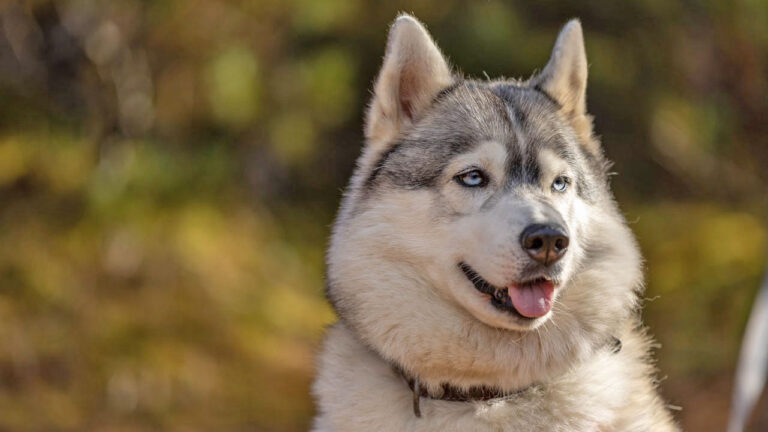
Tracks are one of the clearest signs if you happen to have the right ground for them. California’s wildlife agency says bobcat tracks usually average about 2 to 2½ inches across, usually do not show claw marks because the claws are retractable, and have the classic feline heel-pad shape with two lobes at the front and three at the rear. That is a useful difference from canines, which tend to leave claw marks and a different pad shape.
That means a “big cat print” in soft soil, dust, or a sandy driveway is worth a second look if it is clearly larger than what your house cat would leave. Dry creek beds, sandy patches, and dusty paths are especially good places to catch that sign. A lot of people see a track, assume it came from a loose dog, and move on. But if the print is rounder, clawless, and has that cat-style heel pad, a bobcat becomes a much more realistic possibility.
You find scat with the wrong shape and contents for a coyote
Scat is not glamorous, but it tells the story better than people think. California says tracks or scat are the most common ways to identify bobcat presence, and Florida IFAS notes that bobcat scat is usually about 4 inches long, segmented, and blunt at the ends. Kentucky’s bobcat guide adds another detail that helps: bobcats commonly deposit scat on elevated rocks or logs, and the droppings often contain a large proportion of hair and bones.
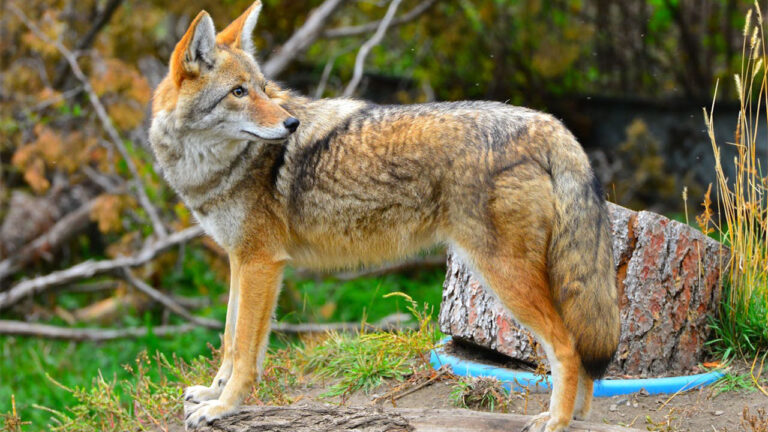
That makes it easier to separate from a lot of canine sign. IFAS says fox and coyote scat is usually smaller in length and tends to have tapered, pointed ends. So if you find a chunkier segmented scat on a log, rock, or obvious marking spot, especially with hair and bone in it, that is a stronger bobcat clue than most people realize. It is not the kind of thing you want to handle, obviously, but it is the sort of sign worth photographing and comparing carefully.
You find scrape marks in bare dirt
This is one a lot of landowners have never heard of. California’s Department of Fish and Wildlife says bobcats may leave scrapes, which are small depressions dug with the hind paws, typically about 6 to 10 inches long. The agency says biologists often find them near caches, prime hunting areas, and territory boundaries, and notes that bobcats will often urinate in the scrape as part of scent marking.
If you start noticing neat, repeated scratch-like depressions in bare ground near trail edges, fence lines, creek bottoms, or travel corridors, that is worth paying attention to. Most people would never connect that sign to a bobcat. But once you know what to look for, a scrape near other cat sign can be one more clue that the animal is not just passing through once. It may actually be using that route regularly.
A rabbit or bird kill looks hidden instead of just eaten
Kentucky’s bobcat guide points out another solid clue: you may find a cache, meaning a carcass a bobcat has covered with leaves, grass, or pine needles to save for later. That matters because bobcats are ambush hunters, and a partially covered rabbit or bird can say a lot more than a simple pile of feathers in the yard.
A hidden or lightly covered kill near thick cover, a shed, or a brush line is the kind of sign that suggests a cat, not just a random scavenger. It is not absolute proof by itself, because other animals can disturb carcasses too. But when you pair a cached prey animal with cat tracks, dusk activity, or uneasy poultry, the picture starts getting a lot clearer.
You are only noticing anything at sunrise, sunset, or on camera
Arizona Game and Fish says bobcats are most active around sunrise and sunset, and California says they are crepuscular, active primarily after dawn and immediately before dusk, while spending much of the day hidden from view. That is a big reason so many people think a bobcat “came out of nowhere.” It usually did not. It was moving when the light was low, when people were busy, or while everyone was inside.
So if the only strange activity on your property seems to happen in those low-light windows, that actually fits the pattern pretty well. Trail cameras, security cameras, and those quick “something just slipped across the yard” moments at daybreak or dusk are often how a bobcat finally gets confirmed. By then, the animal may have been using the property longer than you realized.
What to do if you think one is using the property
The good news is that agencies do not treat a bobcat sighting near a home like a panic situation. Arizona Game and Fish says there is usually no need to panic because bobcats rarely attack people, but it also says to secure small pets and domestic birds, reduce attractants, and scare a bobcat off with loud noise or a garden hose if needed. California wildlife officials similarly say aggressive behavior toward humans is extremely rare, while urging residents to secure pets and other attractants.
So the practical move is pretty simple: keep small pets supervised, especially at dawn, dusk, and night; roof and secure poultry areas; remove easy prey attractants where possible; and clean up the kind of brushy, sheltered hiding spots that make the yard comfortable for a predator. If the clues keep stacking up, the question is usually not whether the bobcat is “dangerous” in some dramatic sense. It is whether your property has become convenient enough that the animal has started checking it on purpose.
Like The Avid Outdoorsman’s content? Be sure to follow us.
Here’s more from us: