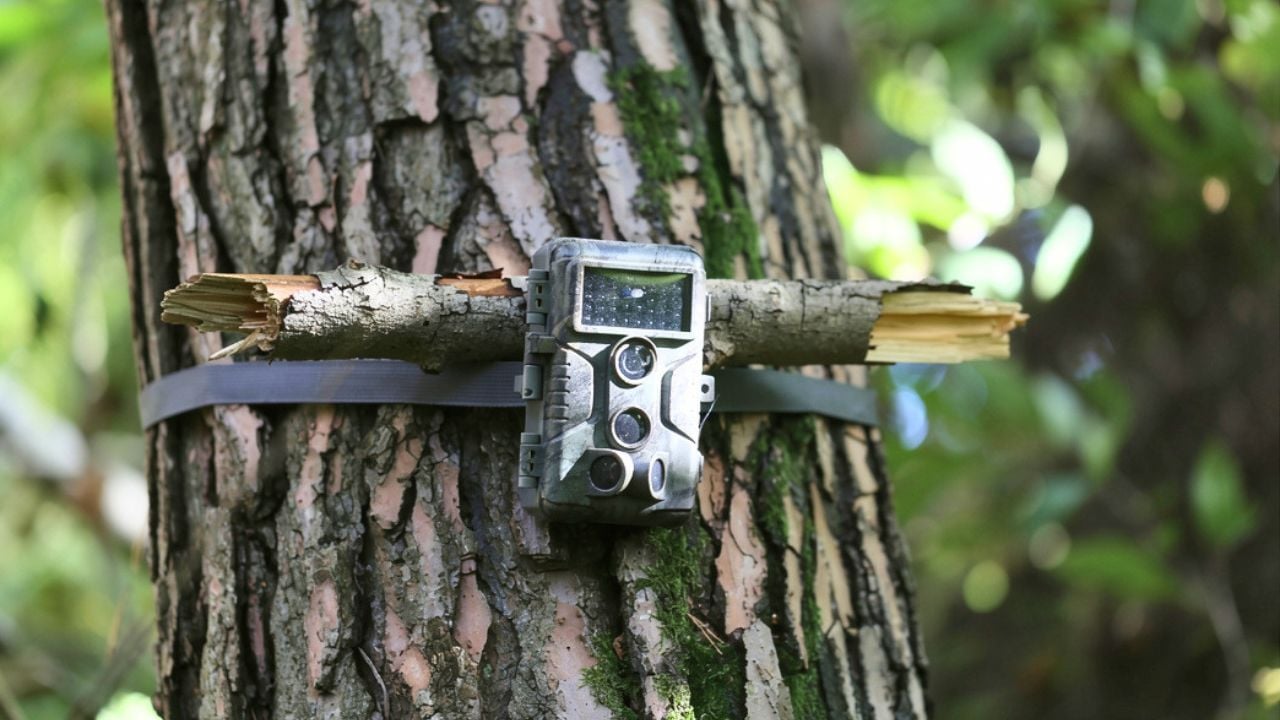
Photo credit: Brian Clifford/Shutterstock.com
A single predator photo does not always mean much. A coyote passing through once at 2 a.m. is different from repeated photos of coyotes using the same fence gap, creek crossing, or field edge night after night. That is the part a lot of people miss. USDA’s coyote damage-management guidance says travel corridors are worth checking for sign and specifically notes that trail cameras can be useful for monitoring a site. In other words, the camera is not just catching an animal. It is helping you figure out whether that animal is wandering through, working a route, or starting to use your place in a more deliberate way.
That is really what predator pressure is. It is not just predator presence. It is repeated use, consistent timing, and enough activity that the risk to poultry, pets, calves, lambs, or game animals starts feeling less random and more patterned. USDA also notes that coyote losses on young livestock are often highest from late spring through September, when adults are feeding young, which means the timing of what your camera catches matters almost as much as what species shows up in the photo.
Repeated photos in the same spot usually mean more than a random pass-through
If your camera keeps catching a predator in the exact same opening, trail, low fence spot, creek crossing, or road edge, that usually tells you the animal is using a travel corridor, not just wandering blindly. USDA says checking travel corridors is part of investigating coyote problems, and another APHIS monitoring guide notes that wildlife monitoring can reveal movement rates, frequency, and use of travel corridors. That is the kind of pattern landowners should pay attention to. One photo is interesting. Six photos over two weeks at the same crossing means something is getting comfortable there.
That does not automatically mean you are in crisis mode. It does mean the camera is showing you where pressure is building. Once a predator starts using the same route consistently, you can usually assume it has found something it likes about the area, whether that is cover, water, prey, low disturbance, or an easy path through the property. If the repeat activity is close to coops, lambing areas, feed, or pet zones, that matters more than if it is way out on a back corner with no obvious attractant nearby.
Timing tells you a lot
Photos at dawn and dusk can mean normal predator movement. Photos at the same hour over and over can suggest a routine. Photos in broad daylight can be worth a harder look, especially if they show an animal comfortable close to structures, pens, or yards. APHIS’s wolf monitoring guide says monitoring can reveal day-versus-night movement patterns and frequency, and that same principle applies to interpreting camera patterns around other predators. You are not just asking, “What showed up?” You are asking, “When is it most comfortable being here?”
Season matters too. USDA says coyote-related losses of young livestock typically peak from late spring through September because adults are feeding young. So if your camera activity jumps during that stretch, especially near birthing grounds or small-stock areas, it may point to more serious pressure than the same number of winter photos out on a distant trail. A lot of people treat all trail-camera predator shots the same. They are not the same. The season can change the meaning completely.
Multiple predators on camera can mean the property is easy to use
If you are catching coyotes, bobcats, raccoons, foxes, or feral hogs all on the same general routes, that usually says something about the property itself. APHIS notes that monitoring systems can also detect other predators using the same landscape, and Arizona Game and Fish says bobcats are drawn by food, water, brush, shelter, domestic birds, and small pets. When several problem species are showing up, the bigger story may be that your place offers a strong mix of cover, prey, water, and low resistance.
That is useful because it keeps you from overreacting to one species while ignoring the setup attracting all of them. Sometimes the problem is not “too many coyotes.” Sometimes the problem is that brush, feed, water, poultry access, rabbit activity, or carcass disposal has turned the property into easy ground for multiple predators. If the camera keeps proving that point, it is worth looking at the whole attraction picture instead of just the face in the frame.
Photos near young livestock should be taken more seriously
This is where cameras go from interesting to useful in a hurry. USDA’s coyote guidance says owners who do not regularly count livestock may suffer substantial losses before realizing a problem exists, and it notes that birthing location and season can greatly affect depredation severity. It also says sheds, pens, small pastures, or paddocks for birthing or raising young livestock can increase survival, while more human activity around livestock can help reduce losses. So if your camera is showing predator activity near lambing grounds, calving areas, or where young animals are being raised, that is not just background wildlife footage. That is operational information.
The same goes for pigs. Mississippi State’s landowner guide says wild pigs may prey on newborn lambs, goats, and calves, especially where afterbirth and fetal tissue attract them. So repeated hog images near birthing areas or feed bins may say more than “hogs are around.” They may be telling you where the pressure is most likely to become expensive.
One clean image means less than a pattern of behavior
People love a dramatic camera shot, but one striking image can fool you. A predator walking fast through the edge of the frame is different from one that stops, scents the ground, circles a structure, returns two nights later, and shows up again the next week. USDA’s guidance on predator investigations recommends using trail cameras along with fresh-track checks in suspected travel corridors, which is a good reminder that camera photos work best when you read them as part of a pattern.
That is usually the smartest way to look at predator pressure. Not, “Did I photograph a predator?” but, “Is this animal treating my place like part of its routine?” If the answer looks more and more like yes, the camera is doing exactly what it should: telling you the pressure is not theoretical anymore. It is repeatable. And once it is repeatable, you have something you can actually manage around.
What to do with what the camera is telling you
Start simple. Mark the location, timing, direction of travel, and how often the animal shows up. Then compare that to where your weak spots are: poultry, pets, feed, birthing areas, rabbit-heavy edges, brushy cover, water, or easy fence gaps. USDA points to travel corridors, fresh tracks, and site monitoring as part of coyote investigation, while Arizona Game and Fish points to attractants like birds, rodents, pet food, water, brush, shelter, and small unattended pets for bobcats. That gives you a practical framework. The camera tells you where and when. The property tells you why.
That is the real value of a trail camera. It is not just proof that predators exist nearby. It is a way to see whether they are testing the place, using it casually, or starting to lean on it. And once you know that, your next move gets a lot clearer than it would from one spooky nighttime photo alone.
Like The Avid Outdoorsman’s content? Subscribe to our newsletter so you never miss an article.
Here’s more from us: