Photo credit: James Case – CC BY 2.0/Wiki Commons
Some handguns look impressive at first glance—thick slides, full-size frames, and enough weight to double as a hammer—but once you start shooting them, reality hits. A pistol can be big and still shoot poorly. Some soak up recoil well but have sloppy triggers or inconsistent accuracy. Others feel like you’re carrying a brick that doesn’t reward the effort. Overbuilt doesn’t always mean overperforming. These are the handguns that promise power or reliability but deliver little more than bulk. If you’ve ever wondered why some shooters quietly retire their “tactical tanks” after one trip to the range, these pistols tell the story.
Desert Eagle .50 AE
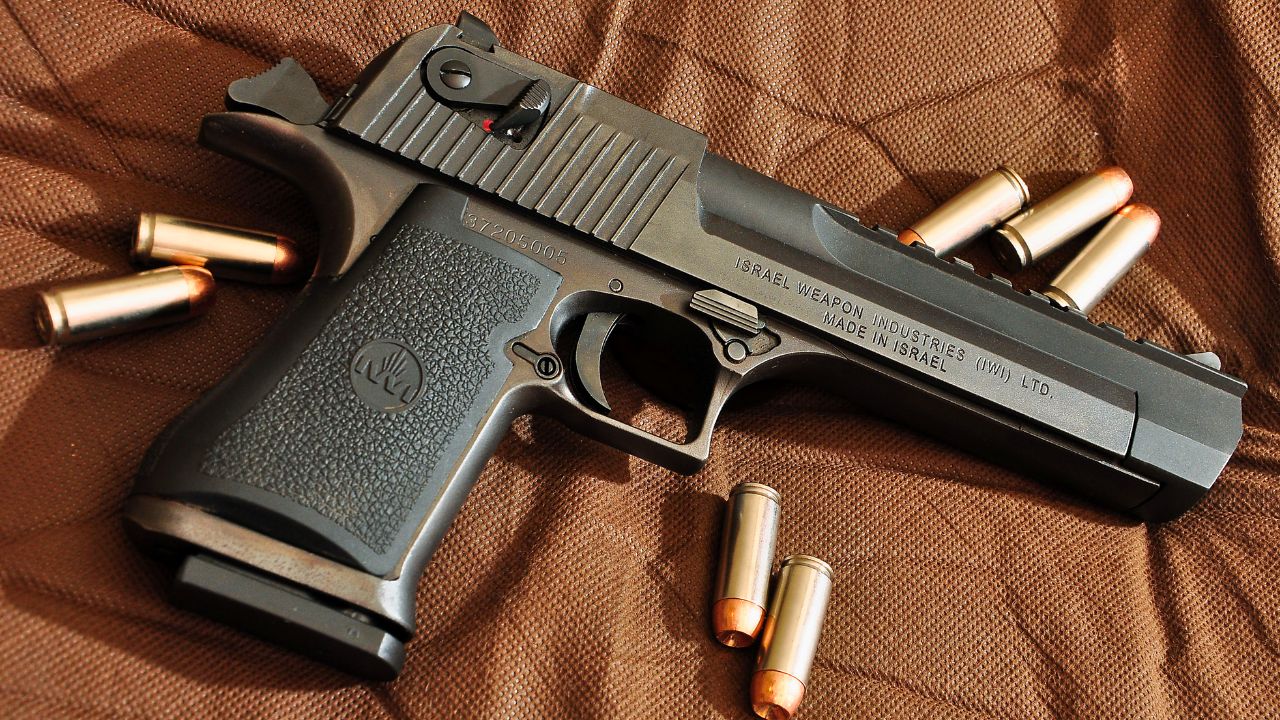
The Desert Eagle is the poster child for overbuilt handguns. It’s enormous, flashy, and surprisingly impractical outside of novelty shooting. Chambered in .50 AE, it delivers massive recoil and muzzle blast but not much real-world versatility. Even with lighter calibers like .44 Magnum, the sheer size and weight make it awkward to carry or draw.
Maintenance is another headache. It’s gas-operated, meaning fouling builds up quickly, and field-stripping isn’t as intuitive as a traditional semi-auto. Accuracy is fine, but the platform demands a strong grip and specific ammo to cycle properly. You’ll burn through money faster than targets, and unless you’re filming a movie, there’s little reason to haul it to the range more than once a year.
Hi-Point JHP .45 ACP
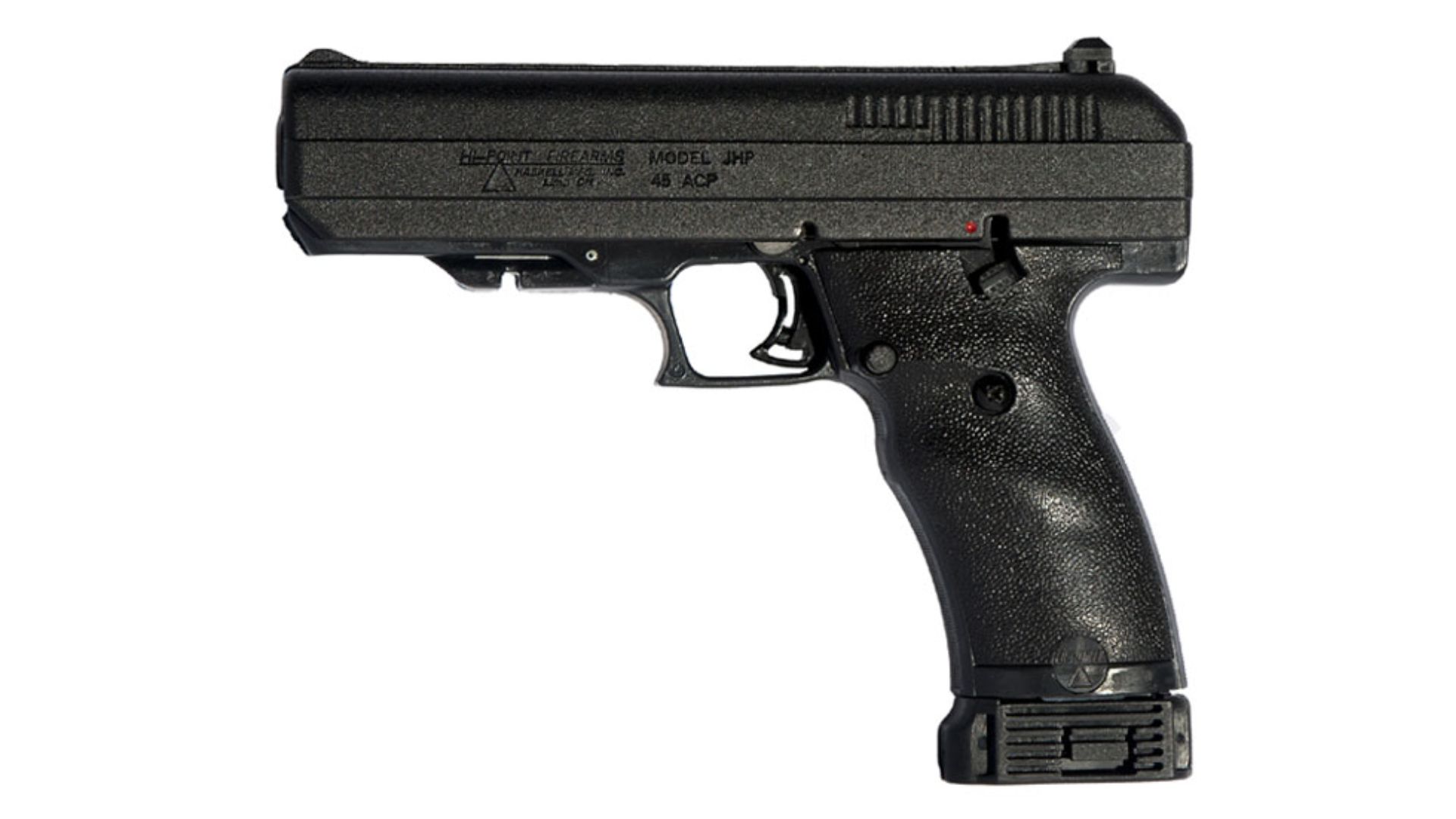
The Hi-Point JHP in .45 ACP is proof that bulk doesn’t equal durability or refinement. It’s built like a cinder block and weighs nearly as much loaded. The blowback design creates a clunky shooting experience with more recoil than you’d expect from such a heavy pistol. While reliable with ball ammo, the trigger is spongy and accuracy falls apart at distance.
It’s affordable, but the ergonomics are punishing. The grip feels awkward, the slide is massive, and after a few magazines, you’ll wonder why it’s so exhausting to shoot a .45. It works as a budget option for home defense, but it’s far from enjoyable. For its size and heft, you’d expect better control or precision—but instead, you get a pistol that feels like it’s fighting you every step of the way.
CZ 97B

On paper, the CZ 97B should have been the .45 ACP answer to the beloved CZ 75. In practice, it’s a handful. The steel frame makes it heavy, and the grip is bulky enough to challenge shooters with average hands. Even though it’s accurate, the size-to-capacity ratio (10+1) feels outdated compared to modern polymer .45s that weigh half as much.
Recoil impulse is manageable, but the balance feels front-heavy, and follow-up shots can be sluggish. It’s a fine range gun but impractical for carry or defensive use. Many shooters appreciate the craftsmanship but admit it’s more comfortable sitting in the safe than in a holster. The 97B is one of those pistols that looks refined and feels substantial—but in the hand, it’s simply more work than reward.
Beretta 92FS Brigadier
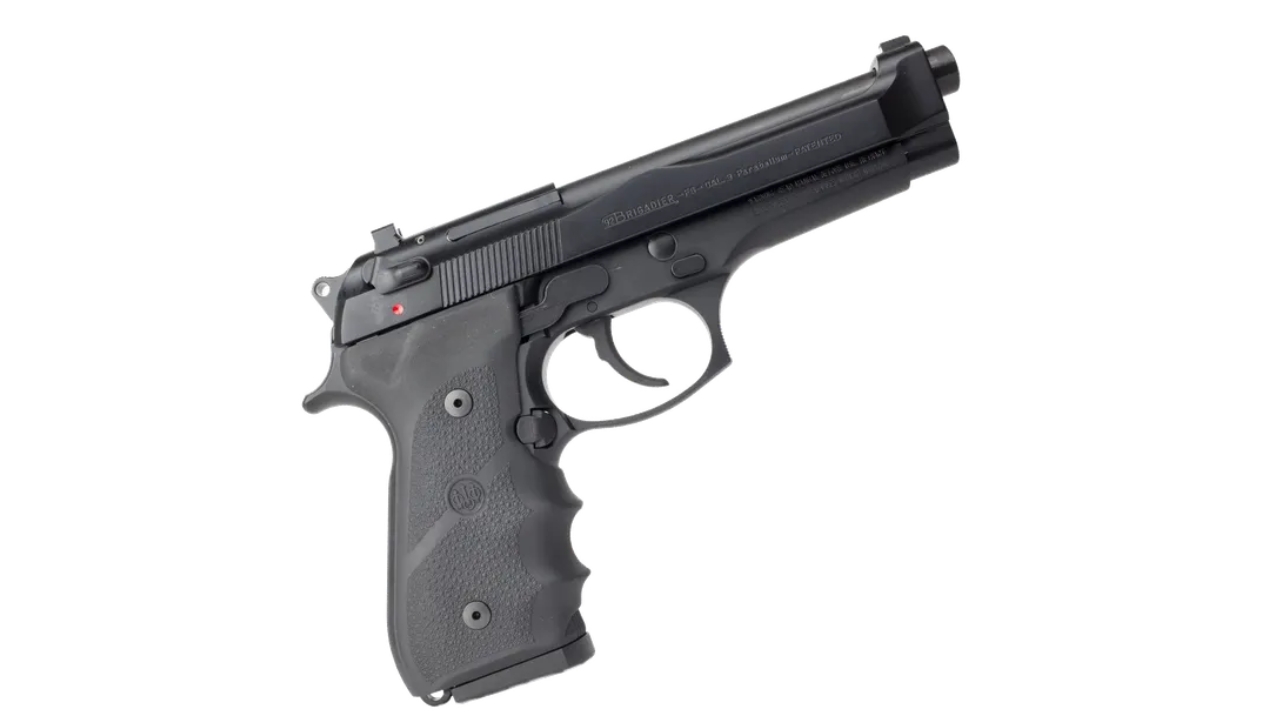
The Beretta 92FS Brigadier variant adds even more weight to an already hefty pistol. While it was designed to reduce recoil and slide stress, the added mass makes it feel nose-heavy and slow to point. It’s smooth-shooting, sure—but the tradeoff is agility. For defensive shooting or field carry, it’s unnecessarily cumbersome.
The Brigadier excels in durability but lags in practicality. Most shooters end up preferring the standard 92FS for its better balance and quicker handling. Unless you’re running thousands of rounds through it in training, the extra steel isn’t doing you any favors. It’s a perfect example of a pistol that performs reliably but feels overbuilt for what most people actually use it for.
Desert Eagle XIX in .44 Magnum

Even dropping down from .50 AE to .44 Magnum doesn’t fix the Desert Eagle’s issues. The platform still feels like you’re holding a boat anchor, and the ergonomics remain awkward. The sharp recoil pulse and gas operation make it finicky with lighter loads, and cleaning it takes commitment.
Hunters sometimes use it for novelty, but even they admit it’s not practical for follow-up shots or long sessions. It’s undeniably powerful, but you pay for that power with wrist fatigue and constant maintenance. For the sheer mass it carries, it doesn’t offer much beyond spectacle. A revolver in the same caliber often shoots smoother and more consistently.
SIG Sauer P220 Match Elite
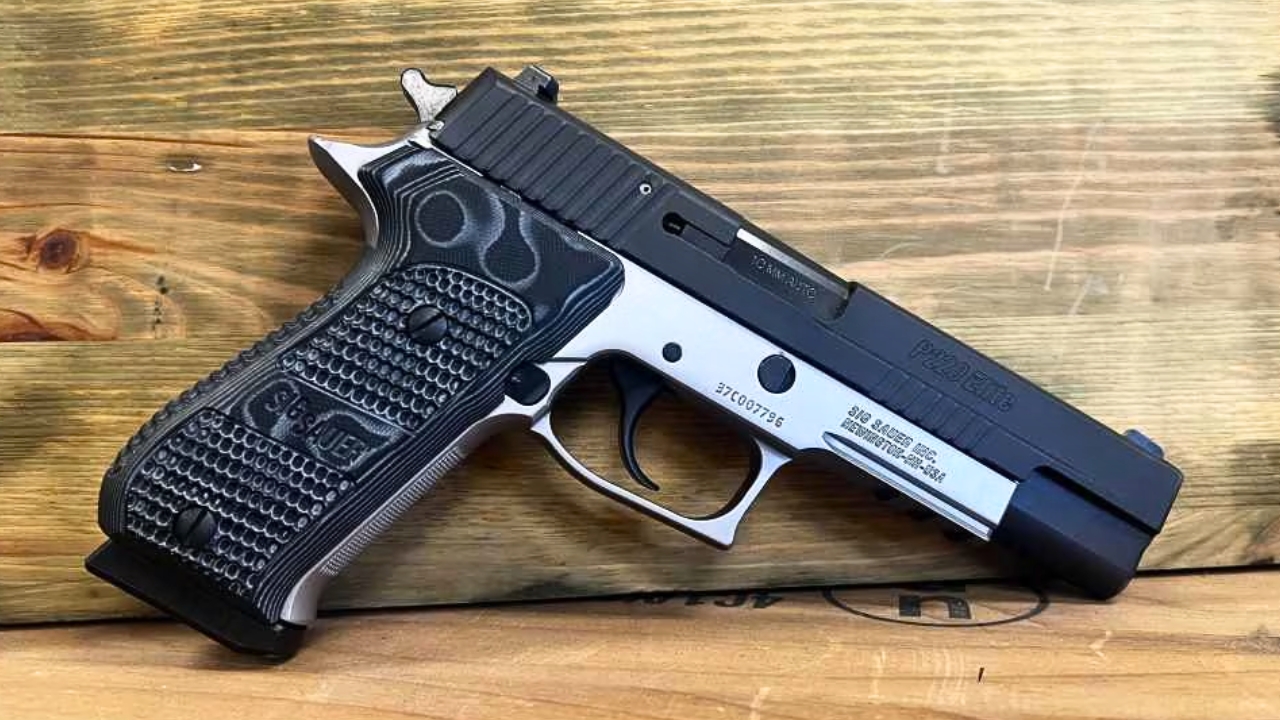
The P220 Match Elite is beautifully made but heavier than it needs to be. The stainless frame adds unnecessary ounces, and while the accuracy is excellent, the size makes it less approachable for everyday shooters. It’s the kind of gun that feels best on a bench rest, not on your hip.
The single-stack design limits capacity to eight rounds, so you’re hauling a full-size pistol with compact firepower. It’s smooth, reliable, and high-quality, but not exactly practical for most uses. The balance is decent, yet it feels like overkill for a .45 ACP platform when lighter, cheaper pistols can do the same job with less strain.
Taurus PT92
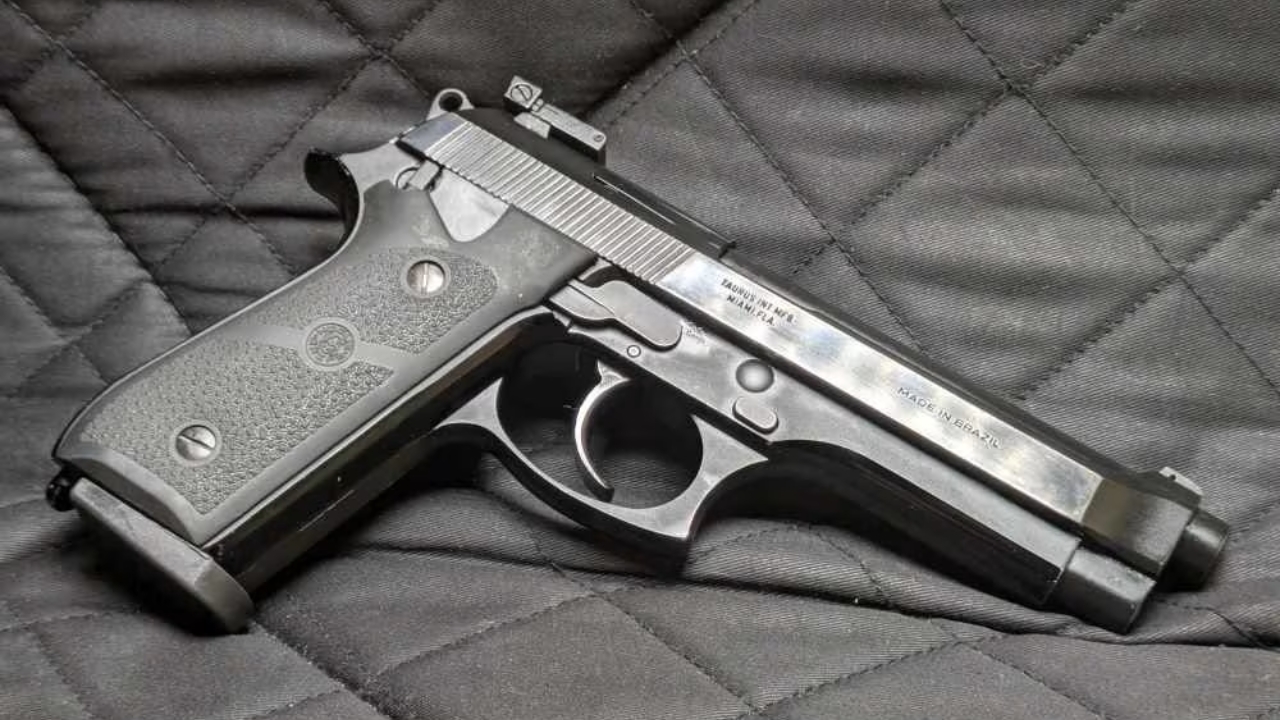
The Taurus PT92 is a faithful Beretta clone but with added bulk and inconsistent manufacturing. Some shoot well; others feel like loose-fitting puzzle pieces. The weight makes it soft-shooting, but also a chore to carry or maneuver. It’s accurate enough at the range, but when compared to modern service pistols, it feels outdated and clunky.
The trigger varies from model to model, and the safety placement isn’t as intuitive as you’d hope. For the size and heft, you don’t get much advantage beyond nostalgia. Many shooters like it for range fun, but few rely on it for anything serious. It’s one of those pistols that performs fine—but feels two decades behind its competition.
FNX-45 Tactical

The FNX-45 Tactical offers capacity, power, and a suppressor-ready setup—but it’s massive. The slide and frame combination make it bulky in every sense, especially for anyone with smaller hands. The high bore axis adds more muzzle flip than you’d expect, and shooting it quickly takes real work.
It’s accurate and reliable, but carrying it feels like hauling a brick. Even with a high-end build, it’s one of those guns that performs better on paper than in-hand. For those who like big .45s, it has appeal, but for most shooters, it feels more like a chore to manage than a firearm you reach for often.
Springfield XD(M) .45

The XD(M) .45 packs impressive capacity and features, but it’s large for what it offers. The slide is tall, the grip wide, and the overall weight makes it feel clumsy compared to slimmer designs. It shoots fine, but the trigger feels mushy, and the reset isn’t as crisp as competing pistols.
Recoil management is solid, but it’s not enough to make up for the handling. Many shooters find it awkward to conceal or carry for long periods. It’s a pistol that tries to do everything and ends up feeling like too much of everything. The XD(M) is reliable and rugged, but most agree—it’s a handful without the payoff.
Smith & Wesson 4506

The Smith & Wesson 4506 is a tank of a pistol—reliable but cumbersome. Its stainless-steel frame gives it a commanding feel, yet that same heft makes it slow and tiring to shoot over time. The double-action trigger pull is long and heavy, and the reset feels dated by today’s standards.
Accuracy is solid, but the weight overshadows its practical use. Many owners admire the build quality but admit it’s more of a safe queen than a working gun. It’s a pistol that proves overengineering doesn’t always equal performance—it’s simply too much metal for too little gain.
Ruger P90
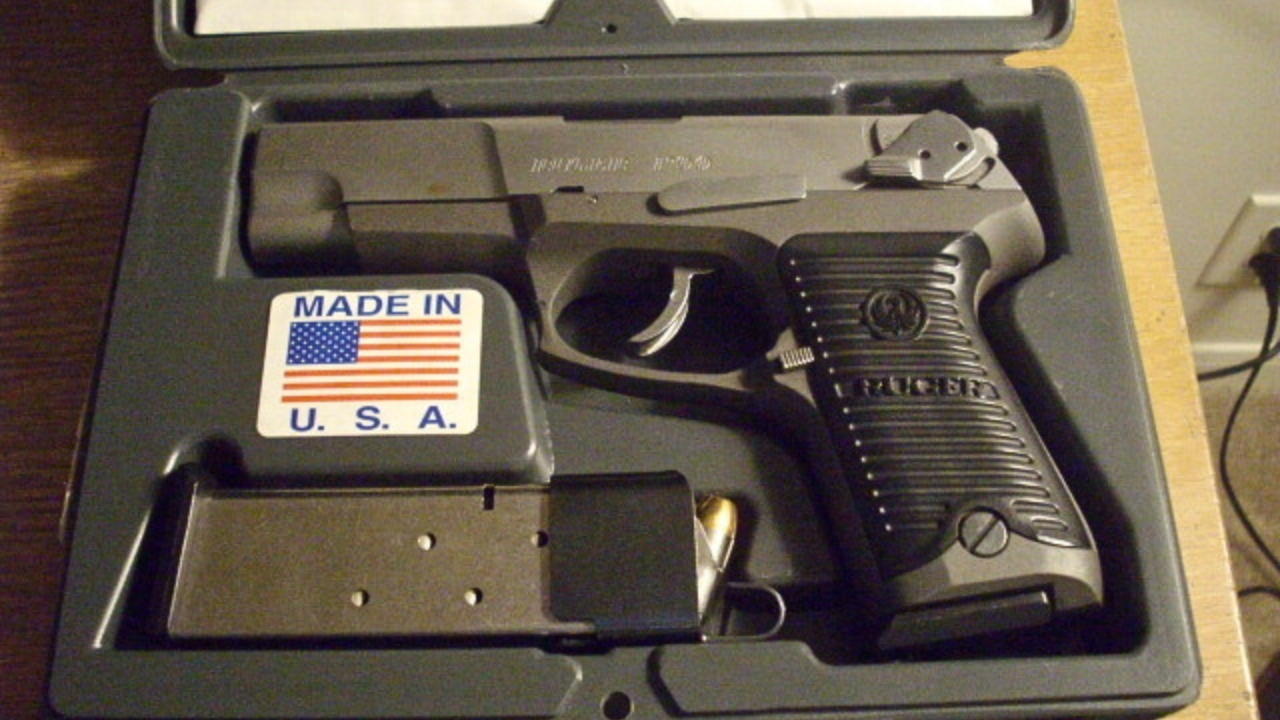
The Ruger P90 has earned respect for its reliability, but no one’s calling it graceful. It’s heavy, blocky, and built with all the subtlety of a sledgehammer. While it can take abuse, it’s not a joy to shoot. The trigger feels stiff, and the slide has enough mass to make quick follow-up shots tough.
It’s a dependable gun, no doubt, but the ergonomics and balance leave a lot to be desired. Ruger built it tough—but in doing so, made it feel like a relic compared to modern .45s. For the size and weight, it performs adequately, not exceptionally.
CZ P-09
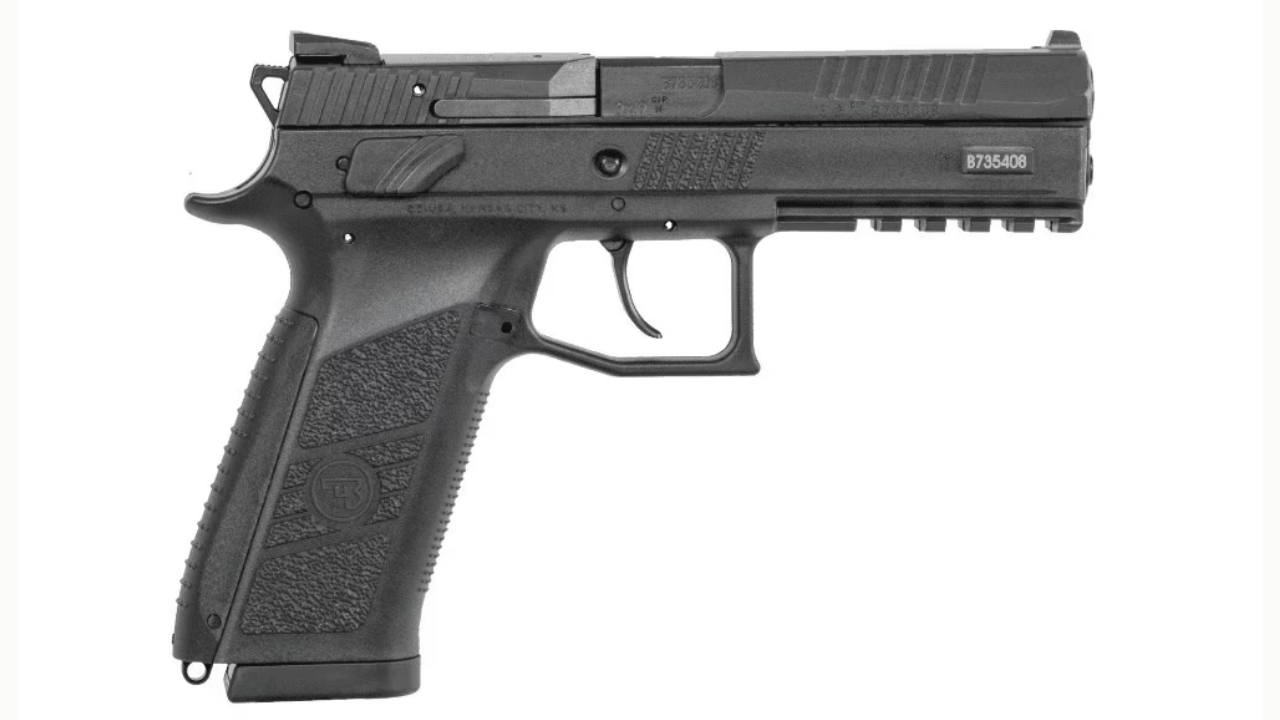
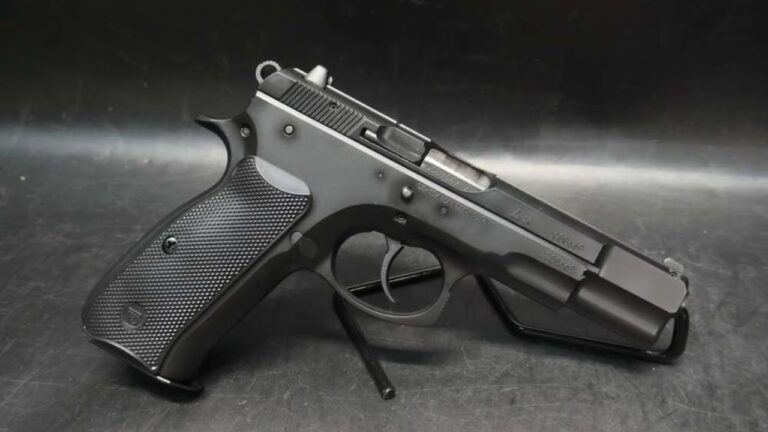
The CZ P-09 is accurate and durable, but its size limits its practicality. It’s one of the largest double-stack 9mms on the market, with a long grip and extended slide. It shoots well, but for all that bulk, you’re not gaining much over more compact pistols.
The DA/SA trigger system is solid but not intuitive for everyone, and the polymer frame makes the balance feel off. Many shooters appreciate the build quality but find it unwieldy for anything other than the range. It’s not bad—it’s simply too much gun for what it offers.
HK USP .45
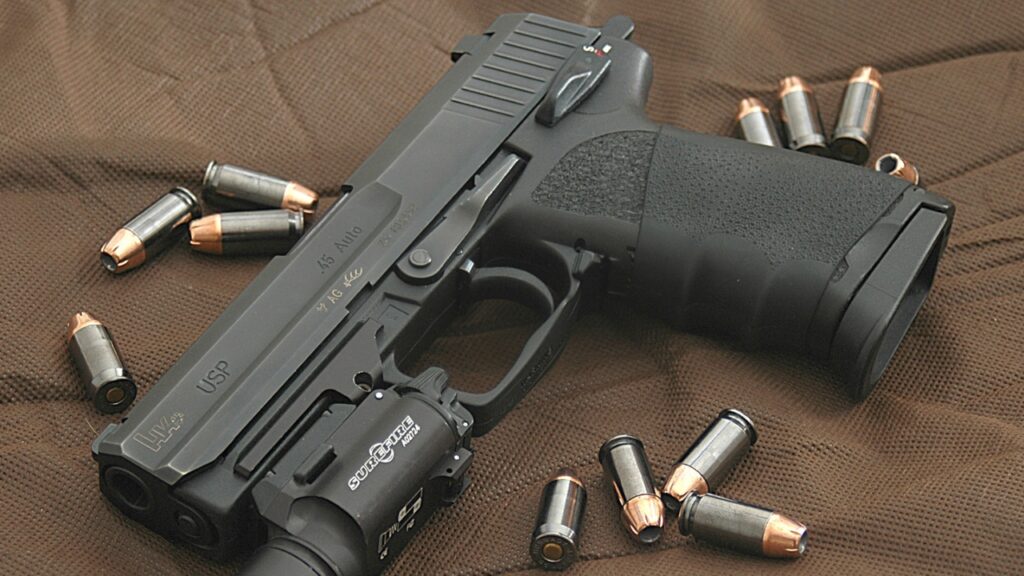
The HK USP .45 has an excellent reputation for reliability, but even fans admit it’s massive. The slide is tall, the frame thick, and the controls oversized. While it handles recoil well, it’s one of the least comfortable .45s to carry or conceal. The ergonomics feel dated, and the double-action trigger can be gritty.
The USP is a tank that runs under any condition, but it’s hard to love when you’re hauling it around. It’s built to last—but at the cost of convenience. Most shooters end up switching to lighter, more balanced options once they’ve spent time with it.
*This article was developed with AI-powered tools and has been carefully reviewed by our editors.