Photo credit: ApocalypseSports. com/GunBroker
Daniel Defense did not become a serious AR name just because people liked the logo. The AR market is crowded, and buyers are ruthless when a rifle costs real money. If a company charges premium prices, shooters expect more than clean marketing. They expect parts that hold up, rifles that run, rails that stay tight, barrels that shoot, and a reputation that survives hard use.
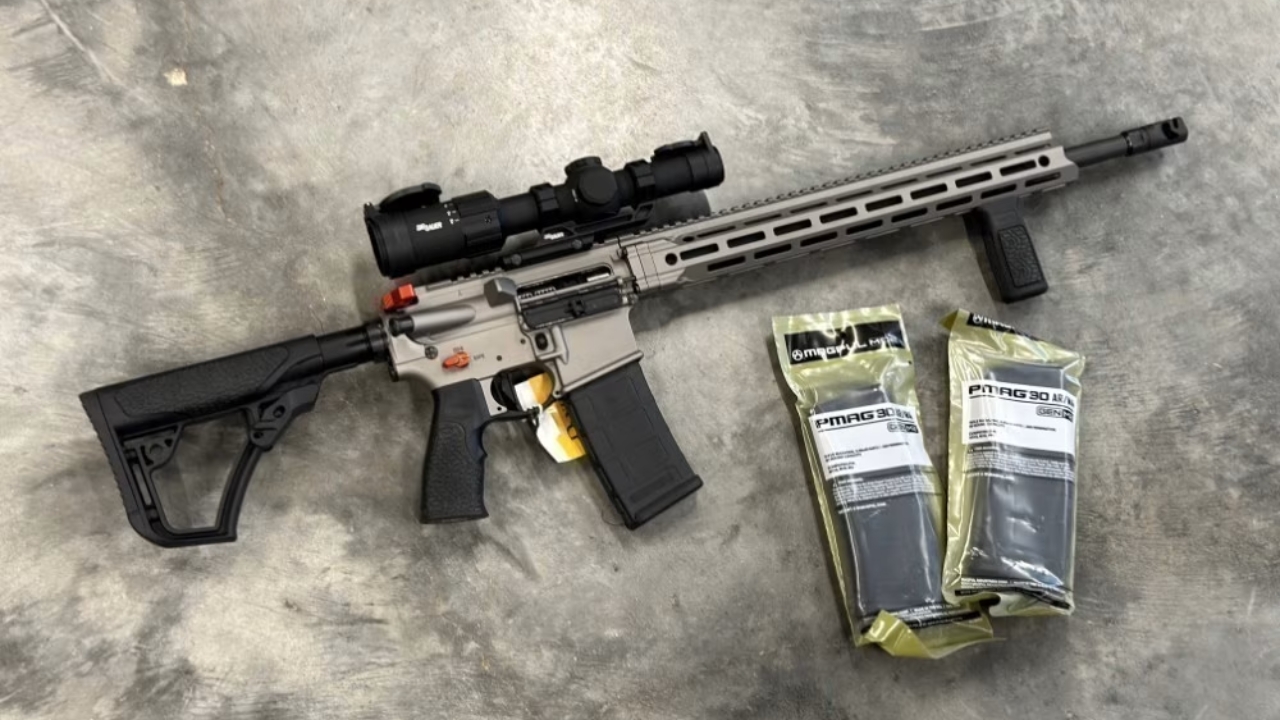
That is where Daniel Defense built its name. The brand became one of the AR companies people compared others against because it focused on the pieces that matter most: barrels, rails, machining, consistency, and complete rifles that felt ready for serious use. Not every buyer needs to spend Daniel Defense money, but it is easy to understand why the brand got taken seriously.
They built a reputation around cold hammer forged barrels
Daniel Defense earned a lot of early respect because of its barrels. Cold hammer forged barrels became one of the brand’s calling cards, and AR buyers paid attention because the barrel is not a cosmetic part. It is one of the main reasons a rifle either inspires confidence or starts feeling average.
A good barrel matters for accuracy, heat tolerance, and long-term durability. Daniel Defense leaned into that hard, and it helped separate the company from brands that were mostly assembling rifles from whatever parts were available. Serious AR buyers noticed when a company treated the barrel like the heart of the gun.
They made rails that people actually trusted

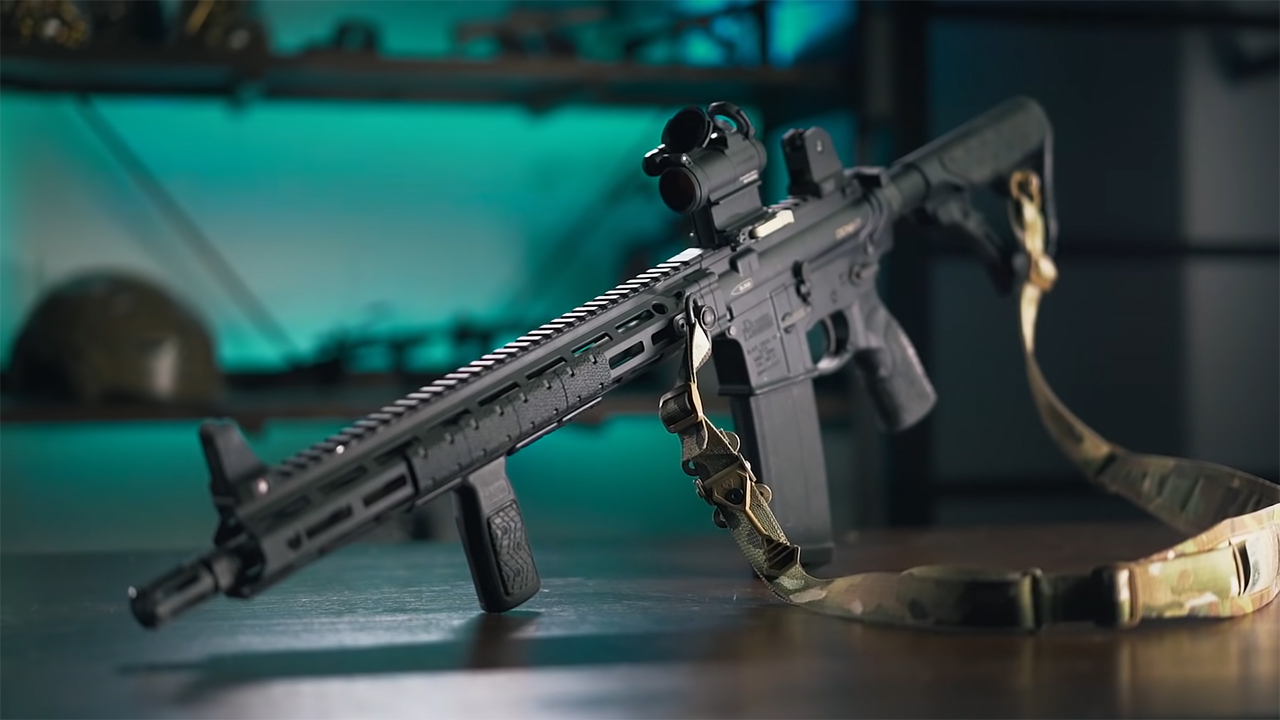
Daniel Defense rails helped make the brand feel serious before every AR on the wall had some kind of free-float handguard. The company built rail systems that were tough, well-machined, and respected by shooters who mounted lights, lasers, grips, and sling hardware without wanting the rail to shift or loosen.
That matters more than casual buyers realize. A rail is not just a place to hang accessories. It affects how the rifle handles, how securely gear mounts, and whether the gun stays consistent under hard use. Daniel Defense built trust by making rails that felt like real equipment.
The RIS II became part of the brand’s identity

The Daniel Defense RIS II rail gave the company serious credibility because it was tied to hard-use military-style builds and became one of the most recognizable quad rails in the AR world. It had the look, strength, and track record that made buyers feel like they were getting more than another trendy handguard.
That kind of association matters when it is backed by real durability. The RIS II helped Daniel Defense become a name people connected with serious rifles, not casual range toys. It gave the brand a visual identity and a performance reputation at the same time.
They understood the value of complete rifles
A lot of AR buyers start by building rifles, swapping parts, and chasing setups one piece at a time. Daniel Defense became important because it gave buyers complete rifles that already felt properly sorted. You did not have to wonder whether the barrel, gas system, rail, bolt carrier group, and receiver fit were all working together.
That matters for people who want one rifle they can trust without turning ownership into a project. Daniel Defense rifles cost more, but the appeal is that the rifle arrives as a finished system. For many buyers, that confidence was worth paying for.
The DDM4 line gave buyers a clear standard

The DDM4 line helped Daniel Defense become a household name among AR buyers because it was easy to understand. These were serious, factory-built ARs with quality barrels, strong rails, good fit, and a reputation for reliability. That made the brand easier to recommend.
A rifle line becomes trusted when people know what to expect. Daniel Defense did not feel like a mystery brand where one model was great and the next felt questionable. The DDM4 rifles gave buyers a clear benchmark. If someone wanted a premium AR without going boutique, Daniel Defense was suddenly in the conversation.
They made the MK18 feel attainable to civilian buyers

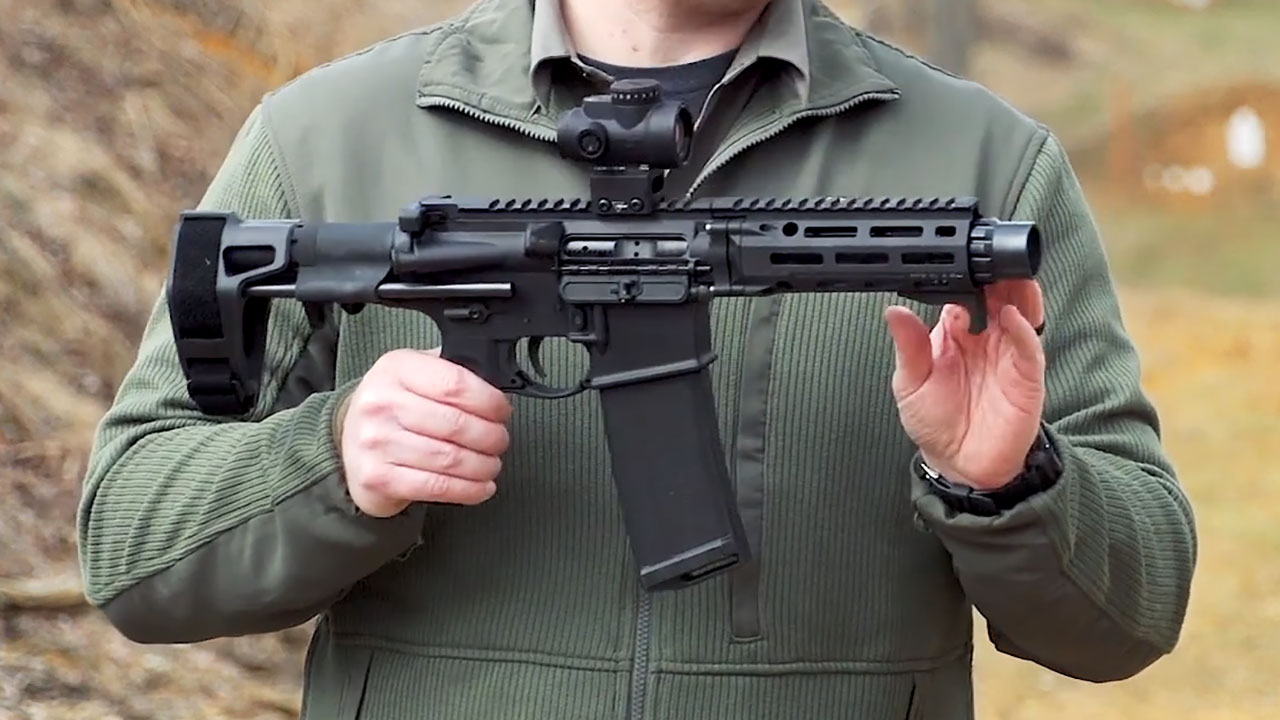
The MK18-style short-barreled AR became one of the most recognizable modern carbine setups, and Daniel Defense played a major role in that popularity. The compact size, serious rail system, and hard-use image made the MK18 appealing to buyers who wanted something beyond a basic 16-inch rifle.
That rifle helped Daniel Defense gain respect because it felt connected to real-world carbine use. It was not just a flashy short gun. It represented a compact AR setup that serious shooters understood. Even people who did not need one recognized that Daniel Defense owned that lane well.
Their rifles felt premium without being fragile

Some expensive firearms feel too polished to abuse. Daniel Defense rifles usually came across differently. They felt premium, but still built for rough handling, training classes, high round counts, and real field use. That balance helped the brand’s reputation.
AR buyers want quality, but they do not want a rifle that feels like a safe queen. Daniel Defense found a way to make rifles that looked clean and felt refined without losing the hard-use attitude. That is a big reason owners trusted them beyond the first range trip.
They paid attention to fit and finish
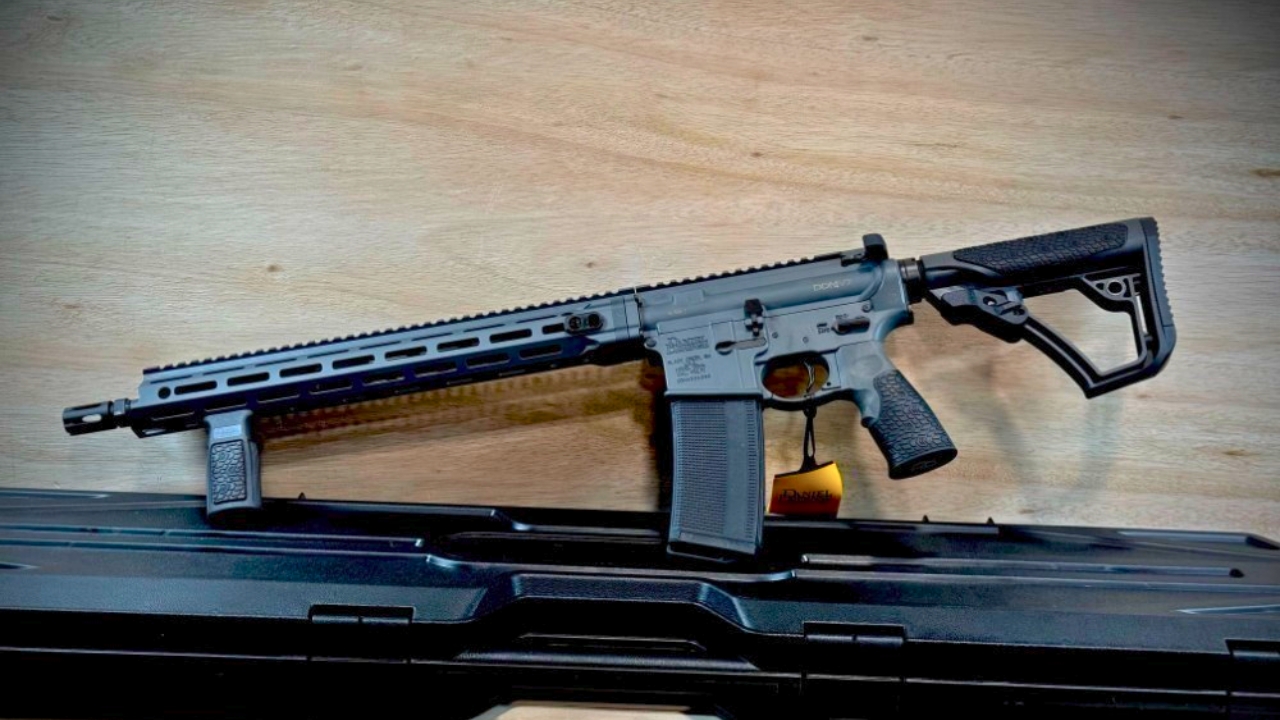
Fit and finish do not make a rifle run by themselves, but they do affect buyer confidence. Daniel Defense rifles usually gave buyers the impression that the company cared about machining, coatings, assembly, and small details. That matters when the rifle is priced above basic ARs.
A premium rifle should not feel sloppy. Receivers should fit well, controls should feel clean, rails should align properly, and the whole gun should feel like it was built with consistency. Daniel Defense earned respect because its rifles generally felt like the money went somewhere visible and functional.
They gave buyers strong out-of-the-box reliability
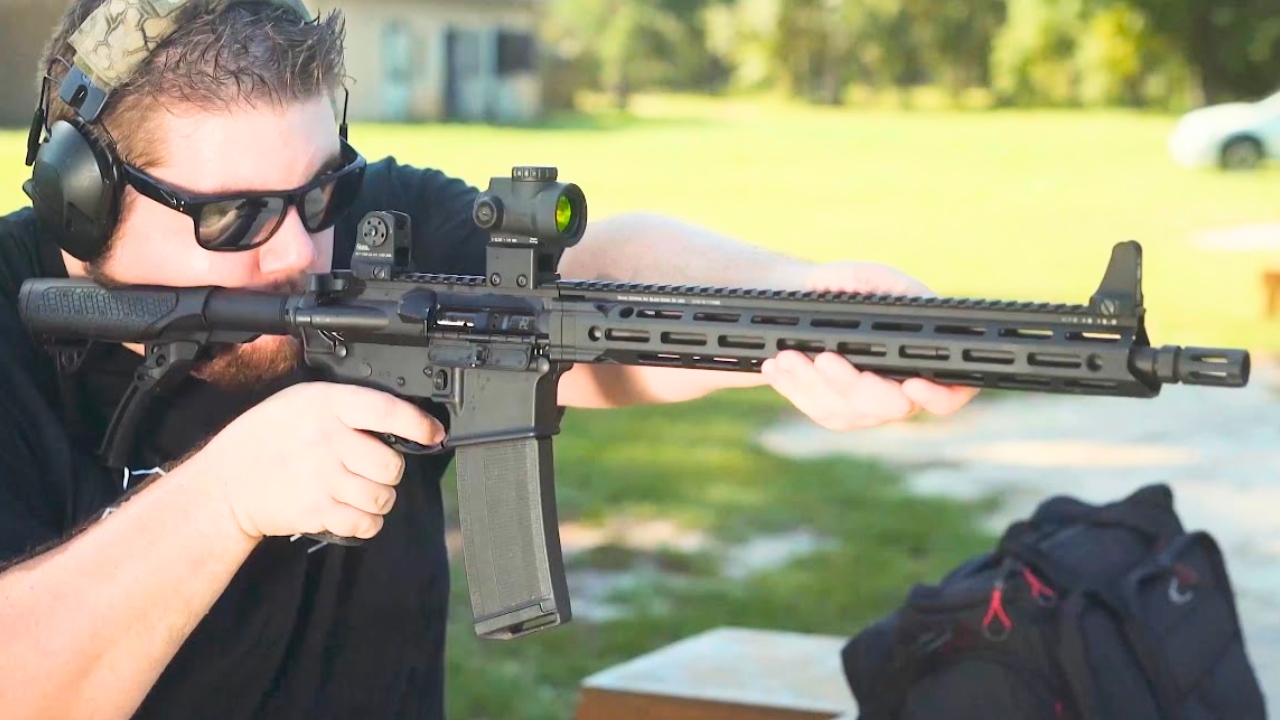
A premium AR has to run. Daniel Defense built trust because its rifles developed a reputation for being dependable right out of the box. That matters to buyers who are not interested in troubleshooting gas issues, swapping parts, or diagnosing why a rifle chokes during training.
Reliability is not exciting until it is missing. A rifle that feeds, extracts, cycles, and keeps going through high round counts builds confidence quickly. Daniel Defense became a serious name because buyers believed they could take one to the range or a class without wondering what would fail first.
They stayed focused on serious AR buyers

Daniel Defense did not build its reputation by chasing every odd trend in the market. The brand stayed closely tied to serious AR use: quality carbines, durable rails, dependable barrels, and rifles meant for defense, training, duty-style setups, and hard range use.
That focus helped. Buyers knew what the brand stood for. It was not trying to be the cheapest option, the wildest-looking option, or the most experimental option. Daniel Defense became respected because it stayed close to the kind of AR buyer who values function first and brand image second.
They made rifles that worked well with modern accessories

A serious AR is rarely left completely stock. Buyers add optics, lights, slings, foregrips, suppressor mounts, backup sights, and other gear. Daniel Defense rifles earned respect because they were good starting points for those setups.
The rails were strong, the rifles were well balanced, and the platforms accepted the kinds of accessories serious shooters actually used. That made them feel ready for real ownership instead of basic range use. A rifle that supports a proper light, optic, and sling setup cleanly is more useful than one that only looks complete in the box.
They built brand trust through consistency
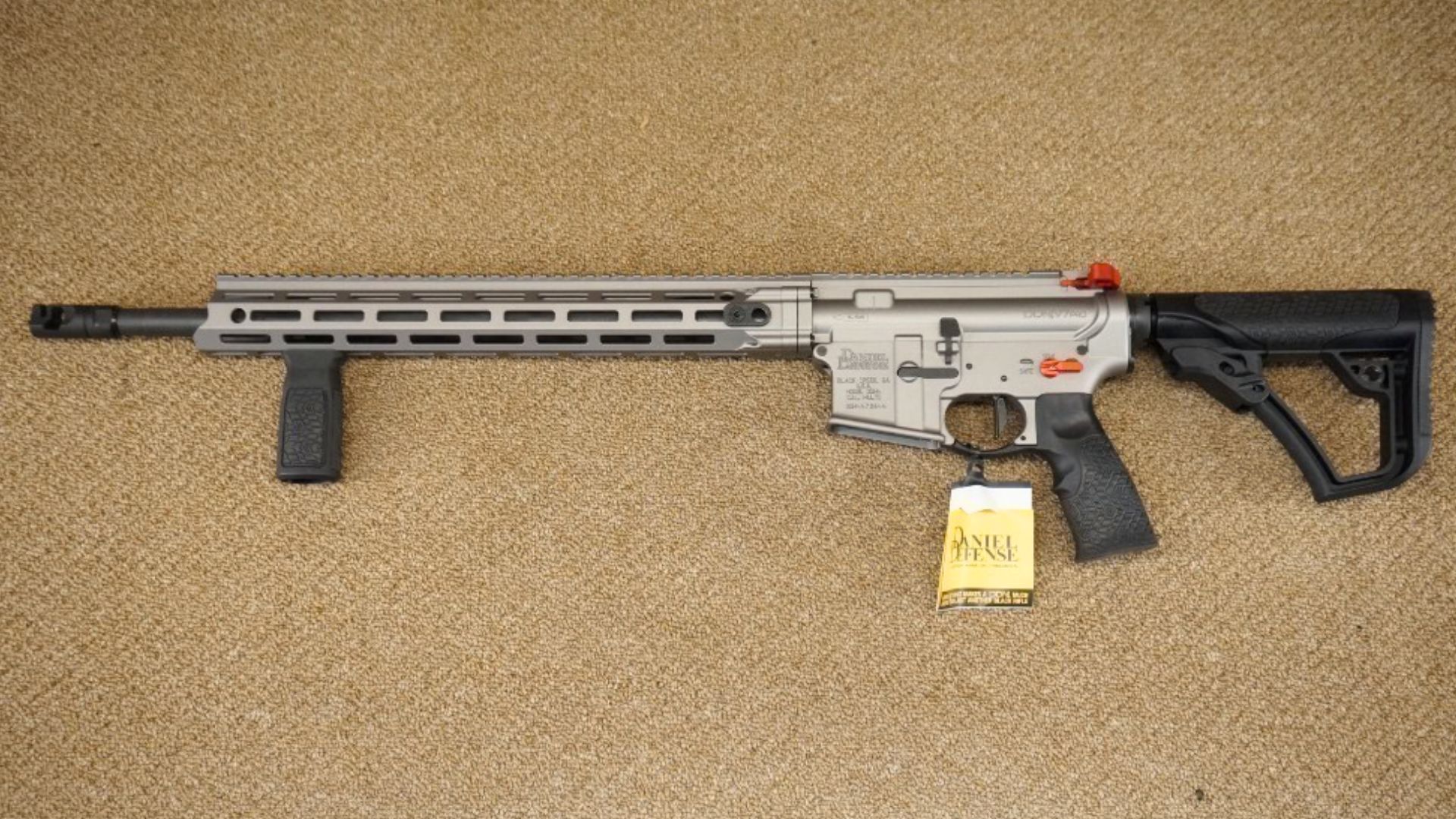
In the AR world, consistency matters as much as peak performance. A company can make one great rifle and still fail if quality varies too much. Daniel Defense became respected because buyers generally expected a certain level of quality across the line.
That consistency made recommendations easier. When someone asked for a serious factory AR, Daniel Defense was a safe answer because the brand had already built trust over time. Shooters may argue about price and value, but few talk about Daniel Defense like a gamble. That alone says a lot.
They competed above budget brands without going full boutique

Daniel Defense found a strong middle ground in the premium AR market. The rifles cost more than basic options, but they were still more accessible than many boutique or custom builds. That gave serious buyers a clear upgrade path without forcing them into obscure parts or custom wait times.
That lane mattered. A shooter could walk into a shop, buy a Daniel Defense rifle, and know they were getting a respected factory gun with broad recognition. It felt premium without becoming exotic. For many AR buyers, that was exactly the sweet spot.
They made durability part of the sales pitch without making it feel fake
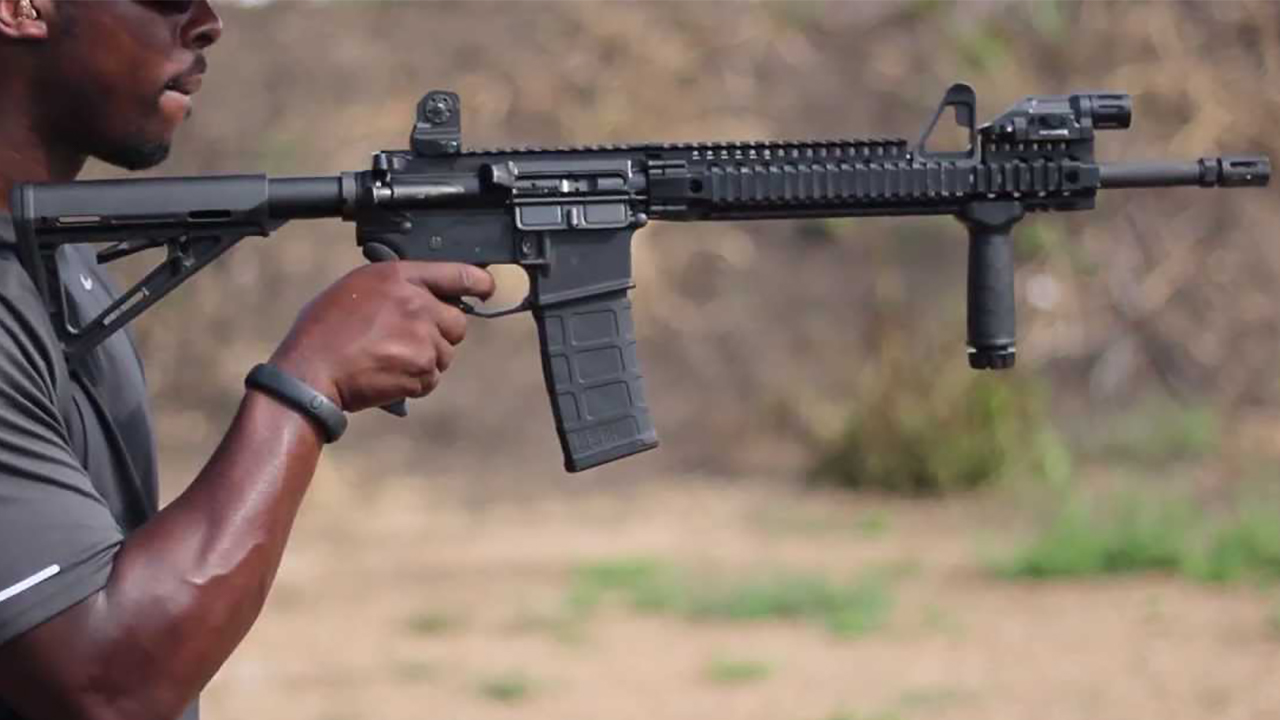
Every gun company talks about toughness. Daniel Defense made that message stick because its rifles and parts developed real credibility among people who used them hard. The barrels, rails, receivers, and complete rifles all supported the idea that this was a serious-use brand.
That is the difference between marketing and reputation. Marketing says a gun is tough. Reputation comes when owners, instructors, and high-round-count shooters keep saying the same thing after use. Daniel Defense benefited because the hard-use image was backed by enough real experience to feel believable.
They gave AR buyers something easy to recommend
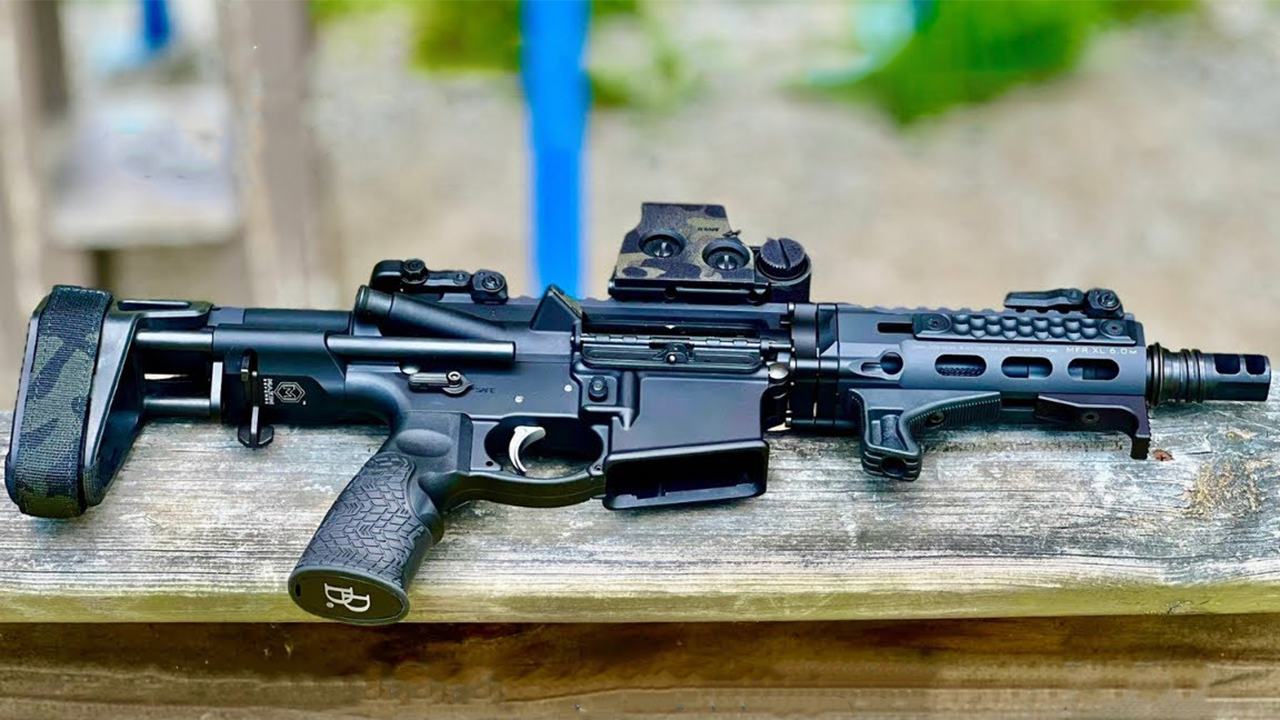
One of the biggest reasons Daniel Defense became respected is that the rifles were easy to recommend. If someone wanted a serious AR and had the budget, Daniel Defense was a straightforward answer. Not the cheapest, not always the best value for every shooter, but a safe, respected, proven choice.
That kind of recommendation power is hard to earn. It comes from years of rifles working, owners staying happy, and the brand avoiding the kind of quality disasters that ruin trust. Daniel Defense became one of those names because buyers felt comfortable saying, “If you want a good AR and can afford it, start there.”
Like The Avid Outdoorsman’s content? Subscribe to our newsletter so you never miss an article.
Here’s more from us: