Photo credit: Sophon Nawit/Shutterstock.com
Some pistols fool you the moment they hit your hand. The grip feels right, the balance is promising, and the controls fall exactly where you want them. Then you take that first shot, and everything changes. Accuracy fades, recoil feels awkward, or the sights never seem to sit where they should.
Plenty of pistols look and handle well on the counter but fall apart once you start evaluating real performance. These are the handguns that impress you during dry handling, only to disappoint the second you try to settle in behind a live round.
Remington RP9
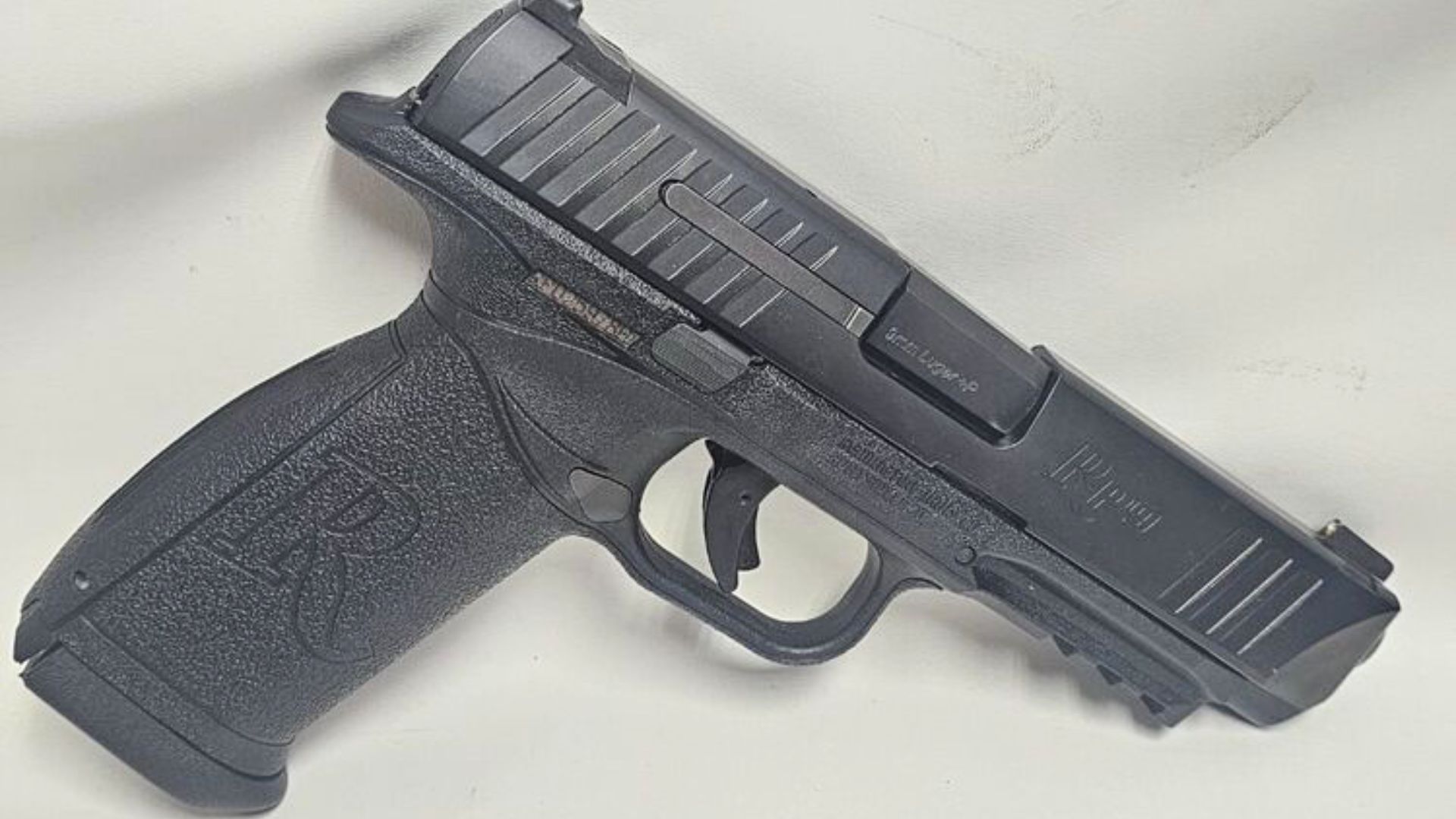
The RP9 draws you in with a grip that feels surprisingly natural. The frame fills your hand in a way that suggests comfortable shooting, and the trigger reach seems nearly perfect for most shooters. Once you start firing, though, the pistol reveals issues that are hard to ignore. The accuracy is inconsistent, especially past typical defensive distances, and the trigger feel becomes unpredictable under speed. Many shooters notice the groups opening up more than expected. It’s a great-handling pistol on the surface, but the performance rarely matches that first impression.
Taurus PT24/7
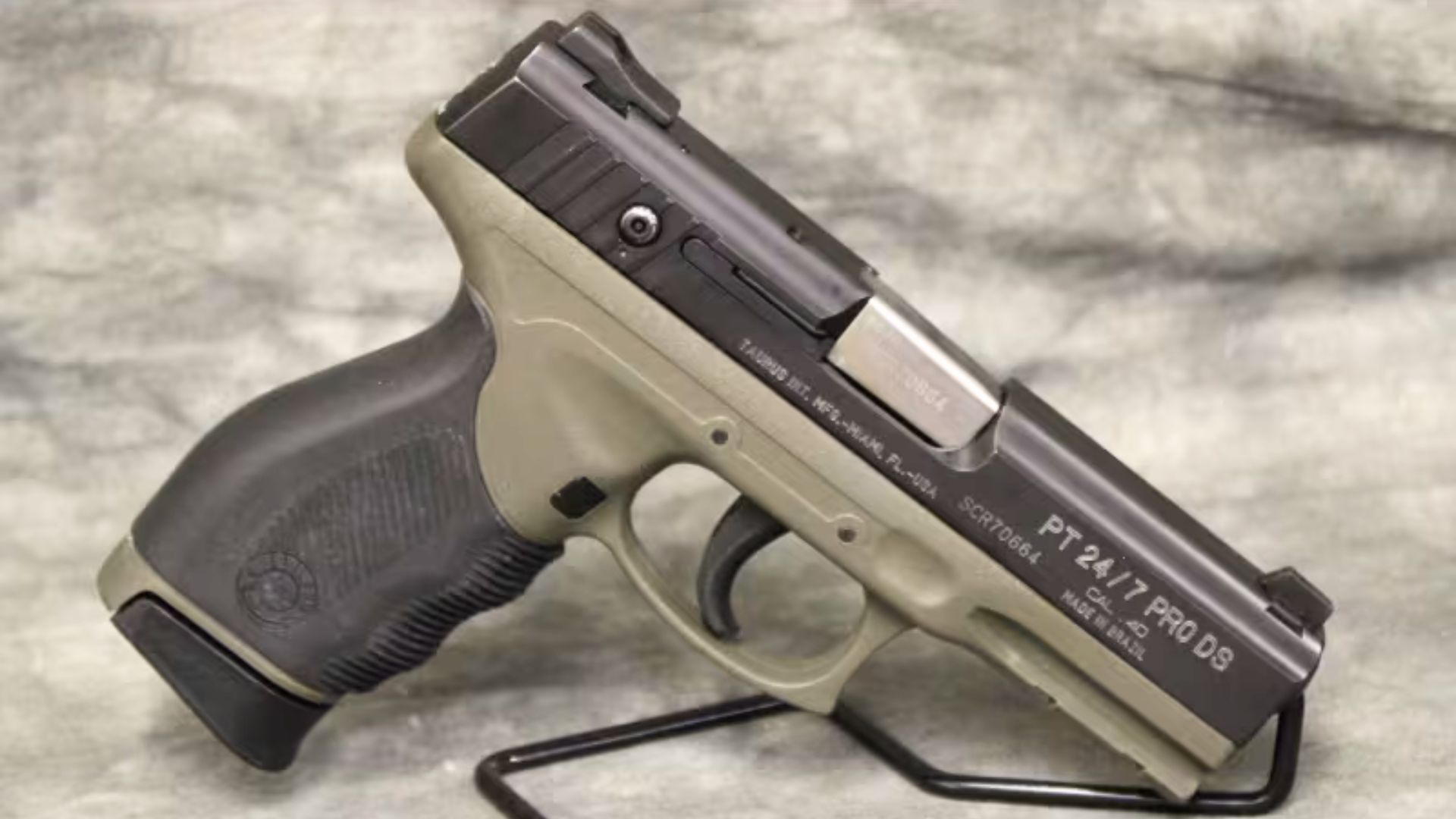
The PT24/7 series fits well in the hand, offering a rounded grip and intuitive control placement. It gives you the impression that you’re holding something more refined than its price suggests. Unfortunately, the shooting experience often doesn’t hold up. Many shooters report erratic accuracy and a trigger that feels inconsistent from shot to shot. Even with proper fundamentals, it’s tough to maintain a clean rhythm. The pistol behaves differently than its comfortable ergonomics advertise. It’s easy to like during handling, but you quickly learn it doesn’t shoot as confidently as it feels.
Walther CCP (first generation)

The first-generation CCP feels excellent in the hand, with a soft contour and a surprisingly natural grip angle. Most people expect it to shoot with the same confidence they get from Walther’s more proven designs. Instead, they run into odd recoil behavior and accuracy that falls short of expectations. The gas-delayed system creates a recoil impulse that feels sluggish and inconsistent. The pistol points well, but it rarely delivers tight groups without real effort. It’s a classic example of great ergonomics overshadowing performance issues you don’t notice until you’re on the line.
Beretta Pico

The Pico is small, slim, and comfortable to handle for a pistol in its size class. You get a sense of refinement in your grip, and the controls feel clean and deliberate. Once you start shooting, though, its shortcomings surface quickly. The trigger is long and heavy, which makes consistent accuracy difficult. Add in the minimal sights and the stiff recoil impulse for a .380 pocket gun, and you end up fighting the gun more than expected. It’s pleasant to carry and reassuring to hold, but performance on the range rarely matches that promise.
Kimber Solo

The Kimber Solo feels premium the moment you pick it up. Its weight distribution is appealing, and the slim profile disappears into your hand. Many shooters assume it will behave like a compact, high-end single-stack. Instead, the Solo reveals a finicky personality. Accuracy drops when ammunition isn’t perfectly matched to its preferred loads, and even then, consistency varies. The trigger has a heavy, rolling feel that makes precision difficult. It’s easy to admire how it handles, but shooting it well often becomes a frustrating task.
SIG Sauer P290RS
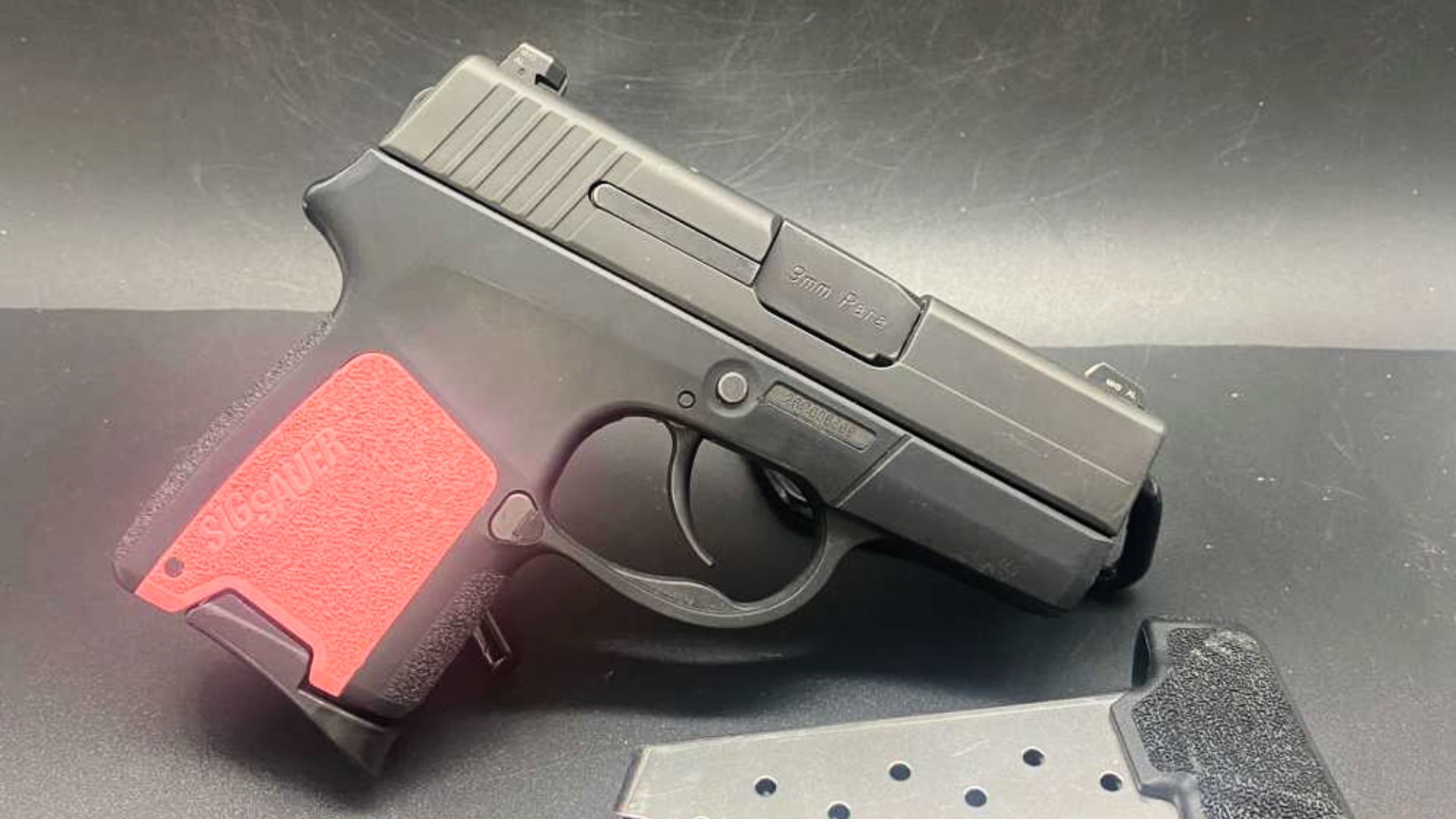
The P290RS gives you that secure, confidence-inspiring grip many small pistols lack. The weight feels right, and the slide serrations and controls fall into place naturally. Once you start to shoot, however, the DAO trigger becomes a real hurdle. It’s long, heavy, and hard to run quickly without pulling shots. Even experienced shooters struggle to produce tight groups, and the overall shooting feel doesn’t match how good the pistol seems in the hand. The ergonomics suggest accuracy, but the trigger holds it back at every turn.
KelTec P11

The P11 feels compact and practical, and many shooters appreciate the generous grip for such a small frame. It seems like it should be an easy pistol to shoot accurately. Then the trigger shows itself. The pull is long and heavy, and the break feels vague, which makes consistent shots nearly impossible. Even deliberate slow-fire groups tend to spread wider than expected. Despite its approachable ergonomics, the P11 demands more effort than most shooters want to give. Handling comfort simply doesn’t translate into performance.
Ruger LC380
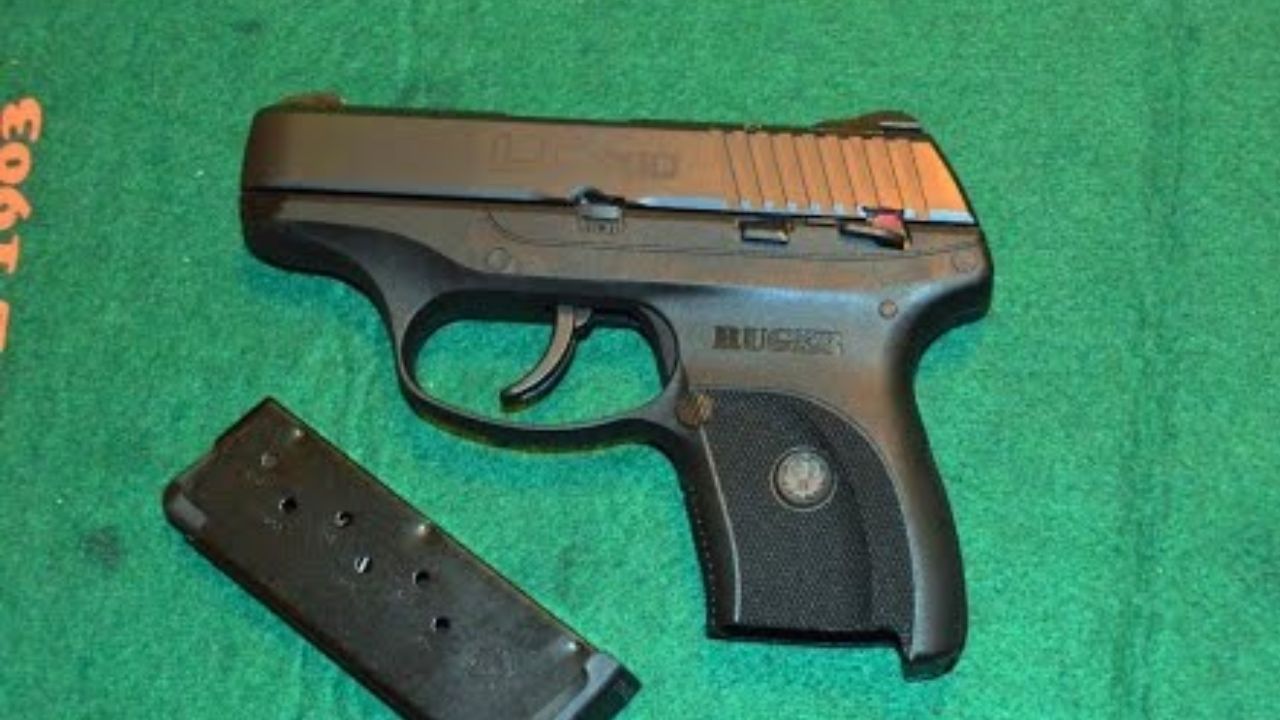
The LC380 handles beautifully, with a small footprint that doesn’t feel cramped. The grip texture is comfortable, and the slide tension is easy to work with. On the range, though, accuracy can be underwhelming. The long, mushy trigger pull makes clean breaks difficult, and the light frame exaggerates the recoil impulse more than you’d expect from a .380. Even shooters with solid fundamentals have trouble getting consistent groups. It’s enjoyable to handle and carry, but the shooting experience doesn’t maintain that positive first impression.
SCCY CPX-1
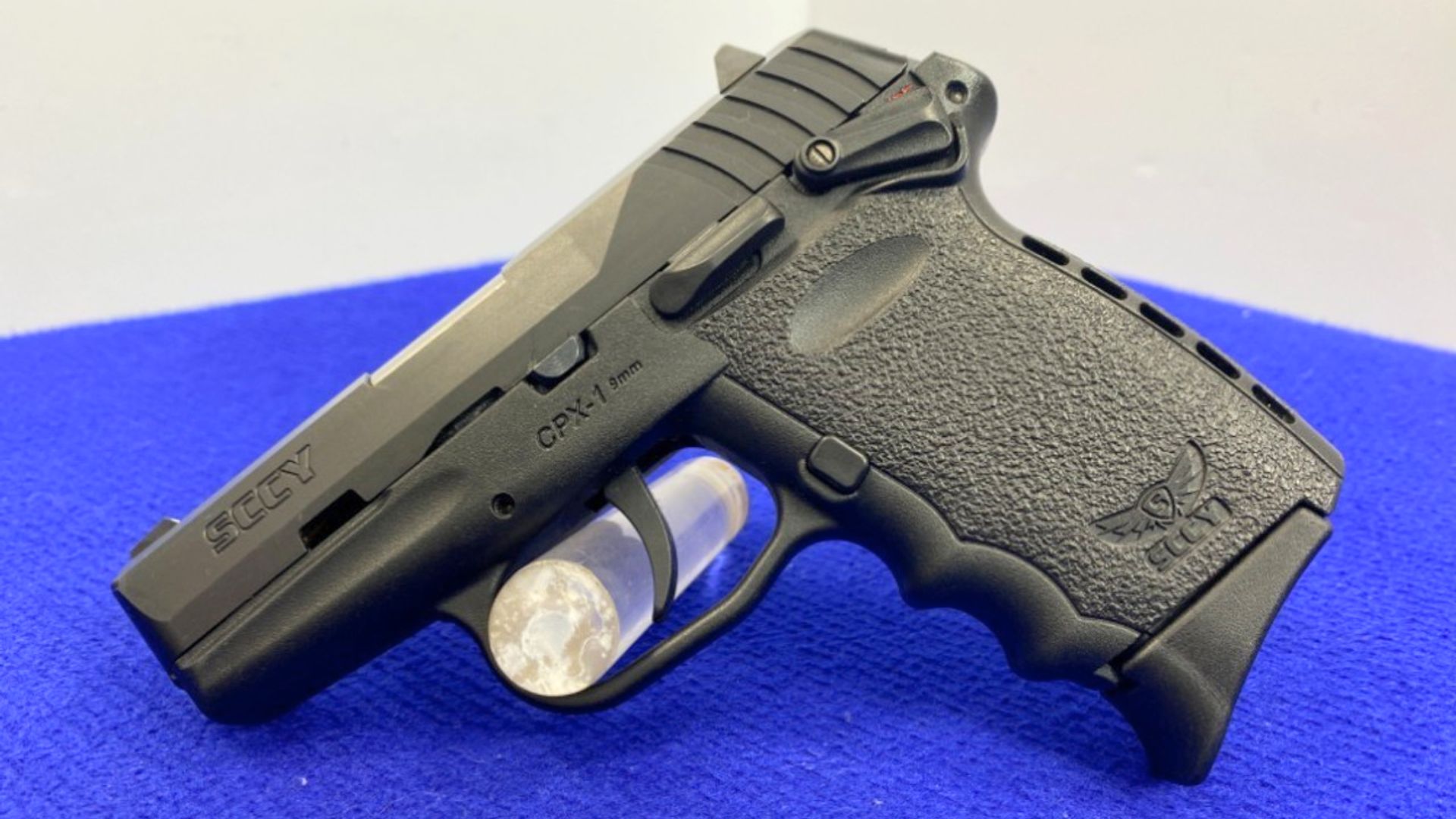
The CPX-1 feels better in the hand than you might expect from its size and price. The grip shape is surprisingly ergonomic, and the pistol balances well. Once you start firing, the heavy DAO trigger and sharp recoil impulse work against you. The combination makes it tough to stay on target through strings of fire. Even slow-fire accuracy tends to suffer because the trigger breaks late and with little predictability. It’s a pistol that feels promising in the store but rarely shoots the way you hope.
Browning 1911-380 Black Label
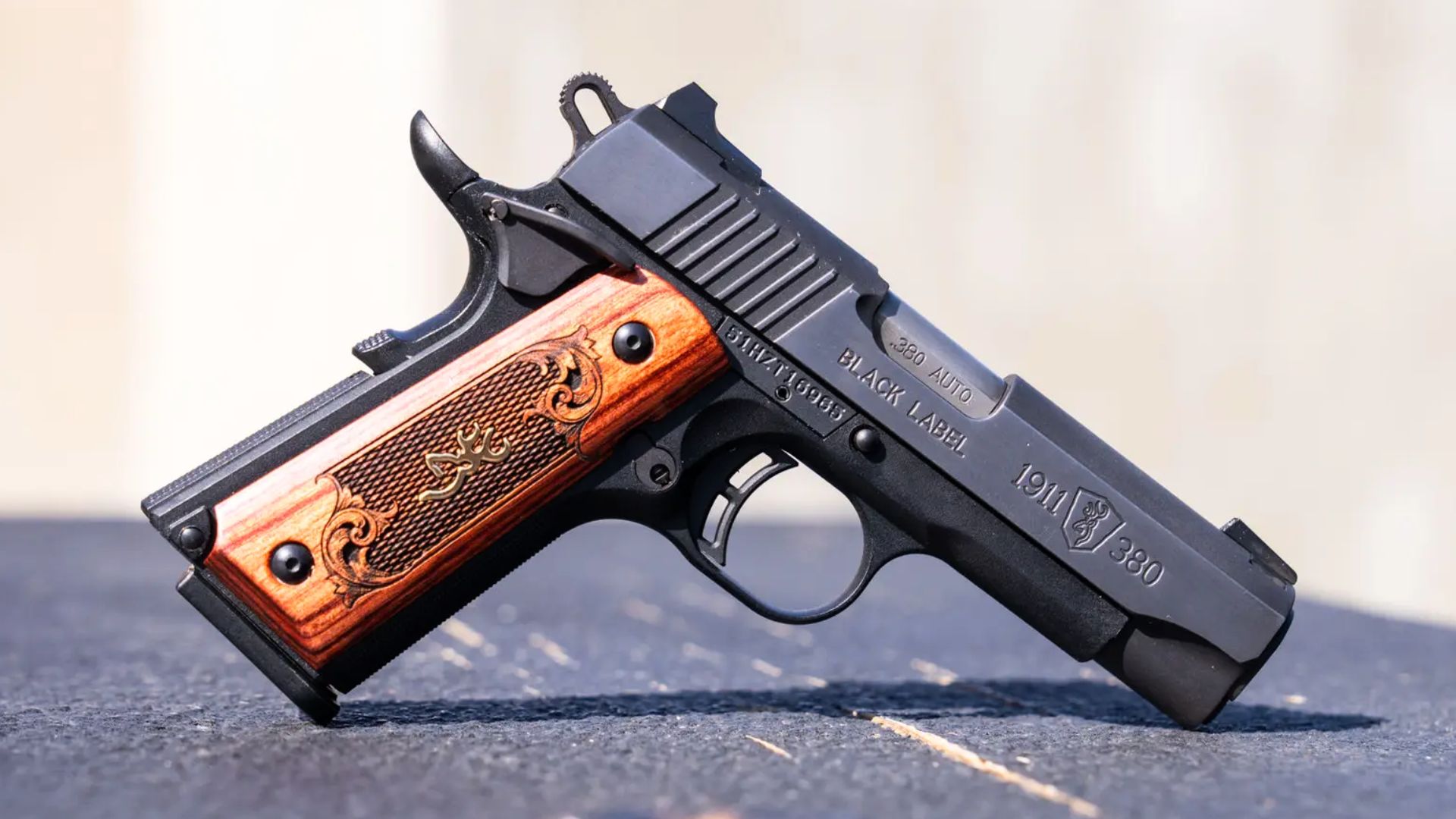
This pistol feels fantastic when you first pick it up—lightweight, well-balanced, and shaped like a scaled-down version of a classic design. The grip angle and trigger placement feel natural. The issues start once you begin shooting. Many shooters find that accuracy fluctuates noticeably from load to load, and the light frame adds more movement than expected. Even though it points well, maintaining tight groups can become frustrating. It feels great in the hand but doesn’t always deliver the performance its ergonomics suggest.
Honor Defense Honor Guard
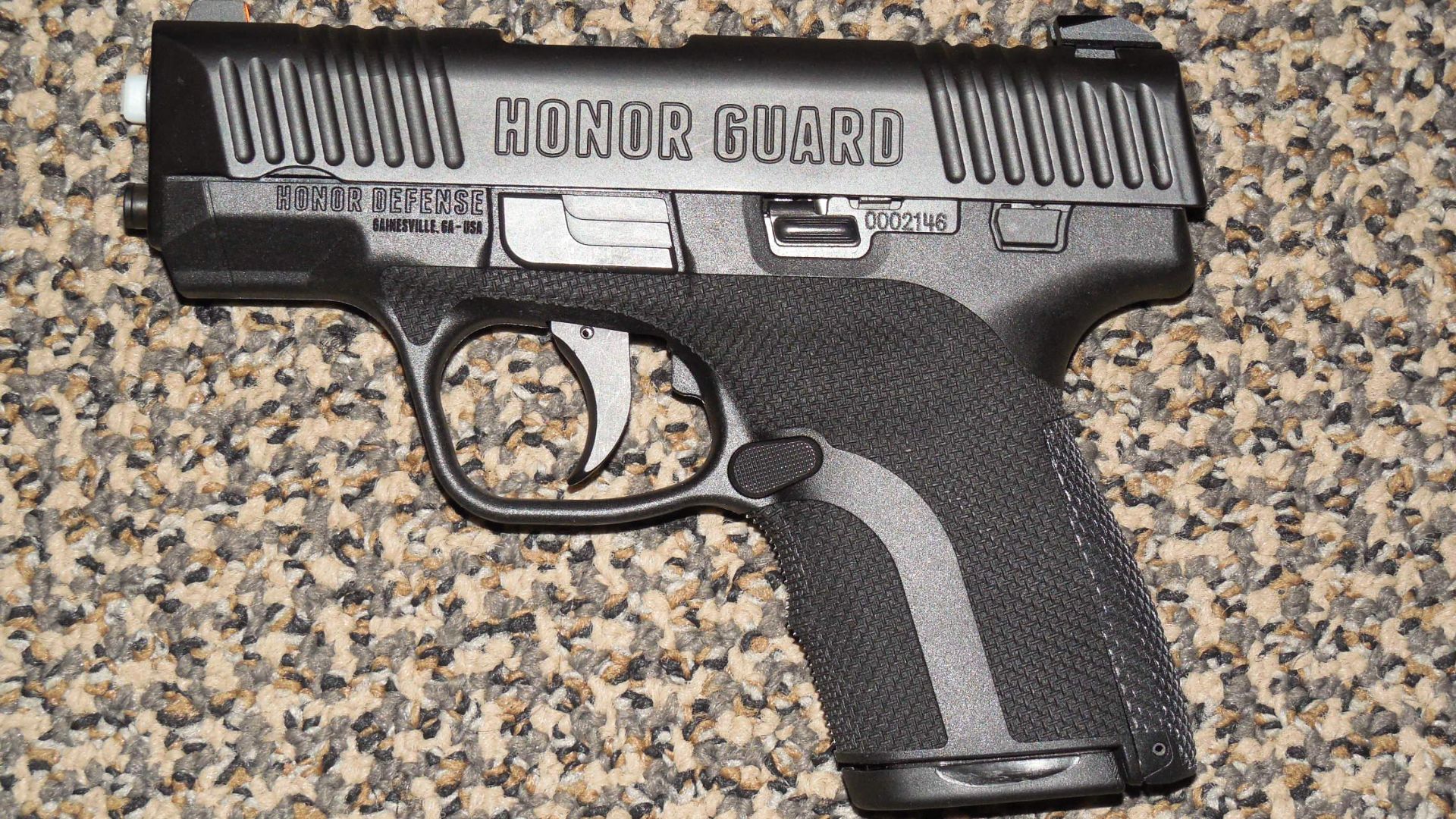
The Honor Guard presents itself as a well-crafted, comfortable pistol with a grip that fills the hand better than many competitors in its class. The handling feels controlled and stable during dry practice. Live fire paints a different picture. The recoil has a sideways snap that catches shooters off guard, and accuracy tends to vary more than expected. Groups open up quickly when you try to run the gun at a practical pace. It’s a classic case of a pistol looking and handling better than it shoots.
Remington R51 (second gen)

The second-generation R51 feels smooth with its contoured slide and natural grip angle. Many shooters appreciate how well it points and how comfortable it is to rack and manipulate. But the shooting performance still lags behind what the ergonomics promise. Accuracy tends to be inconsistent, and the awkward muzzle movement makes it tough to stay locked in. The trigger break feels unpredictable, which hurts precision. Even though the pistol feels excellent in hand, the range results rarely match that comfort.
Smith & Wesson Bodyguard 380 (early production)
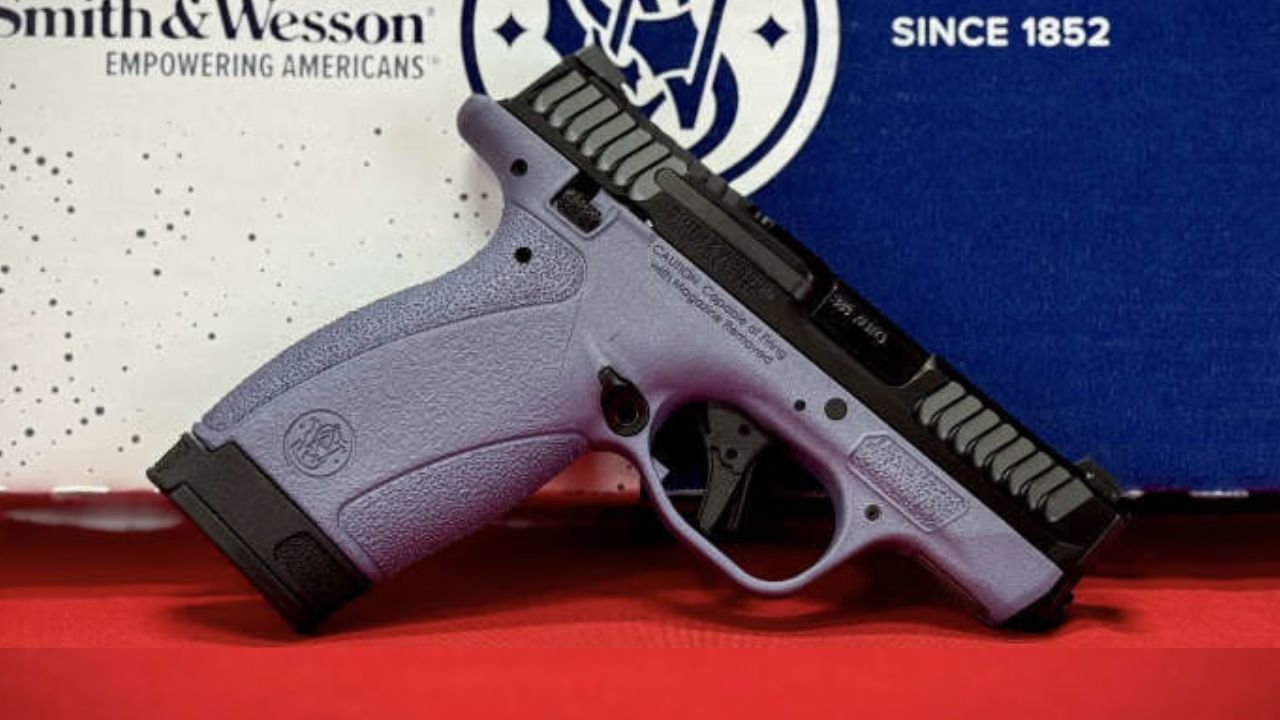
The Bodyguard 380 handles well for its size, offering a slim frame and comfortable control placement. It gives you a confidence boost during dry handling. When fired, however, the long and gritty trigger becomes the biggest obstacle. The short sight radius combined with that trigger makes accuracy hard to maintain. Many shooters report groups drifting simply because of how awkward the break feels. It’s easy to like when you’re holding it, but shooting it tells a different story.
Bersa Thunder 380 Combat
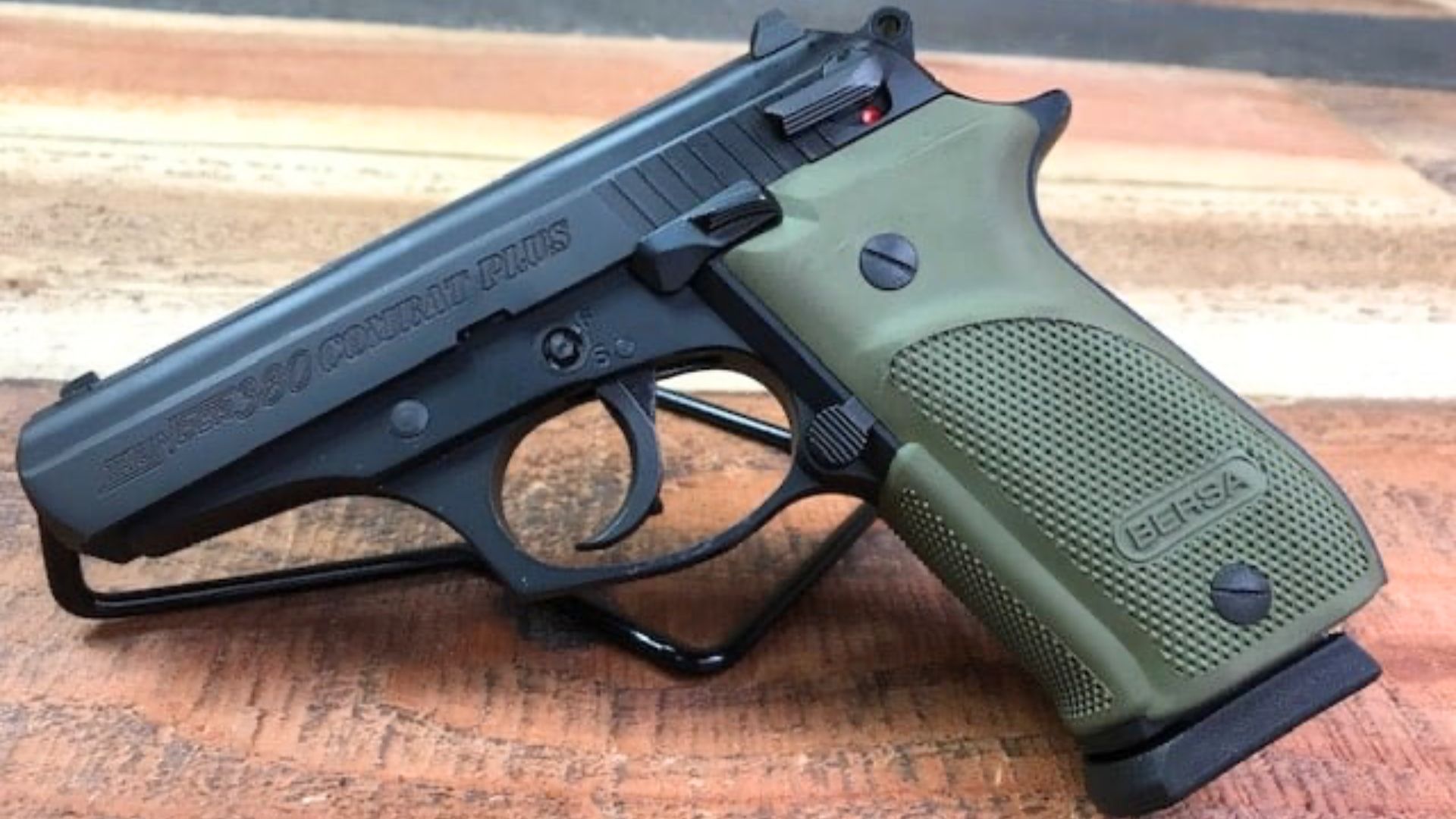
The Thunder 380 Combat feels secure and natural, with subtle changes that make it seem like it should shoot exceptionally well. Unfortunately, the accuracy rarely lives up to that expectation. The recoil impulse feels snappier than many shooters anticipate, and the DA/SA transition can cause inconsistent first-shot placement. Even though it points well, it requires constant effort to produce tight groups. It’s a comfortable, approachable pistol that doesn’t always perform the way its handling suggests.
Kahr CW380

The CW380 is tiny, lightweight, and surprisingly comfortable to grip for such a small pistol. It gives you the impression that it will be a soft, accurate shooter. But once you start firing, the light frame and long Kahr trigger make precision difficult. The recoil impulse is sharp, and the break feels slower than you expect, causing shots to wander. Even with solid fundamentals, consistency is tough to maintain. It handles well, but the shooting experience tells a different story.
Like The Avid Outdoorsman’s content? Subscribe to our newsletter so you never miss an article.
Here’s more from us: