Photo credit: ArtisanTony/YouTube
Some guns seem like a great idea when you first pick them up. Maybe the price is right, or the name on the side feels familiar. But after a few seasons of real use—or worse, a few months—cracks start to show. Whether it’s wear, reliability issues, or cheap materials, these are the firearms that tend to let folks down in the long run.
Remington 597

The 597 had potential, but most owners found out the hard way that it wasn’t built to last. Feeding issues, cracked extractors, and picky magazines made this rifle more frustrating than fun.
Even after Remington tweaked it over the years, problems persisted. Many shooters end up shelving it or trading it off for something more reliable in the .22 LR world.
Taurus PT111 Millennium (G1)

The first-gen PT111 promised a budget-friendly carry gun but came with a list of issues. Trigger pull was heavy, accuracy wasn’t great, and the frame sometimes cracked after extended use.
While Taurus improved things later on, this early model gave the line a shaky reputation. Plenty of owners moved on to other options after dealing with inconsistent performance.
KelTec Sub2000 (Gen 1)

The Gen 1 Sub2000 had a cool folding design and affordability going for it, but long-term durability was questionable. The polymer felt flimsy, the trigger was spongy, and the sights didn’t hold zero well.
After moderate use, things started loosening up in ways they shouldn’t. Gen 2 models fixed some problems, but early buyers got stuck with a gun that just didn’t wear well.
Mossberg 715T

This .22 rifle looks tactical, but that’s where the good news ends. It’s basically a dressed-up 702 Plinkster in a bulky shell, and the shell doesn’t hold up to regular use.
Magazines are finicky, the plastic furniture wears fast, and the whole package ends up feeling gimmicky after a while. Most folks would’ve been better off with a basic Ruger 10/22.
SIG Mosquito

This little .22 looked like a mini SIG, but it didn’t shoot like one. Reliability was a major headache, especially with ammo it didn’t like. Misfeeds and jams were way too common.
On top of that, parts wore quickly. The frame finish faded, controls loosened, and accuracy was nothing to brag about. It left a lot of SIG fans disappointed.
Remington R51 (Gen 1)

The reintroduced R51 was supposed to be a sleek carry option. Instead, it was plagued with problems right out of the gate—stiff cycling, feed issues, and overall poor build quality.
Many users sent them back or gave up entirely. Remington later released a revised version, but the damage was done. That first run soured a lot of people.
Winchester Model 94 (Post-64)

After 1964, Winchester changed how the Model 94 was built to cut costs—and it showed. The stamped parts and rougher finishes just didn’t hold up like the older, pre-64 versions.
Functionally, it worked, but long-term wear and a less solid feel made it clear this wasn’t the same lever gun folks grew up with. Collectors and hunters alike noticed the downgrade.
Beretta Neos
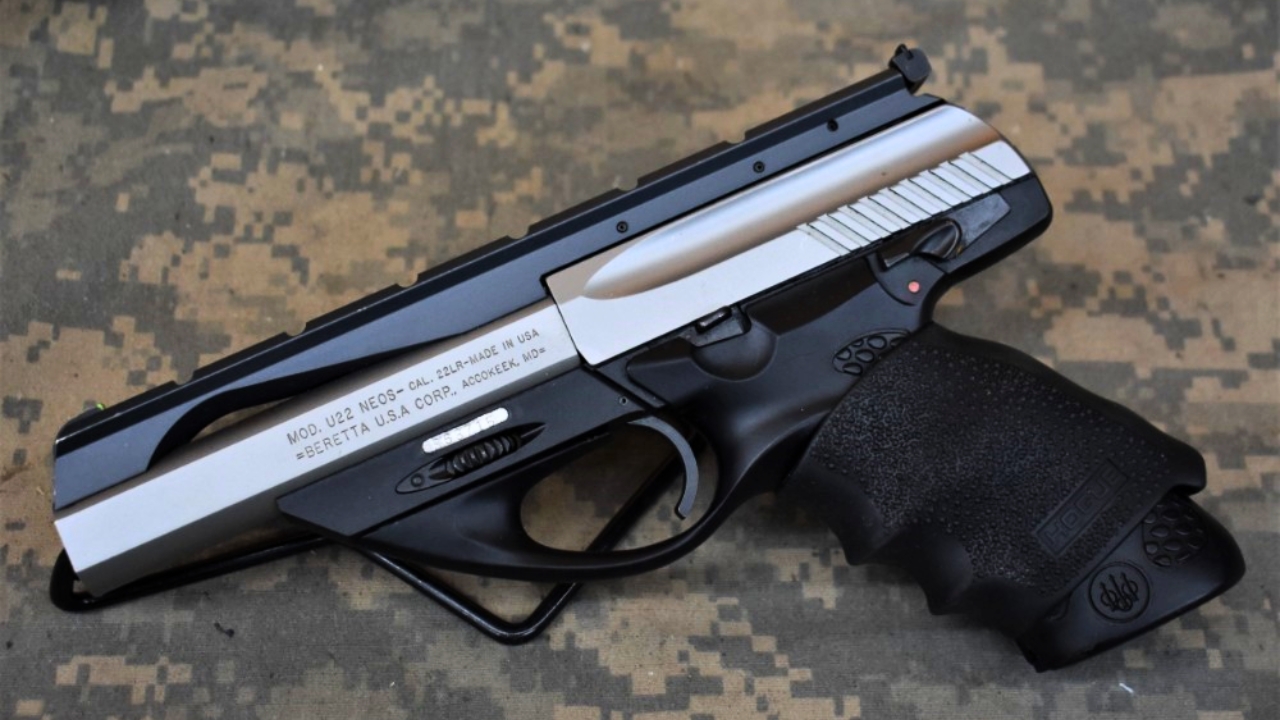
The Neos had a sci-fi look that caught attention, but time hasn’t been kind to it. Controls feel plasticky, parts wiggle too much, and some shooters had trouble with the barrel loosening.
While it can be accurate, long-term users often complain about build quality and durability. It’s more of a range toy than a serious rimfire pistol.
Walther PK380

The PK380 is soft-shooting and easy to rack, but it’s built with more plastic than confidence. Slide durability and internal wear have been issues, especially with high round counts.
Disassembly is clunky, and long-term use tends to reveal reliability problems. It works—until it doesn’t. Better carry options are out there in the same size and price range.
Century Arms C308

The C308 is based on the G3, but Century’s execution missed the mark. Fit and finish are hit-or-miss, and the recoil can beat the gun up over time.
Welds can be ugly, and many owners have had issues with extraction and mag fit. It’s fun to shoot—until something breaks or loosens that shouldn’t.
Kimber Solo Carry

Kimber hyped up the Solo as a premium micro 9mm, but it ended up being temperamental. It was extremely picky with ammo, and reliability dropped off fast with regular use.
Takedown was awkward, and early models had trouble with the striker assembly. Many owners gave up and swapped it out for something more consistent.
CZ 52

The CZ 52 is built like a tank, but time hasn’t been kind to its internals. Rollers wear, firing pins break, and sourcing parts can be a pain.
It’s a cool surplus piece, but extended use tends to expose age-related flaws. Unless you’re a collector or tinkerer, there are better options for regular range use.
Rossi .357 Lever Actions (Early Models)

Older Rossi .357s could be hit or miss. Some cycled fine, but others had timing issues, soft metal, and inconsistent finish quality.
They’ve improved in recent years, but early examples often required tuning to run right. Folks who expected a “buy and shoot” lever gun were sometimes left disappointed.
Desert Eagle (Early .357/.44 Models)

The Desert Eagle might look tough, but early models—especially in .357 and .44—weren’t the most durable. Gas systems got finicky, and long-term use could cause frame cracking or fit issues.
They’re also heavy, and the recoil can shake parts loose over time. Cool at the range, but not something you want to rely on for high-round-count shooting.
Walther P22 (Early Versions)

The early P22 had style, but quality control was all over the place. Slides would crack, safety levers would loosen, and the zinc alloy frame didn’t hold up well.
Later versions fixed some of it, but many users moved on after constant jams and wear issues. It’s a good example of a fun gun that wasn’t built for the long haul.
*This article was developed with AI-powered tools and has been carefully reviewed by our editors.