Photo credit: Bellsgapgunandsupplyco/GunBroker
When you stack up the Remington 700 SPS against the Ruger Hawkeye Precision, you’re looking at two rifles with very different takes on accuracy and design. Both have solid reputations, but they approach precision from opposite directions. One leans on decades of proven use in hunting and tactical settings, while the other was purpose-built for modern long-range shooters. If you’re trying to decide which belongs on your bench or in the field, here’s how they really compare when put side by side.
Action and build quality

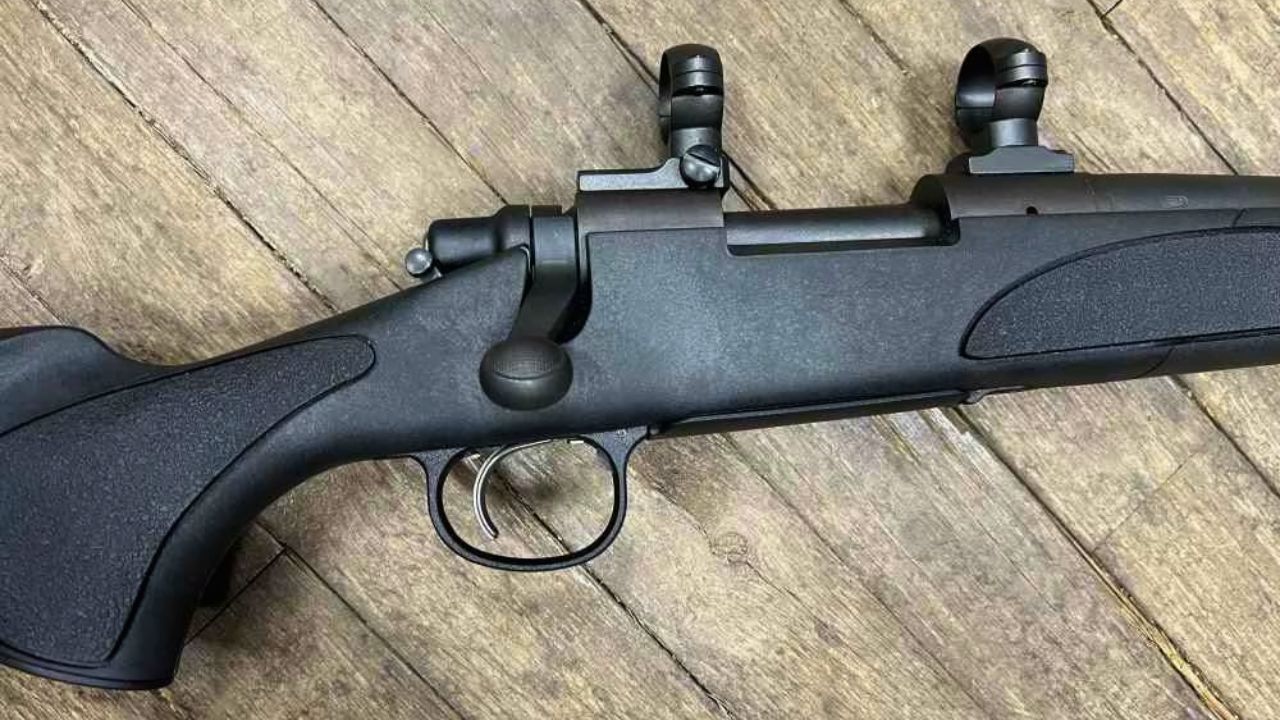
The Remington 700 SPS carries the same action design that’s been a mainstay for decades. Its cylindrical receiver and dual-locking lugs make it reliable, though mass production sometimes leaves minor inconsistencies. The Ruger Hawkeye Precision uses a modified Mauser-style action with controlled-round feed, giving it a reputation for strength and dependability. Hunters and shooters often trust the Ruger’s action in rougher conditions, while the Remington’s appeal lies in its proven history and massive aftermarket support.
Barrel performance

On the SPS, the factory barrel can be accurate, but it’s not always built to the highest tolerance. Many shooters find they need to upgrade to really squeeze out top accuracy. Ruger, on the other hand, equips the Hawkeye Precision with a heavy-contour barrel that’s designed for consistent groups over longer shot strings. The heavier profile and better quality control give it an advantage for precision shooting right out of the box, especially if you’re running multiple rounds without cooling breaks.
Stock and ergonomics

The 700 SPS typically ships with a basic synthetic stock that leaves a lot to be desired in terms of rigidity. It’s lightweight but prone to flex, especially under a bipod. The Hawkeye Precision arrives with a Magpul or adjustable-style stock built for stability and customization. You’ll notice the difference when you’re trying to maintain a steady position on uneven ground. Ruger’s focus on a stronger stock makes it a more complete package for long-range setups without requiring immediate upgrades.
Trigger quality

The SPS comes with Remington’s X-Mark Pro trigger, which has drawn mixed reviews over the years. It’s adjustable, but many shooters end up replacing it for a crisper break. Ruger equips the Hawkeye Precision with their Marksman Adjustable trigger, which can be tuned by the shooter down to a lighter pull weight. Out of the box, the Ruger’s trigger is usually sharper and more reliable, making it more competitive for precision work without aftermarket parts.
Accuracy potential

When tuned and bedded properly, the Remington 700 SPS has excellent accuracy potential. Its action is one of the most customizable platforms on the market, and you can build it into a sub-MOA rifle with the right upgrades. The Ruger Hawkeye Precision, however, is designed to shoot tight groups without modification. Many users report consistent sub-MOA performance right out of the box, making it a stronger choice if you want immediate precision without pouring money into upgrades.
Aftermarket options

The Remington 700’s aftermarket support is unmatched. Stocks, triggers, barrels, scope bases—you can replace or upgrade just about every part. This makes it ideal for a shooter who wants to customize over time. The Ruger Hawkeye Precision has fewer aftermarket options, but it doesn’t need them to the same extent since it’s already geared for long-range work. If customization and tinkering are important to you, the 700 SPS takes the edge.
Durability in the field

The SPS was built as a budget-friendly hunting rifle, and while functional, it can suffer in rough conditions. The stock flex and basic finish don’t always hold up under mud, rain, or bumps. The Ruger Hawkeye Precision was made for tougher environments, with a durable stock and stainless or coated finishes that resist corrosion. If you expect to hunt in bad weather or drag your rifle across rocks and brush, Ruger’s durability gives it a serious advantage.
Caliber availability

Remington’s 700 SPS is offered in a wide variety of calibers, from classic hunting rounds like .243 and .30-06 to heavier options. This versatility lets you tailor the rifle to almost any hunting or shooting role. The Ruger Hawkeye Precision tends to focus on popular long-range calibers like 6.5 Creedmoor and .308, narrowing its scope but giving it an edge in precision applications. Your choice here depends on whether you value flexibility or specialization in cartridge options.
Price and value

The 700 SPS usually comes in at a lower price point, but that savings often gets spent quickly on aftermarket upgrades. For hunters who want a basic rifle that they can improve over time, the SPS makes sense. The Ruger Hawkeye Precision costs more upfront, but it’s ready for precision work right out of the box. If you’d rather avoid upgrades and start with a complete rifle that’s competition-ready, Ruger’s offering ends up being the better value.
Final verdict

If you want a rifle platform you can grow with, the Remington 700 SPS gives you that flexibility at a lower starting price. But if you want precision performance and durability without spending extra on upgrades, the Ruger Hawkeye Precision has the clear advantage. Both rifles can serve hunters and shooters well, but their strengths are different. The SPS thrives as a customizable platform, while the Hawkeye Precision shines as a turn-key precision tool built to last.
*This article was developed with AI-powered tools and has been carefully reviewed by our editors.