
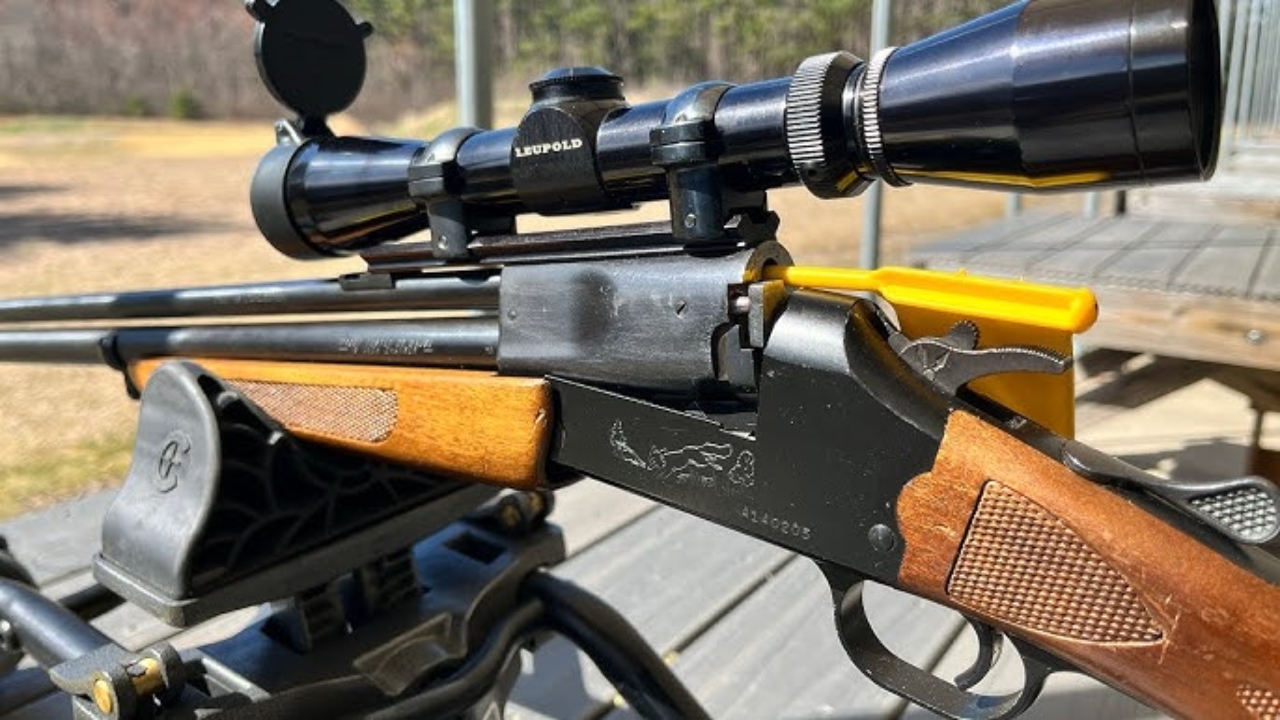
Photo credit: CW Longshot/YouTube
Gun buyers love acting certain right before the market proves them wrong. A firearm looks too plain, too weird, too old, too niche, or too tied to a fading style, and people start talking like it will always be easy to find later. Then later shows up, and the same gun that used to get shrugged off is suddenly sitting behind glass with a price tag that makes people mutter and walk away. Current used-market listings show exactly that pattern on models like the Winchester 9422, Marlin 39A, Ruger Deerfield 99/44, Ruger 77/44, and CZ 527, all of which now routinely appear at prices that would have sounded ridiculous when buyers were still treating them like afterthoughts.
That is the kind of regret this list is built around. These are the firearms people once laughed at, ignored, or pushed aside for louder options, and now many of those same buyers cannot touch them without paying what feels like pure penalty pricing. I kept this list fresher than the usual recycled bunch and focused on models that were underestimated before the market got serious.
Ruger 96/44
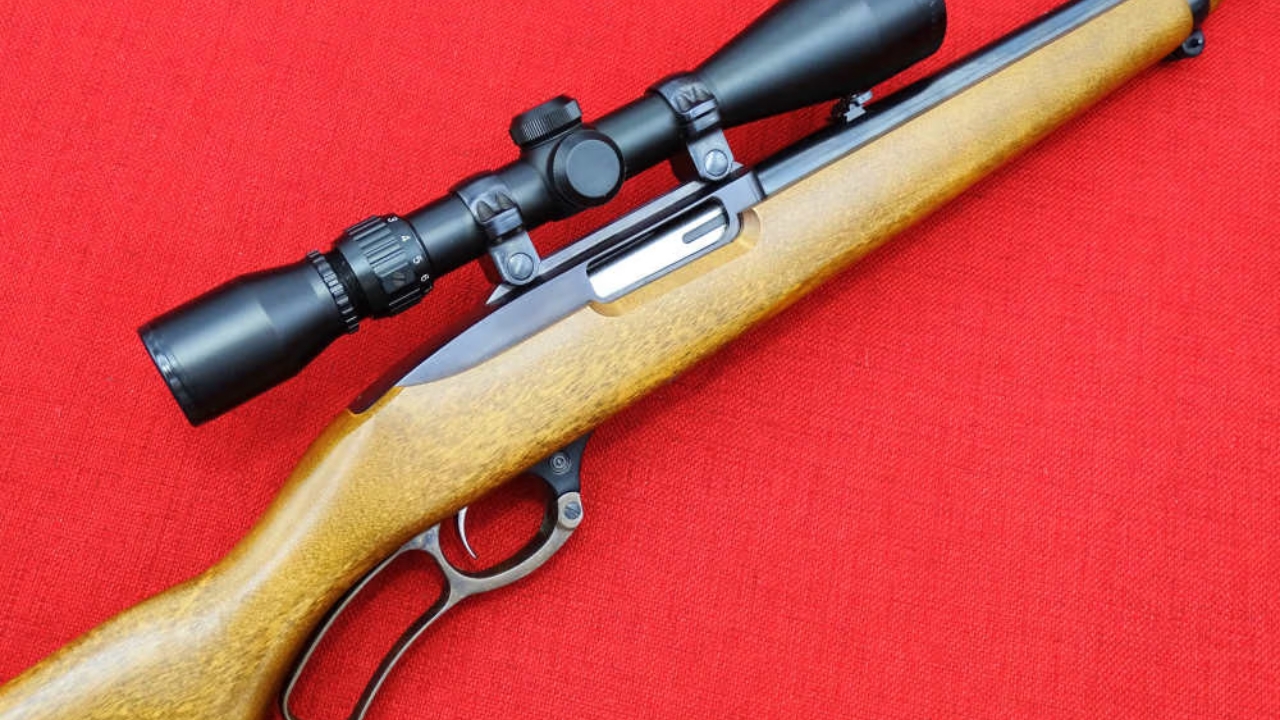
The 96/44 used to get laughed at because it looked like an oddball compromise rifle. A lever-action Ruger in .44 Magnum with a rotary magazine did not fit neatly into any one crowd. It was not a classic lever gun, not a bolt rifle, not a tactical carbine, and not polished enough to trigger immediate collector panic. For a long time, that left it sitting in the exact part of the rack where interesting guns go to be misunderstood.
Then people spent enough time with them to realize how much practical sense they made. Handy length, real woods power, and a format that felt fast without being fussy all started looking a lot smarter once buyers got tired of louder trends. That is usually how the regret starts. A gun goes from “kind of weird” to “I should have bought one when nobody cared,” and by then the cheap days are already gone.
Winchester Model 100

The Model 100 spent years wearing the worst kind of label a gun can get in the used market: nice, but not urgent. It was a Winchester, yes, but not the Winchester people romanticized first. It was a semiauto sporting rifle in traditional dress, which made it easy for buyers to acknowledge politely and then keep walking toward something with either more collector heat or more obvious hunting-country nostalgia.
That worked right up until people started paying more attention to older sporting semiautos that still looked like hunting rifles instead of generic utility guns. Once the broader market remembered that traditional-stock semiautos were not getting more common or cheaper, the whole tone changed. A rifle that once felt like a second-tier Winchester suddenly looked like one of the sharper old-school buys in the room, and the pricing followed.
Remington 600 Mohawk
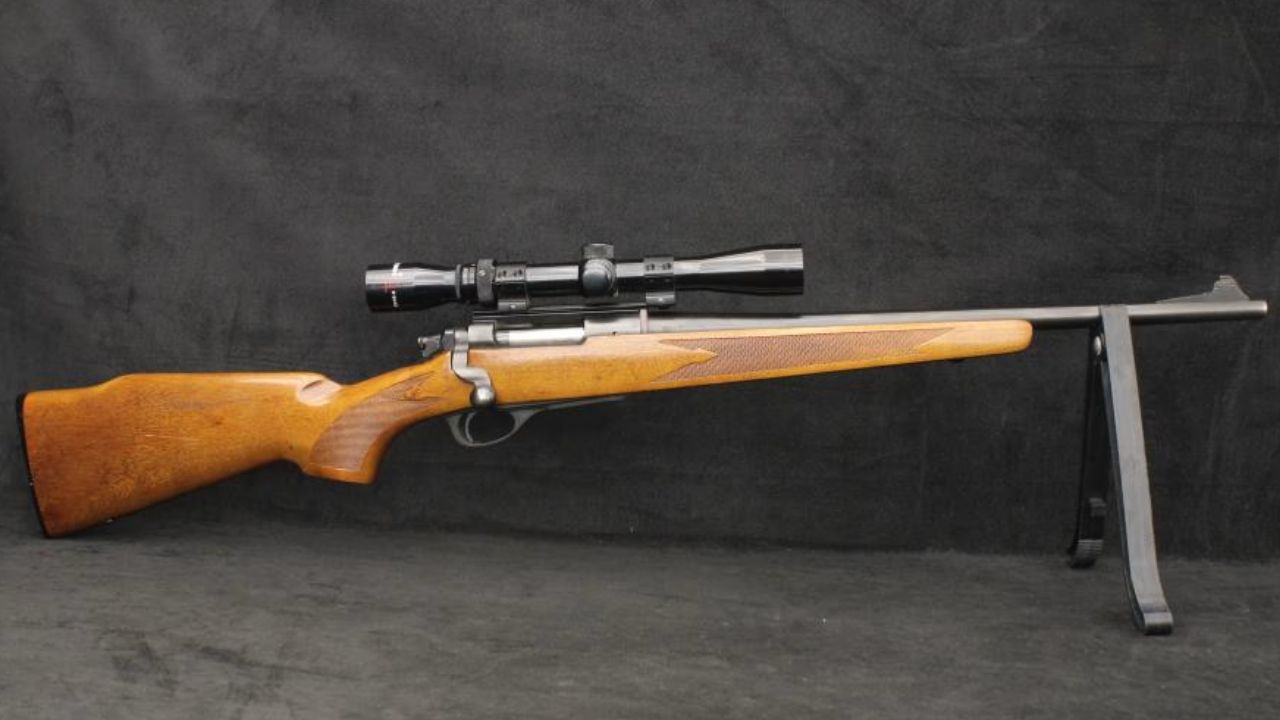
The 600 Mohawk got laughed at because people could not get past the shape. It looked too short, too strange, too unlike what a “serious” hunting rifle was supposed to look like. That visual awkwardness did a lot of damage for a long time. Plenty of buyers treated it like a novelty with a hunting cartridge instead of a compact field rifle that actually had real purpose behind the oddball styling.
Then hunters and collectors started noticing the same thing: practical little rifles with personality do not stay underpriced forever. Once buyers got past the looks, they started seeing the handling. Once they saw the handling, they started understanding the appeal. That is usually all it takes. A rifle gets mocked for long enough that the people who actually buy one end up far ahead of everyone who thought there would always be time later.
Savage 24

The Savage 24 spent decades being treated like a camp-tool curiosity. Combination guns always had a hard time earning real collector respect because they looked too practical to feel glamorous. A rifle barrel over a shotgun barrel was useful, sure, but usefulness alone rarely creates urgency until people realize how few genuinely distinctive utility guns are still sitting around in decent shape.
That is exactly what happened here. Once the market got a little older and a little more nostalgic for versatile outdoors guns that felt like they came from a more inventive era, the 24 started looking a lot less like a quirky backwoods helper and a lot more like a firearm people had been too casual about for too long. That shift in respect translated into real money very quickly.
Browning BL-22

The BL-22 got underestimated because it was “just” a lever-action .22, and too many buyers still assume rimfires are side purchases they can circle back to whenever they feel like it. That kind of thinking is how really good .22s get missed. The BL-22 always had quality, slick handling, and the sort of fit that made it nicer than many people noticed at first glance.
Once buyers started treating good sporting rimfires like real collector and shooter pieces instead of just cute extras, the BL-22 stopped being the harmless little Browning people always figured would be around later. It became one of those rifles that owners were suddenly very glad they had, and non-owners started pricing with a kind of pain in their voice.
Ruger Deerfield 99/44

The Deerfield got laughed off because it lived in a lane people did not know how to talk about correctly. A traditional-stock semiauto in .44 Magnum felt too specialized for the mainstream rifle crowd and too modern for people who wanted old-school romance from their woods carbines. That left it with the same problem a lot of smart firearms have: it was doing a real job well, but not loudly enough to create immediate buying urgency.
That quiet practicality is exactly what made it a trap for late buyers. Once people started realizing how handy, useful, and genuinely hard to replace a good Deerfield was, the tone changed fast. Current listings reflect that reality very clearly, with Deerfield carbines showing up at prices that would have gotten laughed at themselves years ago.
CZ 527
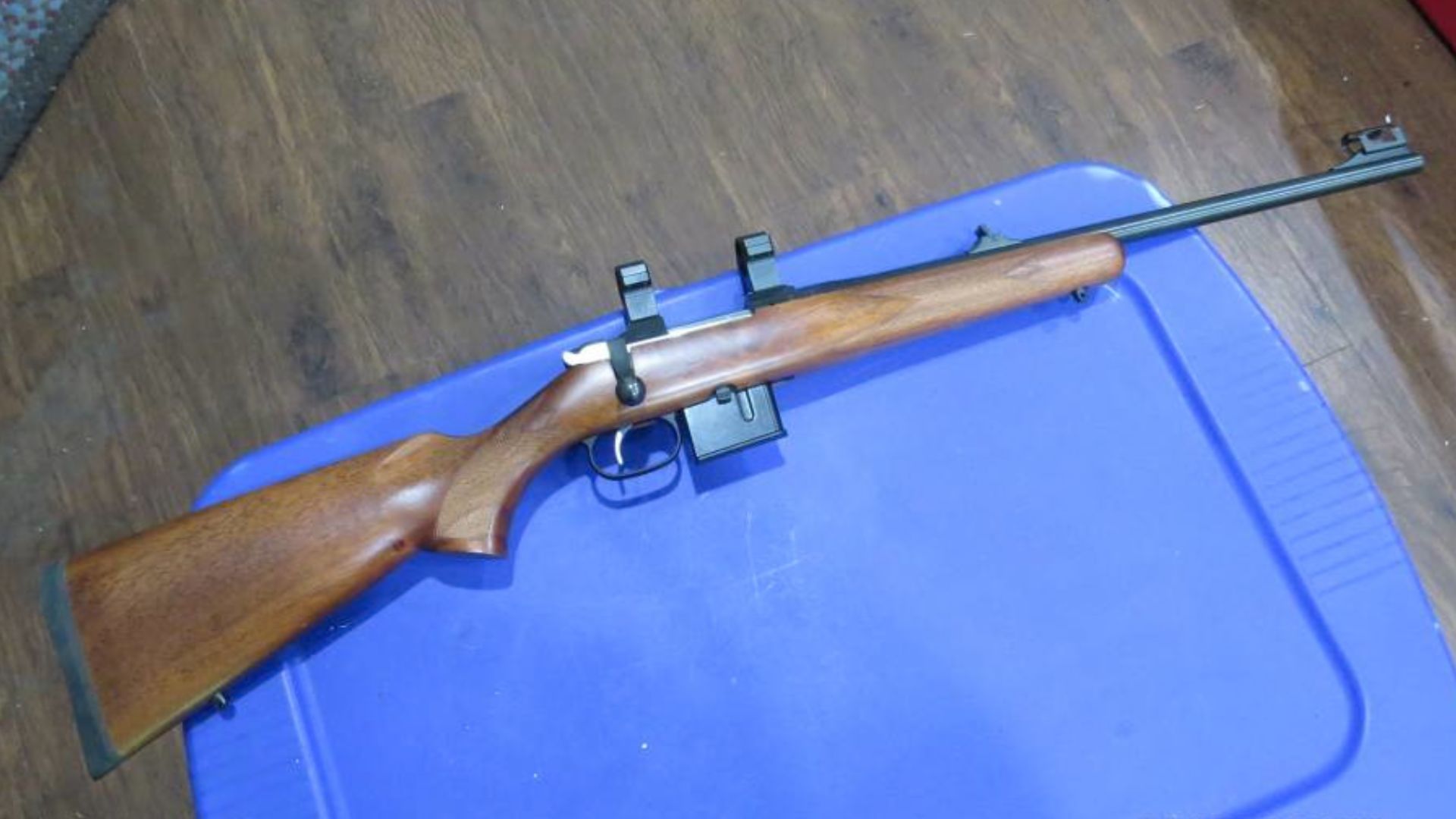
The CZ 527 was never completely unknown, but it was underhunted by the broader buying crowd for a long time. It looked like a neat, trim little bolt rifle with old-world charm, and for too many buyers that translated into “I’ll get around to it.” Small-action sporters often suffer from that kind of polite underappreciation. People know they are nice. They just do not move fast enough.
Then CZ stopped being the easy answer it once was in that exact format, and the market remembered what made the 527 special. Today, listed examples show the kind of prices that make it obvious this is no longer some quiet second-thought rifle. Buyers can still find them, but finding them at what feels like calm money is a different story entirely.
Remington Model 8
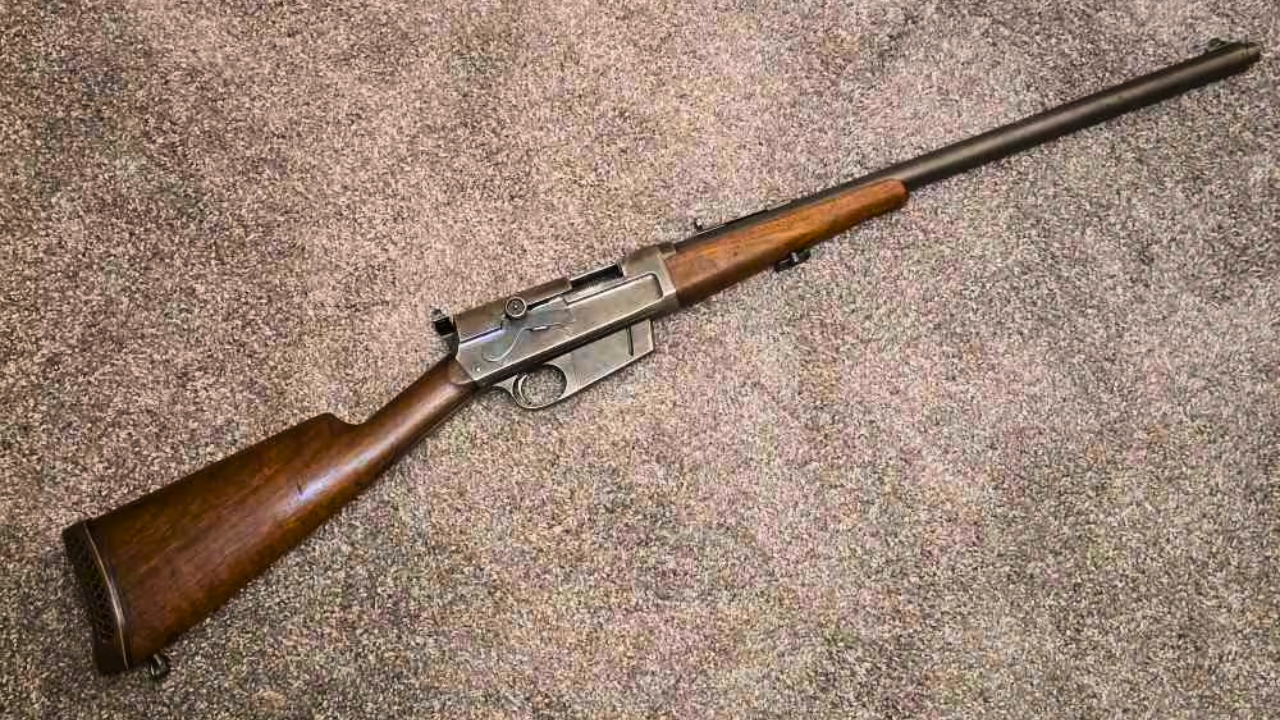
The Model 8 got laughed at for years because it looked old in the wrong way. It was not old enough to be universally romanticized like frontier guns, and not modern enough to fit the bolt-action confidence most sporting-rifle buyers defaulted to. That left it in an awkward lane where it was admired as “interesting” more often than it was bought as “necessary.”
That is a dangerous place for a firearm to live, because it creates exactly the kind of delayed realization that drives future prices up. Once collectors started seeing the Model 8 as more than just an odd early semiauto and started treating it like a meaningful piece of sporting-rifle history, the days of finding them for light money got shorter in a hurry.
Ruger 77/44

The 77/44 spent years being treated like a niche little woods rifle for people with very specific tastes. That kept it from becoming an instant must-buy for the average customer, which was great for anyone smart enough to recognize how useful it really was. Short, handy, and built around a cartridge that makes real sense in thick cover, it solved a genuine field problem without demanding much attention.
Now that attention has arrived anyway. Current listings put the rifle right in the zone where buyers start feeling the sting of having waited too long. A model that once looked almost plain in its practicality now often appears with four-figure asking prices, which says a lot about how sharply the market corrected its old indifference.
Winchester 61

The Model 61 used to get passed over because pump .22s have never triggered the same easy panic as centerfires or military pieces. Buyers liked them, sure, but a lot of them treated good .22 pumps like nice objects rather than urgent buys. That is how solid firearms get left behind just long enough to become expensive later.
The 61 eventually escaped that trap because older Winchester rimfires with real quality and character were never going to stay modestly priced once enough collectors remembered them. It is one of those guns that now seems obvious in hindsight, which is usually the clearest sign that the market has already made late buyers pay for their delay.
Browning T-Bolt

The T-Bolt spent too long being seen as a pleasant little specialty rimfire instead of the much smarter rifle it really was. Straight-pull rimfires can sound like novelty until you actually spend time with one, and that “sounds like novelty” problem kept a lot of buyers from treating them with enough seriousness while the buying was still easy.
That changed as soon as more people realized the rifle was not just charming. It was useful, accurate, and distinct in a way that started to matter much more once better rimfires stopped feeling so replaceable. That is the pattern across this whole article: the gun stays the same, but the market finally gets honest about what was there all along.
Sako L61R Finnbear

The Finnbear was one of those rifles that knowledgeable people respected without the broader market fully chasing. It looked like a nice older sporting rifle, and that description was enough to keep it from becoming a cheap throwaway but not enough to create the kind of mass urgency that drives prices hard in the short term. That gave quiet buyers a good window.
Then the market matured a little and started noticing how few truly refined older sporting rifles were sitting around in strong shape. The Finnbear stopped being the sort of rifle people admired calmly and started becoming the sort of rifle they had to think hard about affording. Guns like this do not become expensive because they changed. They become expensive because the crowd finally did.
Anschütz 1416
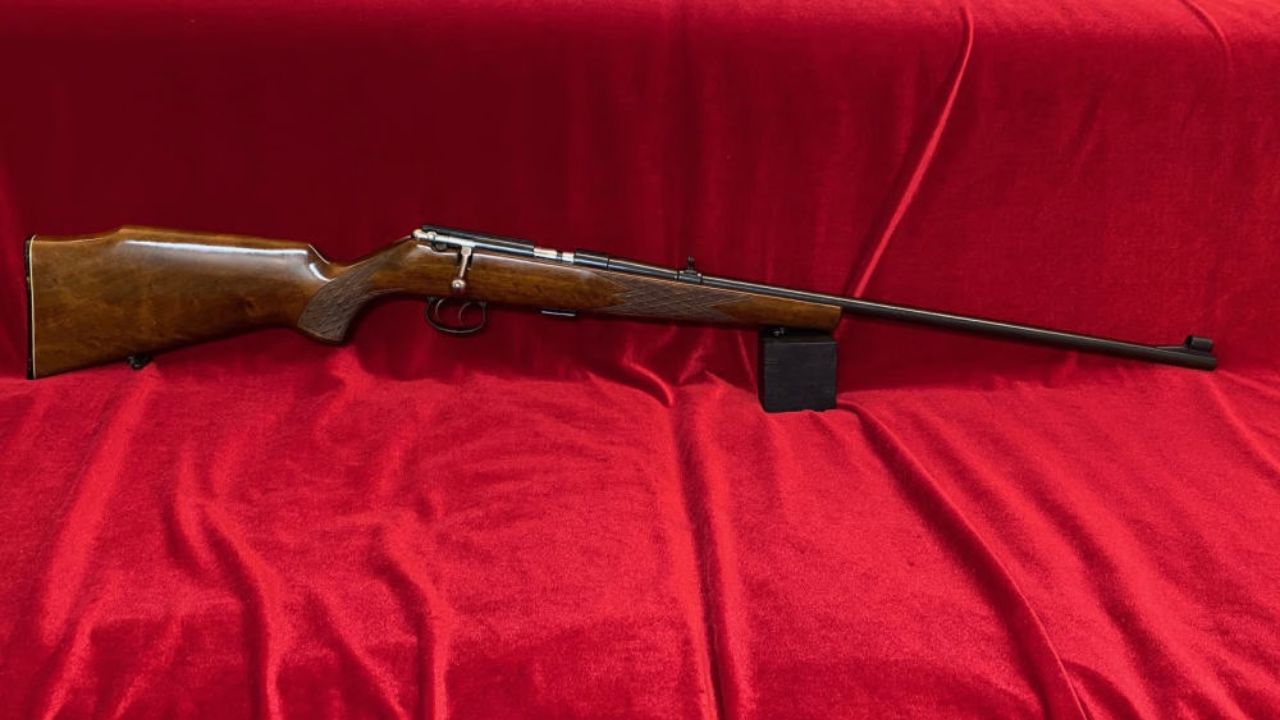
The 1416 and similar Anschütz sporters got laughed off by the wrong buyers because they were “just” rimfires and did not fit the lazy idea that only centerfire hunting rifles count as serious long guns. That was always a bad way to think, but it kept the market softer for longer than it should have been.
Once enough shooters started treating fine rimfires like real rifles instead of side hobbies, the tone changed fast. The same guns that once got a nod and a shrug started getting real collector and shooter attention. That is what happens when people belatedly realize that precision, feel, and long-term use matter just as much in a .22 as they do anywhere else.
Remington 141 Gamemaster
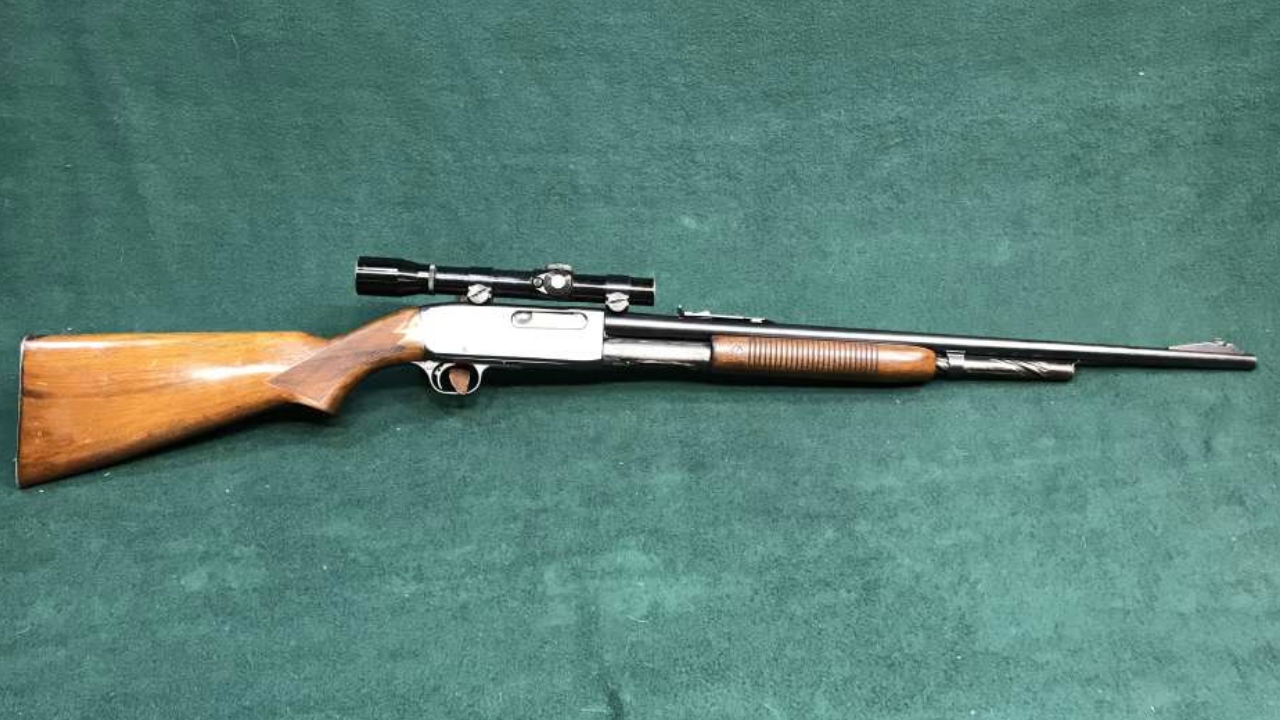
The 141 Gamemaster got mocked by some buyers because old pump rifles often look like leftovers to people who never carried one in the field. It was too old to feel modern, too practical to feel glamorous, and too easy to underestimate if your whole rifle brain was built around bolt guns. That made it easy to leave behind.
It also made it easy to miss. Once hunters and collectors started paying more attention to old pump sporting rifles with real field credibility, the 141 looked much more serious than the old jokes suggested. That is one of the nastier forms of regret in this market: laughing at something until it becomes expensive enough that the laughter sounds a little desperate.
Browning SA-22

The SA-22 was too elegant to trigger immediate urgency in a lot of buyers. It looked like a graceful little rimfire, which is exactly why too many people thought there would always be time to come back for one later. That attitude has ruined a lot of good firearm purchases. Quality, refinement, and plain joy of ownership can be easy to admire without moving quickly enough.
Then buyers spend real time with one, or prices start climbing, and suddenly the whole thing feels different. The SA-22 did not need to be flashy to become expensive. It only needed enough people to realize too late that elegant, lightweight, genuinely useful rimfires do not stay casually affordable once the market wakes up.
Savage 99
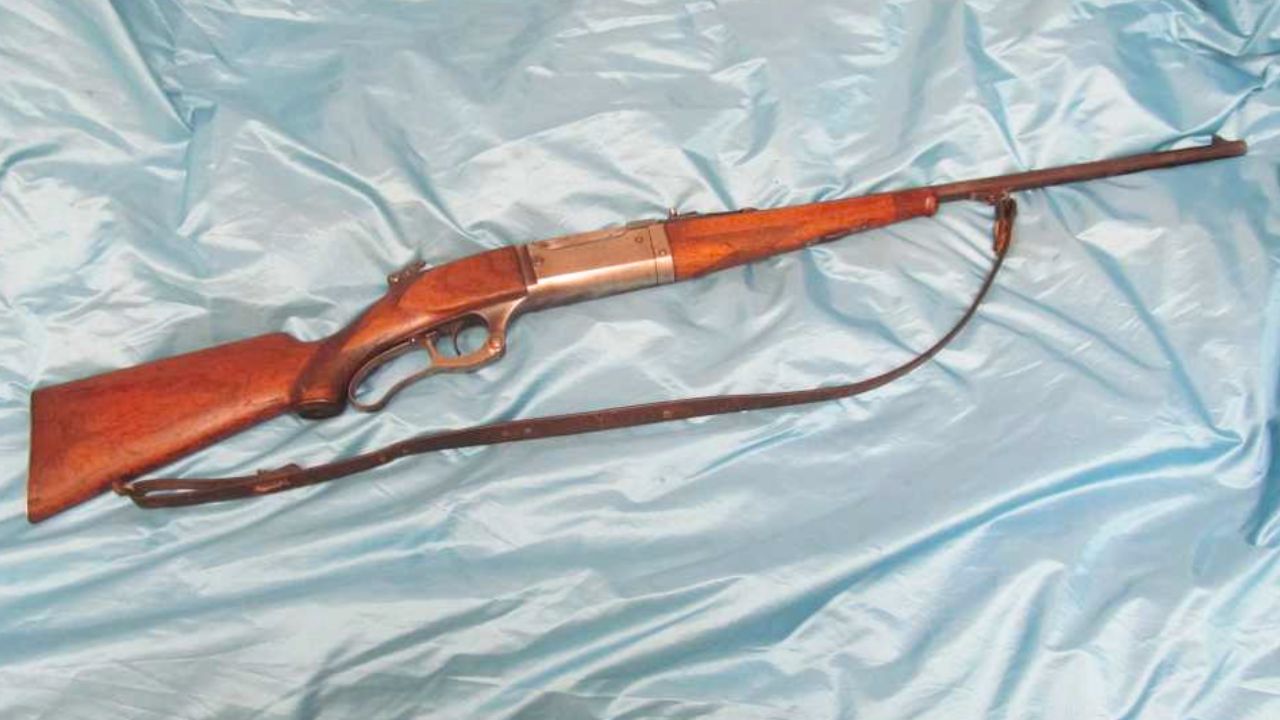
The Savage 99 got laughed at by people who did not quite know what to do with it. It was not the classic lever gun of frontier fantasy, and it was not the standard bolt rifle of modern habit. That in-between status made it easy to underappreciate, which is usually how genuinely smart rifles get mispriced for a while.
That while is over. Enough shooters and collectors finally figured out that the 99 was not just clever. It was genuinely useful, historically interesting, and far more distinctive than a lot of rifles that got more attention for less reason. Once that truth took hold, the sane-money window closed fast.
Like The Avid Outdoorsman’s content? Subscribe to our newsletter so you never miss an article.
Here’s more from us:


