Photo credit: Brett Sayles/Pexels.com
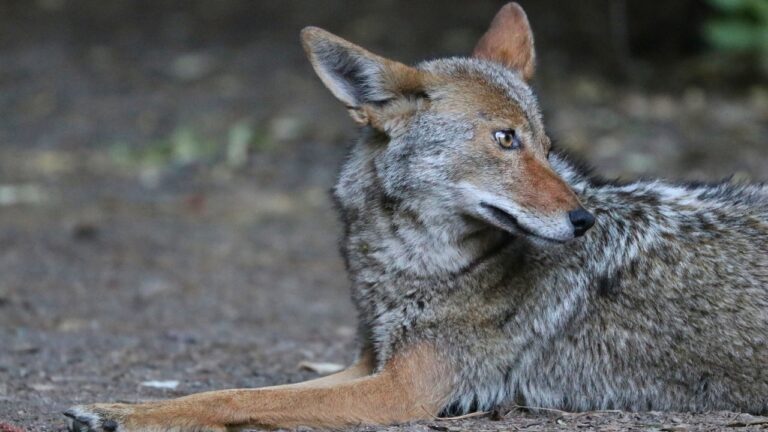
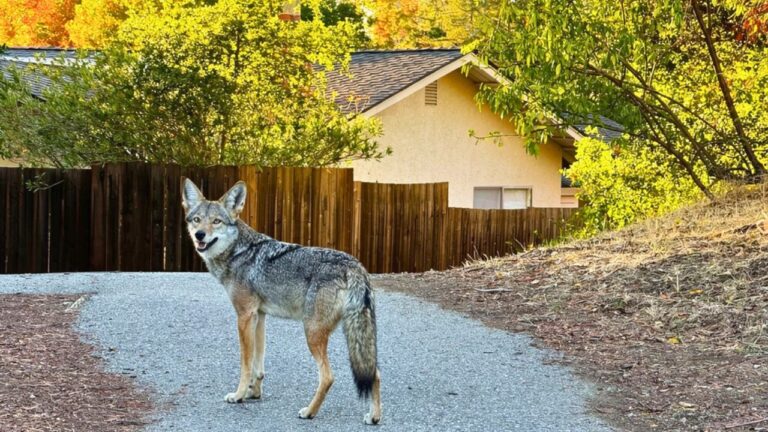
Drought changes the way animals use the land, and hunters usually feel it before anybody else does. Water dries up, green forage burns off, and game starts pulling tighter to the few places that still offer something worth living around. That can make animals easier to pattern in some cases, but it also makes pressure worse, competition heavier, and access more important than ever. A dry year has a way of turning a big piece of country into a handful of useful spots.
That matters whether you are chasing deer, elk, pronghorn, hogs, or even small game. When moisture disappears, the whole landscape stops hunting evenly. A lot of ground starts looking good to the eye while producing almost nothing. Meanwhile, the creek bottoms, irrigated edges, stock tanks, shaded draws, and green pockets start carrying way more animal movement than normal. These are 15 states where drought can bunch game into fewer usable places and make hunters rethink how they scout and hunt.
Texas
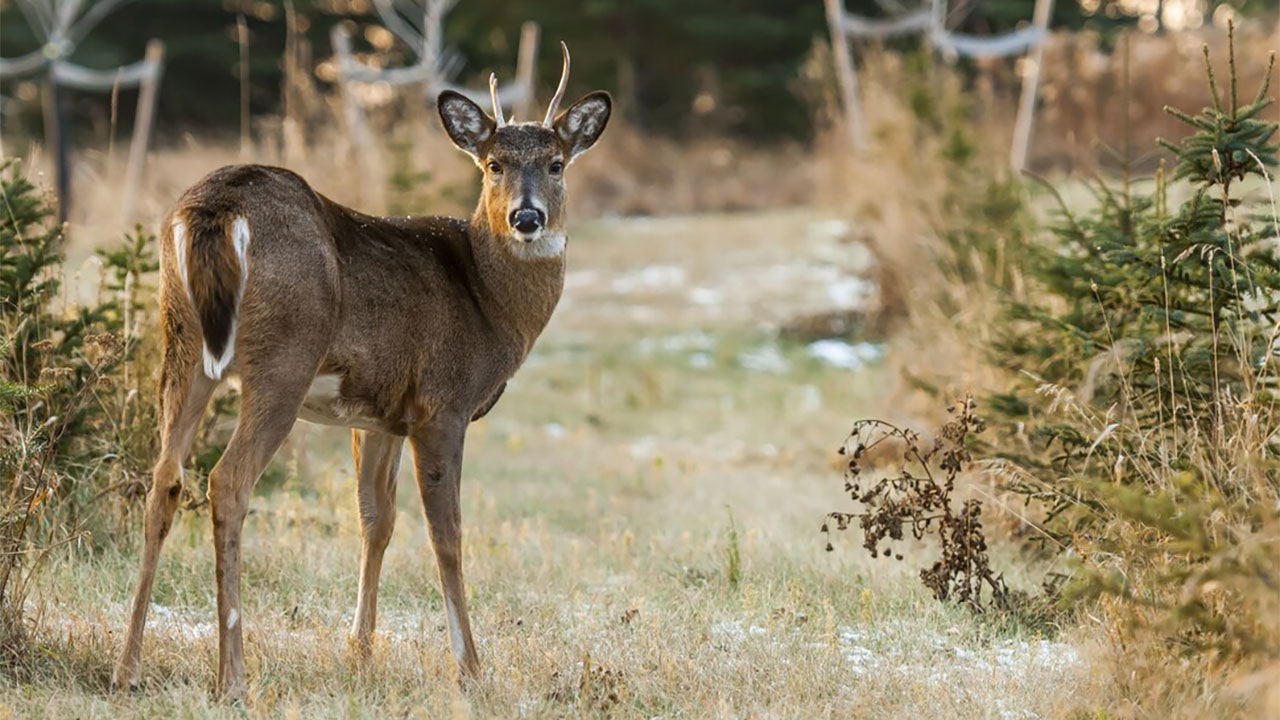
Texas is built for this conversation because so much of the state can flip from decent conditions to hard dry country in a hurry. When that happens, wildlife stops spreading out across the landscape the way it does in wetter years. Deer, hogs, and predators all start leaning harder on creek corridors, tanks, irrigated ag edges, and any brush country that is still holding groceries. In big parts of Texas, water is not just another feature. It becomes the feature that decides where life is happening.
That changes the hunt fast. Instead of glassing game across every pasture and sendero, you start seeing repeated movement around the same few pieces of usable ground. The trouble is that hunters know it too, so those places get crowded with pressure, scent, vehicle traffic, and human noise. In Texas, drought does not always mean game disappears. A lot of times it means game stacks up tighter, goes more nocturnal under pressure, and turns a lot of “pretty” country into dead space.
Oklahoma
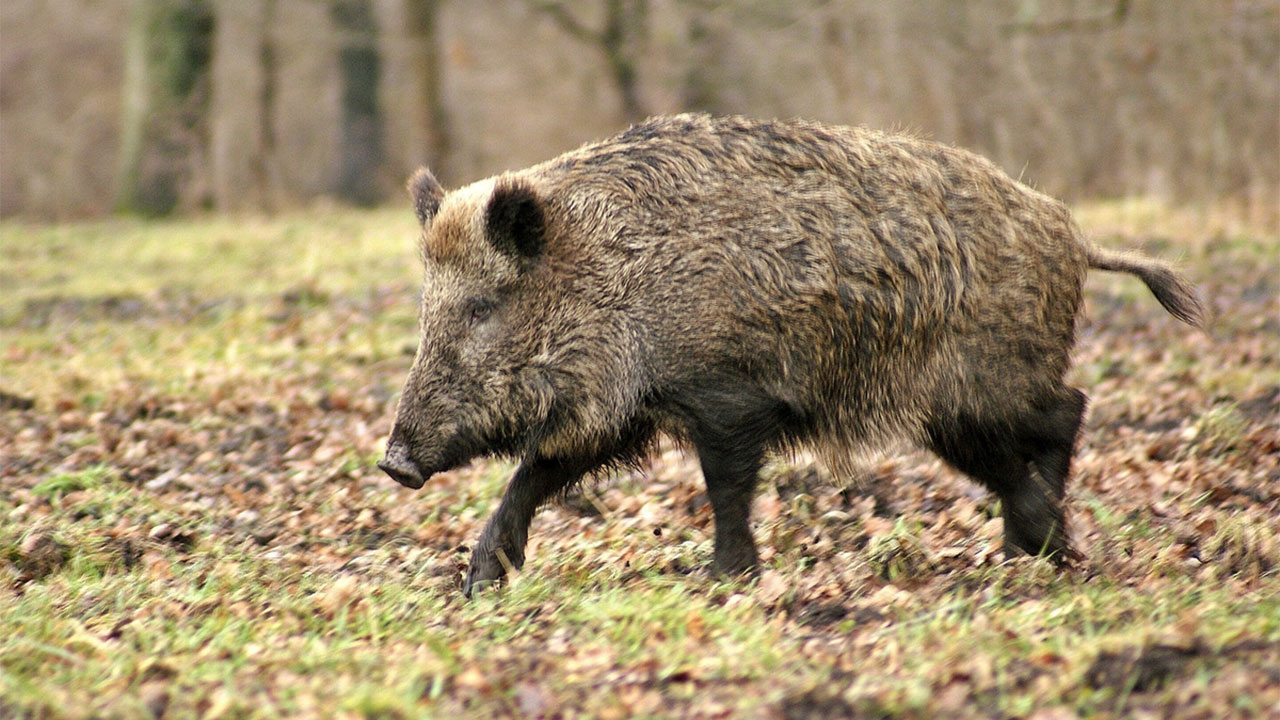
Oklahoma can look wide open until a dry stretch reminds you how dependent game is on small pockets of feed and water. Whitetails, hogs, and even turkeys start using the same creek bottoms, ponds, and brushy drainages more heavily when the rest of the ground gets brittle. In mixed farm and ranch country, irrigated fields and greener edges start pulling animals from farther off than most people realize. When the landscape dries down, the useful parts of it get smaller.
Hunters usually notice it first in sign. Trails get more defined, crossings get pounded harder, and the same corners of a property keep producing tracks while the rest goes quiet. That can make scouting easier in theory, but it also means everybody with half a brain is keying on the same features. In Oklahoma, drought has a way of shrinking your huntable map. You may still have plenty of acres on paper, but only a fraction of them are carrying enough moisture and feed to hold game consistently.
Kansas
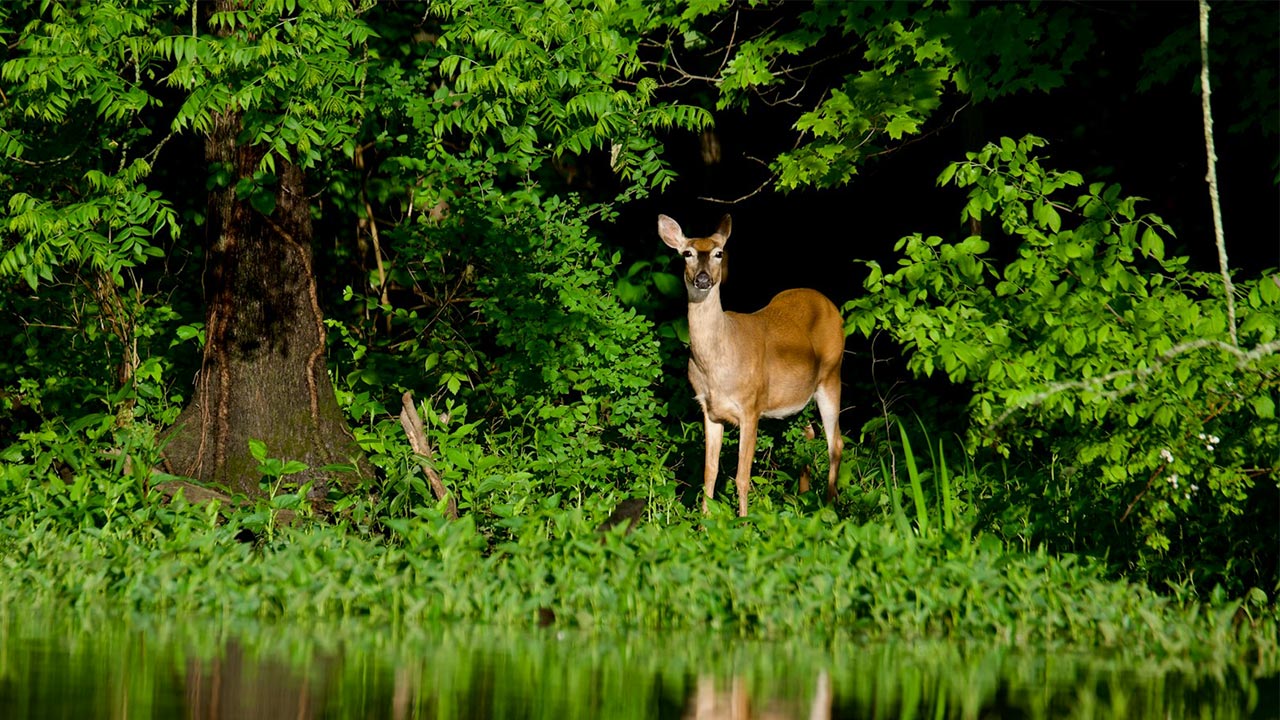
Kansas has plenty of big-country appeal, but drought can make a lot of that country feel empty in a hurry. In dry periods, deer and other game often stop using the broader landscape evenly and start bunching closer to creek systems, river bottoms, irrigated agriculture, and the heavier cover that still offers relief. In a state where visibility can trick you into thinking animals should be everywhere, drought teaches a different lesson. If the moisture is gone, most of the map stops mattering.
This is especially noticeable where open ground dominates and cover is already limited. Once ponds shrink and smaller water sources fade out, game movement narrows. That means access to one strong drainage or one green agricultural edge can matter more than several average parcels put together. Kansas hunters dealing with drought are often not short on country to look at. They are short on country that still has enough life in it to keep animals using it on a regular pattern.
Nebraska
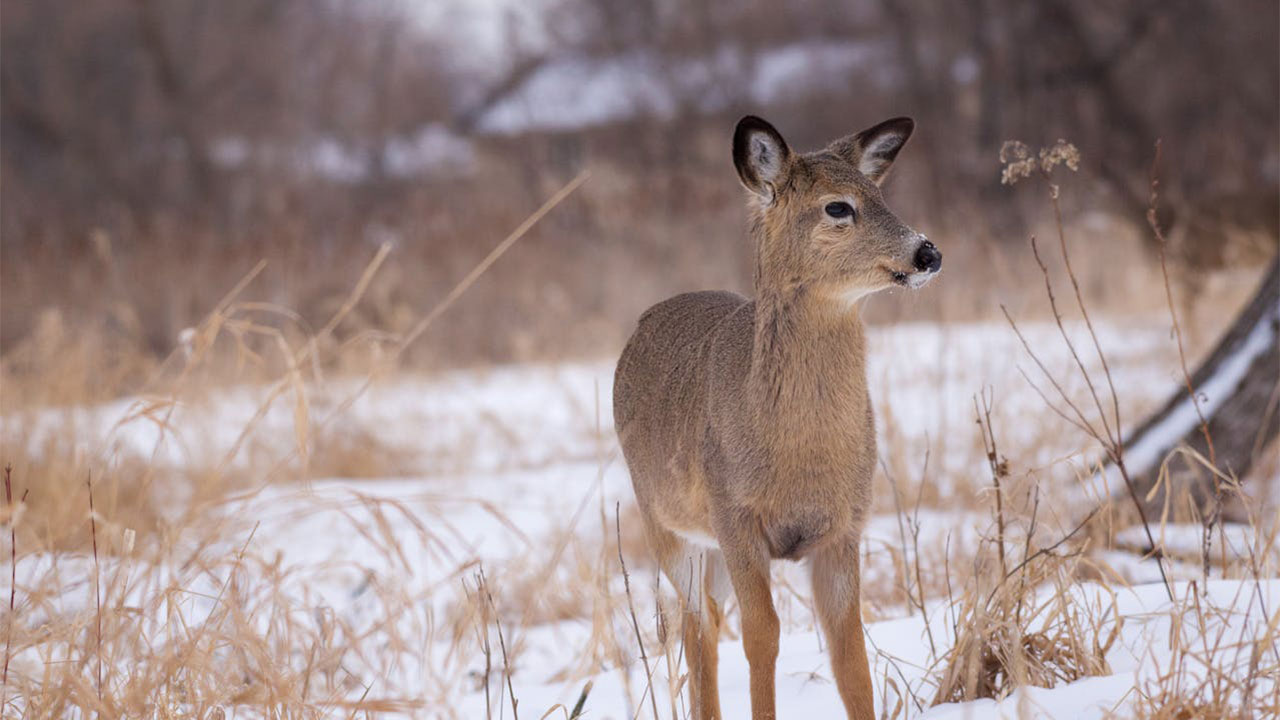
Nebraska can offer a lot of opportunity across river corridors, agricultural country, and western ground, but drought changes the equation. When smaller water sources fade and native forage gets hammered, deer and other game start using greener, more dependable areas harder. River systems, shelterbelts, irrigated pivots, and shaded cover become even more important. A property that hunts evenly in a normal year can turn into one or two good sections and a whole bunch of nearly useless space during a bad dry spell.
The concentration effect matters because it changes how pressure lands on animals. If they only have a handful of reliable places to bed, feed, and water, they get bumped faster and adjust quicker. Hunters may find more sign in fewer places, but they are also dealing with animals that feel pressure immediately because they have less room to spread out. In Nebraska, drought often makes the hunt simpler on a map and harder in practice because everybody and everything is funneled toward the same limited pieces of ground.
South Dakota
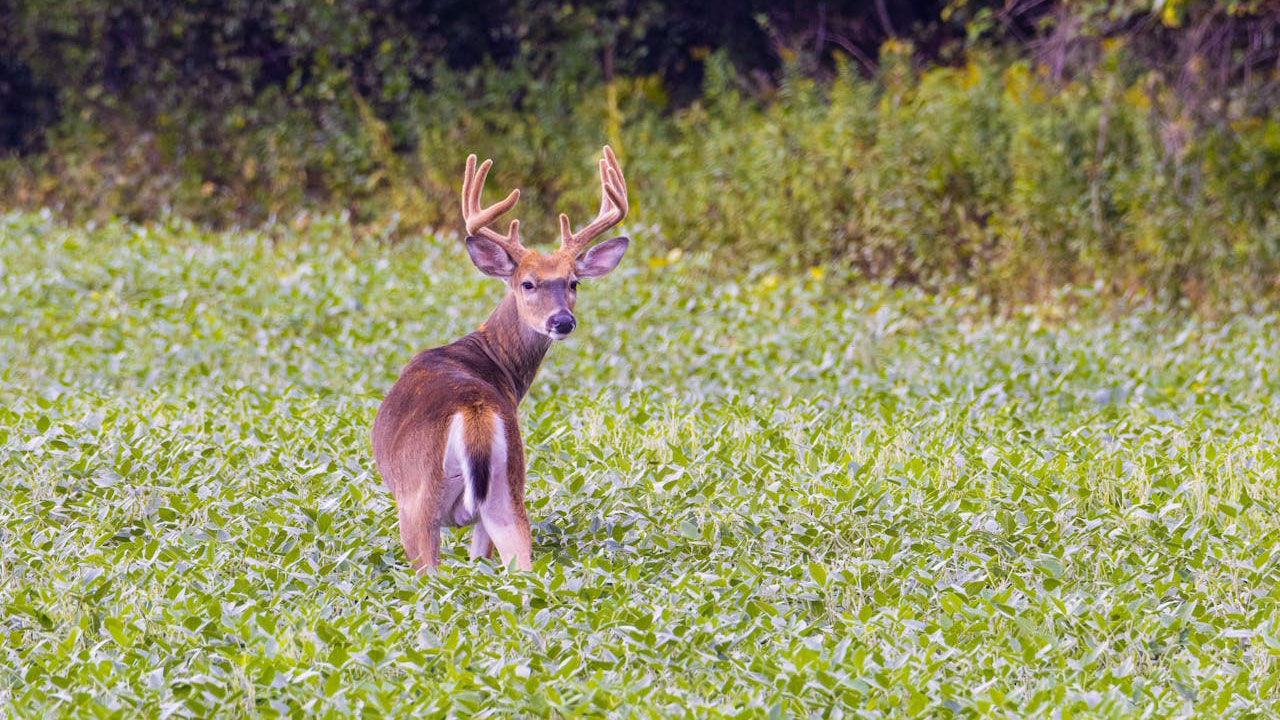
South Dakota gives hunters a lot of different terrain, but drought can tighten the usable landscape in every one of them. In the prairie country, smaller wetlands and water pockets matter a lot more when conditions stay dry. In deer country, creek bottoms, river cover, and ag-adjacent pockets become bigger magnets than usual. Even places that still look huntable from the road may stop holding game well if moisture disappears and the food quality drops with it.
That creates a pattern hunters know well: a whole lot of country that looks promising, and a very short list of spots actually carrying animals day after day. When drought gets serious, the difference between a live area and a dead one gets obvious. South Dakota can still produce in hard dry years, but it often comes down to finding where the remaining groceries, shade, and water overlap. If those pieces are not there together, the amount of empty walking you can do in this state goes way up.
North Dakota
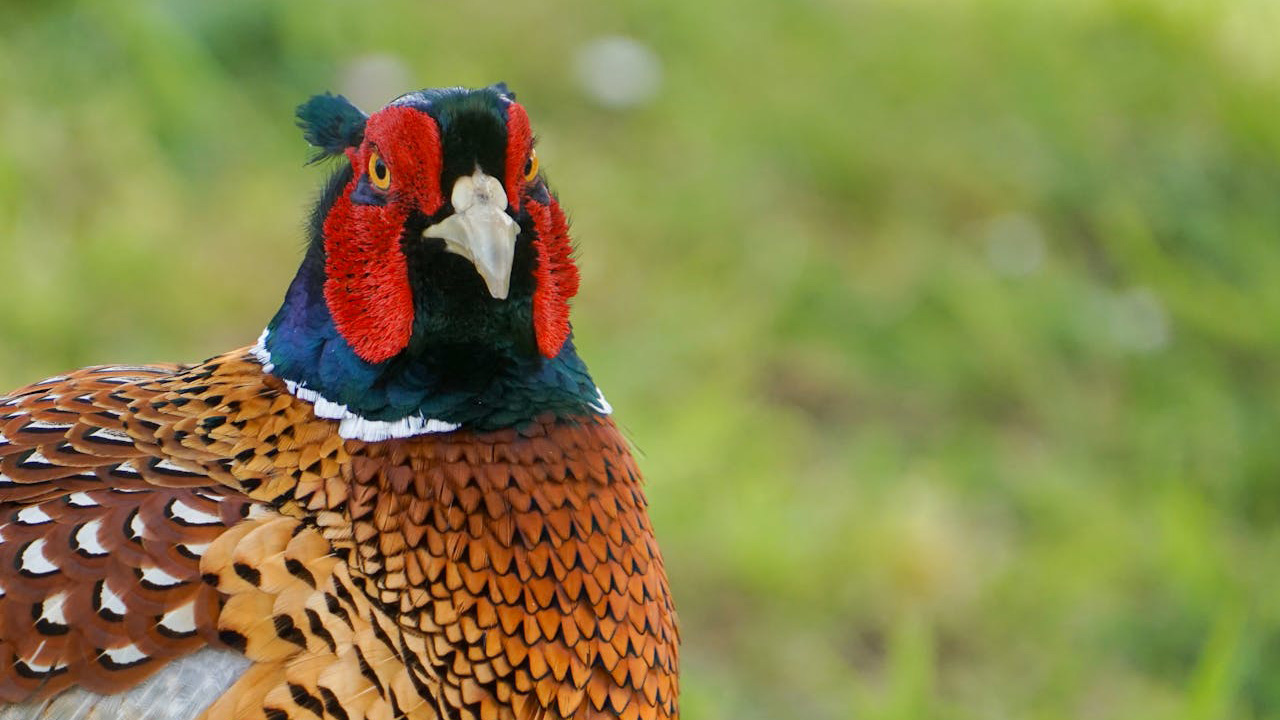
North Dakota is another place where drought can make the landscape feel bigger and smaller at the same time. Bigger, because you may cover a lot of country trying to find animals. Smaller, because once you find them, they are often tied to the same limited habitats over and over. Deer, upland birds, and other game lean harder on remaining cover, greener agricultural areas, and the better water situations when dry conditions drag on. Random wandering stops paying off fast.
Hunters used to spreading out across broad country can get caught chasing memories instead of current conditions. A draw or slough that held life in a wetter year may be almost worthless in a dry one. Meanwhile, the spots that still have decent habitat get hit by game and hunters alike. In North Dakota, drought does not always reduce opportunity evenly. It compresses it. The best remaining pockets become more important, more obvious, and more likely to carry pressure than they would in a normal season.
Montana

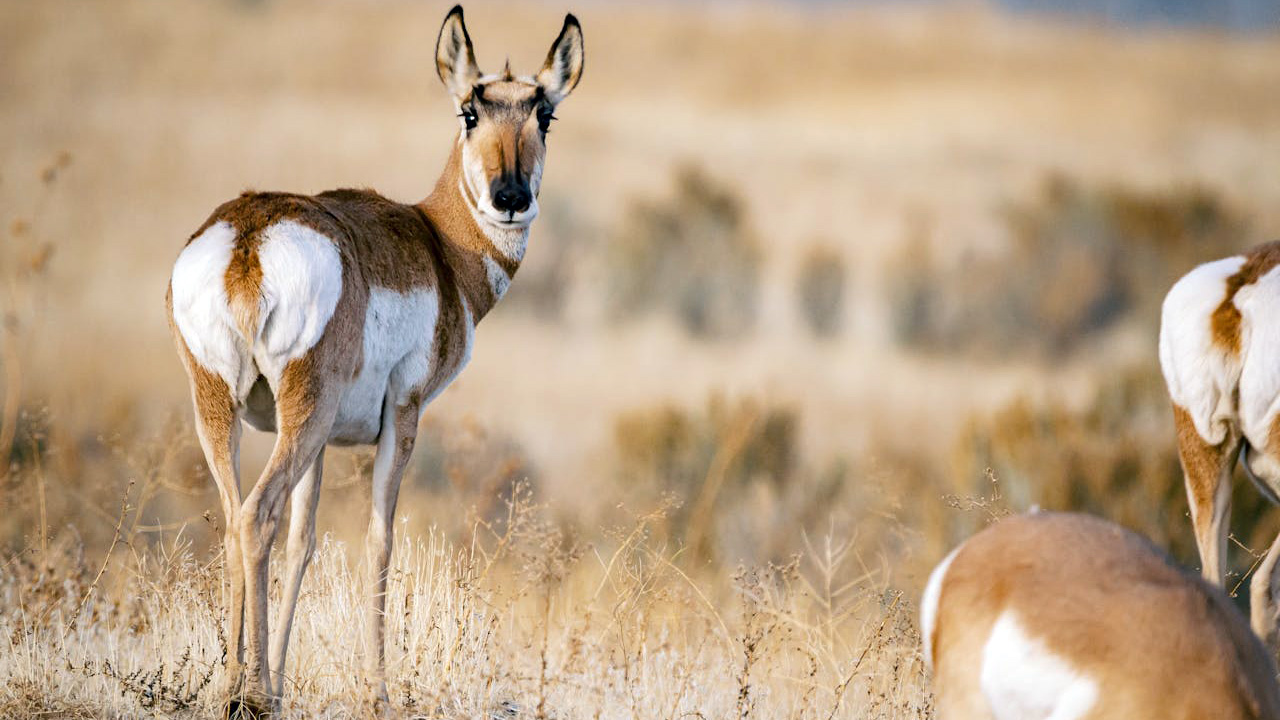
Montana has enough country to make anybody think game can always spread out, but drought proves otherwise. In dry years, deer, elk, and antelope start leaning harder on the areas that still offer water, green feed, and some thermal or bedding cover. Creek systems, irrigated valleys, foothill transitions, and north-facing slopes can separate themselves from the rest of the map in a big way. The country is still huge, but the number of places consistently holding animals shrinks.
That is where hunters get fooled. They look at the size of the state and assume animals can just disappear into endless space. Sometimes they do, but a lot of times they pile into the same limited areas that are still livable. The hard part is that those spots also attract livestock, recreation, road traffic, and hunting pressure. In Montana, drought often means you need to stop thinking in terms of sheer acreage and start thinking about which pieces of habitat are still doing the work.
Wyoming
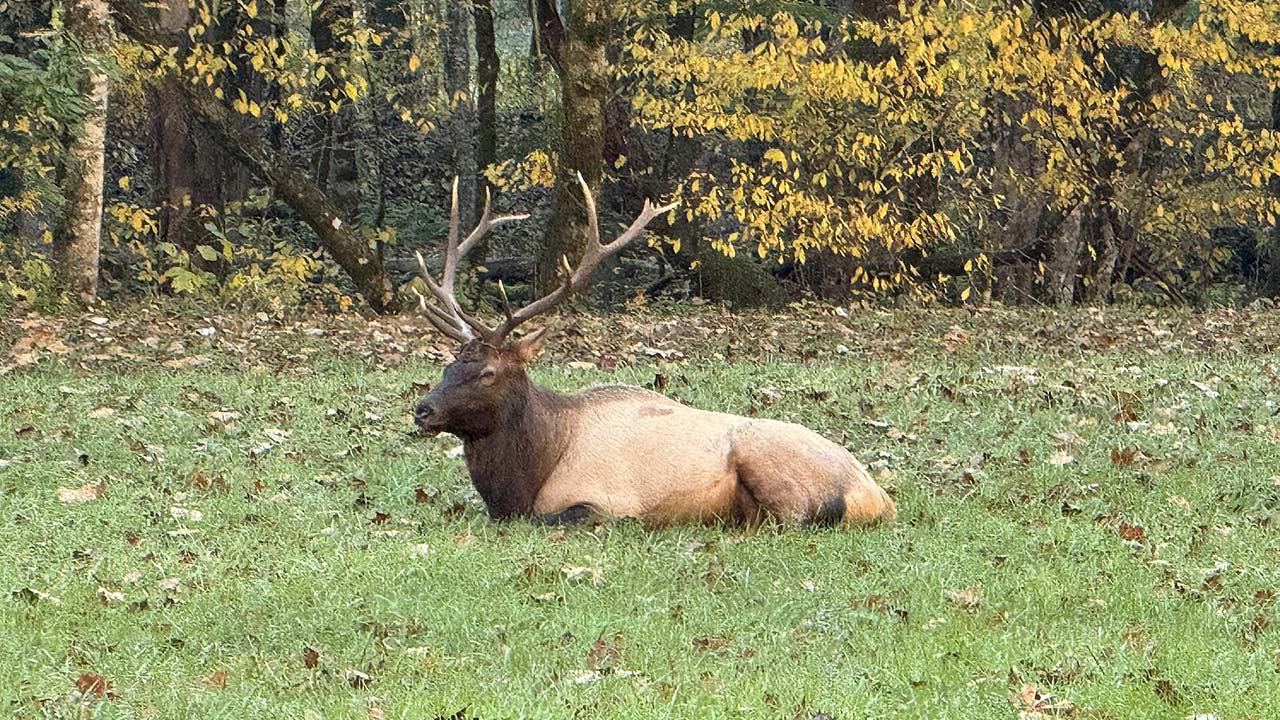
Wyoming’s dry-country species are used to tough conditions, but that does not mean drought has no effect. It absolutely does. Mule deer, antelope, and elk all respond when feed quality drops and smaller water sources become unreliable. Instead of using country loosely, they start favoring the better-watered basins, creek-fed bottoms, irrigated edges, and cooler pockets that still have some nutritional value. A lot of open country can turn into travel ground instead of living ground when the dry stretch gets serious enough.
For hunters, that makes scouting more important and assumptions more dangerous. A map that looked balanced in summer can hunt very uneven once conditions harden up. One water source may carry more action than several square miles around it. Wyoming still gives game room to move, but drought changes where that movement settles. When the state gets dry, the animals that once felt spread across a massive landscape can start showing up in surprisingly repeatable places because the rest of the country is not supporting them well.
Colorado

Colorado hunters deal with drought in ways that affect both deer and elk, especially where moisture drives forage quality. When a dry year takes hold, high-country feed can suffer, lower elevations can dry out early, and animals start favoring the places that still hold green vegetation, reliable water, and decent cover. That can make certain drainages, parks, creek systems, and north-facing slopes much more valuable than normal. The state still has room, but the quality habitat becomes more concentrated.
This matters even more because pressure follows those same patterns. If every hunter with optics can identify the greener pocket or the dependable water source, game feels that pressure fast. You can still find animals in Colorado during dry conditions, but they are often not scattered the way people hope. Drought reduces the number of productive choices. A lot of country remains physically accessible, but only select pieces keep enough moisture and feed to hold animals in a huntable pattern instead of just letting them pass through.
New Mexico

New Mexico is one of those states where moisture dictates everything more than people want to admit. When conditions stay dry, deer, elk, and antelope get pulled harder toward the few places still offering water and quality feed. Springs, tanks, riparian cover, higher-elevation pockets, and irrigated ground start standing out in a big way. If the rest of the country is dry, sparse, and burned up, the animals do not need a hundred options. They need a few dependable ones.
That can make New Mexico feel brutally simple. Either a place still has life in it or it does not. Hunters who waste time on country that “should” be holding game can burn a lot of daylight learning that lesson. The better move is usually to focus on the moisture map, not the pretty map. In New Mexico, drought turns habitat quality into a sharper dividing line than usual. The country that still has water and groceries gets crowded with tracks fast, and the country that does not goes quiet.
Arizona

Arizona already teaches hunters to respect water, but drought pushes that lesson even harder. Deer, elk, javelina, and predators all end up leaning more heavily on the same limited places when natural water is scarce and forage quality drops. Tanks, seeps, creek bottoms, shaded canyons, and higher country with better moisture become even more important than usual. In some parts of Arizona, the difference between productive country and dead country can come down to whether there is one dependable water source left.
The challenge is that pressure piles in right behind the game. Hunters, ranch activity, trail use, and heat all stack onto the same little pockets that animals need to survive. That means game may be more concentrated, but it also gets educated quickly. Arizona drought hunting is rarely about covering the most country. It is about identifying which tiny percentage of the country is still doing the heavy lifting. Once that happens, the whole map changes, and so does how you need to hunt it.
Nevada

Nevada is another state where a dry year can make usable wildlife habitat feel extremely limited. Mule deer, antelope, and upland species all respond when water tightens up and feed quality slips. Vast country may still look open and available, but animals are often tied harder to springs, guzzlers, creek-fed pockets, and the few places where vegetation still has something left in it. A lot of the landscape becomes more like travel corridor than true holding habitat.
That matters because Nevada already asks hunters to think big and cover country. Drought rewards the opposite approach. It pushes you to think smaller, sharper, and more practically about what game actually needs every day. If a place lacks moisture, shade, and groceries, its size stops mattering. In Nevada, drought has a way of stripping the romance out of big maps. It forces hunters to admit that a few water-dependent pockets may matter more than miles and miles of country that looks huntable but is not supporting much life.
Utah

Utah’s mix of desert country, mountain habitat, and transitional ground means drought shows up in different ways, but the result is often the same. Game starts keying harder on the places that still have reliable water and decent feed. Mule deer and elk may use cooler slopes, better-watered drainages, and agricultural edges more consistently, while other areas lose their value fast. What looked like broad usable country in a normal year starts narrowing into a smaller number of productive pockets.
For hunters, that can be helpful if they adapt early and frustrating if they do not. A dry year is not the time to hunt based on old assumptions about where animals ought to be scattered. In Utah, the best move is usually to ask what habitat is still functioning, not what habitat looks good from a distance. Drought can make game easier to find in the sense that it tightens movement, but it also makes mistakes more costly because there are fewer good places left to hunt.
California

California does not always get talked about first in hunting conversations, but drought absolutely changes game use there. Blacktails, mule deer, pigs, and other wildlife respond quickly when creeks dry, browse suffers, and the greener parts of the landscape shrink. North-facing cover, irrigated agriculture, creek systems, oak pockets, and places with lingering water become much more important. Huge stretches of country may still be physically there, but animals stop using them the same way once dry conditions settle in.
That forces hunters to be realistic. In drought years, California can become a game of identifying the few parts of the landscape still holding enough groceries and moisture to support regular movement. That often means access matters even more because a small piece of productive habitat can out-hunt a giant block of dry country. The state’s terrain is varied, but the rule stays the same. When drought bites down, wildlife starts clustering around the leftover pieces of the landscape that are still worth living in.
Oregon
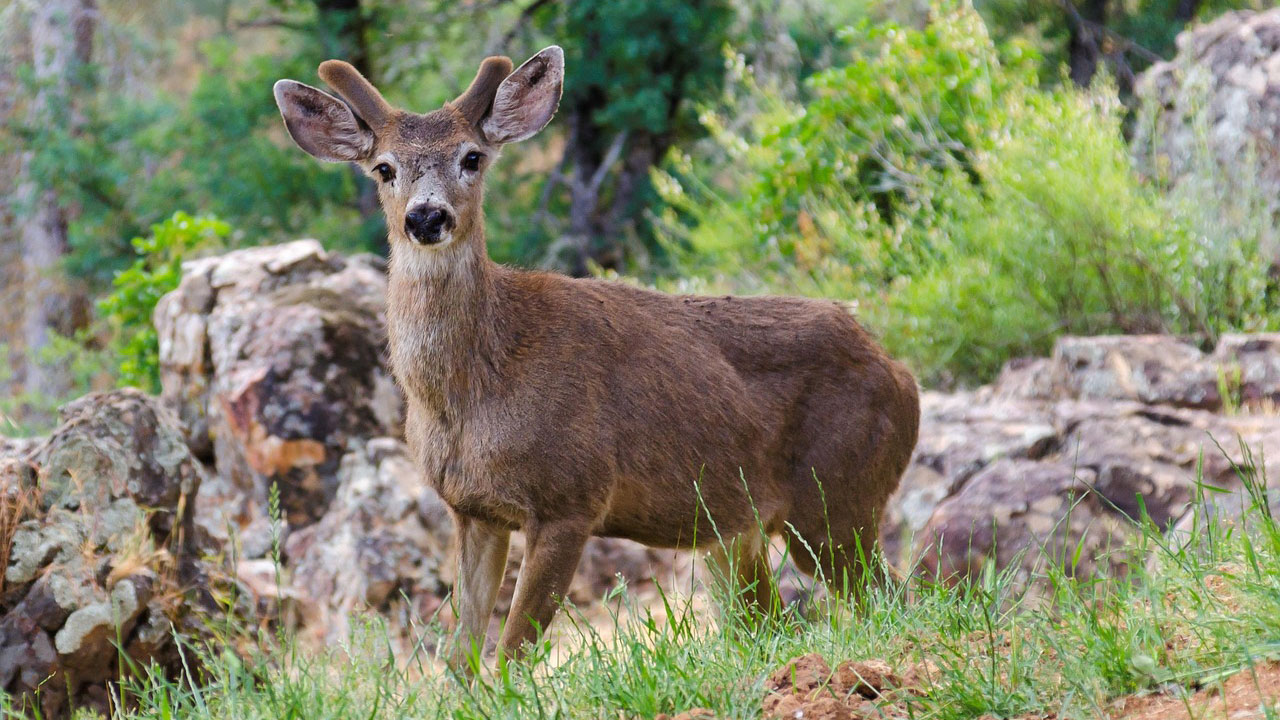
Oregon’s mix of forest, ag country, and dry-side habitat means drought can change animal distribution more than casual hunters expect. Deer and elk may pull harder toward creek bottoms, irrigated fields, greener timber pockets, and north-facing cover when feed dries up elsewhere. In the drier portions of the state, especially, moisture can turn average habitat into prime habitat fast. Once smaller sources of water and better forage disappear, game starts concentrating in a smaller set of dependable places.
That creates a real contrast across the state. Some country still looks lush enough to hold animals, while other areas go flat in a hurry. Hunters who pay attention to where the land is still producing green feed usually save themselves a lot of empty effort. In Oregon, drought does not always wipe out opportunity, but it definitely condenses it. The places that still offer water, cover, and groceries become more valuable, more obvious, and more pressured as animals and hunters alike close in on the same ground.
Like The Avid Outdoorsman’s content? Be sure to follow us.
Here’s more from us: