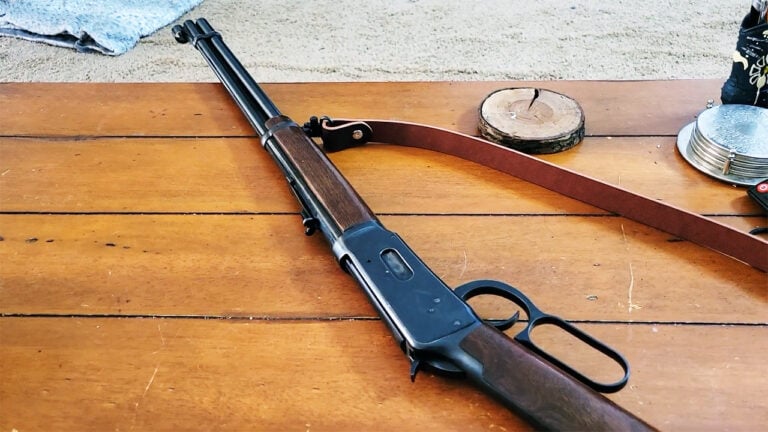
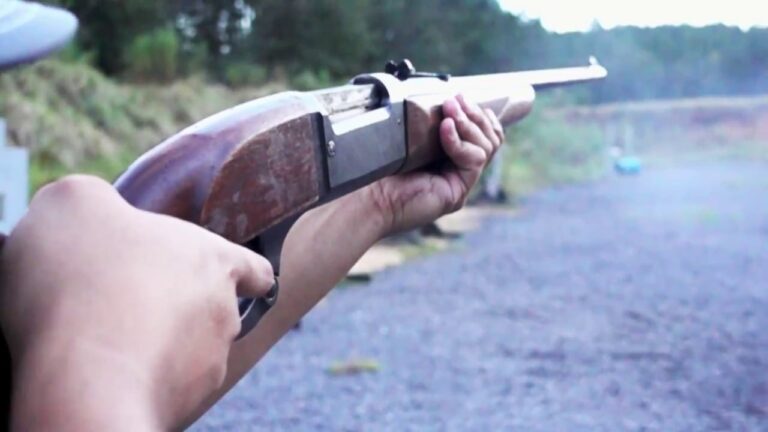
Photo credit: Mt McCoy Auctions/GunBroker
Savage Arms has one of the stranger reputations in the gun world, and I mean that in a good way. It is not usually the brand people bring up when they want fancy walnut, deep bluing, or collector snob appeal. It is the brand people bring up when they want a rifle that shoots better than the price tag suggests.
That reputation was earned over a long, uneven, interesting history. Savage says it has been building firearms since 1894, and the company’s story runs through lever actions, bolt guns, rimfires, shotguns, the Model 99, the Model 110, AccuTrigger, budget accuracy, and modern hunting and precision rifles. Today, Savage is still based around the idea that practical shooters care about accuracy, adjustability, and value more than glossy tradition.
1. Savage Has Been Around Since the 1890s
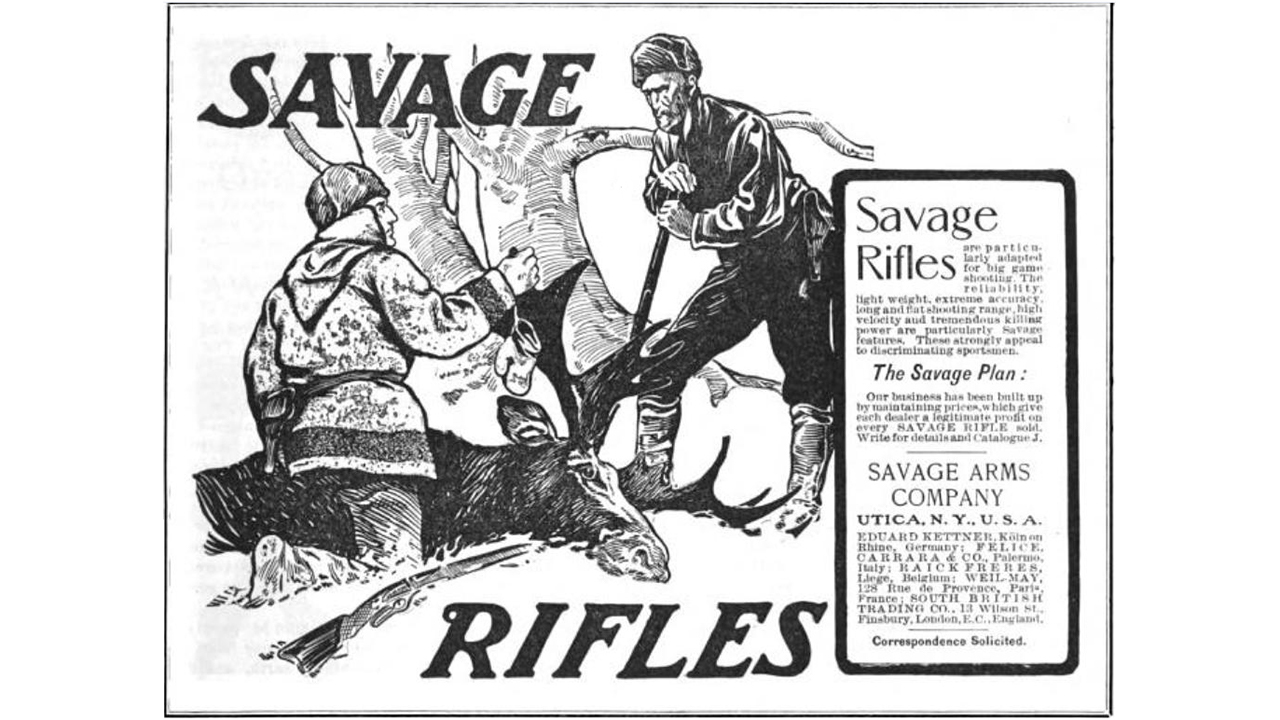
Savage Arms traces its roots to the late 19th century, and the company says it has been building firearms since 1894. That puts it in a much older category than many shooters realize. It is not some newer budget rifle company that popped up during the modern bolt-action boom.
That history matters because Savage has reinvented itself several times. It has been a lever-action company, a military-contract manufacturer, a rimfire maker, a shotgun name, and one of America’s major bolt-action rifle brands. The modern Savage identity may be tied heavily to accuracy and value, but the roots go much deeper than the Axis or 110 rifles most people see today.
2. Arthur Savage Was Not Your Average Gun Founder
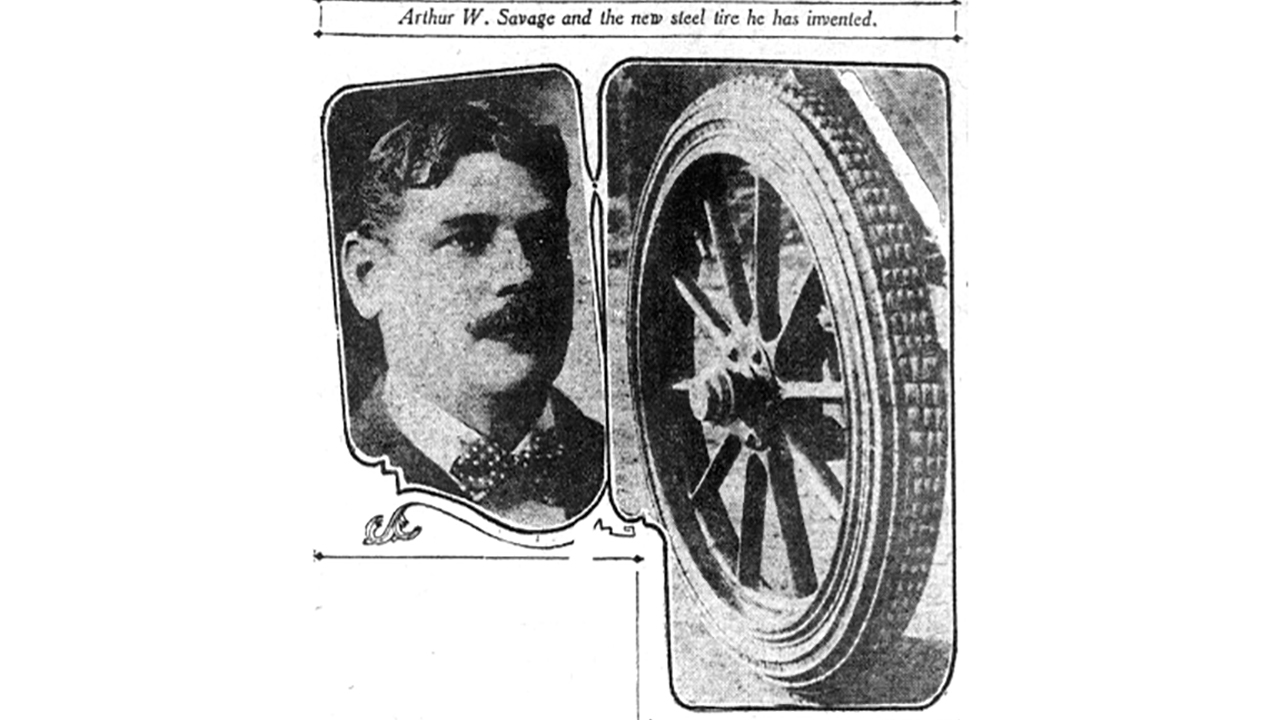
Arthur Savage had a more unusual background than many firearm company founders. He was not only a gun designer. He was an inventor, businessman, and someone with a wide range of interests beyond firearms. That kind of restless mechanical thinking helped shape the early Savage identity.
That matters because Savage Arms never felt like a company built only around copying what everyone else was doing. The brand’s best moments usually came when it tried something a little different: a rotary-magazine lever gun, a barrel-nut bolt-action system, a user-adjustable factory trigger, or stock systems that fit more shooters without custom work.
3. The Model 99 Was Way Ahead of Its Time

The Savage Model 99 is one of the most important rifles many newer shooters barely know. It was a hammerless lever action with a strong action and a rotary magazine in many versions, which allowed it to use pointed bullets in a way traditional tube-magazine lever guns could not. The Model 99 family was produced from 1899 to 1997 and topped 1 million rifles.
That made it very different from the average lever gun. It looked sleeker, fed differently, and handled cartridges that gave hunters better ballistic options. A good Model 99 still has a following because it was not just another cowboy-style lever action. It was a serious hunting rifle that happened to run a lever.
4. The Rotary Magazine Was a Big Deal

The Model 99’s rotary magazine is one of the features that made Savage stand out. Traditional tube-fed lever guns usually require flat-nose or round-nose bullets because cartridges sit nose-to-primer in the tube. The Savage rotary magazine avoided that issue by holding cartridges in a spool-like system.
That meant Savage could offer a lever-action rifle with more modern cartridge potential. It gave hunters the speed and handling of a lever gun with ammunition choices that looked more like what bolt-action shooters were using. That is exactly the kind of practical innovation Savage has leaned on throughout its history.
5. Savage Had a Military Side Too

A lot of shooters think of Savage as a hunting-rifle company, but it also played roles in military production. The Model 99 family itself had military-style variants, including use by the Montreal Home Guard during World War I. Savage also became involved in wartime production in other ways across the 20th century.
That side of the company gets less attention than Remington, Winchester, Colt, or Springfield history, but it matters. Savage was not only building deer rifles for civilians. It was part of broader American and Allied arms manufacturing history too, which gives the brand more depth than many people assume.
6. The Model 110 Was Named After Its Price
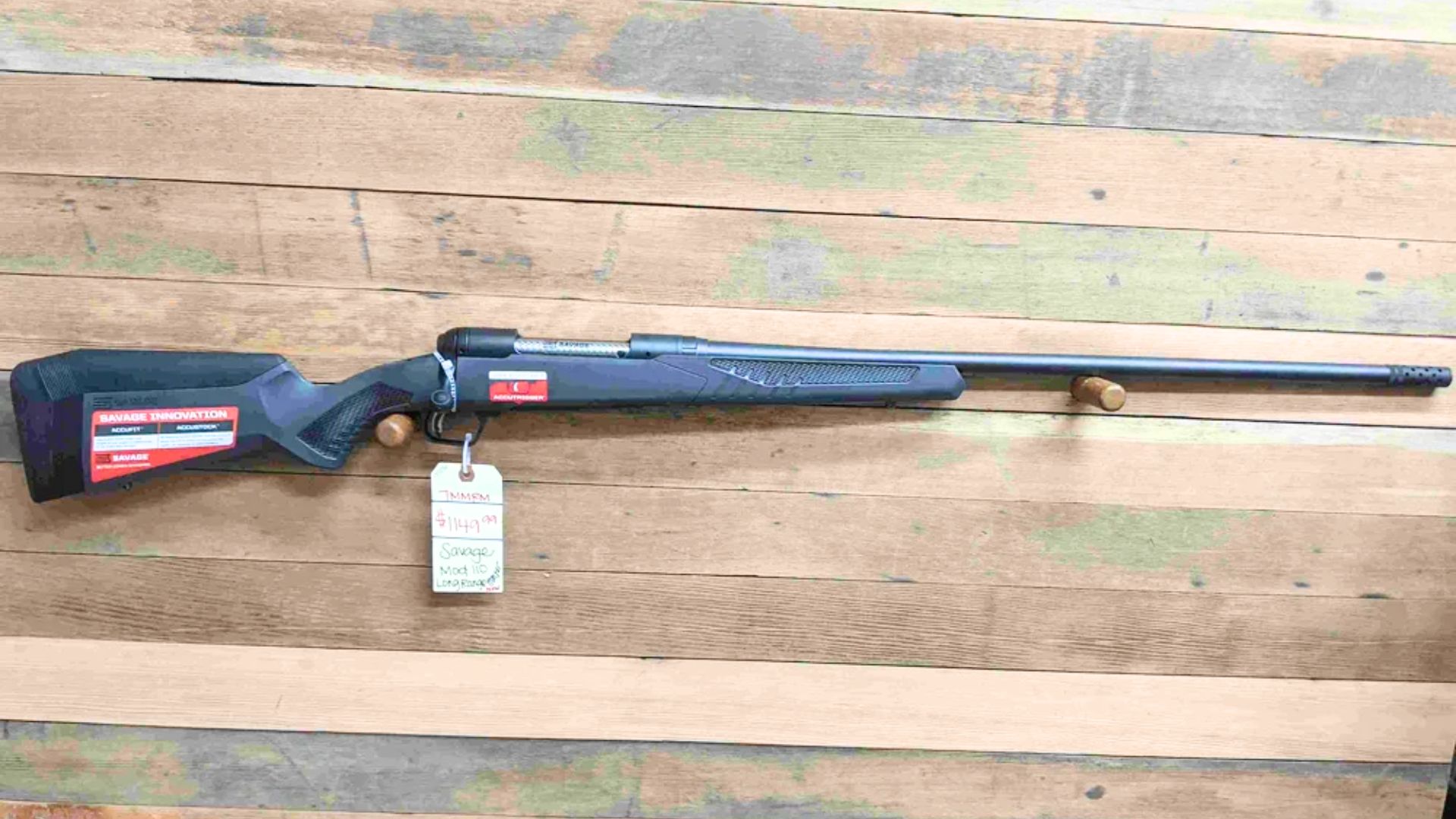
One of the best pieces of Savage trivia is the Model 110 name. Savage says the rifle was introduced in 1958, and its name came from its original retail price of $109.95. Round that up, and you get the Model 110.
That little detail says a lot about the rifle. It was not created as a luxury product. It was built as a practical, affordable bolt-action rifle for regular hunters. That value-minded beginning shaped the entire platform. The Model 110’s reputation was never about being the prettiest rifle. It was about giving shooters accuracy and usefulness at a price they could actually reach.
7. The Model 110 Was Designed by Nicholas Brewer
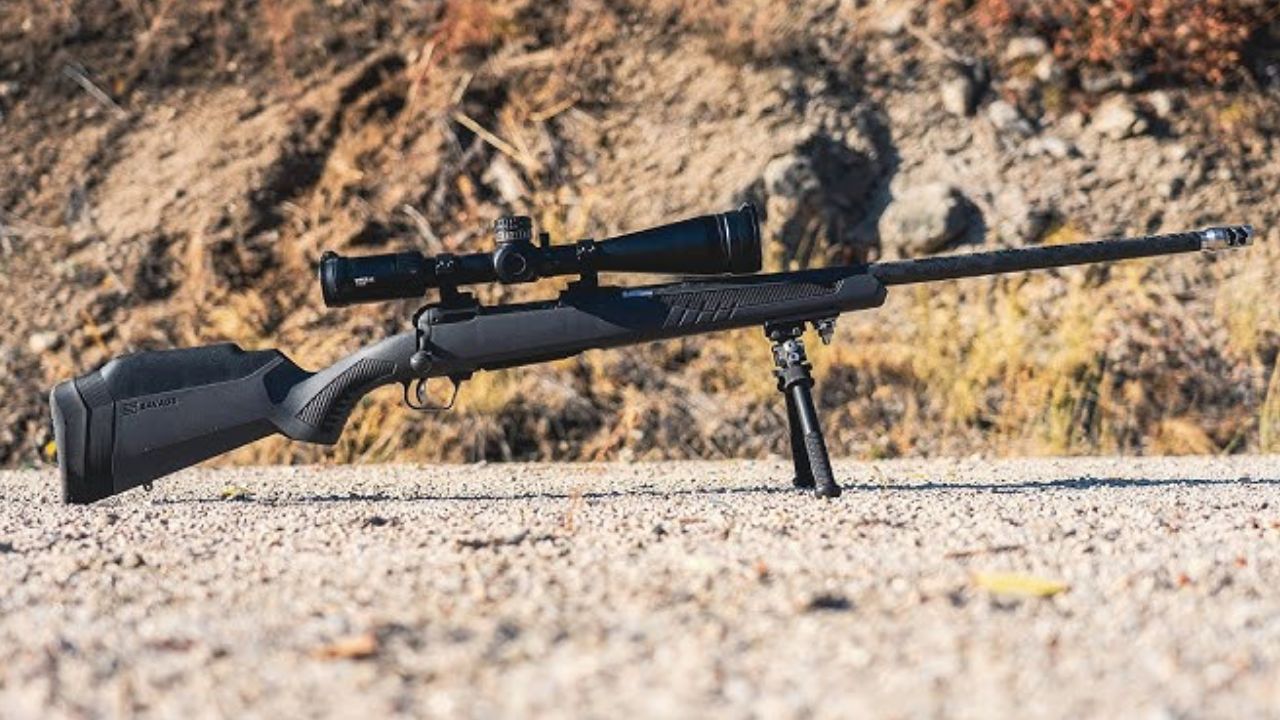
The Model 110 was developed by firearm design engineer Nicholas Brewer in the late 1950s. Savage says the rifle was first introduced in 1958 in .270 Winchester and .30-06 Springfield, which tells you exactly what role it was meant to fill: a practical American hunting rifle.
That matters because the 110 did not become important by accident. Brewer’s design gave Savage a bolt-action platform that could be manufactured efficiently, shoot well, and keep evolving. The 110 became the backbone for Savage centerfire rifles in a way few rifle designs ever manage.
8. The Barrel-Nut System Helped Savage Build Accurate Rifles for Less

One of the Model 110’s biggest behind-the-scenes strengths is the barrel-nut system. The design allows Savage to set headspace efficiently and consistently without relying on more expensive traditional barrel-fitting methods. That helped the company produce rifles that often shot better than their price suggested.
It also made the rifles appealing to tinkerers and builders. Barrel swaps became more approachable for skilled owners and gunsmiths. Not every hunter is going to rebarrel a rifle at home, and safety matters there, but the system helped create Savage’s reputation for practical accuracy and mechanical flexibility.
9. The Floating Bolt Head Is a Savage Signature

Savage’s floating bolt head is another important feature that casual buyers may never think about. The idea is that the bolt head can align more consistently with the cartridge and chamber, helping the rifle lock up squarely without expensive custom fitting.
That is one of the reasons Savage rifles have long punched above their price class. A rifle does not have to be luxurious to be accurate if the design solves alignment and headspacing in smart ways. Savage’s floating bolt head is one of those quiet engineering decisions that matters more on paper targets than in glossy photos.
10. AccuTrigger Changed Factory Rifle Expectations
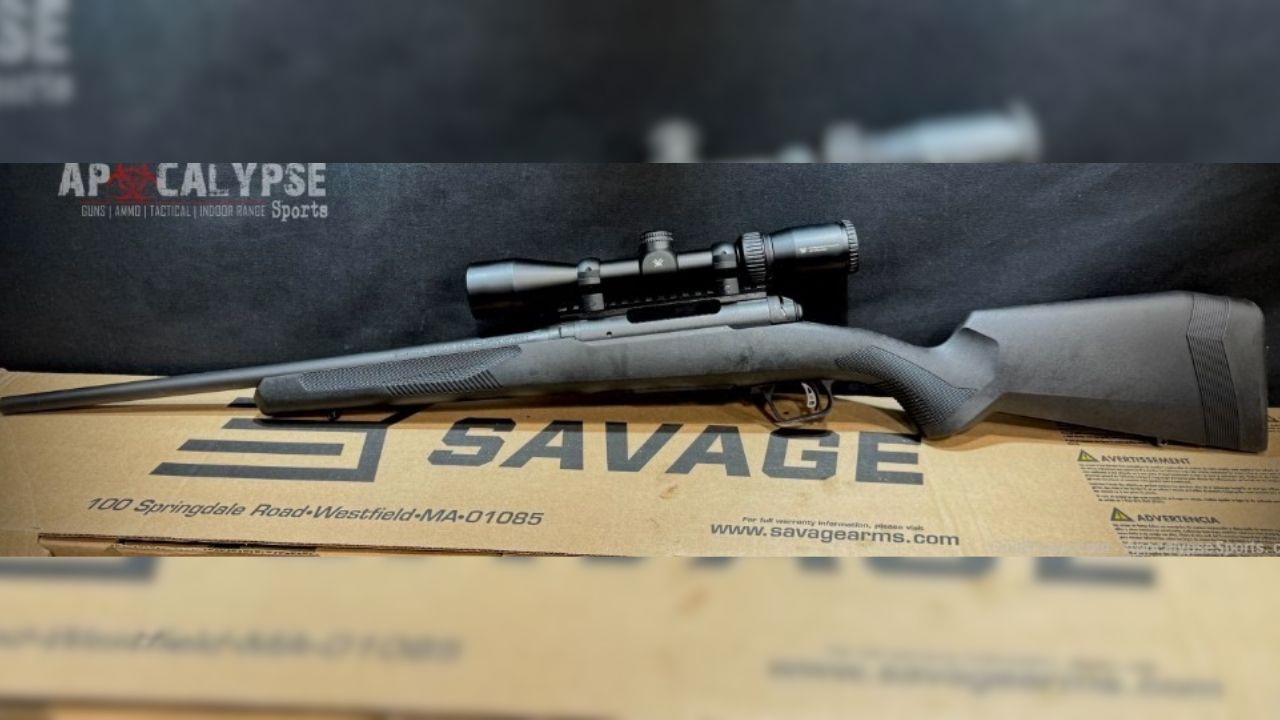
The AccuTrigger is one of Savage’s biggest modern contributions. Savage introduced it in 2003, and the company describes it as a major leap forward that redefined what shooters could expect from a factory rifle trigger. It is user-adjustable and designed to provide a clean, crisp pull with safety built into the blade-style trigger system.
That changed the market. Before triggers like that became common, many factory rifle triggers were heavy, creepy, and something buyers expected to replace. Savage helped make a good factory trigger feel normal, especially on affordable rifles. That forced other rifle makers to pay attention.
11. Savage Helped Make Budget Accuracy a Real Category
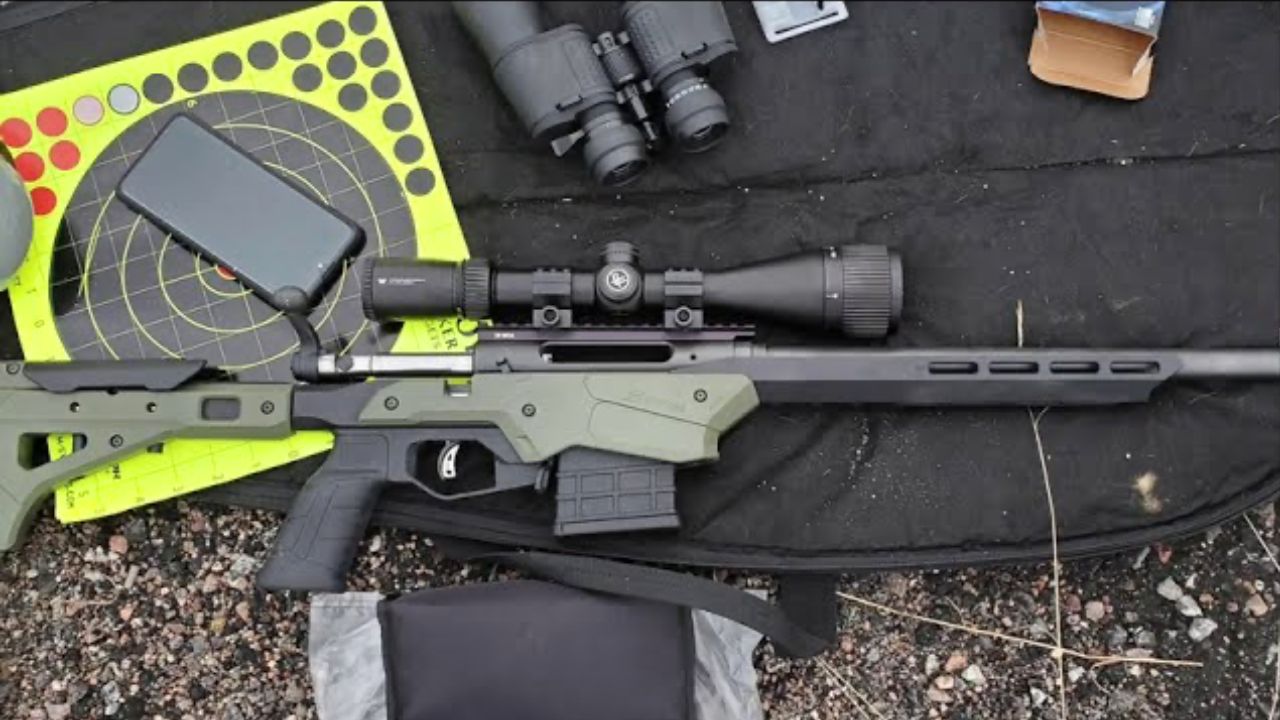
Savage’s modern reputation is built around rifles that shoot well without costing custom-rifle money. The Axis, Axis II, 110, and several varmint and precision models all lean into that identity. The company may not always win on stock feel, polish, or traditional looks, but it often wins on groups.
That is a powerful lane. A hunter who wants a rifle to shoot straight may not care if the stock feels plain or the finish is not fancy. Savage understood that many buyers would forgive cosmetics if the rifle performed. That is why the brand became so popular with practical hunters and range shooters.
12. Savage Moved Its Production Base Over Time

Savage’s history includes several production locations. The company’s official history notes that after World War II, Savage closed its Utica, New York plant and moved operations to the Stevens manufacturing facility. In 1960, the company moved production to Westfield, Massachusetts.
That matters because Savage is not frozen in one factory story the way some old brands are. The company has shifted, consolidated, changed ownership, and adapted over time. Its survival came from adjusting rather than staying locked to one old identity.
13. Savage Has Strong Rimfire Roots Too
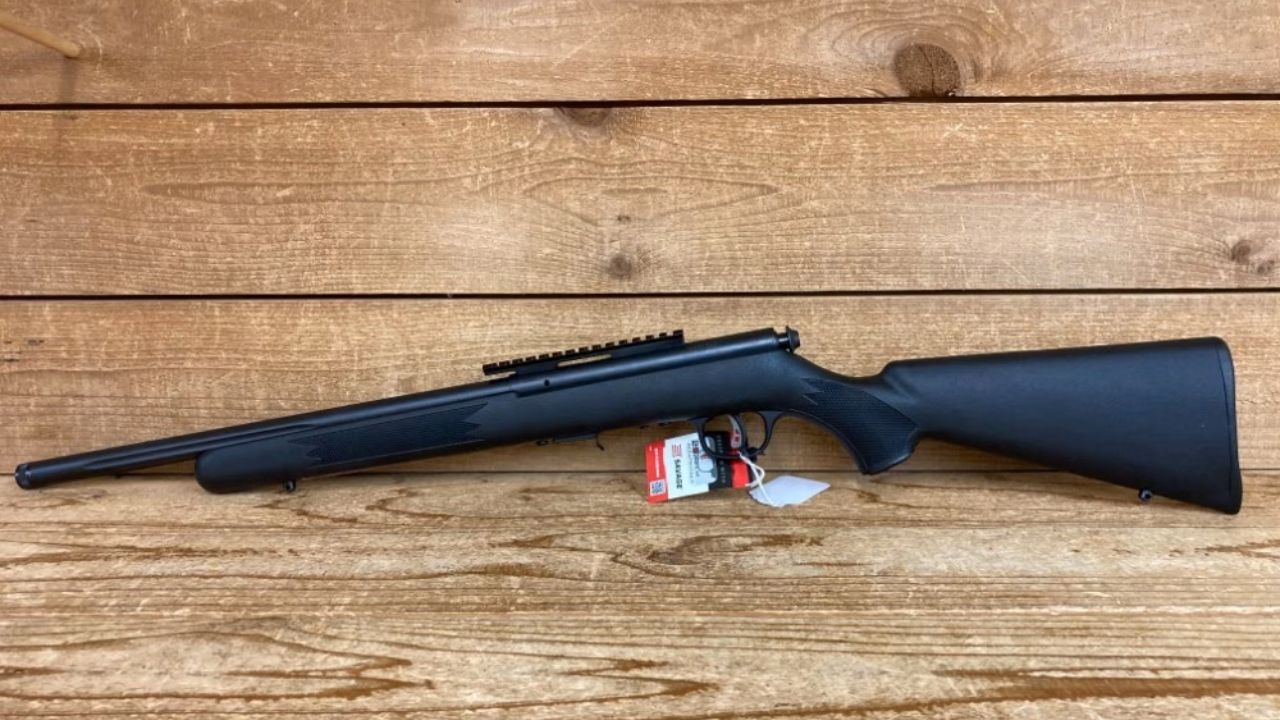
A lot of people think first about Savage centerfire rifles, but the brand has a strong rimfire side. The company acquired Lakefield production in the 1990s for rimfire manufacturing, and Savage rimfires have long been popular with budget-conscious shooters, small-game hunters, and beginners.
That rimfire lane fits the brand perfectly. Savage rimfires are not usually about fancy looks. They are about accuracy, usability, and price. The Mark II, B Series, A Series, and other Savage rimfires helped keep the brand in the hands of shooters who wanted affordable practice and small-game rifles that actually performed.
14. Savage Is More Innovative Than Its Plain Looks Suggest
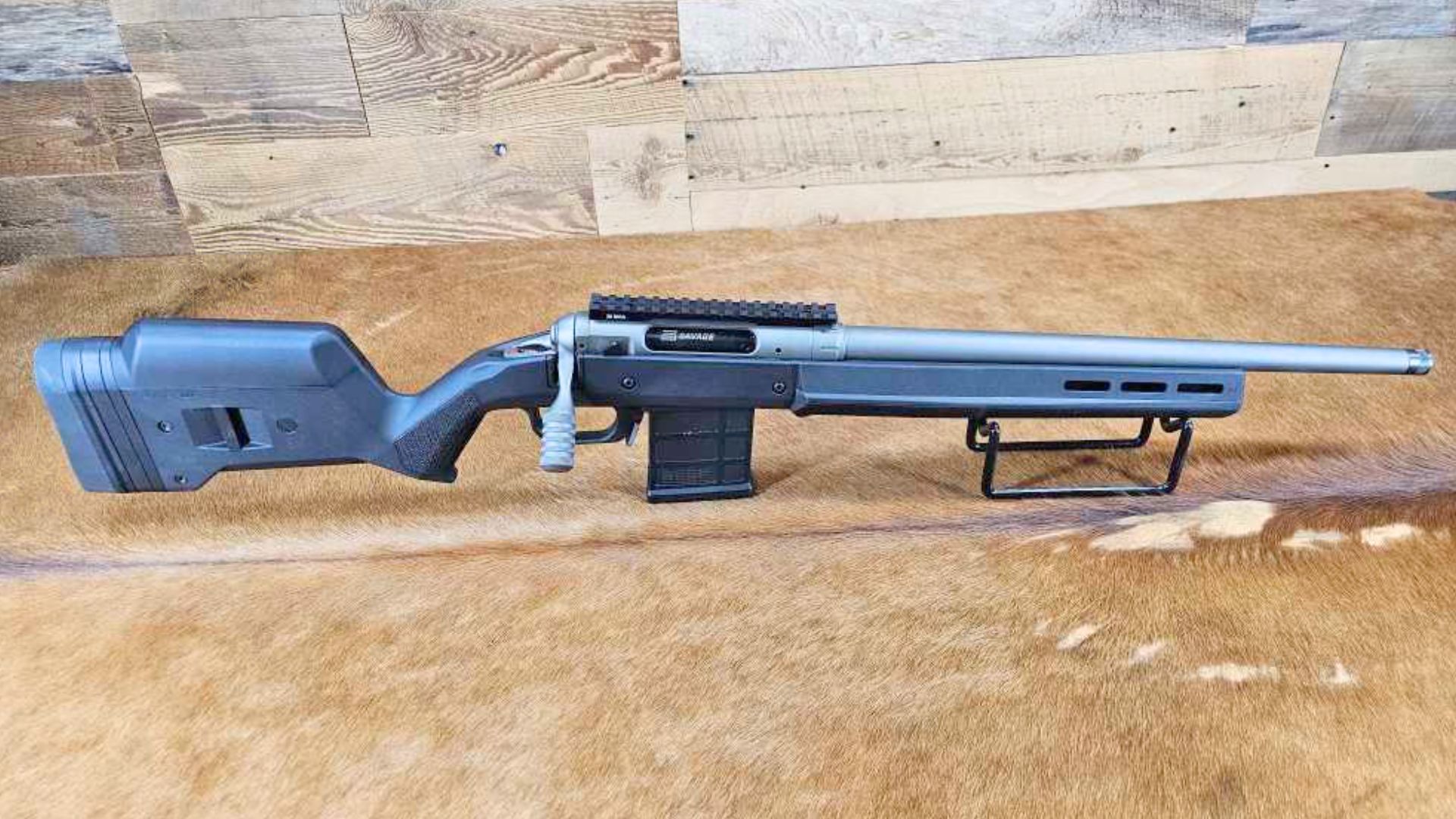
Savage rifles can look plain, and that sometimes makes people underestimate the company. But the brand has repeatedly pushed practical innovation: the Model 99 rotary magazine, the Model 110 barrel-nut system, floating bolt head, AccuTrigger, AccuStock, AccuFit, and newer precision and hunting rifle configurations.
That is the pattern. Savage is not usually innovating to look flashy. It innovates to solve practical problems: trigger quality, headspacing, stock fit, accuracy, adjustability, and affordability. That makes the brand easy to overlook until the rifle starts shooting.
15. Savage’s Real Strength Is Honest Performance

The biggest thing most shooters do not know about Savage is that the brand’s reputation was built on honest performance more than prestige. Savage does not have Winchester’s romance, Colt’s cultural weight, or Browning’s design mythology. It has something else: a long record of rifles that often shoot better than people expect.
That is why Savage keeps mattering. A Savage may not always be the prettiest rifle in the safe, but plenty of hunters and shooters have learned to trust what happens after they pull the trigger. The brand’s best work has always been practical, accurate, and a little underappreciated. For a lot of shooters, that is exactly the appeal.
Like The Avid Outdoorsman’s content? Subscribe to our newsletter so you never miss an article.
Here’s more from us: