Photo credit: Alexandr Grant/Shutterstock.com
Walk into enough classes and you start noticing a pattern: the Glock 19 shows up everywhere. Not because instructors are stuck in the past, and not because the gun has magic dust in it. It shows up because instructors live in the world of high round counts, student mistakes, gear failures, and real constraints. They’re not trying to win an internet argument. They’re trying to recommend something that works for the most people with the fewest headaches. The Glock 19 keeps landing in that lane even while newer pistols keep dropping with better triggers, better textures, optics cuts, and slick marketing.
Instructors default to what reduces class-time problems
A class is not the place to troubleshoot weird gear issues all day. Instructors see what breaks, what chokes, what causes malfunctions, what needs special mags, what requires a specific holster fit, and what turns into a time sink. The Glock 19 isn’t perfect, but it’s predictable. It tends to run across different ammo types, different maintenance habits, and different shooter skill levels. When something does go wrong, it’s usually easy to diagnose, and parts and mags are everywhere. That predictability matters more in a teaching environment than a slightly better trigger or a new feature that looks cool in a review.
It’s a “middle size” that fits more bodies and more use cases
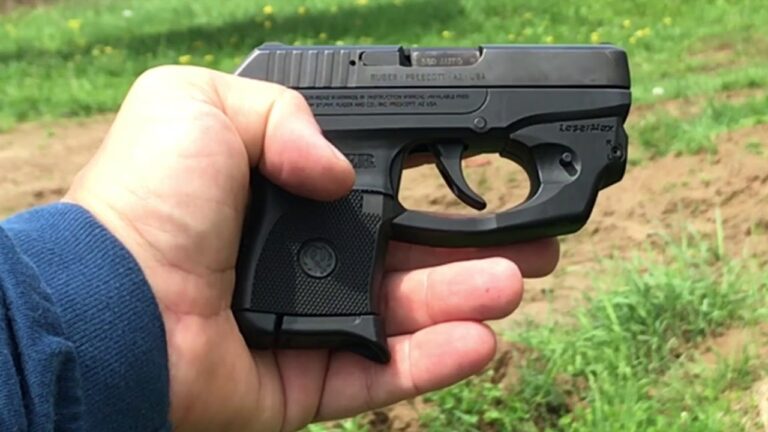
Instructors teach a mix of people: different hand sizes, different body types, different carry methods, different experience levels. A full-size pistol can be easier to shoot for some, but it’s harder to conceal and more annoying to carry for a lot of students. A micro-compact disappears on the belt, but it can be snappy, more sensitive to grip errors, and harder to run fast with consistency. The Glock 19 sits between those extremes. It’s small enough to carry for most folks without becoming a tiny gun that punishes mistakes, and it’s big enough to shoot well in a class environment where you’re doing repetitive drills, reloads, and strings that expose weak grip and sloppy technique.
The holster and support ecosystem is basically unmatched
When instructors tell students “bring what you carry,” they also know what happens when someone shows up with a gun nobody makes a proper holster for. Or the student has a soft nylon holster that collapses. Or the gun doesn’t fit common pouches. Or the light choices are limited. Glock 19 support is so broad that it removes friction. Good holsters are easy to find. Mag pouches are easy. Spare mags are easy. Replacement parts are easy. If a student needs to borrow gear or swap something in the parking lot, it’s more likely to work. That matters more than people think, because training weekends expose gear weaknesses fast.
It’s reliable enough that it doesn’t steal attention from learning
A pistol that’s “almost reliable” is the worst training gun. It causes stoppages that aren’t educational—they’re just annoying and confusing, and they wreck a student’s confidence. The Glock 19’s reputation isn’t based on being fancy. It’s based on “it runs.” Not every single one, not in every configuration, but as a platform it’s boring and consistent when left mostly stock. Instructors like boring. Boring means you spend time on fundamentals instead of diagnosing intermittent failures and wondering if the student is limp-wristing or the gun is out of spec or the magazine is junk.
It forces fewer compromises than the alternatives most students are considering
When students ask instructors what to buy, they’re often picking between extremes: a big duty gun they won’t carry consistently, or a tiny pistol they can conceal but struggle to shoot under speed. Instructors aren’t trying to build someone’s dream collection. They’re trying to get the student to a workable solution that doesn’t sabotage them. The Glock 19 is the “good enough at everything” pick that avoids huge downside risk. It won’t be the best at every single thing, but it also won’t cause the most common regrets: “I hate carrying it” or “I can’t shoot it worth a darn” or “I can’t find gear.”
It’s a common baseline for diagnosing shooter issues
There’s another reason instructors keep a soft spot for the Glock 19: it’s a familiar baseline. When a student is shooting low-left, struggling with follow-up shots, or having feeding issues, the instructor can work from a known platform. They know the trigger feel, the reset, the recoil impulse, and what “normal” looks like. That speeds up coaching, because you’re not guessing how a brand-new pistol’s trigger and geometry are affecting the student. Familiarity isn’t bias—it’s efficiency. When you’ve seen thousands of reps on a platform, you can troubleshoot faster and coach better.
The Glock 19 is easy to keep “stock and sane”
The more complex a platform gets, the more people feel tempted to change everything. New triggers, springs, comps, weird mag extensions, questionable aftermarket parts—students show up with all of it. The Glock 19 has a strong culture of “leave it mostly alone and it’ll run,” and that culture is built on a lot of experience. Many instructors would rather a student show up with a boring, mostly stock Glock 19 than a “newer, nicer” gun that’s been modified into a finicky science project. It’s not that the Glock is sacred. It’s that stability matters, and the 19 tends to stay stable when people don’t get cute.
Newer guns can be great, but they create more variation in student setups
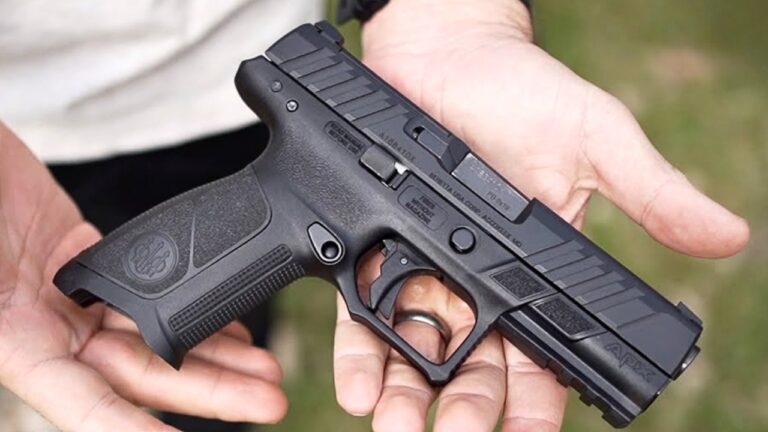
A newer pistol might have better ergonomics, a cleaner trigger, and modern features. The issue is variation: different versions, different aftermarket parts, different magazine availability, different holster fit, different reliability quirks. Instructors see patterns over time. They know what tends to work across a wide sample size and what tends to create problems. Glock 19 has enough time in the wild that it’s a known quantity. Some new guns are absolutely solid, but instructors won’t default to them until they’ve seen them survive years of classes, dirty range conditions, and student-level maintenance across large numbers.
It’s not about “the newest.” It’s about the least regret
Most instructors are trying to prevent predictable regret. They’ve watched people buy a full-size gun they stop carrying. They’ve watched people buy a micro-compact they hate shooting. They’ve watched people buy a trendy pistol and then struggle to find good holsters, mags, or support. The Glock 19 isn’t the newest thing because it doesn’t need to be. It’s a low-regret recommendation that gets people into training and keeps them progressing without the gun itself becoming the limiting factor.
Like The Avid Outdoorsman’s content? Subscribe to our newsletter so you never miss an article.
Here’s more from us: