Photo credit: The Avid Outdoorsman
Some guns have loyal fan bases that will defend them through almost anything. A failure becomes “bad ammo.” A rough trigger becomes “you just need to train.” A heavy frame becomes “built like a tank.” A picky magazine becomes “operator error.” And sometimes, that loyalty is earned. Plenty of guns have quirks that are worth working around.
But some firearms ask owners to make excuses for too long. Maybe the design was overhyped. Maybe quality control was inconsistent. Maybe the gun looks better on paper than it feels in real use. These are the guns people often defend hard at first, then eventually admit the problems are real.
Kimber 1911s
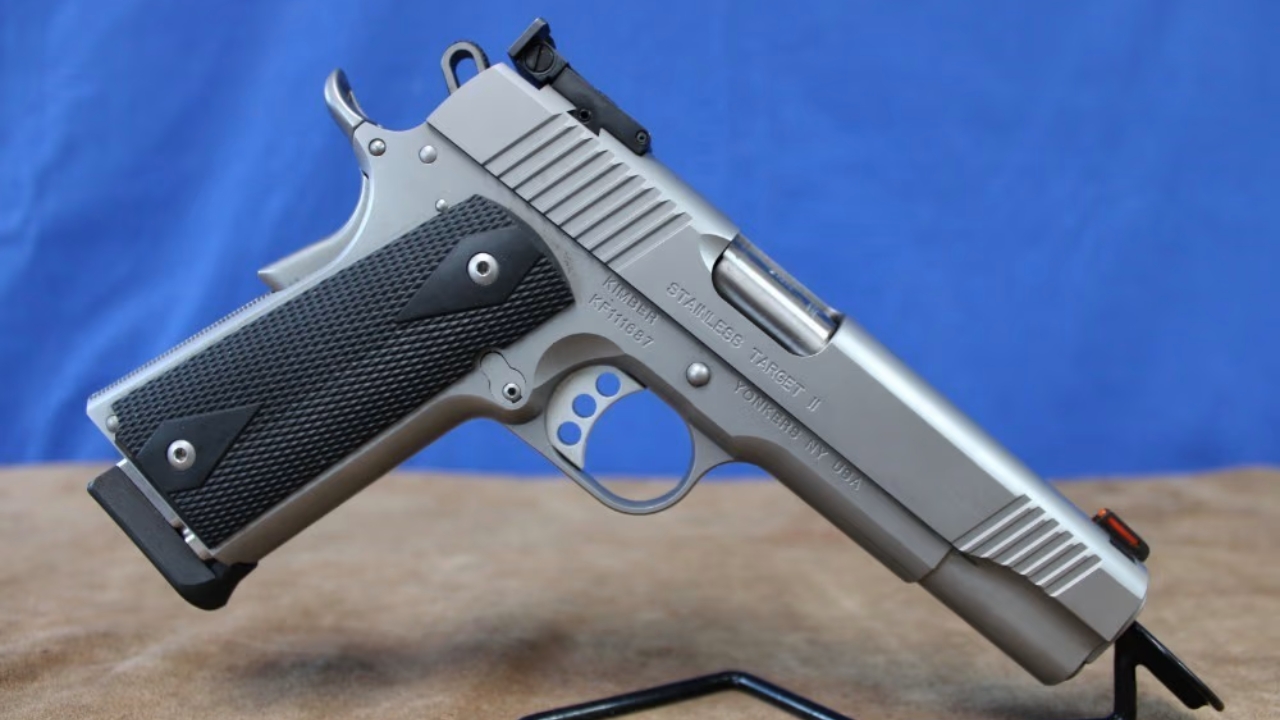
Kimber 1911s have a way of pulling buyers in fast. They look sharp, the spec sheets sound good, and the brand has spent years being treated like a step above basic production 1911s. Plenty of owners love theirs, and a good Kimber can absolutely shoot well. That is part of why people defend them so hard. Nobody wants to admit a nice-looking 1911 with a serious price tag is giving them headaches.
The complaints usually start with reliability expectations. Some owners deal with break-in excuses, magazine sensitivity, extractor tuning, or feeding issues that make the gun feel less confidence-inspiring than it should. A 1911 already requires more attention than many modern pistols, but when a buyer pays Kimber money, they expect fewer excuses. Eventually, some owners admit the gun looks and feels better than it runs.
Remington 770

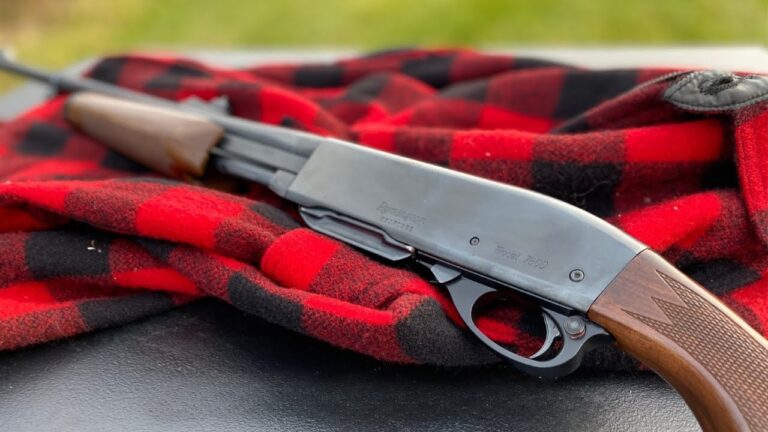
The Remington 770 was easy for buyers to defend at first because it was affordable, came from a name people recognized, and looked like a ready-to-hunt bolt-action package. For someone walking into deer season on a budget, it seemed practical. A rifle, scope, synthetic stock, and common chambering all in one box can sound like a deal when money is tight.
Over time, though, many owners had to admit the 770 felt like a shortcut. The bolt was often rough, the stock felt cheap, and the overall build did not inspire much pride. Some rifles shot well enough to kill deer at normal ranges, but “good enough once sighted in” is not the same as trustworthy. A lot of people defended it as a budget tool until they handled better rifles and realized how much they were putting up with.
Taurus Judge

The Taurus Judge has one of those ideas that sounds unbeatable to a lot of people at first. A revolver that can fire .45 Colt and .410 shells feels like a perfect close-range problem solver. It looks intimidating, it is easy to understand, and it gives owners a lot of talking points. That alone made plenty of people defend it hard.
The problems show up when people get past the novelty. The .410 loads from a short revolver barrel do not perform like they do from a shotgun, patterns can spread fast, recoil can be unpleasant, and the gun is bulky for what it actually delivers. With .45 Colt, it can still be useful, but then the owner has to ask why they are carrying such a large revolver for that job. Many people love the concept until the real-world tradeoffs become hard to ignore.
SIG Sauer P320

The SIG Sauer P320 has a huge following, and there are good reasons for that. It is modular, widely supported, issued by major agencies, and available in a pile of configurations. A lot of owners shoot them well and trust them completely. That kind of success makes criticism easy to brush off, especially when people see it as internet noise.
Still, the P320 has also carried controversy that some owners eventually have to acknowledge. Drop-safety concerns from earlier years, ongoing public debate around uncommanded discharge claims, and the complexity of agency reports have kept the pistol under a cloud for some shooters. That does not mean every P320 is unsafe or unreliable. It means the platform has enough baggage that even loyal owners sometimes admit they understand why others hesitate.
KelTec Sub 2000
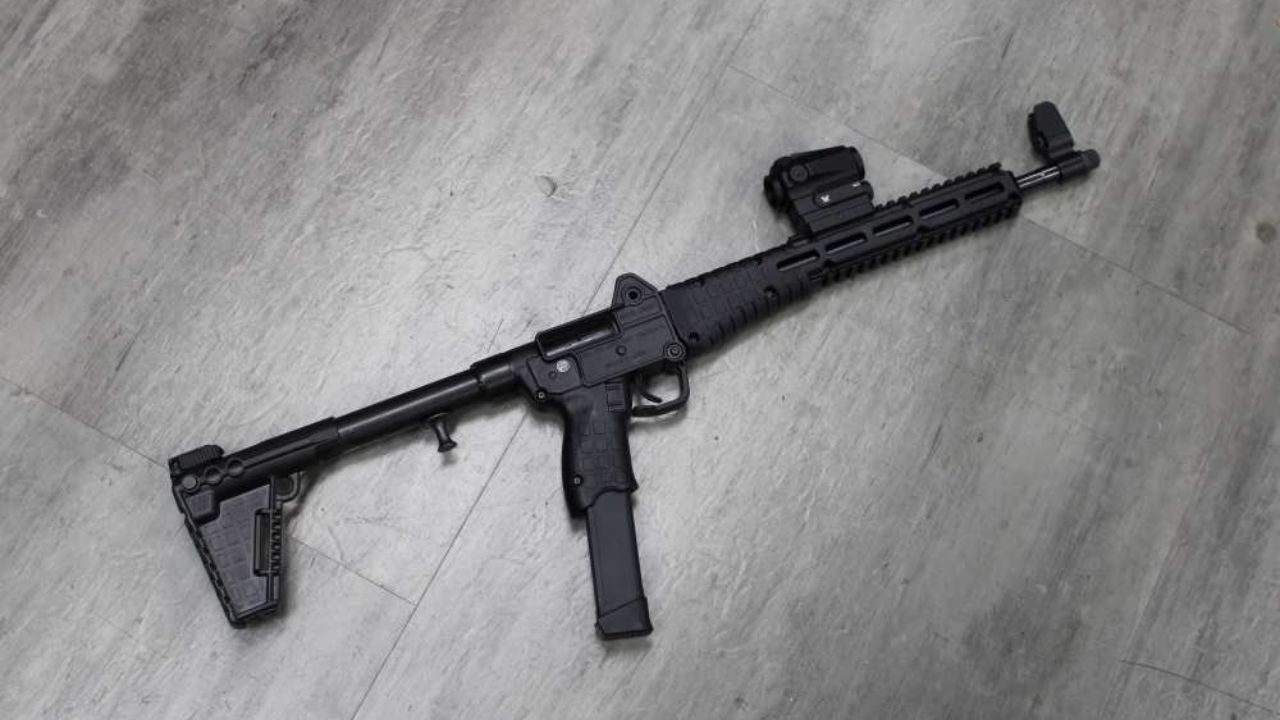
The KelTec Sub 2000 is easy to defend because the idea is genuinely useful. A folding pistol-caliber carbine that takes common handgun magazines sounds like the perfect truck, backpack, or camp gun. It is light, compact, and clever in a way that makes people want to like it before they ever shoot it.
Then the comfort complaints start. The cheek weld can be rough, the sights are not everyone’s favorite, the charging handle can feel awkward, and the recoil impulse is sharper than some expect for a pistol-caliber carbine. Some owners customize theirs heavily just to make them more pleasant. That is usually when the truth becomes obvious. The Sub 2000 is a smart concept, but plenty of people end up admitting the execution takes patience.
Springfield XD

The Springfield XD line has plenty of loyal owners, especially among people who bought them when they were a major alternative to Glock. The grip angle felt familiar to some shooters, the grip safety gave others comfort, and the guns often came with aggressive marketing that made them feel like serious fighting pistols. For a lot of buyers, the XD was their first “real” polymer handgun.
Years later, some owners admit the platform has not aged as well as they expected. The bore axis feels higher than some competitors, the trigger is not always loved, and the grip safety is either a selling point or something people tolerate. Add in a crowded market full of strong striker-fired options, and the XD starts feeling less special. It may still run fine, but many defenders eventually admit there are better-feeling choices now.
Remington R51
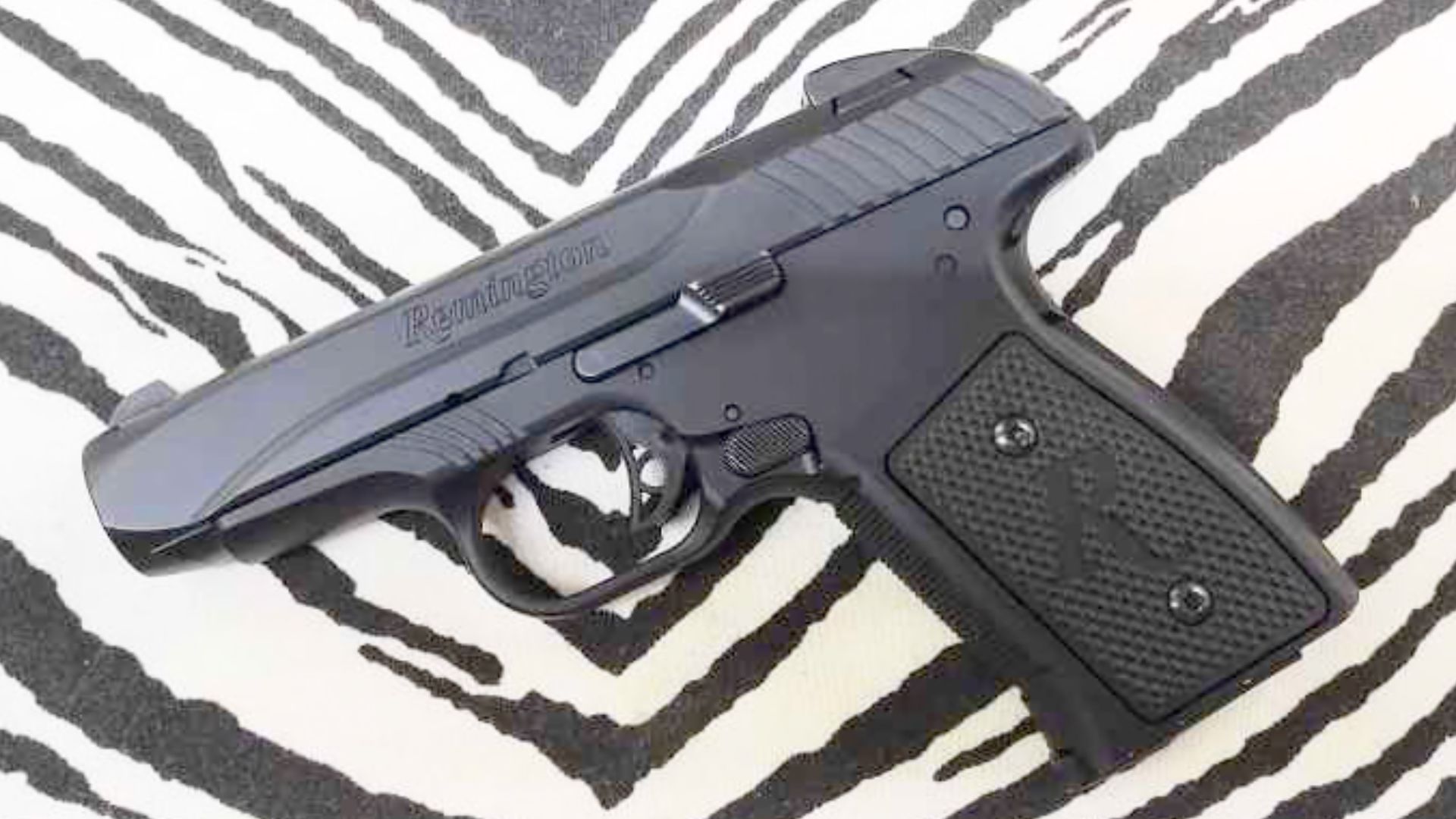
The Remington R51 had people excited before the problems became impossible to ignore. It looked different, carried the Remington name, and promised a compact 9mm with a unique operating system and less felt recoil. On paper, it sounded like a serious concealed-carry pistol with some old design DNA and modern updates.
The reality was rough. Early guns developed a reputation for reliability issues, poor fit, awkward handling, and a general lack of refinement. Remington tried to address the problems, but the damage to trust was already done for many buyers. Some owners defended it because they liked the concept, but eventually the conversation became less about potential and more about execution. The R51 is one of those guns where the idea was easier to like than the pistol itself.
Century Arms C39V2
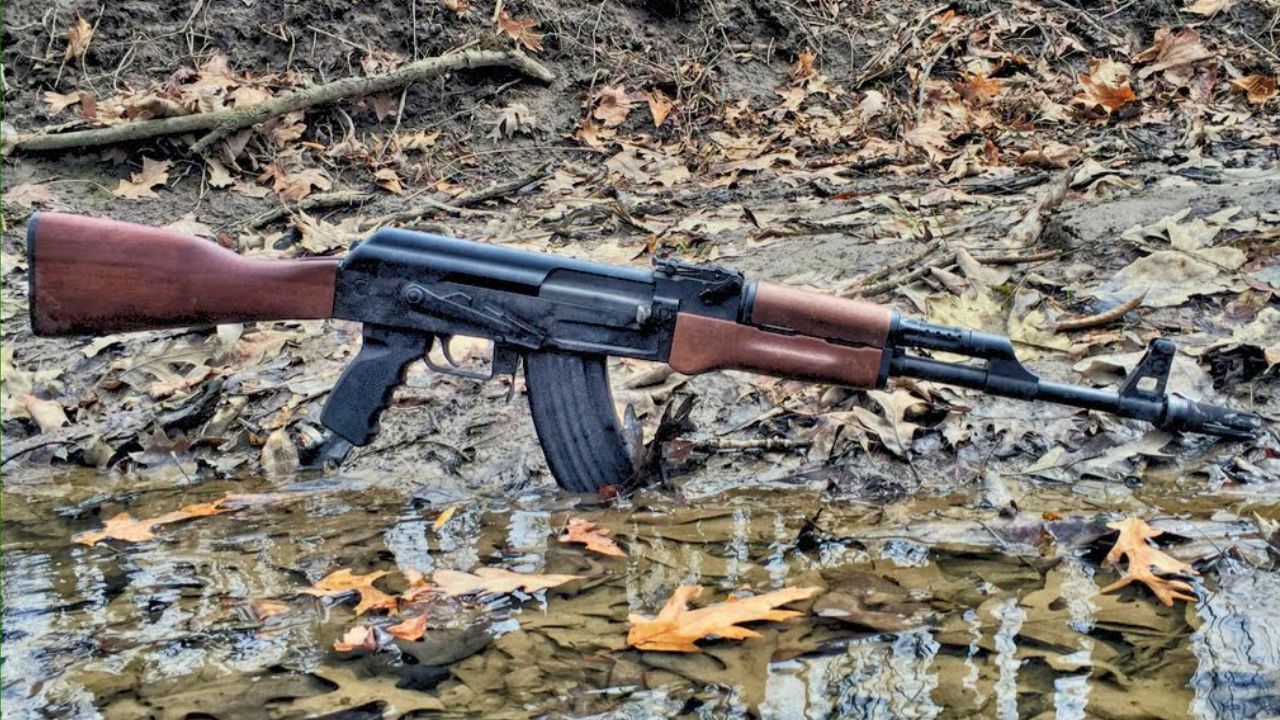
The Century Arms C39V2 looked appealing to buyers who wanted an American-made AK-pattern rifle without paying premium import prices. It had the right profile, the right attitude, and the kind of rugged look people associate with AKs. Since AKs have a reputation for being tough, a lot of owners wanted to believe the C39V2 would follow that same path.
The problems came from long-term durability concerns and reports of excessive wear in important areas. When an AK-pattern rifle starts raising questions about bolt, trunnion, or receiver life, trust disappears fast. Some owners defended their individual rifles because they had not personally seen issues yet, but enough concern built around the model that it became hard to ignore. A rifle can look like an AK and still fail to earn AK-level confidence.
SCCY CPX Series

The SCCY CPX pistols have always been easy to defend on price. They offer an affordable compact handgun in common defensive calibers, and for buyers on a tight budget, that matters. Not everyone can spend premium money on a carry pistol, and SCCY filled a real lane for people who wanted something simple and inexpensive.
But the long trigger pull, chunky feel, stiff controls, and mixed reliability reports have made many owners rethink the bargain. Some examples work fine, but others leave shooters frustrated at the range. The problem with a defensive pistol is that “mine has been okay so far” does not always feel like enough. Plenty of people defend the CPX as a budget option until they shoot something better and realize what confidence feels like.
Hi-Point Pistols
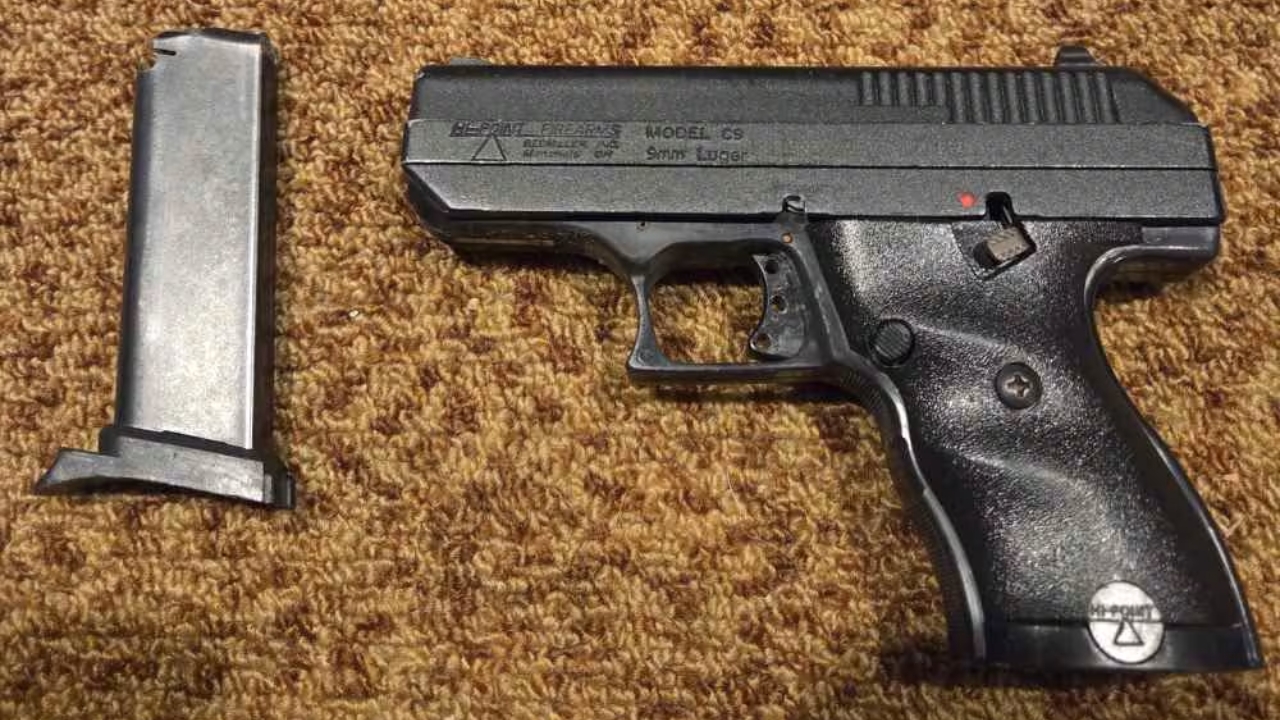
Hi-Point pistols may be the most defended budget guns in America. Owners will point out that they are cheap, simple, and often more reliable than critics expect. They are not wrong about all of that. A Hi-Point can run, and the company’s warranty has earned real praise. For someone who needs a firearm at the lowest possible price, the appeal is easy to understand.
The problems are also hard to dodge. They are bulky, heavy for their capacity, awkwardly balanced, and unpleasant compared with more refined pistols. The triggers are not great, the sights and controls feel budget, and concealment is not their strong suit. Many owners defend them as “ugly but reliable,” then eventually admit reliability alone does not make a handgun enjoyable or ideal.
Taurus PT111 Millennium

The Taurus PT111 Millennium had a long run as an affordable compact pistol that appealed to buyers who wanted capacity without spending much. It was easy to defend because it gave people a carry-size handgun at a price that felt reachable. For many owners, that mattered more than brand reputation or fine details.
Over time, though, Taurus’s older quality-control reputation and the Millennium line’s baggage became harder to ignore. Trigger feel, reliability variation, durability questions, and past safety-related concerns around some Taurus pistols all made trust complicated. Some owners had pistols that worked fine for years. Others had enough issues to move on quickly. That split experience is exactly why people defend them until they finally admit the platform asks for more trust than it always earns.
Remington 597

The Remington 597 was supposed to compete in the semi-auto .22 rifle space, and some owners still like theirs. It had a decent shape, a familiar brand name, and the appeal of being something other than the usual rimfire choices. For shooters who got a good one, it could be accurate and pleasant enough to keep around.
The problem was that the 597 never built the same confidence as stronger rivals. Magazine issues hurt its reputation badly, and reliability complaints followed the rifle for years. A semi-auto .22 lives or dies by feeding, and once owners start blaming magazines every range trip, patience runs thin. Many people defended the rifle because they liked how it shot when it worked. Eventually, though, “when it works” became the problem.
Diamondback DB380

The Diamondback DB380 attracted buyers because it was small, light, and easy to carry. On paper, it looked like a practical pocket pistol for people who wanted something slimmer than a snub-nose and cheaper than some premium .380s. When a gun disappears easily into a pocket or small holster, owners will forgive a lot.
But tiny pistols are already difficult to shoot well, and the DB380 has had a mixed reputation for reliability and comfort. Early examples especially drew complaints, and even owners who had functioning guns often admitted it was not pleasant at the range. A defensive pistol this small has to earn confidence fast. When it feels snappy, picky, or fragile, owners eventually stop defending the size advantage as enough.
Winchester SXP
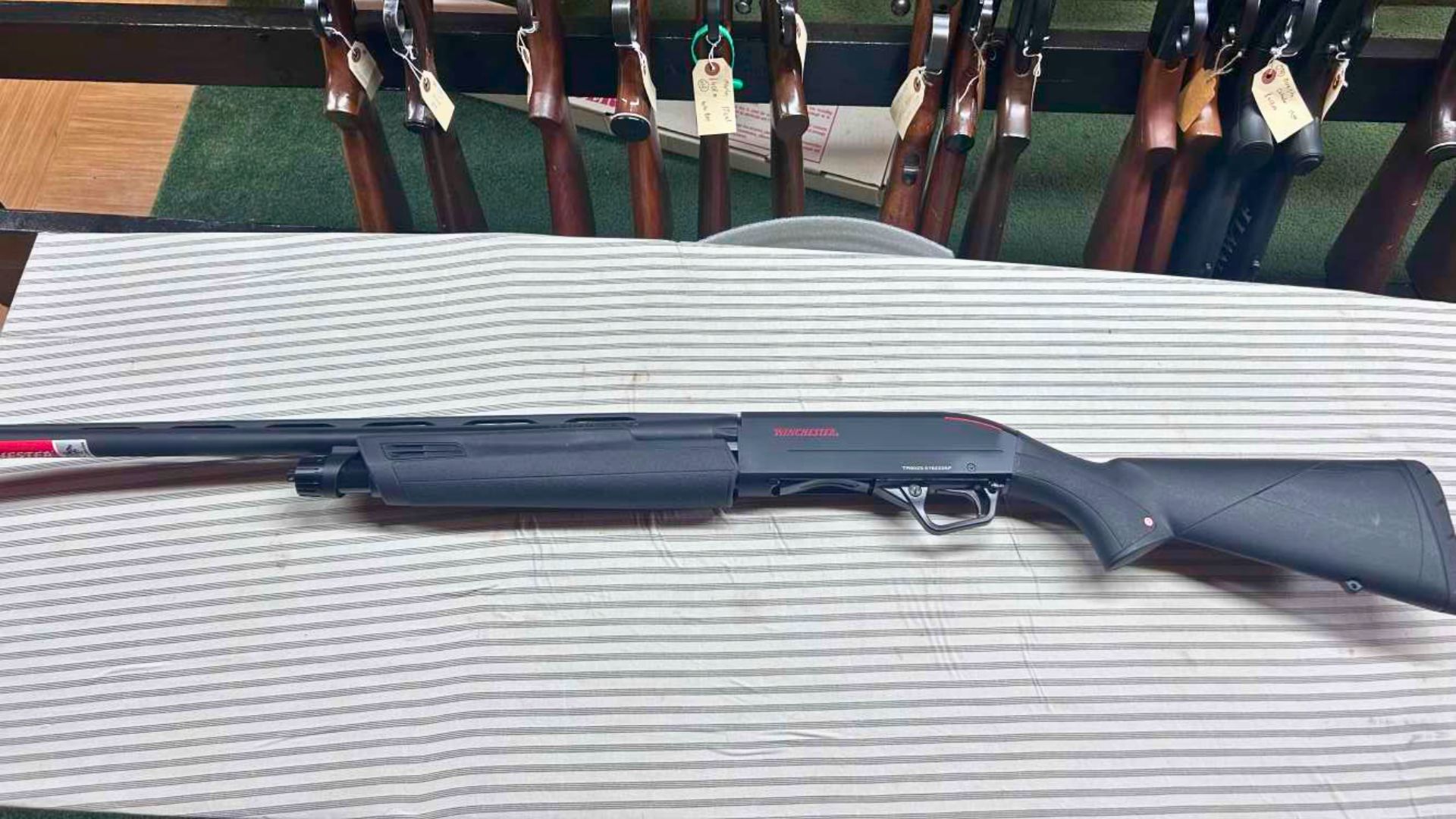
The Winchester SXP is often defended because it is affordable, slick-feeling, and backed by a historic name. The fast pump stroke is a real selling point, and for hunters or homeowners wanting a budget shotgun, it can seem like a smart buy. It looks modern enough, handles quickly, and does not cost what some higher-end pump guns do.
The issue is that some owners never fully trust it the way they trust older pump designs. Concerns about Turkish production, fit and finish, parts feel, and long-term durability come up often in shotgun circles. Plenty of SXPs run fine, but the confidence gap is real. A shotgun can feel fast at the store and still leave owners wondering how it will feel after years of hard use.
Colt All American 2000
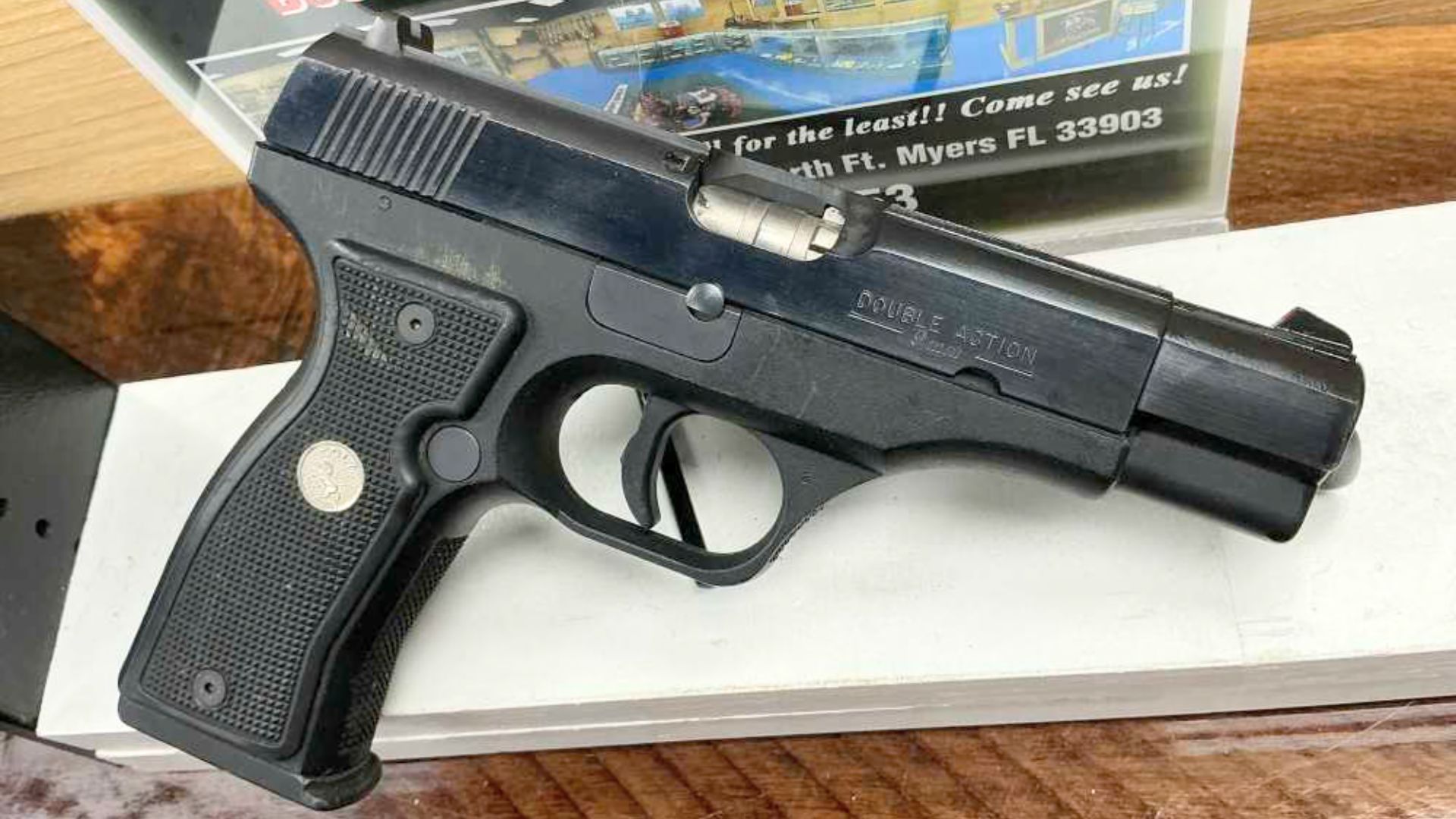
The Colt All American 2000 had the kind of name that should have helped it. Colt was trying to enter the modern polymer-framed, high-capacity 9mm market, and on paper that sounded like a smart move. Some buyers wanted to believe Colt could bring its history into a new era and compete with the pistols changing the handgun world.
Instead, the All American 2000 became a cautionary tale. The trigger was widely criticized, reliability was not where it needed to be, and the pistol never earned the trust Colt needed it to earn. It looked like a company trying to catch up instead of lead. Some defenders appreciated the attempt, but eventually even many Colt fans had to admit the gun missed the mark. A famous name could not save it.
Like The Avid Outdoorsman’s content? Subscribe to our newsletter so you never miss an article.
Here’s more from us: