

Photo credit: GunBroker
The Ruger Vaquero is one of those revolvers a lot of shooters recognize right away, even if they have never owned one. It has that old single-action look, those classic lines, and the kind of profile that makes people think of the Old West whether that is historically precise or not. Because of that, a lot of people assume they already understand the gun before they ever dig into the details. They see “cowboy revolver,” and that is about where the thought process stops.
That sells the Vaquero short. The revolver has a bigger story than most casual shooters realize, and a lot of what makes it interesting has to do with the way Ruger blended old-school style with modern manufacturing, strength, and safety thinking. It is a gun with one foot in tradition and the other in practical modern use, which is a big part of why it built such a loyal following. Here are 15 things most shooters don’t know about the Ruger Vaquero.
It was never meant to be a true historical copy
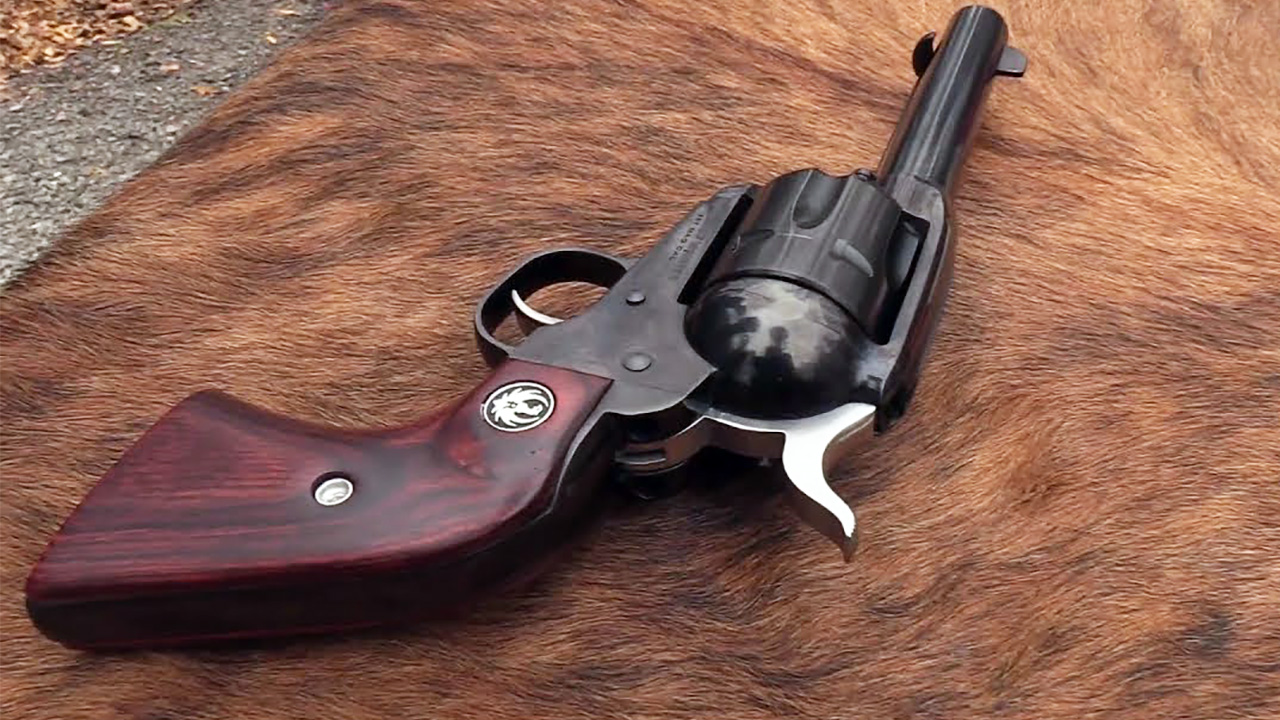
A lot of people look at the Vaquero and assume Ruger was trying to make a dead-on clone of a Colt Single Action Army. That really was not the point. The Vaquero was built to capture the feel and visual appeal of the classic single-action revolver, but Ruger approached it as a modern gunmaker, not a museum reproduction shop. The company wanted something that looked traditional while still using its own manufacturing methods, internal systems, and practical design priorities.
That difference matters because it explains why the Vaquero feels familiar but not identical to old Colts or close replicas. It was built for shooters who wanted the cowboy style without giving up the practical advantages of a newer revolver. Once you understand that, the gun makes more sense. It was not trying to fool collectors into thinking it came from the 1800s. It was trying to give modern shooters a rugged sixgun with old-school character.
The name “Vaquero” literally means cowboy
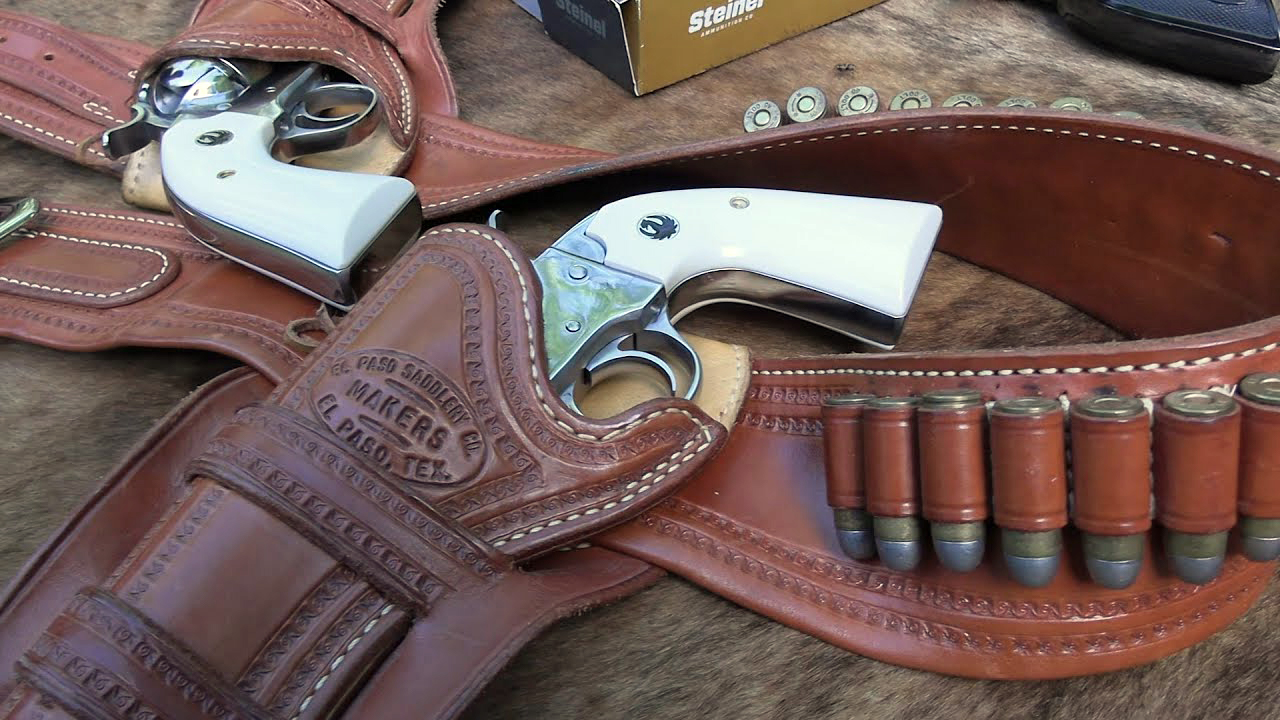
This is one of those things some people never stop to think about because the name sounds cool enough on its own. “Vaquero” is the Spanish word for cowboy, which fit the revolver perfectly from a marketing standpoint. Ruger was not subtle about what kind of image it wanted this gun to carry. The name immediately told buyers what lane the revolver was supposed to live in.
That naming choice helped the gun a lot. A plain model number would not have carried the same personality. “Vaquero” sounds like a revolver with dust, leather, and old trails built into it, even before you pick it up. That gave the gun a stronger identity right out of the gate and helped it stand apart from other single-actions that might have looked similar at first glance but never built the same kind of instant recognition.
The original Vaquero was built on Ruger’s larger frame
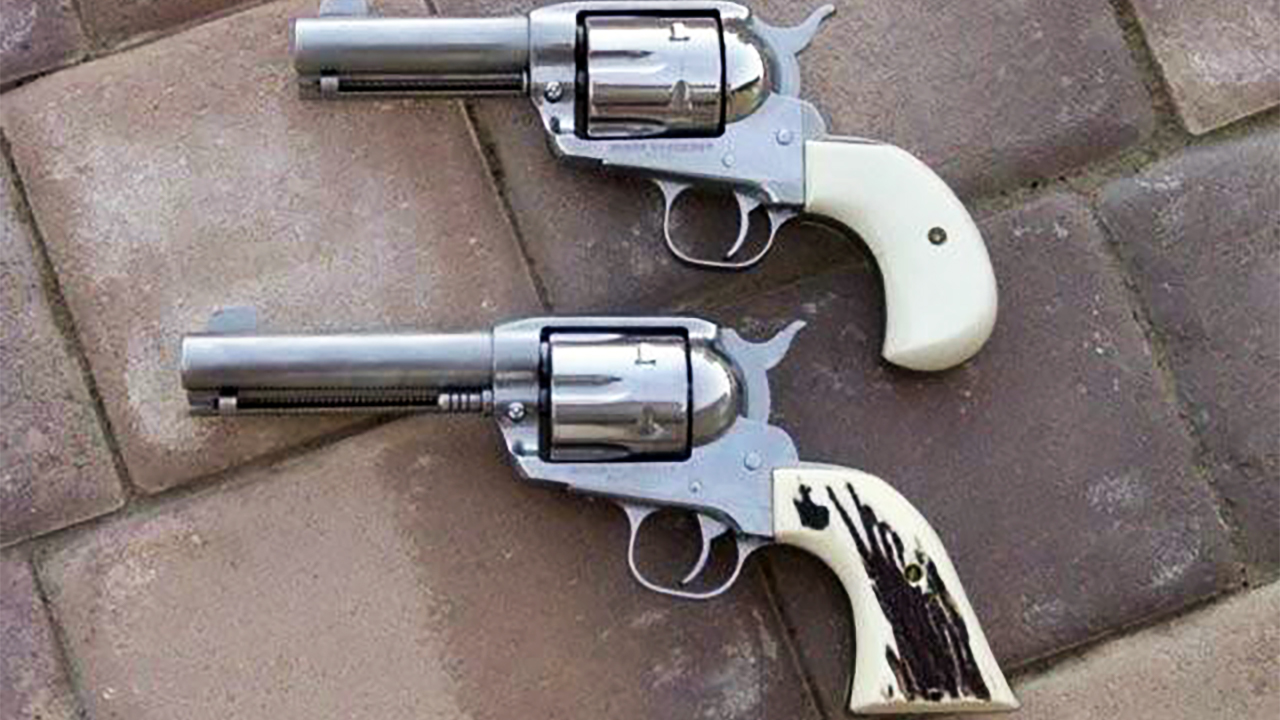
One of the biggest things many shooters miss is that the original Vaquero was built on Ruger’s larger Blackhawk-size frame, not on a frame that closely matched the dimensions of a classic Colt Single Action Army. That gave the gun more bulk and more strength than a lot of people expected from something with such traditional styling. In the hand, the original Vaquero can feel noticeably more substantial than some newer or more Colt-sized single-action revolvers.
That larger-frame setup became a huge talking point because it shaped both the gun’s feel and its reputation. Some shooters loved the added heft and strength, especially those who wanted to run heavy loads. Others wanted something trimmer and closer to the handling of an old Colt. That tension is a big part of the Vaquero story, and it eventually played a major role in why Ruger later introduced the New Vaquero.
The New Vaquero is not just a newer version of the same exact gun

A lot of people hear “New Vaquero” and assume it just means a refreshed production run of the original revolver. It is actually more significant than that. Ruger changed the frame size and brought the gun closer to the dimensions of a traditional Colt-style single action. That gave the New Vaquero a different feel, different proportions, and a different purpose in the lineup than the original large-frame Vaquero.
That distinction matters a lot because the two guns are often talked about like they are interchangeable when they are not. Shooters who want the beefier original Vaquero tend to care about that difference, and shooters who want a more traditional-feeling single-action often care just as much. Knowing which Vaquero you are dealing with changes the whole conversation, especially if somebody is talking about handling, load choice, or why they prefer one era over the other.
The original Vaquero gained a reputation for handling very stout loads
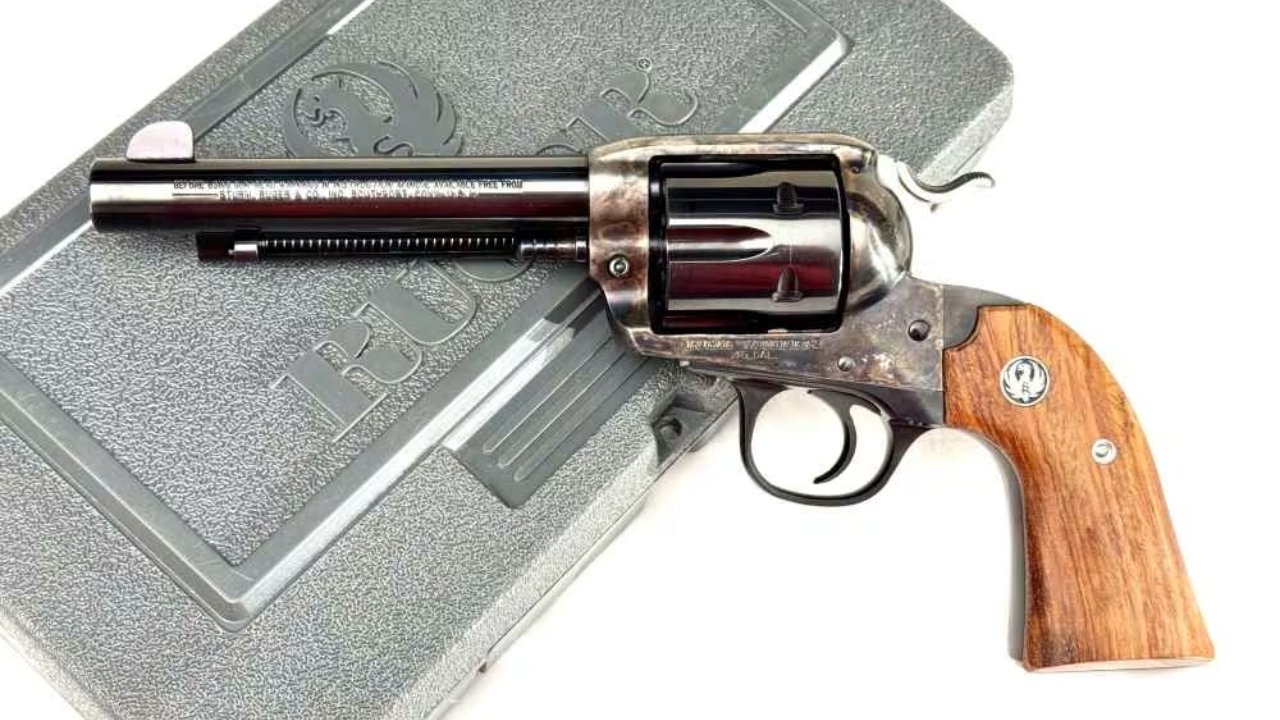
Because the original Vaquero was built on that larger Ruger frame, it developed a strong reputation among shooters who wanted a single-action revolver capable of handling heavy .45 Colt loads well beyond what many older Colt-pattern guns were comfortable with. That gave the revolver a very different kind of appeal from a pure cowboy-action piece. For some owners, it was not just about style. It was about having a hard-use revolver with old-school looks and real strength behind them.
That reputation helped set the original Vaquero apart in a big way. It let the gun live in two worlds at once. It could satisfy the shooter who liked frontier-style revolvers, but it could also appeal to the hunter, handloader, or outdoorsman who wanted a stronger platform. That is a pretty unusual lane for a gun that many casual buyers might mistake for just a stylish throwback sixgun.
Ruger’s transfer-bar system changed how the gun could be carried
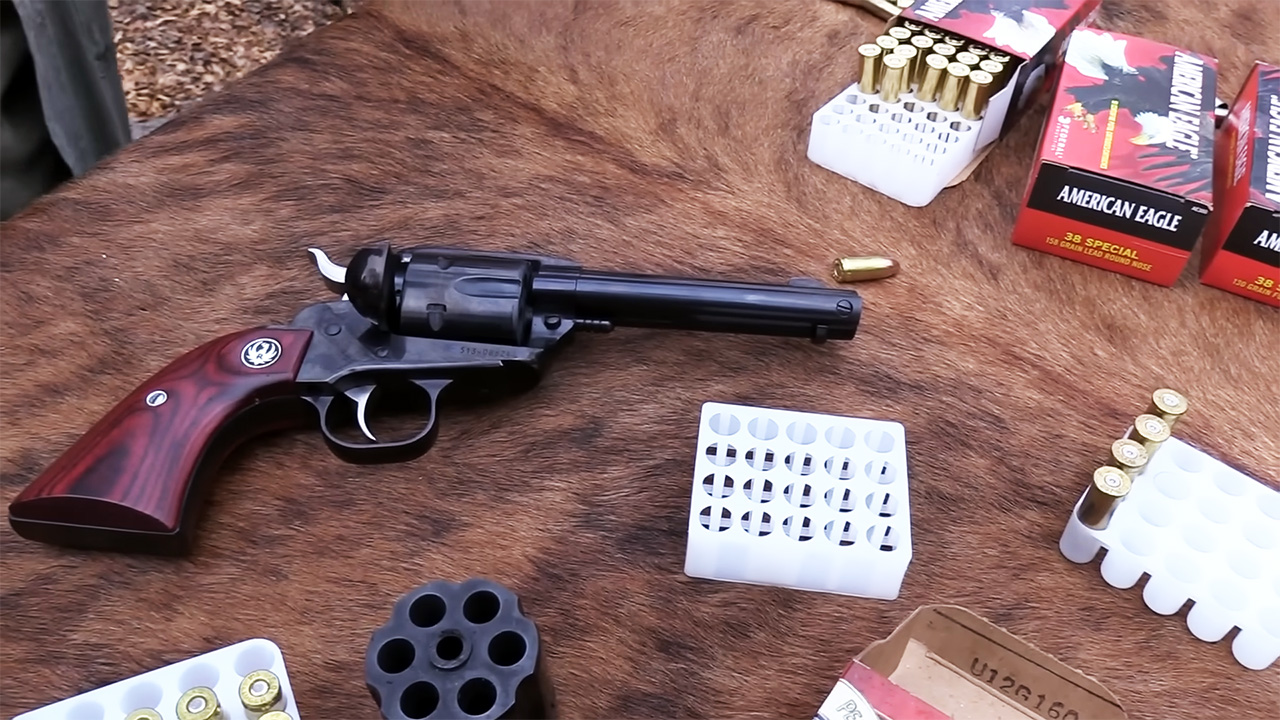
One of the most important differences between the Vaquero and old-school single-action revolvers is the transfer-bar safety system Ruger uses. That setup allows the revolver to be safely carried with all six chambers loaded, which is a major practical departure from the old “load one, skip one, load four” mindset tied to older fixed-firing-pin revolvers. For many shooters, that is one of the biggest real-world advantages of choosing a modern Ruger single action.
That feature reflects the whole Vaquero philosophy really well. Ruger wanted the look and feel of a classic revolver, but it was not interested in dragging every old limitation along for the ride. The transfer-bar system made the gun more practical for actual use and gave buyers a little more peace of mind. It is one of those details that traditionalists may not romanticize, but a lot of owners quietly appreciate.
It became a huge favorite in cowboy action shooting
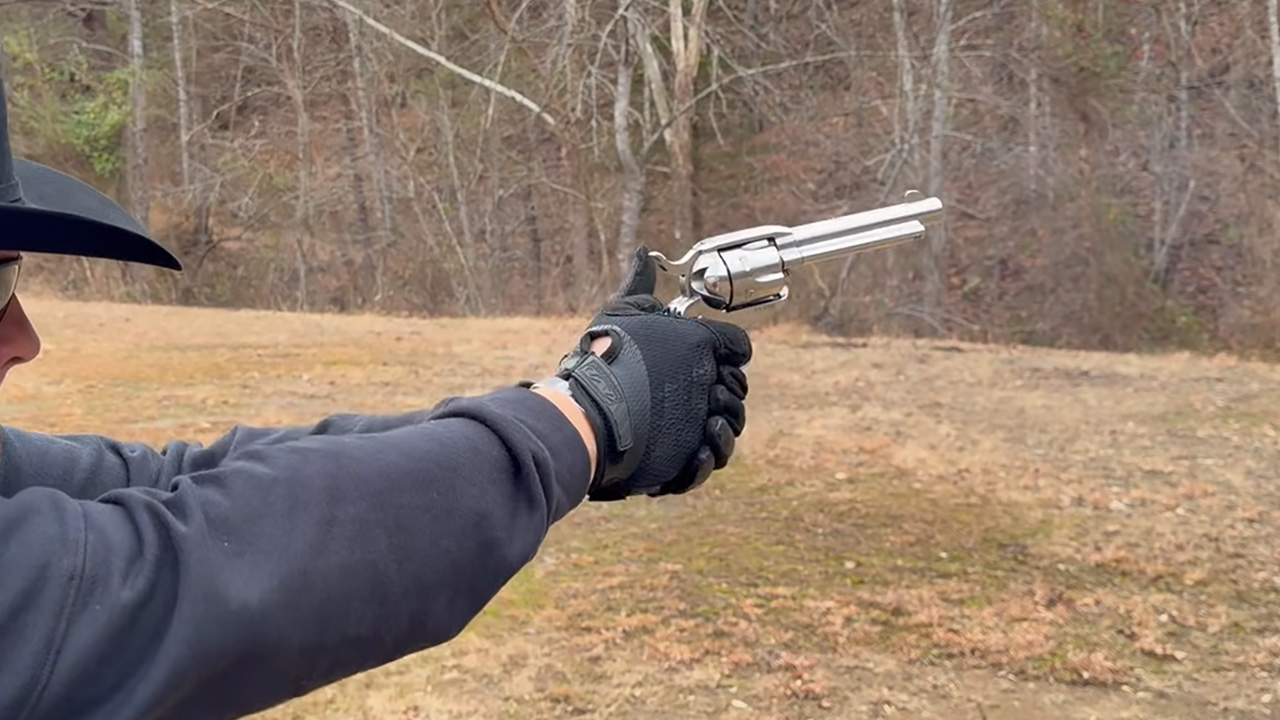
The Vaquero became one of the defining revolvers of cowboy action shooting for a reason. It had the right look, the right basic handling, strong reliability, and a reputation for holding up well under heavy use. Once the sport grew, the Vaquero quickly became one of the names people expected to see on the firing line. It was not the only option, but it became one of the biggest.
That competition popularity did a lot for the revolver’s reputation. It showed the Vaquero was more than a fun costume piece or casual plinker. Shooters were using it hard, tuning it, running it fast, and trusting it in a sport built around repetition and familiarity. When a revolver becomes that embedded in a shooting discipline, it usually means the platform offers something real beyond simple nostalgia.
The New Vaquero was shaped heavily by cowboy-action demand
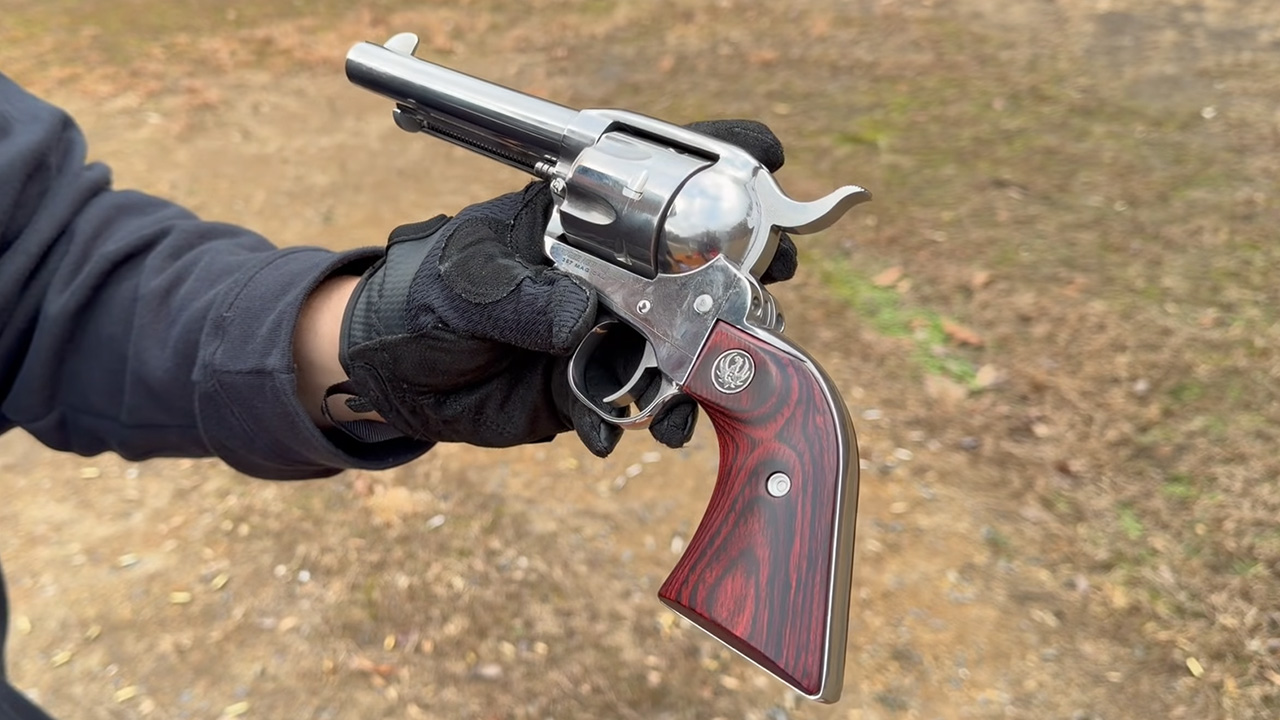
The rise of cowboy action shooting did not just help sell the Vaquero. It also influenced the evolution of the line. Many shooters in that world wanted a revolver that felt more like the classic Colt-size guns they were trying to echo, and Ruger responded by creating the New Vaquero on a smaller frame. That was not some random redesign. It was partly a response to how the gun was actually being used and what dedicated single-action shooters wanted from it.
That makes the New Vaquero more interesting than a lot of people realize. It was not simply Ruger updating the catalog. It was Ruger listening to a segment of the market that had become very important to the gun’s identity. The New Vaquero is basically proof that the sport and the platform grew up together in a lot of ways.
It looks more like an old frontier revolver than a Blackhawk on purpose
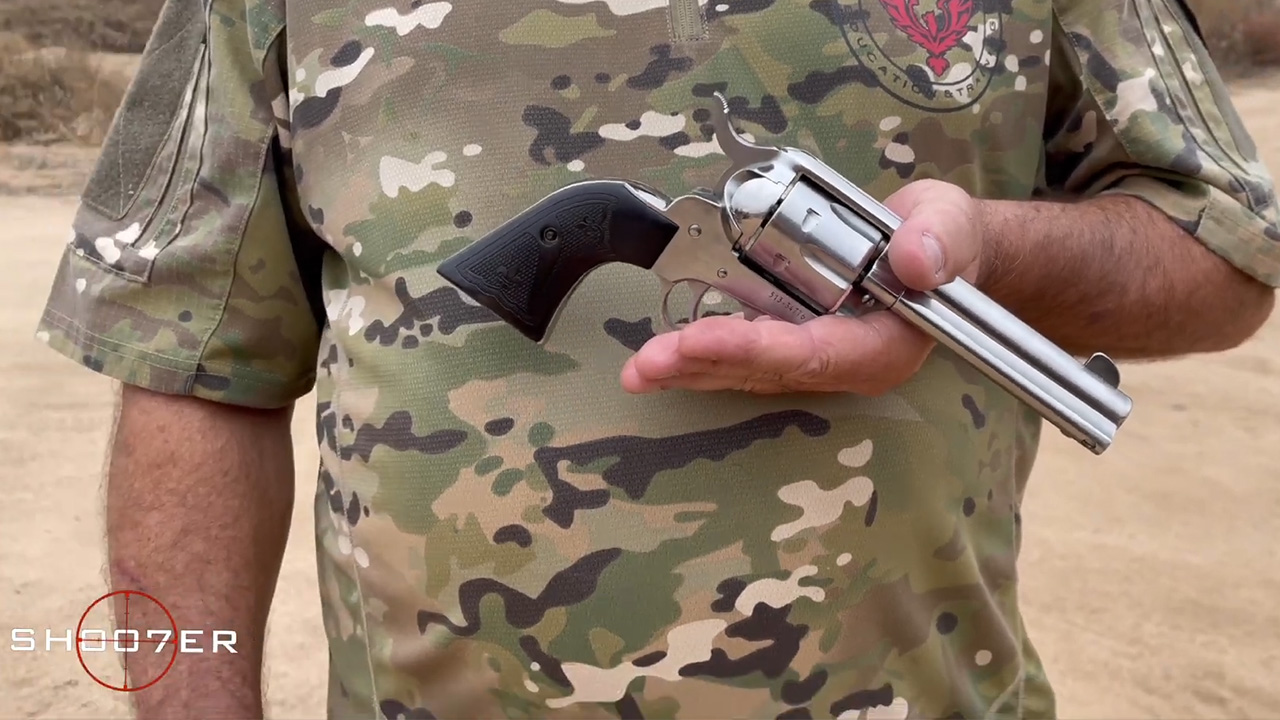
Mechanically, the Vaquero and Blackhawk share important DNA, but Ruger made sure the Vaquero looked much more traditional. The fixed sights, rounded contours, and overall cleaner profile were meant to give it the appearance of a classic single-action sixgun rather than a more obviously modern sporting revolver. That visual difference is a huge part of the gun’s appeal and part of why it connected so strongly with cowboy-action shooters and traditionalists.
That styling mattered because many buyers were not just shopping for function. They wanted atmosphere too. The Blackhawk was always more openly modern in appearance, while the Vaquero leaned harder into the old-West image. In practical terms, that meant Ruger could offer two revolvers with related bones but very different personalities. The Vaquero was the one that spoke to shooters who cared deeply about the old-school feel.
Fixed sights were part of the point, not a limitation by accident
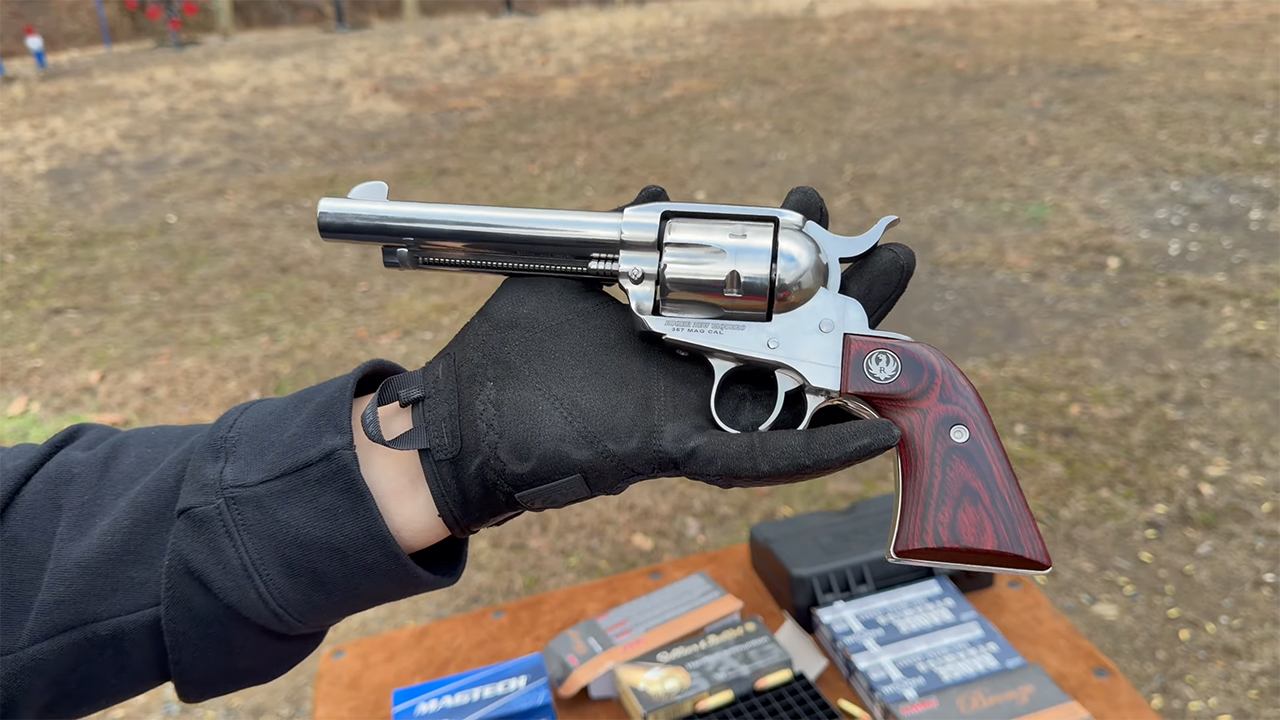
A lot of modern shooters look at fixed sights and immediately treat them as a disadvantage. On the Vaquero, fixed sights were part of the whole concept. Ruger was trying to preserve the visual simplicity and classic lines of the old single-action revolver, and adjustable sights would have changed the look and character of the gun a lot. The Vaquero was never supposed to be a target-style single-action with modern sight furniture hanging off the top.
That does not mean fixed sights are perfect for every shooter or every load. It just means the trade-off was intentional. The Vaquero prioritized style, tradition, and the kind of handling people wanted in a cowboy-style revolver. For many buyers, that was worth far more than maximum sight adjustability. It is one of those cases where the gun makes more sense once you accept that it was built to be a certain kind of revolver, not every kind.
It gave shooters a more affordable path into the single-action world
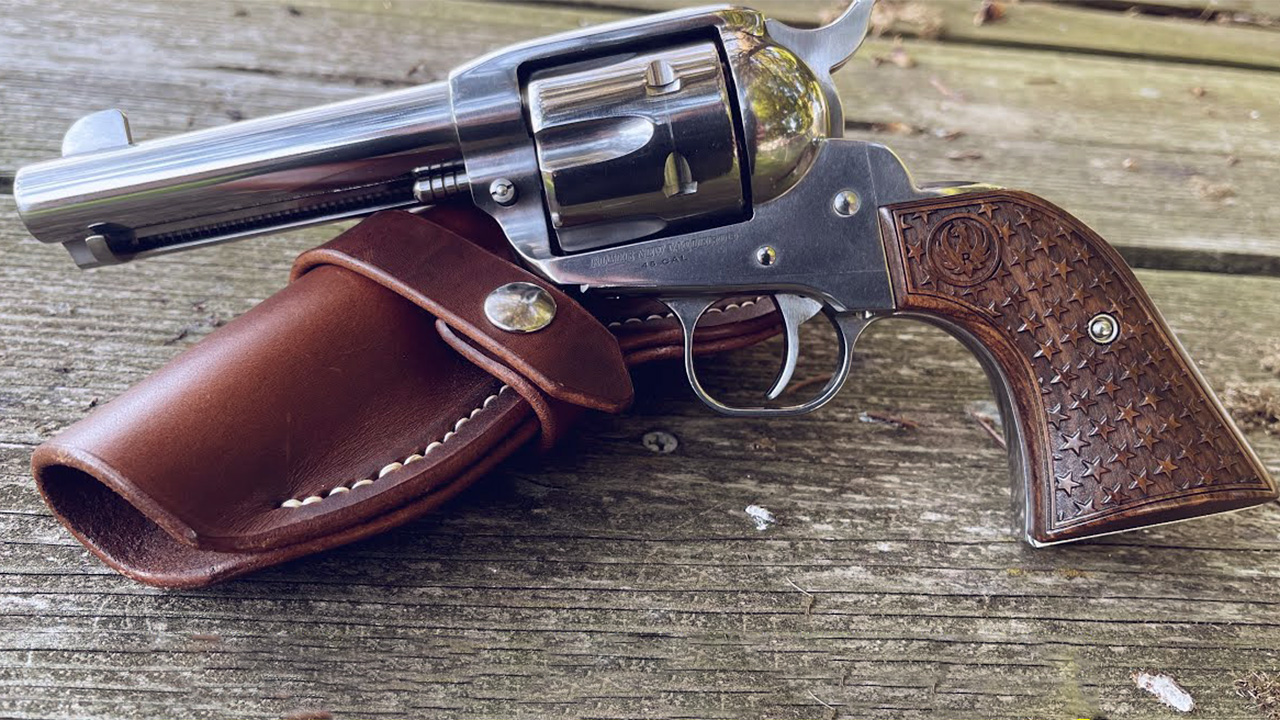
For a lot of people, the Vaquero became an accessible way to own a quality single-action revolver without chasing expensive collector Colts or high-end replicas. Ruger offered a gun with strong construction, recognizable style, and real-world durability at a price many shooters could justify more easily than some of the more historically exact alternatives. That helped broaden the single-action market beyond collectors and die-hard traditionalists.
That role matters because a lot of revolver categories survive only if new shooters can still enter them without spending a fortune. The Vaquero helped keep the single-action world alive and active by giving people a practical on-ramp. Once they bought one and started shooting it, many of them became long-term fans of the format. In that sense, the Vaquero did more than sell itself. It helped grow the audience for the whole style of revolver.
The gun is tougher than its traditional appearance suggests
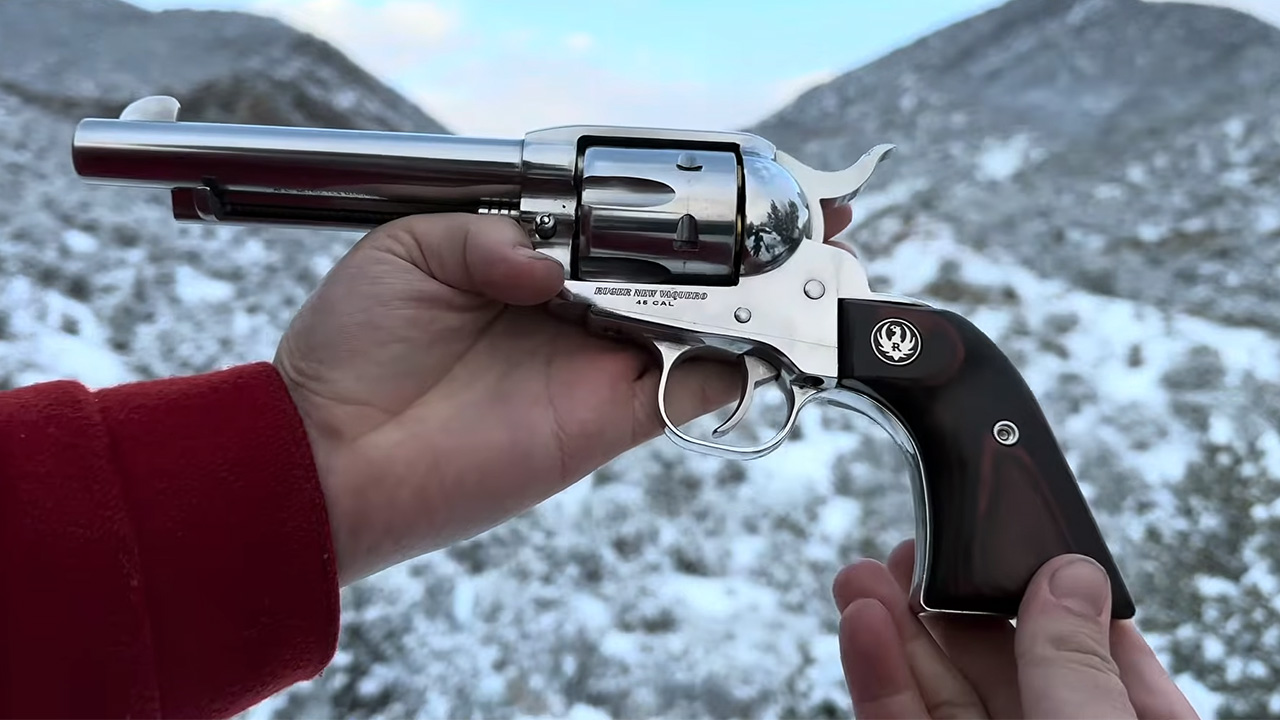
Because the Vaquero looks so tied to the past, some shooters assume it must be delicate in the same ways older revolvers could be. Ruger’s whole reputation says otherwise. The Vaquero was built with modern materials and modern production standards, and it developed the kind of rugged image Ruger revolvers often earn. It may look like a classic sixgun, but it was not built like a fragile antique.
That contrast is part of the appeal. The Vaquero lets people enjoy the old-school style without feeling like they have to baby the gun every second they use it. That made it especially attractive to shooters who liked tradition but still wanted something they could take to the range often, carry outdoors, or use hard in competition. The revolver’s look may be nostalgic, but its working personality is a lot more modern.
It became more than just a cowboy gun
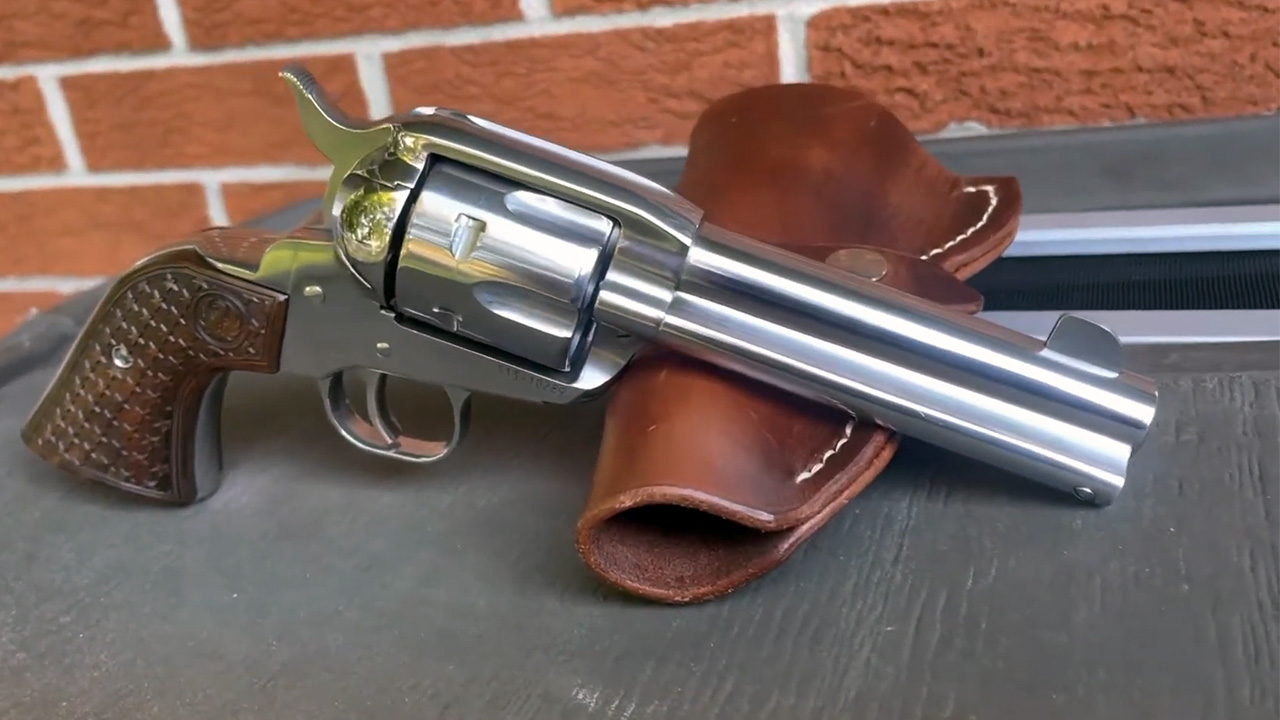
A lot of people mentally put the Vaquero in one box and leave it there. To them, it is only a cowboy-action revolver or a fun western-style range piece. In reality, the original larger-frame guns especially found fans among outdoorsmen, handloaders, and shooters who wanted a durable single-action revolver for more than staged competition. It may have been sold on image, but it gained some of its following through broader practical use.
That wider appeal is easy to miss because the gun’s styling is so dominant. But once you get past the looks, there is a real Ruger working-gun streak in the Vaquero. That helped it survive beyond novelty. It gave owners reasons to keep shooting it after the cowboy fun wore off, and that is usually what separates a lasting firearm from one that burns bright and fades.
Action tuning turned it into a real specialist’s revolver
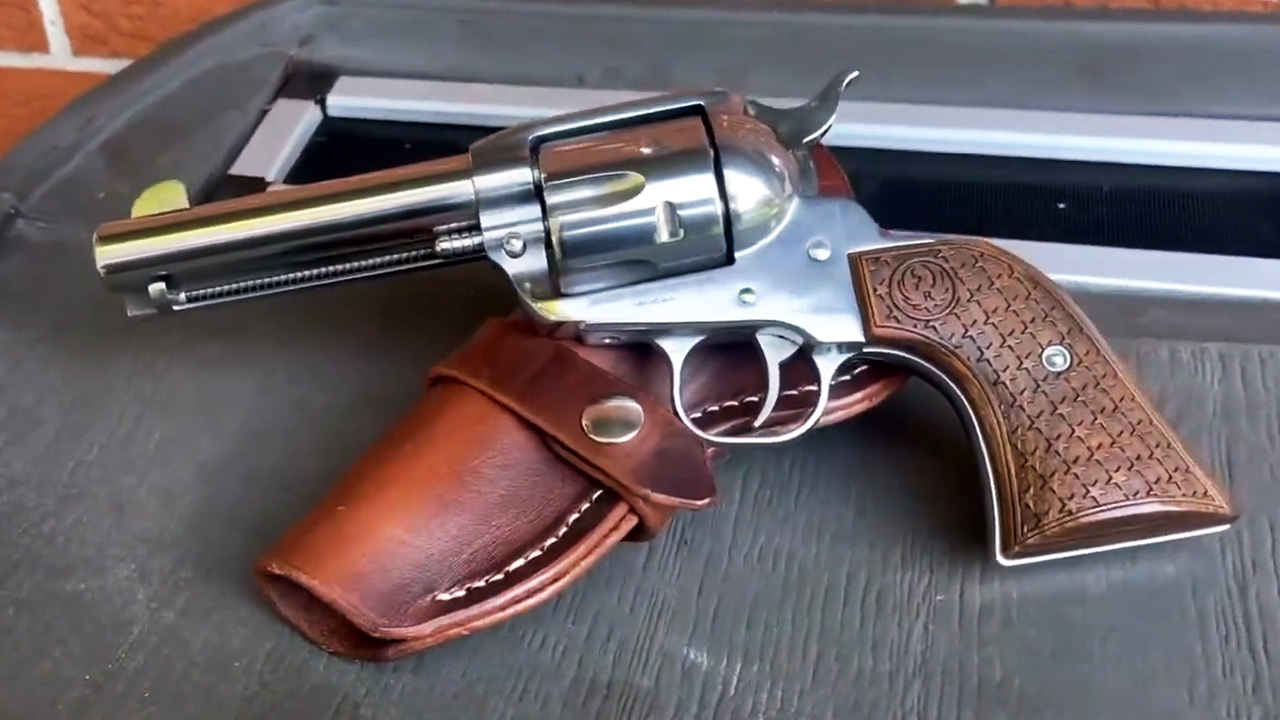
The Vaquero became especially popular with shooters who cared about tuning and refining single-action revolvers for smooth competition use. Gunsmiths and experienced cowboy-action shooters found ways to slick them up, lighten them, and make them run very fast while still keeping the reliability that made Rugers appealing in the first place. Over time, that turned the Vaquero into a revolver a lot of serious users saw as a platform, not just a finished product.
That sort of tunability gave the gun extra life in competition circles. A revolver that can be improved and tailored to a shooter’s preferences tends to stay relevant because people invest in it. The Vaquero earned that kind of commitment. Once shooters started putting real time and money into making them fit their style perfectly, the revolver stopped being just another catalog gun and became part of a shooter’s long-term setup.
The difference between “Vaquero” and “New Vaquero” matters more than many buyers realize
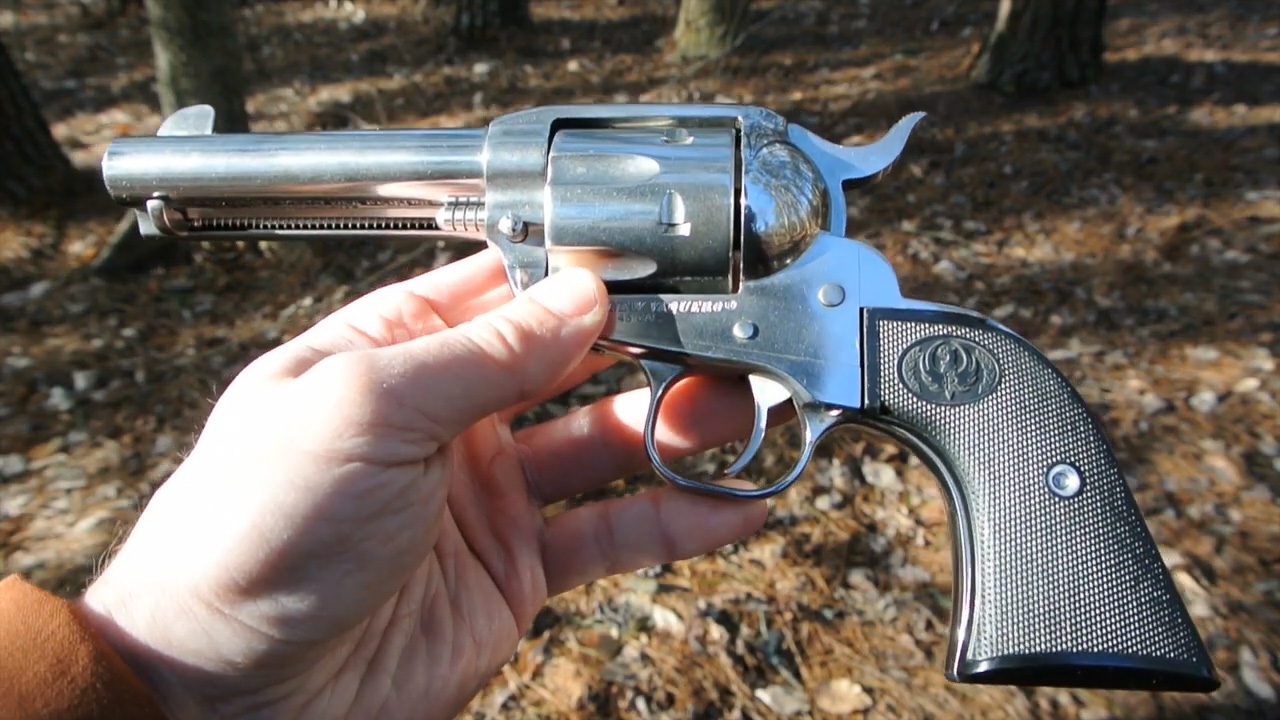
This is probably one of the biggest things most shooters do not know. Plenty of people hear the names, shrug, and assume they are close enough. They are not always close enough if you care about frame size, intended use, and load considerations. The original Vaquero and the New Vaquero may look similar to the casual eye, but serious Ruger fans pay close attention to which one they are talking about because the differences are meaningful.
That makes the Vaquero line more nuanced than it first appears. It is not just one revolver that happened to get a refresh. It is really a story about Ruger trying to satisfy different kinds of shooters at different times. One wanted more strength and bulk. Another wanted more traditional size and feel. Understanding that split helps explain why the Vaquero has remained such an important name in the single-action world.
Like The Avid Outdoorsman’s content? Be sure to follow us.
Here’s more from us:


