Photo credit: Rattanapon Ninlapoom/Shutterstock.com
Accuracy talk gets goofy fast. People argue “laser beams” and post one lucky group like it’s a personality trait. But when accuracy actually matters—when you’re dialing for distance, reading wind, or trying to stack rounds into a small target on demand—you start caring about different things. You want cartridges that are consistent, easy to tune, and predictable across temperatures and lots of rounds. You want good brass availability, a wide selection of proven bullets, and recoil that lets you spot impacts and make clean corrections.
The best accuracy cartridges aren’t always the fastest or the newest. They’re the ones that shoot small in a lot of rifles, don’t punish you during long sessions, and have enough bullet support that you can build a load—or buy factory ammo—that’s boringly consistent. These are rifle calibers shooters trust when accuracy actually matters.
6mm Creedmoor

If you care about tiny groups and staying on the gun, 6mm Creedmoor is hard to ignore. It’s built around efficiency: enough case capacity to push high-quality 6mm bullets fast, without forcing you into harsh recoil. That makes it easier to spot your own impacts and stay honest through long strings.
It also shines because bullet selection is excellent, and the cartridge tends to be forgiving when you’re chasing consistency. You’ll see it in matches for a reason—it tracks well, holds its own in wind for its size, and can be tuned to shoot extremely tight. The only downside is barrel life compared to milder rounds, especially if you run it hard. But when accuracy is the priority and you want a cartridge that helps you shoot your best, 6mm Creedmoor stays near the top.
6.5 Creedmoor

There’s a reason 6.5 Creedmoor became the default answer for “I want to shoot far and hit things.” It’s easy to load for, factory ammo is widely available, and it tends to shoot well in a huge variety of rifles. That kind of consistency builds trust.
The recoil is mild enough that you can train hard without beating yourself up, and you can stay on target to see what the bullet did. It’s also supported by a deep bench of proven match bullets and solid hunting bullets. Wind performance is strong for the recoil level, which is why so many shooters settle into it and stick there. If accuracy matters and you want a cartridge that’s both practical and predictable, 6.5 Creedmoor is still one of the safest bets.
.308 Winchester

.308 Winchester doesn’t need hype because it’s been proving itself for decades. It’s inherently practical: good brass, tons of bullet options, and a track record of consistent performance in both bolt guns and semi-autos. When shooters talk about “known quantities,” this is what they mean.
It’s also forgiving. You can build accurate loads without jumping through weird hoops, and you can find factory match ammo that performs. Recoil is more noticeable than the Creedmoors, but it’s still manageable for most shooters, especially in a decent-weight rifle. Another advantage is that .308 tends to behave predictably across temperature changes and long sessions. When accuracy matters more than fashion, .308 remains a cartridge people trust because it’s stable, supported, and proven.
.223 Remington

If you want a cartridge that teaches you what good shooting looks like, .223 Remington is it. It’s low recoil, cheap enough to practice with, and capable of excellent accuracy in a well-built rifle. It also lets you focus on fundamentals without getting distracted by recoil or blast.
The other reason shooters trust .223 is consistency. There’s a huge ecosystem of quality bullets and brass, and the cartridge can be tuned to shoot incredibly small groups. Wind pushes it around more than the bigger calibers, but that’s not a dealbreaker—if anything, it forces you to learn. For training, positional shooting, and practical accuracy work, .223 is hard to beat. When you’re trying to stack rounds precisely and see every mistake you make, this cartridge makes the learning curve honest.
6mm Dasher
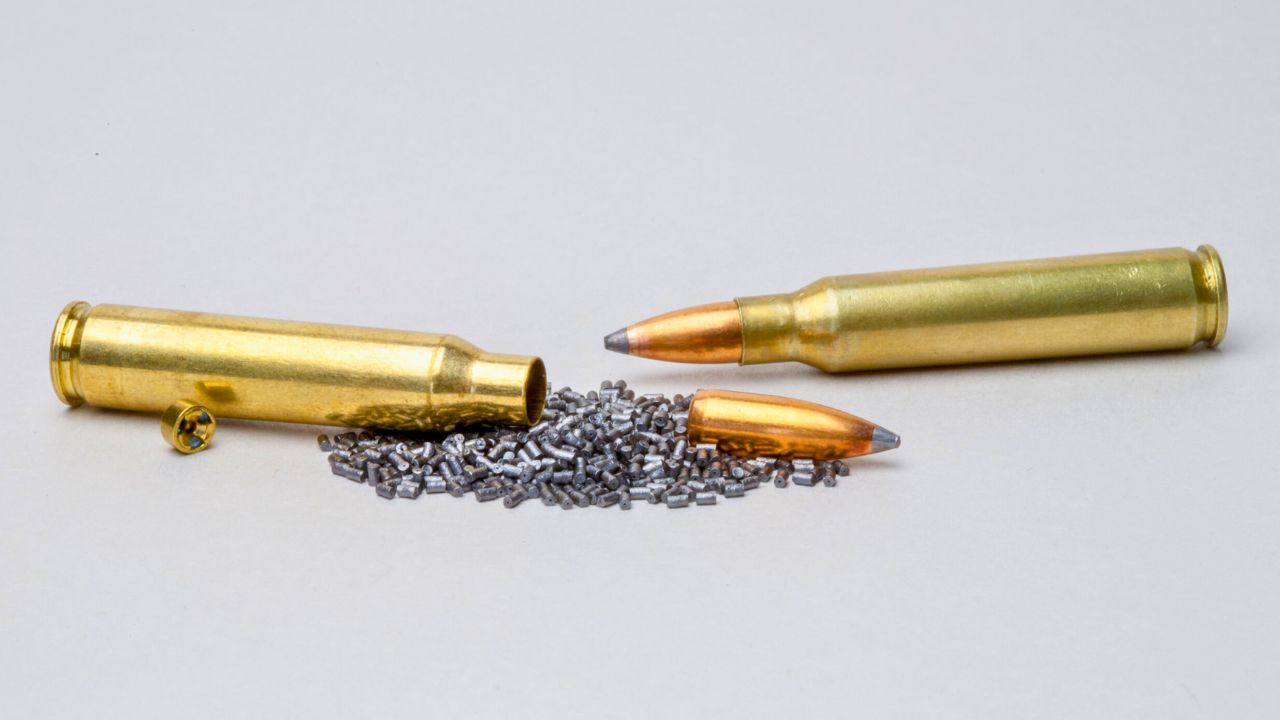
The 6mm Dasher has a reputation for a reason: it’s one of the most consistent small-group cartridges out there when everything is set up right. It’s efficient, it runs smooth, and it tends to produce excellent accuracy without needing extreme pressure or recoil.
Shooters trust it because it makes precision feel repeatable. You can run long strings and keep the gun stable, and it often delivers low vertical spread when tuned well. The tradeoff is practicality. It’s not as common as Creedmoor-based cartridges, and you’re typically committing to handloading to get the most out of it. But in the world where accuracy is the whole point—match shooting, tight groups, and predictable performance—the Dasher has earned its place. If you see one on the line, it’s usually there to do work.
6.5×47 Lapua

6.5×47 Lapua has long been a favorite among precision shooters who value consistency and top-tier brass. Lapua’s support is a major part of the cartridge’s reputation, and that matters when you’re chasing low extreme spread and repeatable performance.
It’s also balanced. Recoil is manageable, and the cartridge tends to run accurately without being finicky. You get strong bullet choices, reliable feeding in short actions, and a track record of excellent precision. Factory ammo exists, but the cartridge really shines for reloaders who want to wring out every bit of consistency. While it’s been overshadowed in popularity by 6.5 Creedmoor, it hasn’t been replaced in terms of what it offers: consistent performance built around quality components. When accuracy matters, shooters still trust it.
.300 Winchester Magnum

When the distance stretches and you need more authority downrange, .300 Win Mag still shows up for a reason. It offers a strong blend of velocity and bullet weight, and with the right rifle and load, it can deliver excellent accuracy at long range.
Shooters trust it because it carries energy and resists wind better than the mild cartridges, which can make hits feel more predictable when conditions aren’t friendly. The downside is recoil and barrel heat. If your rifle is too light or your setup isn’t solid, your shooting can fall apart faster than you think. But in a properly built rifle, .300 Win Mag can be extremely precise. For long-range work where you want extra margin in wind and distance, it remains a trusted option.
.300 PRC

.300 PRC earned its reputation by being built around modern long, high-BC bullets without awkward compromises. It’s a cartridge designed for long-range consistency, and shooters who care about accuracy appreciate that it doesn’t fight them on seating depth or bullet choice.
It tends to deliver strong downrange performance with excellent wind resistance, and it’s become a common pick for shooters who want magnum capability with a more modern design approach. Like any magnum, recoil and barrel life are part of the deal, but the cartridge’s layout helps reduce some of the annoying variables that can show up in other magnums. If your goal is accurate long-range shooting with heavy .30-cal bullets, .300 PRC is one of the cleaner, more predictable paths to get there.
7mm Remington Magnum

7mm Rem Mag has been trusted for accuracy for a long time, especially among shooters who want a flatter trajectory and good wind behavior without jumping to the biggest magnums. It’s proven in the field and on the range, and there’s a deep bench of bullet options that work.
The reason it still holds up is that it can be very accurate in a good rifle, and it carries downrange well. The downside is that not every factory rifle or factory load is tuned for match-level consistency, so the cartridge’s reputation depends on the setup. But shooters trust it because it’s a known performer: capable of real precision and useful reach. If you want a cartridge that can shoot tight and still carry hunting-level energy far out, 7mm Rem Mag remains a dependable pick.
7mm-08 Remington
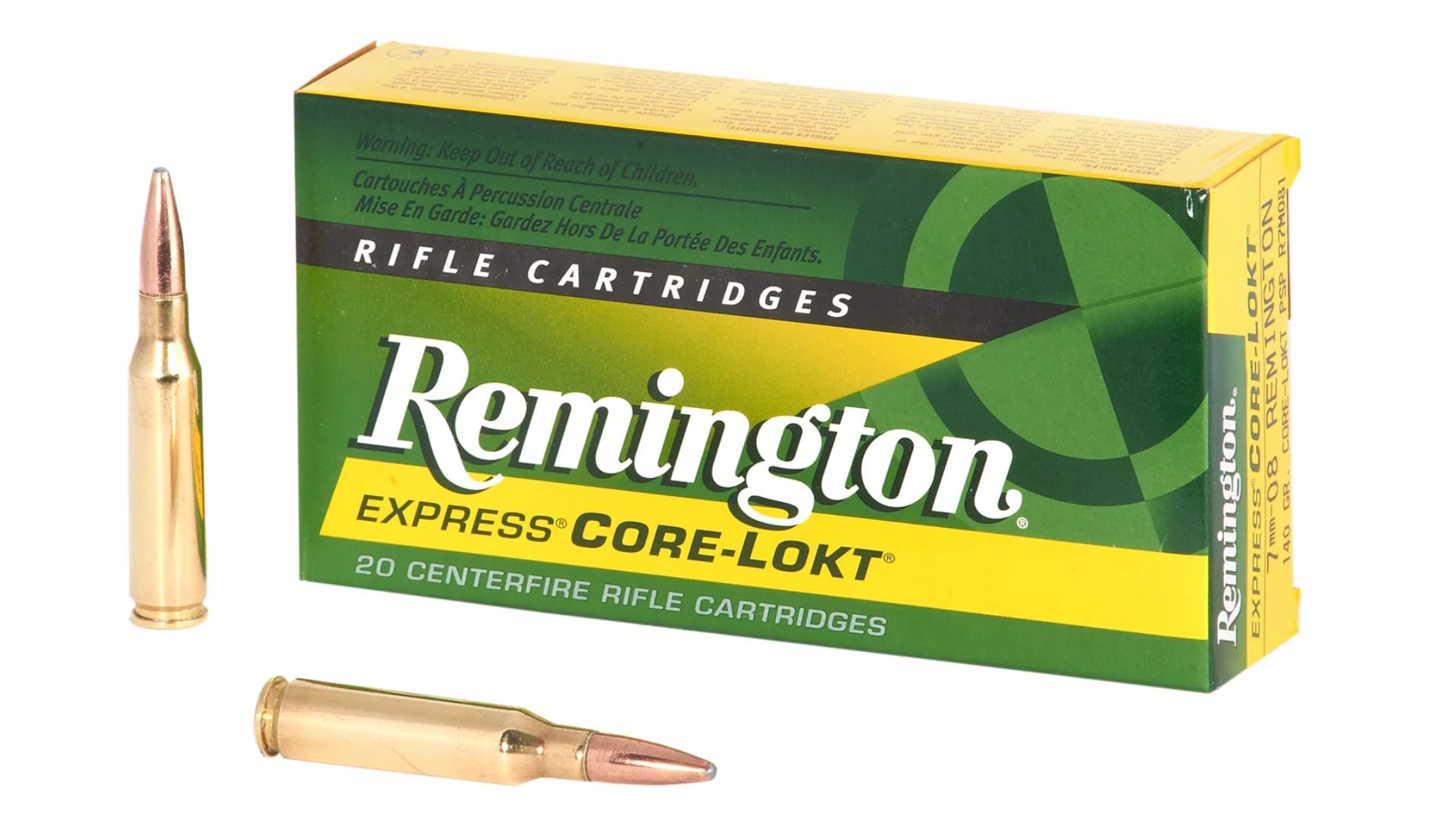
7mm-08 is one of those cartridges that quietly shoots well in a lot of rifles. It’s efficient, easy to tune, and it offers a great balance of recoil and performance. That balance is why it tends to produce good accuracy without requiring you to fight the gun.
Shooters trust it because it’s predictable. It’s not overbore, it doesn’t beat barrels like faster cartridges, and it has a wide selection of quality bullets that behave well. It also performs well out of shorter barrels, which matters if you’re running a handy rifle and still want consistent results. You won’t see it dominate long-range matches the way dedicated match cartridges do, but for practical accuracy—hunting precision, steel targets, and repeatable groups—7mm-08 is a cartridge that rarely causes problems.
.243 Winchester

.243 Winchester is often thought of as a light hunting round, but it’s also a very accurate cartridge with a long history in precision shooting. The recoil is low, the cartridge is efficient, and it tends to shoot well without needing extreme tuning.
Shooters trust it because it makes accuracy easy to access. You can shoot it for long sessions, stay focused, and avoid the fatigue that ruins groups. Bullet selection is strong, and factory ammo can be surprisingly consistent. Like any fast 6mm, barrel life can be shorter if you push it hard, but many shooters accept that trade because of the results. For someone who wants a proven, widely available cartridge that can deliver tight groups and teach good habits, .243 still belongs in the accuracy conversation.
.22-250 Remington

If you’ve ever watched a good .22-250 print groups, you know why it’s trusted for accuracy. It’s flat, fast, and can be extremely precise in the right rifle. For varmint and predator shooters who care about hitting small targets, this cartridge has a loyal following.
The downside is that it can be hard on barrels if you run it hot and fast all the time. That’s the tax you pay for speed. But when your goal is putting bullets exactly where you want them, .22-250 can deliver. It also has a long history of rifles and loads that have been worked out over years, so you’re not reinventing the wheel. For accuracy on small targets at real distances, it remains a cartridge shooters trust.
.30-06 Springfield

.30-06 doesn’t get talked about as an “accuracy cartridge” anymore because the precision world moved toward newer designs, but a good .30-06 can absolutely shoot. It’s been winning people’s trust for a long time, and it still delivers consistent performance with quality loads.
The strength is versatility. You can tune it across a wide range of bullet weights and still find stable, accurate loads. Recoil is manageable in a proper rifle, and components are everywhere. It’s also less finicky than people assume, especially when you focus on consistency instead of chasing speed. For shooters who want a cartridge that can shoot tight groups and also serve as a serious hunting round, .30-06 remains a trusted option. It’s not trendy, but it’s dependable.
6.5 PRC

6.5 PRC is trusted by shooters who want more speed and downrange performance than 6.5 Creedmoor without going full magnum. It pushes heavy 6.5 bullets fast, which helps in wind and extends effective range when accuracy matters.
The tradeoffs are recoil and barrel life compared to Creedmoor. It’s still manageable, but you’ll feel it more during long sessions, and heat builds faster. When the rifle is set up well, 6.5 PRC can deliver excellent precision and carry energy far out. Factory ammo support has improved, and bullet selection is already strong. If you’re the kind of shooter who wants a little extra margin at distance but still values consistency and shootability, 6.5 PRC is a cartridge many people learn to trust quickly.
Like The Avid Outdoorsman’s content? Subscribe to our newsletter so you never miss an article.
Here’s more from us: