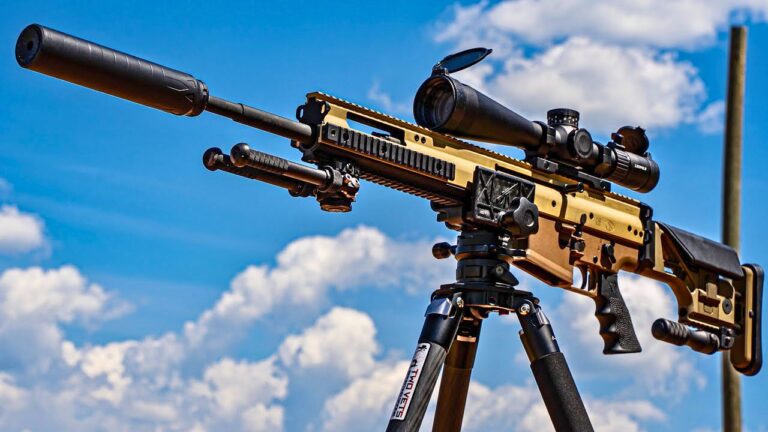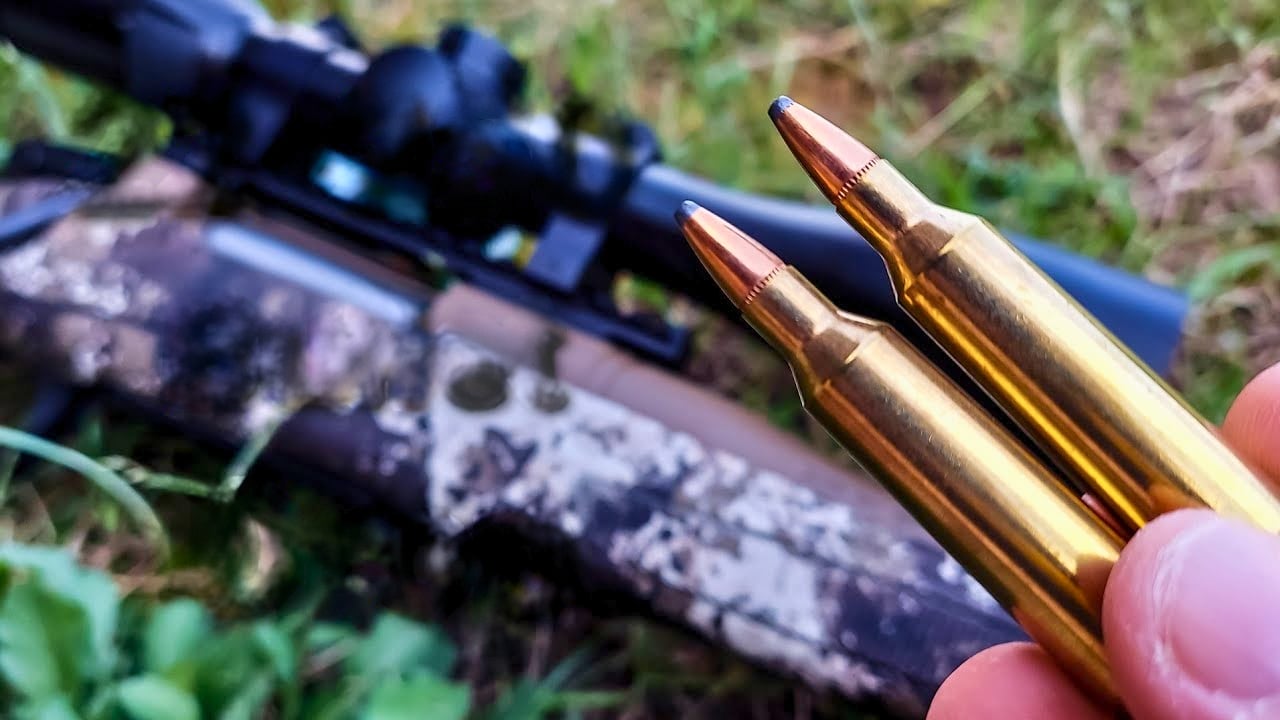
Photo credit: WHO_TEE_WHO/YouTube
Ballistics charts are full of flat lines and big velocity numbers that look fantastic until you have to put one bullet in the right spot on a living animal. Plenty of calibers shine on graphs, in ad copy, and at the range—then turn into a headache on real tissue, real bone, and real angles. The problem usually isn’t raw horsepower; it’s bullet construction, marginal energy at impact, and how forgiving (or not) the round is when your shot isn’t perfect.
These are the calibers that impress on paper, but tend to let people down in the field when they’re pushed outside their actual lane.
.17 HMR on anything bigger than varmints

.17 HMR ballistics look slick: tiny bullets screaming out of the muzzle, flat trajectory, and no recoil. On paper, it’s easy to talk yourself into using it “carefully” on coyotes or bigger critters. In real use, that little bullet doesn’t carry much momentum, and performance falls apart fast once you hit shoulder, quartering angles, or any kind of wind.
On small varmints at reasonable ranges, it’s fine. Start stretching it, or expect it to plow through fur, bone, and muscle on tougher animals, and you wind up with more runners than clean kills. The paper makes it look like a laser; the carcass tells a different story.
.204 Ruger when you ask it to be more than a varmint round
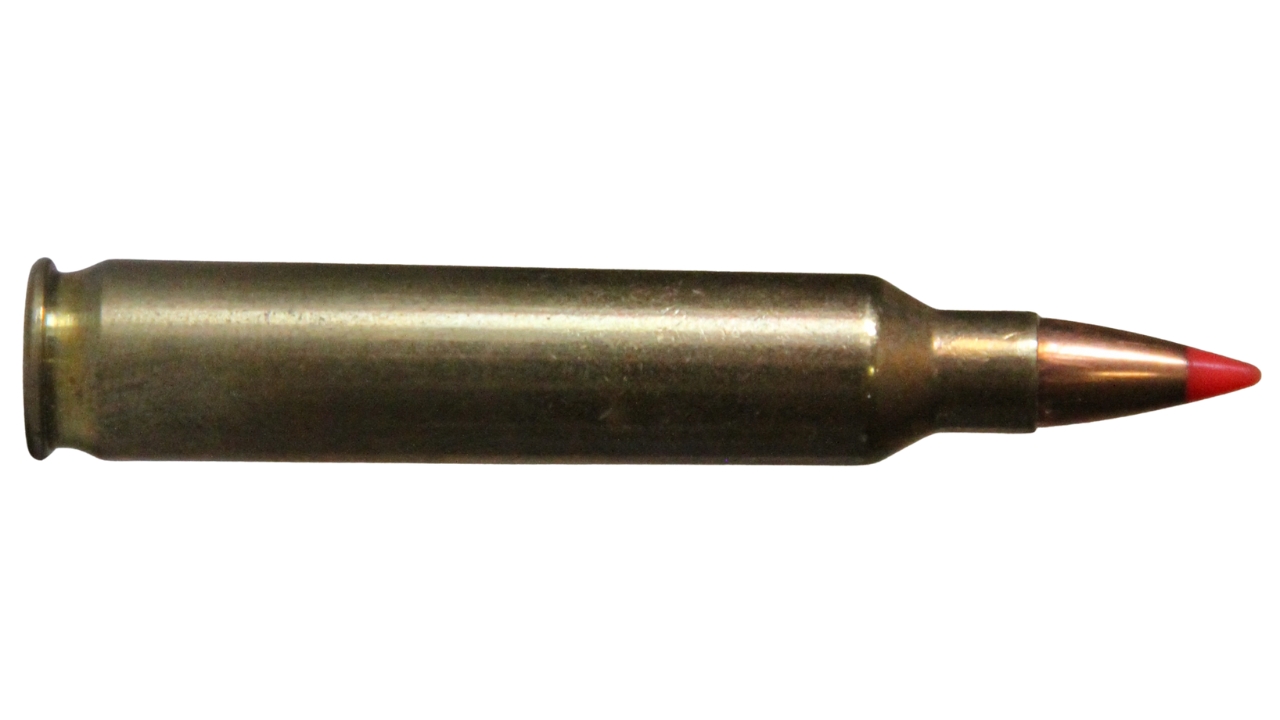
The .204 Ruger is another chart darling. High velocity, flat line, sexy BC numbers on light bullets—it checks all the boxes guys like to brag about. The problem comes when people start talking themselves into using it on bigger-bodied predators or hogs where penetration actually matters.
Light-for-caliber bullets at high speed tend to splash, fragment, and come apart quickly. On small varmints, that’s great. On a coyote at a bad angle, or a hog with a shoulder like plywood, it’s a recipe for tracking jobs and lost animals. The paper sells reach; reality reminds you the bullet still has to hold together.
.22-250 with varmint bullets on deer

The .22-250 is one of the most fun cartridges ever built. It stacks tiny groups, drives light bullets at absurd speeds, and anchors coyotes like a hammer…with the right bullet. The disappointment comes when guys carry that same varmint load into deer season and try to shoulder-shoot whitetails like they’re shooting prairie dogs.
Hit soft ribs with a tough bullet and you can get away with it. Smash shoulder with a thin-jacketed pill doing 3,800+ fps and you’re asking that bullet to do something it was never built for. On paper, the energy looks “enough.” On animals, especially quartering shots, it turns into shallow wounds and long nights.
.223 Remington when you treat it like a do-everything big-game round

The .223 is a great cartridge inside its lane. With proper bullets, it can handle small deer and hogs just fine at modest ranges. The problem is the paper numbers and marketing push people to treat it like a full-sized big-game round—then they pair it with cheap FMJ or varmint bullets and wonder why animals don’t stay down.
You can make a .223 work if you pick bonded or monolithic bullets, stay realistic on distance, and pick your angles. But if you go by velocity and “kills coyotes good,” then expect it to punch through shoulders and steep quartering shots like a .308, the field report is usually a lot more disappointing than the energy chart suggested.
6mm Creedmoor on bigger game

6mm Creedmoor ballistics are impressive. High BC bullets, low recoil, and great accuracy—it’s easy to fall in love with the numbers. The trap is thinking those numbers translate straight over to elk, moose, or big-bodied mule deer in all conditions. A long, sleek 6mm works great when you slip it behind the shoulder at sensible distances. It’s a lot less forgiving when you hit heavy bone or shoot at marginal angles.
You’re throwing light bullets, and there’s only so much they can do when impact velocity drops and the shot isn’t perfect. The chart shows wind drift and drop. It doesn’t show how much your margin for error shrinks on real animals once you leave the whitetail/antelope lane.
6.5 Creedmoor when you push it past its weight class

6.5 Creedmoor gets more hate and hero worship than it deserves. On paper, the ballistics look fantastic—great BCs, manageable recoil, clean trajectories. On deer-sized game, with good bullets, it works fine. The disappointment comes when people start treating it like a long-range elk hammer because the internet said “6.5s kill way above their weight.”
Heavy bone at distance, steep quartering shots, and big bulls soak up more punishment than spreadsheets admit. If you pick match bullets instead of hunting bullets, or start stretching shots because the drop chart says you can, the Creedmoor will remind you that sectional density and BC don’t replace penetration and impact energy.
6.5 PRC when all you chase is velocity
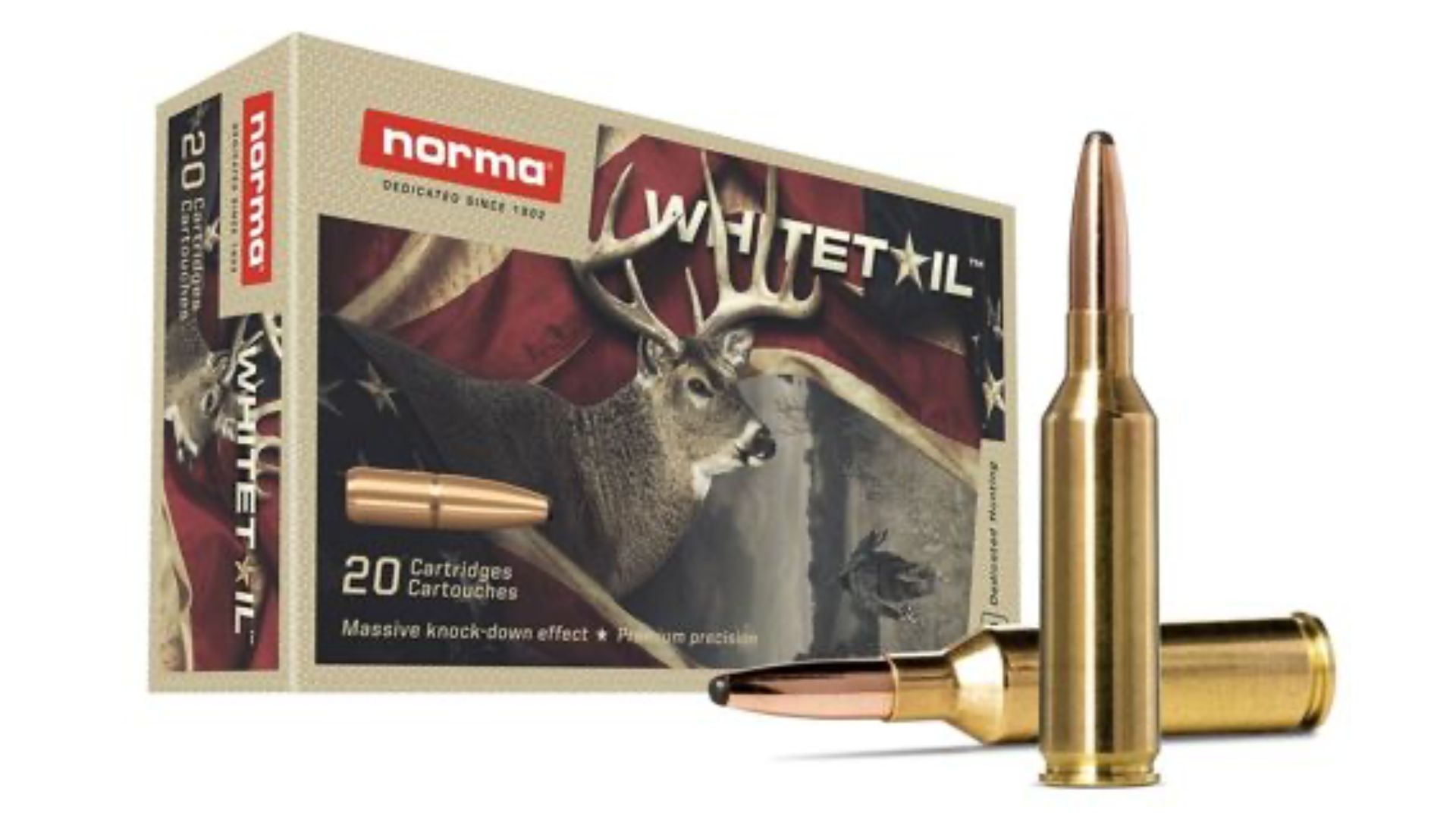
6.5 PRC looks like the “fix” for everyone who thought the Creedmoor was too mild. Higher velocity, more reach, same high-BC bullets. The issue is, a lot of people fall in love with the numbers and forget that your terminal window is still tight when you’re shooting long, sleek bullets at extended ranges on big-bodied animals.
Crank velocity and you risk over-expansion up close. Stretch the shots and you risk marginal expansion and light penetration. Somewhere in the middle it works well—but that’s not how it’s sold on paper. If you buy it for the charts and expect it to make up for wind calls, shot angle, and bullet choice, the animal response will feel a lot less impressive than the ballistics app.
.300 Blackout with subsonic hunting loads

On paper, subsonic .300 Blackout looks brilliant: .30-cal bullet, easy suppression, quiet report, and a heavy slug plodding along. For marketing, that checks all the boxes. In actual flesh and bone, especially past bow distances, a slow bullet with limited expansion and marginal energy is asking for trouble.
Supersonic .300 BLK with good bullets can work inside its lane. Subsonics are far less forgiving. Their paper ballistics never looked great, but the way they’re talked about makes them sound like silent hammers. On real hogs and deer, your tracking jobs often tell you the truth: slow, quiet, and marginal is not the recipe the brochures imply.
5.7×28 when people treat it like a serious hunting round

The 5.7×28 looks cool on spec sheets: small case, high velocity, flat trajectory with light bullets. It was built around specific military/LE ideas, not whitetail shoulders. As soon as people see “2,000+ fps” from a little centerfire, the temptation is to use it on more than varmints. That’s where it starts disappointing.
Tiny bullets at modest energy don’t give you much margin on larger animals. Penetration, expansion, and stability after contact are far more important than how sleek the curve looks on a ballistic app. Treat 5.7 like a niche small-round tool and it’s fine. Expect it to punch above its weight on real animals, and you’ll learn the limits the hard way.
.26 Nosler on normal hunts

The .26 Nosler is the poster child for “wow” ballistics. It’s fast, flat, and pushes high-BC 6.5 bullets harder than just about anything. Charts and marketing love it. In the field, especially for normal hunting distances and realistic shot angles, it doesn’t kill any “deader” than simpler, slower rounds—with way more recoil, blast, and barrel wear.
You get a handful of seasons before the barrel starts losing its edge if you shoot much, and you pay for all that speed in muzzle report and gun weight. On elk and deer at 300 yards, a .30-06 or .270 doesn’t leave anything on the table the animal can tell. The .26 looks incredible on paper and feels pretty underwhelming when you run the math on cost, noise, and barrel life.
28 Nosler when guys don’t actually need that much

The 28 Nosler throws 7mm bullets with authority. On paper, it gives you magnum reach, flatter paths, and more energy than you’ll ever “need.” The letdown is simple: most hunters aren’t taking the kind of shots that justify the punishment, cost, and fuss that come with that much cartridge. Inside 400 yards, the animals can’t tell the difference between a well-placed shot from a mild 7mm and a scorcher.
Meanwhile, the shooter absolutely feels the difference on the bench and in bad positions. More recoil means more flinch, more blast means less practice, and a cartridge that needs careful fueling isn’t doing you any favors when all you needed was a reliable 300-yard rig for elk.
.350 Legend on the edge of its envelope

.350 Legend was built to solve a very specific problem: give straight-wall states a soft-recoiling option with better range than old-school shotgun slugs. On paper, it does that well. The trouble comes when hunters assume that because it’s a “.35” on an AR-style platform, it’s going to behave like a .35 Whelen or a .358 Winchester. It doesn’t.
Energy and velocity fall off faster than the charts suggest once you step past moderate ranges. On big-bodied deer or marginal angles at the edges of its envelope, it can feel more like a hot pistol round than a true rifle cartridge. Stay inside its actual lane and it’s fine. Expect miracles because the marketing said “legend,” and you’ll hit its limits quick.
7mm Rem Ultra Mag when all you see is the velocity column

7mm RUM ballistics look outrageous: huge case, high speeds, flat lines on the trajectory chart. It’s easy to stare at the numbers and convince yourself it’s the ultimate elk and mule deer cartridge. In practice, recoil, blast, and barrel wear keep a lot of hunters from ever getting truly proficient with it, and real-world killing performance isn’t vastly better than more manageable 7mms inside reasonable ranges.
You still have to read wind, handle the rifle well, and pick your shots. That’s where overbore magnums let people down—paper potential doesn’t magically turn into field results when the shooter dreads pulling the trigger. On animals, a well-placed shot from a milder 7mm or .30 often looks a lot better than a flinchy hit from a RUM.
6.8 Western as a “solution” to problems most hunters don’t have

6.8 Western’s spec sheet is designed to impress: heavy-for-caliber bullets, short action, long-range marketing baked in. For folks who actually build a system around it, it can work well. The disappointment comes from the promise that it’s solving some massive shortfall in older .270-class rifles, when most hunters weren’t running into that wall in the first place.
In normal elk and deer country, a .270 Win with good bullets still does everything asked of it. 6.8 Western brings recoil, ammo cost, and limited availability along for a marginal bump that shows up mostly on paper and at the extremes. If you buy on the brochure, you expect a night-and-day field difference that rarely shows up on real animals.
.410 shotguns on turkeys in the wrong hands

Look at the newest .410 turkey loads on paper and it’s hard not to get excited: dense TSS patterns, high pellet counts, low recoil, and tight chokes. The sales pitch makes it sound like a cheat code on gobblers. In practiced hands, inside strict range limits, it can work very well. The letdown hits when newer hunters think those numbers erase the realities of tiny shot and lower payload.
Misjudge distance by a little, drift off the head/neck line, or take quartering angles you shouldn’t, and that “magic” pattern turns into wounded birds running over the hill. The paper pattern board and gel tests can be impressive. On real turkeys with shaky nerves and imperfect setups, the cartridge’s narrow margin for error shows up fast.
Like The Avid Outdoorsman’s content? Be sure to follow us.
Here’s more from us: