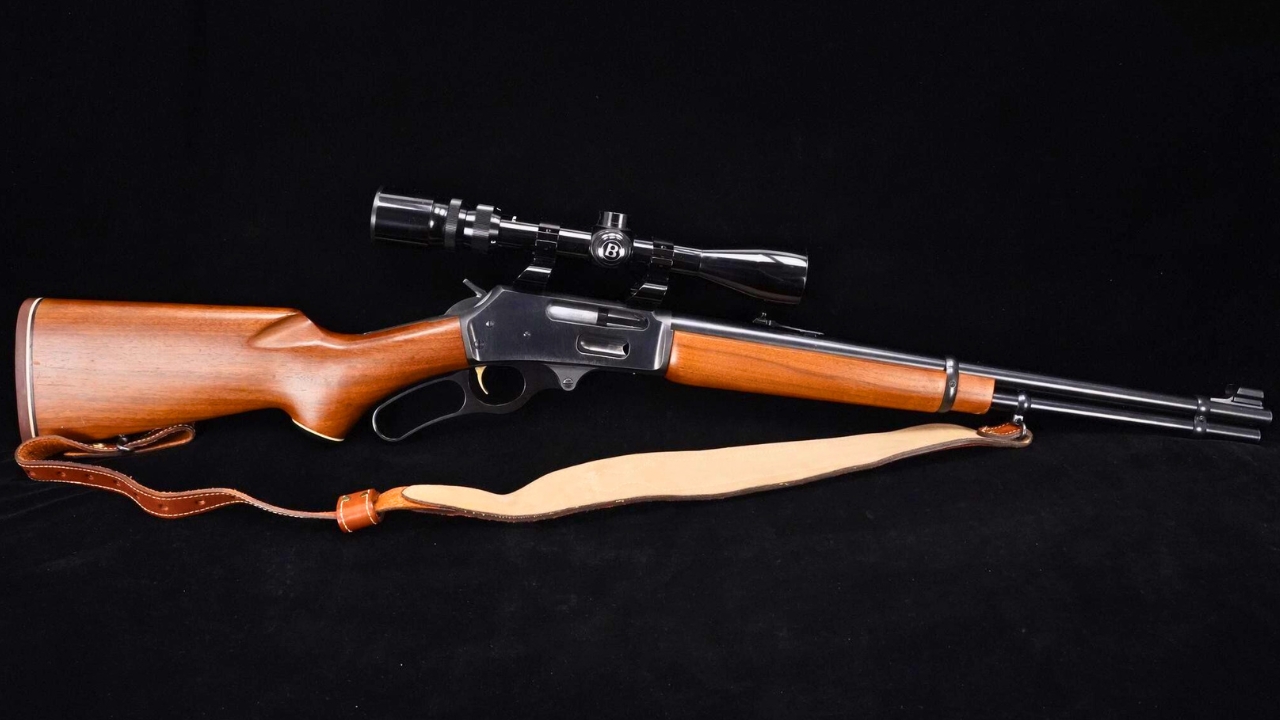
Photo credit: GunBroker
Winchester is one of those names that almost feels bigger than the guns themselves. Plenty of brands have made good rifles. Plenty have made good shotguns. Plenty have put their name on good ammunition. But Winchester managed to tie itself to American hunting, frontier mythology, deer camps, lever guns, bolt-action rifles, pump shotguns, and cartridges that still show up on shelves generations later.
That kind of staying power does not happen from one lucky product. Winchester kept itself alive by getting several big things right at different moments in firearm history. The company traces its formal beginning to May 22, 1866, when the Winchester Repeating Arms Company was born under Oliver Winchester, building from the earlier Henry rifle and repeating-arms work. That early repeating-rifle identity gave Winchester a foundation most gun brands never get.
1. Winchester Understood Repeating Rifles Early

Winchester got one of the most important things right from the start: repeating fire mattered. In an era when many firearms were still single-shot or slow to reload, Winchester leaned into lever-action repeating rifles. That gave shooters more rounds on tap and changed what a rifle could do in the hands of hunters, settlers, lawmen, and soldiers.
That early move shaped the whole brand. Winchester did not become famous because it made another ordinary rifle. It became famous because it helped make the repeating rifle part of American firearm culture. Once people connected the Winchester name with fast follow-up shots and practical firepower, the brand had a powerful identity to build from.
2. The Model 1873 Gave the Brand a Legend
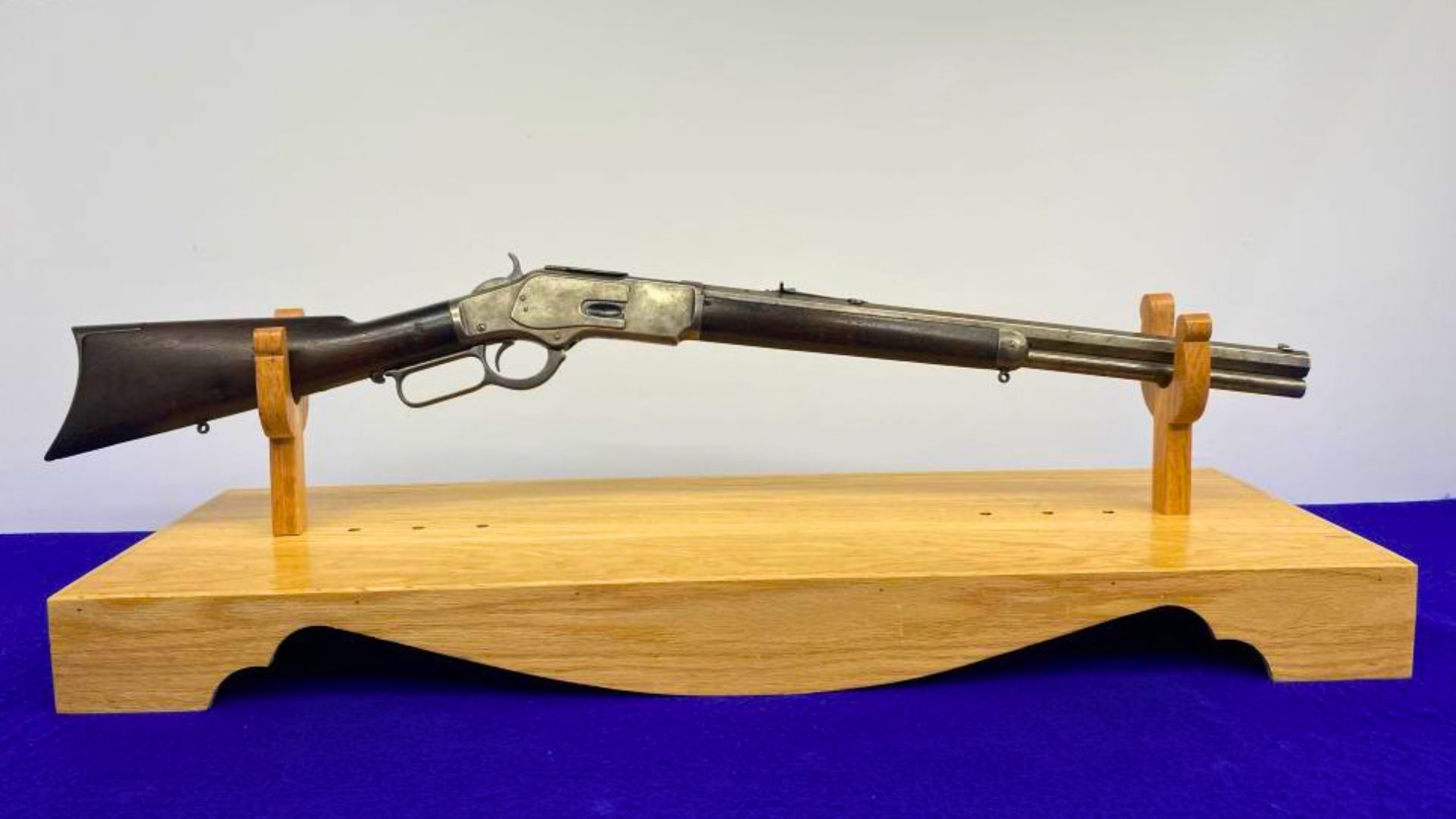
The Winchester Model 1873 is one of the rifles most tied to the company’s mythology. It became known as “The Gun That Won the West,” and even if that phrase is part history and part marketing, it stuck because the rifle really did become one of the most recognizable lever actions of the era. Winchester Collector notes that the Model 1873 introduced the first Winchester centerfire cartridge, the .44-40 WCF.
That cartridge mattered because it helped create a useful rifle-and-revolver pairing. The .44-40 WCF could be used in lever rifles and also became associated with Colt revolvers chambered for the same round. That kind of ammo commonality was practical in a way shooters still understand today. Winchester was not only selling rifles. It was helping create a system.
3. Winchester Worked With the Right Designers

Winchester got a lot of mileage from working with serious firearm designers, especially John Moses Browning. Browning-designed Winchesters helped shape some of the company’s most important guns, including lever actions that pushed the brand beyond earlier toggle-link designs.
That mattered because Winchester did not stay frozen in one design era. The Model 1886, Model 1892, Model 1894, and Model 1895 all carried Browning’s influence in different ways. When a brand connects itself to one of the greatest firearm designers in history, it gives itself a much better chance of building guns that outlast normal product cycles.
4. The Model 1894 Hit the Deer-Rifle Sweet Spot

The Winchester Model 1894 may be the most important hunting rifle in the brand’s story. It was handy, light, fast, and eventually tied hard to the .30-30 Winchester. The Model 1894 became one of the most popular sporting rifles ever made, with more than 7 million produced by the early 21st century.
That rifle worked because it matched real hunting. Most hunters were not shooting across giant open valleys. They were hunting woods, brush, farms, and reasonable distances where a quick .30-30 lever gun made perfect sense. Winchester got that formula right so well that people still talk about the Model 94 like it never really left deer camp.
5. Winchester Moved Into Smokeless Powder at the Right Time
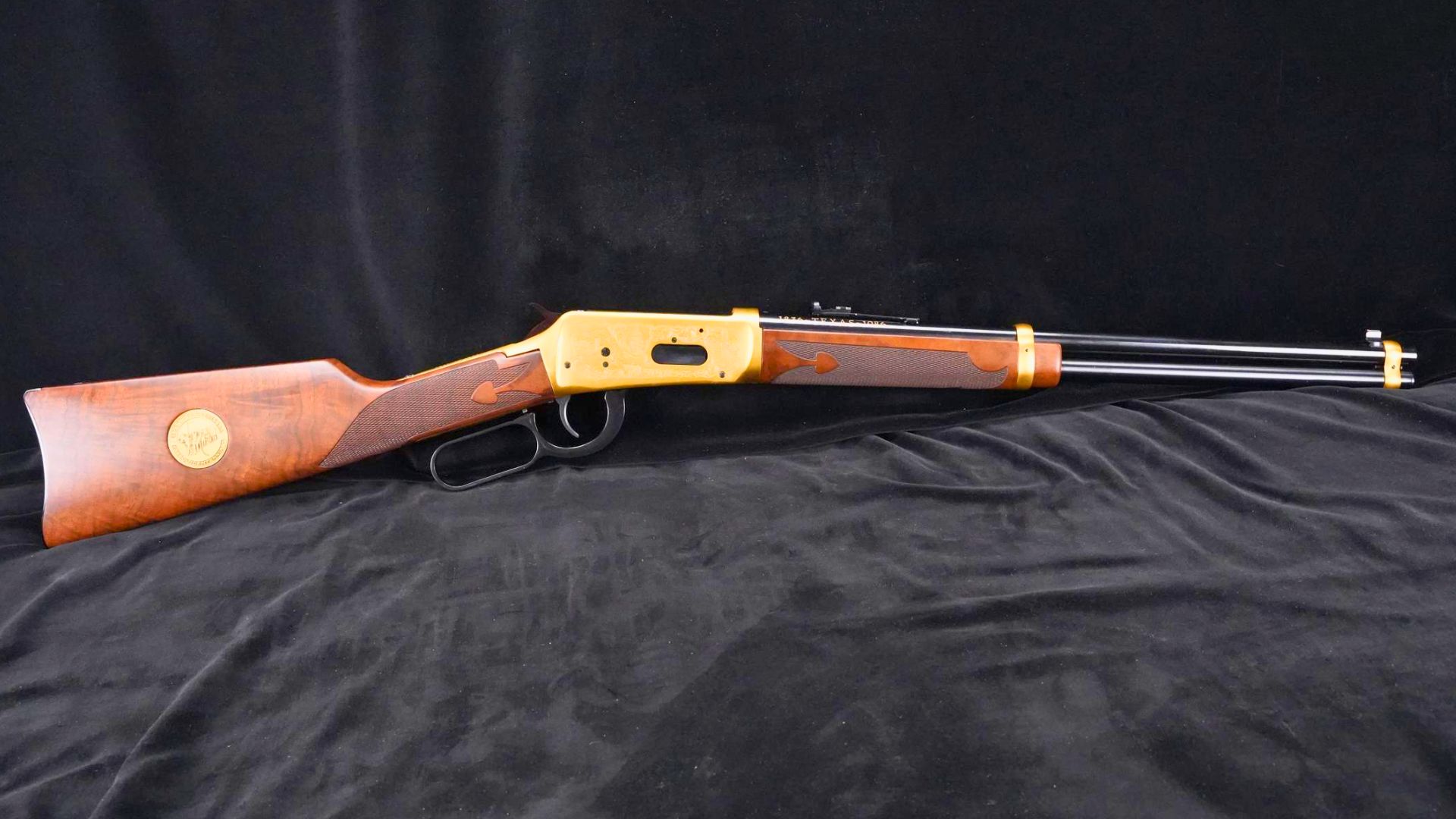
One of the biggest things Winchester got right was adapting to smokeless powder. The Model 1894 became the first Winchester specifically developed for smokeless powder, and that helped keep lever actions useful as cartridges became faster and more modern.
That transition mattered because black powder-era designs could not carry the company forever. Smokeless powder changed velocity, pressure, trajectory, and hunting expectations. Winchester did not just watch that shift happen. It built one of its most famous rifles around it. That decision helped the brand stay relevant instead of getting stuck in the past.
6. The .30-30 Winchester Became a Cartridge That Wouldn’t Die

Winchester got the .30-30 right in a way few companies ever manage with a cartridge. Introduced in the 1890s as .30 WCF, it became one of the most famous deer cartridges in North America. American Hunter notes that Winchester introduced the .30 WCF and .25-35 WCF in 1895 as the first commercial smokeless powder cartridges, with .30 WCF later better known as .30-30 Winchester.
That cartridge survived because it did the job regular hunters needed done. It was not a long-range magnum, and it never had to be. Inside normal woods distances, it hit hard enough, recoiled reasonably, and fed beautifully through lever guns. Winchester created a cartridge that fit the rifle, the hunter, and the terrain.
7. Winchester Built Guns People Actually Carried
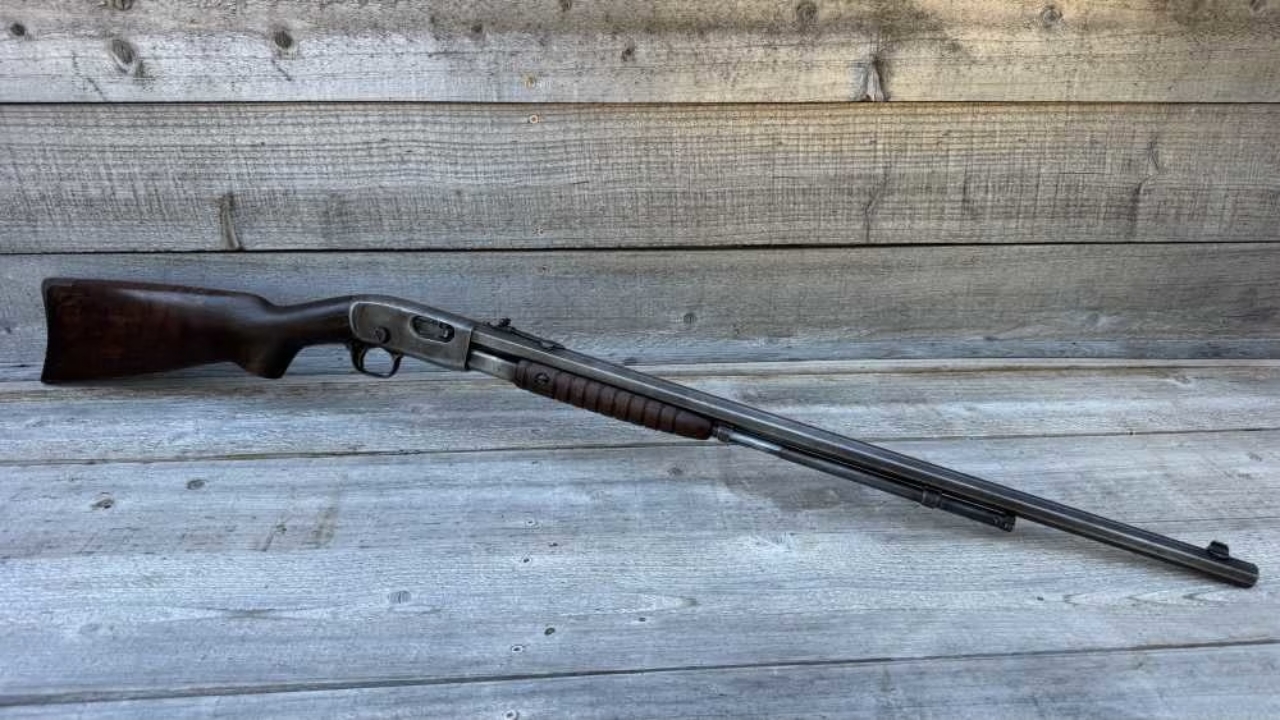
A lot of Winchester’s strongest firearms were not safe queens first. They were working guns. Lever rifles rode in scabbards, trucks, cabins, barns, and deer camps. Model 12 shotguns hunted birds and broke clays. Model 70 rifles went after deer, elk, sheep, and dangerous game. The brand stayed alive because people used the guns.
That is an important point. A firearm brand can look good in catalogs and still fade if people do not trust the guns in the field. Winchester built guns that became part of normal hunting life. That daily usefulness is what turned the brand into a household name instead of only a collector’s interest.
8. The Model 12 Became a Pump Shotgun Benchmark
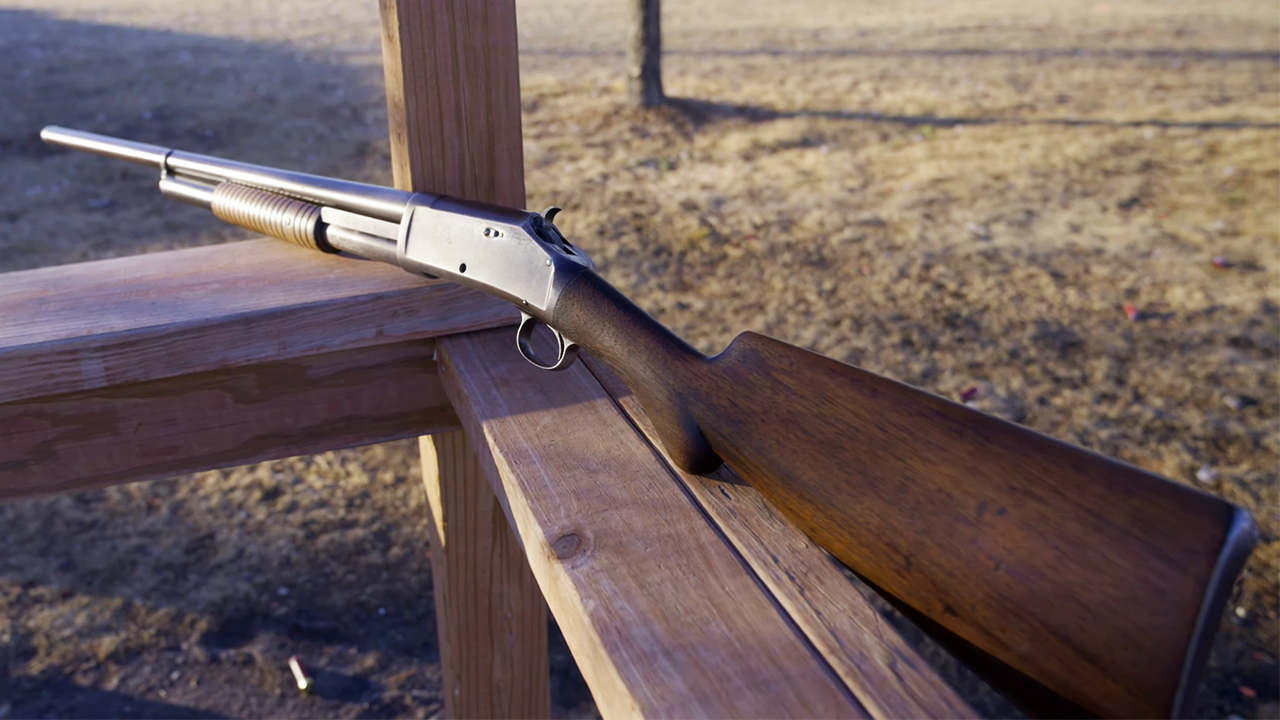
The Winchester Model 12 gave the company one of the great pump shotguns. It earned a reputation for slick operation, strong machining, and real field use. For generations, a Model 12 was the kind of shotgun people were proud to own and reluctant to let go.
That shotgun helped Winchester compete outside the rifle world. The brand was not only lever guns and cartridges. It could build a pump shotgun that serious bird hunters, clay shooters, and collectors still respect. A company stays alive longer when it has more than one strong category, and the Model 12 gave Winchester another pillar.
9. The Model 70 Gave Winchester a Bolt-Action Identity

The Model 70 may be the rifle that kept Winchester respected with bolt-action hunters. Winchester still calls it “The Rifleman’s Rifle,” and the current Model 70 line uses Pre-’64 style controlled round feed with a claw extractor, plus the M.O.A. Trigger System.
That controlled-feed identity mattered because hunters trusted it. The Model 70 became a serious rifle for deer, elk, sheep, bear, and bigger game. It was not only a Winchester trying to compete with bolt guns. It became one of the bolt guns other rifles had to answer. That gave Winchester credibility long after lever guns stopped being the center of rifle development.
10. Winchester Created the Pre-64 Model 70 Mystique

The pre-1964 Model 70 reputation is one of the strongest collector and hunting stories in American rifles. Shooting Illustrated noted that rifles made between 1936 and 1964 are often considered the “Golden Age” of Model 70 production, with forged receivers, cut checkering, and controlled-round-feed extractors.
That mystique still helps the brand. Even when Winchester changed production methods and later brought back controlled-round feed, the pre-64 reputation stayed alive. Shooters still talk about those rifles with a level of respect that newer guns rarely get. Winchester built something good enough that people kept measuring later rifles against it.
11. Winchester’s Cartridges Kept the Name in Gun Safes

Winchester did not only make firearms people remembered. It put its name on cartridges that stayed relevant. The .30-30 Winchester, .270 Winchester, .308 Winchester, .243 Winchester, .300 Winchester Magnum, and .338 Winchester Magnum all helped keep the Winchester name in hunting conversations.
That matters because cartridges can outlive firearm models. A hunter may not own a Winchester rifle, but he may still shoot a Winchester-named cartridge. The .270 Winchester, introduced in 1925 with the Model 54, became one of the classic big-game hunting cartridges of the 20th century and remains widely used today.
12. Winchester Made Ammunition Part of the Brand
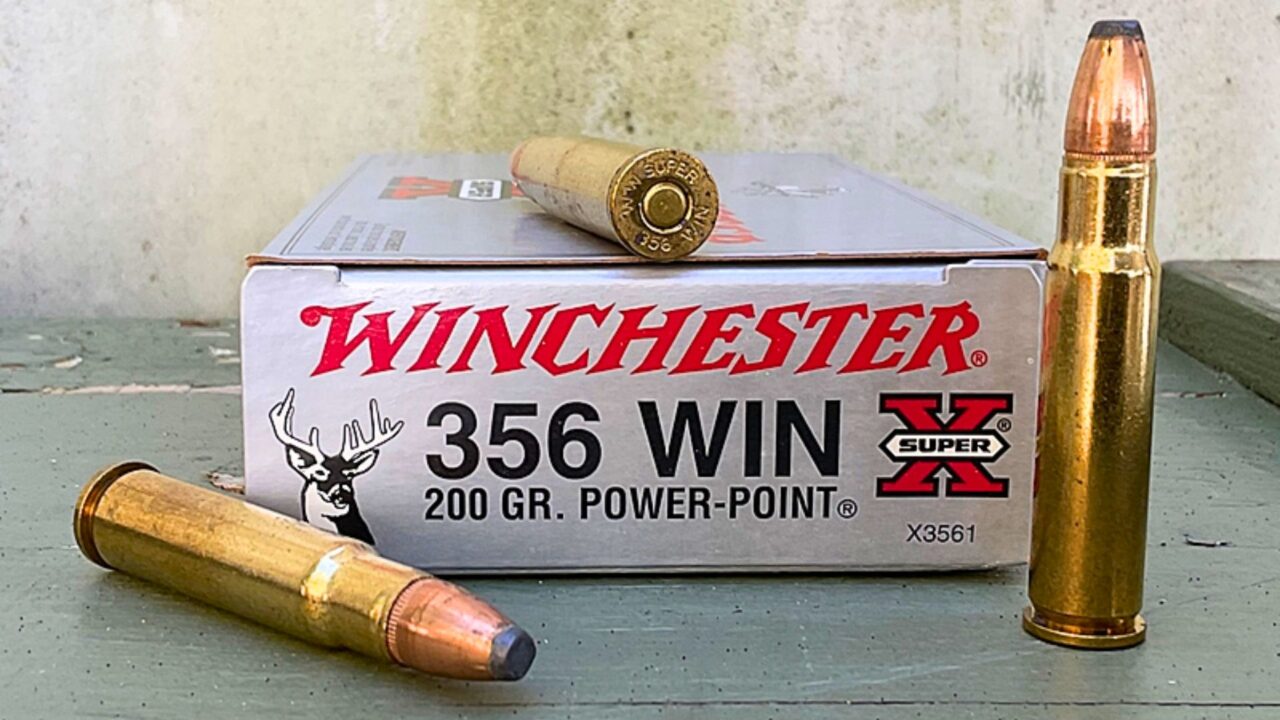
The Winchester name stayed alive partly because it was not tied only to firearms production. Winchester Ammunition kept the brand in stores, hunting camps, and range bags even when the firearm side went through ownership and manufacturing changes.
That is a major advantage. Some gun brands disappear when production slows or ownership changes. Winchester’s ammunition presence kept the name visible. A shooter might buy Winchester deer loads, shotgun shells, rimfire ammo, or target loads even if he never bought a new Winchester rifle. That kept the brand connected to regular shooting life.
13. Winchester Survived Because the Name Was Bigger Than One Company Structure
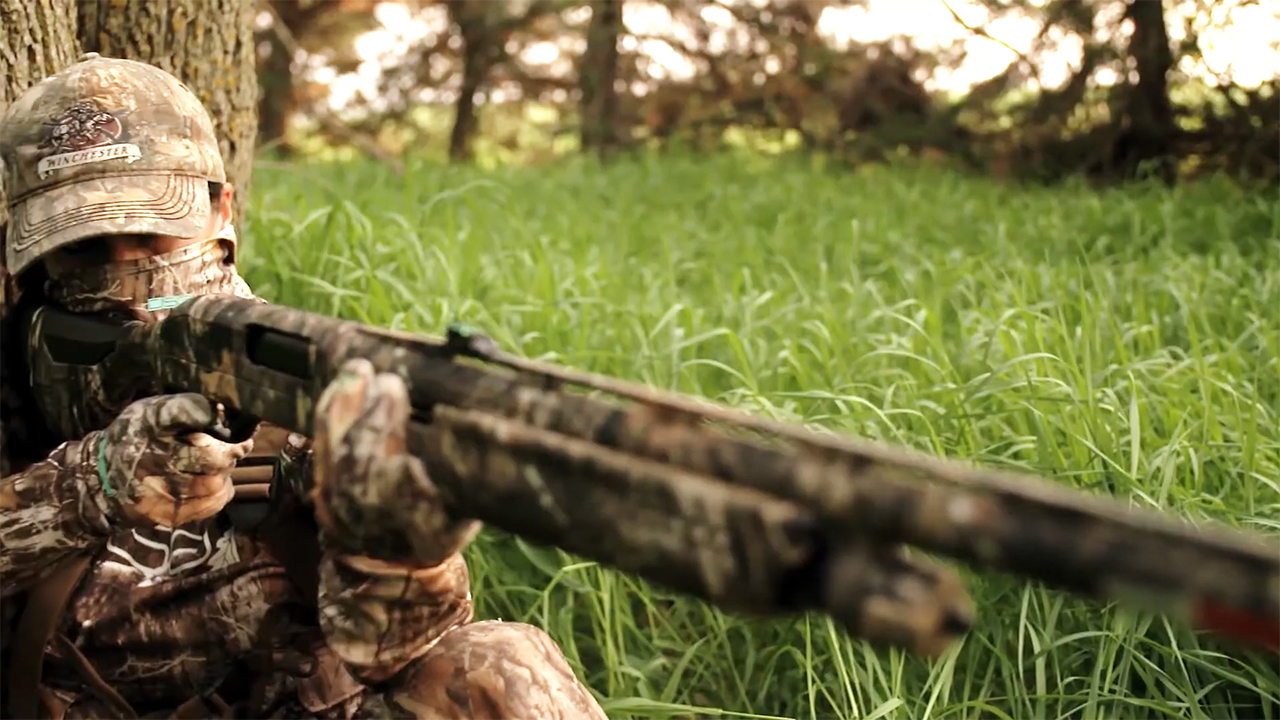
The modern Winchester story is complicated. The old Winchester Repeating Arms Company is not operating in the same simple way it did in the 1800s. The brand has gone through major corporate changes, licensing, and production shifts over time. That could have killed a weaker name.
But Winchester survived because the name itself still meant something. Current Winchester firearms are associated with Winchester Repeating Arms under the Browning/Winchester brand family, while Winchester Ammunition operates under Olin. The average shooter may not follow every business detail, but the name remains strong because the history underneath it is too deep to disappear.
14. Winchester Kept Classic Models Alive
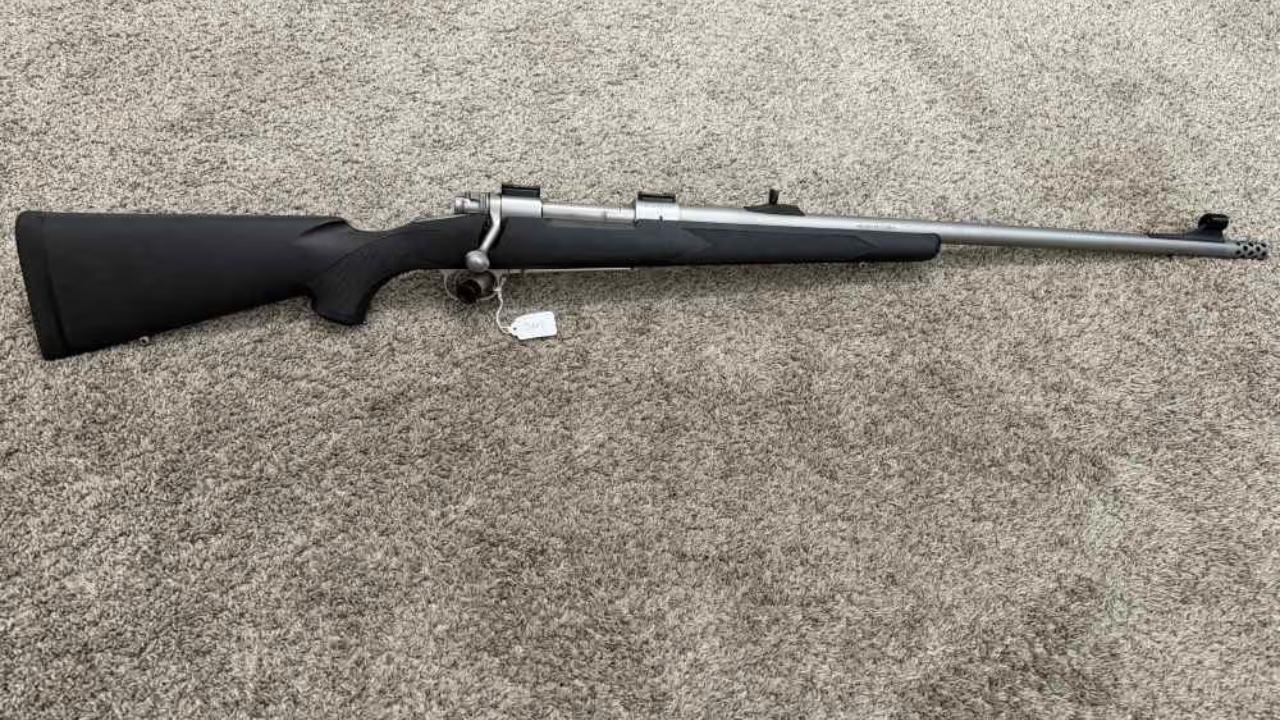
Another thing Winchester got right was keeping classic names in front of shooters. Current Winchester firearm listings still include the Model 70, Model 94, Model 1873, Model 1885, Model 1886, Model 1892, and modern shotgun lines like the SXP.
That matters because nostalgia alone is not enough, but familiar model names give the brand continuity. A shooter who grew up hearing about the Model 94 or Model 70 can still see those names in the catalog. That keeps Winchester from feeling like only a museum brand. It lets the company sell history in a form people can still buy and use.
15. Winchester Got the Emotional Part Right
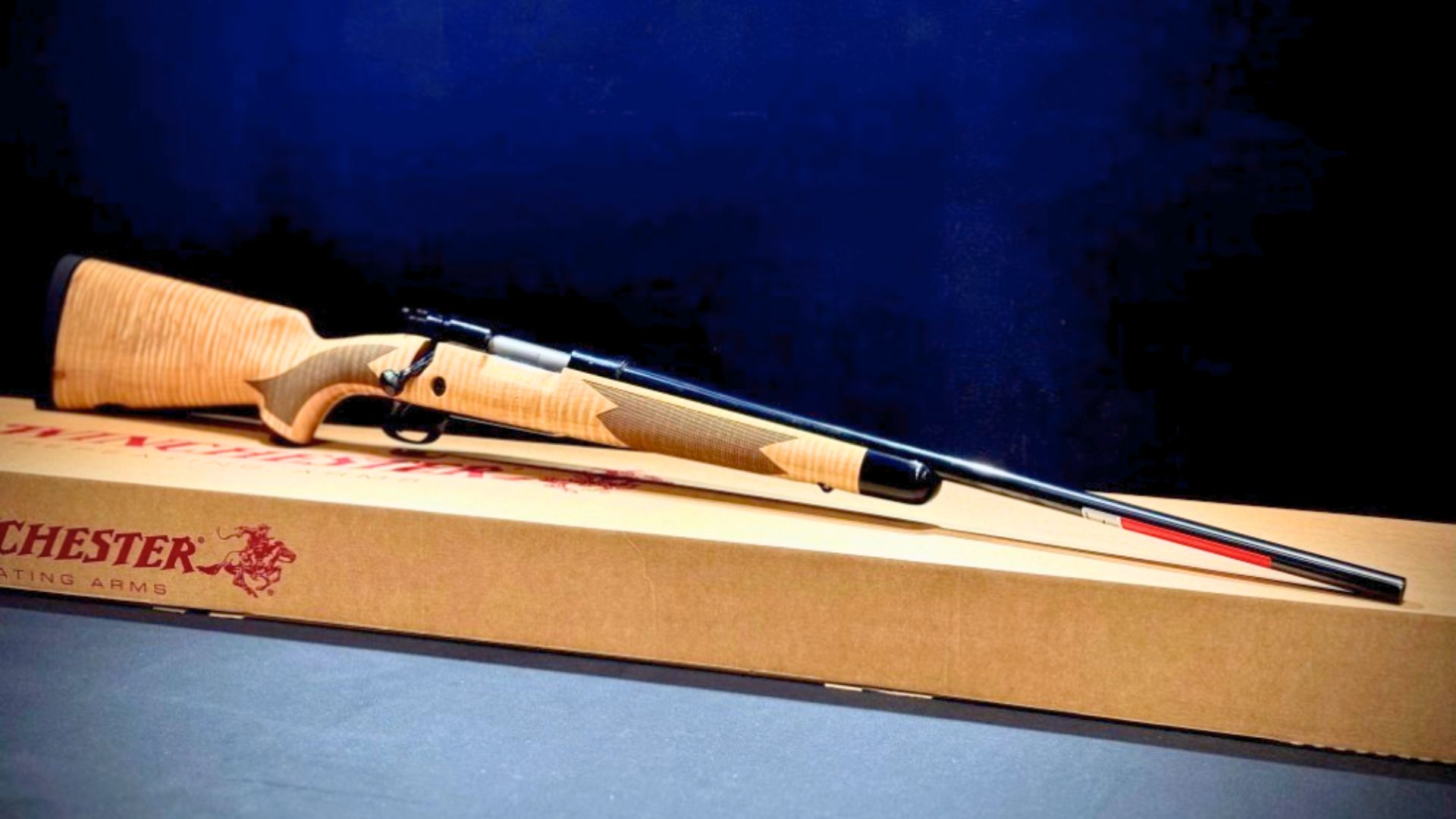
The biggest thing Winchester got right is harder to put on a spec sheet. It became part of how people think about American rifles and hunting. A Winchester lever gun in a deer camp, a Model 70 on an elk hunt, a box of .30-30 on a shelf, or an old Model 12 passed down through a family carries more than mechanical value.
That emotional connection is why the brand is still alive. Plenty of companies have made accurate rifles, reliable shotguns, and useful cartridges. Winchester did all that, but it also became a name people remember. It got into family stories, hunting photos, gun cabinets, old catalogs, and American firearm language. Once a brand gets that deep, it does not fade easily.
Like The Avid Outdoorsman’s content? Subscribe to our newsletter so you never miss an article.
Here’s more from us: