Photo credit: OreGear/YouTube
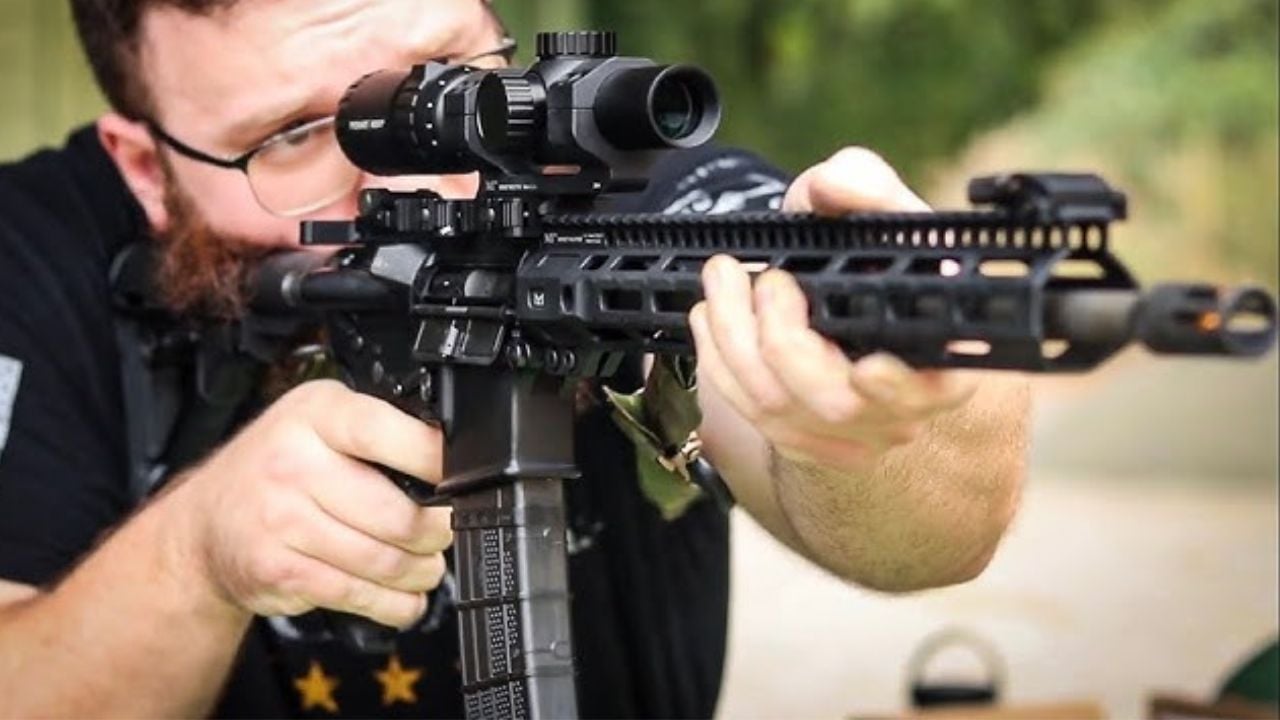
When an AR-15 won’t hold zero, it becomes the kind of rifle you stop trusting immediately. You can feel it in your gut—one day it prints a nice tight group, and the next day it’s throwing shots two inches left for no reason. Rifles lose zero for a few real, proven reasons: sloppy receivers, poorly bedded barrels, cheap optics, inconsistent gas systems, or hardware that works itself loose under recoil. Some ARs are built tight enough that none of that becomes a problem. Others… well, you learn quickly that they’re better off staying in the safe. These are the rifles that make you chase a zero instead of shooting confidently.
Anderson AM-15

The Anderson AM-15 is one of those rifles that appeals to budget-minded shooters, but the tolerances can vary so widely that holding zero becomes a gamble. The upper and lower sometimes fit loosely, and that flex shows up on paper. Add in barrels that aren’t always consistent and you get groups that shift from range trip to range trip.
You may tighten everything down and still find the rifle drifting after a few magazines. Heat makes the barrel walk more than it should, and the gas system isn’t always tuned well enough to keep the recoil impulse consistent. It’s a rifle you can plink with, but trusting it to stay zeroed long-term is tough.
Radical Firearms RF-15
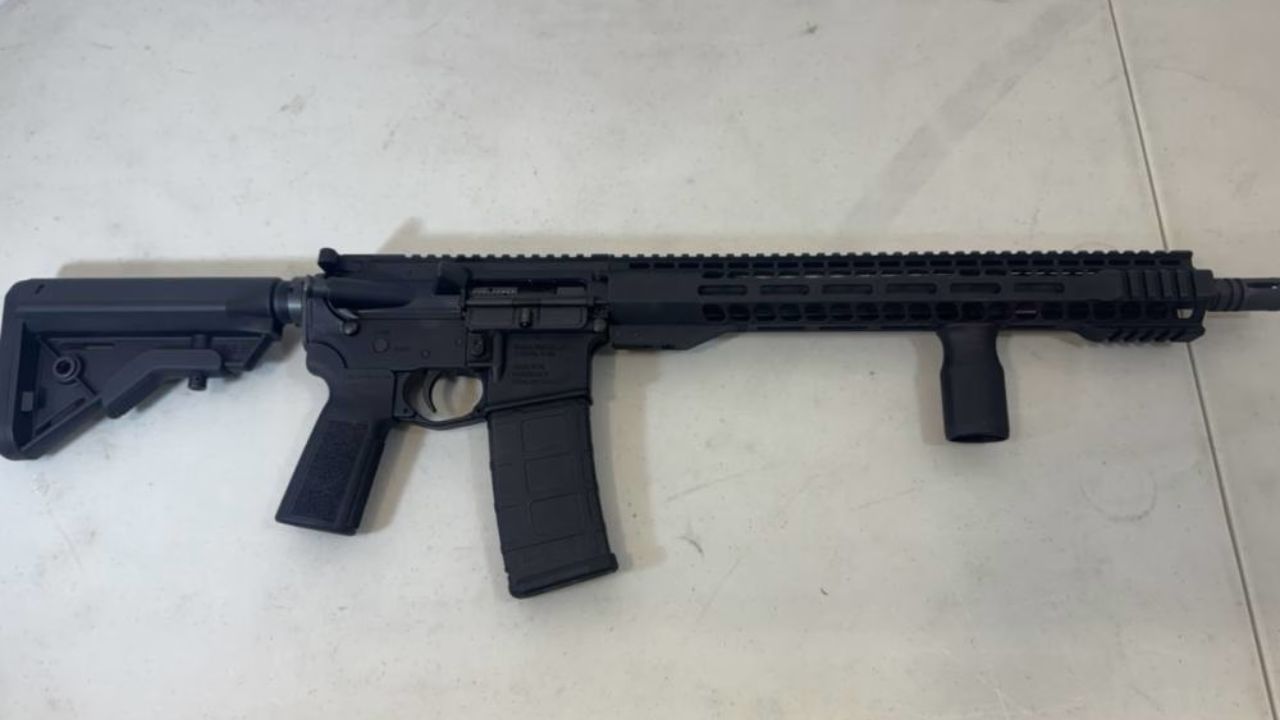
Radical Firearms rifles usually come at an attractive price, but the cost savings often show in long-term stability. The handguards sometimes loosen after moderate use, and any movement up front is going to wreck your zero—especially with optics mounted on the rail.
The barrels may shoot fine when cool, but repeated firing can cause point-of-impact shifts you’ll notice immediately. Even with upgraded optics, the underlying consistency isn’t there. If you’re shooting groups for accuracy, you’ll find yourself dialing adjustments more than you should for a rifle in this category.
ATI Omni Hybrid Maxx

The Omni Hybrid Maxx uses a polymer lower, and while it keeps weight down, it also introduces flex you can feel. That flex doesn’t help when you’re trying to keep a rifle zeroed through recoil or temperature swings. Over time, pins wallow slightly, and that slop shows up on target.
The upper-to-lower fit isn’t always tight, and barrel nuts have a reputation for coming loose. When the platform itself moves, even quality optics can’t make up for it. Some shooters get lucky with stable samples, but many others find themselves constantly re-zeroing.
Diamondback DB15
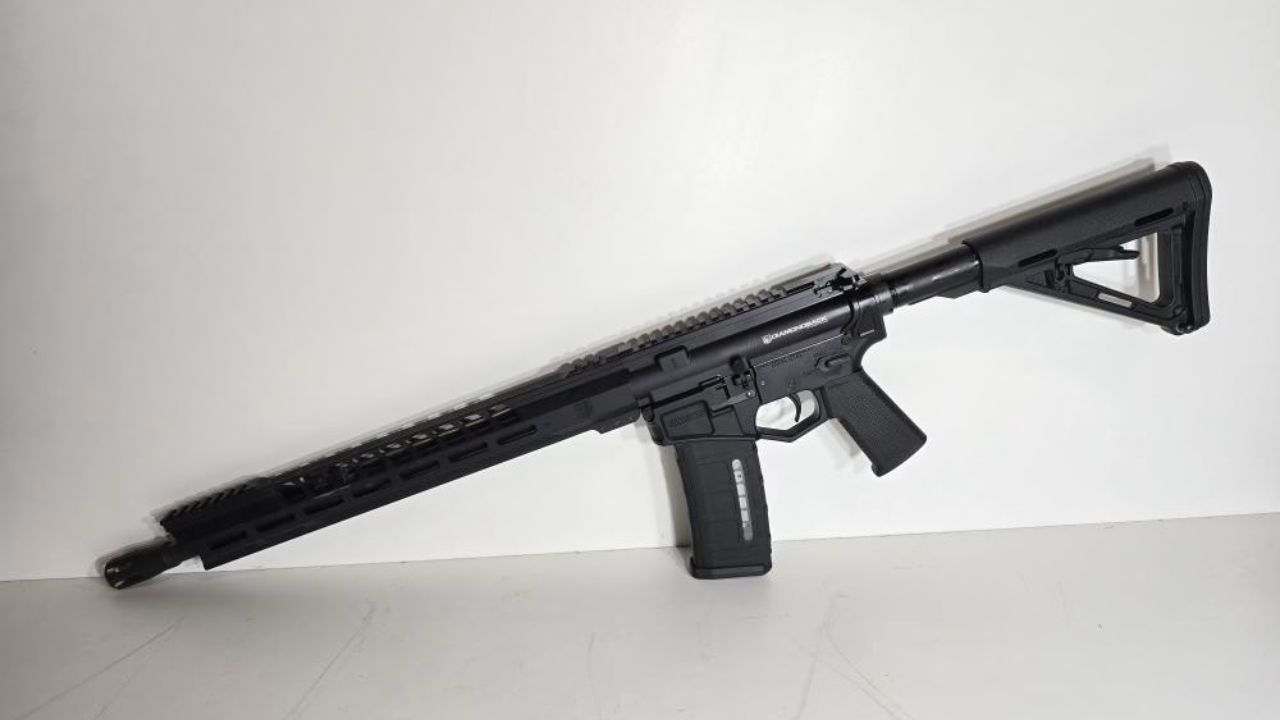
Diamondback rifles look good on the rack, but some models show meaningful point-of-impact shifts once you start running them hot. Barrels aren’t always stress-relieved well, and they tend to walk shots as temperatures rise. Combine that with occasionally loose handguard hardware, and zero drift becomes a real concern.
The gas system can also be inconsistent from rifle to rifle. That inconsistent impulse makes the rear of the gun behave unpredictably, and even a rock-solid optic mount can’t fully compensate. It’s a rifle that may start well, but the longer you shoot, the more shifts you’ll notice.
Del-Ton DT Sport
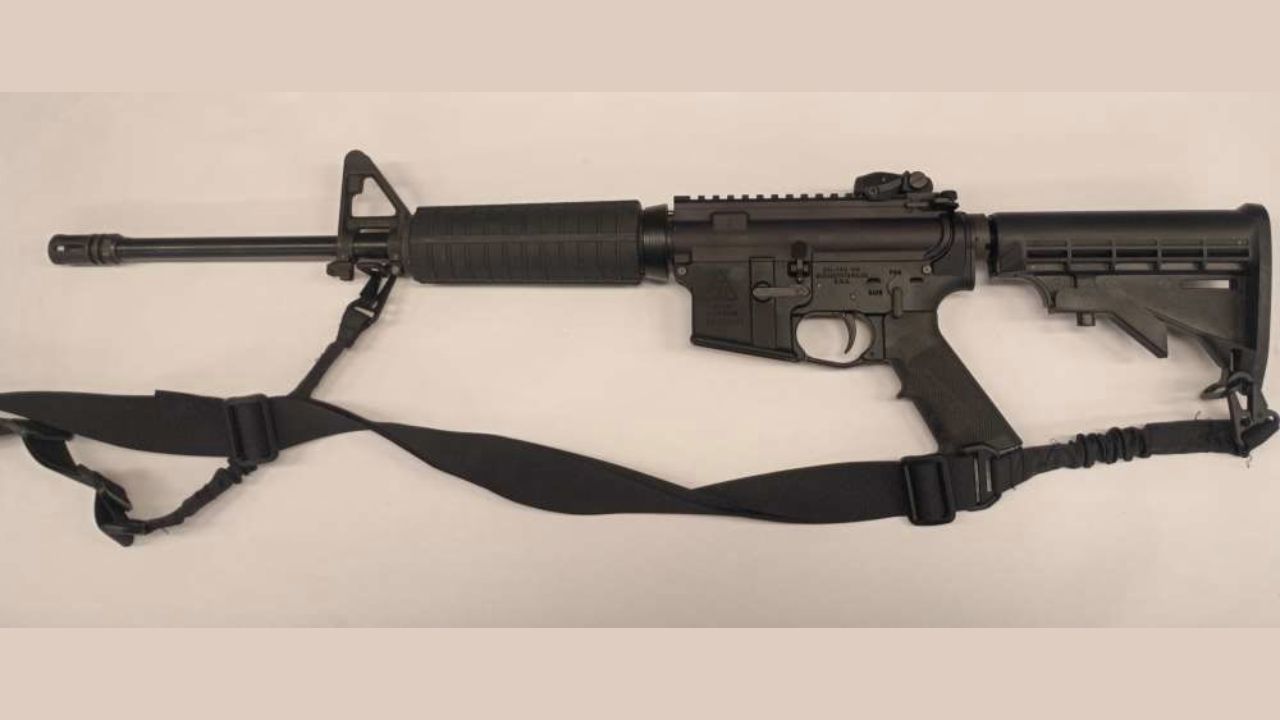
The Del-Ton DT Sport is designed to hit a price point, and while it can function reliably, keeping a stable zero isn’t its strong suit. Some barrels group well at first but don’t stay consistent over time. The budget-level hardware—especially the handguard retention—doesn’t help either.
Heat causes more wandering than you’d hope for, and the fit between components varies from rifle to rifle. If you’re running optics across the upper and handguard, any slight movement becomes a major accuracy problem. You’ll find yourself chasing groups when you’re trying to dial in precision.
Bear Creek Arsenal AR-15

Bear Creek rifles are known for being inexpensive, but the trade-off often shows up in barrel quality. Some barrels shoot surprisingly well, but many experience shifts as the gun warms. Even modest strings of fire can cause the point of impact to drift, making it frustrating for anyone trying to maintain a reliable zero.
The machining on the receivers is also inconsistent. A sloppy upper-to-lower fit amplifies the problem, and the handguard hardware doesn’t always stay tight. If you want a rifle you can set and forget, this isn’t usually the one.
Bushmaster XM-15 (older production)
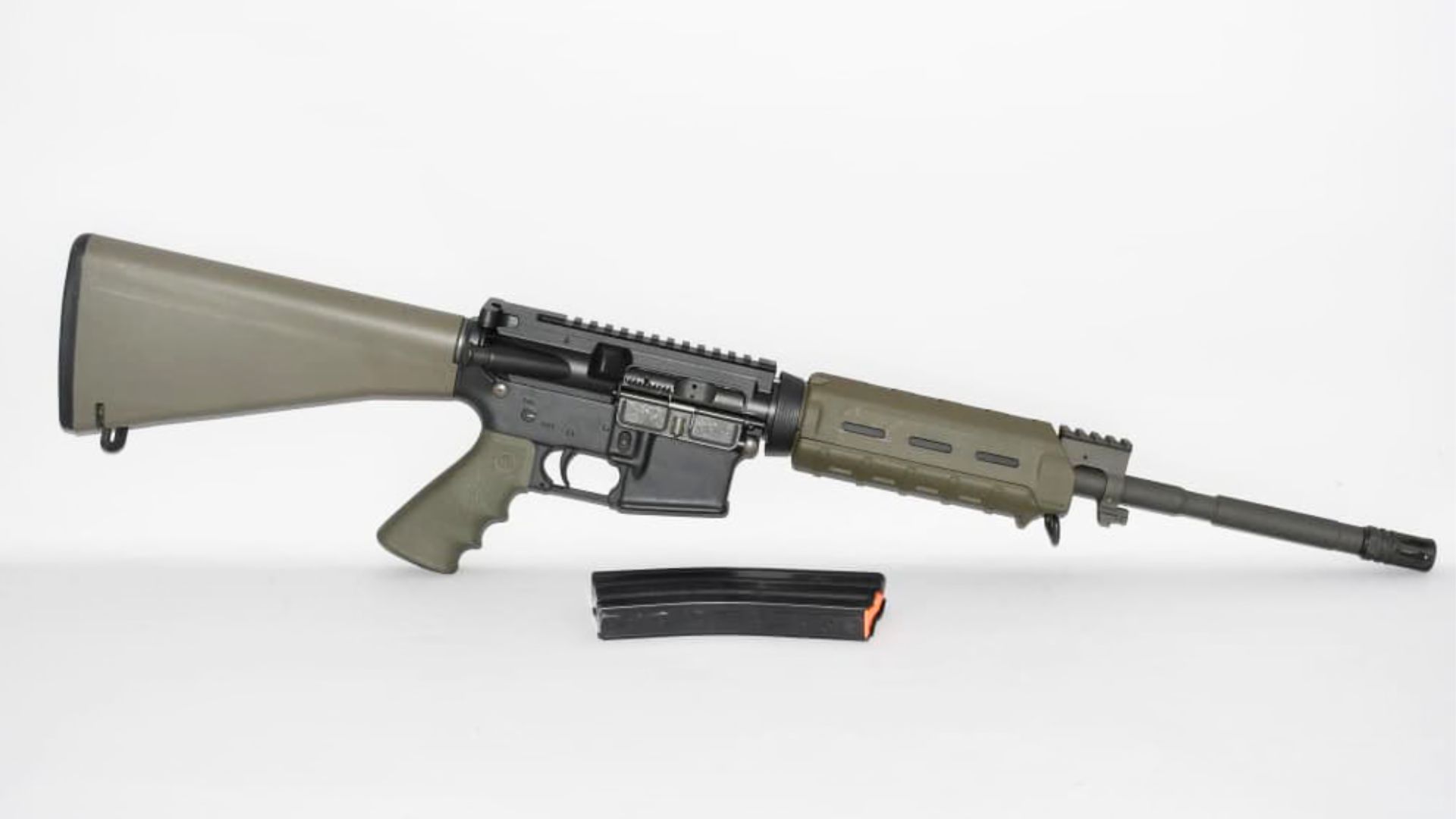
Some older XM-15 rifles had quality swings during production years when the company changed hands. Those rifles can show accuracy drift, especially as the barrel heats up. Fitment between the upper and lower can be inconsistent, and any play affects the rifle’s ability to repeat shots cleanly.
The barrel nuts aren’t always torqued consistently on those older models, which leads to long-term point-of-impact changes. If you’ve ever shot one that wanders left after ten rounds, you know the frustration well.
DPMS Oracle (pre-Renaissance)
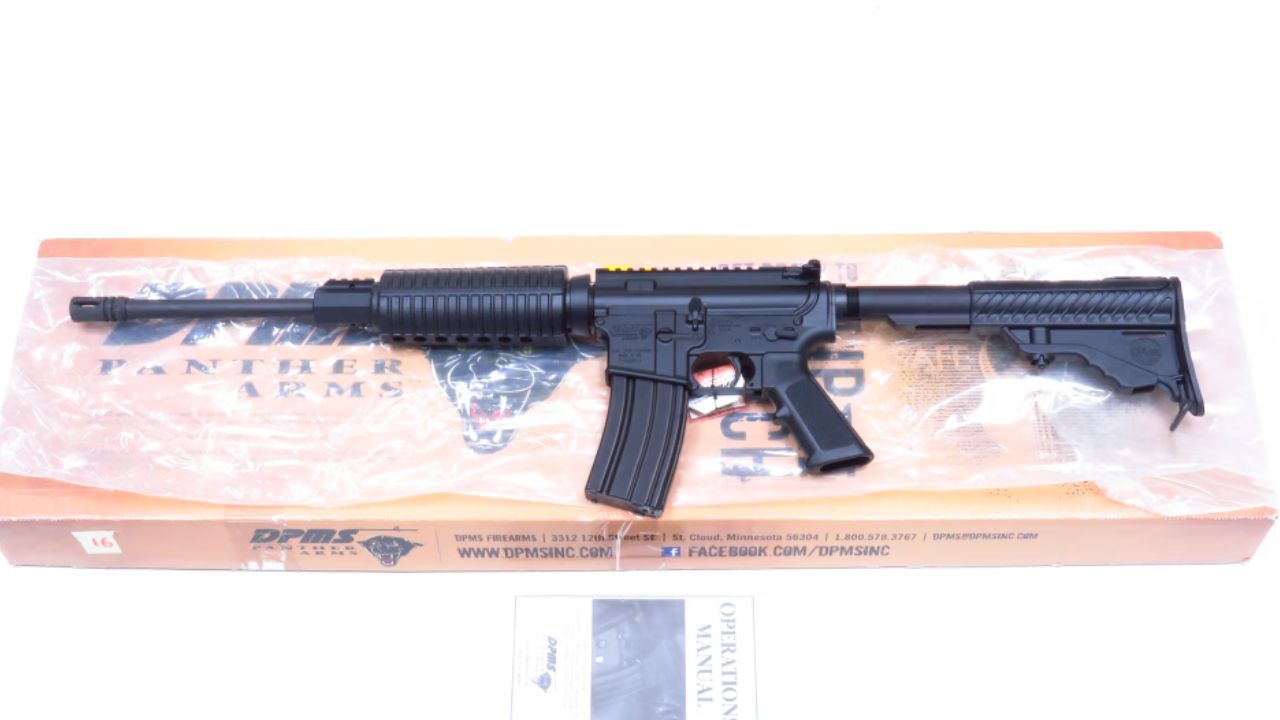
The pre-Renaissance DPMS Oracle rifles were known as budget guns with wide-ranging performance. Some held zero well, while others drifted noticeably after even mild firing sessions. The lightweight barrels often walked shots under heat, and the gas systems varied enough to change the recoil impulse.
The handguards weren’t rigid, and mounting optics across both receiver and handguard made things worse. Even with a solid optic, the rifle’s inconsistencies show through quickly. It’s no surprise so many owners upgraded barrels or traded them off.
Windham Weaponry Carbon Fiber AR
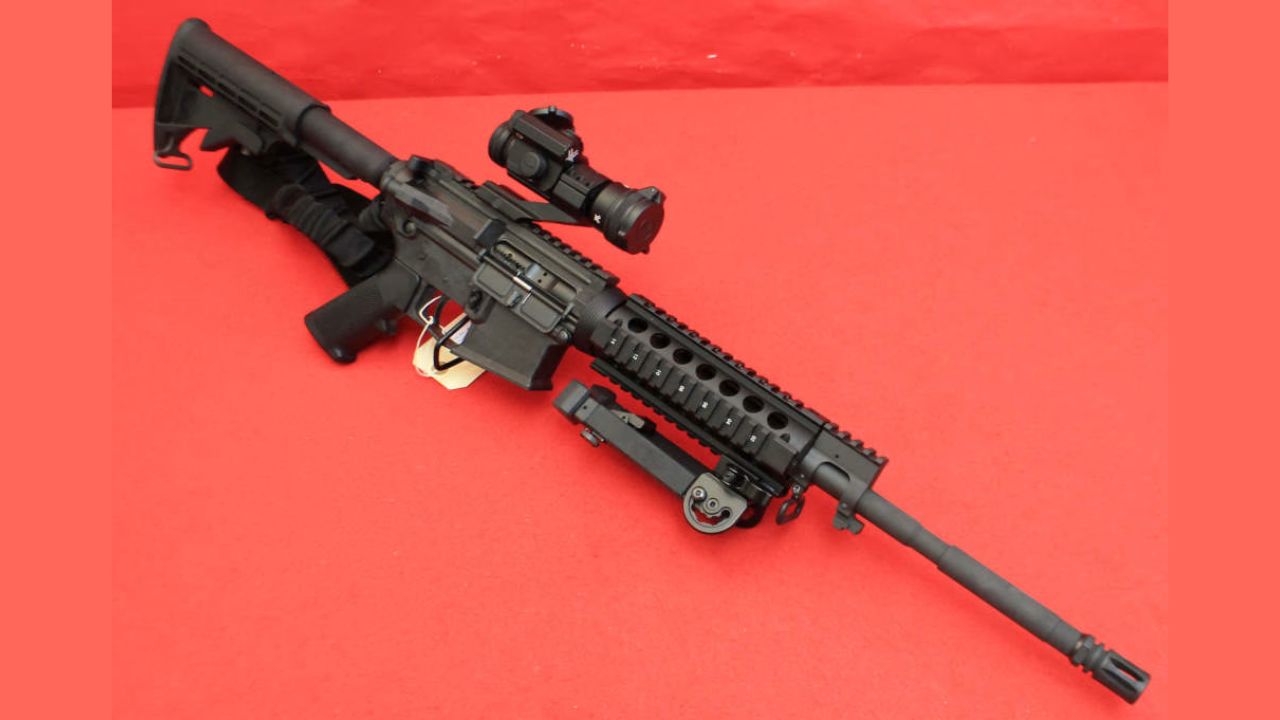
Carbon fiber lowers sound appealing on paper, but the flex can cause long-term zero drift. Windham’s traditional rifles are solid, but the lightweight carbon-fiber variants sometimes move more than expected. Over time, screws loosen, and the rifle’s structure shifts just enough to make zero maintenance a chore.
While the rifle handles well, the reduced rigidity doesn’t help with repeatability. Even slight temperature changes can cause point-of-impact movement. If you want a rifle that always shoots where it did last time, this one isn’t the most forgiving.
Core 15 Basic Models
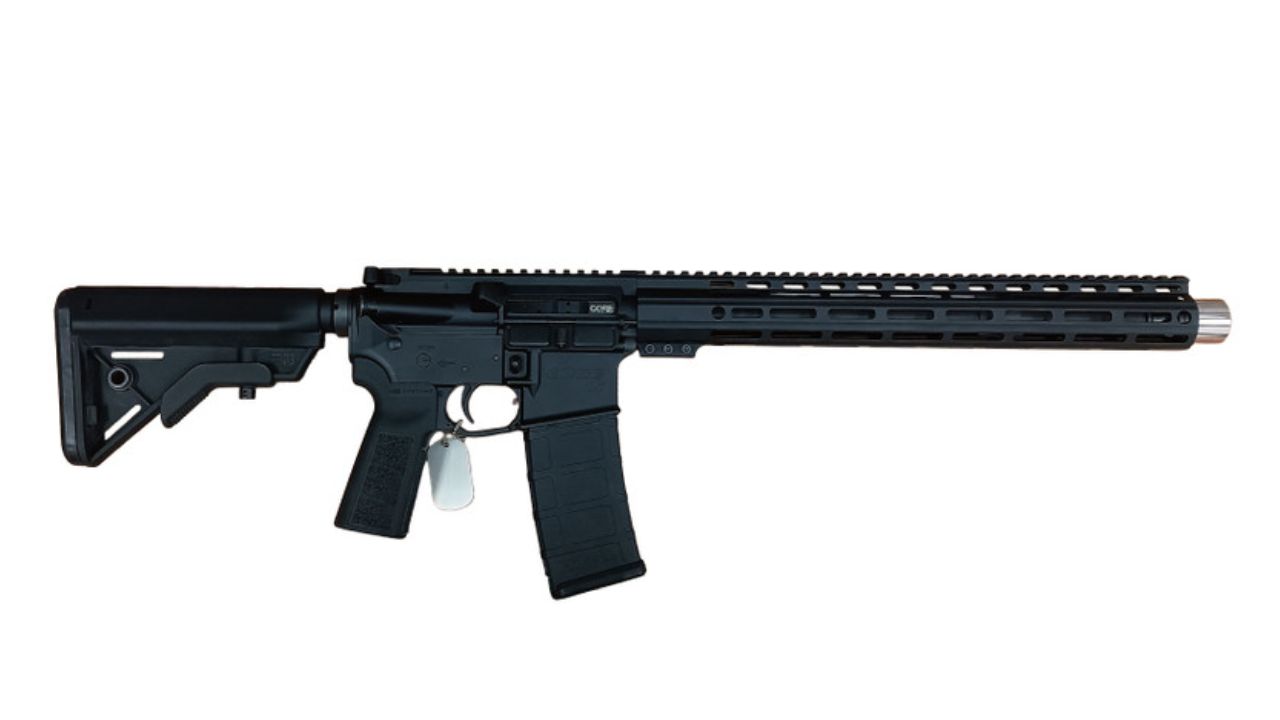
Some Core 15 rifles shoot well, but the basic-level models often show fitment issues between the upper and lower. That tiny bit of movement becomes noticeable once you start stretching the rifle’s accuracy. The barrels can also be hit-or-miss, and heat brings out inconsistencies.
The handguard screws don’t always stay tight, and any movement affects optics. If you’re shooting more than a casual session, you may find yourself tweaking and tuning more than you’d prefer.
Black Rain Ordnance BRO Basic Series
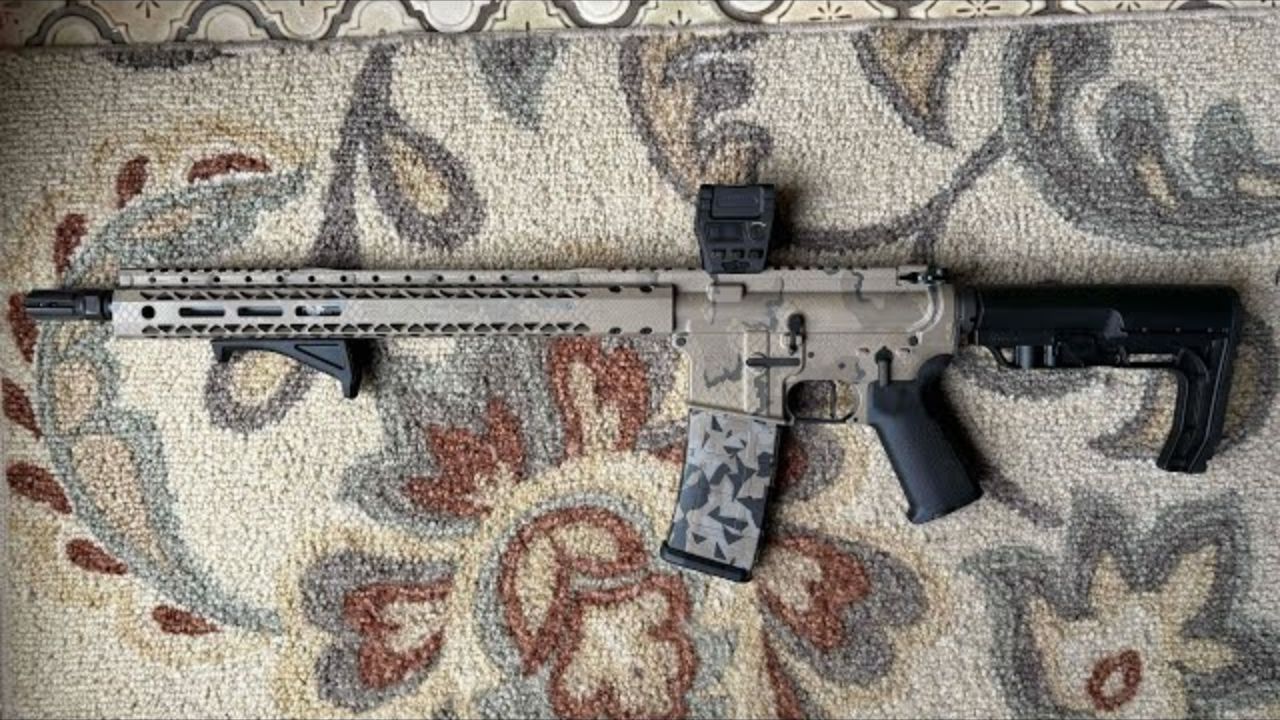
Black Rain’s premium rifles are respectable, but the basic-level models haven’t always delivered the same consistency. Some shooters report point-of-impact shifts tied to handguards that loosen with use. Even a little play throws off optics and iron sights alike.
The barrels aren’t always as consistent as the branding suggests. When the rifle heats up, groups can drift, especially with heavier loads. For a company known for style, some models don’t offer the stability you’d expect when zero repeatability matters.
MG Arms Ultra-Light AR

Ultra-light ARs can be handy to carry, but they’re notoriously hard to keep zeroed, and the MG Arms models are no exception. With so little weight up front, the barrels heat quickly, and the point of impact shifts almost immediately.
The reduced rigidity makes the rifle feel lively in the hands—but not in a good way when you’re trying to shoot tight groups. Even careful zeroing won’t guarantee stability once you start putting rounds through it.
Bushmaster Carbon 15
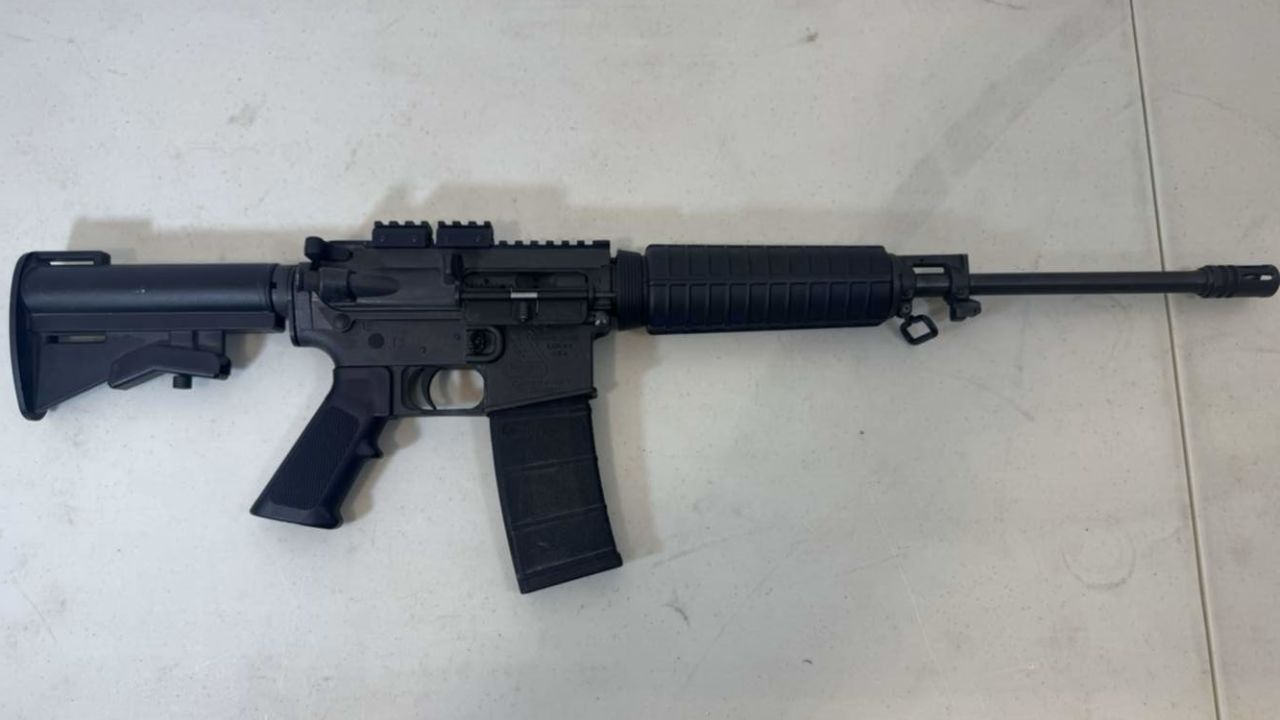
The Carbon 15 is another lightweight rifle that sacrifices rigidity for weight savings. The polymer receiver flexes, especially when using a sling or shooting from supported positions. That flex alone introduces zero drift, even before the barrel starts warming.
The handguards aren’t particularly stable, and any optic bridging the upper and handguard will lose alignment quickly. It’s a fun rifle to carry, but not the rifle you trust to stay zeroed from season to season.
Like The Avid Outdoorsman’s content? Be sure to follow us.
Here’s more from us:
The worst deer rifles money can buy
Sidearms That Belong in the Safe — Not Your Belt
*This article was developed with AI-powered tools and has been carefully reviewed by our editors.