Photo credit: Miller_Eszter/Pixabay.com
Bobcats have a reputation as ghost cats you only see on game cameras in the Southwest. In reality, they’re living a lot closer to our backyards, fields, and woodlots than most people realize. Biologists say they’re present in every state but Alaska, Hawaii, and Delaware, and populations are stable or increasing across most of the Lower 48.
Here are 15 states where bobcats are a lot more common than the average landowner or deer hunter tends to think.
Texas
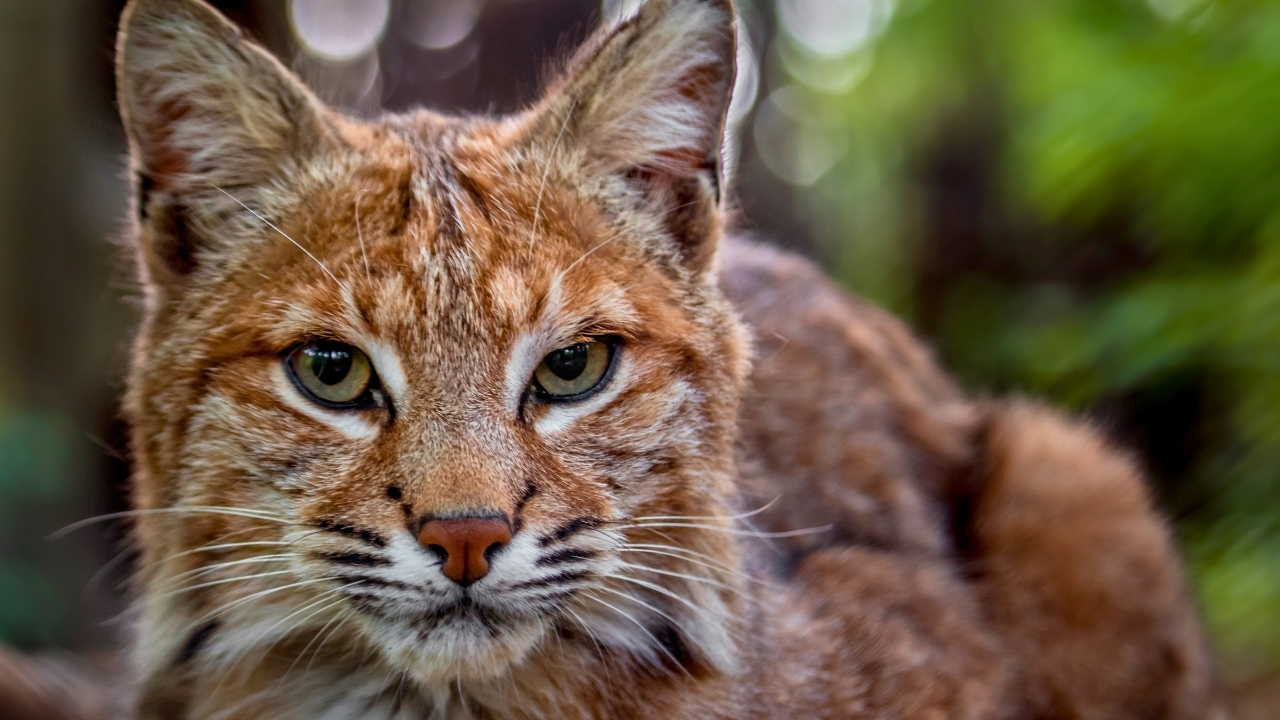
Texas probably leads the country in total bobcat numbers, with some estimates putting the population over 200,000 animals. They’re spread from brush country and mesquite flats to the edges of suburban developments around the big metros. Ranchers and small-acreage landowners report regular sightings, and roadkills are common enough that biologists use them as a data point.
Because they’re mostly active at night and stick to cover, a lot of people assume bobcats are rare. Trail cameras tell a different story. Put a camera on a sendero, dead calf, or heavy rabbit trail and you’ll usually start picking up that short tail and ear tufts sooner than you expect. For predator hunters, they’re often the surprise bonus that comes in behind the coyotes.
Wisconsin

If you grew up thinking bobcats were a strictly “up North” thing in Wisconsin, the numbers say otherwise now. Early estimates put the northern population around 3,500 cats in 2016; newer research that includes the rest of the state suggests Wisconsin might have more than 46,000 bobcats on the landscape today.
Hunters and trappers constantly report cats showing up farther south, and sightings around farms and woodlots are getting more common. On private timber, you’ll see their prints in logging roads right alongside coyote tracks. Folks running predator sets, turkey blinds, or deer cameras are learning that bobcats aren’t a once-in-a-lifetime sighting in Wisconsin anymore—they’re part of the regular predator mix.
Connecticut
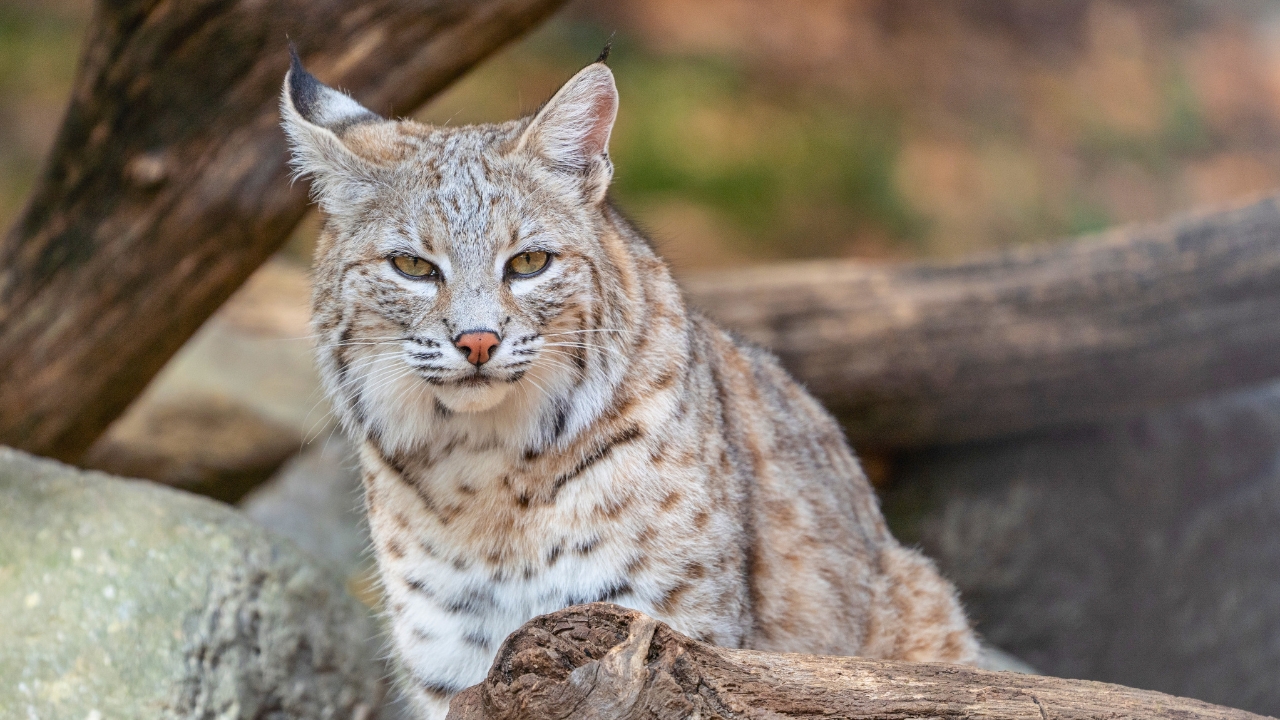
Connecticut is a textbook case of how bobcats can quietly rebound. State wildlife officials logged only a few hundred reported sightings a little over a decade ago. Recent numbers show more than 4,000 reports a year, with nearly 6,000 at the peak, as the population has spread and people have more cameras out.
These cats are showing up in brushy woodlots, swamp edges, and even near suburban neighborhoods. Residents who still think of bobcats as a back-of-beyond species are now watching them trot past backyard bird feeders or across driveways on security cameras. For deer and turkey hunters, that means Connecticut isn’t just coyote country anymore—bobcats are a regular part of the predator lineup.
Illinois

Illinois used to treat bobcats like a rare species; now they’re practically statewide. The Illinois Bobcat Foundation estimates more than 5,000 bobcats in 99 of the state’s 102 counties. That includes a lot of ground people still think of as “just corn and beans,” plus hill country, bluffs, and river corridors.
Harvest seasons and permit systems reflect that rebound, and reports from the Chicago suburbs all the way down to the southern counties show these cats are doing fine. For deer hunters and small-game guys, that means you may have more predator pressure on fawns, rabbits, and turkeys than you realize. Seeing a bobcat isn’t a freak event in Illinois anymore—it’s something most folks will run into sooner or later.
Florida
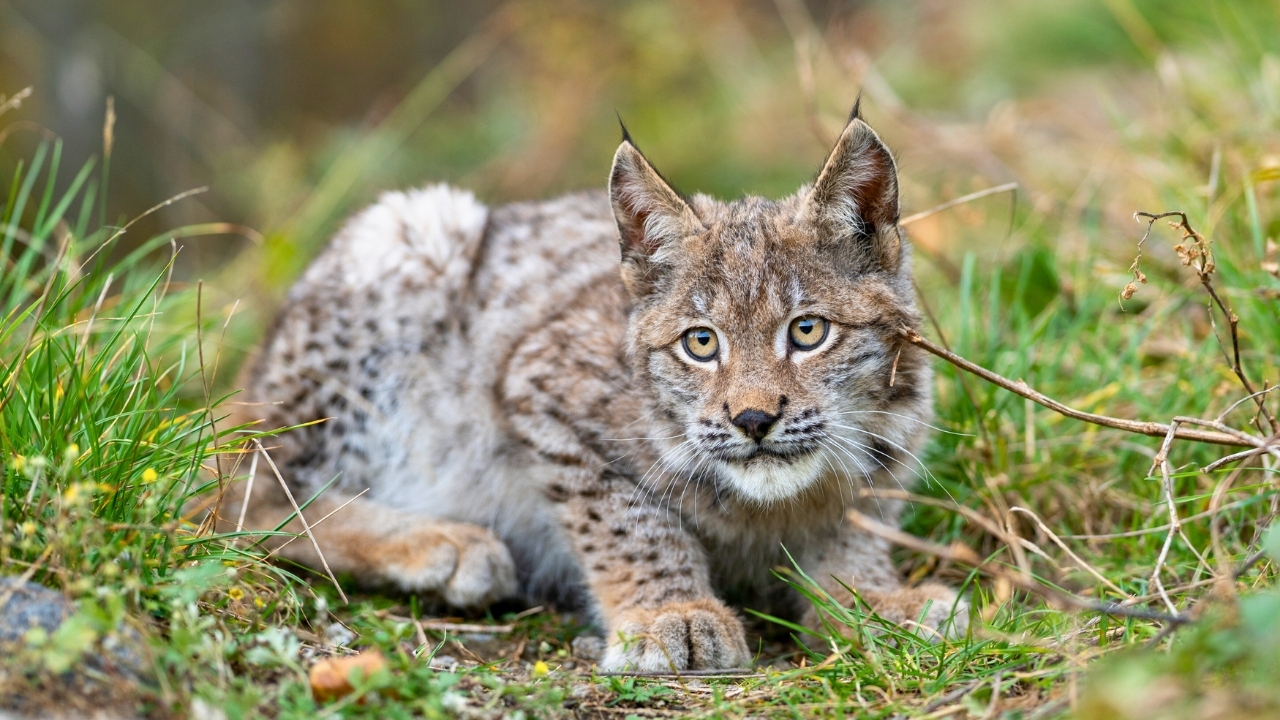
Florida residents worry about panthers; meanwhile bobcats slip under the radar. The state is considered to have a strong, stable bobcat population spread through wetlands, pine flatwoods, and the thickets between subdivisions. Bobcats use drier hummocks, canal banks, and levees as travel routes, and urban sprawl hasn’t scared them off.
They show up on golf courses, in retention ponds, and around backyard bird feeders that also attract squirrels and rabbits. Hunters running hog or deer cameras in Florida routinely pick up bobcats without trying. The cats are small enough and wary enough that problems with people are rare, which is probably why most Floridians still underestimate how many share the landscape with them.
North Carolina
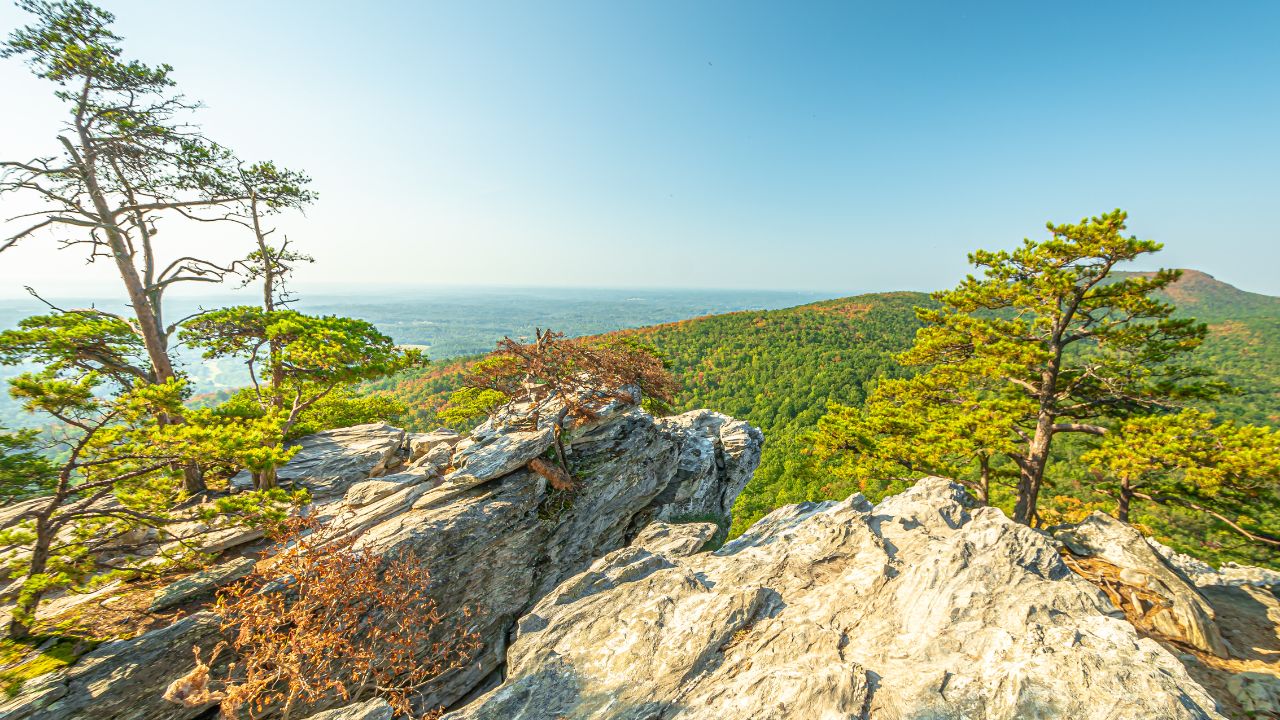
Ask around North Carolina and plenty of people will swear bobcats are rare. Wildlife numbers tell a different story. One recent estimate pegs the statewide population around 90,000 animals, making them far more numerous than most residents believe. They’re scattered through the mountains, Piedmont woodlots, and coastal cover that holds rabbits and songbirds.
Even in areas where people rarely lay eyes on them, sign is everywhere: tracks along muddy creek crossings, fresh scrapes, and rabbits that disappear from fencerows. Biologists say they’re doing well in rural and semi-suburban areas, where overgrown edges and unmanaged fields give them all the ambush cover they need. If you’re glassing deer at last light in North Carolina, odds are good a bobcat has already slipped by you without being noticed.
Georgia

Georgia’s got healthy bobcat numbers from pine country to river bottoms, even if most folks never see them. Wildlife sources list the state alongside others with “healthy and stable” bobcat populations, and trappers, houndsmen, and deer hunters back that up with trail-cam proof.
They work field edges, cutovers, and creek draws that also hold turkey nests and rabbits, so their impact on small game is real even when sightings are rare. Suburban expansion hasn’t pushed them out so much as pushed them into odd corners—utility easements, golf course fringes, and overgrown lots. A lot of Georgia residents are shocked when a “strange spotted cat” walks past their Ring camera, but for the bobcats, it’s just part of their normal circuit.
Washington

Bobcats in Washington get overshadowed by the talk about cougars and bears, but they’re seriously well-established. Wildlife write-ups list Washington as one of the states with “healthy and stable” bobcat numbers, with cats using everything from coastal timber to sagebrush breaks.
In the west, they hunt alder bottoms, clearcuts, and the edge of suburbs; in the east, they run coulees, draws, and rocky canyons loaded with jackrabbits. Most hikers never see them, but hunters find their tracks in snow and mud all season long. For anyone trapping or calling predators, Washington isn’t “maybe you’ll see a bobcat someday” country—odds are decent they’re already on your ground, you just haven’t caught them in the open.
Ohio
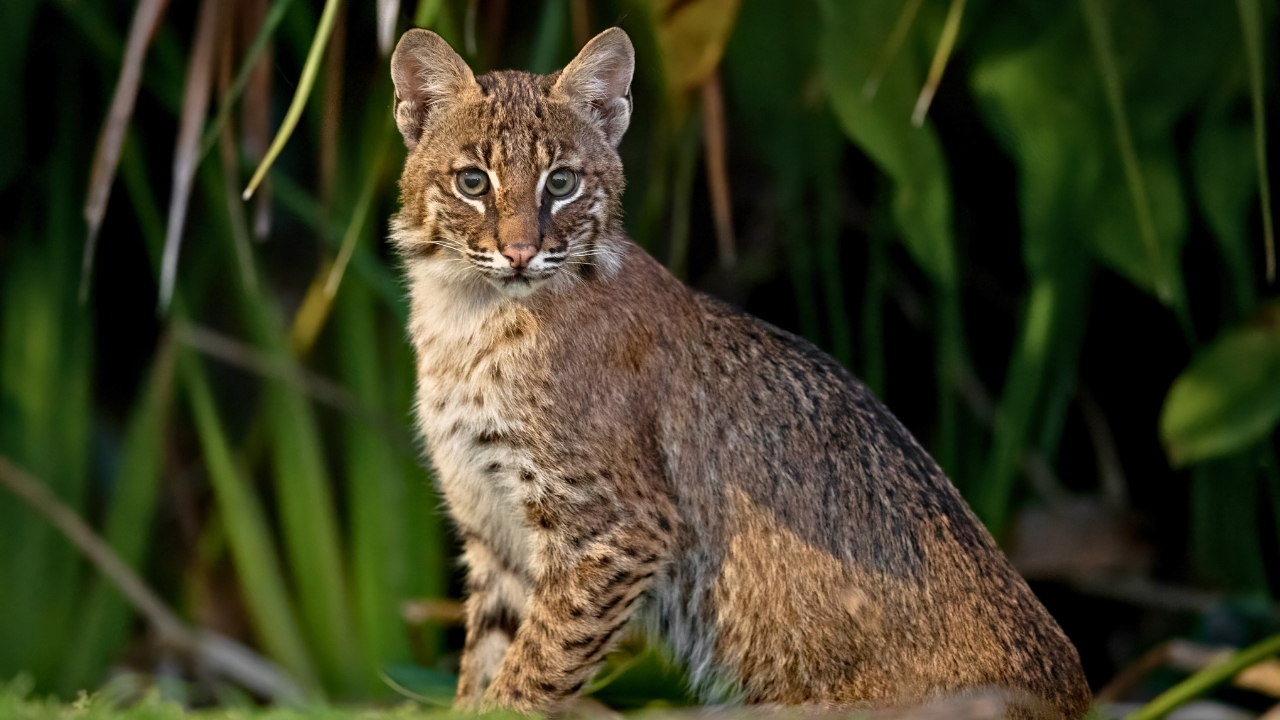
Harry Collins Photography/Shutterstock.com
Ohio still treats bobcats as a protected species, but that doesn’t mean they’re scarce anymore. Wildlife sources list Ohio as having a stable, recovering bobcat population, and the confirmed sightings map has been filling in for years. Appalachian counties get most of the attention, but cats are showing up along river corridors and big timber patches farther north too.
Hunters and trail-cam owners are often the first to notice how common they’ve become. It’s the classic pattern: years of “I’ve never seen one,” followed by everyone in a county suddenly sharing grainy night photos of the same short-tailed cat. By the time the average landowner hears bobcats are back in Ohio, they’ve usually been back for quite a while.
New Jersey
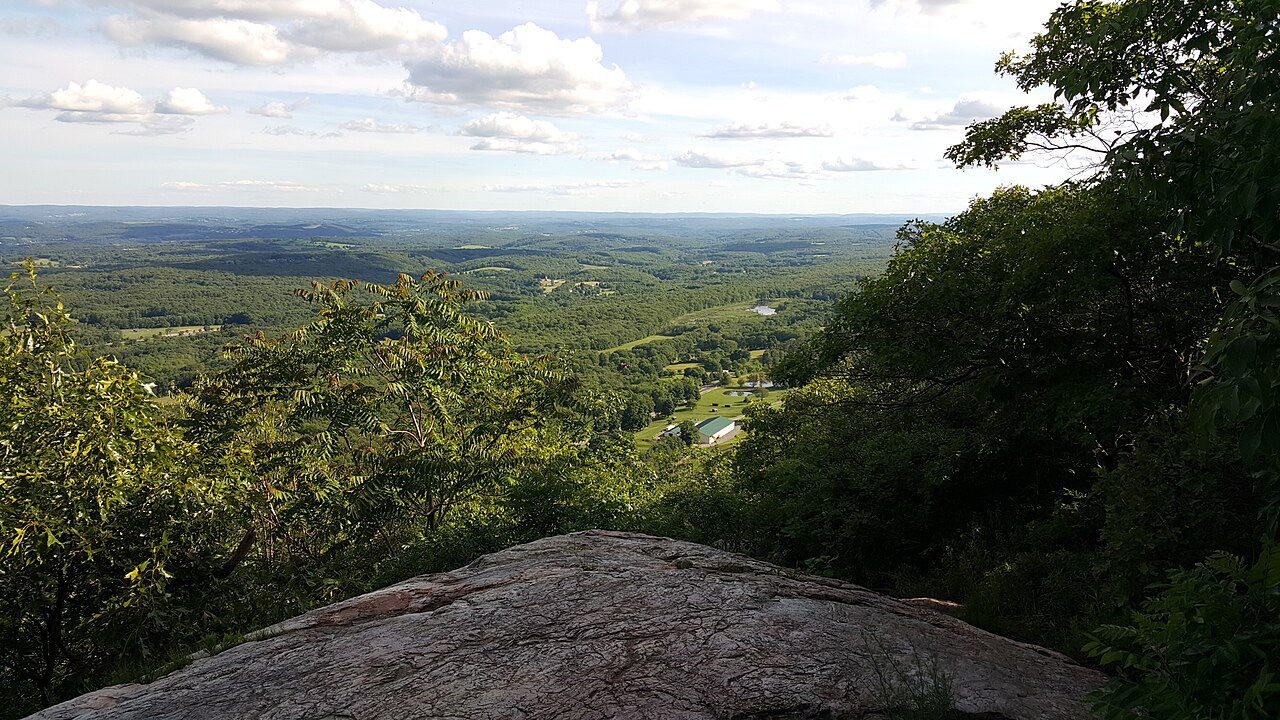
New Jersey is one of the best examples of a bobcat comeback that most people still don’t know about. After being nearly wiped out, the state reintroduced bobcats in the late 1970s and early ’80s. Today, biologists estimate somewhere around 200–400 cats, possibly close to 500, mostly in the northwestern part of the state.
They’re tied to rougher country—ridges, big timber, and tangled second growth—but that’s still a lot of territory in a small state. Trail-cam photos from deer hunters keep proving they’re there even when people never see them in daylight. New Jersey residents who assume the only wild predators around are foxes and coyotes are usually surprised to learn there’s a solid bobcat population riding those ridges above the suburbs.
Indiana

Bobcats in Indiana were once considered rare enough to get special attention. Now the state is listed among those with protected but stable populations, and sightings keep spreading. Cats use southern hardwood ridges, reclaimed mine ground, and brushy creek bottoms.
Even in farm country, they follow drainage ditches, shelterbelts, and overgrown fencerows that tie small woods together. That’s why deer and turkey hunters start seeing bobcats on cameras long before the neighbors believe they’re around. Protection has given the population room to climb, so anyone managing ground for small game in Indiana needs to factor bobcats into the predator picture, even if they’ve never laid eyes on one.
Michigan

Michigan’s range maps used to leave big gaps for bobcats in the Lower Peninsula, but locals have been calling that out for years. Hunters and hikers report them all over the state, and recent stories include a bobcat wandering around the grounds of a prison in the Upper Peninsula before being shooed back into the woods.
They key in on cedar swamps, brushy ridges, and mixed hardwoods—classic deer cover that most Michigan hunters already live in. Trail-cam photos from bait sites, scrapes, and food plots almost always turn up bobcats sooner or later. So even if you’ve never seen one in daylight, odds are good a cat has already padded past your tree stand more than once.
California
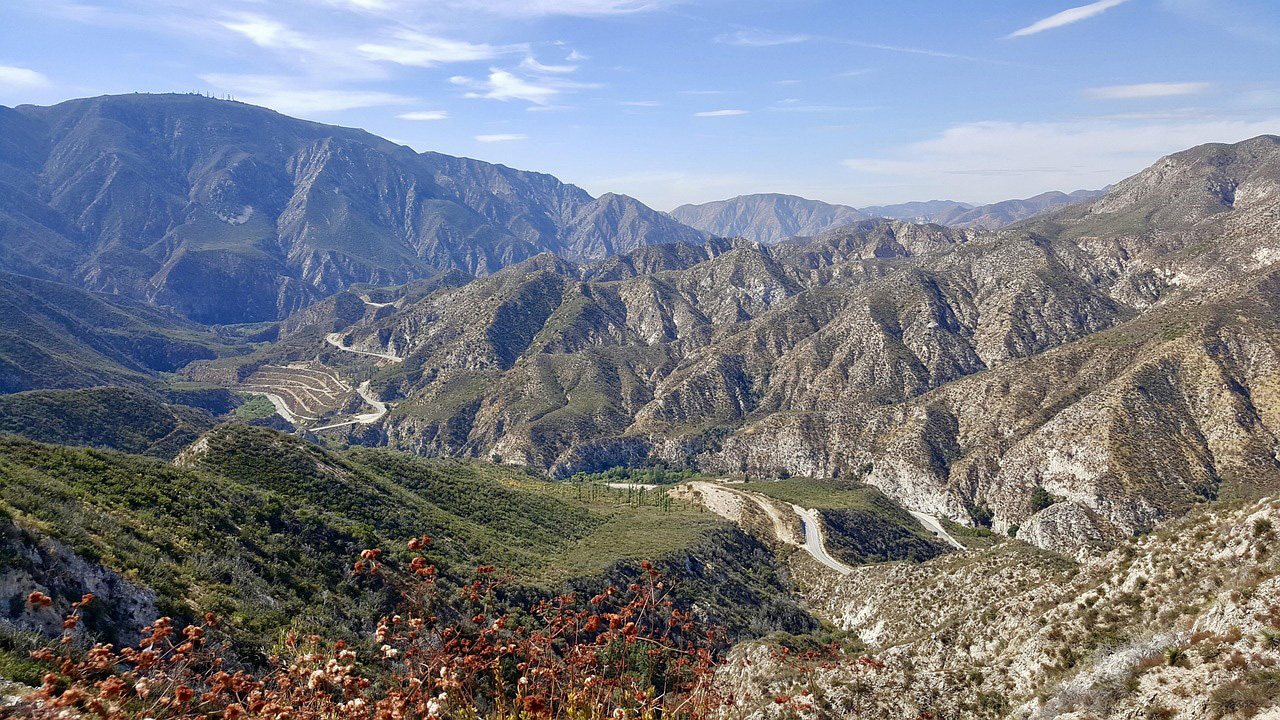
California doesn’t get as much bobcat press as its mountain lions, but the numbers are strong. State estimates put the bobcat population somewhere between 30,000 and 50,000 animals spread across all 58 counties. They use everything from chaparral hills and oak savannas to desert washes and the edges of suburbs.
Hunters and hikers see them slipping through grasslands after rodents or quietly working the edges of vineyards and orchards. Because many of these cats run their routes at night or in thick cover, people assume they’re rare. In reality, California has one of the higher bobcat totals in the country; the cats are just good at staying out of sight until someone checks a camera or catches a glimpse at last light.
Iowa

If you still picture Iowa as corn from fence line to fence line, you’ll miss how much bobcat cover is tucked into that state. Biologists and field reports note bobcats turning up in cornfields, along creeks, and around bird feeders throughout the countryside. Brushy draws, river corridors, and uncut CRP patches are enough to keep them comfortable.
Most residents still think seeing a bobcat is something you tell the local paper about. Meanwhile, predator hunters and farmers running cameras have stacks of photos that say the cats are well established. They’re another example of how a species can fill in quietly behind the scenes while most people assume their state doesn’t “really have” bobcats.
Colorado
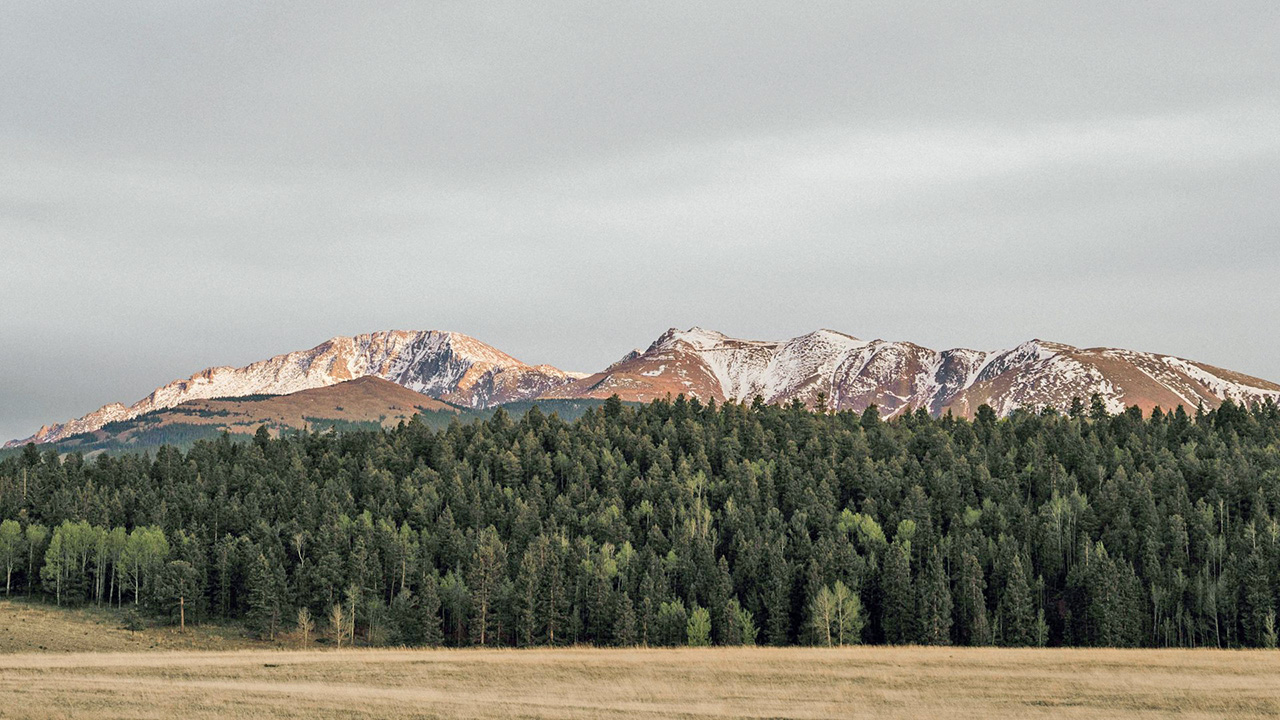
Colorado gets attention for elk and mule deer, and for the number of mountain lions in the foothills. Bobcats are the quieter neighbor that most people overlook. Wildlife pieces point out that bobcats are now common around cities like Denver and out into farm and ranch country, using the same mix of coulees, draws, and brushy creek bottoms that hold small game.
They hunt rabbits, ground-nesting birds, and rodents on both public and private land. Hikers might catch a glimpse on a trail, but more often the only proof is a track line cutting across snow or a quick cameo on a game camera. For Colorado hunters thinking strictly about coyotes and lions as predators, it’s worth remembering there’s a third cat working the country that shows up more than you’d guess.
Like The Avid Outdoorsman’s content? Subscribe to our newsletter so you never miss an article.
Here’s more from us: