Photo credit: DAVID NIETO/Unsplash.com
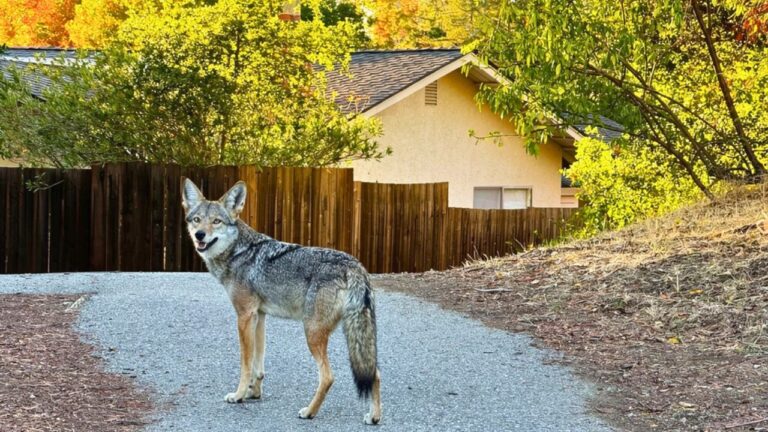
Coyotes aren’t “suddenly evil.” They’re adaptable predators that have learned two things: suburbs and rural neighborhoods provide easy travel cover, and small pets can be easy prey if people are careless. Most porch snatches happen the same way — it’s dark, the dog gets let out alone for “one minute,” and a coyote that’s already been working the neighborhood takes advantage. The scary part isn’t that coyotes are everywhere. It’s that in many places they’ve gotten comfortable enough to treat neighborhoods like part of their hunting route.
This list focuses on states where coyote activity near homes is common enough that porch incidents are a real issue — driven by dense coyote populations, easy cover, and neighborhoods that back right up to fields, woods, washes, canals, or greenbelts.
Texas
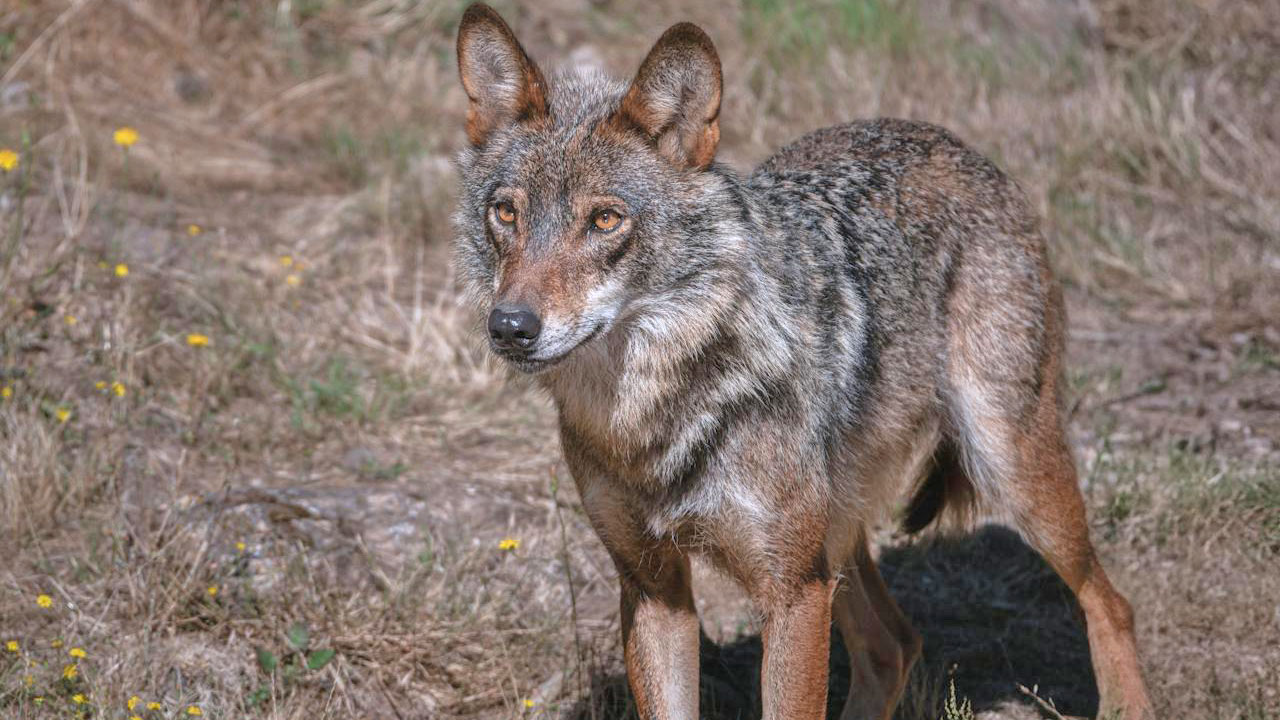
Texas is coyote country, full stop. You’ve got coyotes in rural areas, on the edges of suburbs, and in city greenbelts. The porch problem shows up when neighborhoods are built next to brush lines, drainage easements, or pasture. Coyotes run those edges at night, and small dogs become targets when they’re left out alone or allowed to roam.
The biggest mistake Texans make is thinking a porch light solves it. Coyotes aren’t scared of a porch light. They’re scared of people acting like a threat. If you want fewer problems, don’t let small pets out unattended at night, keep them on a leash even in the yard, and remove attractants like pet food, spilled bird seed, and outdoor trash that draws rodents.
California

In California, coyotes operate like they own the place in many metro areas. They use parks, golf courses, river channels, and brushy corridors to move through neighborhoods quietly. Porch snatches happen when coyotes get used to seeing pets as part of the landscape — especially in areas where people feed wildlife or where rabbits and rodents keep coyotes patrolling regularly.
The real issue in many California communities is “habituation.” Coyotes that aren’t hazed, aren’t pressured, and keep finding easy food lose fear. If you’ve got coyotes cruising daylight hours in your neighborhood, that’s not a fun trivia fact. That’s a warning. Take it seriously, haze them hard, and stop leaving pets outside like the yard is a fenced fortress.
Arizona

Arizona coyotes are comfortable around homes because the landscape makes it easy: washes, desert brush, and open space networks that run right behind neighborhoods. They travel quietly and show up fast. Small dogs left out at night, even on patios, can get targeted if coyotes are already hunting rabbits and rodents nearby.
In desert states, people also underestimate how quickly a coyote can pop into a yard. A six-foot wall isn’t magic. Coyotes can clear it if they want, and they can absolutely come through open gates or gaps. If you’re in AZ and you’ve seen coyotes in the area, assume they’re checking your street regularly. Leash at night isn’t paranoia — it’s common sense.
Florida

Florida has coyotes across a lot of the state now, and suburban pet incidents happen because neighborhoods provide cover and prey. Canal banks, retention ponds, and greenbelts create natural travel lanes. Coyotes learn these routes and work them like a patrol. Small pets out at night, especially near those corridors, are at risk.
Florida yards often have attractants too — outdoor pet food, unsecured trash, and even feral cats that draw coyotes in. Coyotes don’t have to be “starving” to grab a pet. They just have to see an easy opportunity. If you live near a canal or wooded edge, treat nighttime potty breaks like you’re in predator country. Because you are.
Georgia

Georgia has plenty of coyote habitat, and they thrive in the mix of woods, fields, and suburban growth. Porch incidents tend to happen in neighborhoods near tree lines and open land where coyotes can stage and slip in. People hear them yipping and assume it’s “far off.” Then they lose a small dog in the backyard.
A big factor in Georgia is complacency. Folks get used to hearing coyotes and nothing “bad” happening until it does. If your dog is small, night is not free roam time. Keep it close, keep it lit, and don’t assume a fence equals safety. Coyotes are smart, patient, and they work the same routes every night.
North Carolina

North Carolina has coyotes statewide, and pet incidents happen where suburban sprawl meets woods and fields. Coyotes use creek bottoms and powerline cuts to move, and those corridors often run behind neighborhoods. If you’ve got a greenway or wooded strip nearby, coyotes are probably using it.
The key issue is routine. Coyotes learn when people let dogs out, which homes have small pets, and which yards are quiet. They don’t need many chances to figure it out. Changing your routine matters — different times, staying outside with your pet, using a leash at night, and not leaving food outside that draws prey.
Tennessee

Tennessee has heavy coyote presence, and the porch issue shows up especially around suburban edges and rural neighborhoods with woods tight to the house. Coyotes run the same ridge lines and hollers they always have — neighborhoods just got built there. Small dogs and cats that wander or get let out alone are the common targets.
In Tennessee, people also deal with coyotes that get bold during breeding season and pup-rearing season, when territorial behavior ramps up. That doesn’t always mean attacks, but it can mean coyotes are less likely to run off. The fix is still the same: supervised outings, leash at night, and serious hazing when you see coyotes close.
Virginia

Virginia coyotes thrive in mixed habitat and suburban greenbelts. Pet incidents tend to cluster near parks, wooded strips, and agricultural edges. Coyotes don’t need deep wilderness. They need cover and prey, and suburban areas provide both. Porch snatches become more likely when coyotes start seeing pets as easy, predictable prey.
Virginia also has a lot of small towns where people let pets roam the yard freely, assuming “that’s what we’ve always done.” Coyotes don’t care what you’ve always done. If they’re working your neighborhood, you have to change your habits fast. The first time you see one in your yard should trigger a new routine, not a shrug.
Pennsylvania

Pennsylvania has strong coyote populations and plenty of edge habitat. Coyotes use wooded corridors, creek lines, and the edges of suburban development to move. Porch incidents can happen when coyotes are already feeding on abundant prey and start testing easy targets near homes — especially small pets that are left out alone.
The other factor is seasonality. Winter can push coyotes closer as natural prey patterns shift, and fall hunting seasons can change animal movement. But the biggest driver is still human behavior. If your dog is out at night alone, you’re giving the coyote a clean opportunity. Leash and light and presence are the basic tools here.
Ohio

Ohio has coyotes everywhere — farms, suburbs, and city edges. Greenbelts, creek corridors, and parks act like highways. Coyotes move through them nightly. Porch snatches and yard incidents tend to happen near those routes, especially when pets are left out alone in the dark.
Ohio’s biggest problem is that coyotes have become normal background noise in many communities, so people stop reacting. That’s when coyotes get comfortable. If coyotes are showing up in daylight or acting fearless, it’s time to escalate hazing and tighten up attractants. Coyotes are not going away. Your habits have to adapt.
Illinois

Illinois has coyotes thriving in metro areas, suburban rings, and rural land. Chicago and its suburbs have plenty of coyote activity, and downstate towns see the same patterns. Coyotes use rail lines, river corridors, and park systems to move. Pets left out on porches or in backyards at night can become targets where coyotes are active.
People assume “city coyotes” are different. They’re not. They’re the same animal that learned the map. The fix is consistent: don’t give them food, don’t let them get comfortable, and don’t let small pets outside alone at night. Coyotes are opportunists. Remove the opportunity.
Michigan

Michigan has coyotes in both rural and suburban areas, and pet incidents happen where neighborhoods border woods and fields. In winter, coyotes travel efficiently and use plowed paths and packed trails — including human infrastructure — to move around. That means they can show up close to homes more than people expect.
If you’re in Michigan and you’ve got a small pet, your safest move is treating night like high-risk time. Coyotes hunt at night and dawn and dusk. Porch time can turn into “gone” time fast if a coyote is already working your area. Don’t assume your deck is safe. Supervise, leash, and stay present.
New Jersey

New Jersey is dense, but it has plenty of green space and corridor habitat, and coyotes use it well. They move through parks and wooded strips, often right behind neighborhoods. Pet incidents can happen when coyotes get used to pets being out alone — especially small dogs that are let out on decks or patios at night.
The challenge in NJ is that people don’t expect coyotes close. That false sense of security leads to lazy habits, and coyotes take advantage. If you’re hearing coyotes at night, treat it like information, not just background sound. Keep pets close, don’t feed wildlife, and haze coyotes aggressively when seen.
Massachusetts

Massachusetts has coyotes throughout the state, and suburban coyotes are a real thing. Wooded neighborhoods and conservation land create perfect cover. Porch incidents can happen when coyotes learn that pets are out at predictable times and the neighborhood doesn’t pressure them. Coyotes in the Northeast can get very comfortable moving around people.
In MA, you’ll hear the same story over and over: someone let the dog out “for one minute.” That’s all it takes. If coyotes are active, you supervise every time at night. Period. This isn’t about fear. It’s about not giving predators a free chance at an easy meal.
Washington

Washington has coyotes in urban, suburban, and rural settings, and they use greenbelts like freeways. Pet incidents can happen near parks, trail corridors, and brushy edges where coyotes can approach unseen. In some neighborhoods, coyotes become routine visitors, especially where rabbits and rodents are abundant.
Washington’s biggest danger signal is coyotes that show up in daylight and don’t run when spotted. That means they’ve been rewarded too often. If that’s happening, the neighborhood needs to clamp down on attractants and start hazing hard. And if you’ve got a small pet, night outings become leash-only until the pressure changes.
Like The Avid Outdoorsman’s content? Subscribe to our newsletter so you never miss an article.
Here’s more from us: