Photo credit: Claudio Cantú Muñiz, CC BY 4.0/Wiki Commons
A lot of people grow up believing venomous snakes always give you a nice clear warning before anything bad happens. That is one of those ideas that sounds comforting and gets people in trouble. National Park Service guidance in multiple parks warns that rattlesnakes do not always give a warning before striking, and Texas Parks and Wildlife also cautions that pit vipers strike at movement. In other words, counting on a dramatic heads-up is a bad plan from the start.
That does not mean these snakes are out there hunting people in silence. It means warning behavior is inconsistent. Sometimes the snake relies on camouflage. Sometimes the rattle is damaged or not fully developed. Sometimes the person is already too close, and the snake skips the theater and goes straight to defense. So this list is really about the venomous snakes most likely to get blamed for “not warning first,” either because they often strike without much show or because people expect a warning that was never guaranteed.
Copperheads

Copperheads belong near the top because they are famous for blending in and not making a big production before a bite. Big Thicket National Preserve says copperheads frequently strike without warning, and notes that this is one reason they bite more people than any other venomous snake in the United States. That fits the real-world pattern pretty well. People step near one, reach into cover, or move something in the yard, and the bite happens before they ever saw a dramatic threat display.
What makes copperheads especially bad for the “I thought it would warn me” crowd is that camouflage does most of the work for them. They do not need a rattle. They do not need to stand out. They can sit quietly in leaves, mulch, brush, wood piles, and shaded edges until somebody gets too close. That is why so many bites happen during ordinary chores instead of some big wilderness showdown. The snake never announced itself the way people expected, and by the time it moved, the distance was already gone.
Juvenile rattlesnakes
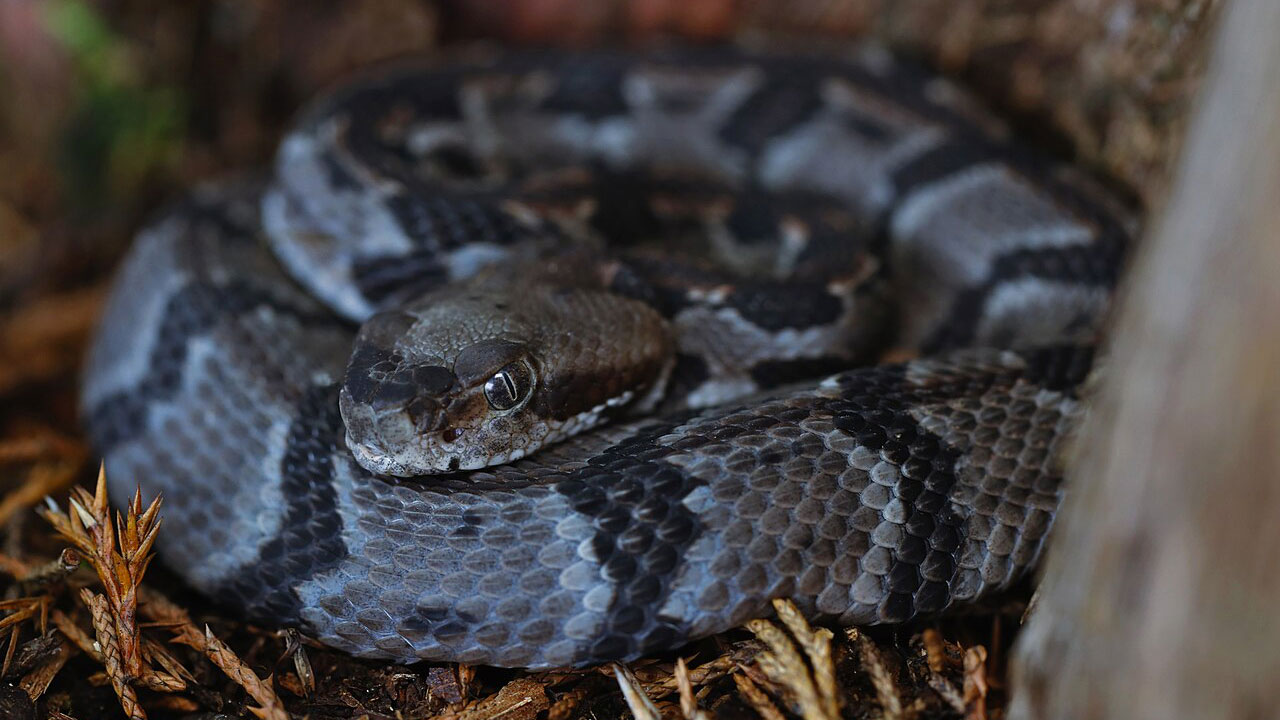
Juvenile rattlesnakes are one of the easiest ways this myth falls apart. Zion National Park notes that rattles are not always present because they can break off, or a young snake may not have developed them yet. So yes, a rattlesnake can absolutely be a rattlesnake without giving you the tidy soundtrack people expect. That matters because some folks hear “rattlesnake” and picture a loud adult snake shaking away in plain view. Nature does not owe you that version.
Young snakes also get underestimated because people assume smaller means less serious. That is another bad read. If the warning device is absent, tiny, or ineffective, the person may not realize what they are looking at until the encounter is already close. Then the story becomes, “It never rattled,” when the better lesson is that relying on sound alone was a mistake from the beginning. With young rattlers especially, your eyes and your distance matter a lot more than waiting for an audible cue.
Timber rattlesnakes
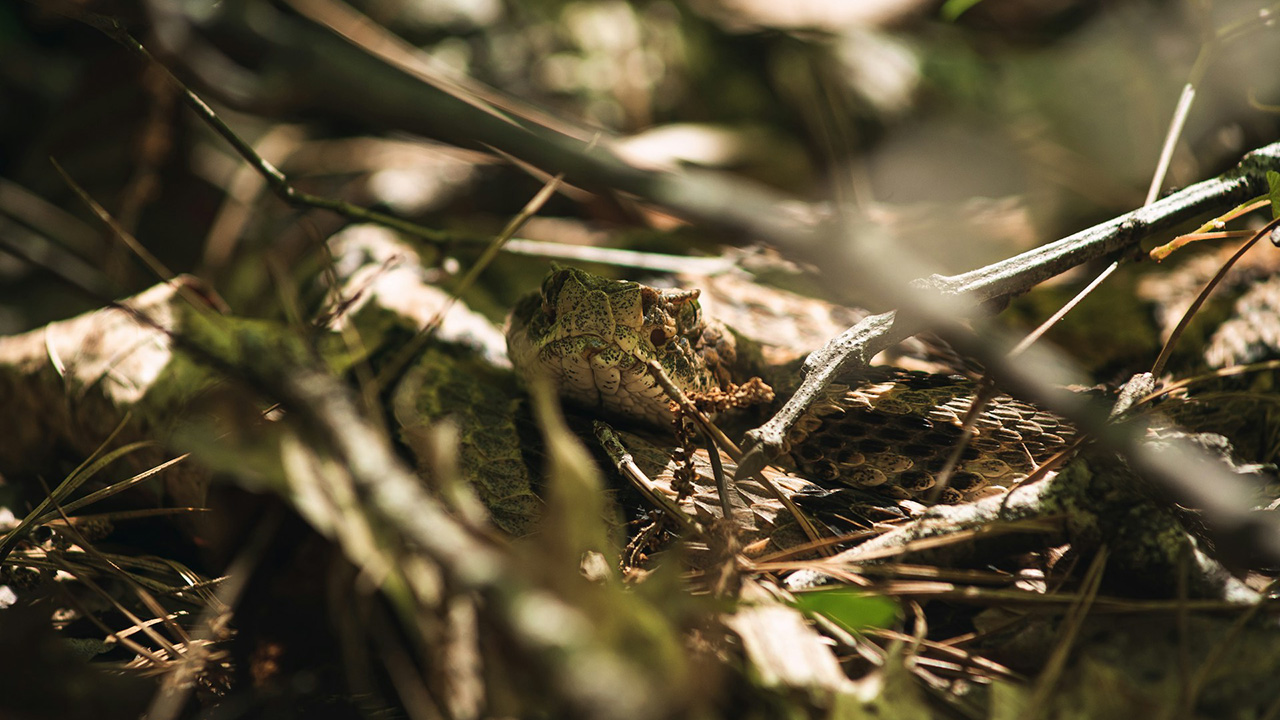
Timber rattlesnakes can absolutely warn, but they do not always. Texas Parks and Wildlife notes that timber rattlesnakes are typically shy and often rely on camouflage rather than striking as a first line of defense. That sounds reassuring until you think about what it means on the ground. A snake that would rather stay hidden than advertise itself can be a problem for anyone who assumes silence means safety.
That is why timber rattlers end up on this list even though they are not usually described as the most aggressive. The issue is not attitude. The issue is expectation. If a snake is content to sit tight and trust its patterning, a person can get dangerously close before the snake decides the bluff is over. By then, there may be no long warning sequence at all. Just movement, defense, and somebody learning that “quiet” and “harmless” are not the same thing.
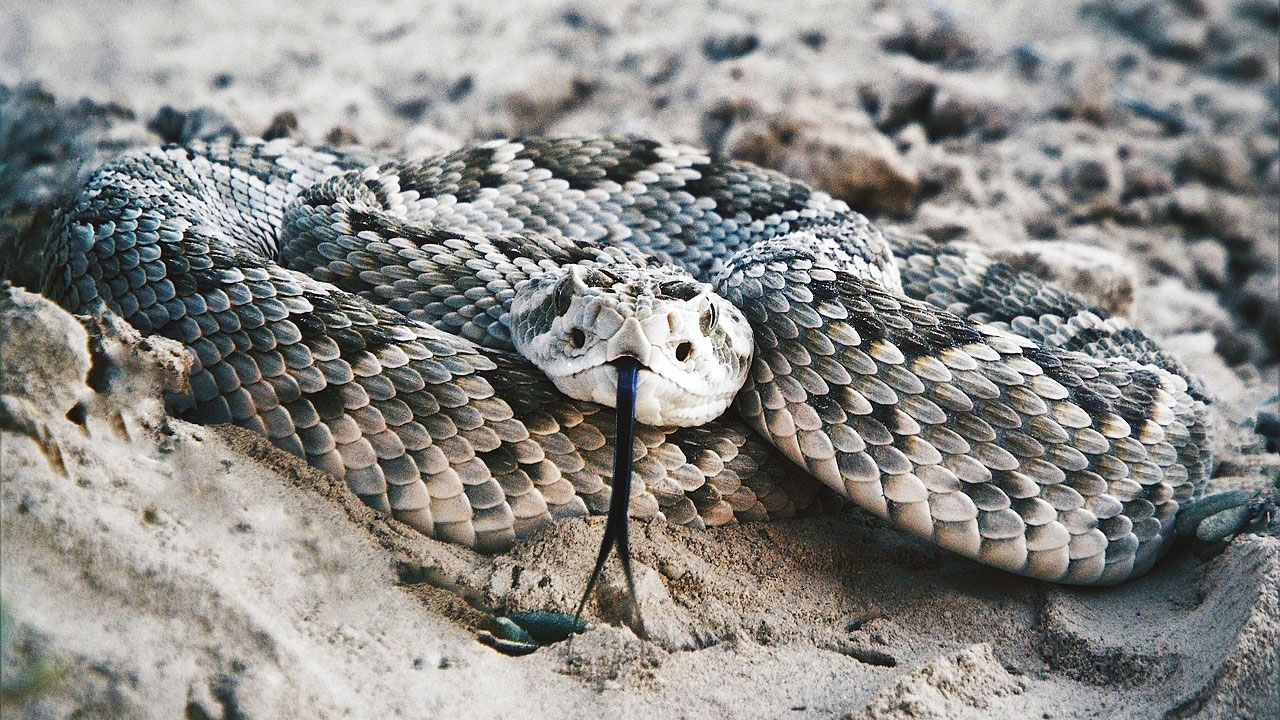
Western diamondbacks

Western diamondbacks are the snake people think of when they hear “you’ll hear it before it hits.” Sometimes you will. Sometimes you will not. Pipe Spring National Monument says rattlesnakes typically use their rattles or tails as a warning when threatened, but sometimes they may strike without warning. That is the part too many people leave out. The rattle is a possible warning, not a contractual obligation.
That matters even more with western diamondbacks because people get overconfident around the rattle. They assume that if they do not hear one, they are in the clear, or they assume they have time to push the snake, walk around it carelessly, or keep closing the gap. A diamondback that feels cornered may not bother playing along with that plan. It can go from stillness to strike fast enough to punish anyone who built their whole safety strategy around listening instead of watching where they put their boots and hands.
Prairie rattlesnakes

Prairie rattlesnakes deserve a spot because the same general rattlesnake rule applies to them too: warning is not guaranteed. Theodore Roosevelt National Park specifically tells visitors that rattlesnakes there do not always give a warning before striking. That is the kind of simple, blunt advice more people ought to hear. It cuts right through the myth that a rattlesnake always gives you fair notice if you just pay attention.
Prairie country also creates the kind of visibility illusion that gets people in trouble. Folks assume open ground means they will always spot the snake first or hear it if they get too close. But grass, burrows, rocks, and trail edges hide snakes plenty well enough, and once the encounter distance gets short, warning behavior may never show up in time to matter. That is why the safest assumption is not “this snake will tell me.” It is “I need to stop putting my feet and hands where I have not looked.”
Pygmy rattlesnakes
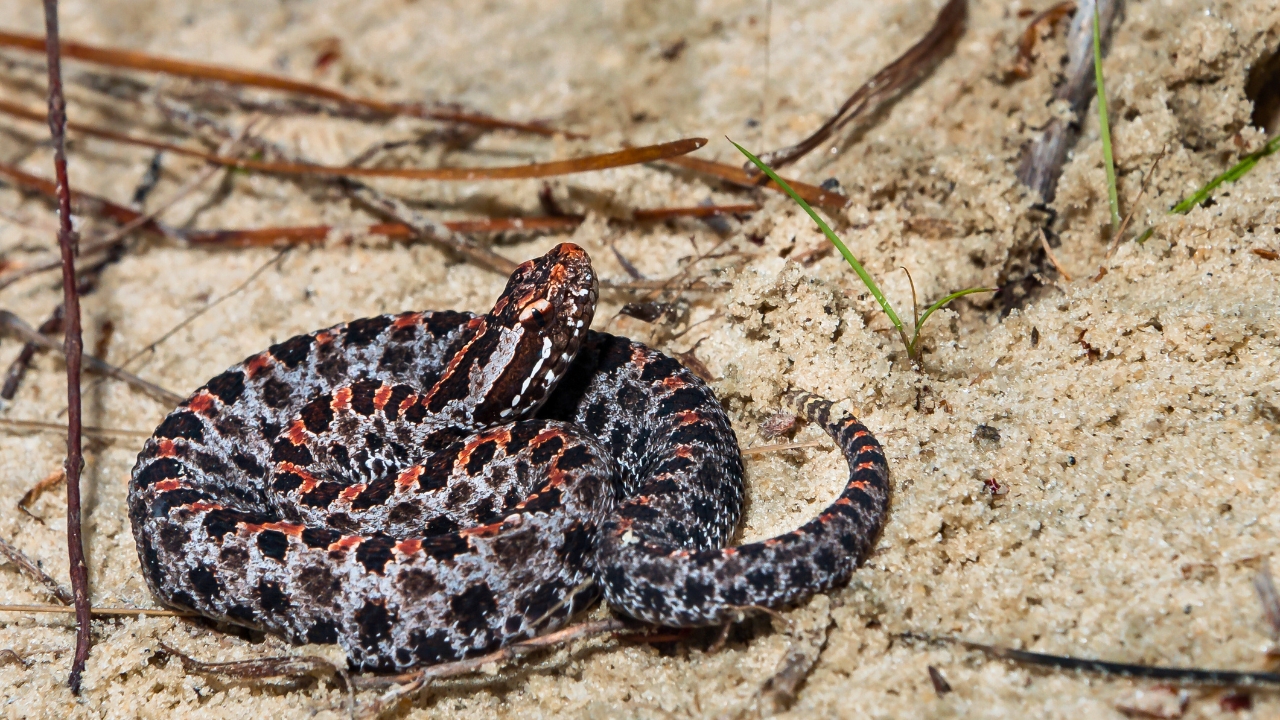
Pygmy rattlesnakes are built to disappoint people who think venomous snakes always announce themselves clearly. Their rattle is much less impressive than the big dramatic sound people picture with larger rattlesnakes, and their size makes them easier to overlook in the first place. Hot Springs National Park lists western pygmy rattlesnakes among its venomous species, and their whole setup makes them exactly the kind of snake a person can get too close to before realizing what is there.
That is the problem with smaller rattlers in general. Even when they technically have the warning equipment, it may not help much if the snake is buried in cover, partly concealed, or simply too small to draw attention until the last second. So while people may say the snake “didn’t rattle,” the more accurate takeaway is that the warning either did not happen, did not carry, or was never enough to matter before the person was already inside the danger zone.
Coral snakes

Coral snakes belong here for an obvious reason: they do not rattle at all. Texas Parks and Wildlife notes that coral snakes are a distinct kind of venomous snake and not pit vipers like rattlesnakes, copperheads, and cottonmouths. So anybody walking around with the idea that “a venomous snake will rattle before it strikes” is already working from the wrong category for coral snakes.
That makes coral snakes one of the easiest species to underestimate if your entire mental model of venomous snakes comes from rattler country. People see a small, slender snake and may spend too much time trying to confirm what it is, or assume the absence of a rattle means the absence of real danger. It does not. The warning myth falls apart completely here. A venomous snake does not need a rattle to be dangerous, and waiting for one from a coral snake is about as useful as waiting for a dog to meow.
Cottonmouths

Cottonmouths also make this list because they are another venomous species people often mentally group with rattlesnakes even though there is no rattle involved. NPS guidance from Little River Canyon warns that cottonmouths can strike at a distance equal to about half their body length and can bite more than once. That is a good reminder that the real issue is strike range and proximity, not whether the snake performed a warning routine first.
A lot of cottonmouth trouble comes from people expecting the snake to posture dramatically every time. Sometimes you do get the open-mouth display people know from pictures. Sometimes you do not. Around water, banks, logs, docks, and brushy edges, people often crowd the animal before they even understand what they are looking at. Then the story becomes “it struck out of nowhere,” when really the person wandered into a tight space where warning behavior was never guaranteed and retreat options were already limited.
Mojave rattlesnakes
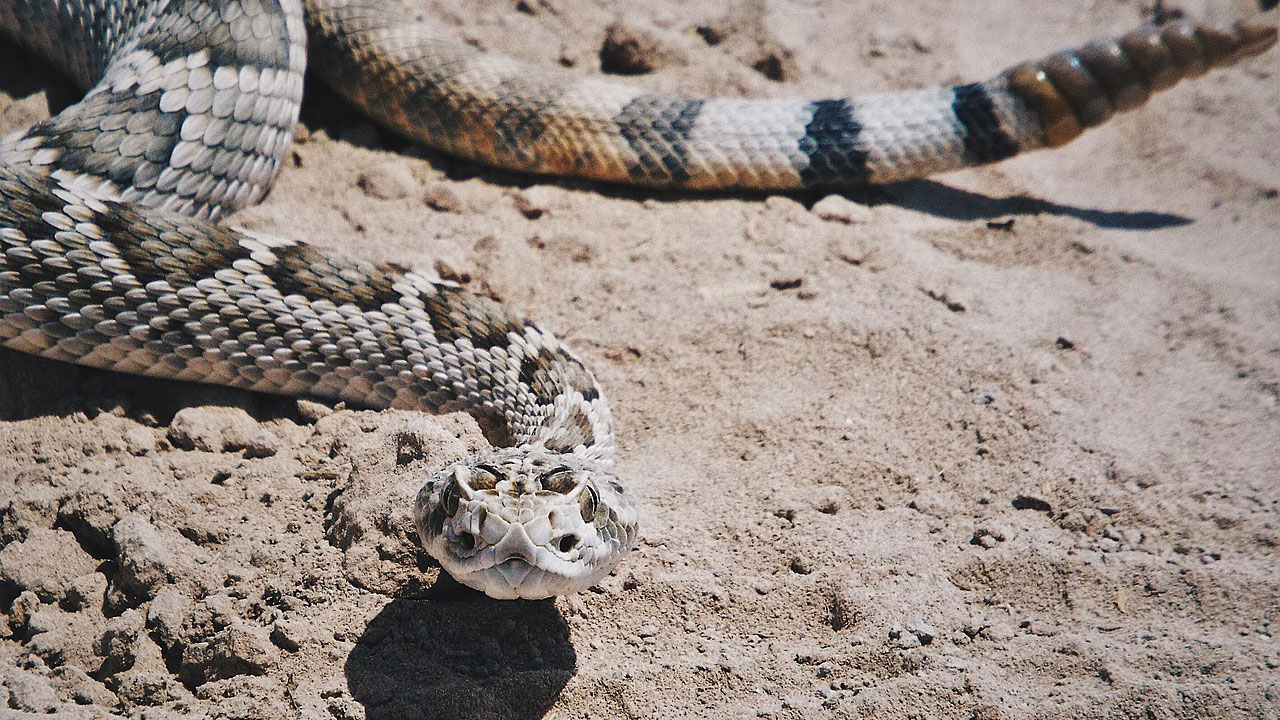
Mojave rattlesnakes fit the same broad rattlesnake rule, and that is worth saying plainly because they are one of the species people most want to believe will always advertise themselves first. Saguaro National Park warns visitors not to approach rattlesnakes and notes that rattles are a feature of rattlesnakes, but that warning behavior still should never be taken for granted. Park guidance generally treats distance and avoidance as the real protection, not waiting around for the perfect heads-up.
That is the right mindset with Mojaves too. A highly venomous rattlesnake does not become safe because a person expects a soundtrack. Desert cover, rocks, brush, wash edges, and heat can all make visibility harder and encounters quicker. By the time a person realizes a snake is there, they may already be within effective strike distance. So while the myth says, “You’ll hear it first,” the better rule is, “Assume you might not.”
Black-tailed rattlesnakes
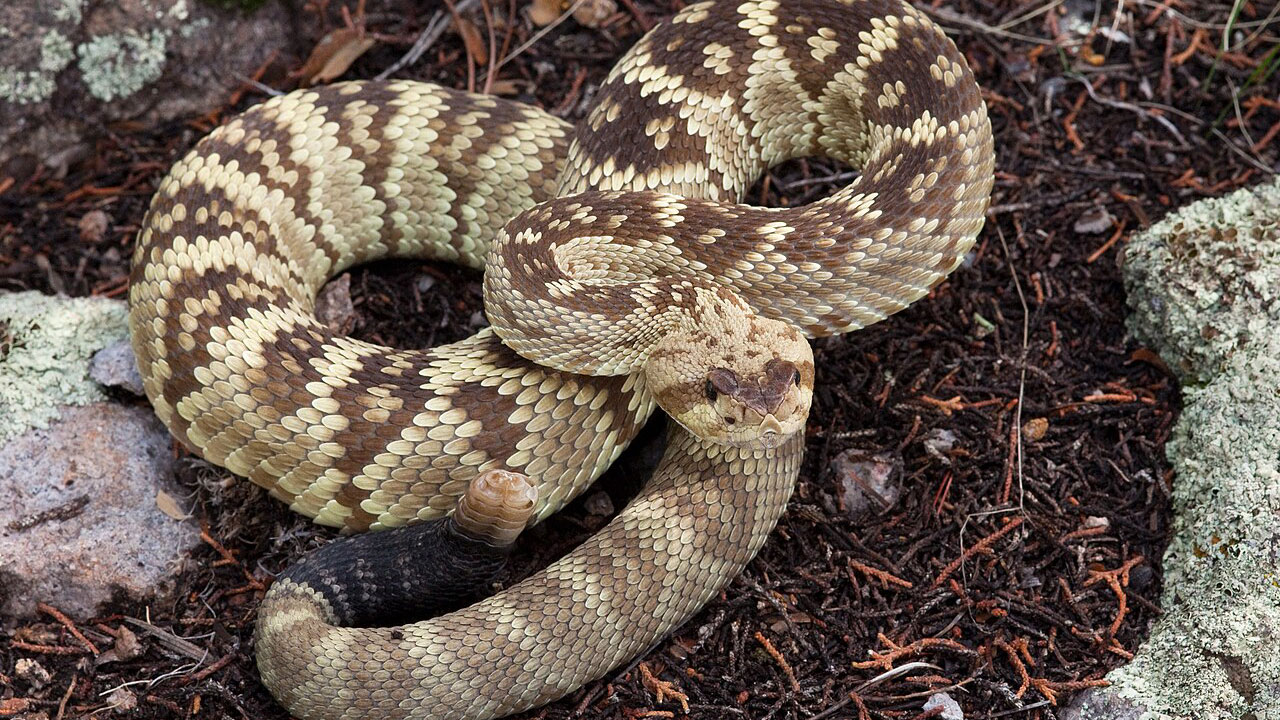
Black-tailed rattlesnakes are another example of a species that may warn but does not owe you one. The general NPS and park safety guidance on rattlesnakes applies across species: they do not always give warning before striking, and people should avoid putting hands and feet where they cannot see. That is especially important with species that rely on good camouflage in rocky country and brushy slopes where a person can get close before ever detecting them.
What gets people here is familiarity. Once someone has heard that rattlesnakes warn, they start treating the absence of sound like proof of absence. That is where logic falls apart. A silent snake may still be inches away, and a hidden snake may never give the warning you were counting on. Black-tailed rattlers, like plenty of other rattlers, are best treated with the same rule: assume the safest distance is the one you keep before the encounter gets interesting.
Massasaugas
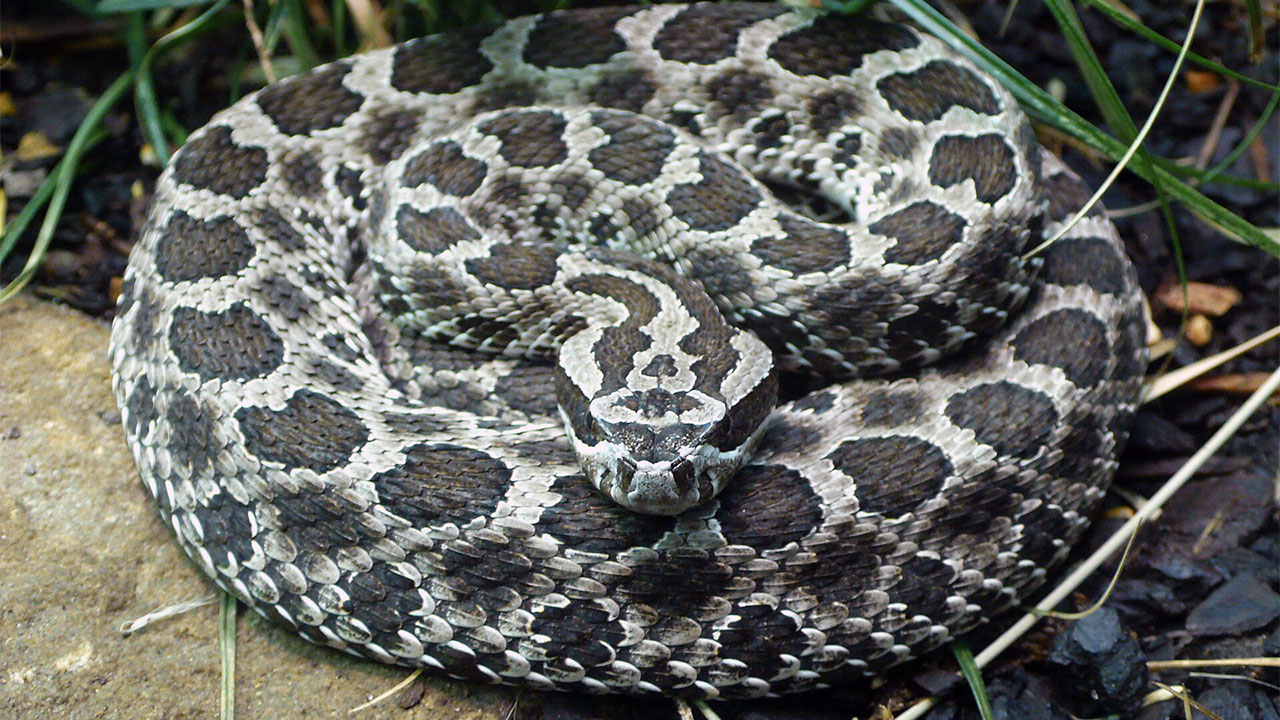
Massasaugas are smaller rattlesnakes, and smaller rattlesnakes tend to highlight this whole problem. The species may have a rattle, but people still may not hear it, may not recognize it, or may already be too close by the time the snake reacts. Again, park guidance on rattlesnakes is useful here because it stays focused on behavior that protects you regardless of species: do not approach, and do not assume a warning is coming.
That is exactly how massasaugas catch people off guard. It is not always some dramatic attack story. It is usually a short-distance encounter where the person expected more notice than nature was ever required to give. Smaller rattlers are a good reminder that “rattlesnake” is not the same thing as “audible warning every time.” The safest outdoorsman is the one who stops expecting wildlife to follow a script.
The real lesson: don’t wait for a warning
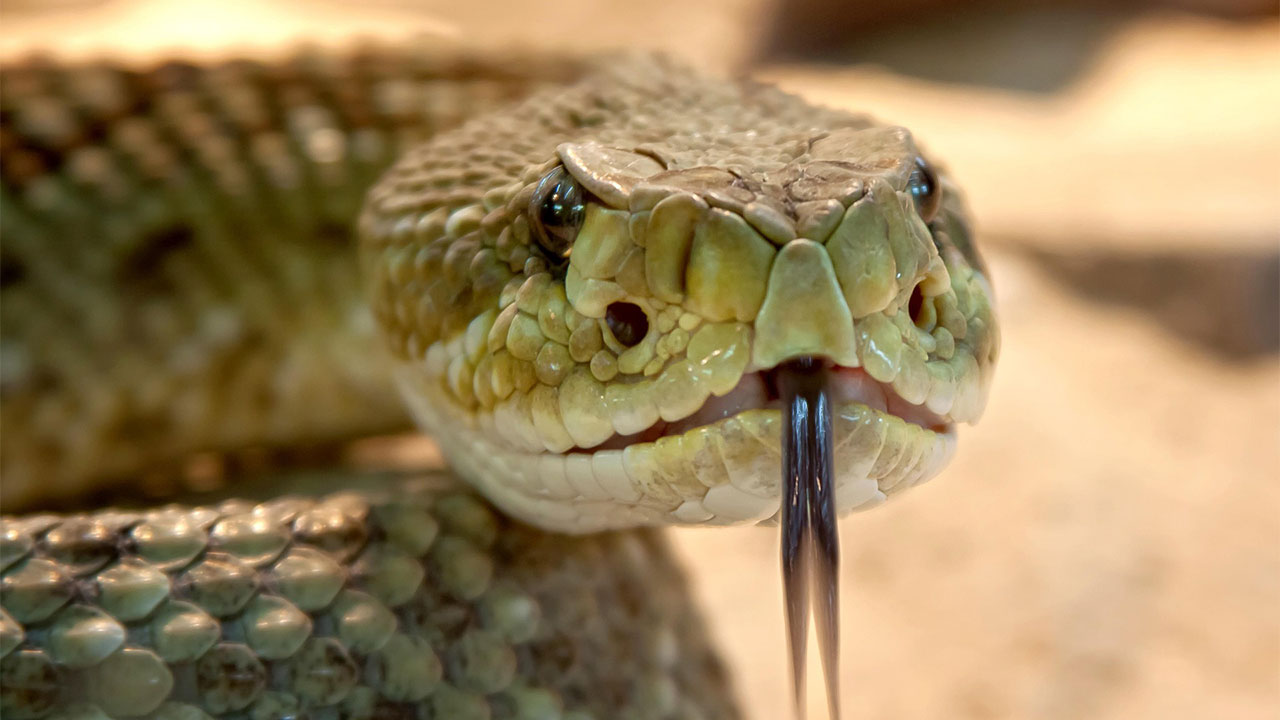
The biggest takeaway here is not that these snakes are sneaky villains. It is that people put too much faith in warning signals and not enough in distance, awareness, and common sense. Wildlife agencies and the National Park Service keep repeating the same basic advice: do not harass snakes, do not try to handle them, watch where you place your hands and feet, and back away slowly if you see one. Those rules still work even when the snake never rattles, never postures, and never gives you the dramatic moment you thought you were owed.
That is really the article in one sentence: the venomous snakes that “don’t rattle before they strike” are often just the snakes that expose a bad assumption. Some truly do strike without much warning. Some never had a rattle to begin with. Some are young, damaged, hidden, or simply too close by the time you notice them. Either way, betting your safety on a warning sound is shaky logic. Respect the habitat, watch your steps, and stop expecting the snake to make the first mistake.
Like The Avid Outdoorsman’s content? Subscribe to our newsletter so you never miss an article.
Here’s more from us: