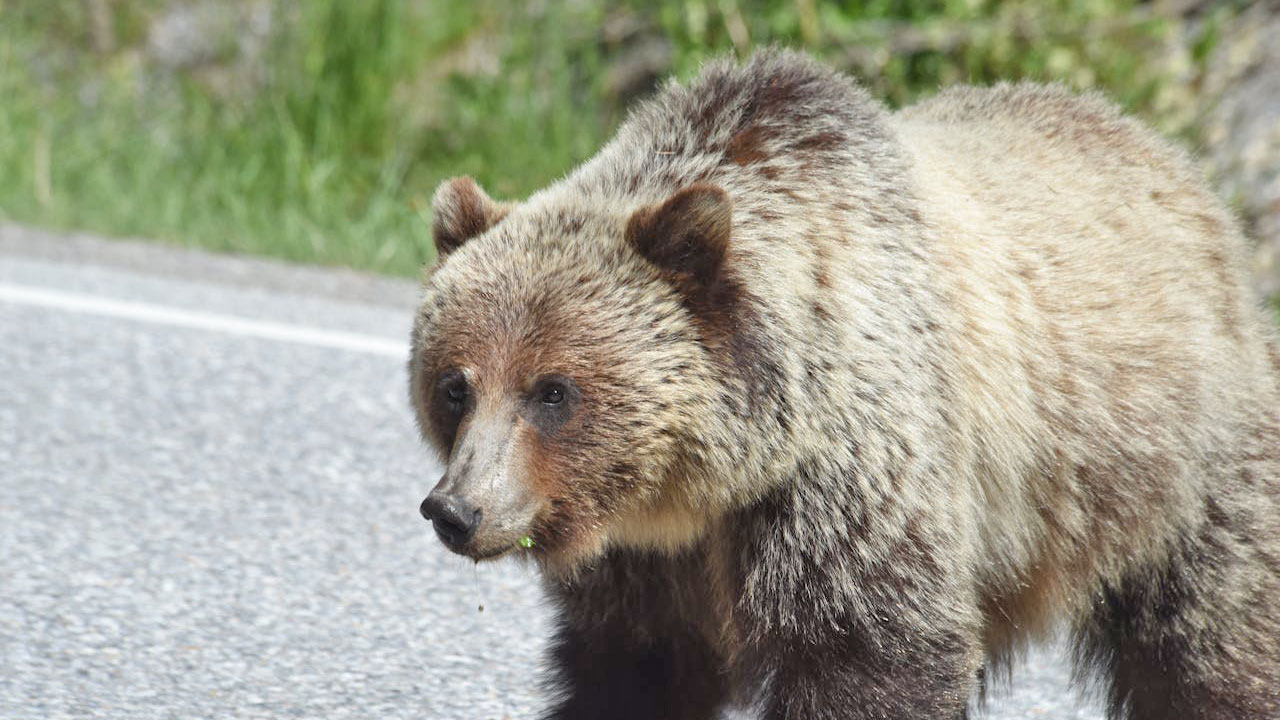
Photo credit: Marcel Biegger/Pexels.com
Bear problems don’t usually start with a bear “getting mean.” They start with easy calories. Trash cans, bird feeders, outdoor freezers, grills, pet food, chicken coops, and fruit trees turn into a routine stop, and once a bear learns that routine, it’s hard to undo. Add more people living on the edge of bear habitat, more backcountry use, and longer warm seasons in a lot of places, and you get the same pattern: more calls, more complaints, and more bears that have to be moved or put down because they won’t stop coming back.
This list isn’t meant to scare anybody out of the woods. It’s meant to be honest about where agencies and communities keep dealing with the same conflict cycle year after year. Some of these are long-time bear states where the numbers stay high because the habitat is strong. Others are places where bear range and human sprawl keep colliding in new areas, so conflicts feel “new” even though the bears aren’t.
California

California bear conflict is a steady grind because you’ve got strong bear habitat, lots of public land, and a lot of people living in the same footprint. The usual issues are trash, unsecured food, and bears that get comfortable in neighborhoods near forest edges. Drought years and wildfire impacts can also shift natural food availability, which pushes bears toward human food sources and makes the problem feel worse season by season.
What makes California tough is that one “problem bear” can teach the next one. If a bear learns it can pop a garage door, peel open a shed, or hit trash on a schedule, that behavior gets repeated. The best prevention is boring but real: locked trash, no bird feeders in bear zones, clean grills, and treating your yard like it’s part of the forest. Because in a lot of places here, it is.
Colorado

Colorado’s Front Range and mountain towns are a perfect setup for conflict: heavy recreation, growing neighborhoods, and bears that can bounce between wild food and human food without much effort. In many areas, bears don’t have to be desperate to cause trouble. They just have to be opportunistic, and they are. Trash day can turn into a recurring event if the neighborhood isn’t serious about bear-proofing.
A common mistake in Colorado is thinking a bear is “gone” after one incident. Bears have routines and home ranges, and they’ll circle back to the same easy food sources. Public land right behind a subdivision makes it even easier for them to keep showing up. If you’re in bear country here, the simple rule is this: if it smells like food, it will get tested.
Washington

Washington has long had bear conflict, but it feels like it keeps ticking upward because of how many people live and recreate near prime bear habitat. The mix of dense forest, easy travel corridors, and abundant public land keeps bears close to human activity. When you combine that with outdoor culture — camping, hiking, trail running, berry picking — you get more contact points and more chances for bears to associate people with food.
The other factor is how quickly a bear can get rewarded. A cooler left in a truck bed, a bag of garbage on a porch, a compost pile that smells like fruit, and now you’ve got a bear that checks that area again. Washington agencies push hard on prevention for a reason. Once a bear starts looking at neighborhoods as part of its feeding circuit, the odds of repeated conflict go way up.
Oregon

Oregon’s bear issues track closely with people living deeper into wooded areas, plus bears doing what bears do: following the easiest calories. Rural homes that feel “remote” to humans often sit right in a bear travel lane. Add orchards, backyard chickens, and unsecured trash, and you’ve basically set up a buffet. A lot of Oregon conflicts aren’t dramatic; they’re repetitive — the same bear, the same neighborhood, the same pattern.
In many parts of Oregon, bears are also comfortable moving at night, which makes people think they’re “sneaky” or “bold.” They’re not being tactical. They’re just avoiding daylight activity and hitting food sources when it’s quiet. If you want fewer problems, you have to remove the reward. Otherwise you’re teaching the bear that your property is worth checking every week.
Montana

Montana has both black bear conflict and, in some areas, grizzly-related incidents that drive conflict numbers and headlines. The trend can feel like it’s climbing because more people are recreating in bear country and because bear ranges overlap heavily with public land hunting and camping. Carcasses, gut piles, and poorly stored food during hunting seasons can turn into fast conflict points.
The reality in Montana is that bears have a lot of room — and a lot of reason to be where humans are. Elk and deer habitat overlaps bear habitat, and the same drainages and trail systems get used by everybody. If you’re hunting, you can’t treat food storage and carcass handling like an afterthought. If you’re living on the edge of wild country, you can’t treat trash like it’s a minor detail. In this state, small mistakes get found.
Idaho

Idaho has a ton of public land, a lot of rural living near timber, and heavy fall hunting pressure — all ingredients for bear conflict that keeps cycling year to year. Black bears get into trash and livestock feed, and in some areas you’ve got grizzly conflict dynamics too. When berry crops are weak or natural food shifts, bears move. And when bears move, they often end up closer to people.
Idaho’s challenge is that a lot of people live “close enough” to bear habitat that they assume it’s not really bear country. Then they leave dog food outside or keep an unlocked freezer on a porch, and the first sign they get is a bear that’s already learned something. Bears are strong, persistent, and good at patterning human routines. If your routines are predictable, the bear will notice.
Wyoming

Wyoming has the same conflict mix as Montana and Idaho in many regions: big public land, active hunting seasons, and bears that overlap human use areas. Black bear conflict is common, and grizzly conflicts in certain zones drive serious management attention. The trend line can rise simply because more people are out there — more trail cams, more backcountry camps, more small cabins in bear country.
A big issue in Wyoming is food storage discipline in the backcountry. One sloppy camp can create a bear that starts associating tents and people with a payoff. Once that happens, you’re not just dealing with a nuisance bear — you’re dealing with a safety problem. If you’re recreating on public land here, the “bear rules” aren’t optional. They’re the baseline.
Alaska

Alaska has bears on another level because both black bears and brown bears live close to communities in many regions, and people spend a lot of time outdoors. Conflict trends can be influenced by local food availability and by increasing human use in areas that used to be quieter. Salmon runs, berry cycles, and carcass availability all affect how bears move and where they concentrate.
The other reality is that Alaska’s outdoor culture puts people in bear zones constantly — fishing, hunting, hiking, working. That doesn’t mean bears are “worse” here; it means there are more opportunities for interaction. A bear that learns to hang around a fish-cleaning station or a dump site becomes a repeat offender fast. Prevention matters, but so does realistic behavior in bear country: situational awareness, clean camps, and not acting surprised when bears show up.
New York

New York surprises people because it’s not “the West,” but black bear conflicts have been increasing in many places as bear populations expand and suburban development pushes into forested areas. Bears show up for bird feeders, trash, and backyard food sources, and the pattern repeats year after year. Some communities deal with the same issues every spring and summer like clockwork.
In a lot of New York bear conflict situations, the bear isn’t deep in the wilderness. It’s in the greenbelt behind a subdivision, moving at night, and hitting the easiest food it can find. If a neighborhood has even a few homes that refuse to bear-proof trash or take down feeders, the bear keeps coming. This is one of those states where community behavior matters as much as individual behavior.
New Jersey

New Jersey is another state where bear conflict makes headlines because people don’t associate it with “bear country.” But there are established black bear populations, and conflicts happen where neighborhoods and woods overlap. Trash, bird feeders, and outdoor pet food drive a lot of incidents. The “year over year” feeling comes from repeated seasonal cycles: spring bears, summer bears, fall bears, same attractions.
The key point in places like New Jersey is density — lots of people packed near bear habitat. That means more reports, more encounters, and more pressure on agencies. Bears are doing what they’ve always done: moving and feeding. Humans are the ones leaving the easy food out. When that doesn’t change, the conflict trend doesn’t either.
Pennsylvania

Pennsylvania has a strong black bear population and a huge hunting culture, plus a lot of mixed rural-suburban development near forest. Conflicts often center around trash and feeders, but hunting seasons can create additional friction points — carcass smells, gut piles, and camps that aren’t stored clean. The state has plenty of habitat, so bears aren’t “running out of room.” They’re just bumping into people more.
Pennsylvania also has a lot of small towns and properties right on the edge of woods where people keep animals, keep feed, and keep outdoor storage. Bears will test those spots constantly. If you’re in PA and you want fewer issues, you have to think like a bear. What smells? What’s easy? What’s consistent? Fix those things first, because that’s what drives repeat conflict.
North Carolina

North Carolina has bear conflict in mountain areas and, importantly, in some coastal and eastern habitats where bears are more common than people think. As development pushes out and recreation grows, the conflict points multiply. Bears that get into trash or feed can become repeat problems, and some regions see consistent year-to-year complaints.
What makes North Carolina tricky is that people may not be “bear-aware” in areas that aren’t stereotypical bear country. They’ll leave feeders up, store trash outside, or keep livestock feed in flimsy bins. Bears don’t care about your assumptions. They care about calories. If the food is easy and the cover is close, they’ll show up, and they’ll keep showing up.
Tennessee

Tennessee, especially around the Smokies, is a high-visibility bear conflict zone because of heavy tourism, dense public land use, and bears that are used to being near people. It doesn’t take much to turn a bear into a problem in a tourist-heavy area — one picnic cooler left out, one trash can tipped, one campsite that isn’t stored right, and that bear learns a habit.
The “trending upward” feeling in Tennessee often comes from sheer pressure: more visitors, more rentals, more trash days, more chances for bears to get rewarded. Bears that become food-conditioned can escalate fast, and once a bear is comfortable around people, it’s not just a nuisance. It’s a public safety issue. If you’re visiting or living here, following bear rules matters more than in most places.
Florida

Florida isn’t a state people picture for bears, but it has a real black bear presence, and conflicts can spike where development and natural habitat overlap. Bears get into trash, pet food, and outdoor storage, and in some areas, conflicts trend up as neighborhoods expand and bears adjust their travel routes. The lack of “bear country” mindset can make it worse, because people don’t take the same precautions they would elsewhere.
Florida also has a lot of attractants around homes: outdoor kitchens, compost, fruit trees, and unsecured trash. Once a bear finds a steady food source, it can become a repeat visitor quickly. You don’t need mountains for bear conflict. You need habitat, cover, and a neighborhood that keeps putting food out. Florida checks those boxes in more places than people realize.
Virginia

Virginia has black bear conflict across multiple regions, and year-to-year increases can show up as bear ranges expand and suburban sprawl pushes into wooded areas. As more people move into “pretty” edge habitat — near ridges, hollows, and forest patches — the odds of conflict rise. Bears aren’t necessarily getting more aggressive; they’re just encountering more opportunity.
In Virginia, the most common drivers are still the basics: trash, bird feeders, and outdoor food. The hard part is that one person feeding birds can affect an entire street’s bear problem. If you’re on public land nearby, bears may be using the same corridors they’ve always used — now they just cross through subdivisions too. Prevention is simple, but it requires consistency, and that’s where most places fail.
Like The Avid Outdoorsman’s content? Subscribe to our newsletter so you never miss an article.
Here’s more from us: