
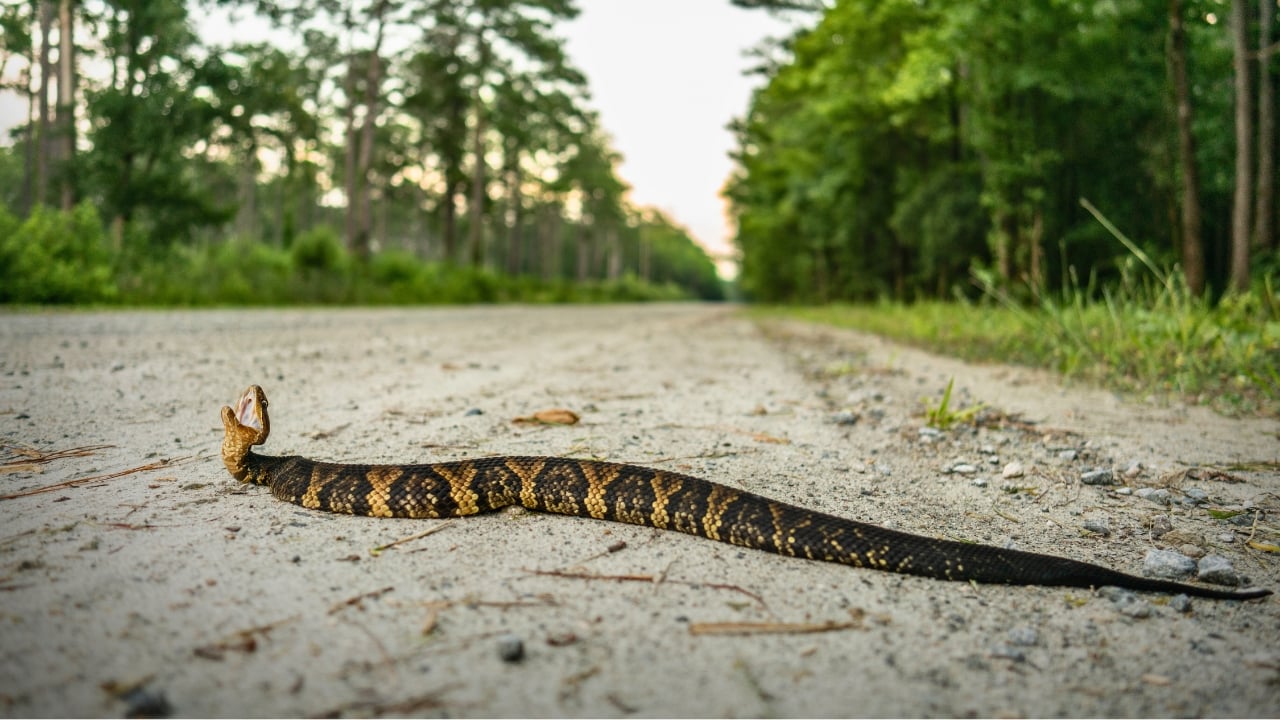
Photo credit: Radiant Reptilia/Shutterstock.com
Cottonmouths (water moccasins) are one of those snakes that turn a normal lake day into a “we’re leaving right now” moment. They’re semi-aquatic, they like warm, still-to-slow water, and they do really well anywhere there’s thick shoreline cover and plenty of prey. A lot of “sightings climbing” comes down to the same pattern: more people living and recreating around lakes, more shoreline development pushing wildlife into tighter corridors, and more phones filming every snake that shows up near a dock. If you fish, kayak, or have a place on the water in cottonmouth country, these are the states where yard-and-lake-edge encounters are common.
Texas
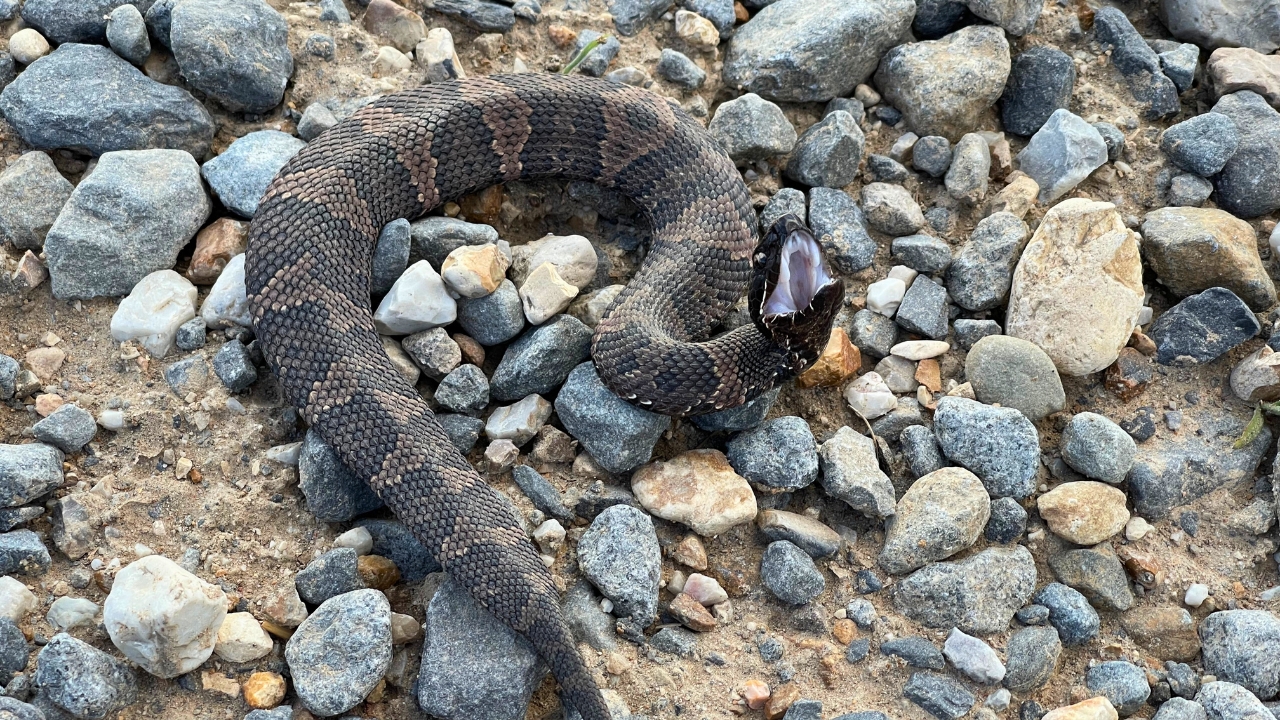
Texas has cottonmouths in the eastern half of the state and plenty of warm lakes, bayous, and reservoirs where they thrive. Shoreline brush, floating mats, and riprap banks around dams and marinas give them places to hunt and rest. If you’ve got a lake with a lot of bluegill, frogs, and small mammals around the edge, cottonmouths have a reason to be there, especially in warmer months when they’re active longer.
Where people get surprised is around docks and boat houses. Cottonmouths will use the same cover you do—shade under a dock, debris piles, stacked lumber, and thick shoreline plants. A “clean” lake lot with trimmed grass and no junk by the bank is less likely to have repeat encounters than a place with brush piles, old boards, and a rodent problem.
Louisiana

Louisiana is classic cottonmouth territory: warm water, swampy edges, and endless habitat connected by canals and bayous. Lakes, backwaters, and marsh-fringed reservoirs are all places where cottonmouths can be seen regularly. A lot of sightings happen when water levels change and snakes get pushed into tighter shoreline bands, especially around boat ramps and popular fishing banks where people are concentrated.
The other driver is that Louisiana has a ton of lake-adjacent living and recreation. More foot traffic means more reports. If you’re running trotlines, bank fishing, or walking a dog near the water, you’re in their lane. Keep shoreline weeds knocked back, don’t leave fish scraps near the waterline, and don’t let piles of junk become permanent cover.
Mississippi
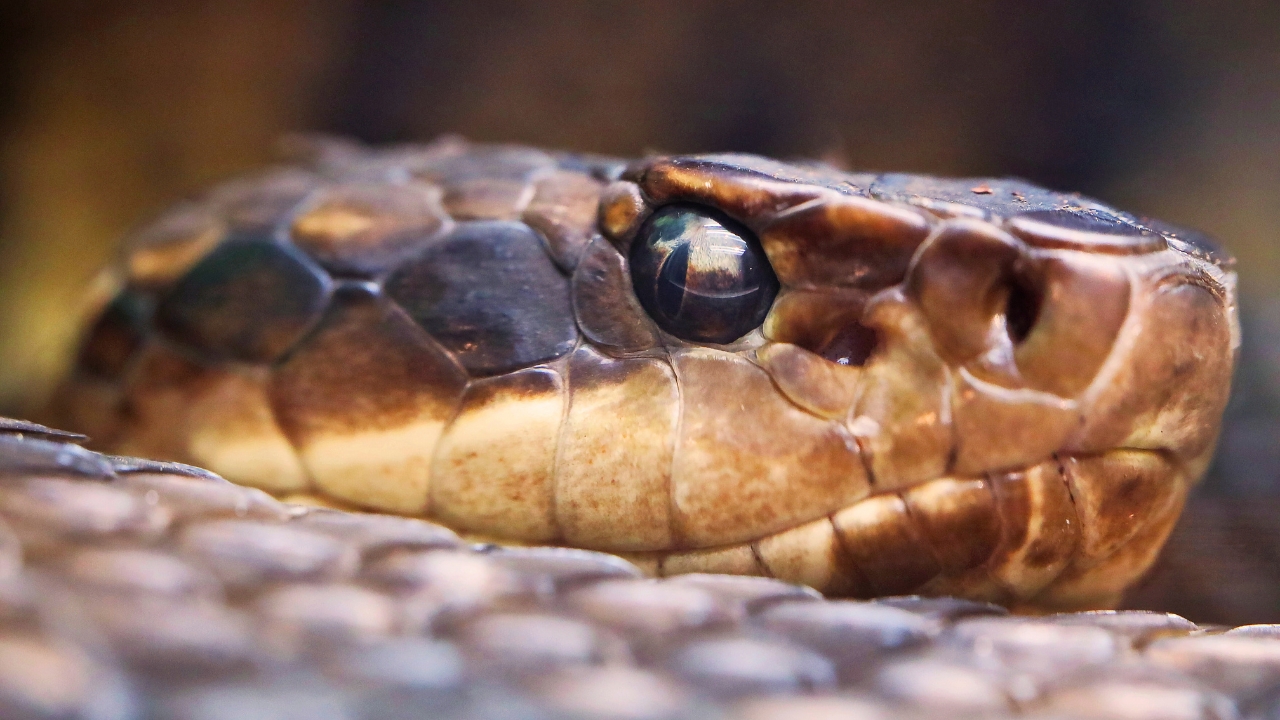
Mississippi has plenty of cottonmouth habitat, especially in the southern and central parts of the state where warm, wet lowlands and slow-moving waters are common. Lakes with thick vegetation, cypress edges, and feeder creeks are prime. Cottonmouths aren’t always “in the water” like people assume—many sightings are on the bank, in leaf litter, or tucked under low brush right where people step out of a boat.
A lot of climbing sightings are just more people using the same shoreline. Fishing pressure, new developments, and more trail use around lakes all increase contact. If you’ve got a lake place in Mississippi, the best prevention is boring: keep grass short near the water, clear out brush piles, and keep rodents out of storage sheds and boathouses so you’re not giving snakes food and shelter.
Alabama
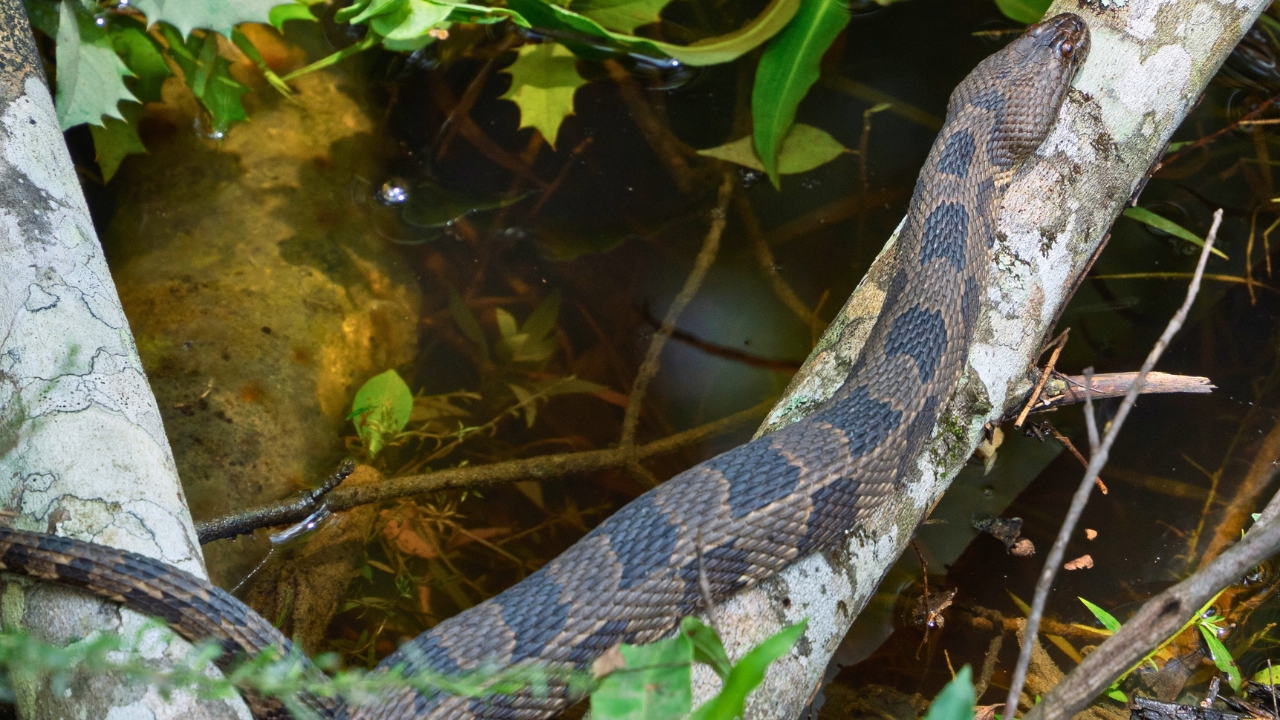
Alabama’s lakes and river-fed reservoirs sit right in cottonmouth country in many regions, and the mix of timber edges, creeks, and warm coves makes good snake habitat. People tend to notice cottonmouths most around docks, boat ramps, and shoreline rock where fish hang out. If you fish shallow cover or flip jigs into brush piles, you’re already in the same spots cottonmouths use to hunt frogs and small fish.
Alabama also has a long warm season, which stretches snake activity. When you hear “sightings are up,” a lot of it is that the water stays warm longer and people are on the water more months of the year. Keep shoreline clutter down, watch where you step when you pull a boat up, and don’t assume a snake on the bank is automatically going to flee.
Georgia

South and central Georgia have cottonmouths, and lake edges with thick vegetation are where most people run into them. Subdivision lakes, bigger reservoirs with lots of coves, and creek-fed public lakes all fit the bill. Cottonmouths can sit tight and blend into leaf litter or shoreline grass, so people often don’t notice one until they’re close—especially when they’re focused on fishing, kids, or unloading gear.
What’s changed is how much shoreline is being used and altered. More docks, more retaining walls, more cleared lots, and more foot paths can push snakes into the remaining cover. That remaining cover is often right next to where people access the water. Keep the bank tidy, keep kids out of thick shoreline grass, and treat shaded dock areas like they could hold a snake on a hot day.
Florida

Florida has cottonmouths in many regions, and you’ve got lakes everywhere—natural lakes, retention ponds that connect to canals, and big public reservoirs. Warm temperatures mean a long active season, and cottonmouths do well anywhere prey is plentiful and shoreline cover stays thick. A lot of sightings are along banks with reeds, hydrilla mats, and brushy edges, but people also find them near homes when a lake lot has thick landscaping right to the water.
Florida’s big issue is density: people and water are packed together. That means more reports, more “snake by the dock” videos, and more calls. If you’re managing a lake lot, don’t let brush and debris become permanent cover. Keep pet bowls away from the shoreline and control rodents around storage buildings and seawalls.
South Carolina

South Carolina’s Lowcountry and much of the coastal plain are solid cottonmouth habitat, and lakes with swampy edges and feeder creeks are prime locations. Shoreline vegetation and fallen timber create ambush cover, and cottonmouths will sit right where people step out to fish. They also use narrow strips of cover along paths and seawalls, especially if that strip is the only remaining natural edge.
More lakefront development means snakes get funneled into smaller areas. That’s why people feel like they’re “seeing more.” It’s not always a population boom—it’s a crowding effect. If you’re on a lake in South Carolina, keep the shoreline trimmed and avoid stacking lumber, boards, or brush near the bank. That’s not “rustic.” That’s a snake hotel.
North Carolina

North Carolina has cottonmouths mainly in the eastern and coastal plain regions, and lake systems connected to swamps, slow rivers, and canals can hold them. People tend to think of the Carolinas as “copperhead” country, so cottonmouth encounters surprise folks, especially around darker, tannin-stained water with heavy shoreline vegetation where visibility is poor.
Sightings climb when warm seasons start earlier and last longer, and when lake recreation increases. Kayakers and bank fishermen report cottonmouths near logs, brush, and lily pads because those are hunting zones. If you’re in eastern North Carolina, treat brushy lake edges with respect, keep dogs leashed near the bank, and don’t reach into shoreline cover to grab a lure or pull a boat line.
Virginia

Virginia is near the northern edge of cottonmouth range, mostly in the southeastern part of the state. That edge-of-range reality can make reports feel dramatic, because people assume every water snake is a cottonmouth, and every cottonmouth is “new.” But in the right region, cottonmouths are established and do show up around lakes, marshy ponds, and slow, weedy waterways.
What drives “climbing sightings” in a place like Virginia is development and attention. More lakefront trails and neighborhoods mean more eyes on the water. Also, warm springs can kick activity earlier. If you’re in southeastern Virginia, learn to identify what you’re seeing, but treat any unknown water-edge snake with caution. Keep shoreline vegetation managed and don’t let kids poke around driftwood piles.
Arkansas
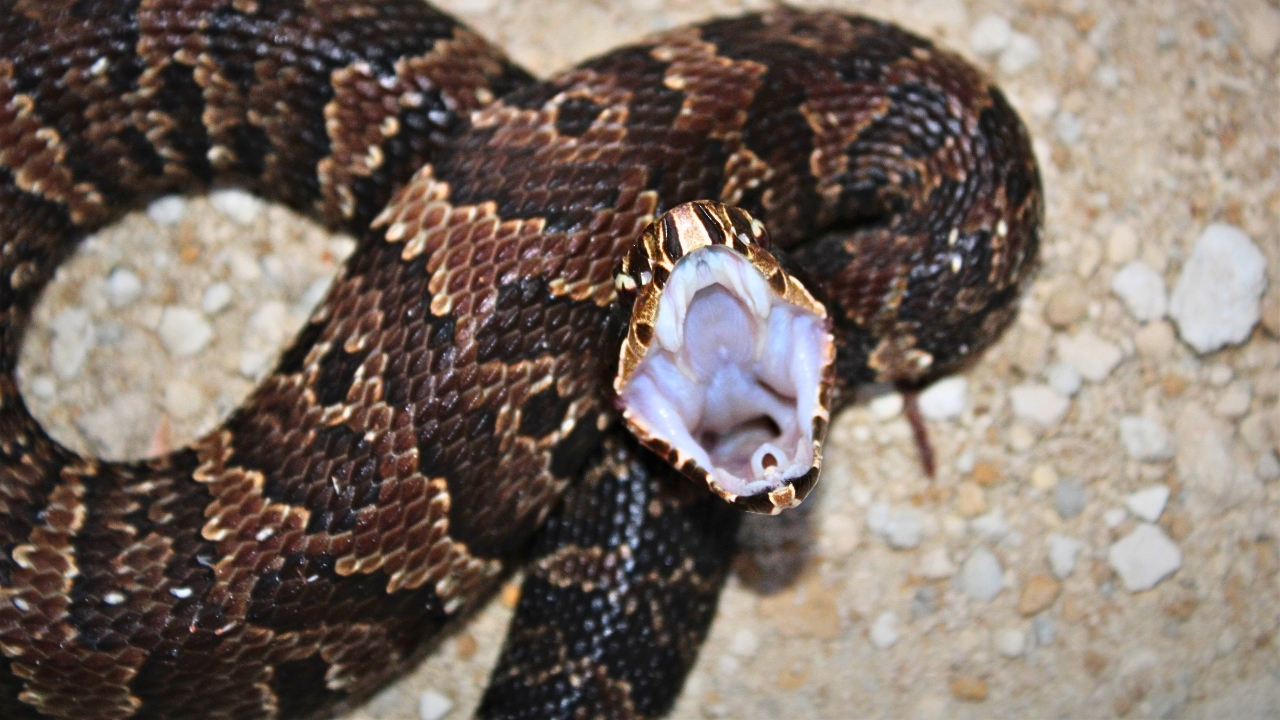
Arkansas has cottonmouths in many areas, especially around wetlands, oxbows, and warm, vegetated waters. Lakes with muddy coves, stump fields, and heavy shoreline growth are classic habitat. People run into cottonmouths around fishing access points and in backwater areas where frogs and small fish concentrate. They’re not going to chase you across the water like campfire stories claim, but they will stand their ground more than some other snakes.
Climbing sightings often follow the same pattern: more lake use, more shoreline disturbance, more encounters. If you’ve got a lake cabin in Arkansas, keep the bank clear, don’t leave fish remains near the shoreline, and keep storage areas clean. Rodents around boathouses and sheds will keep snakes in the neighborhood.
Oklahoma
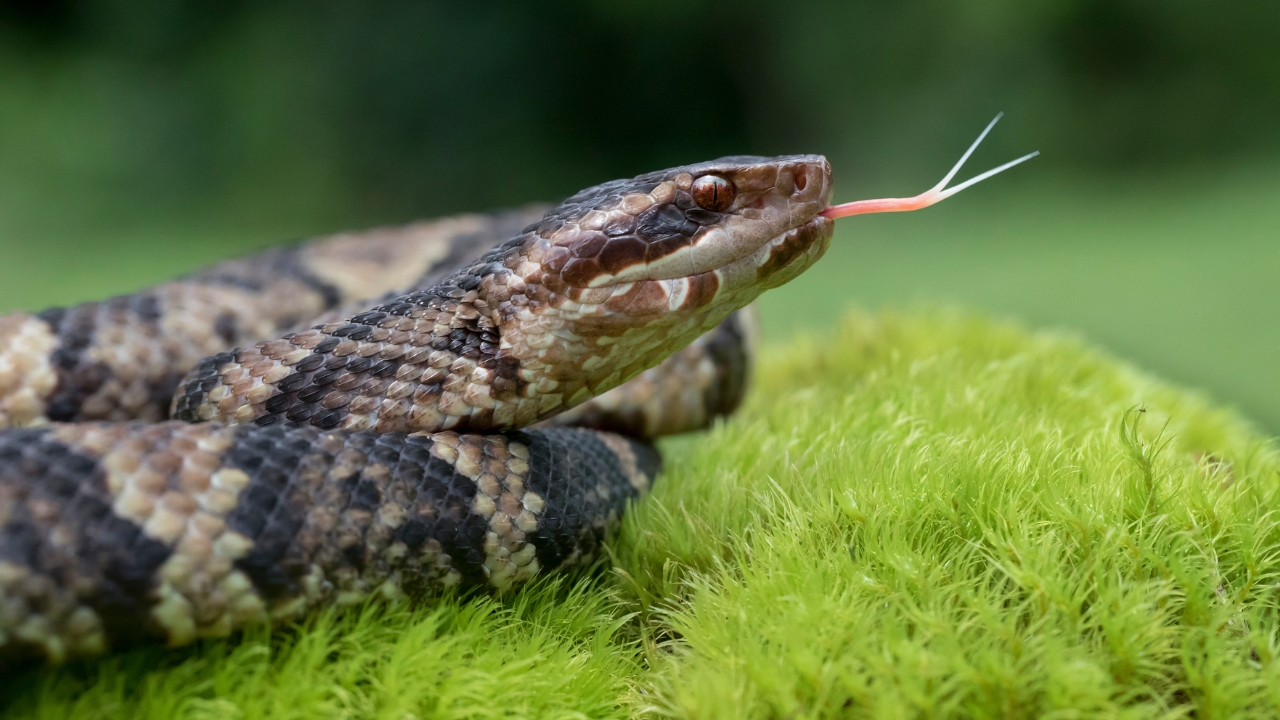
Oklahoma has cottonmouths in the southeastern part of the state and in connected waterways where habitat fits. Lakes in that region, especially those with wooded edges and thick shoreline growth, can produce regular sightings—especially in warm seasons when people are on the water constantly. Because cottonmouth range isn’t statewide, sightings can feel like a “trend” when they’re really concentrated in the right counties.
What turns occasional sightings into repeat encounters is shoreline clutter and prey. Brush piles, stacked boards, and areas where frogs and rodents gather are the draw. If you’re on a southeast Oklahoma lake, keep shoreline access areas clean and watch where you step when you’re launching a boat or wading in shallow water. A snake on a bank can be almost invisible until it moves.
Tennessee

Tennessee is mainly known for other venomous snakes, but the western portion of the state—especially around lowland waterways—can produce cottonmouth reports. Lakes, sloughy backwaters, and slow river edges are where sightings happen. Because many Tennesseans don’t expect cottonmouths, a few credible reports can make it feel like sightings are “climbing” fast, especially when social media spreads the story.
Even if cottonmouths aren’t common in every county, the lake-edge safety habits still apply. Don’t let kids play in thick shoreline weeds, don’t wade through brushy coves barefoot, and don’t leave gear piled in damp, shady spots near the water. If your lake lot stays messy at the bank, you’re increasing the odds of a snake using it as cover.
Illinois

Illinois is outside cottonmouth range for most of the state, but southern Illinois sits close enough to the right habitat that water-edge snake reports get attention, and misidentification can drive “sighting” talk. In places near big rivers, backwaters, and warm wetland edges, people see a lot of water snakes, and the cottonmouth label gets slapped on quickly. That alone can create a perception of rising cottonmouth sightings around certain lakes.
The practical takeaway is simple: if you’re in southern Illinois near warm, weedy water, treat shoreline snakes seriously and don’t handle them. If local agencies confirm cottonmouth presence in specific areas, those lake edges deserve the same caution as the Deep South. Keep access paths clear, keep dogs out of shoreline weeds, and don’t reach into drift piles.
Indiana

Indiana is similar in that it’s not a cottonmouth state in the way Louisiana is, but southern Indiana has big river systems and wetland edges where “cottonmouth” rumors and occasional reports surface, and that drives attention. When people spend more time around lakes and river-connected ponds, they see more snakes, and a chunk of those reports get tagged as cottonmouths whether they are or not.
From a yard-and-lake-safety standpoint, the rules don’t change. If you’re around warm, vegetated water in the southern part of the state, assume you can bump into a defensive snake and act accordingly. Keep lake-edge clutter down, keep paths open, and don’t let kids or pets roam into thick shoreline cover where a snake could be hiding.
Missouri

Missouri isn’t a classic cottonmouth state everywhere, but the Bootheel region and southern lowlands are where water moccasin discussions come up most often, along with plenty of non-venomous water snakes that look convincing. Around lakes, sloughs, and warm backwaters, people tend to report what they see more now than they used to, and that ramps up “sightings” even if the actual snake population hasn’t changed much.
The real risk is treating shorelines casually in warm months. If you’re in the southern portion of Missouri near wet, weedy habitat, keep lake-edge areas clean and visible. Don’t leave piles of lumber, cinder blocks, or junk near the water. Those create shade pockets that snakes use, and they’re right where you’ll be stepping, grabbing ropes, or cleaning fish.
Kentucky

Kentucky shows up on cottonmouth lists mostly because of range-edge confusion and the way sightings get reported around water. Western Kentucky and areas tied to large river systems can produce water snake encounters that get labeled as cottonmouths, especially near lakes and marshy backwaters where people aren’t used to seeing big, dark snakes on the bank. That combination—surprise plus social spread—can make reports spike quickly.
Whether the snake is a cottonmouth or a look-alike, the lake-edge habits are still what keep people safe. Keep shoreline vegetation trimmed, keep kids from poking around drift piles, and don’t handle unknown snakes. If you’re in a confirmed cottonmouth pocket, treat it like cottonmouth country and keep the bank clean, open, and boring.
Like The Avid Outdoorsman’s content? Be sure to follow us.
Here’s more from us:


