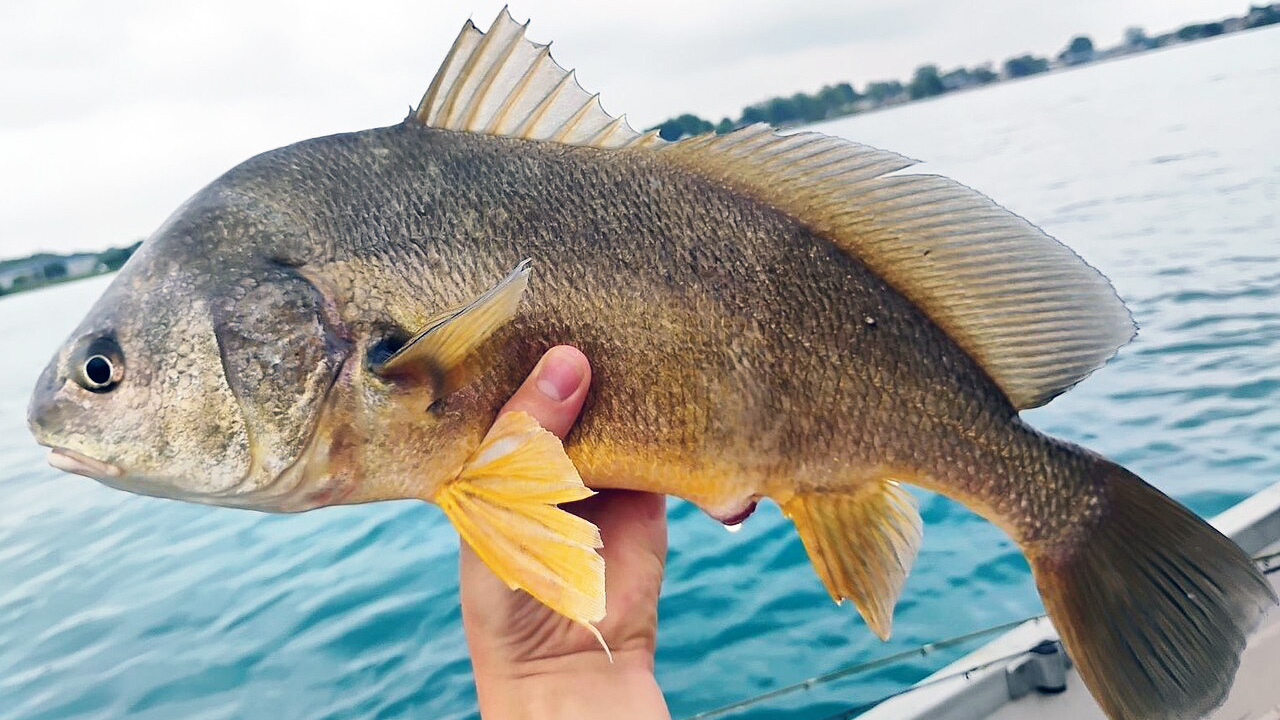
Photo credit: Quinn, CC BY 4.0/Wiki Commons
Freshwater drum might be one of the most misunderstood fish in American water. A lot of anglers know them as sheepshead, gaspergou, grunter, or just that silver fish that keeps interrupting a day meant for something else. That’s a shame, because they’re way more interesting than the reputation they usually get. They’re native, widespread, tough, and full of odd little traits that make them stand out once you quit treating them like background noise.
Freshwater drum are the only drum in North America that live entirely in freshwater
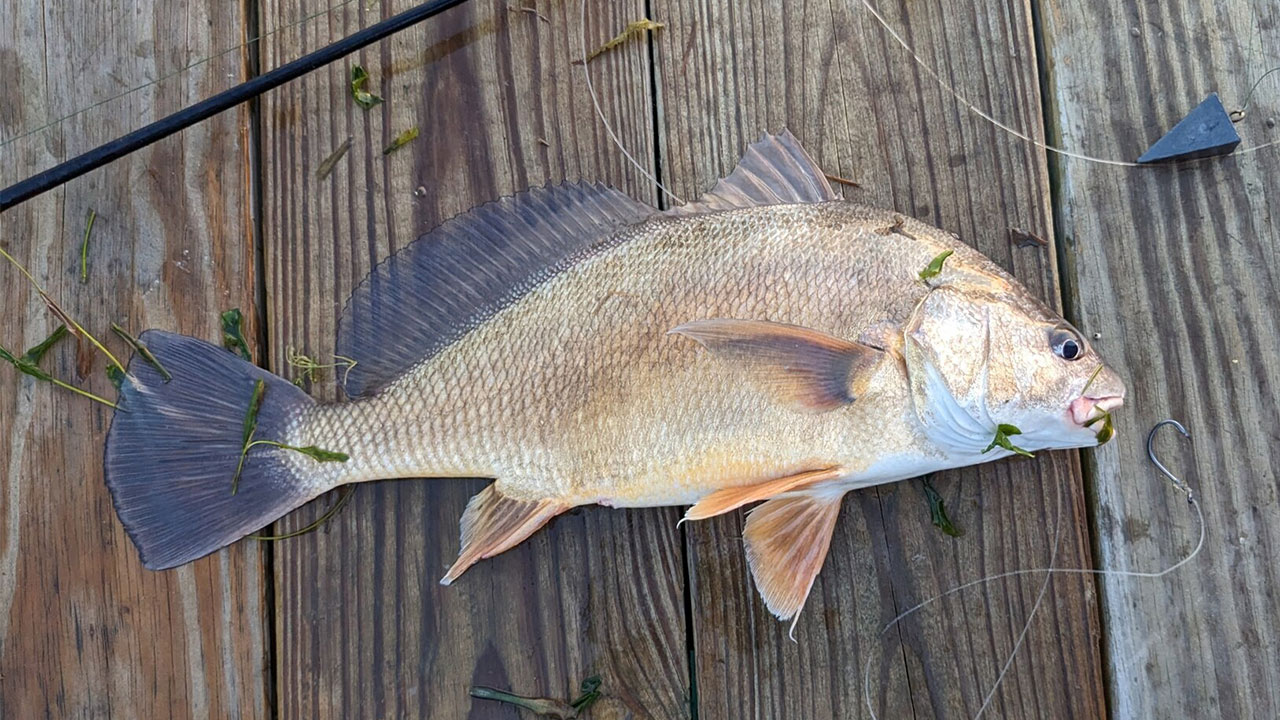
Most of the drum family is tied to saltwater or coastal systems, which makes freshwater drum stand out right away. U.S. Fish and Wildlife says the freshwater drum is the only species of drum in North America that lives entirely within freshwater, even though the larger drum family is mostly marine. That alone makes them a lot less ordinary than people think. They’re not just another generic river fish. They’re the weird inland outlier in a family better known for coastal fish.
The “drum” name comes from an actual sound they make
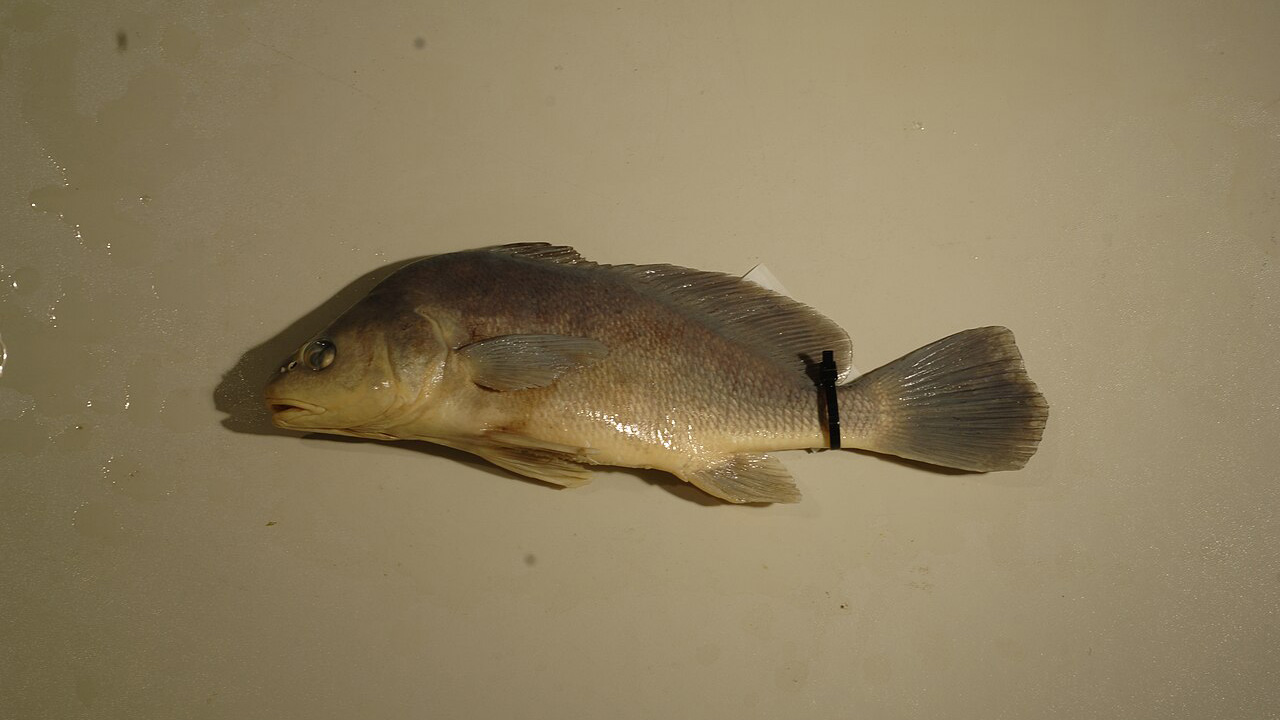
This is not one of those fish names that came from somebody being poetic. Illinois DNR says the name “drum” comes from the fish’s ability to produce sounds, using the gas bladder to amplify them, and Indiana DNR notes they make that drumming noise during spawning season. U.S. Fish and Wildlife adds that males make grunting or rumbling sounds during breeding season to attract females. So yes, the name is literal. This fish really does make noise.
Their scientific name basically points to the grunting too
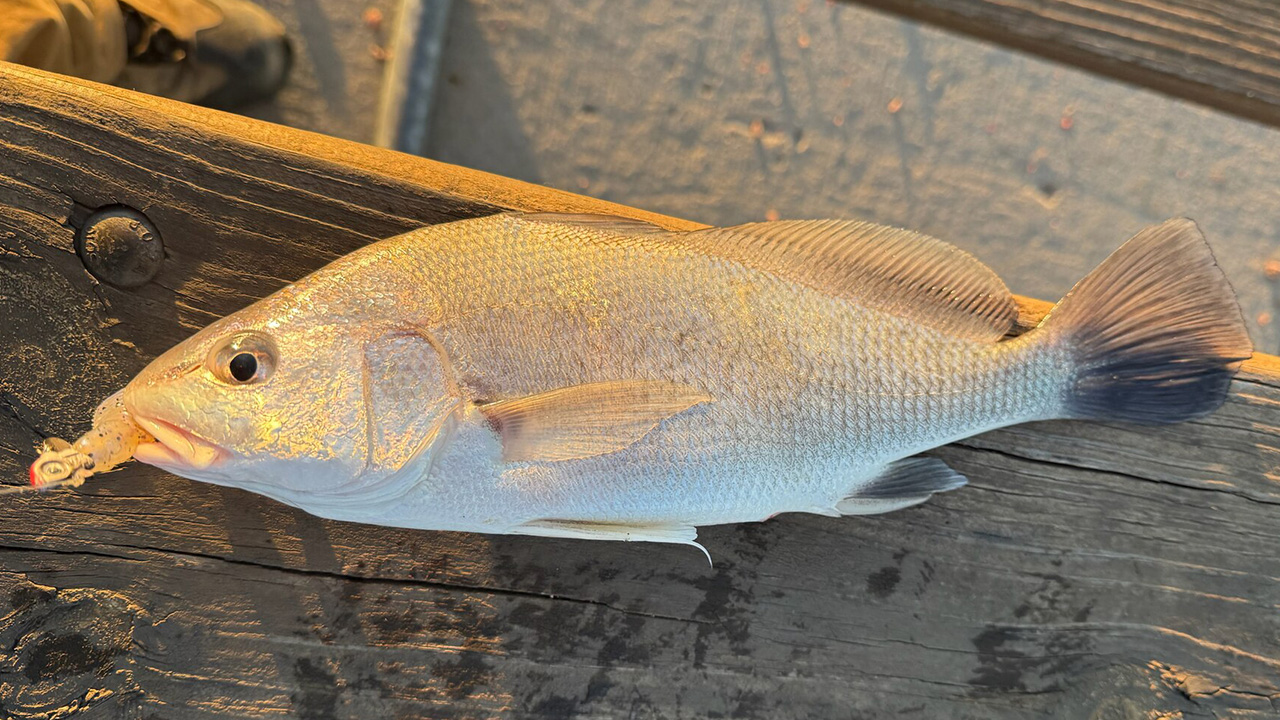
Freshwater drum have one of those scientific names that actually tells you something useful. The species name grunniens comes from a Latin word meaning “grunting,” which lines up with the sound mature males make. That little detail is a good reminder that the fish’s noise-making ability has stood out long enough to get baked right into the name people use in science. It’s not some tiny side trait. It’s one of the first things people noticed about them.
They’re one of the widest-ranging fish in North America
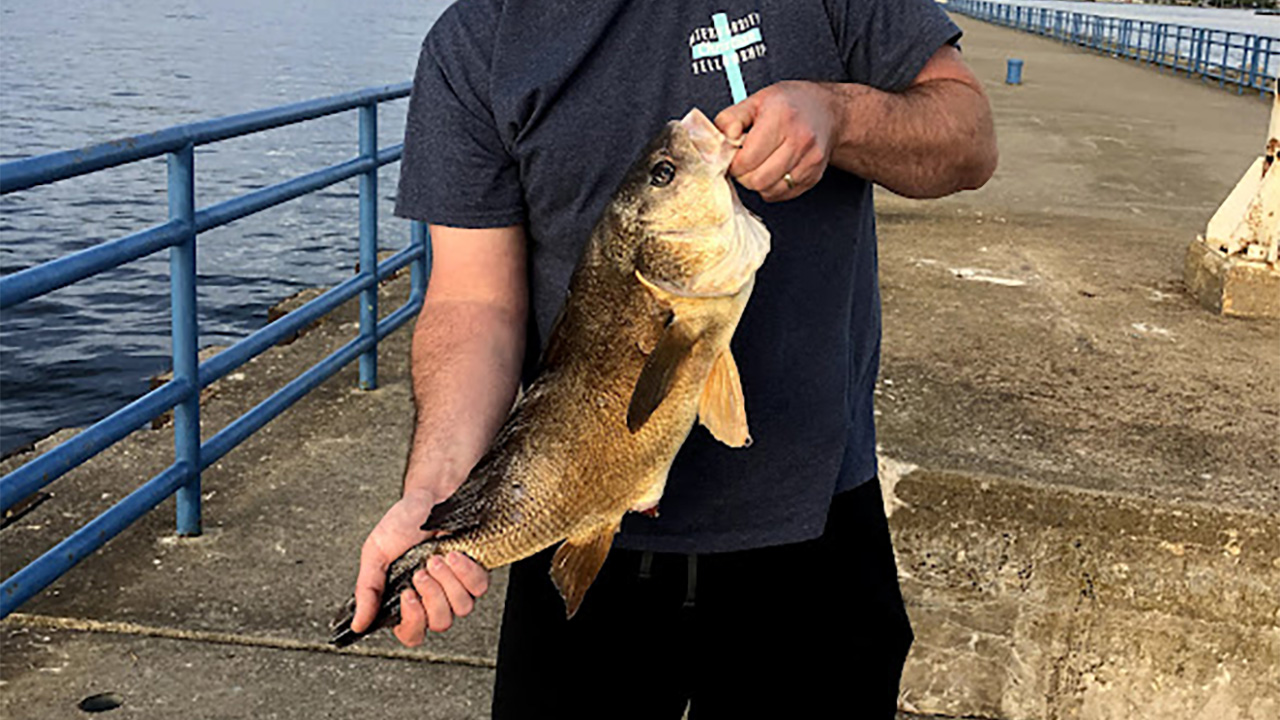
Freshwater drum are not some niche fish stuck in one corner of the country. Animal Diversity Web says they range from as far north as Hudson Bay down to Guatemala and are considered one of the most wide-ranging fish species in North America. U.S. Fish and Wildlife similarly describes them as ranging from Guatemala to Ontario and from Appalachia to Texas. That’s a huge spread, and it helps explain why so many regions have their own nickname and opinion about them.
They live in more types of water than a lot of people realize
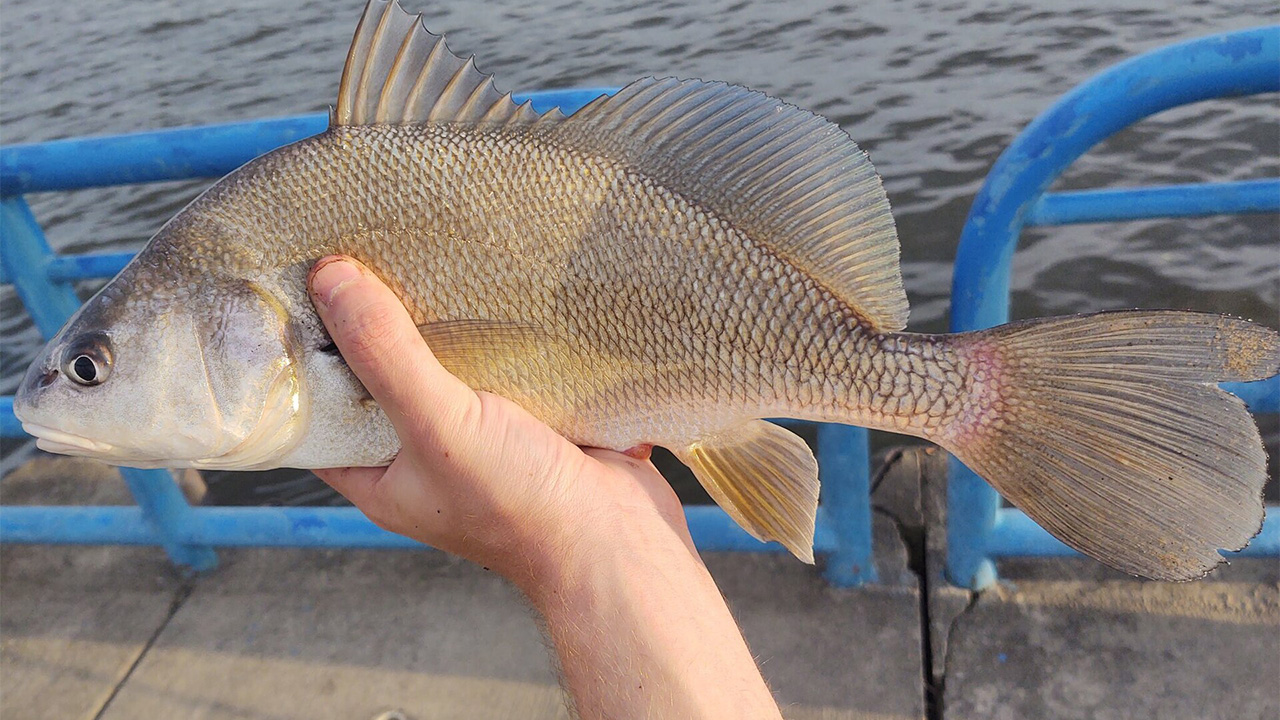
A lot of people think of freshwater drum as strictly big-river fish, but they’re broader than that. Indiana DNR says they can be found in small or large rivers, reservoirs, and the Great Lakes, while Illinois DNR lists rivers, lakes, and impoundments. U.S. Fish and Wildlife goes even wider and notes lakes, ponds, rivers, and streams. They’re adaptable, which is part of why they keep showing up in places where people don’t expect much from them.
They usually stay close to the bottom
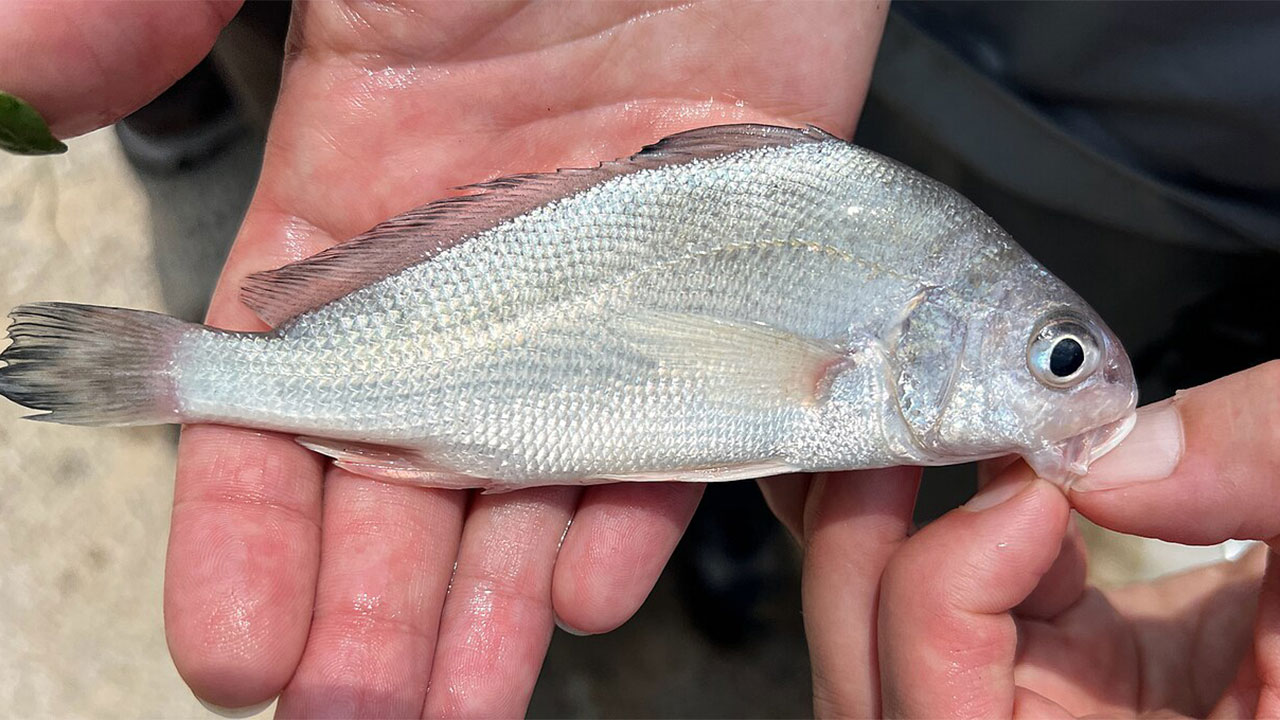
Freshwater drum are not built around cruising high in the water column all day. Texas Parks and Wildlife says they are basically benthic, spending most of their time at or near the bottom, and Illinois DNR says they live on or near the bottom too. That explains a lot about how they feed and why certain baits keep producing them. They’re not usually out there roaming midwater like suspended schooling fish. They’re down low, nosing around where the food is.
They have serious throat teeth
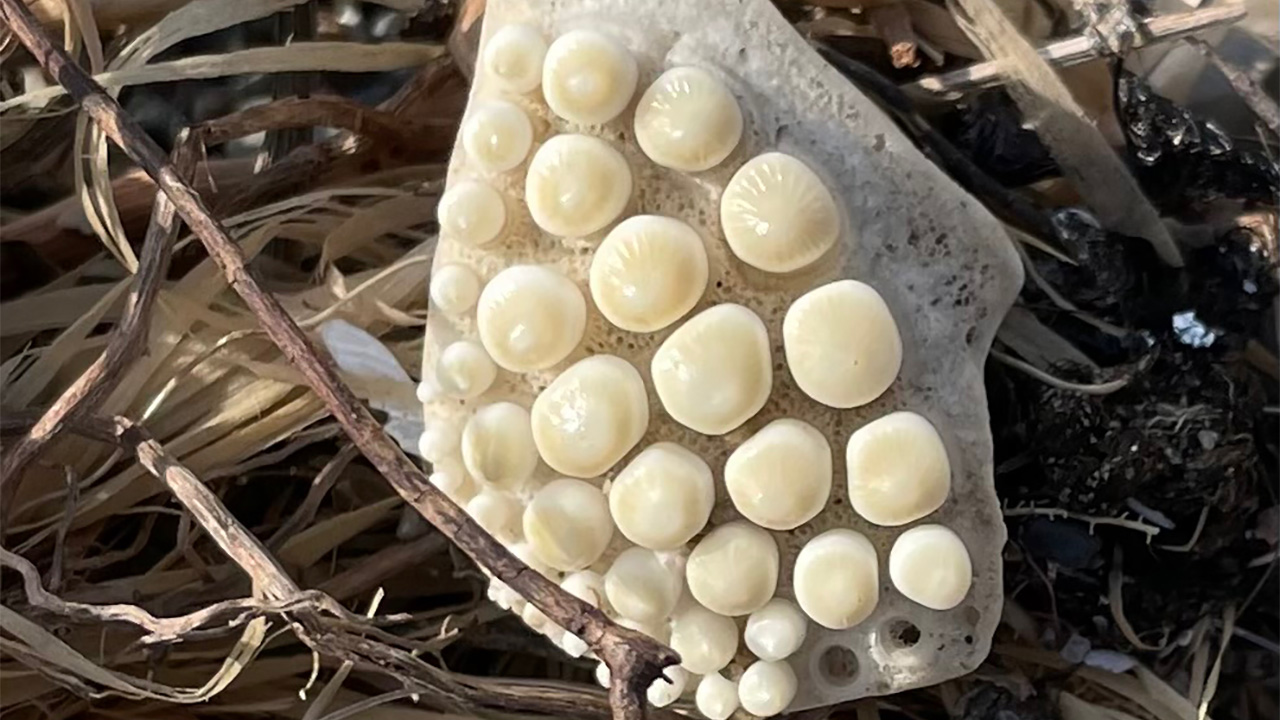
One of the stranger things about freshwater drum is that the real crushing power isn’t up front where most people think to look. Texas Parks and Wildlife says they have heavy throat teeth that help them consume mollusks, and Illinois DNR plainly notes that teeth are present in the throat. U.S. Geological Survey research on freshwater drum pharyngeal teeth found those teeth become strongly molar-like as fish grow, which helps explain how larger drum can work over hard prey like mussels. That is a pretty specialized setup for a fish people often dismiss.
They’ll eat zebra mussels
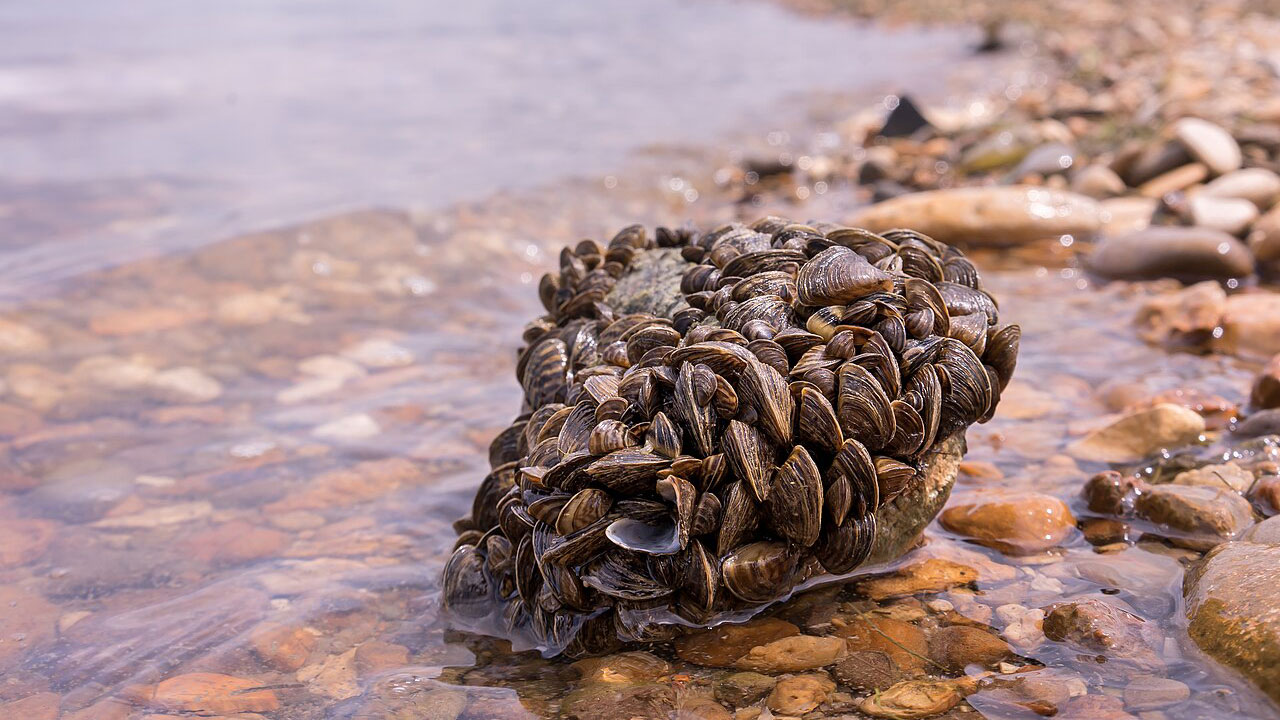
That throat-tooth setup is not just interesting on paper. It matters in the real world. Texas Parks and Wildlife notes that in Lake Erie, freshwater drum have been found feeding on zebra mussels, and the USGS pharyngeal teeth study specifically connects larger, more molar-like dentition with zebra mussel consumption. They’re not the magic answer to every invasive mussel problem, but they are one of the native fish that can actually make use of that kind of prey. That’s more than can be said for a lot of species.
They spawn in open water, and their eggs float
Freshwater drum reproduction is a little different from what many anglers assume. Indiana DNR says they spawn in late April or May, and Illinois DNR says spawning occurs in April and May with females depositing around 200,000 to 400,000 eggs. Texas Parks and Wildlife adds that spawning seems to occur in open water and that the eggs float until they hatch. Montana’s field guide also notes their eggs are buoyant. That floating-egg detail is a pretty unusual twist compared with many freshwater fish people are more used to hearing about.
They can produce an enormous number of eggs
Freshwater drum do not play small-ball when it comes to spawning output. Illinois DNR says the female deposits 200,000 to 400,000 eggs. That kind of number helps explain how a fish with broad range and flexible habitat use can stay common across so much water. When a species can produce that many eggs and spread them in open water, it gives itself a strong shot at maintaining numbers across a lot of different systems. It doesn’t guarantee success, but it sure doesn’t hurt.
They mature later than many anglers would guess
Freshwater drum are not always on a rush schedule. Illinois DNR says they attain maturity at age five. That may not sound ancient, but it’s later than a lot of casual anglers expect from a common fish they assume just pops up everywhere. A fish can be abundant in some waters and still take a while to reach spawning age. That’s one reason broad assumptions about “rough fish” or “trash fish” usually break down once you start learning even a little biology.
Their body shape is one of the easiest tells
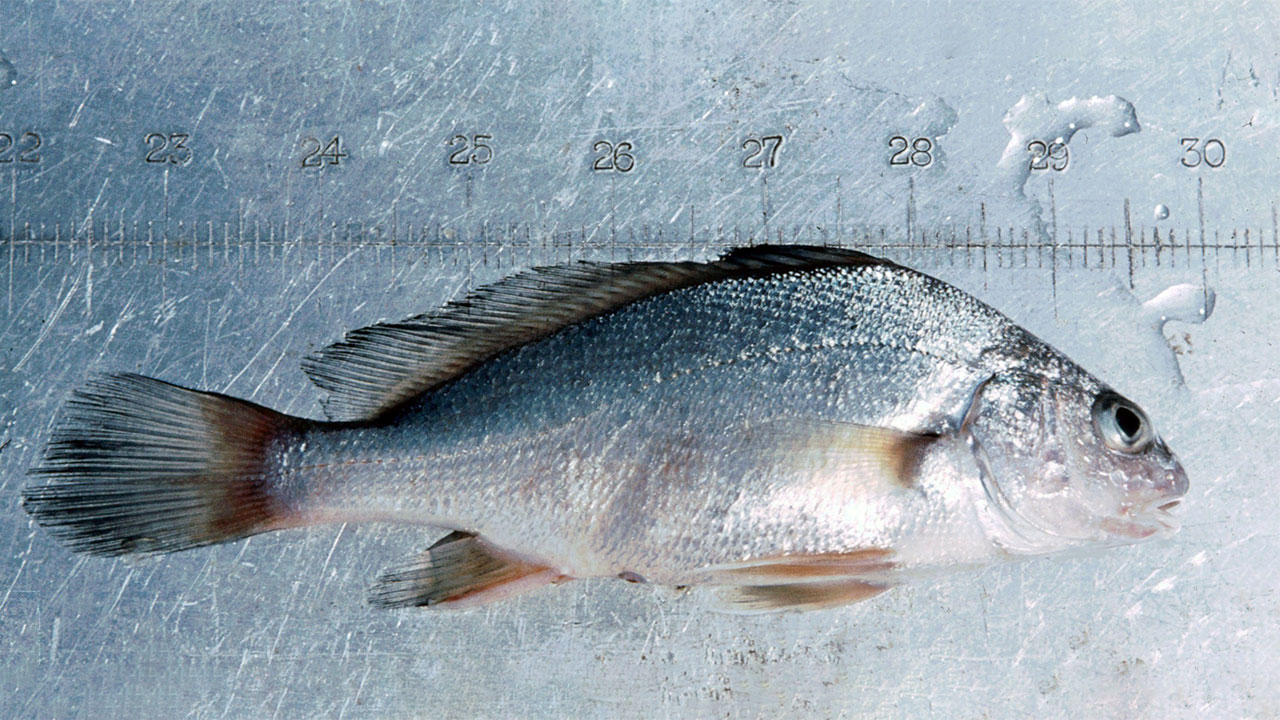
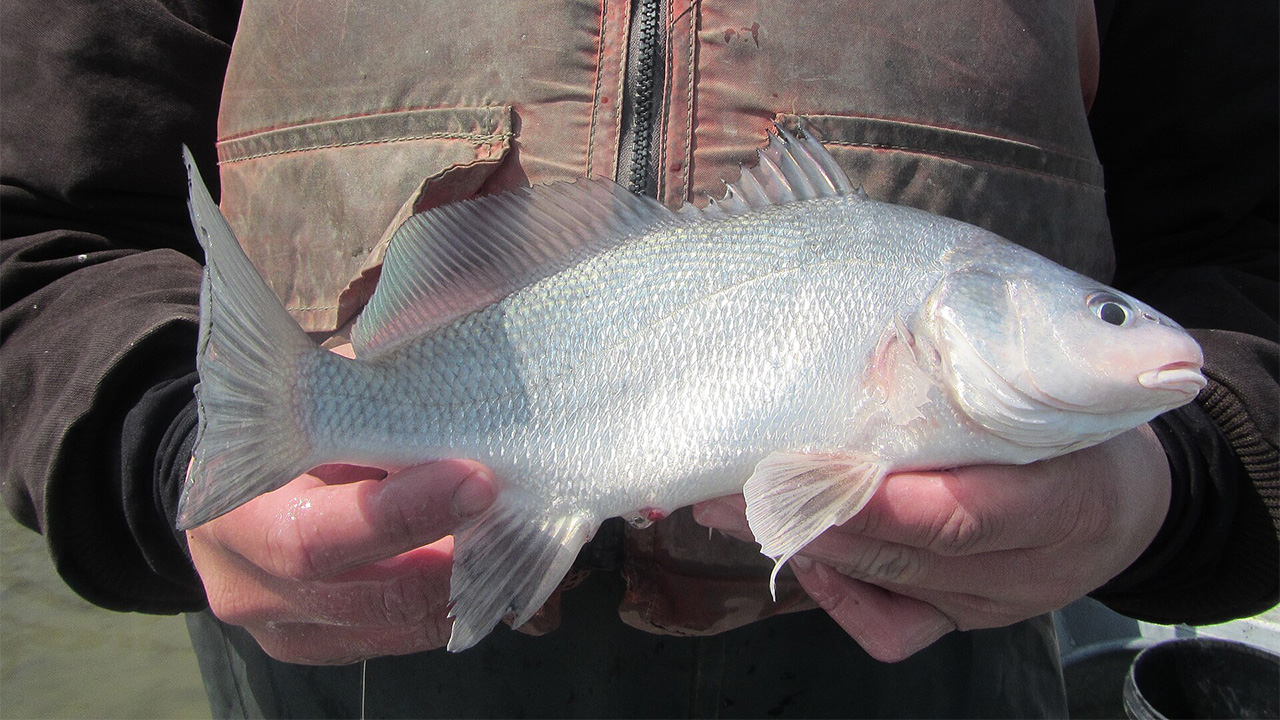
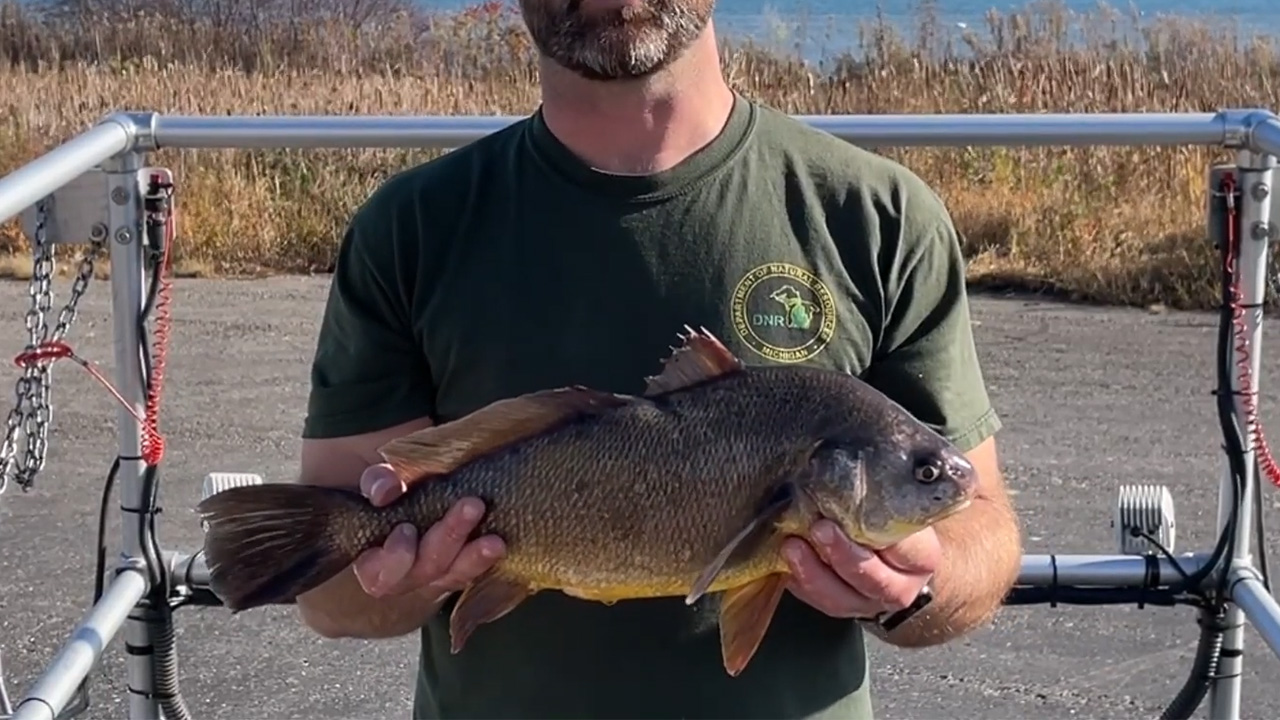
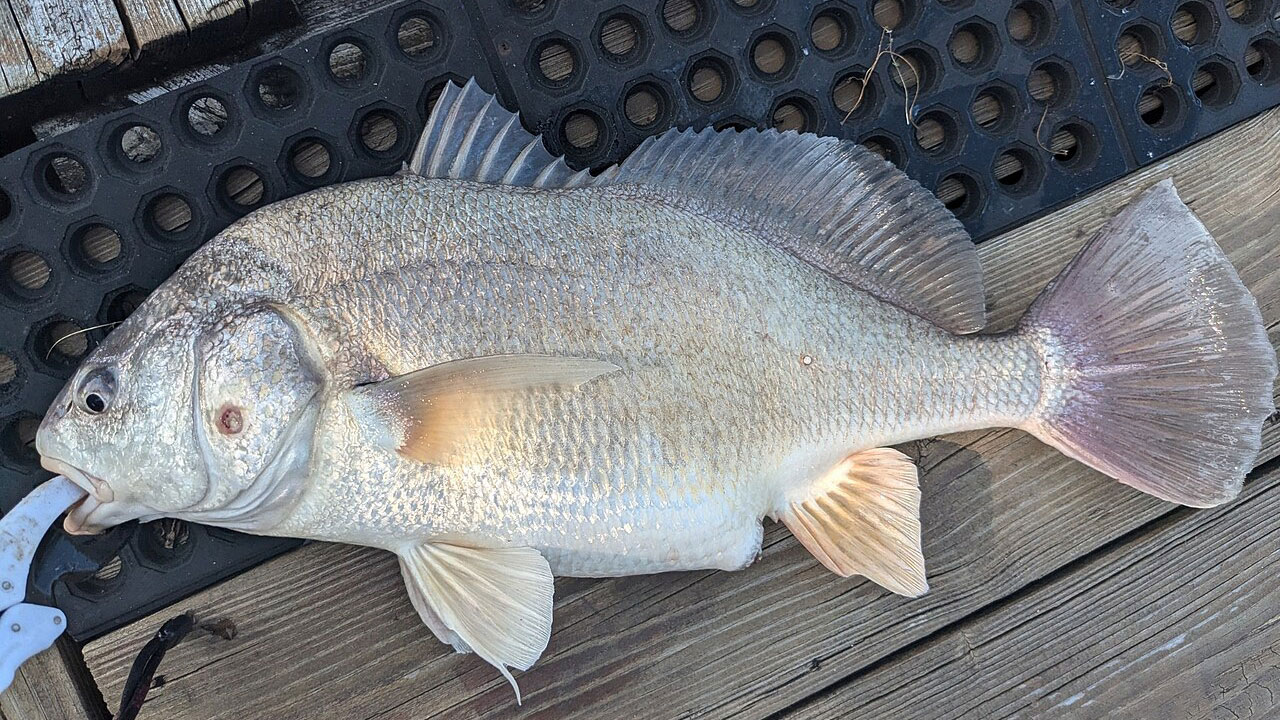
Once you know what to look for, freshwater drum are not that hard to pick out. Illinois DNR describes the body as silver with a humpbacked appearance and notes that the lateral line extends all the way to the end of the tail. The Indiana DNR fact sheet says much the same, including the high-backed form and full lateral-line extension onto the caudal fin. That combination gives them a look that feels a little different from the bass, catfish, and panfish most people spend more time with.
They go by a pile of regional nicknames
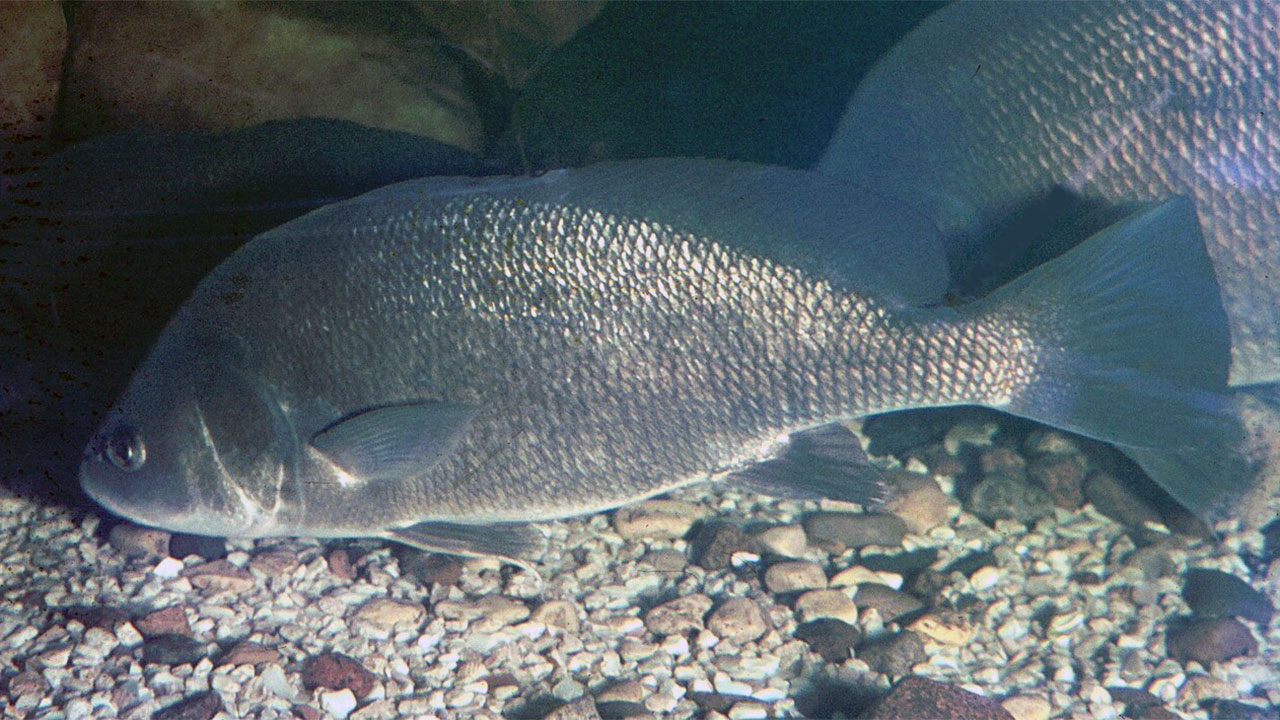
Freshwater drum may be one of the best examples of a fish with a different name every few hundred miles. Wisconsin Sea Grant notes names like sheepshead, silver bass, thunder pumper, gaspergou, and perch, while U.S. Fish and Wildlife says many anglers locally refer to them as sheepshead. That tells you how rooted they are in local fishing culture. It also explains why conversations about them can get confusing fast, because two people may be talking about the same fish and sound like they aren’t.
They’re important to mussels, not just to anglers
This is one of the more surprising freshwater drum facts because it has nothing to do with fighting, eating, or cooking them. Missouri Department of Conservation says freshwater drum are the only known fish host for the endangered scaleshell mussel and also serve as the principal or only host for several other mussels. U.S. Fish and Wildlife documents back that up, noting freshwater drum as the only known host fish for scaleshell in one recent conservation plan. That means drum are part of keeping some mussel species alive, which gives them ecological value a lot of anglers never hear about.
Their teeth and ear bones have made them memorable to people for a long time
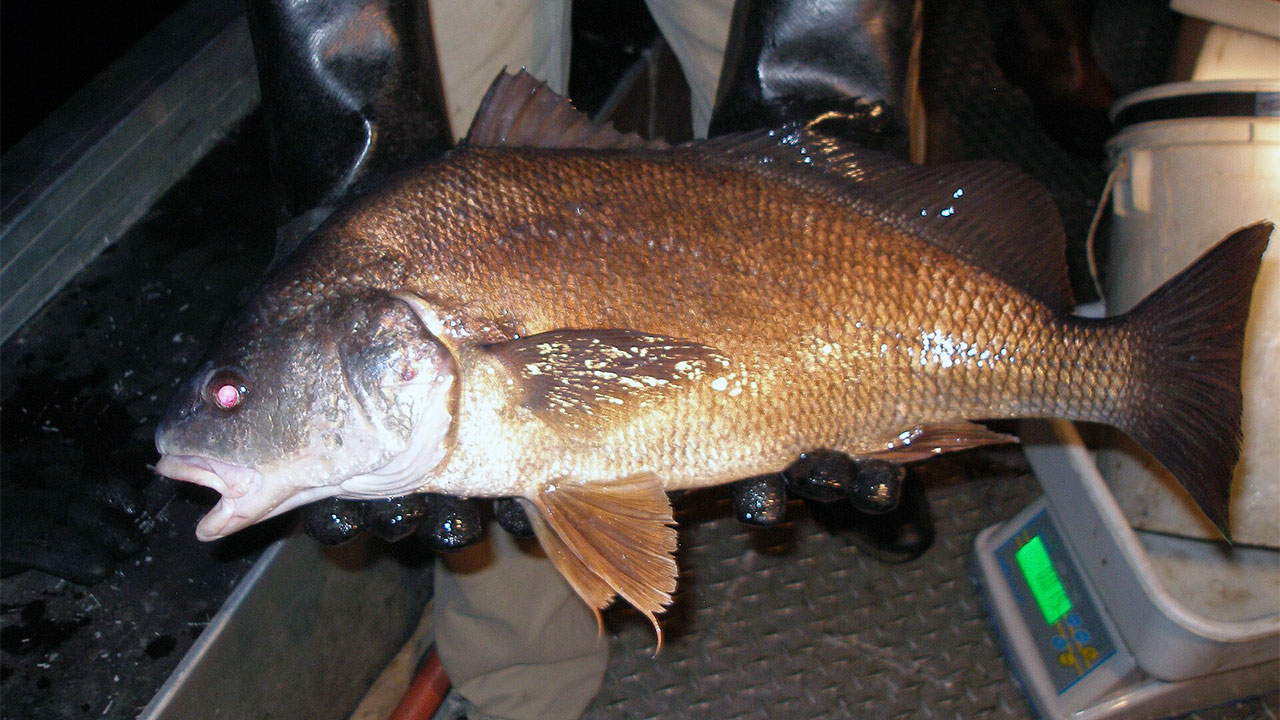
Freshwater drum leave behind some unusual hard parts, and people have noticed for generations. U.S. Fish and Wildlife has media specifically highlighting freshwater drum teeth, and old fishery literature notes their otoliths became popular curiosities called “lucky stones.” Those smooth ear bones are one of the reasons drum have a little folklore hanging around them in some regions. So even beyond the fish itself, parts of it have had a reputation all their own.
Like The Avid Outdoorsman’s content? Subscribe to our newsletter so you never miss an article.
Here’s more from us: