
Rattlesnakes don’t “invade” yards for no reason. Most of the time, they show up because your property looks like a good place to hunt, hide, or cool off. Spring into summer is prime time because rodents are active, brush piles and rock edges hold shade, and water sources pull everything in. If you live in rattlesnake country, it’s not about panicking every time you see one. It’s about understanding why they end up close to the house and what parts of a yard make it more likely. These 15 states have the mix of habitat and species presence where yard encounters happen a lot, especially in warm months.
Arizona

Arizona is the rattlesnake capital for a reason. You’ve got multiple species, long warm seasons, and a ton of homes built right up against desert edges and washes. Yards become attractive when they provide shade, water, and cover, especially in places where landscaping uses rock, decorative boulders, and thick shrubs. That setup can create perfect hideouts near patios, AC units, and block walls.
A lot of the “yard” sightings happen because people don’t realize snakes use walls and fence lines like highways. They cruise along edges, check for rodents, and tuck under anything that stays cool. If you’re in Arizona, you don’t wait until you see a snake to act. You clean up debris, keep grass short, and control rodents so you’re not basically running a free buffet.
Texas

Texas is massive, and rattlesnakes are spread across a huge chunk of it. West Texas has classic desert and scrub habitat, but you also get yard encounters in the Hill Country and parts of South Texas where brush and rock meet suburban expansion. People also love wood piles, stacked stone, and rural “storage yards,” which can unintentionally become snake cover.
The other issue is prey. If you’ve got mice, rats, or rabbits hanging around feed, trash, compost, chicken coops, or pet food, you’re raising the odds. In Texas, a lot of rattlesnake problems start as a rodent problem. Fix the food source, and you usually cut the chances of a rattler hanging around your yard.
New Mexico

New Mexico has plenty of rattlesnake habitat, and yards become a natural extension of that landscape, especially in rural areas and desert-edge towns. Rock landscaping is common, and so are outbuildings, sheds, and stacked materials—exactly the kind of cover a snake will use to stay out of the sun. Even a tidy yard can have a few “cool spots” that act like magnets in hot weather.
A lot of sightings happen around foundations, porches, and crawlspace openings. Snakes aren’t trying to get inside your house most of the time, but they’ll hunt where rodents travel, and rodents love those edges. If you’re in New Mexico, sealing gaps, keeping weeds down, and cleaning up clutter around structures makes a bigger difference than people want to admit.
Colorado

Colorado surprises people because they think “cold weather” means no snake issues. But in many parts of the state, prairie rattlesnakes are common, and warm days in spring and summer bring them out. Yards near open space, prairie, or foothill habitat are the most likely spots, especially if the property backs up to natural grassland or rock piles.
Colorado yards also tend to have features snakes like: rock borders, retaining walls, stacked firewood, and sunny patios. Add in a shed or a crawlspace with easy access, and you’ve got a place a snake might use to cool down. The best move is reducing edge cover and keeping grass short near fences and structures so there’s less “safe travel” into the yard.
Oklahoma

Oklahoma has multiple rattlesnake species, and yard encounters are common in rural areas and on the edges of growing towns. Brush piles, tall grass, and junk corners are the big offenders, especially when they’re close to barns, coops, or feed storage. Snakes go where prey goes, and prey goes where it can hide and find food.
Another issue is seasonal work. People start cleaning up, mowing, moving materials, and digging around in spring. That’s when a hidden snake gets disturbed, and suddenly it’s a yard encounter. In Oklahoma, keeping the property maintained isn’t just about looks. It’s about removing the cover that makes your yard feel like a safe, shaded hunting area.
Kansas

Kansas doesn’t get talked about much in snake conversations, but prairie rattlesnakes are a real yard risk in parts of the state, especially where homes are near prairie, pasture, or rocky breaks. If you’ve got property with field edges, old rock piles, or outbuildings with rodent activity, you’re in the mix.
A lot of Kansas sightings happen during warm spells when snakes are active and people are outside doing summer chores. Yards with tall grass, stacked boards, and brush piles create the “tunnel” snakes like to travel through. The goal is to make your yard less inviting by removing cover and cutting down the rodent traffic around sheds, feed, and trash.
Missouri

Missouri has timber rattlesnakes in parts of the state, and while they’re often associated with wooded and hilly terrain, yard encounters do happen, especially on properties near forest edges or rocky terrain. The risk goes up when yards blend into natural habitat without clear, maintained boundaries.
People in Missouri also deal with a lot of “edge habitat”—woodlines meeting lawns, old stone walls, brush piles near sheds. Those are classic places for snakes to travel and hunt. If you’ve got a yard that backs up to woods, keep the perimeter clean and avoid letting leaf litter, logs, and junk collect along the edges where a snake can move without being seen.
Arkansas

Arkansas has timber rattlesnakes and a lot of habitat that blends right into rural yards—woods, rocky ground, creek bottoms, and overgrown edges. A common pattern is a home site surrounded by natural cover with just a mowed patch around the house, which still leaves plenty of snake-friendly space close by.
Add in chickens, barns, and rodent activity, and you’ve got the full setup. Snakes don’t care that it’s “your yard.” They care that it has shade, cover, and food. In Arkansas, the best prevention is keeping a wide, clean buffer around the house and keeping feed and trash locked down so you’re not feeding the rodents that bring snakes in.
Tennessee

Tennessee has timber rattlesnakes and a lot of wooded, rocky habitat where yards overlap with snake territory, especially in hilly areas and near creek hollers. Yard sightings tend to happen where properties have rock retaining walls, stacked firewood, brush piles, or old sheds with gaps underneath.
A big factor in Tennessee is that people often don’t see rattlesnakes until they’re right on them, because woods and shade make them hard to spot. If your yard has leaf litter and clutter at the edges, that’s prime travel cover. Keeping the yard maintained and not letting junk accumulate is the difference between “we never see snakes” and “we had one by the porch again.”
Kentucky

Kentucky has timber rattlesnakes in parts of the state, especially in more rugged, forested areas. Yard encounters often come from properties near rocky ridges and wooded slopes where snakes live naturally. If a house site sits near rock outcrops or has stacked stone features, that can increase the chance of a snake moving close, especially during warm months.
Kentucky also has plenty of barns and outbuildings where rodents settle in. Snakes follow that trail. A lot of the prevention work is boring but effective: keep grass cut, clean up around buildings, and don’t give rodents a reason to hang around your place. If the prey disappears, snakes have less reason to patrol your yard.
Virginia
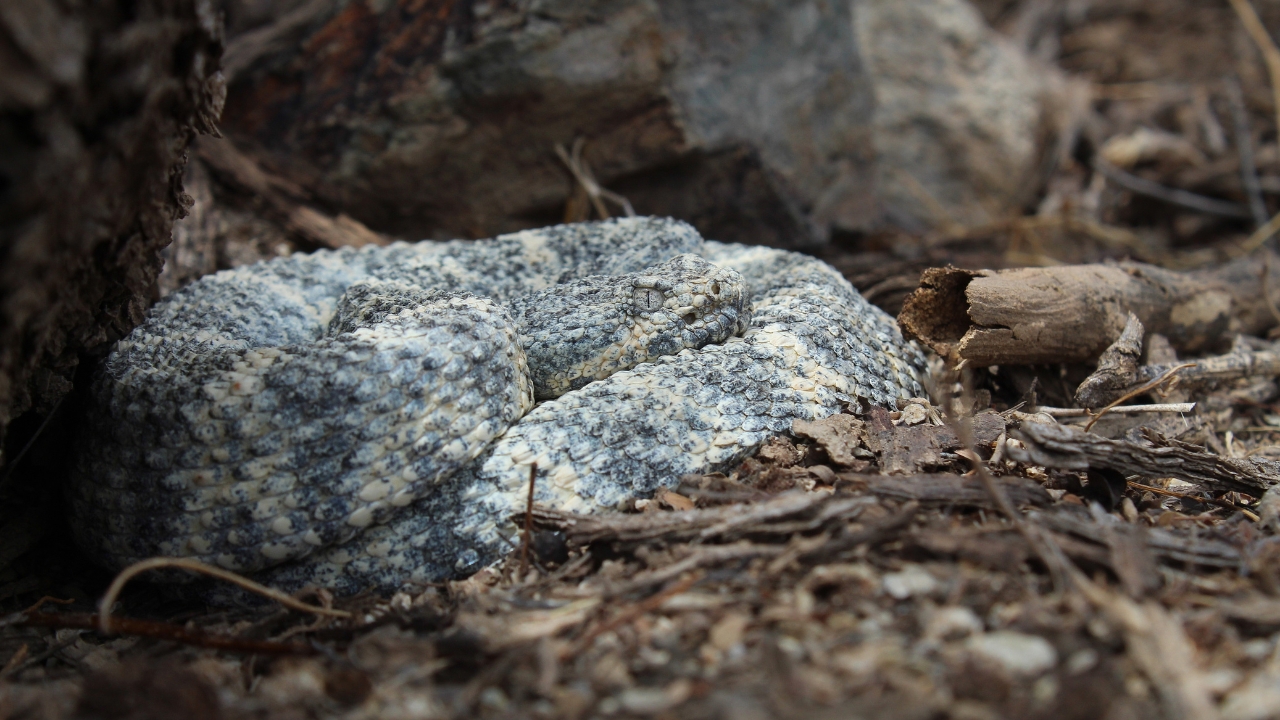
Virginia has timber rattlesnakes in parts of the state, and yard sightings happen most often in the western and more mountainous areas where woods and rock are everywhere. Homes built along ridge lines or near rocky slopes can see snakes moving through yards, especially if the landscaping blends into the natural terrain.
A common setup is a yard with a woodpile, rock border, and a shed with gaps underneath. That’s a cool, sheltered environment with rodent traffic. Virginia residents who get repeat sightings usually find out the hard way that “natural-looking” yards can come with natural-looking problems. Keeping the perimeter clean and limiting rodent habitat is the big lever.
West Virginia

West Virginia’s terrain is built for timber rattlesnakes in the right areas: ridges, rocky hillsides, and deep woods. Yard encounters happen on properties that sit right up against that habitat, especially where there are rock piles, retaining walls, and wooded edges that stay cool in summer.
In a place like West Virginia, you’re not going to remove every natural feature, but you can control what’s closest to the house. Keep wood piles raised and away from the foundation, keep brush cleared, and don’t let junk stack up around outbuildings. Most “yard” rattlesnake issues are really “edge management” issues.
Pennsylvania

Pennsylvania has timber rattlesnakes in certain regions, and while they aren’t everywhere, they can show up in yards near rocky, wooded habitat. The key is proximity. If you’re near known rattlesnake country—ridge lines, rock fields, deep timber—yard encounters are possible, especially with properties that have stone landscaping and woodpiles.
Pennsylvania also sees a lot of outdoor work in spring and summer: cutting wood, stacking brush, cleaning up storm debris. That’s when a hidden snake gets exposed. People who get repeated sightings usually have two things going on: rodent activity and lots of ground cover. Solve those, and you usually see the problem drop.
California

California has multiple rattlesnake species, and yard encounters are common in many parts of the state, especially where homes push into foothills, chaparral, and dry brush. Drought conditions can also push wildlife to seek water, and yards with irrigation, fountains, or pet water bowls can create a small oasis that draws prey and predators.
California yards often include rock landscaping, retaining walls, and thick drought-tolerant shrubs. Those can be perfect hiding spots. A lot of the “snake in the yard” situations happen near patios, pool equipment, and storage areas where shade and clutter stack up. Clearing gaps under sheds, keeping vegetation trimmed, and controlling rodents makes a huge difference.
Nevada

Nevada has plenty of rattlesnake habitat, and yard sightings are common where desert edges meet neighborhoods. Like Arizona, rock landscaping is popular, and it can create cool crevices and shade pockets that snakes will use. Even a neat yard can have a few tight places under stairs, around AC units, or behind block walls where a snake can sit unnoticed.
In Nevada, the heat drives behavior. Snakes look for shade and cooler surfaces, and they’ll travel along walls and edges to get there. If you’ve got a yard full of rock and a rodent problem, you’re stacking the deck against yourself. Keeping rodents down and removing clutter around the house perimeter is the simplest way to lower the odds.
Like The Avid Outdoorsman’s content? Be sure to follow us.
Here’s more from us:


