Photo credit: Paul_Henri/Pixabay.com
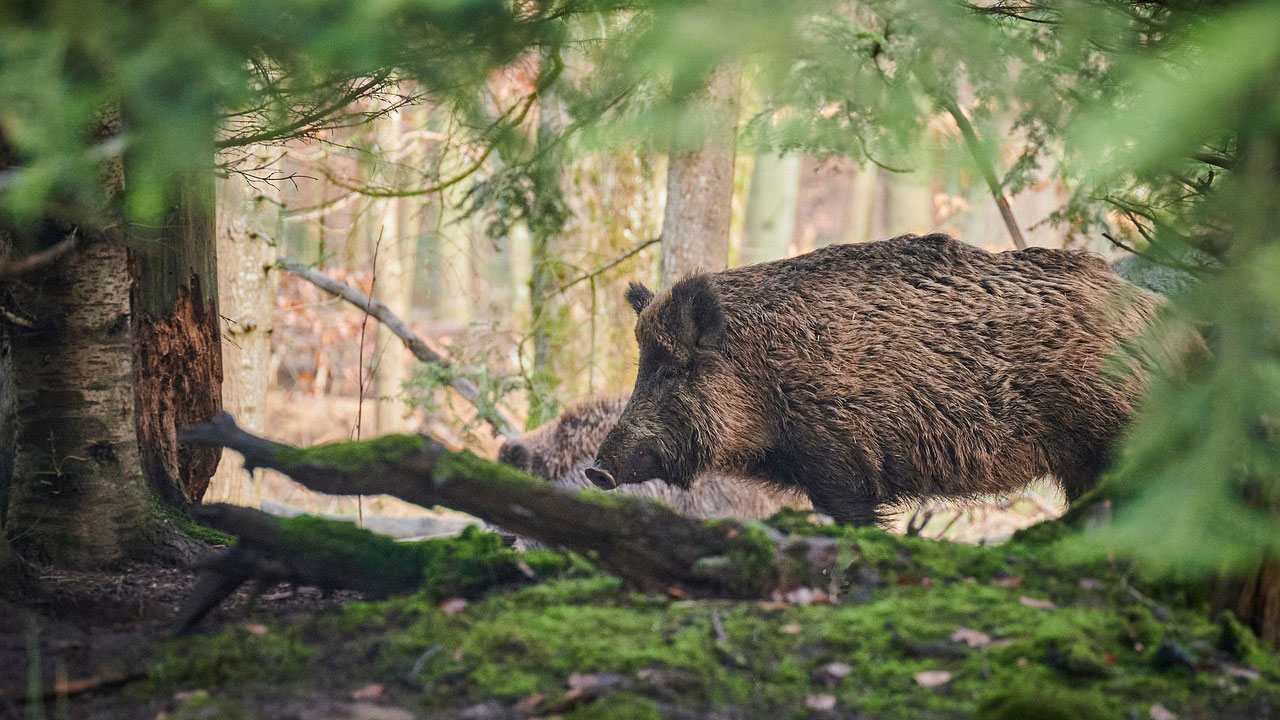
Feral hogs aren’t a “one ranch problem” anymore. In a lot of states, trapping has shifted from a niche thing a few guys did behind the barn to a full-on industry—contract trappers, thermal crews, corral trap systems, landowner co-ops, and state agencies pushing hard for removal. The reason trapping is booming is simple: hogs reproduce fast, they learn fast, and spot-and-stalk shooting rarely keeps up. When hog damage hits crops, lawns, wetlands, and levees, people get serious, and the first serious move is usually a trap you can run every week. Here are 15 states where hog trapping has become a regular, growing part of land management.
Texas

Texas is the engine for hog trapping because the hog problem is widespread, expensive, and constant. When you’ve got hogs tearing up hay fields, peanut ground, corn, and even suburban edges, the market for removal services grows fast. Landowners also tend to have enough acreage and enough recurring damage that they’ll invest in corral traps, panels, gates, cameras, and feeder setups to run a real system, not a one-time fix.
What makes trapping “boom” in Texas is that it’s not just rural anymore. Hogs show up around creek corridors near neighborhoods, golf courses, and small towns, and people who would never have thought about trapping are suddenly asking who can remove them. You’ll also see a lot of coordinated trapping on larger properties, because catching whole sounders is the only way you ever see a real drop in pressure.
Oklahoma

Oklahoma’s hog problem pushes trapping hard because the habitat is perfect and the damage shows up everywhere—wheat, pasture, creek bottoms, and timber edges. A lot of landowners have learned the hard lesson that shooting a couple hogs doesn’t fix anything. You might feel good for an afternoon, then the rest of the sounder shifts, goes nocturnal, and the damage keeps rolling. That’s why traps keep spreading.
In many parts of Oklahoma, trapping has become normal ranch maintenance the same way fixing fence is normal. People run panels, remote-trigger gates, trail cameras, and bait stations because they want to catch the whole group, not educate the survivors. The more folks talk to neighbors and compare notes, the more trapping spreads, because everybody sees the same cycle and wants a tool that actually changes it.
Arkansas

Arkansas has a lot of mixed habitat—timber, fields, creeks, swampy bottoms—that hogs love, and that drives trapping growth fast. Many properties are a mix of hunt land and working land, so hogs are a year-round headache: rooting up food plots, tearing up row crops, and turning wet ground into a mess. Trapping becomes the default because it’s the one method that can hit numbers without relying on being there at the right moment.
You’ll also see more co-op style control in Arkansas, where neighbors coordinate because hogs don’t respect property lines. If one landowner is trapping hard and the next isn’t doing anything, pressure just shifts. The “boom” comes from more people realizing that if you want results, you run traps consistently, catch sounders whole, and keep doing it even after it feels like you “won.”
Louisiana

Louisiana hog trapping keeps growing because the damage isn’t just crops—it’s wetlands, levees, crawfish ponds, pasture, and anything soft and wet that hogs can root. In lowland country, one sounder can wreck a huge area fast, and once they learn a spot is safe, they’ll hammer it. Trapping is often the only realistic way to keep up, especially when thick cover and wet ground make it hard to hunt effectively.
Another driver is how many properties are connected by water and marsh edges. Hogs travel those corridors and show up in new places constantly, which creates steady demand for removal. In Louisiana, trapping is also popular because it can be run around busy schedules. If you’re managing land and you can’t sit out every night, you can still run a corral trap and make progress.
Mississippi

Mississippi sees hog trapping grow fast because hogs thrive in the same places people hunt, farm, and live—timber edges, creek bottoms, and mixed ag land. They destroy food plots, tear up pasture, and hit crops hard enough that landowners stop treating them like “just another nuisance.” Trapping becomes the go-to because it’s repeatable and it’s scalable. You can run a trap while you’re doing other work, and you can catch a lot more hogs per effort than you can with a rifle.
The “booming” part shows up in how many folks are adopting better trap setups: corral traps, stronger panels, better gates, cameras, and baiting routines. People also get smarter about timing, pre-baiting, and waiting until the whole group commits. Mississippi landowners who trap consistently usually end up as the local experts, and that spreads the method fast.
Alabama

Alabama hog trapping is expanding because the hog problem overlaps with both agriculture and big timber country. Hogs tear up pasture, damage planted pines, wreck creek banks, and hammer food plots. A lot of Alabama landowners started with opportunistic shooting and learned it doesn’t dent the problem unless you’re removing whole groups consistently. That realization pushes people toward traps that can catch multiple hogs at once.
Trapping also fits the Alabama landscape. In thick cover, you can’t always spot hogs before they spot you, and you can’t always hunt them safely in every area. A corral trap near travel corridors and water can be far more effective. The growth comes from more folks treating hog control like a standing program—baiting, monitoring, catching, resetting—rather than a random weekend activity.
Georgia

Georgia’s hog trapping growth often shows up where hogs intersect with farms and pine plantations. Rooting damage on field edges and in planted timber adds up fast, and once a landowner sees thousands of dollars disappear into the dirt, they start looking for methods that work at scale. Trapping is usually the first answer that actually matches the size of the problem, especially when hogs go nocturnal and stop showing themselves in daylight.
Georgia also has a lot of properties that are smaller than the giant ranches people picture, which makes trapping even more practical. You can run a trap on 50–200 acres and still catch meaningful numbers if you set it on the right travel lanes. As more folks share results and setups—panel brands, gate styles, camera placement—trapping spreads because it’s one of the few tools that feels like it’s winning.
Florida
Florida hog trapping keeps growing because hogs are everywhere in the state and they hit everything from ranchland to suburban edges. They root up lawns, tear up pastures, wreck crops, and damage sensitive habitat. Florida’s warm climate also means hog activity stays high across long stretches of the year, so landowners don’t get a long “break season” where the problem disappears. That drives demand for ongoing control instead of one-off hunts.
Trapping also fits Florida’s reality: thick cover, wet ground, and hogs that quickly learn patterns. A trap lets you keep pressure on them without needing perfect timing. You’ll see more landowners using cameras and remote monitoring so they can trap efficiently without camping the woods nightly. The “boom” isn’t just more traps—it’s more people running trapping like a system.
South Carolina

South Carolina’s hog trapping grows fast in areas where swamps, timber, and agriculture overlap. Hogs do especially well in wet, brushy cover and then slip out to fields at night, which makes them hard to control by hunting alone. Landowners also deal with property damage that’s not just annoying—it’s expensive, from crop loss to erosion and fence damage. Trapping becomes the tool that can operate regardless of visibility and time of day.
A lot of the growth in South Carolina comes from practical learning: folks start with small cage traps, realize big sounders won’t commit, and move into corral setups that can take a whole group. Once someone starts catching numbers, neighbors notice. And because hogs move across properties, community pressure tends to push everyone toward coordinated trapping so one property isn’t doing all the work while hogs bounce next door.
North Carolina

North Carolina hog trapping is booming in the regions where hogs are established and spreading along river systems and coastal plain habitat. Hogs use waterways like highways, and they show up in fields, yards, and marsh edges where people don’t expect them until damage starts. Once rooting hits crops or landowners start seeing hog sign around homes and hunting land, trapping becomes a common next step because it’s practical and repeatable.
Trapping growth also comes from reality checks. A couple hogs shot off a field doesn’t stop the next wave from showing up, and in some areas hogs are smart enough to change patterns quickly after pressure. A trap that’s set right, pre-baited, and checked consistently can remove the whole group before they learn to avoid you. That’s why the trapping culture keeps expanding.
Tennessee

Tennessee’s hog trapping growth tends to be concentrated in the areas that have established hog populations and the habitat corridors that support them. Where hogs are present, they hit farms, food plots, and creek bottoms hard, and landowners quickly learn that “we’ll just shoot them when we see them” turns into a long losing game. Trapping becomes the steady answer, especially for people who have day jobs and need control methods that don’t require sitting out all night.
Another factor is how hogs spread through connected cover—ridges, drainages, and timber. That means new properties get hit every year, and those new landowners often start trapping after one bad season of damage. Once a few neighbors are running corral traps and actually catching sounders, it becomes the default approach in that pocket of the state.
Missouri

Missouri’s hog trapping growth is driven by hogs showing up in pockets and then becoming a persistent problem fast. When hogs take hold in an area, they pressure agriculture, tear up habitat, and ruin hunting ground in ways that are hard to ignore. That pushes landowners to seek methods that work efficiently, and trapping is usually the first method that actually produces measurable results.
In Missouri, you’ll often see a shift from individual efforts to more coordinated removal. People realize hogs don’t live by county lines or property lines, and if you want to get ahead of them, you need consistent pressure and sounder-level removal. Trapping fits that goal because you can target entire groups, reset quickly, and keep removing hogs before they educate themselves and go fully nocturnal.
Kentucky

Kentucky’s hog trapping boom tends to follow the same pattern as other “growing problem” states: hogs establish in pockets, damage becomes obvious, and then trapping spreads because it’s the most practical way to remove numbers. Once hogs are around, they don’t politely stay in the woods. They hit crops, pasture, and soft ground, and they create erosion and mess around creek edges. Landowners who’ve never dealt with hogs before quickly realize it’s a different level of nuisance.
Trapping grows because it’s less dependent on luck. You can bait and monitor, learn travel routes, and catch whole groups instead of hoping you see them at the right time. In places where hogs are new or still spreading, early trapping efforts can also feel urgent—people want to keep hogs from becoming “normal,” and traps are a faster way to hit them hard.
Indiana

Indiana shows up where hog populations exist and where the conversation has shifted from “are they real here?” to “who’s controlling them and how?” In states like this, trapping growth can be sudden because people don’t have a long history of hog management, so once the problem appears, landowners jump straight to the methods they hear work elsewhere. Trapping is one of the most transferable solutions: panels, gates, bait, cameras, repetition.
The “booming” feel comes from adoption. More folks start running traps because they see how fast hog damage escalates, and they don’t want to wait until it’s a permanent problem. When hogs hit crops or tear up a property’s low ground, the cost is visible. That makes trapping a quicker sell, even for people who aren’t hardcore hunters, because it’s about protecting land value and stopping recurring damage.
California

California has big stretches of hog habitat, and in the places hogs are established, trapping grows because the damage is real and the terrain can make control tricky. Hogs can live in thick brush and rugged country, then move into agricultural edges and irrigated areas where food is easy. Once that happens, landowners often want removal that doesn’t depend on seeing hogs in open daylight, and trapping is a method that can keep working even when hogs change patterns.
Another driver is how concentrated the damage can be. Hogs can hammer vineyards, orchards, and pasture edges hard, and landowners tend to respond quickly when high-value ground gets hit. Trapping setups also allow for repeated removal without having to constantly be present. When you combine steady hog pressure with high-value land, trapping tends to grow into a serious, ongoing program.
Like The Avid Outdoorsman’s content? Subscribe to our newsletter so you never miss an article.
Here’s more from us: