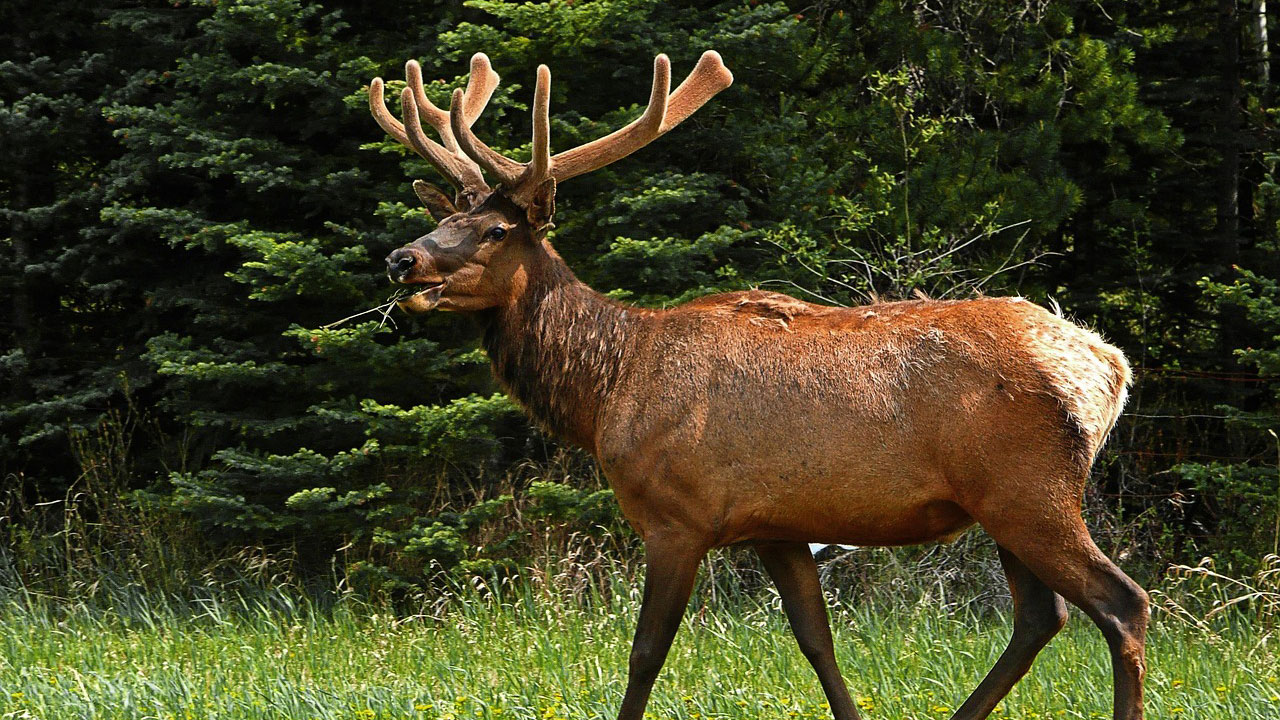
Photo credit: ArtTower/Pixabay.com
A lot of guys talk about “elk numbers” like that’s the whole story. It isn’t. You can have plenty of elk on the landscape and still feel like you’re hunting a postage stamp because the elk are living on private, tucked behind locked gates, or stacked into a few public basins that get hammered. Add in more pressure, more recreation, more lease ground, and states tightening tag structures, and you get the same end result: elk are there, but getting to them clean and legal is harder than it used to be.
This list is about that exact problem. These are states where elk are doing fine in a lot of units, but access is the choke point — crowding on public, shrinking walk-in options, more “permission only” situations, or rules that force you to plan further ahead than the old “show up and hunt” approach.
Colorado
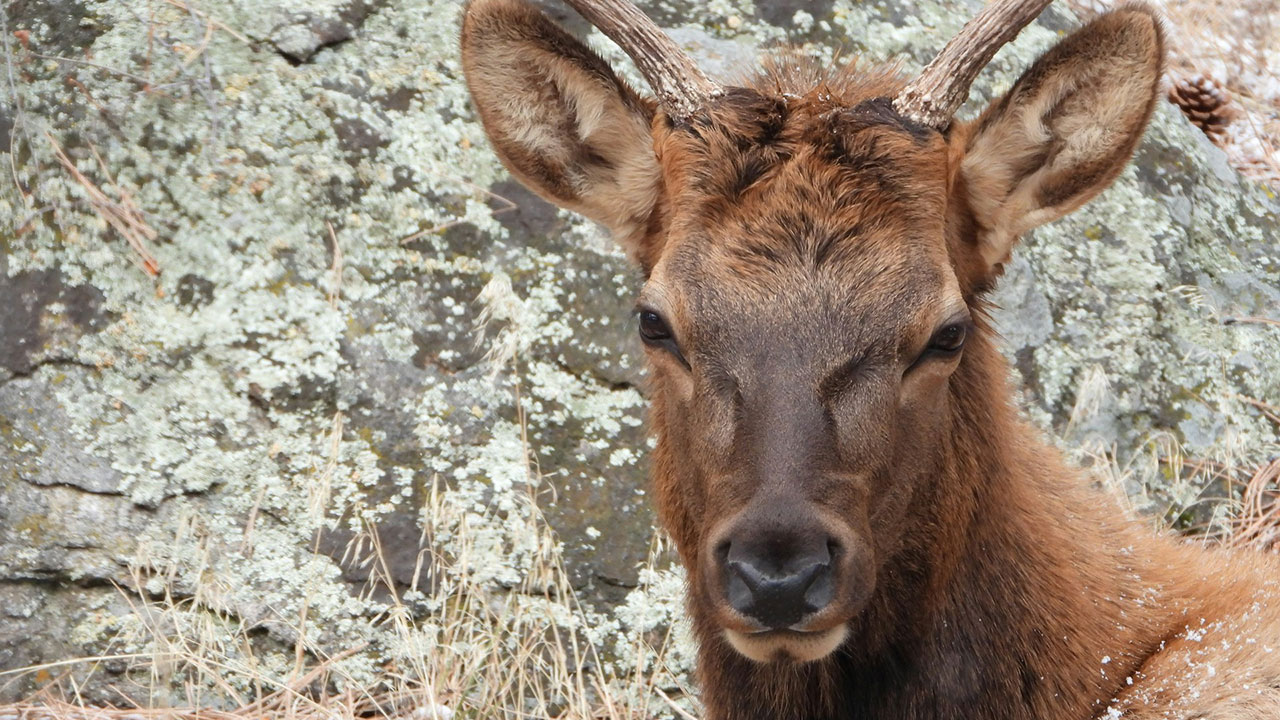
Colorado has no shortage of elk — it’s been described as having about 280,000 elk in the mid-2020s, the largest elk population in the world. The access squeeze comes from how many hunters that reality attracts, plus how much of the good habitat sits next to private in a way that lets elk slide across a line and disappear. Even when you’re on public, you can feel boxed into the same few trailheads everybody else is using.
Colorado also tightened the “easy button” for a lot of nonresidents. CPW has said nonresidents can no longer buy OTC archery elk licenses for GMUs west of I-25 and GMU 140, pushing more people into draws and leftovers. That doesn’t mean Colorado is “worse,” but it does mean you can’t treat it like a last-minute plan and expect the same options you had a few years ago.
Montana
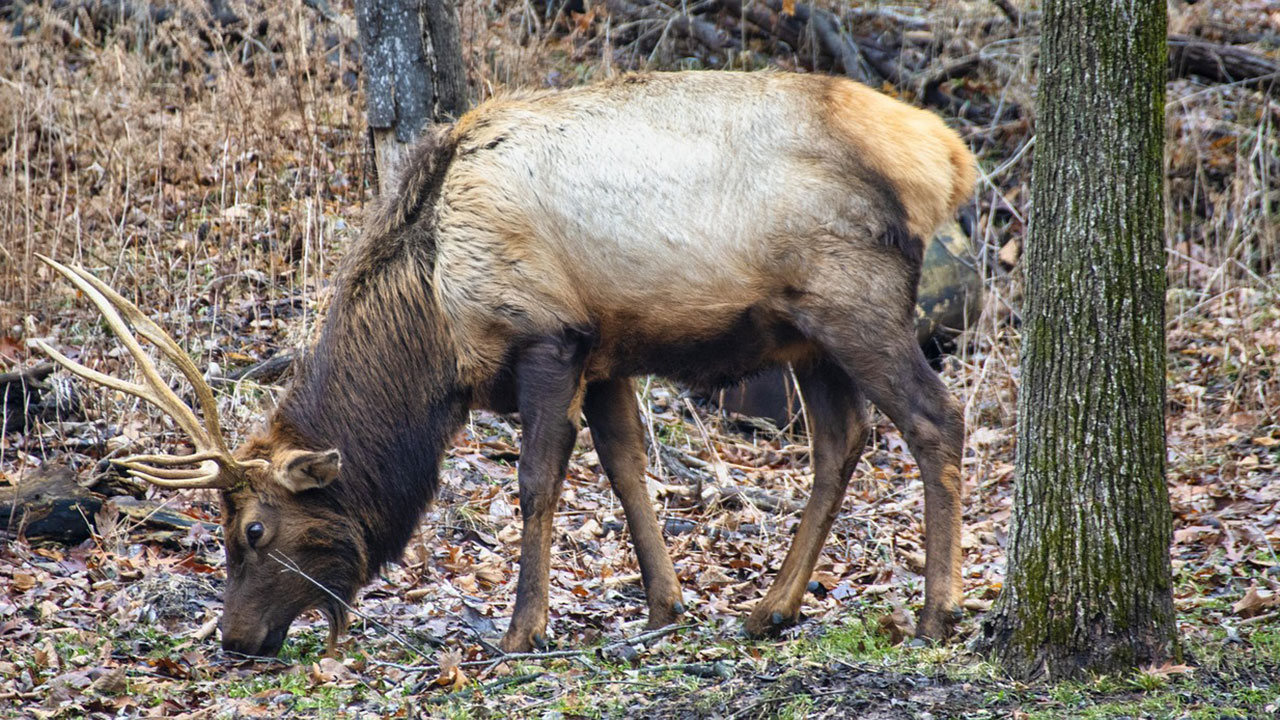
Montana still holds big elk numbers across a lot of the state, but access is a constant tug-of-war because so much prime elk country is a checkerboard of public and private. Even when elk are plentiful, they can live on private foothills and drop onto public after dark. If you’ve hunted Montana lately, you’ve seen it: public ground full of boot tracks, and elk sign that keeps drifting toward permission-only country.
Montana’s Block Management program matters here because it’s one of the biggest “regular guy” access lifelines on private. The problem is participation has been on a gradual decline in enrolled acres over time, even with efforts to boost landowner interest. When those acres drop, the remaining access gets hammered harder, and the good spots feel like they have a line at the sign-in box.
Idaho
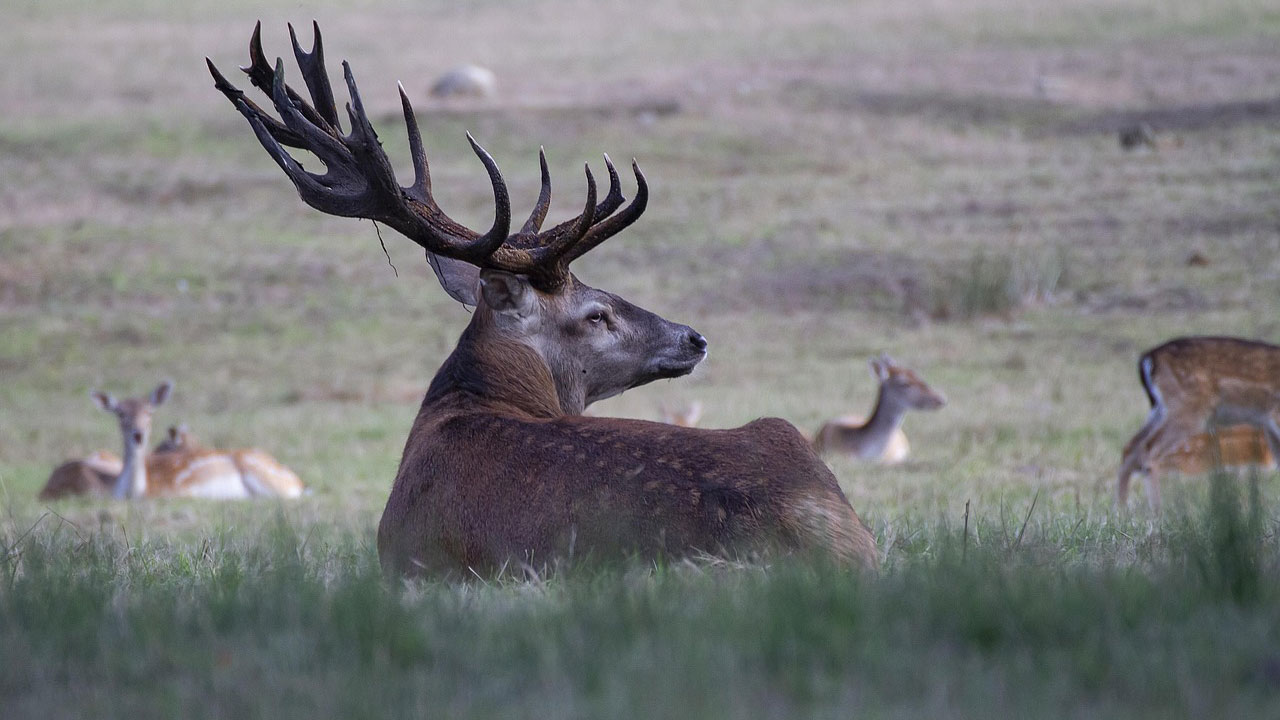
Idaho has strong elk in many regions, but access can be tight because elk and people are colliding more often. Idaho Fish and Game’s elk management plan flat-out notes statewide elk numbers remain robust while increased pressure on public lands, development, and habitat loss influence management and densities. That’s the story in plain English: elk are there, but the places you can freely hunt them get more crowded and more complicated.
Idaho also has a very real private-land dynamic in certain areas where elk stack up and cause damage, which tells you where the animals are choosing to live. Idaho Fish and Game recently discussed a plan to reduce agriculture damage from a nonmigratory elk herd on private land in Unit 32, with damages in that area exceeding $1 million the prior year. If elk are spending that much time on private, the “numbers” don’t help you unless you’ve got access.
Wyoming
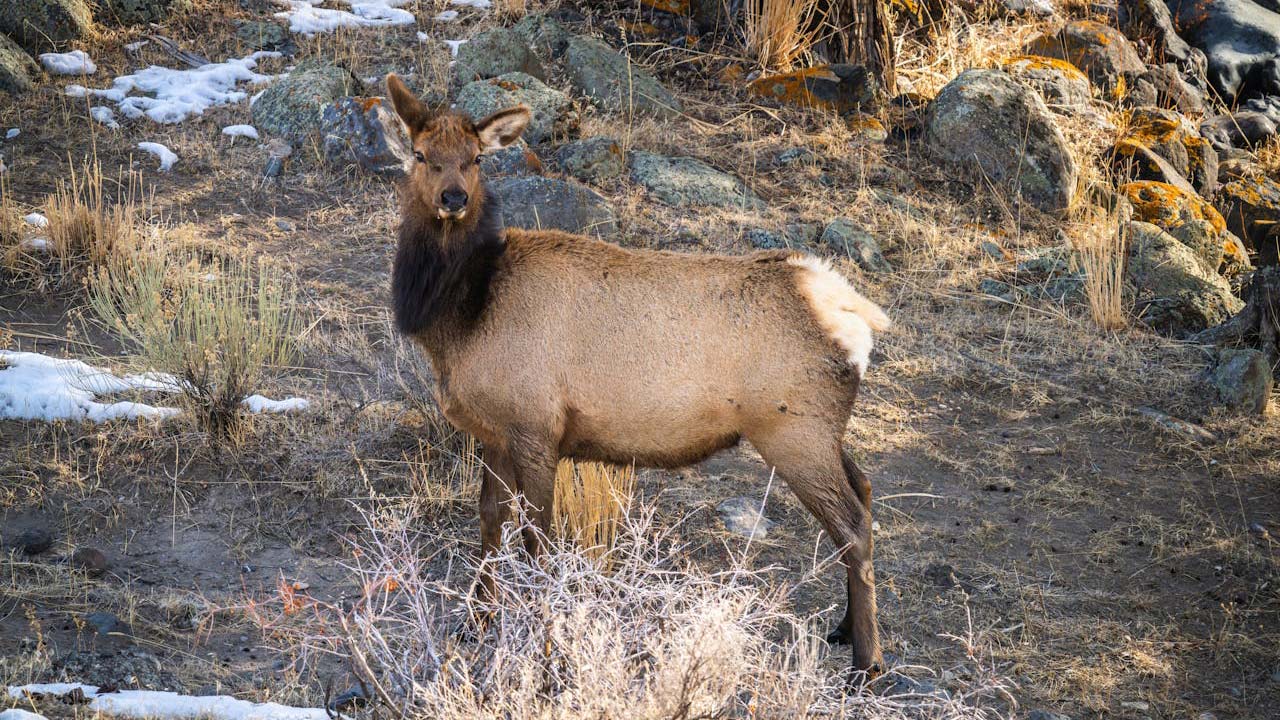
Wyoming can be great elk hunting, but access is one of the biggest factors that makes or breaks your season. Wyoming Game and Fish’s 2025 hunt forecast warned hunters to expect difficult access to private lands and some overcrowding on accessible public lands. That’s about as direct as it gets. Elk can be at or over objective in some herds, and you can still end up shoulder-to-shoulder on the public pieces everybody can reach.
Wyoming also has a lot of elk tied up in valley bottoms and irrigated private that they’ll use hard until pressure pushes them. If you don’t have a plan for walk-in areas, permission, or a way to get deeper than the road hunters, you can spend a full season watching elk live where you can’t follow. The state has opportunity, but it rewards preparation and mobility more every year.
Utah
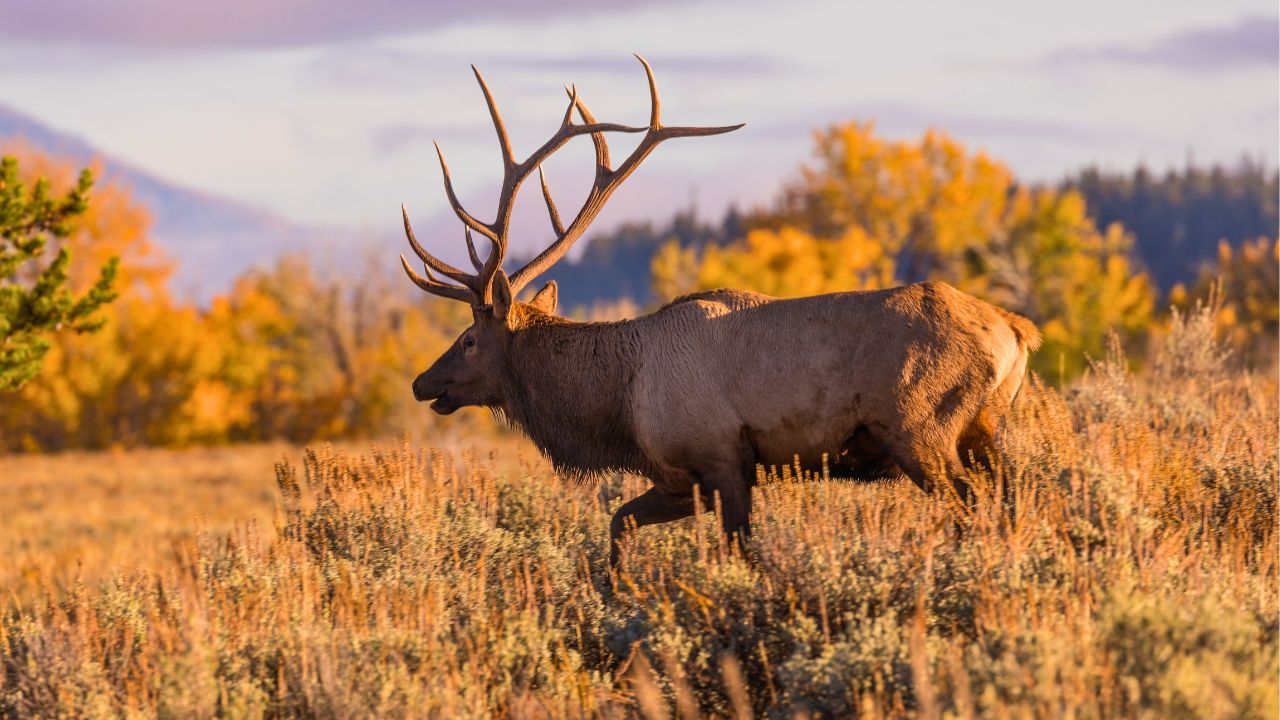
Utah elk numbers can be strong in the right units, but access gets tight fast because of terrain bottlenecks and how much pressure piles into the same canyons and ridges. Utah also has a lot of elk habitat that touches private benches and valley ground, so elk can feed low and bed high in places you can’t always hunt cleanly without crossing lines you don’t own.
Another issue in Utah is “good public” versus “available public.” A map can show lots of public acres, but if the access points are limited, or the trailheads funnel everyone into the same drainage, you end up hunting people. Utah’s not hopeless. It just means you’ve got to think harder about entry routes, midweek moves, and backup spots before you burn vacation.
Arizona
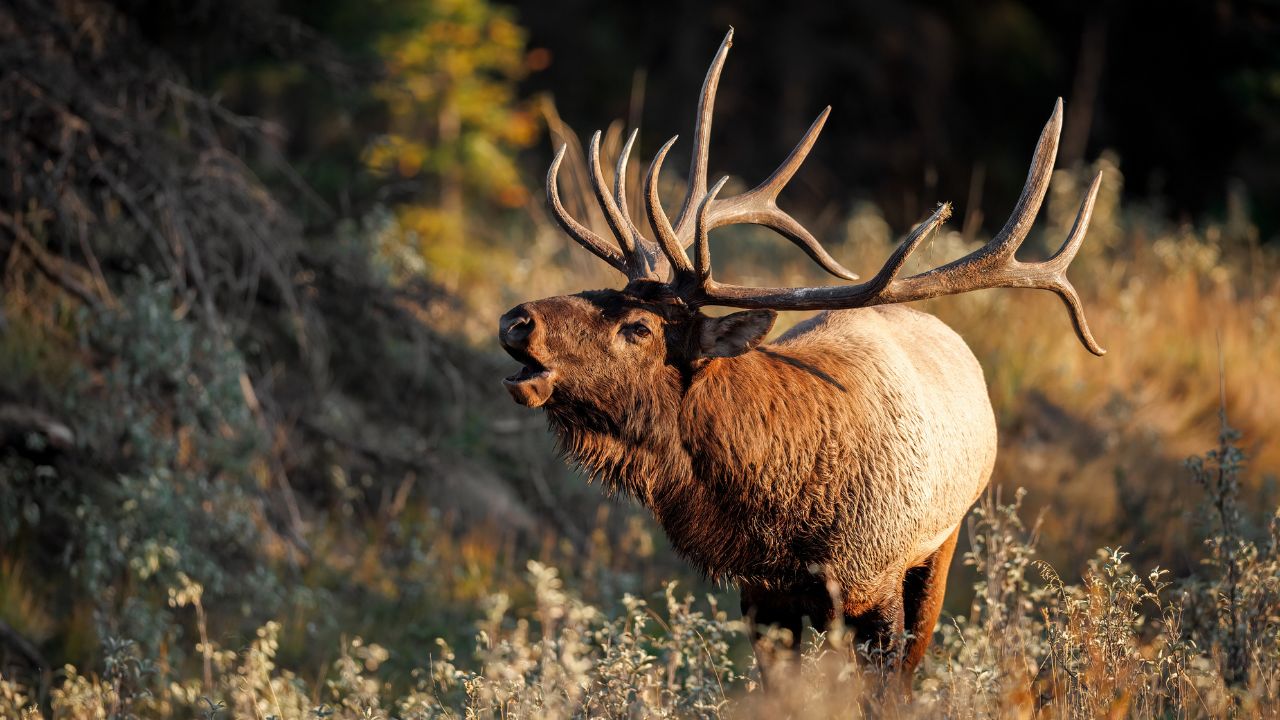
Arizona has some very solid elk herds, and that’s exactly why access feels tight. A lot of the best elk country draws heavy pressure, and the terrain makes it easy for hunters to pile into the same roads, tanks, and glassing points. You can have elk all over a unit and still struggle to hunt them effectively if every decent access route turns into a parade.
Arizona also has a lot of mixed land ownership in places where elk like to live, so you’ll see herds using private inholdings or border areas that complicate your plan. The guy who adapts in Arizona is the guy who’s willing to hike past the obvious spots, hunt midday movement, and accept that your first plan might get blown up by pressure.
New Mexico

New Mexico has strong elk areas, but access is a constant friction point because elk love private-ag edges and the state has a lot of big ranch blocks that break up what looks like open country on a map. Even if you’re on public, elk can slide into private like it’s a safe zone when pressure starts. That’s why you hear the same story: “tons of elk, couldn’t get on them.”
New Mexico also has rugged public that’s absolutely huntable, but it weeds people out. Access can be tight simply because the “good” public is steep, remote, and time-consuming to reach, so hunters concentrate on easier ground. If you’re willing to grind, New Mexico can still deliver. If you want easy access, you’ll feel the squeeze fast.
Nevada

Nevada often gets overlooked, but it has elk in multiple areas and some herds that are doing well. The access issue is that Nevada is a patchwork of mountain ranges, with limited “easy” public routes and plenty of places where private bottoms control the most practical entry. Elk can live high, but the way you reach them often starts low, and that’s where access gets decided.
Nevada also has a lot of hunter movement concentrated into a few known zones. When access is limited, pressure becomes predictable, and elk react predictably too. If you’re hunting Nevada, the best thing you can do is identify multiple access points and be ready to pivot quickly, because the first area you picked might be full of trucks by day two.
Oregon

Oregon has elk and a lot of public land, but access can feel tight because the most productive spots get hammered and because travel management rules, closures, and timberland policies can change how you get around. You can have “public” in front of you and still be functionally limited by where you can legally drive, park, or cut through.
Oregon also has heavy recreation pressure in many forest zones, and that pushes hunters into narrower windows and narrower pieces of ground. Elk numbers might look good on paper, but if you’re trying to hunt near popular trail systems or in units where everyone knows the same access roads, you’ll see the squeeze. The fix is scouting for overlooked pockets and hunting times other people don’t like.
Washington
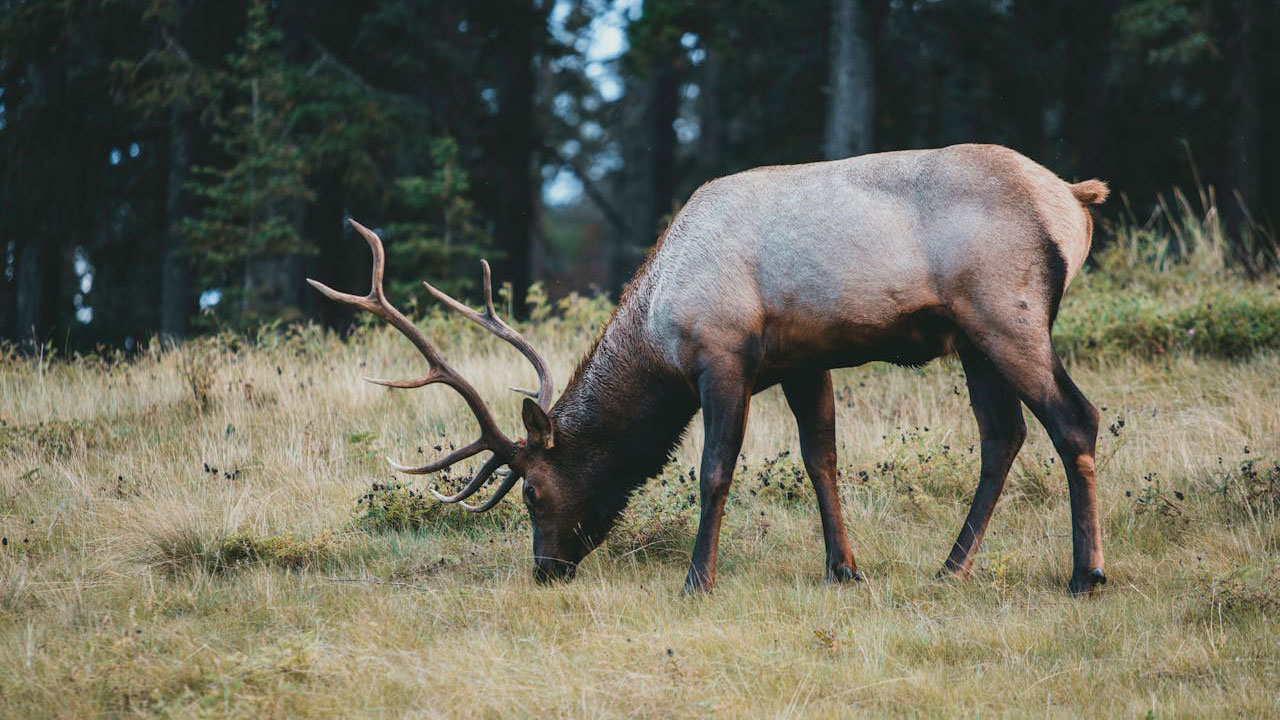
Washington has elk in several regions, but access is often the limiting factor because of how land ownership and human use overlap. In some places, the best elk habitat sits behind private timber gates or is broken into small, high-pressure public parcels. Even where public exists, you can deal with heavy use from hikers, bikers, and campers, which changes elk movement and concentrates hunting pressure.
Washington hunters who do well tend to be the ones who treat access as the main project. They’re not just picking a unit — they’re picking entry routes, alternative parking, and spots that still allow you to hunt effectively when the weekend crowds show up. Elk aren’t rare in Washington. Finding huntable elk without fighting everyone else can be.
California

California can hold solid elk opportunities in certain zones, but access is tight because huntable areas are limited, tags are controlled, and a lot of good habitat is bound up in private or heavily managed parcels. When you do have public opportunity, it can feel like a high-demand event, not a casual season you can wing.
The other California reality is that “access” can be about logistics as much as ownership. Big terrain, limited roads, closures, and long drives between viable spots can all tighten your effective access. If you’re serious about elk in California, you plan early, you scout hard, and you treat backup options like they matter, because they do.
Alaska

Alaska can have strong elk in very specific places, but access is tight by nature. Even when elk are present, getting to them can be controlled by geography and logistics — boats, flights, weather windows, and limited entry points. That kind of access constraint is real even if you’re not dealing with private land in the same way as the Lower 48.
In Alaska, “tight access” also means you don’t get many easy second chances. If your travel plan gets blown up, it’s not a quick pivot to the next trailhead. It’s a bigger adjustment. Elk numbers may be fine where they exist, but the hunt is often decided by your ability to reach the country safely and stay there long enough to hunt effectively.
Kentucky

Kentucky’s elk story is a success in terms of animals on the landscape, but access can be tight because huntable areas are limited and a lot of the country is a patchwork of public, private, and permission-only ground. You can have elk around and still struggle to get consistent, legal access to where they want to be day after day.
Kentucky also has a lot of hunter demand relative to the huntable footprint, which makes pressure feel heavier. If you’re coming in without local connections, you can feel boxed into a few public options. That doesn’t mean it’s not worth doing. It means you’ve got to treat access like the first step, not the last detail.
Pennsylvania
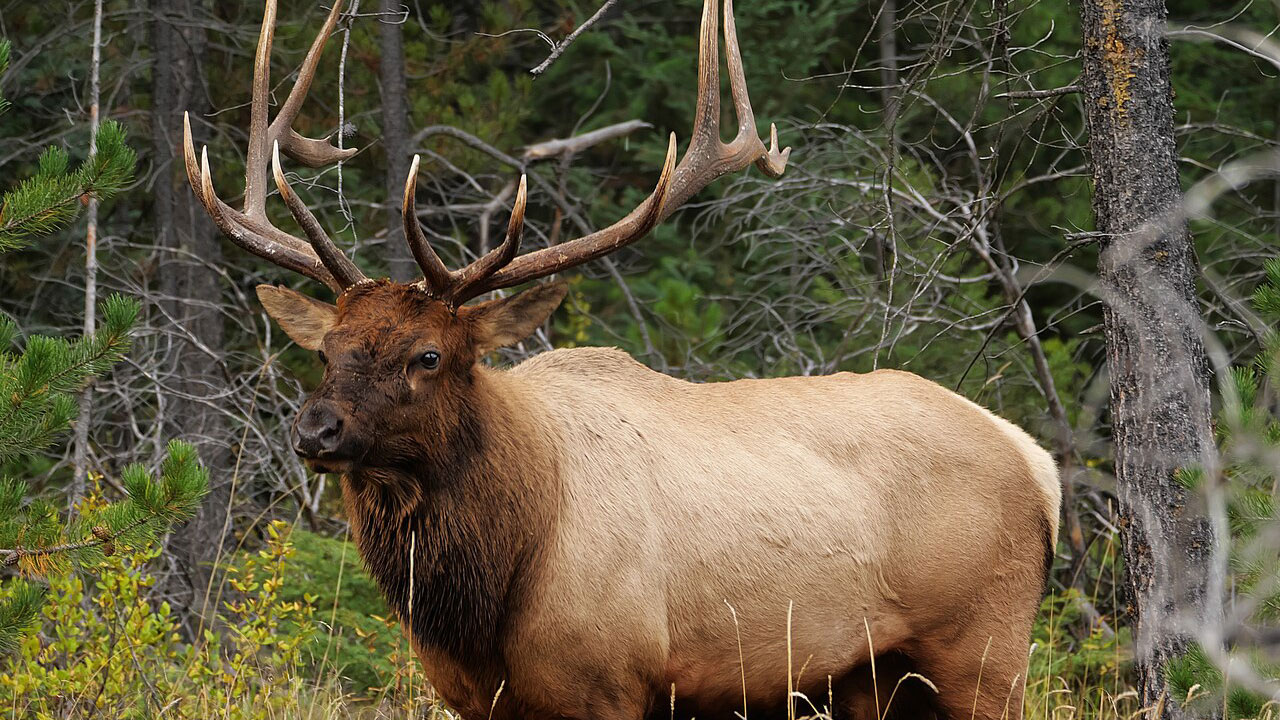
Pennsylvania has elk in a defined region, and that by itself makes access tight. You’re not talking about a state where you can “just go hunt elk” anywhere. The huntable footprint is limited, and the whole system is built around controlled opportunity and managing human pressure as much as managing elk.
Even outside of hunting, elk viewing pressure and general public attention can shape how access feels on the ground. The animals can be there, and you can still find yourself hemmed in by where you can legally go, where you can park, and how many other people are trying to do the same thing. Pennsylvania is a planning hunt. The guy who thinks it’s casual usually ends up frustrated.
North Dakota

North Dakota has elk in certain areas, and in those pockets the animals can be doing fine. The access squeeze is that the huntable footprint is limited and often wrapped up in specific blocks of land where pressure gets concentrated fast. When elk exist in smaller islands of habitat, access is automatically “tight” because there just isn’t a huge map to spread hunters out.
North Dakota also has the private-land reality that shapes a lot of hunting in the Plains. Even if there are elk, the question is always: can you legally hunt where they’re spending daylight? If you can’t, your “elk numbers” don’t matter much. In tight-footprint elk states, access is the whole ballgame.
South Dakota

South Dakota elk opportunity is also pocketed, and that creates natural access pressure. When the elk live in a more defined region, hunters concentrate, and the areas that are easy to reach get hit hard. Elk can be present and healthy, but your hunt can still feel like you’re competing for the same few spots.
In these tighter elk states, you win by being methodical: know the boundaries, know the pressure points, and don’t waste time hoping elk will wander into the easy areas. They usually don’t once the season gets rolling. If you don’t treat access and movement patterns as the priority, you’ll spend your hunt chasing old sign and fresh boot tracks.
Like The Avid Outdoorsman’s content? Subscribe to our newsletter so you never miss an article.
Here’s more from us: