
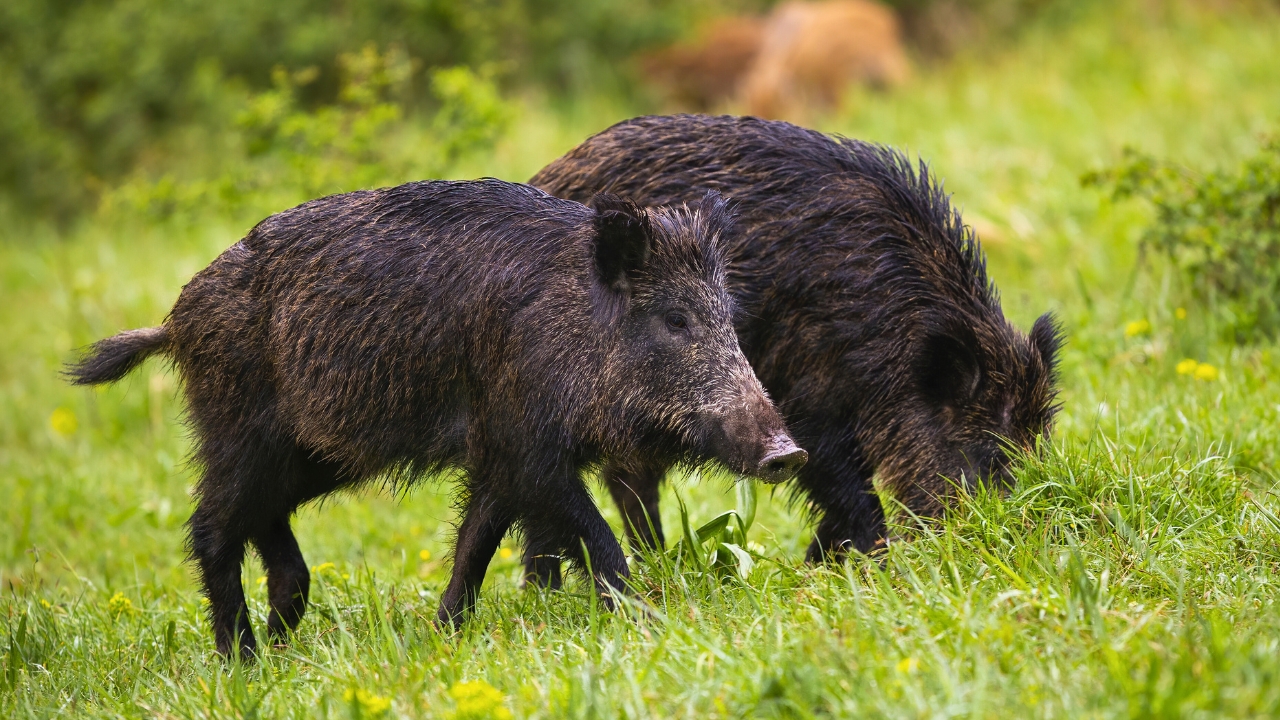
Wild hogs aren’t a “hunting story.” They’re a property damage story. They root up fields, destroy pasture, tear up fences, hit crop rows like a rototiller, and spread disease risk to livestock. The reason they expand so fast is simple: they breed like crazy, they adapt to almost any habitat, and they travel through cover and waterways that connect farm country across county lines. When people move hogs illegally or “stock” them for hunting, it accelerates the spread even more.
This list focuses on states where hog expansion into farm country is a real, ongoing issue — either because hog populations are already big and spreading outward, or because new pockets keep popping up in agricultural areas.
Texas

Texas is still the heavyweight champ for hog problems. They’re in farm country, ranch country, river bottoms, and suburban edges. Hogs destroy crops, root up hay fields, wreck water lines, and turn pastures into rutted mud pits. Their range keeps shifting because they follow food, cover, and water, and Texas has all of it.
The hard truth is that in many Texas areas, you’re not “eliminating” hogs. You’re managing pressure. If you’re a landowner, trapping becomes the most consistent tool because it can remove multiple hogs at once. Spot-and-stalk can help, but it rarely keeps up with reproduction. If hogs are already on your place, you’re behind the curve, so act fast.
Oklahoma

Oklahoma hog problems have been creeping into more farm areas because river systems and brushy corridors connect everything. Hogs hit crop fields hard, especially when corn and other high-calorie foods are available. They’ll root a field edge overnight and keep working it until the food is gone or pressure pushes them.
Oklahoma’s big issue is how quickly hogs shift. You can trap them in one area and see fresh damage miles away because the sounder moved. Farmers learn fast that you need coordination. One property trying to handle hogs alone rarely works long-term. The hogs don’t respect fence lines, and neither should your plan.
Arkansas

Arkansas has plenty of cover and water, which makes hog spread into farm country predictable. Bottomland woods, river corridors, and thick brush give hogs travel routes that run right into row-crop areas. They hit fields, tear up levees, and create long-term damage that affects planting, irrigation, and harvest.
In Arkansas, hog pressure can be seasonal depending on crops and mast. When food sources shift, hogs shift, and that’s when new farm areas get hit. A lot of people underestimate how quickly hogs can turn a “small problem” into a big one. If you see fresh rooting, don’t assume it’s a one-time event. It’s usually the start of a pattern.
Louisiana

Louisiana’s mix of wetlands, forests, and agriculture creates ideal hog habitat. Hogs move through marsh edges and timber into farm country, and the damage can be brutal because soft ground and levee systems don’t handle rooting well. Fields, roads, and drainage systems can all get wrecked.
The challenge in Louisiana is that hogs can disappear into thick cover and water-heavy terrain where access is tough. That makes control harder and allows populations to expand. Farmers often end up dealing with repeated waves of damage. Trapping, night control where legal, and coordinated pressure are key because hogs learn quickly if they’re being hunted.
Mississippi

Mississippi hog problems keep spreading through farm areas because the habitat supports them and the corridors connect everything. River bottoms, timber, and ag edges create a perfect travel-and-feed loop. Hogs hit crops and pasture and can also create disease concerns around livestock operations.
In Mississippi, a lot of the expansion into farm country happens quietly until the damage becomes obvious. You’ll see one rooted patch, then more, then torn-up field edges that cost real money. The smart move is responding early with traps and pressure. Waiting until you “see a lot of hogs” usually means you’ve already lost the first battle.
Alabama
Alabama’s hog spread follows the same pattern: water corridors, thick cover, and farms that provide high-calorie food. Row crops, pasture, and feed storage areas can all get hit. Hogs will also root around ponds and creeks, wrecking banks and creating erosion problems.
Alabama farmers often deal with hogs that shift between properties, which makes solo control efforts frustrating. One neighbor who doesn’t care can undo your work. That’s why the best hog control is cooperative — multiple properties working traps and pressure. If hogs are in your farm country area now, expect them to keep expanding unless there’s real regional effort.
Georgia

Georgia has hog problems in multiple regions, and farm country gets hit hard because hogs love crop edges and wet low spots. They can wreck planted fields, damage irrigation systems, and create ruts that make equipment work harder. The expansion comes from both natural spread and human-caused spread through illegal movement.
Georgia’s biggest issue is how quickly hogs reproduce. You can think you “got most of them” and then see a new batch of piglets a month later. If you want to slow the spread into farm ground, you have to hit them consistently. Trapping is still the most efficient way to remove numbers, and pressure has to be steady, not occasional.
Florida

Florida has hogs statewide, and farm country gets hammered in many areas. Hogs root up pasture, damage crops, and wreck drainage systems. They also use wetlands and cover to move around, which makes them hard to pin down. Florida’s warm climate supports year-round activity, so you don’t get a true “off season” from hog damage.
In Florida, hogs also collide with livestock operations and create additional risk through disease exposure. Farmers dealing with hogs learn fast that this isn’t a “hunt a few and it’s fixed” situation. It’s ongoing management. The sooner you start, the less ground you lose. Waiting until damage is severe means you’re paying for hogs twice — once in crop loss and again in control costs.
South Carolina

South Carolina has hog issues that continue expanding into farm country, especially where timber and wetlands intersect with agriculture. Hogs love the edges — they bed in cover and feed in fields. That makes row crops and pastures prime targets. They can also tear up food plots and small farms that don’t have the resources to trap hard.
South Carolina’s challenge is that hogs can move quickly and become nocturnal under pressure. People will swear “they’re gone,” then find fresh rooting after a rain. That’s why hog control has to be strategic. If you only shoot one here and there, you educate them. If you trap effectively, you remove them. Big difference.
North Carolina

North Carolina has wild hog populations in several regions, and farm country sees the damage as hogs spread along river corridors and wooded edges. Crop fields, especially near cover, can get hit hard. The expansion isn’t always uniform — it shows up as new pockets popping up in places that never had hog problems before.
In NC, hog management gets complicated because small farms and mixed land uses create gaps in control. One property traps, the next doesn’t, and hogs shift accordingly. If hogs are starting to show up in your farm area, respond immediately. Once they establish a routine, they’ll keep returning, and the damage compounds fast.
Tennessee

Tennessee hog issues aren’t “everywhere,” but where they exist, they’re expanding into agricultural areas and causing real headaches. Hogs use rough terrain, hollers, and river bottoms to travel, and those corridors often run right into farm ground. Damage can show up in fields, pastures, and around water sources.
The problem in Tennessee is that hogs can be hard to detect early. They may hit a field edge at night and leave only rooting and tracks. By the time farmers see consistent damage, hog numbers have often grown. If you’re in a TN region seeing new hog sign, don’t treat it like a novelty. Treat it like an emergency before it becomes one.
Missouri

Missouri has been fighting hog expansion for years, and farm country is part of that battle. Hogs root up fields, hit pastures, and destroy habitat. The state has made efforts to control and prevent spread, but hogs are adaptable and persistent, and illegal movement is always a risk factor.
In Missouri, one of the biggest dangers is thinking hogs are “someone else’s problem” until they show up on your place. Farm country connected to wooded corridors is vulnerable, and hogs can travel farther than people realize. If you see fresh sign, coordinate with neighbors and local wildlife officials. Waiting rarely helps.
Kentucky

Kentucky has dealt with expanding hog issues in certain regions, and farm country can get hit when hogs use wooded corridors and river systems to spread. Damage can show up as rooted pasture, torn-up field edges, and destroyed food sources. In some places, hogs are still more “pocketed” than widespread, which makes early response even more important.
Kentucky’s best chance at preventing widespread farm-country damage is catching new populations early. Once hogs establish, they’re hard to remove. If you see hog sign, don’t ignore it, and don’t assume it’s a one-time pass-through. Hogs don’t travel through farm country politely. They tend to settle where the food is easiest.
Indiana

Indiana has seen hog problems in certain areas, often tied to escapes, illegal releases, or spread from nearby populations. Farm country can be vulnerable because fields provide food and cover exists in wooded strips, creek bottoms, and unmanaged areas. The threat is that small populations can grow fast if nobody hits them early.
In Indiana, the danger is complacency — “we don’t have hogs here.” That mindset is how populations establish. If hogs are in your area, treat it like a serious issue immediately. Work with neighbors, consider trapping, and keep pressure on. It’s a lot easier to stop hogs when there are a few than when there are fifty.
Kansas

Kansas isn’t a classic hog state in the way Texas is, but farm-country vulnerability is real where hog populations exist and expand through corridors. Creek bottoms, shelterbelts, and rough patches near agriculture provide enough cover for hogs to move and feed. When hogs hit crops, the damage isn’t subtle — it’s violent and expensive.
Kansas farmers dealing with hogs learn fast that this isn’t a “one season” thing. Hogs can establish and keep hitting the same areas. If you’re seeing new hog sign in Kansas farm country, the best move is fast response and coordination. Once hogs feel comfortable, they become nocturnal and harder to control.
Like The Avid Outdoorsman’s content? Be sure to follow us.
Here’s more from us:


