Photo credit: Tom Tietz/Shutterstock.com
If you’ve been chasing mule deer for more than a couple seasons, you’ve probably felt it: tags are tighter, crowds are thicker, and the “easy” hunts your buddies talk about don’t really exist anymore. A lot of states are cutting licenses, shifting more tags to residents, or moving once-OTC hunts into some kind of draw system. Add in YouTube, social media and the usual point creep, and things get competitive fast.
Here are 15 states where mule deer hunts are getting harder to come by, even if the units themselves haven’t changed much on the map.
Colorado

Colorado has always been mule deer central, but it isn’t the wide-open draw it used to be. The state shifted most big game licenses to a 75% resident, 25% nonresident allocation, while the most in-demand deer hunts still sit at 80/20. That means the same high-demand units now have even more people fighting over fewer tags.
On top of that, plenty of “second-choice” or backup units have quietly turned into point hunts. Guys who used to bounce around on zero or one point now find themselves stuck in the same queue as everyone else. When you stack in all the folks who’ve been banking points for a decade, Colorado mule deer isn’t casual anymore—it’s a long-term plan.
Wyoming

Wyoming mule deer herds are under pressure, and the tag cuts show it. In the last several years, the state has dropped mule deer license sales by roughly a third in response to herds falling below objective in a lot of regions. That makes sense biologically, but it puts everyone shoulder to shoulder in whatever opportunity is left.
Residents are feeling it, but nonresidents feel it even more because combo licenses are still popular and prices keep creeping up. That combination—fewer tags, steady or rising demand—turns formerly “average” regions into serious draws. If you haven’t been paying attention to Wyoming’s regional forecasts, it’s easy to get blindsided by how stiff mule deer competition has become.
Montana

Montana looks friendly on paper with combo licenses, but the fine print tells the story. Nonresident deer and big game combination licenses are still drawing plenty of interest, even as the state trims mule deer B tags in places like Region 6 and 7 to protect struggling herds.
Fewer antlerless opportunities push more hunters onto buck tags and concentrate pressure in the better mule deer country. Throw in the fact that more nonresidents are willing to pay Montana prices and chase a “Western deer hunt,” and those wide-open badlands don’t feel nearly as empty. On the resident side, it’s the same story: more folks chasing fewer chances, especially after tough winters.
Idaho

Idaho used to be the classic backup plan for mule deer: grab an OTC tag and go hunt. Those days are mostly gone. Nonresident general season deer tags are now sold through a tight window in December, and they disappear fast enough that Idaho Fish and Game has had to change up how the sale is handled just to keep the system from melting down.
On top of that, separate nonresident quotas by unit and the scramble around returned tags mean you’re competing hard before you ever set foot in the unit. The pressure shows on the ground too: the easy-access drainages get hit early, and hunters who do manage to land a tag feel a lot more company than they did fifteen years ago.
Utah

Utah’s mule deer game is a masterclass in point creep. Limited-entry deer odds tables run page after page with guys stacking double-digit points for a crack at one of the well-known premium units. Even general-season deer has shifted enough that some areas you used to walk into now require real planning and decent odds-luck.
As populations fluctuate and tags adjust, more applicants chase fewer quality permits. You feel it in rifle seasons when every ridge with halfway decent glassing gets a hunter parked on it. Utah still produces good bucks, but getting a tag for the hunts everyone talks about is turning into a long-term project, not a “let’s try it next year” idea.
Arizona

Arizona used to be famous for forgiving OTC archery deer hunts, including a lot of mule deer opportunity scattered across the desert. Now, that OTC world is capped by unit and species, with hard harvest limits that close things down when the quota is hit.
On top of that, the state moved the OTC archery deer sale date and created one more calendar event everyone piles onto. When those tags go live, they vanish fast. All of that funnels archery hunters into fewer windows and pushes more folks to play the controlled-draw game instead. The end result is simple: from Sonoran flats to rim country, Arizona mule deer pressure is stacking up.
Nevada

Nevada has never pretended to be easy for mule deer, but the competition has ratcheted up. Every mule deer tag comes out of the draw system, and the combination of general demand plus dedicated nonresident guided hunts keeps applications climbing while tags stay tight.
What that means on the ground is you’re competing in two ways: first to even draw a tag, then in the field against hunters who waited years and aren’t wasting a day. Nevada still produces strong bucks, especially in the better ranges and high desert country, but you’re not stumbling into those tags by accident anymore. It’s spreadsheets, strategy, and a little luck.
New Mexico

On paper, New Mexico looks friendly because there’s no point system. In reality, that randomness draws a crowd. Every year, new hunters jump into the mule deer draw hoping to “beat the system” and pull a good unit with zero history. The state’s application system funnels residents, nonresidents, and outfitted hunters into the same pool with different quotas, which keeps demand high even in average country.
Because there are no points to burn, nobody ages out. That keeps the pressure steady, not tapering off like it can in heavy preference-point states. If you’re looking at quality mule deer units, you’re going head-to-head with people from all over the country, plus outfitters lining up clients. The odds stay rough, even when conditions and buck quality fluctuate year to year.
South Dakota

South Dakota doesn’t get the same national attention for mule deer as some states, but the competition is real, especially West River. Rifle deer is largely a draw that leans on preference points, and most better mule deer units take a couple points or more to crack even as a resident.
Nonresidents only get a small slice of firearm deer licenses—around single-digit percentages—which makes every tag that much harder to land if you’re coming from out of state. The mule deer themselves aren’t distributed evenly either, which concentrates pressure in the western breaks and prairie country. If you haven’t started playing the point game there, you’re behind.
Nebraska

Nebraska used to fly way under the radar, but that’s changing. The state has trimmed nonresident statewide archery quotas and stripped mule deer validity from some general permits in the Mule Deer Conservation Area, pushing hunters into more controlled, unit-specific options. Pine Ridge MDCA, for example, has been moved to a true draw permit.
That’s a big signal: managers are trying to manage pressure in the better mule deer country instead of letting everyone pile in with a generic tag. Nonresidents can still find opportunity, but they’re no longer buying a tag at will and wandering into prime terrain. That shift alone brings more competition to the draw and heavier pressure on whatever units still have friendly odds.
Kansas

Kansas isn’t a classic mule deer state, which actually makes it more competitive. There’s solid mule deer potential in a few western units, but nonresidents have to draw a whitetail permit first and then hit a second draw for one of a limited number of mule deer stamps.
Those stamps essentially convert your tag into an either-species permit in a small slice of the state. That scarcity means every serious mule deer hunter with Kansas on the radar is chasing the same tiny pool of permits. Public ground is limited, access is tight, and odds aren’t generous. You’re competing with both locals and traveling hunters for a handful of real mule deer chances.
Oregon

Oregon’s mule deer situation is in flux, and pressure is part of the story. Mule deer numbers have struggled in several regions, and managers are talking about changing hunt boundaries and tightening opportunity in ways that could increase point creep and crowding on what’s left.
At the same time, OTC options have shrunk and more hunters have to jump into controlled draws for the better mule deer hunts. That pushes guys who might have spread out across general seasons into fewer, more limited choices. When the dust settles, don’t be surprised if Oregon’s decent mule deer units feel more like premium hunts and less like casual “I’ll just go” options.
Washington

Washington doesn’t scream “mule deer destination” to most of the country, but residents know the late mule deer tags are anything but easy. Draw odds for the top-end units are low and stay low, even when you’re sitting on points, and the state manages deer by zones in a way that focuses attention on a few standout areas.
As predators, weather and access squeeze deer numbers, more pressure slides onto a limited number of productive hunts. That turns Washington into one more place where you’re not only fighting point creep but also a shrinking number of truly good mule deer options. For the average hunter, that competitive squeeze feels a lot tighter than it did ten or fifteen years ago.
California

California has more mule deer than many outsiders realize, but the way tags are handed out makes good hunts tough to crack. Premium deer tags run off a heavy preference system—90% of tags to the highest-point holders, only 10% in a true random draw.
Draw statistics show hunters stacking points into the teens for certain premium zones, with a whole chunk of the state effectively locked to new or low-point applicants. If you want consistent mule deer opportunity in better habitat, you’re either camping in the points line for years or rolling the dice in marginal areas. That kind of split makes California more competitive than it looks at first glance.
Texas
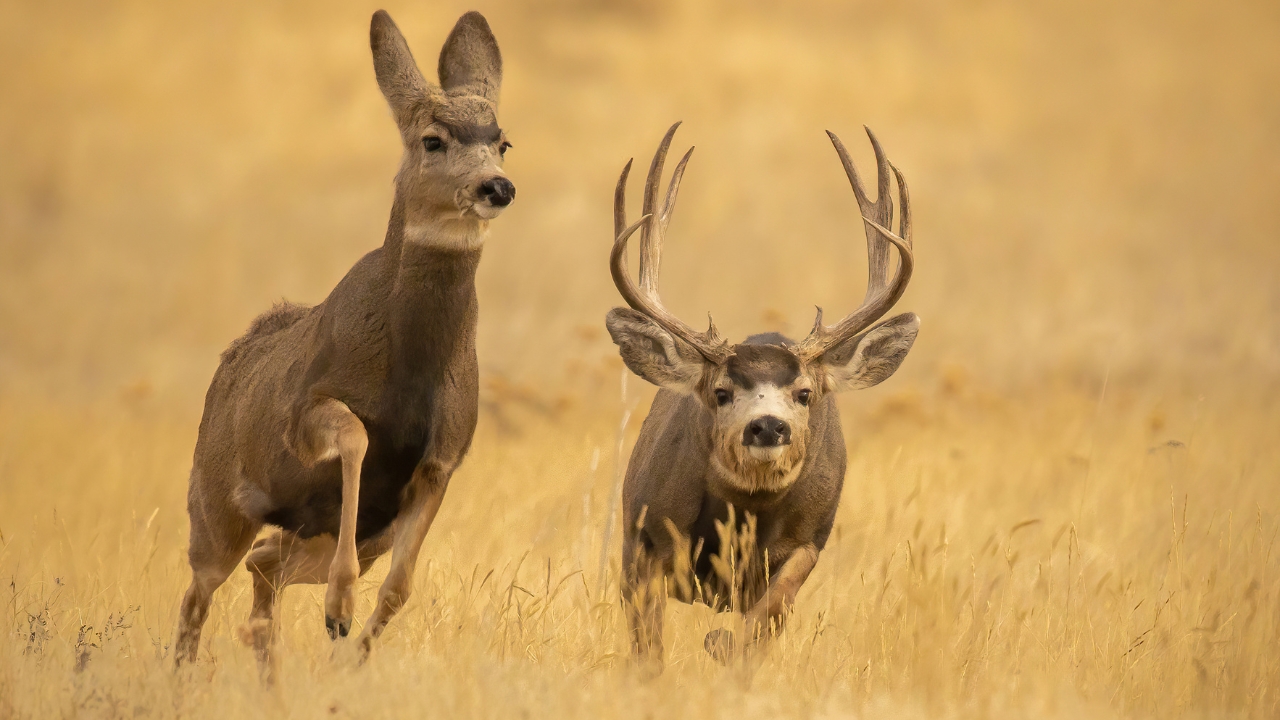
Texas mule deer is a different animal altogether. Most of the opportunity sits on private land or in tightly controlled public hunts, and drawing a rifle mule deer permit on some wildlife management areas can mean odds well under one percent.
At the same time, season tweaks and expanded archery mule deer dates in regions like the Panhandle and Trans-Pecos create more calendar room—but they don’t create more tags on the public side. That mix of tiny quotas, lottery-style draw hunts and a whole lot of hunters trying to get in makes Texas mule deer far more competitive than folks from outside the state usually expect.
If you’re planning future mule deer trips, this is the landscape you’re walking into: more people chasing fewer chances. The guys who still get it done are treating applications like a second hobby—tracking changes, spreading risk across multiple states, and adapting as rules and populations shift instead of trying to hunt the West like it’s still 2008.
Like The Avid Outdoorsman’s content? Subscribe to our newsletter so you never miss an article.
Here’s more from us: