Photo credit: The Mosin Crate/YouTube
Discontinued doesn’t mean forgotten. A lot of guns vanish because the tooling gets expensive, the market shifts, or a company gets bought and the new owners want to “streamline” the catalog. But some models keep holding value anyway—because they were built right, because they did one job extremely well, or because nothing that replaced them feels the same in your hands.
If you’ve ever passed on a used gun because it looked “old,” this is your reminder that old doesn’t equal worthless. When a firearm has a reputation for reliability, accuracy, or real-world usefulness, it becomes its own kind of currency. And once production stops, the only direction the good ones tend to go is harder to find—and more expensive.
Colt Python

The Python is the poster child for a discontinued gun that refused to cool off. Older production Pythons—especially in clean condition—still pull serious money because the fit, finish, and action set a bar a lot of revolver fans still chase.
You’re not buying one because it’s the most practical carry revolver. You’re buying it because it shoots well, it looks right, and it represents a time when Colt revolvers had a certain feel that’s tough to copy. Even with modern versions on the market, original Pythons from the classic era keep their own lane, and collectors pay for that history.
Smith & Wesson Model 29 (Pinned-and-Recessed Era)

Not every Model 29 is a retirement plan, but the older pinned-and-recessed guns still carry a different kind of appeal. The classic production details, the era, and the “Dirty Harry” shadow mean the right examples don’t sit long when they show up.
You’ll see value hold best when the gun is honest and original—no weird modifications, no questionable refinish work, and ideally with the right barrel length that people actually want. It’s a .44 Mag that still feels like a real piece of American gun culture, and collectors treat it that way. Even decades after peak hype, the good ones keep their footing.
Browning Hi-Power (Belgian and Early Production)

The Hi-Power keeps holding value because it’s one of the few service pistols that feels both historic and still usable. Older Belgian guns and early production examples have a following that doesn’t blink at prices that surprise newer shooters.
When you pick one up, the appeal makes sense. The shape is slim, it points naturally, and it carries like a modern pistol even though the design is old. Discontinued status adds pressure, and the market rewards clean examples—especially ones that haven’t been “improved” with bad triggers, questionable coatings, or home gunsmith work. You can still shoot it, but the value is in keeping it right.
Colt Detective Special

The Detective Special is one of those revolvers people didn’t appreciate until it wasn’t easy to replace. A small-frame Colt with real sights and six shots in a compact package still makes sense, and the older guns have a feel that modern snubs rarely match.
Value hangs on condition and originality. A Detective Special that hasn’t been carried to death, buffed, or reblued poorly is getting harder to find every year. You’re also paying for the Colt name in the era when it meant something specific in revolvers—smooth action, good timing when it’s cared for, and that classic look. The market reflects scarcity and demand, and this one checks both boxes.
Ruger Deerstalker (Original Carbine)

The original Deerstalker—what most folks now call the early Ruger .44 Carbine—keeps its value because it’s a practical woods gun with a lot of nostalgia attached. It’s compact, handy, and still makes sense in thick cover where shots are close and quick.
It also helps that Ruger fans collect Ruger, and this rifle hits that sweet spot: discontinued, distinct, and useful. You’ll see the best money on clean, unmodified rifles with good wood and correct parts. The second you start swapping things around, you’re not helping value. Leave it original, keep it running, and it tends to stay desirable—especially for hunters who like old-school carbines that carry like a dream.
Winchester Model 70 Pre-64
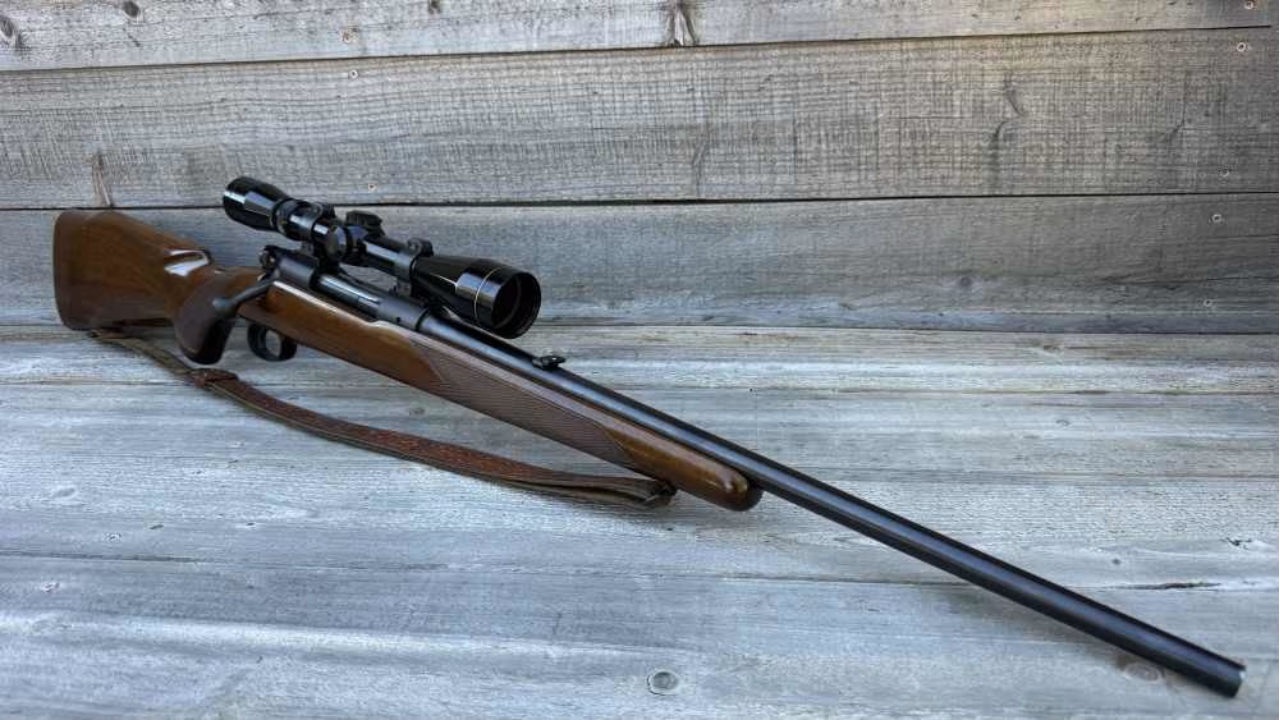
Pre-64 Model 70s have held value for so long that people forget they were once “just hunting rifles.” The reputation is earned: controlled-round feed, solid build quality, and a history that still matters to American hunters.
These rifles don’t have to be safe queens to command respect. Honest wear is fine. What hurts value is heavy modification, drilled-and-tapped experiments, or refinishing that wipes away character. When you find one that’s clean, original, and chambered in a classic hunting cartridge, you’re looking at a rifle people still seek out on purpose. It’s discontinued, yes, but it also represents a standard that a lot of modern rifles still get compared to.
Marlin 39A

The 39A is one of the best .22 lever guns ever made, and that’s exactly why it holds value. It’s accurate, it’s durable, and it’s the kind of rifle you can hand down without apologizing for it. Discontinued status only pushed demand harder.
You’re also buying something that’s getting rarer in modern production: a well-made rimfire with real wood and steel that doesn’t feel like a cost-cutting exercise. The best examples are the ones that haven’t been “upgraded” to death. Keep the parts correct, keep the screws clean, and don’t do anything irreversible. It’s a .22 you’ll actually shoot, but it’s also a .22 that keeps its money.
Smith & Wesson Model 41

The Model 41 keeps holding value because it’s a serious target pistol with a serious reputation. Even people who don’t chase bullseye shooting understand what it is the moment they feel the trigger and see how the gun settles on target.
Discontinued doesn’t hurt it—if anything, it reinforces what buyers already believe: they’re not making them like that anymore. Condition matters, but even used examples tend to stay expensive because shooters still want them for what they do, not only for what they represent. You’re looking at a pistol that can still embarrass plenty of modern rimfires on the line, and the market rewards that kind of performance.
Colt Woodsman

The Woodsman is one of those pistols that feels better than it has any right to for its age. It’s slim, balanced, and built with a level of care that’s easy to spot when you handle one. That’s why clean examples stay expensive.
Collectors chase specific variations, barrel lengths, and eras, but the broader truth is simple: it’s a classic .22 that still shoots great and looks like a proper firearm, not a toy. Value is highest when the finish is original and the gun hasn’t been messed with. You can still use it, but every scratch and modification costs you. It’s the kind of discontinued pistol that keeps climbing because the supply only goes one direction.
Remington 700 BDL (Older Production)

Not every old 700 is collectible, but older BDLs in desirable chamberings tend to hold value because they represent a classic American hunting rifle format—good walnut, decent metalwork, and a design that people built entire hunting careers around.
You’re not buying one because it’s rare in the abstract. You’re buying it because it’s familiar, useful, and it has a long track record in the field. Value stays strongest when the rifle is unmodified and the stock hasn’t been hacked up. Once you start turning it into a project gun, you shift the buyer pool. A clean, original BDL is appealing to hunters who want what they grew up with—and that demand keeps the prices firm.
Savage 99

The Savage 99 holds value because it’s a lever gun that doesn’t feel like a museum piece. It’s sleek, it carries well, and it offered features that were ahead of its time for a hunting lever rifle. People who know what it is tend to want one.
Chambering matters. Condition matters. But the bigger factor is that nothing modern really replaced it in the same way. The 99 has a personality, and it has a loyal crowd that keeps the market alive. You’ll see the best money on clean rifles with crisp markings and intact wood, but even honest hunters stay desirable. It’s discontinued, sure, but it’s also still a very usable deer rifle.
Winchester Model 94 Pre-64

The Model 94 is common enough that people forget the pre-64 distinction matters to buyers. But it does. The older guns have a collector base, and when you get into clean pre-64 rifles, the prices reflect that steady demand.
You don’t need to baby it, but you do need to avoid the stuff that ruins value fast: bad refinishes, drilled receivers, cut stocks, and aftermarket parts that don’t belong. A pre-64 94 in good shape is still one of the most “American” rifles you can own, and that has real market power. It’s also a rifle you can still hunt with, which keeps it from becoming dead inventory for most buyers.
Springfield Armory M1A (Early Production)

Early-production M1As—especially the ones that capture the original feel and build quality—hold value because the platform has always had a dedicated following. People want the look, the handling, and that classic 7.62 semi-auto experience.
The details are what buyers care about: original configuration, correct parts, and a gun that hasn’t been turned into a Frankenstein project. Even when newer versions exist, certain discontinued-era builds keep a premium because collectors trust what they’re getting. You’re also buying into a rifle that still shoots well and still has a place on the range today. When something is both functional and desirable, it doesn’t collapse in value when it stops being made.
HK P7

The P7 is one of the best examples of “weird but brilliant,” and it holds value because there’s nothing else quite like it. The squeeze-cocker system, the build quality, and the way it shoots make it a cult classic that never really stopped being wanted.
Discontinued status turned it into a collector piece, but the demand didn’t come from looks alone. People who shoot them tend to respect how accurate and controllable they are. Heat buildup and parts scarcity are real considerations, which is why condition and completeness matter. The market values examples that are clean and unmodified, and it rewards guns that come with original magazines and accessories. It’s not cheap, and it doesn’t pretend to be.
SIG Sauer P210 (Older Variants)

The P210 holds value because it’s one of those pistols that feels like it was built by people who cared too much—in a good way. Fit, accuracy, and overall refinement are the point, and older variants have a reputation that keeps prices high.
You’re not buying a P210 because you need a duty pistol. You’re buying it because it shoots like a precision instrument and has a history that collectors respect. Discontinued status adds scarcity, and scarcity meets demand fast when the gun is known for being exceptional. The best examples are the ones kept original and clean. Once you start messing with a P210, you’re not improving it—you’re narrowing the buyer pool.
Smith & Wesson Model 19

The Model 19 keeps holding value because it’s one of the best “real world” .357 revolvers ever made. It balances well, carries well, and it has that classic K-frame feel that a lot of shooters still prefer.
Collectors chase certain dash numbers and finishes, but even regular examples stay desirable because they’re both practical and classic. The key is keeping it right—no hacks, no questionable refinishing, no parts swapping that turns it into something else. People still want these as working revolvers, not only safe queens. When a discontinued gun can still serve as a serious carry or trail revolver and also scratch the collector itch, it tends to keep its value without trying.
Like The Avid Outdoorsman’s content? Subscribe to our newsletter so you never miss an article.
Here’s more from us: