Photo credit: Tucker Heptinstall/Shutterstock.com
Venomous snakebites aren’t evenly spread across the map, and neither are the reports. Between poison control calls, ER visits, and wildlife-agency incident logs, the bulk of snakebite “paperwork” piles up where you’ve got lots of venomous snakes and lots of people outside—especially across the South. National summaries consistently point out that most U.S. snakebites happen in southern states, with the West a distant second.
One thing to keep straight: “highest reports” doesn’t mean the snakes are more aggressive. It usually means more chances for surprise encounters—yard work, hog trails, creek bottoms, firewood piles, and warm evenings when snakes are moving. If you hunt, fish, hike, or live on the edge of town, these are the states where you’re most likely to hear about bites from neighbors, local ERs, and poison centers year after year.
Texas

If you spend time outdoors in Texas, you’re in one of the biggest “snake states” in the country, and that alone drives a lot of bite reports. You’ve got wide-open rattlesnake country, thick brush full of copperheads, and plenty of places where a boot lands close to a coiled problem. Add long hunting seasons, ranch work, and year-round warm spells, and reports stack up fast.
Most bites here happen the same way they do everywhere: you didn’t see the snake until you were already inside its comfort zone. Your best move is boring but effective—watch where you step, don’t grab what you can’t see, and treat tall grass and rock piles like they’re occupied. In a state this big, “common” encounters become big numbers.
Florida

Florida’s bite reports climb for a reason: you’ve got heavy human traffic in snake habitat. People fish canals, clear brush, walk dogs at dusk, and hunt in places where cottonmouths and rattlesnakes blend in way too well. Warm weather stretches the season, so “snake time” doesn’t shut off the way it does up north.
Where Florida gets tricky is water edges and thick cover. A lot of bites come from trying to hop a ditch, drag a kayak, or step over a log without a good look. If you’re moving through palmettos or around wetlands, slow down and pick your feet. You’re not hunting snakes, and you don’t need to “win” an encounter—space and patience prevent most of the reports that end up on the poison-center board.
Georgia

Georgia is a repeat offender on snakebite report lists because the state has both dense snake habitat and tons of people outside. Copperheads and cottonmouths are the usual headline-makers, and bites often happen close to home—woodpiles, yard debris, creek banks, and back-porch “quick walks” that turn into a bad surprise.
The Georgia Poison Center has reported hundreds of snakebites per year in past reporting, which matches what you hear anecdotally from hunters and landowners across the state. The pattern is familiar: you step where you didn’t look, or you try to move a snake instead of giving it room. If you’re in Georgia, treat warm evenings, leaf litter, and low brush like they’ve got eyes on you—because sometimes they do.
North Carolina

North Carolina sits in that southern band where snakebites show up in ER data far more often than most of the country. You’ve got copperheads in places people actually live, timber rattlers in the right cover, and water snakes that make folks careless around creeks and lakes.
A lot of reports come from “normal life” outdoors: checking trail cams, cutting shooting lanes, stepping over blowdowns, or cleaning up a property line. If you want fewer close calls, the fix is small habits—use a light at night, don’t stick your hands into holes or under boards, and stop doing the shuffle through leaf litter. North Carolina doesn’t need exotic snakes to generate high bite reports; it needs people moving fast through classic snake cover.
South Carolina

South Carolina is built for frequent snake encounters: warm seasons, thick low-country cover, and a lot of time spent near water. Cottonmouth country overlaps with fishing spots, and copperheads love the same edge habitat that holds deer sign. When people say, “I never even saw it,” this is the type of terrain they’re talking about.
What pushes reports up is how often you’re doing hands-on work—dragging limbs, stacking brush, flipping boards, cleaning around sheds. In places like this, the bite risk isn’t some deep-woods drama; it’s chores and quick trips outside. If you hunt South Carolina, you already know the move: slow down in tight cover, step on logs before stepping over them, and assume the sunny side of a brush pile is taken. That mindset keeps you out of the statistics.
Alabama

Alabama is another state where venomous snakes and human routines overlap constantly. The mix of woods, creeks, and thick understory makes copperheads and cottonmouths a real part of the landscape, not a rare sighting. And because the outdoors are usable for long stretches of the year, the “bite season” runs wide.
A lot of Alabama reports come from people doing the same things you do: still-hunting through hardwoods, easing into a stand before daylight, or dragging a deer through brush. The snake doesn’t need to chase you—your boot finds it first. You cut risk by treating low visibility like a hazard: don’t rush, don’t reach blind, and don’t step where you can’t place your foot clean. That’s how you avoid being the guy everyone talks about for the rest of the season.
Tennessee

Tennessee’s snakebite reports lean heavily on terrain and timing. You’ve got steep, rocky ground in places, heavy leaf litter in others, and a hunting culture that keeps people moving through snake cover in warm months. Copperheads are the one most folks actually run into, and they’re excellent at being invisible until you’re too close.
The classic Tennessee bite story is a quick step off a trail, a hand down near a rock, or a foot planted in leaves while you’re focused on something else. That “something else” might be a blood trail or a turkey setup, but the result is the same. If you’re in Tennessee, train yourself to pause before stepping over logs and to scan sunny openings where snakes like to warm up. Your eyes buy you space, and space prevents bites.
Louisiana

Louisiana has two things that drive bite reports: water and thick cover. Cottonmouth habitat overlaps with fishing, trapping, hog hunting, and plain old living. Warm weather stretches the calendar, and the places snakes like—bayous, ditches, marsh edges—are exactly where people spend time.
The mistake that shows up again and again is treating water edges like they’re clean, open ground. They’re not. If you step off a bank, pull a boat, or reach into grass at the shoreline, you’re rolling dice. Louisiana isn’t “worse” than other states—it’s simply built for surprise encounters, which turn into more calls and more ER visits. Move slower around water, keep hands out of blind grabs, and don’t try to handle snakes for hero points. That’s how you stay off the report list.
Mississippi
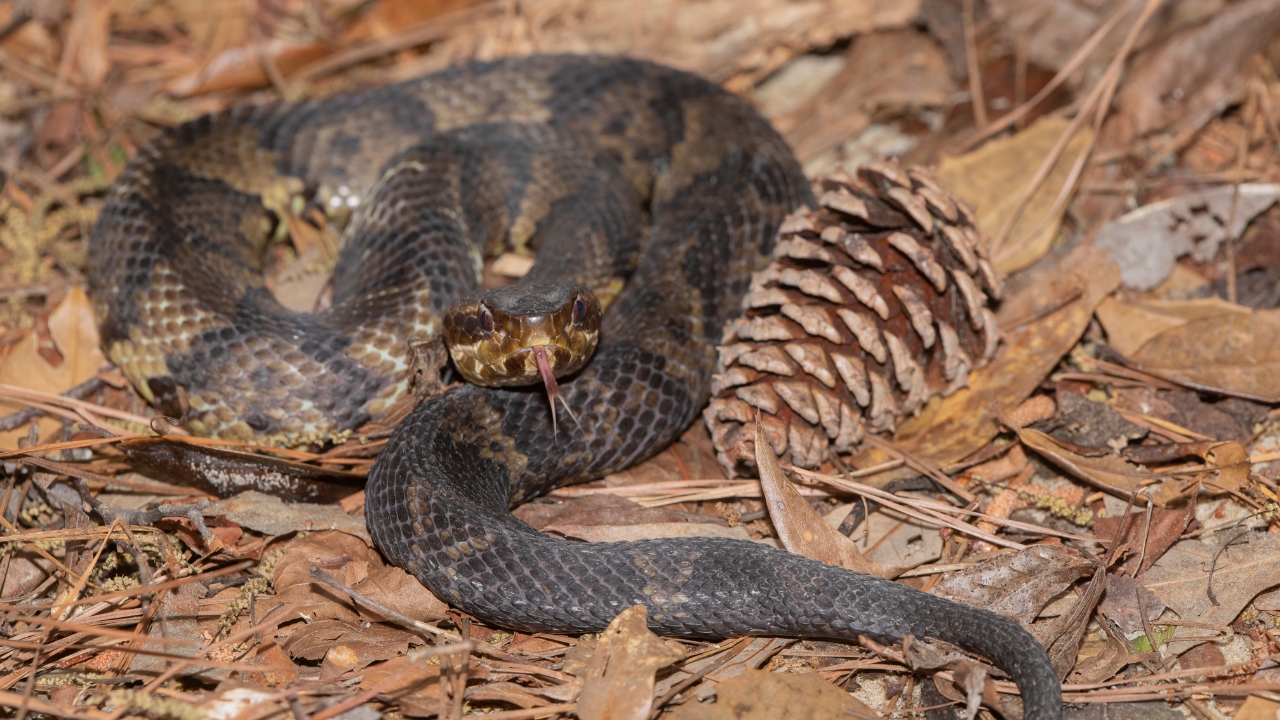
Mississippi’s venomous snakebite reports are fueled by the same overlap you see across the Deep South: plenty of snakes, plenty of brush, and plenty of people outdoors. Cottonmouths and copperheads don’t need mountains or deserts—they need cover, heat, and a reason to hold their ground. Mississippi provides all three.
Bites often happen around property edges—fence lines, wood stacks, junk piles, old sheds—because that’s where rodents live and where snakes hunt. If you want fewer problems, clean up the easy hiding spots and stop doing blind handwork. The other Mississippi reality is hunting season heat: early bow season and warm afternoons keep snakes active when you’re still in the woods. A headlamp, high boots, and a slower pace in thick cover will do more for you than any “snake trick” you’ve ever heard.
Arkansas

Arkansas produces a lot of snakebite reports because you’ve got prime habitat and a lot of people who actually use it. Wooded ridges, creek bottoms, and thick understory create endless places for snakes to hold tight. When you’re focused on deer movement or slipping into a stand, it’s easy to miss what’s right under your feet.
The bites that make the news are usually preventable, and they follow a pattern: stepping over logs, reaching into brush to clear a lane, or walking in low light without scanning the ground. Arkansas doesn’t require you to be careless—only hurried. If you’re hunting or working land there, treat every step in leaf litter as a deliberate act. Step on top of logs before stepping past them, and don’t assume a pile of limbs is “empty.” That one habit change keeps your season from turning into paperwork.
Oklahoma

Oklahoma sits in a strong snake corridor, and bite reports reflect that. You’ve got prairie and brush country that favors rattlesnakes, plus river systems and cover that hold other venomous species. On top of that, the state has a lot of outdoor use—ranch work, hog hunting, coyote calling, and summer fishing.
A good chunk of Oklahoma bites happen when you’re stepping into grass you can’t see through or when you’re moving too fast around rocks and debris. And because the ground can stay warm well into the fall, you’re still sharing space with snakes when you think the season has cooled off. Your best defense in Oklahoma is awareness: keep a light handy at night, don’t walk through tall grass in low-cut shoes, and give snakes room to leave. They’d rather exit than fight.
Virginia

Virginia belongs on the list because it’s in the broad region where bites are far more common than people expect, especially in warm months. Copperheads are the main issue for most folks, and they’re masters of camouflage in leaves, pine needles, and the kind of mixed woods people walk every weekend.
Virginia also has a lot of suburban edge habitat—those half-woods, half-yard places where kids play and adults garden. That creates bites that aren’t “backcountry” at all. If you’re in Virginia, don’t treat your own property like it’s snake-proof. Keep brush trimmed, don’t let woodpiles turn into rodent hotels, and pay attention during dusk walks. In states like this, the reports pile up because people get comfortable, not because the snakes are looking for trouble.
Missouri
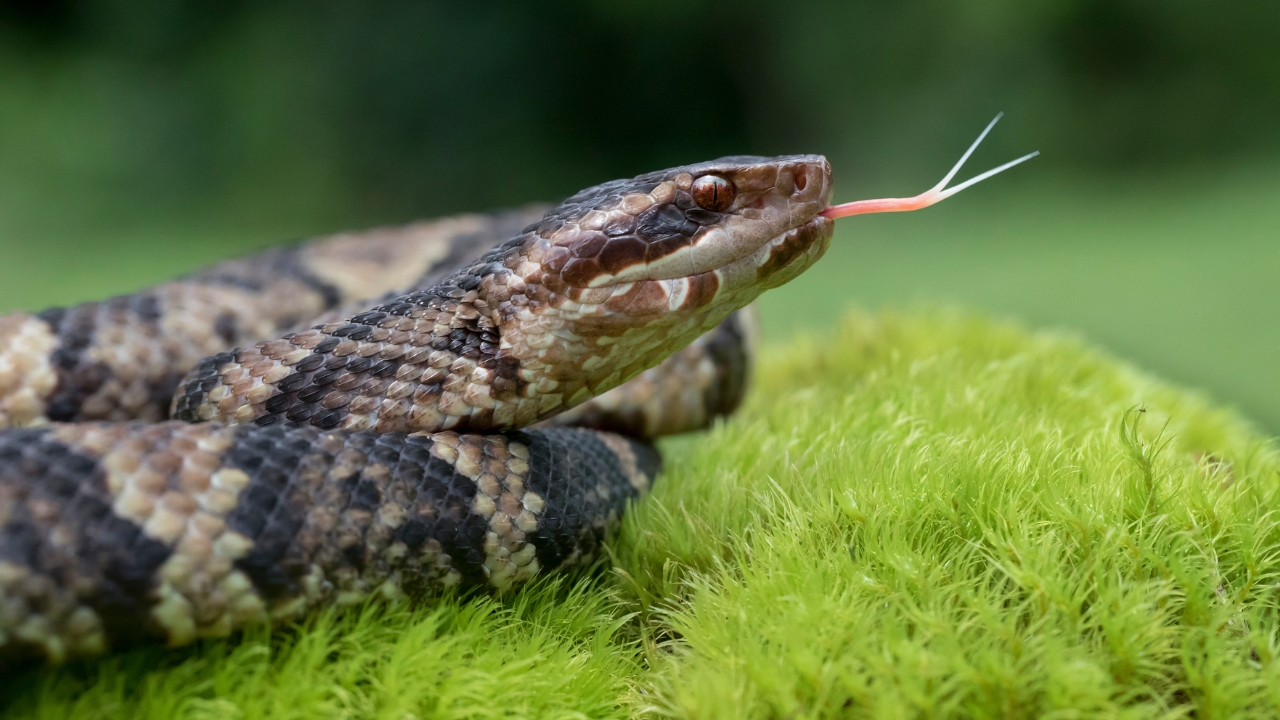
Missouri is another state where venomous snakes blend into daily outdoor life. You’ve got timber and mixed habitat that supports species hunters know by reputation, and you’ve got plenty of fishing and hunting pressure across the state. It’s not rare to hear about bites from folks who were doing something ordinary: clearing trails, moving rocks, or walking a creek bank.
What drives reports is the “I’ve done this a thousand times” mindset. Missouri cover can be thick, and leaf litter hides snakes well. If you want to stay out of trouble, don’t reach into gaps between rocks or under logs without looking first. Step onto logs before stepping over, and watch where your hands go when you’re grabbing saplings for balance. That’s the difference between a good day outdoors and a fast ride to the nearest ER.
California
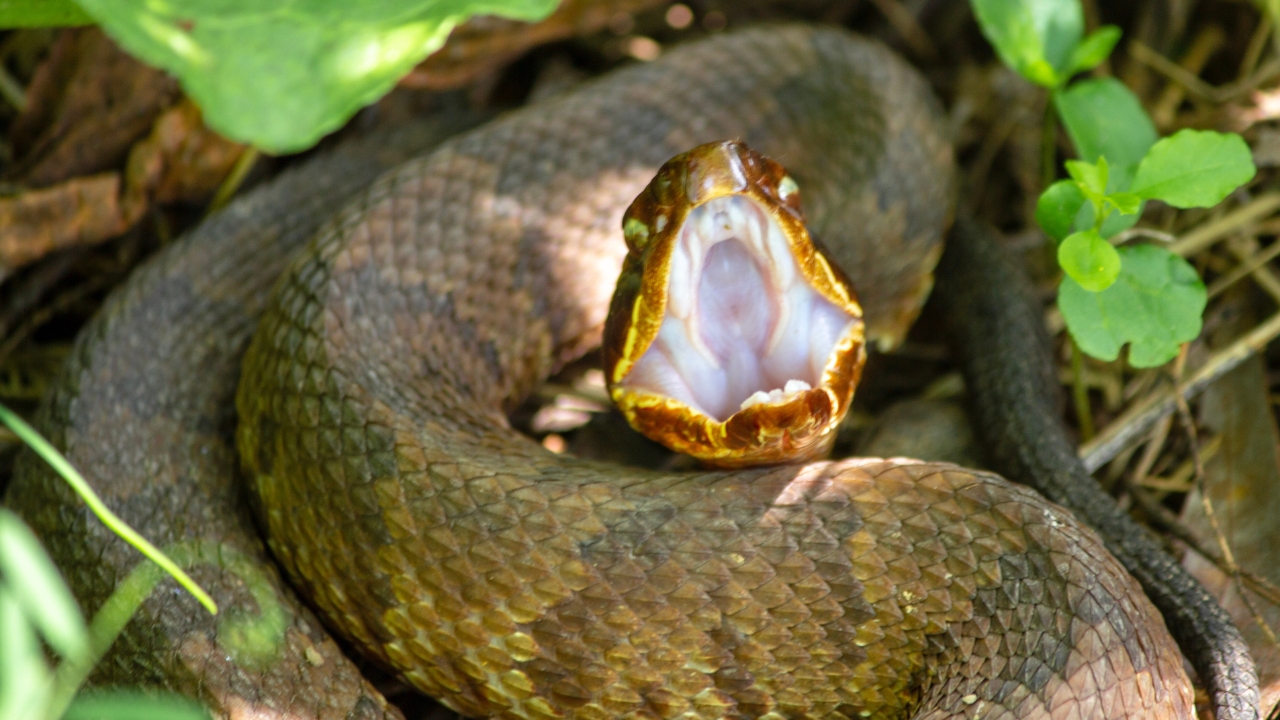
California consistently shows up in snakebite conversations because you’ve got huge population numbers living alongside rattlesnake habitat. Even if the bite rate were average, the raw count would still be high. Add year-round hiking, trail running, and warm-weather hunting in many areas, and you’ve got steady opportunities for bad encounters.
California rattlesnake bites often happen on trails, around rocks, and in dry brush where people step off-path for photos, glassing spots, or a quick shortcut. If you’re in California, don’t treat a sunny rock pile as a seat until you’ve checked it. Give snakes space, don’t attempt to move them, and keep dogs close in snake country. High report totals don’t come from constant danger; they come from lots of people sharing the same ground with a snake that’s built to stay hidden until the last second.
Arizona

Arizona earns a spot because the West, while lower than the South overall, still produces a meaningful chunk of snakebite cases—and Arizona is one of the places where people and rattlesnakes overlap hard. Desert trails, rocky washes, and warm nights keep snakes active when hikers, hunters, and campers are moving.
A lot of Arizona bites happen around rocks and ledges—exactly where you put your hands to steady yourself. If you’re glassing in steep country or climbing in and out of washes, you’ve got to treat every handhold as suspect. Use a light at night, don’t step over rock shelves blind, and keep your hands out of cracks where you can’t see. Arizona snakes don’t need tall grass to hide; they need shadows and a little cover. When you respect that, you stop giving them the one thing they bite over: surprise.
New Mexico

New Mexico doesn’t get talked about as loudly as some neighbors, but it sits in the same western bite landscape: warm seasons, rocky ground, and plenty of rattlesnake habitat where people hunt, hike, and work. The state’s outdoors culture matters here—if you’re outside a lot, you’re exposed a lot, and that turns into reports.
New Mexico encounters often come down to terrain. Rock piles, arroyos, and brushy edges are perfect snake cover, and they’re also where you move when you’re cutting sign or slipping into a stand. If you want to avoid trouble, don’t hop from rock to rock without scanning first, and don’t reach into holes to pull out gear or a stuck stake. The West may produce fewer bites than the South overall, but the ones it produces often happen fast and close.
Like The Avid Outdoorsman’s content? Subscribe to our newsletter so you never miss an article.
Here’s more from us: