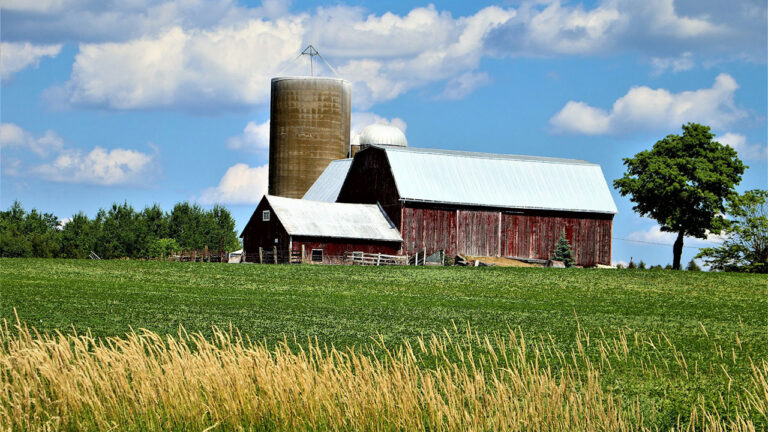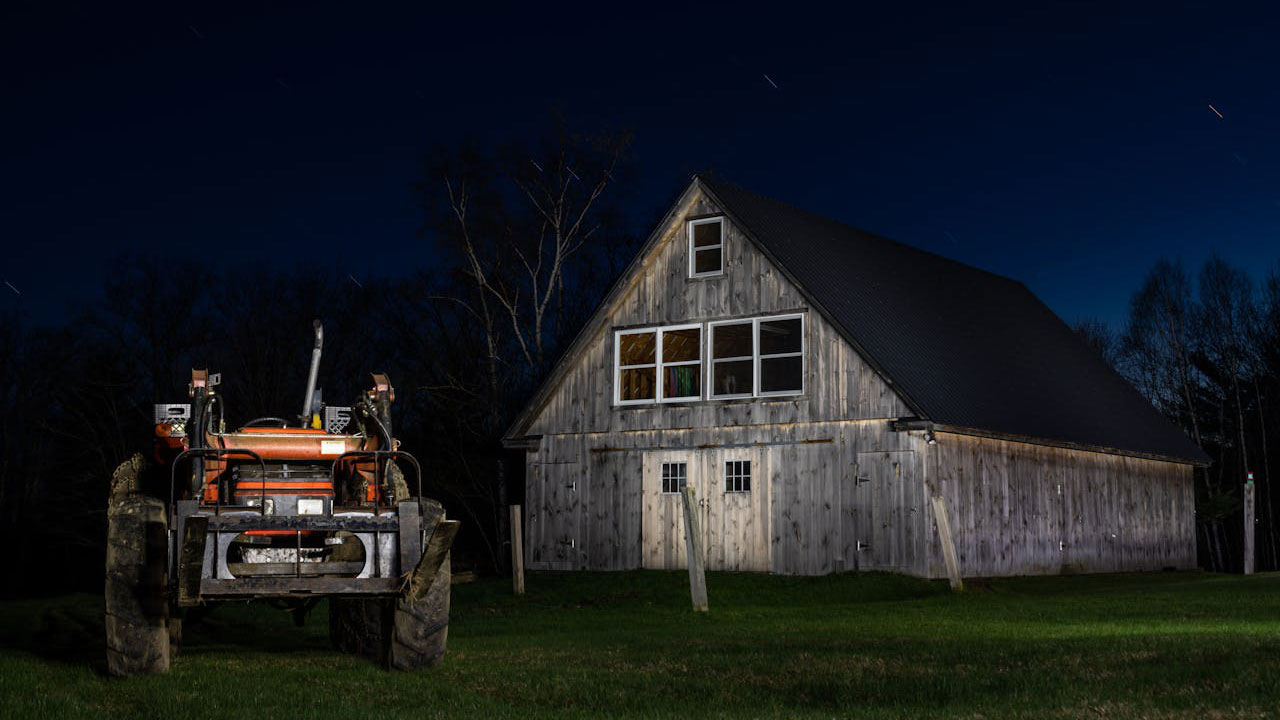
Photo credit: Skyler Ewing/Pexels.com
Most of the animals that move through rural property, hunting land, or even backyard acreage do their best work after dark. That is when the pressure drops, the air cools, and predators feel comfortable covering ground they would avoid during the day. The tricky part is that people often assume nothing is happening simply because they never see it. But land almost always tells on nighttime movement if you know what to look for.
You do not need trail cameras to start spotting the signs. Tracks, disturbed ground, missing feed, nervous livestock, and odd patterns around fences and water all add up if something is working the property regularly. Once you begin noticing these clues, it becomes a lot easier to understand which animals are showing up and why. These are some of the most common signs that something has been moving through your land after dark.
Tracks showing up where there were none the day before
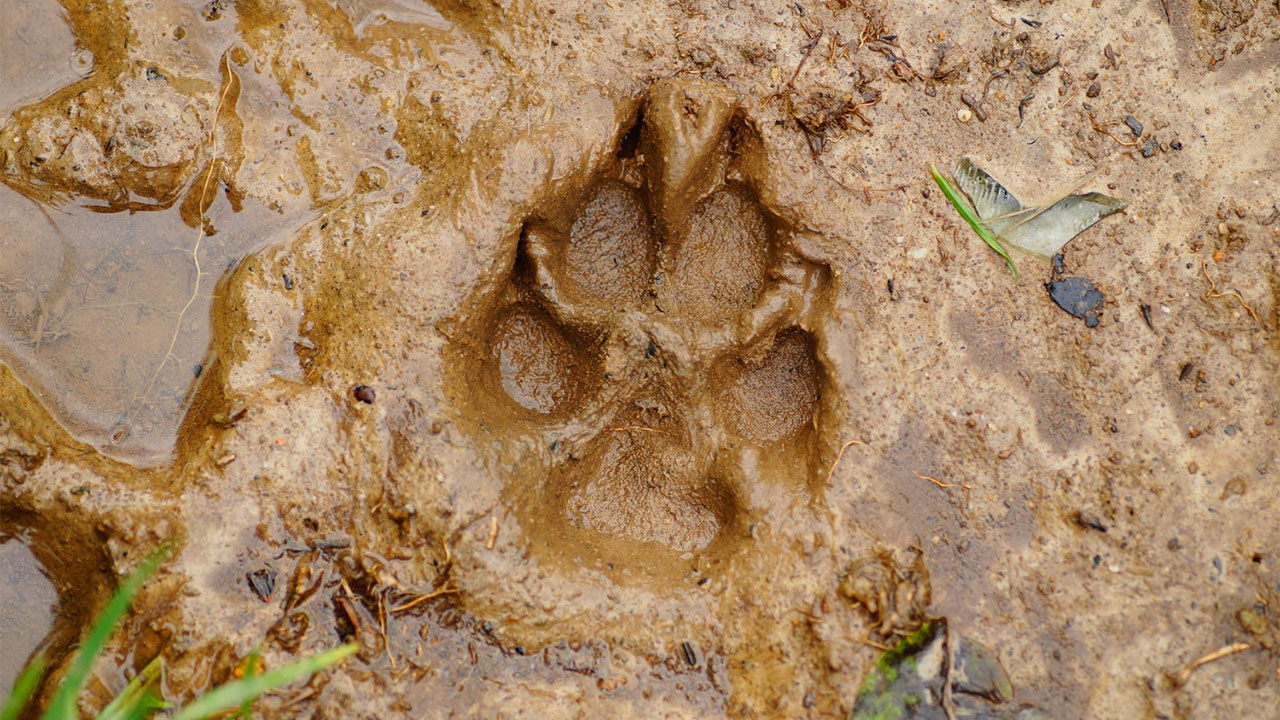
Fresh tracks are one of the clearest signs that animals are using your property at night. A dusty road, muddy bank, or soft patch of ground that looked clean during the day can suddenly be full of prints the next morning. Coyotes, raccoons, bobcats, foxes, and feral hogs all leave clear track patterns when they move through areas with the right soil.
The key is noticing change. If the ground was smooth yesterday and suddenly shows paw prints, hoof marks, or drag lines, something passed through while you were not watching. Pay special attention to travel routes like fence gaps, creek crossings, and field edges. Predators tend to repeat the same paths once they learn the land, which means those tracks may start showing up in the same places again and again.
Trails forming through grass or weeds
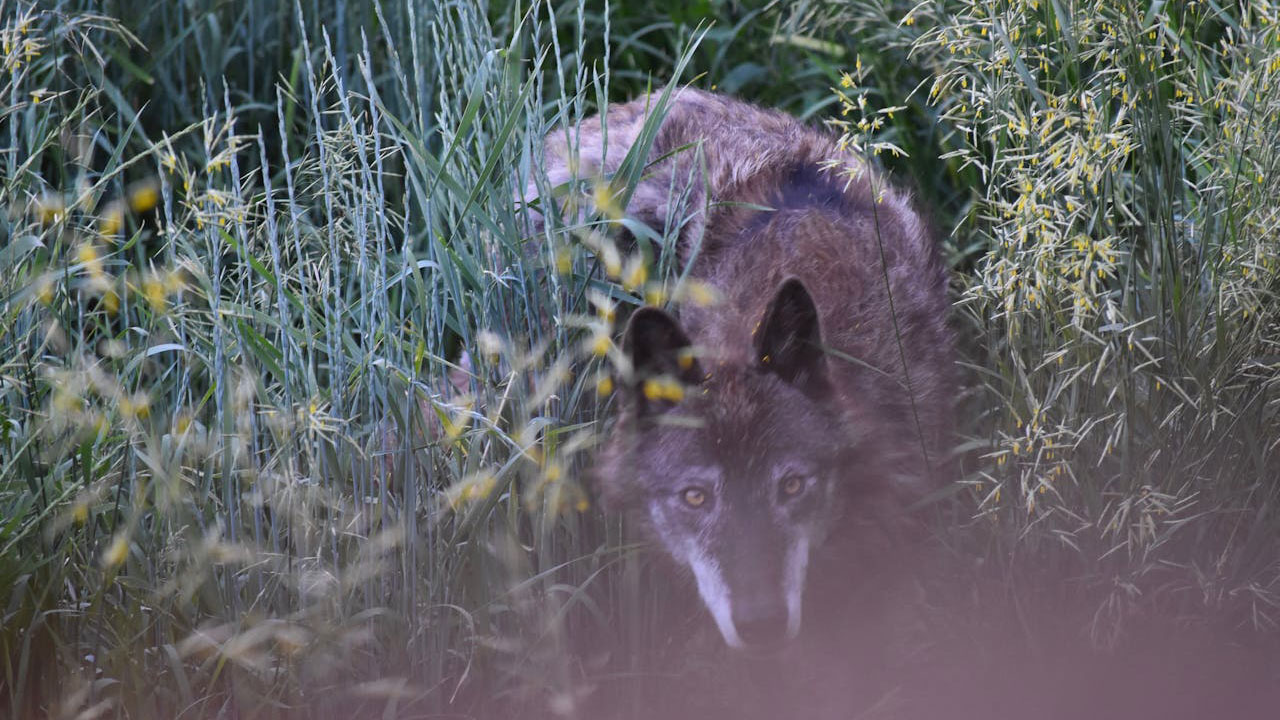
Predators and other wildlife often create narrow paths that become visible over time. At first it may look like a faint line through tall grass or weeds. Eventually that line turns into a clear trail where animals have been moving repeatedly at night.
These paths usually appear along edges where cover meets open ground. Coyotes will run them along fence lines. Raccoons and skunks use them near ponds or creeks. Deer trails can turn into predator highways once the scent builds up and animals start following the same route. If you notice a trail slowly forming where there was none before, that is often a sign that nighttime movement has become routine.
Disturbed soil around water sources

Water draws animals from a long distance, especially during dry or hot periods. Ponds, stock tanks, creeks, and drainage ditches often show clear signs when wildlife has been visiting after dark. Muddy banks get churned up. Tracks appear along the edges. Sometimes the water itself looks stirred where something stepped in or swam through.
Predators frequently check water sources because prey animals gather there too. Coyotes may circle a pond looking for small animals. Raccoons work the shoreline for frogs and fish. Even larger predators occasionally patrol water edges because it concentrates movement in predictable spots. If the ground around your water suddenly looks busy, something has been using it at night.
Missing feed or torn feed bags
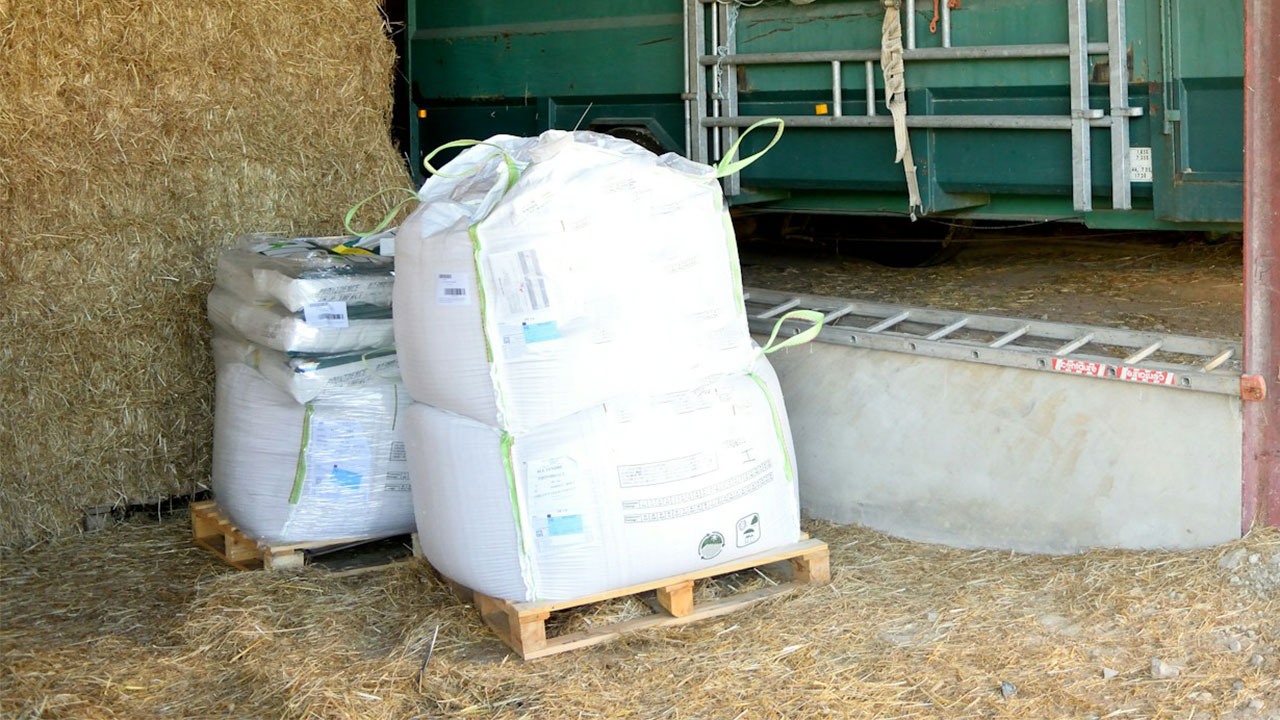
If you keep livestock feed, deer corn, or pet food outside, nighttime visitors often find it quickly. Torn bags, scattered grain, and chewed containers are classic signs that raccoons, rats, or other animals have discovered a food source. Once they know it is there, they usually come back again.
Predators may also check these spots because smaller animals gather around the feed. A pile of spilled grain can attract mice, which in turn attract snakes, foxes, and other hunters. If feed keeps disappearing overnight or containers show bite marks, something has been visiting regularly after dark.
Strange noises late at night

A lot of people first realize animals are around because they hear something outside after dark. Rustling in the brush, footsteps on gravel, splashing near water, or strange vocalizations can all point to nighttime activity.
Coyotes howling, raccoons chattering, or owls calling are common nighttime sounds that signal predators are nearby. Sometimes the noise is subtle—just a branch snapping or leaves shifting where nothing should be moving. Those small sounds often mean animals are traveling through areas close to the house or barn while everything else is quiet.
Livestock acting nervous or restless
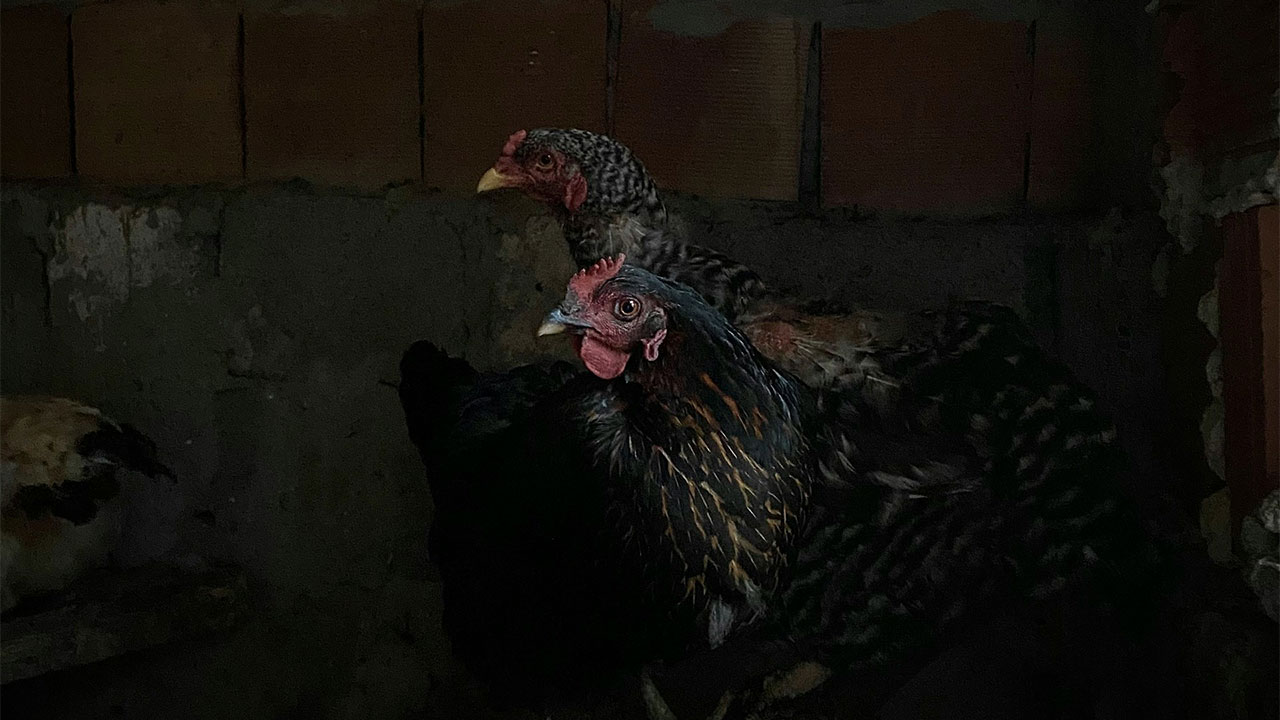
Animals that live on the property often notice predators before people do. Chickens suddenly going silent, goats crowding together, or cattle staring toward a fence line can all be signs something passed through recently.
Livestock may become restless at night if they smell or hear predators nearby. Even if the predator never enters the pen, the scent alone can make animals uneasy. If you notice unusual behavior early in the morning—such as animals clustered together or acting jumpy—it may mean something visited while it was dark.
Feathers, fur, or remains on the ground

Predators leave evidence behind when they successfully catch something. Feathers scattered across the ground, patches of fur, or partial remains are strong indicators that hunting activity happened overnight.
Different predators leave different patterns. Coyotes often carry prey away but may leave some remains behind. Hawks and owls sometimes leave piles of feathers where they fed. Raccoons may scatter feathers near water or fence lines after raiding a nest. Finding these signs regularly suggests predators are working the area consistently.
Scratches or digging near structures
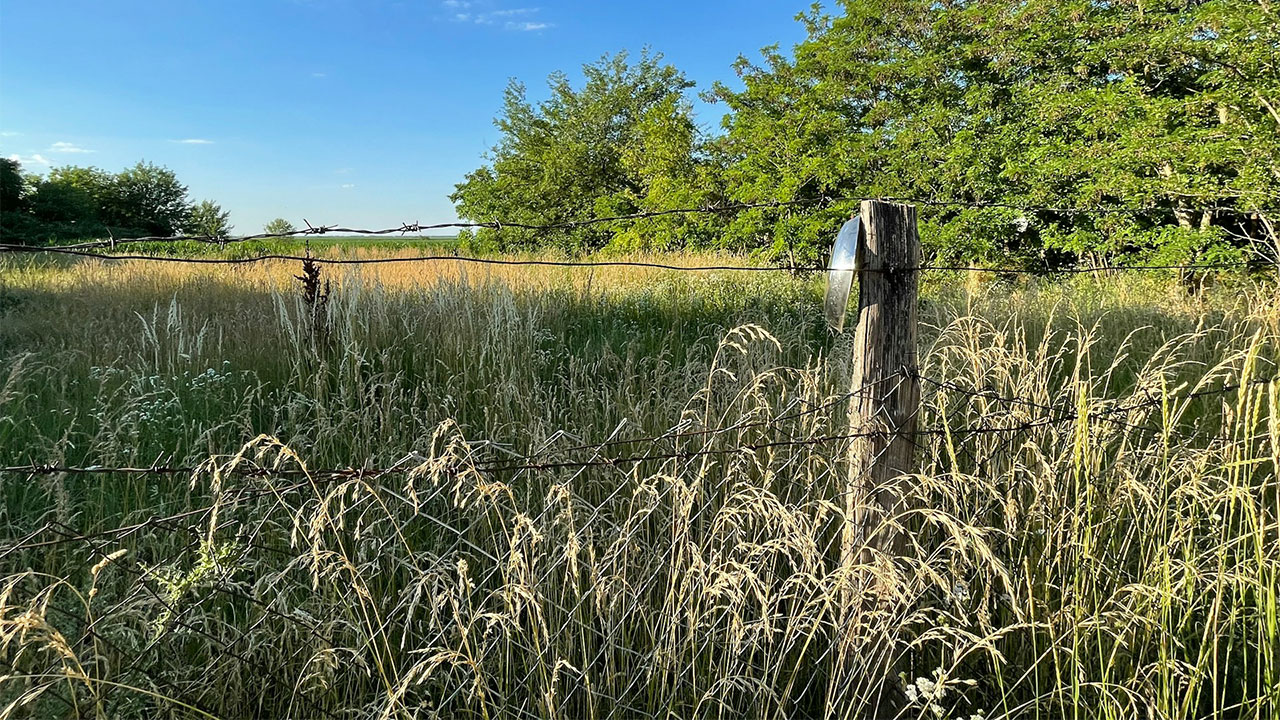
Digging along fences, under sheds, or around coop walls can indicate animals trying to reach food or shelter. Raccoons, skunks, and foxes will dig or claw at weak spots if they smell chickens, eggs, or rodents inside.
These marks often appear overnight because the animals prefer working when the property is quiet. Fresh soil piled against a wall, scratches on wood, or bent wire along a fence line usually means something spent time there while people were asleep.
Cameras showing animals at the same time every night
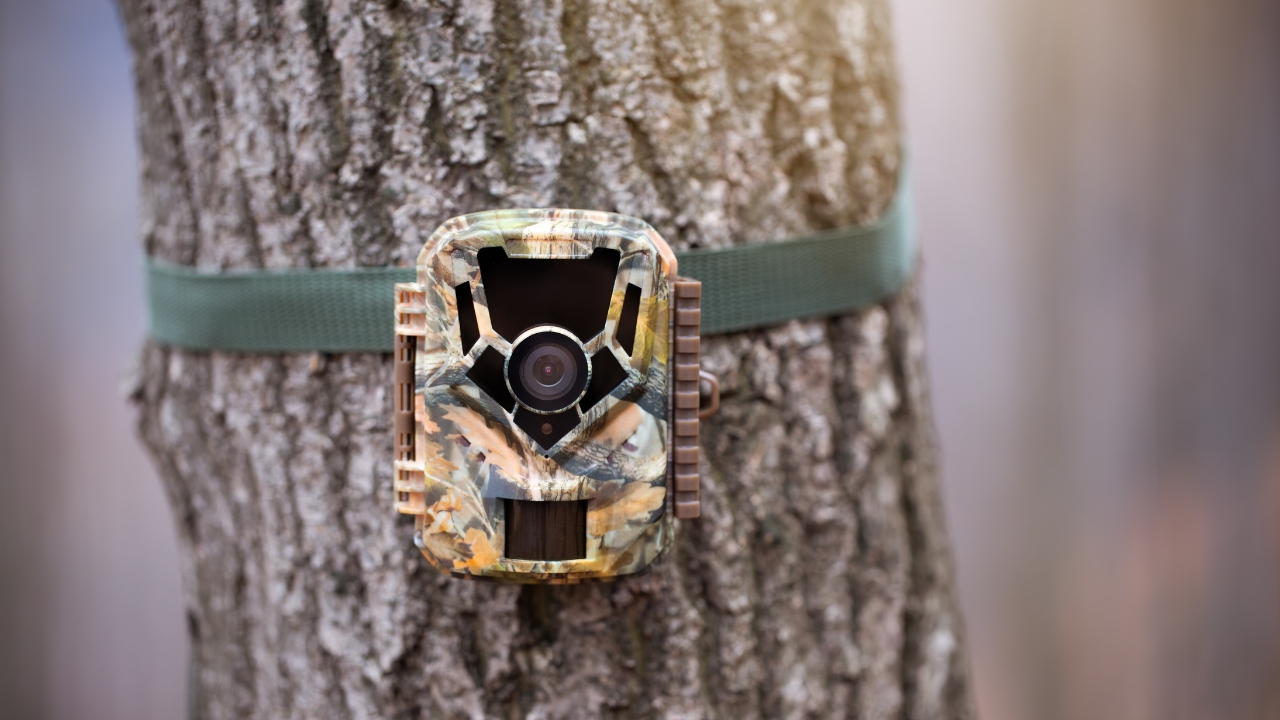
Trail cameras can confirm what the land is already hinting at. Many predators move on regular schedules once they learn a property. A camera may capture a coyote passing a fence line at nearly the same time every night or a raccoon checking the same spot after dark.
These patterns are valuable because they show how predictable wildlife movement can become. Once animals find food, water, or safe travel routes, they often stick with them. Cameras simply reveal what has already been happening while the property looked quiet.
Strong animal smells around certain spots
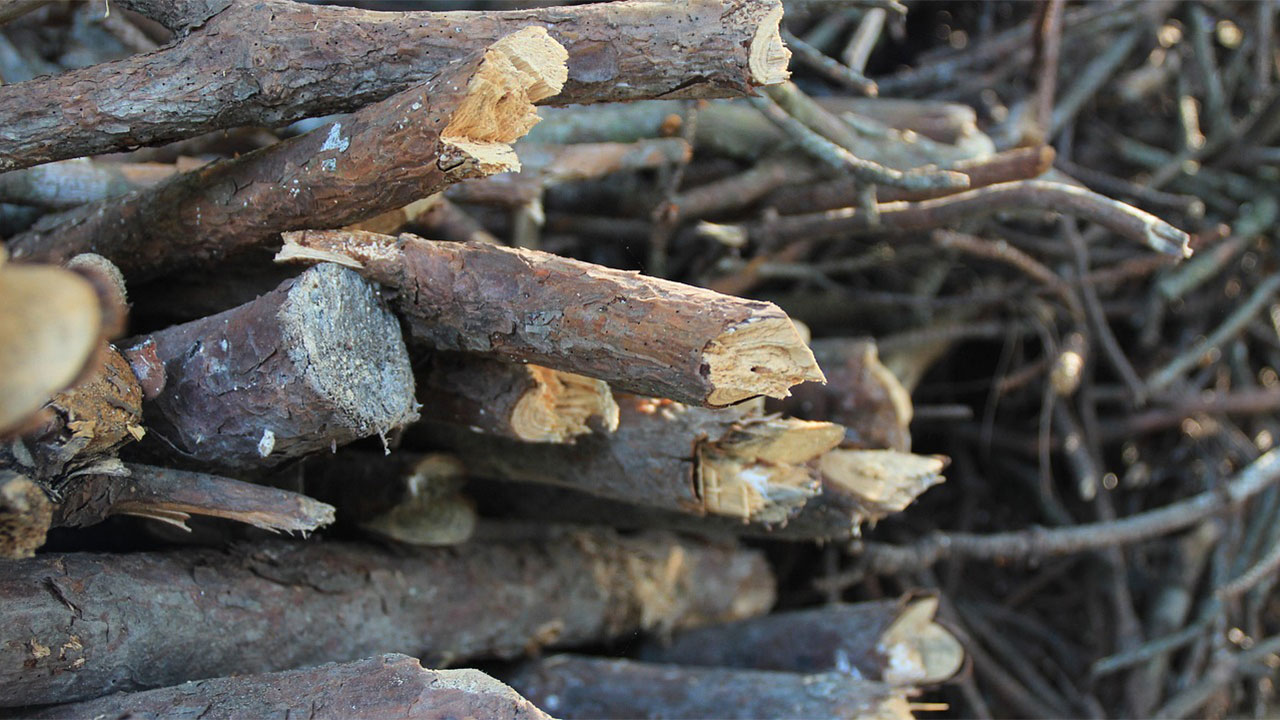
Predators often leave scent markers that people can notice if they pay attention. Musky smells near brush piles, barns, or fence corners can signal raccoons, foxes, or other animals using those spots regularly.
Coyotes also mark territory with scent, and repeated marking can make certain areas smell stronger than usual. While it may seem subtle at first, a consistent odor near the same spot can be a clue that animals are passing through frequently at night.
Game trails leading toward buildings or yards
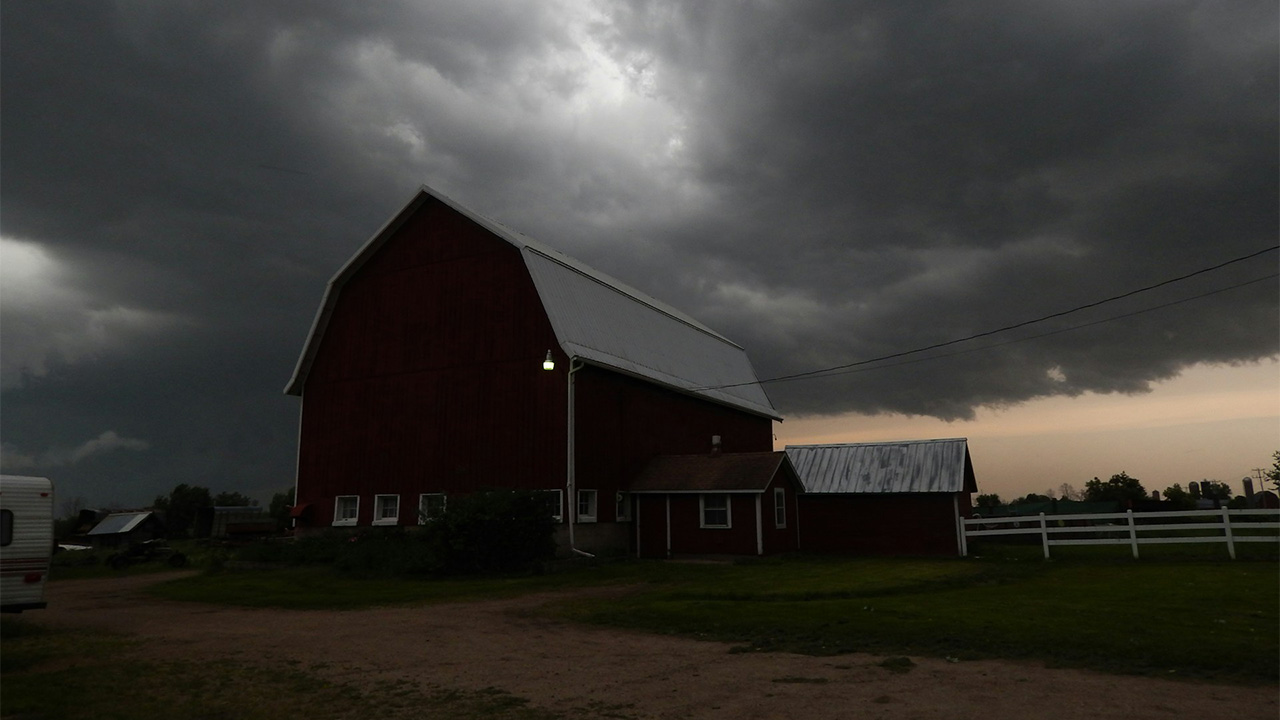
Sometimes the clearest clue is a path leading directly toward the part of the property people assumed animals would avoid. Coyotes and raccoons in particular learn quickly that barns, sheds, or garbage areas can hold easy food.
When a game trail angles toward structures instead of away from them, it often means animals have already discovered something worth visiting. Once that connection is made, they may start working the property more confidently at night because the reward keeps bringing them back.
Missing eggs or disturbed nests
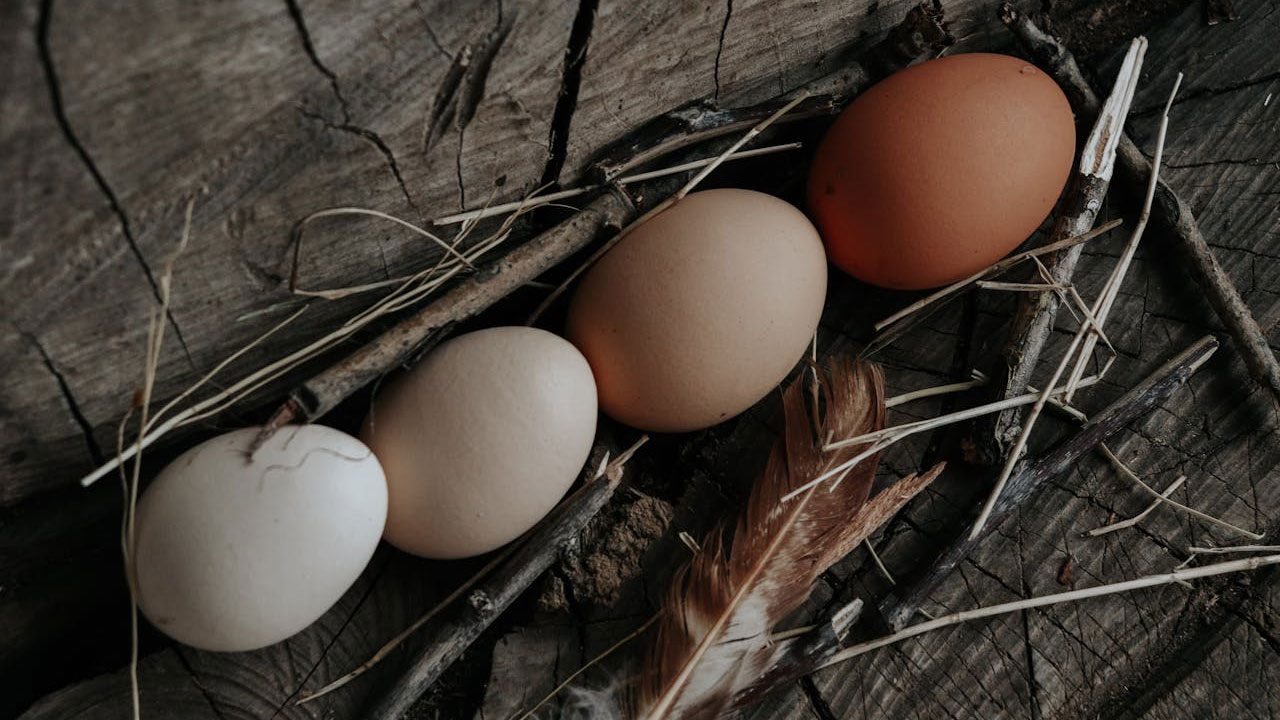
Chickens, ducks, and wild ground-nesting birds are easy targets for nighttime predators. If eggs start disappearing without obvious damage during the day, something may be visiting the nest area after dark.
Raccoons are especially skilled at stealing eggs quietly, but snakes, skunks, and other predators will do the same if they find a reliable source. Repeated missing eggs with little visible disturbance is a strong hint that a nighttime visitor has figured out the routine.
Trash scattered across the yard

Trash cans tipped over, bags torn open, or food scraps dragged across the yard are classic signs of nocturnal scavengers. Raccoons, opossums, and sometimes coyotes quickly learn which houses or properties offer easy meals.
These animals almost always work at night when people are asleep. If trash looks untouched before bed but scattered by morning, the answer is almost always a nighttime visitor making the rounds.
Fresh scat appearing in travel areas
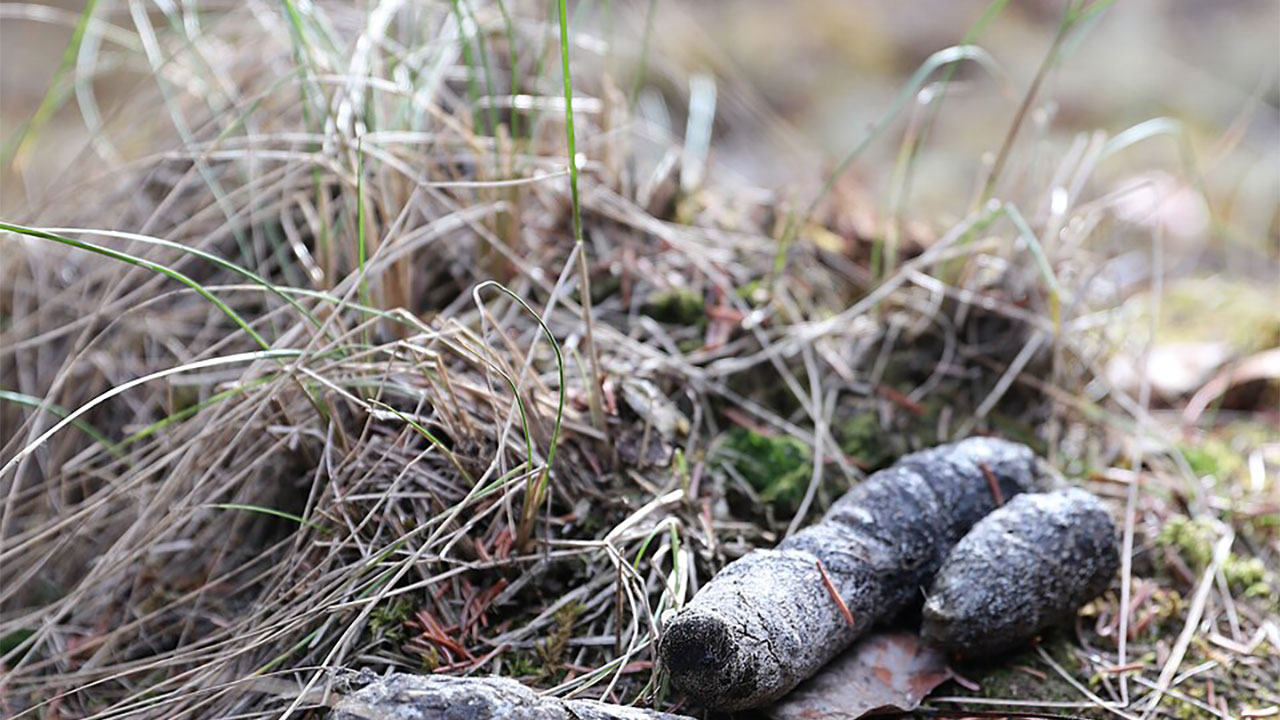
Predator scat is another clue that animals are passing through regularly. Coyotes often leave scat on trails or road edges as territorial markers. Foxes do the same on prominent spots like rocks or small rises in the ground.
If you begin noticing scat in places where it did not appear before, it usually means an animal has added your property to its regular route. These markers help predators communicate with others while also signaling that they are actively working the area.
Pets reacting to something you can’t see

Dogs and other pets often pick up on wildlife long before people do. Barking toward dark fence lines, refusing to enter certain parts of the yard, or staring toward the woods can all mean animals are nearby.
Pets rely heavily on scent and sound, which allows them to detect movement that people miss. When a normally calm dog becomes alert in the same direction repeatedly, it is often because wildlife has been traveling through that area during the night.
Like The Avid Outdoorsman’s content? Subscribe to our newsletter so you never miss an article.
Here’s more from us: