

Photo credit: christie greene/Unsplash.com
Mule deer don’t migrate because it’s romantic. They migrate because seasonal habitat forces them to. Summer range, winter range, and the corridors between them are the whole deal. When any one of those gets pinched—subdivisions on the winter range, fences in the wrong places, highways that turn into death traps, energy development that fragments bedding cover, or big burns that change feed for years—you don’t just “lose a few deer.” You change how herds move, when they move, and where they decide to stop. Hunters feel it as deer showing up later, using different ridgelines, crossing in new spots, or flat-out not showing in the places that used to be automatic.
Wyoming
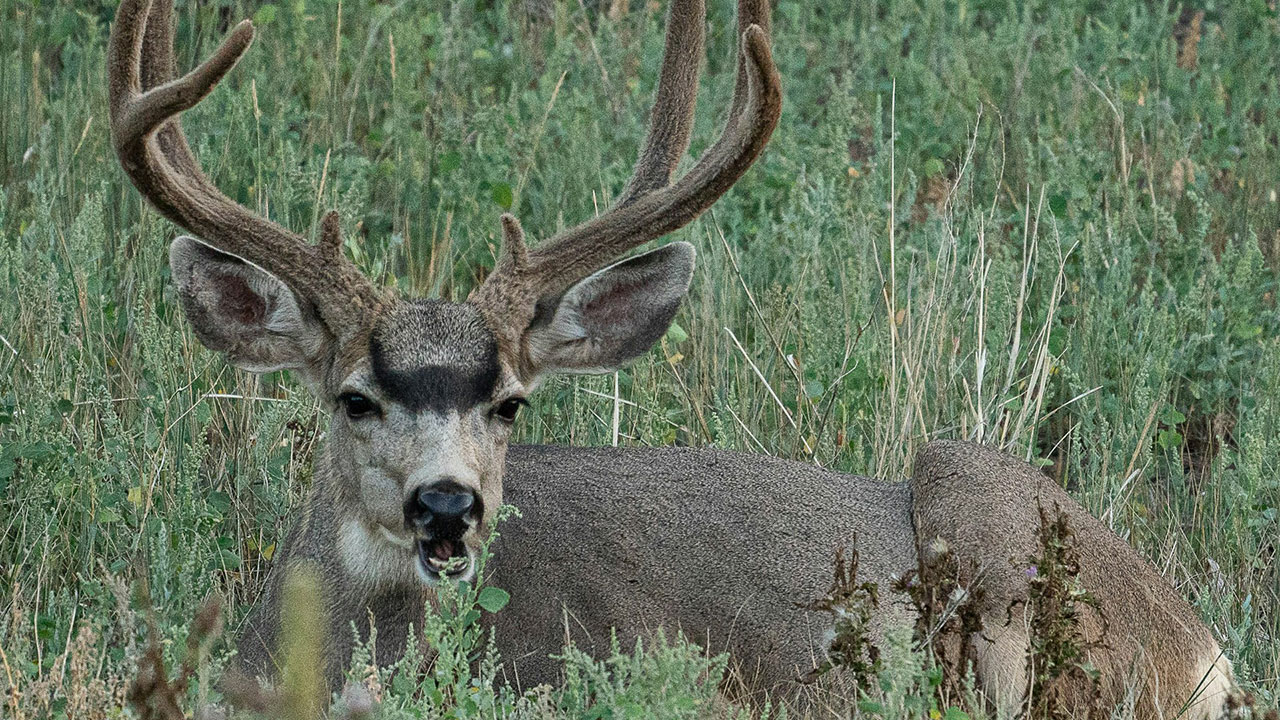
Wyoming is mule deer country, and it’s also a front-row seat to what happens when migration corridors get squeezed by a mix of development, roads, and heavy-use landscapes. You can have strong deer numbers in a broad sense and still watch a traditional route break down because the safest path is no longer the same path. When deer have to thread between highways, fence lines, and more human activity, they start picking different crossings and different timing. That creates a domino effect: winter range gets used differently, and hunters who key in on “the usual” movement get left staring at empty basins.
The DIY hunting implication is that you can’t just hunt memory anymore. If you don’t scout current crossings and current staging areas, you’re behind. In pressured units, deer learn where they can move without getting harassed, and that’s often not the obvious saddle you’ve watched for years. If your plan is built around a single corridor, you need two backups.
Colorado

Colorado’s mule deer are dealing with classic habitat fragmentation issues—growth along the Front Range, increased recreation pressure in the mountains, and corridor constraints where winter range overlaps with towns, roads, and private. Even when habitat loss isn’t “total,” the edges matter. Mule deer are edge-responders. They avoid chaos, and they’ll reroute around it, sometimes adding miles and sometimes cutting straight down into different drainages. That’s why some hunters are seeing deer show up later or not at all in spots that used to light up during transition weeks.
On the ground, Colorado hunters are also learning that a “migration route” can shift 2–5 miles and still be the same herd. If you’re glassing the same hillside every year and waiting for deer to spill over, you may simply be watching the wrong hillside now. Focus on finding fresh tracks, new crossings, and new staging feed—not just old stand locations.
Utah

Utah’s mule deer migrations are incredibly dependent on narrow corridors between high country and winter range, and those corridors don’t take much damage before movement changes. Housing growth, road upgrades, and increased year-round recreation in some mountain zones all add friction. Mule deer can tolerate some disturbance, but when it becomes constant, they pick different lines—often steeper, uglier, and less predictable. That can concentrate deer in smaller winter pockets and change where they “pause,” which affects both survival and hunting opportunity.
For hunters, the biggest change is that “known migration funnels” can go cold without the herd disappearing. The deer may still migrate—they’re just using a different bench or a different canyon mouth. Utah is a state where glassing from distance and hunting with patience pays, because pressure and disturbance can keep deer moving at night. If you want daylight sightings, find where they feel secure, not where it’s convenient.
Idaho

Idaho has huge mule deer country, but it also has a lot of places where habitat quality has been reshaped by wildfire cycles, regrowth, and changing land use. Big burns can create great feed in the short term, then turn into thick, hard-to-use country later. Add in road networks, timber activity, and recreational use, and you get migration routes that aren’t stable year to year. Mule deer will reroute to avoid long stretches of exposed terrain or constant human disturbance, and that shows up as herds “skipping” traditional stopover ridges.
Idaho hunters who do well tend to stay mobile and treat migration as a moving target. If you’re hunting the transition window, you need to scout fresh. Look for where feed meets security cover, and don’t assume deer will travel the same ridge just because it looks like the best line on a map. Deer pick the line that keeps them alive, not the line that’s easiest to hunt.
Montana

Montana’s mule deer face a familiar combination: expanding development in key valleys, increased traffic corridors, and habitat fragmentation that breaks up what used to be continuous movement. Even small changes like more fencing, more driveways, and more winter disturbance can push deer to alter timing. In a hard winter, mule deer want the best winter range they can reach. If access to that range becomes risky, they’ll stack up earlier in less ideal pockets or take longer, more dangerous routes.
Montana hunters often notice this as “they don’t come through like they used to.” That’s sometimes true—but it doesn’t always mean the herd is gone. It can mean they’re using a private-land corridor, crossing at night, or dropping into different coulees entirely. If you’re hunting migration, you need to identify the new crossings and accept that pressure on obvious routes trains deer quickly.
Nevada

Nevada mule deer migrations are sensitive because water and habitat quality can change drastically across short distances, and drought plus habitat loss can rearrange movement fast. When key stopover areas lose forage, deer don’t linger. When corridors become more exposed due to vegetation change or human disturbance, they shift. Nevada also has a lot of wide-open country where deer can be seen from a long way off, which sounds great until you realize it also makes them feel vulnerable—especially during peak pressure periods.
For hunters, Nevada’s shift often shows up as deer moving earlier, moving later, or moving “around” the country you expected them to cross. The best strategy is to focus less on the classic “pinch point” and more on where feed and cover still exist along the route. If you can locate the secure staging zones, you’ll see the deer that everyone else thinks vanished.
Arizona

Arizona mule deer are a different migration story because many herds make shorter elevation-based moves rather than massive long-distance treks. That still gets disrupted when key corridors get carved up—roads, increased human use, and habitat changes from drought and fire. When low-elevation winter habitat gets pressured or altered, deer may delay dropping down or shift to different slopes entirely. That can change where hunters see deer in late season and how predictable the rut and post-rut movements feel.
The practical hunting takeaway is that Arizona deer often don’t “leave”—they relocate within a mountain system. If your favorite migration face suddenly goes dead, the deer may be on the next drainage over, using terrain that gives them security from pressure. You win by glassing wider, scouting fresh sign, and not getting emotionally attached to the one crossing you’ve always watched.
New Mexico

New Mexico habitat loss impacts mule deer in a very direct way: when water, feed, and cover get reduced, deer movement becomes more erratic and less traditional. In many areas, drought pushes deer toward the limited places that still have reliable browse, and human activity tends to cluster around those same areas. When that happens, deer respond by shifting travel routes to avoid constant disturbance. The “same ridge every year” approach becomes a gamble.
DIY hunters in New Mexico often feel this as inconsistent sightings from season to season. You’ll hear guys say the deer “aren’t migrating like they used to,” and sometimes that’s exactly right—because the resource layout changed. To adapt, hunt around the best remaining habitat features, not the historical ones. Find the security cover that still exists and the water sources that still matter, and you’ll find the movement.
Oregon

Oregon has mule deer that rely on corridors between high country and lower winter grounds, and habitat loss in the form of development, changing vegetation, and repeated wildfire impacts can push those corridors around. In some areas, fire creates open, browse-rich zones that deer use heavily—until human access and pressure increase and deer shift again. In others, development at lower elevations constricts where deer can winter without conflict, which forces route changes or compresses deer into smaller winter pockets.
For hunters, Oregon’s change shows up as “new deer roads” on hillsides and fresh crossing points on the same drainages you’ve hunted for years. If you treat Oregon like a state where deer do the same thing on the same date every year, you’ll get burned. Watch weather, watch pressure, and stay ready to pivot when deer start staging in a different band of elevation.
Washington

Washington mule deer deal with heavy human footprint in many parts of the state—roads, recreation, and land use changes that reduce quiet travel corridors. Even when habitat remains, disturbance can effectively remove it from mule deer use during key periods. Deer will reroute around constant pressure, and in places with high road density, that can mean shifting to steeper, thicker, or more remote routes that aren’t as visible from the usual glass points.
The DIY issue is that hunters tend to follow the same access patterns, which teaches deer where humans appear. If you’re hunting migration, consider that deer may be crossing earlier in the dark or using a route that avoids the “easy approach.” Hunting success starts with locating the new travel bands—then getting in without advertising yourself. Quiet access matters more than fancy gear in a disturbed corridor.
California

California mule deer herds often have migration patterns that intersect with heavy development pressure, road networks, and human activity in foothill winter ranges. When winter habitat gets chopped up, deer movement becomes constrained, and they compensate by using narrower corridors, shifting to nocturnal travel, or rerouting to less disturbed foothill pockets. Hunters see this as fewer deer showing in classic transition zones and more deer appearing in unexpected private-adjacent areas.
If you’re hunting California mule deer, the move is to accept that “routes” are not fixed. They’re the safest available line at the time. A route that worked when a valley was quiet may not work after new traffic patterns, construction, or constant recreation. You’ve got to find where deer still have security along the move—and you’ve got to hunt access and wind like you’re hunting pressured whitetails.
North Dakota

North Dakota isn’t the first state people name for mule deer, but where mule deer exist there—especially in badlands and river breaks—habitat shifts and land use changes can alter local movement patterns. When cover gets reduced or when disturbance increases in the limited corridors deer use, those deer adjust fast. It’s not always a “migration” in the mountain sense, but it is seasonal movement tied to security cover and feed, and it can change when habitat gets pinched.
For hunters, the key is recognizing that these deer use specific terrain features to move safely. If a corridor gets hammered by new access or new human activity, deer may move through different cuts and breaks, often in ways that are harder to observe. The winning move is spending time learning where fresh tracks appear after weather shifts, not leaning on what worked five seasons ago.
South Dakota

South Dakota mule deer are concentrated in western parts of the state, and habitat changes—development, road pressure, and vegetation shifts—can push deer movement routes around. When deer have fewer secure corridors to shift between seasonal ranges, they either compress into the remaining habitat or change timing to avoid pressure. That can create weird hunting seasons where deer show up later than expected or seem to “jump” between areas with little daylight movement visible.
Hunters who adapt in South Dakota tend to focus on security terrain. Mule deer will use broken country, steep cuts, and rough edges to move without being seen. If your migration strategy is only watching open slopes, you’ll miss movement that’s happening in tighter terrain. Scout crossings in rough country, and don’t assume the biggest visible draw is the main route.
Texas

Texas mule deer are a different kind of habitat story, especially in the Trans-Pecos and West Texas zones, where water availability and habitat condition drive movement and distribution. While many herds aren’t doing classic long-distance migrations, they do shift seasonally based on conditions. Habitat loss, drought stress, and human footprint changes can change where deer concentrate and how they move between cover and feed. The effect can feel like “migration routes” changing even when the movement is shorter and more localized.
For hunters, that means old glassing points and old “go-to ridges” can suddenly be wrong. If cover and feed patterns change, deer change their daily travel bands and their seasonal use. The DIY advantage is scouting and adaptability—find where the habitat is still working, hunt water and shade intelligently, and don’t assume deer will keep using a corridor just because it used to be the best option.
Like The Avid Outdoorsman’s content? Subscribe to our newsletter so you never miss an article.
Here’s more from us:


