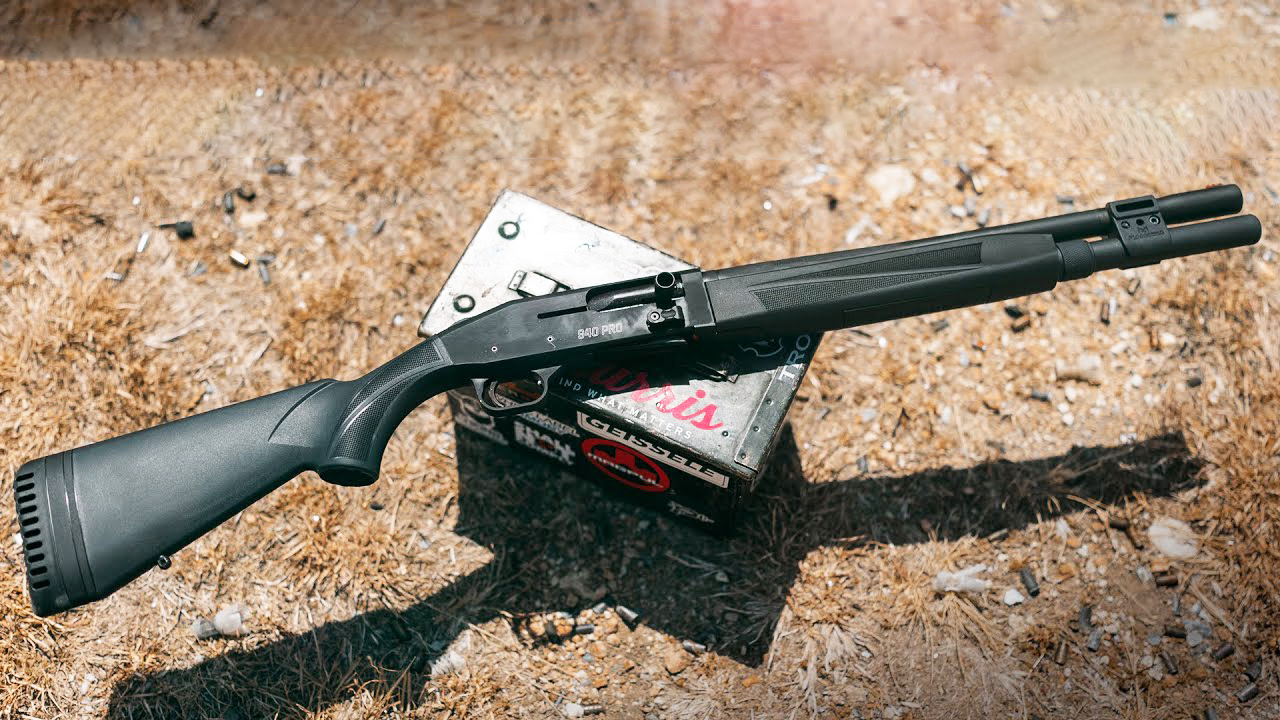
Photo credit: Pew Pew Tactical/Youtube
The Mossberg 940 mattered because it gave Mossberg something more serious in the semi-auto shotgun world. Mossberg already had a deep shotgun identity with the 500, 590, 590A1, and earlier semi-autos, but the 940 pushed the company into a more modern lane. It was cleaner-running, easier to load, easier to adjust, and better suited for competition, hunting, defensive use, and optics than a lot of people expected from Mossberg.
The big change was not one feature. It was the whole package. Mossberg describes the 940 Pro line as using a durable gas system that can run up to 1,500 rounds between cleanings, along with corrosion-resistant internal parts and finishes, an enlarged loading port, elongated elevator, anodized follower, adjustable stock, and Mossberg’s signature texturing. That combination made the 940 feel like a real step forward instead of a slightly updated 930.
1. It Gave Mossberg a More Modern Gas System
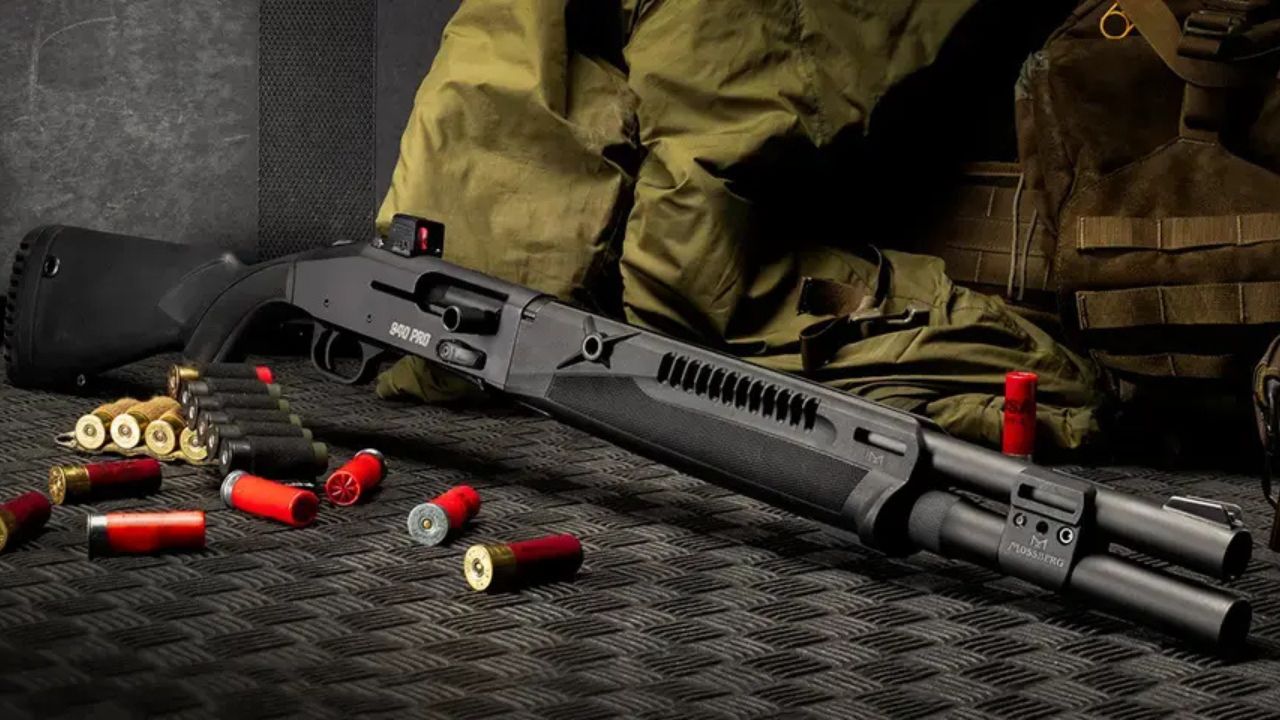
The 940’s gas system is the heart of why the lineup changed. Mossberg leaned into a cleaner-running design with longer service intervals, and that addressed one of the biggest things semi-auto shotgun buyers care about: how long the gun can keep running before it starts getting sluggish.
Mossberg says the 940 Pro gas system allows up to 1,500 rounds between cleanings. That number matters because shotguns get dirty fast, especially with cheap target loads, hunting loads, and high-volume competition use. A semi-auto that can go longer between cleanings gives shooters more confidence. It also helped Mossberg shake off the idea that its semi-autos were always a step behind the bigger-name gas guns.
2. It Moved Mossberg Beyond the 930’s Shadow
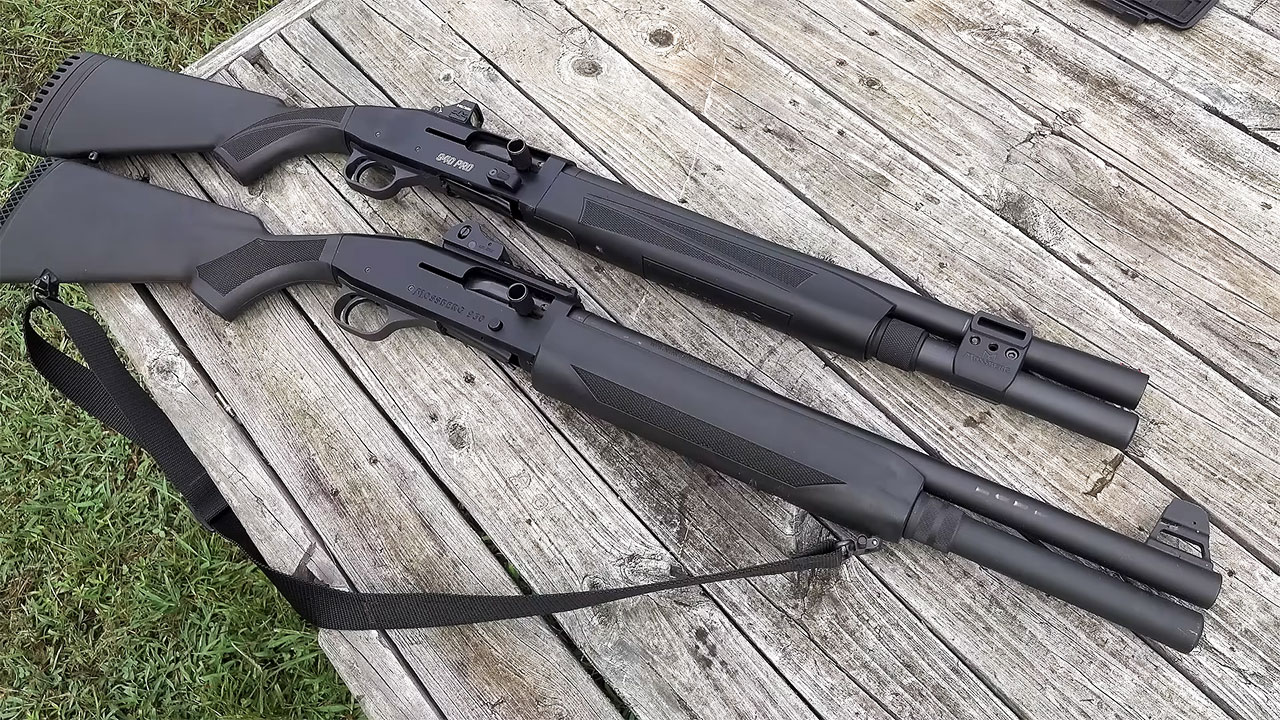
The Mossberg 930 had its fans, but it also had a reputation for needing attention if you ran it hard. Some guns were solid. Some shooters fought them. Either way, the 930 left room for improvement, and the 940 gave Mossberg a chance to reset the conversation.
That was important. A company can only ride pump-gun credibility so far when talking about semi-autos. The 940 gave Mossberg a more polished platform with better internal coatings, better loading features, and a cleaner-running system. It felt like Mossberg was not just updating an old semi-auto, but actually listening to what shooters had complained about.
3. Jerry Miculek’s Influence Made It More Than Marketing
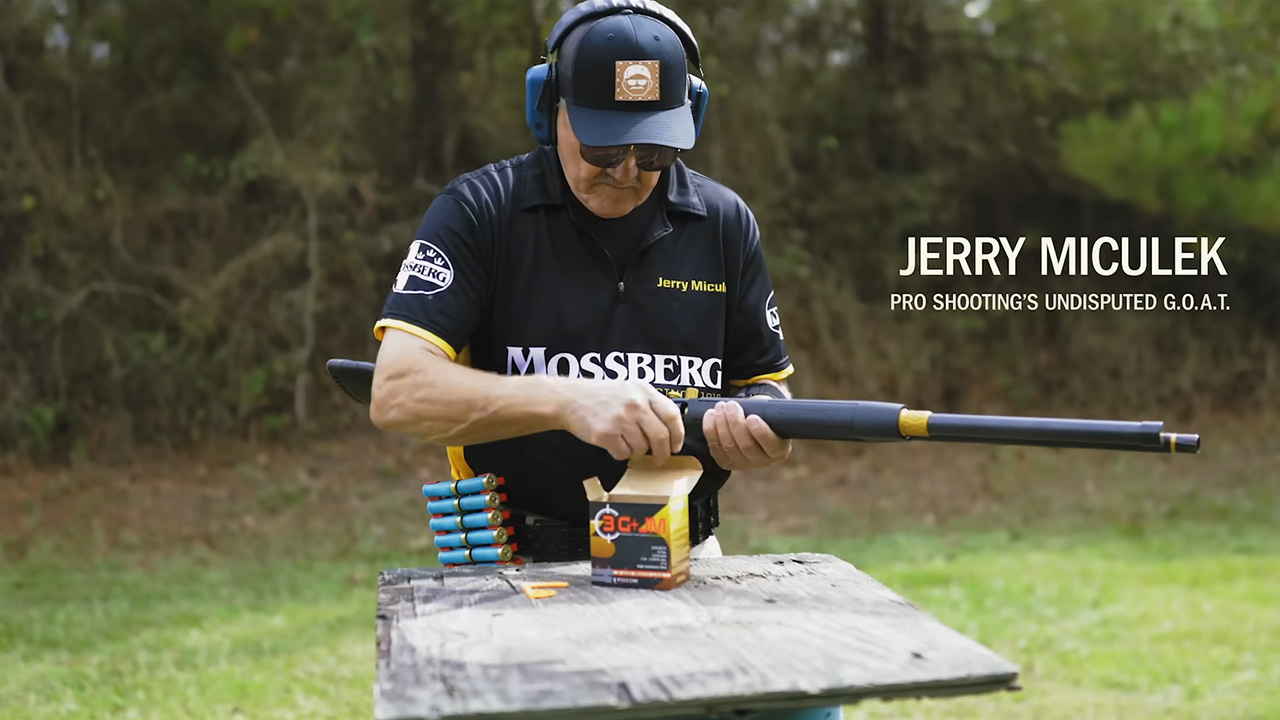
The 940 JM Pro did not just slap a famous name on the receiver and call it good. The competition features are obvious. Mossberg describes the 940 JM Pro as having a durable gas system, nickel boron-coated internal parts, a competition-level loading port, elevator, follower, adjustable stock, and functional components optimized for speed, accuracy, and durability.
That matters because competition exposes weak spots quickly. If a shotgun is hard to load, slow to manipulate, or picky after a lot of shells, 3-gun shooters will find out fast. The JM Pro made the 940 lineup feel more tested, more refined, and more serious. It gave Mossberg a semi-auto that could stand in a speed-focused lane without looking like an afterthought.
4. It Made Loading a Mossberg Semi-Auto Much Better
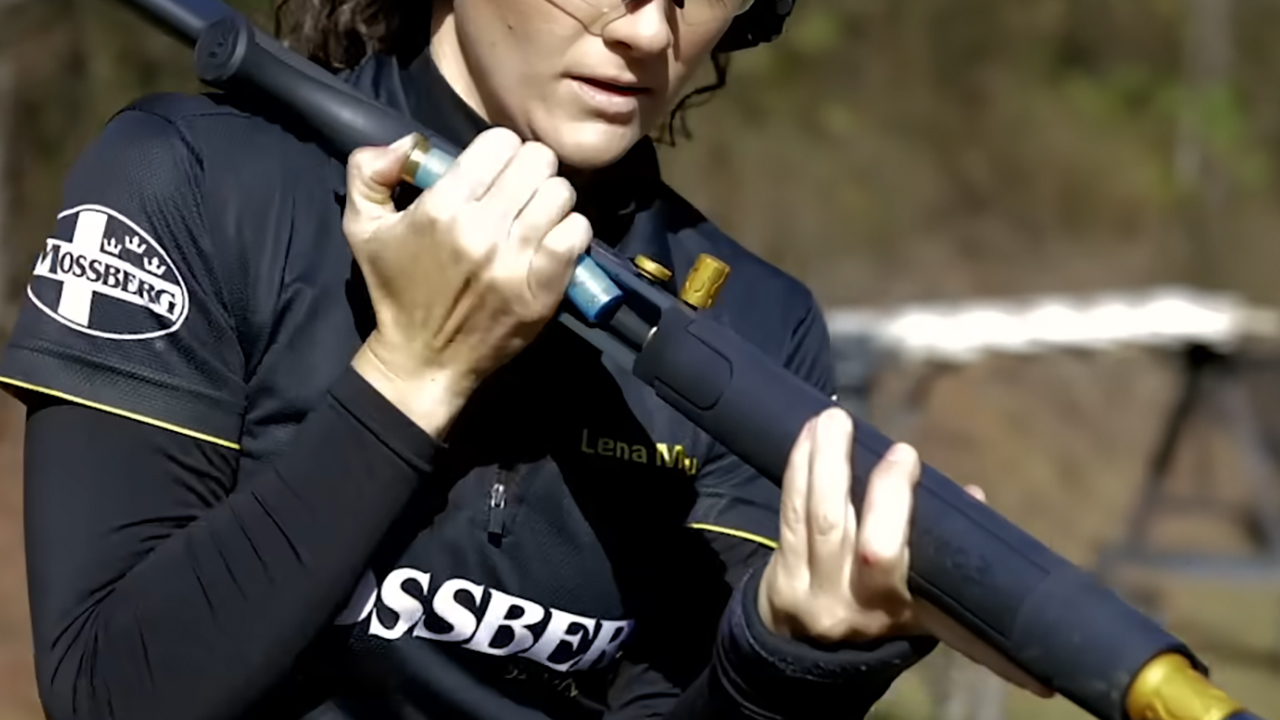
One of the biggest practical improvements on the 940 is the loading setup. Mossberg’s 940 Pro line includes an enlarged loading port, elongated elevator, and anodized follower for smoother operation. The 940 JM Pro goes even harder in that direction, with an enlarged and beveled loading port specifically configured for quad-loading, plus an elongated, pinch-free elevator.
That is not a small thing. Shotguns are often won or lost on loading. A semi-auto can cycle beautifully, but if the loading port chews up your thumb or slows you down, you feel it immediately. The 940 helped bring Mossberg into the modern shotgun world where reload speed, port shape, and elevator design matter just as much as barrel length or capacity.
5. It Brought Better Internal Coatings Into the Conversation
The 940 JM Pro uses nickel boron-coated internal parts, and the broader 940 Pro family emphasizes corrosion-resistant internal parts and finishes. That is exactly the kind of improvement buyers notice when they are comparing modern semi-autos.
Coatings are not magic, but they can help with smoother operation, easier cleaning, and better resistance to grime and corrosion. That matters in a shotgun that may be used in duck blinds, dusty competition bays, rainy turkey woods, or defensive setups that sit ready for long stretches. The 940 made Mossberg’s semi-auto lineup feel more durable and more current.
6. It Made Adjustable Fit More Common in the Line
A shotgun has to fit the shooter. That sounds basic, but too many people still ignore it. The 940 Pro line helped by using an adjustable stock system. Mossberg highlights length-of-pull adjustability across the 940 Pro line, and the 940 Pro Waterfowl series overview notes an adjustable, self-draining stock with LOP adjustment, cast, and drop at comb using stock shims.
That is a big deal because shotgun fit affects everything: mount, recoil control, sight picture, swing, and how naturally the gun points. A shotgun that fits poorly will make even a good shooter look sloppy. The 940 made adjustability a built-in feature instead of leaving every buyer stuck with one-size-fits-most geometry.
7. It Let Mossberg Build Several Serious Versions From One Platform
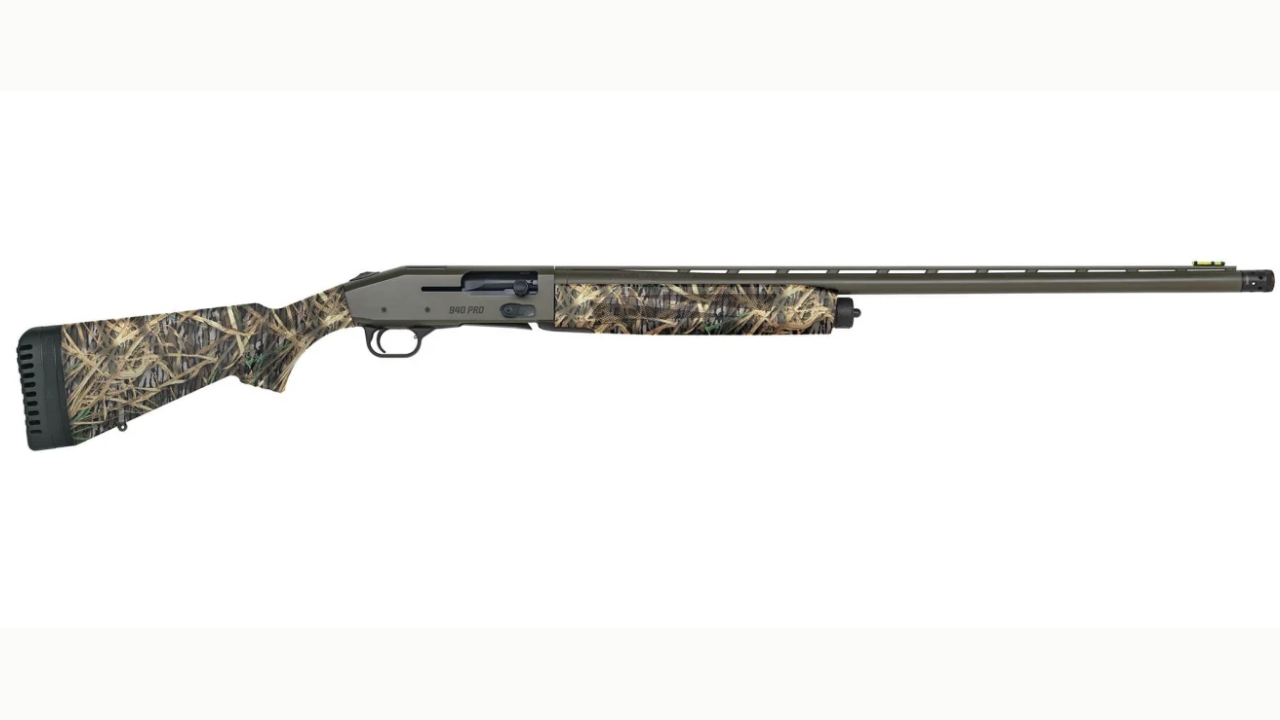
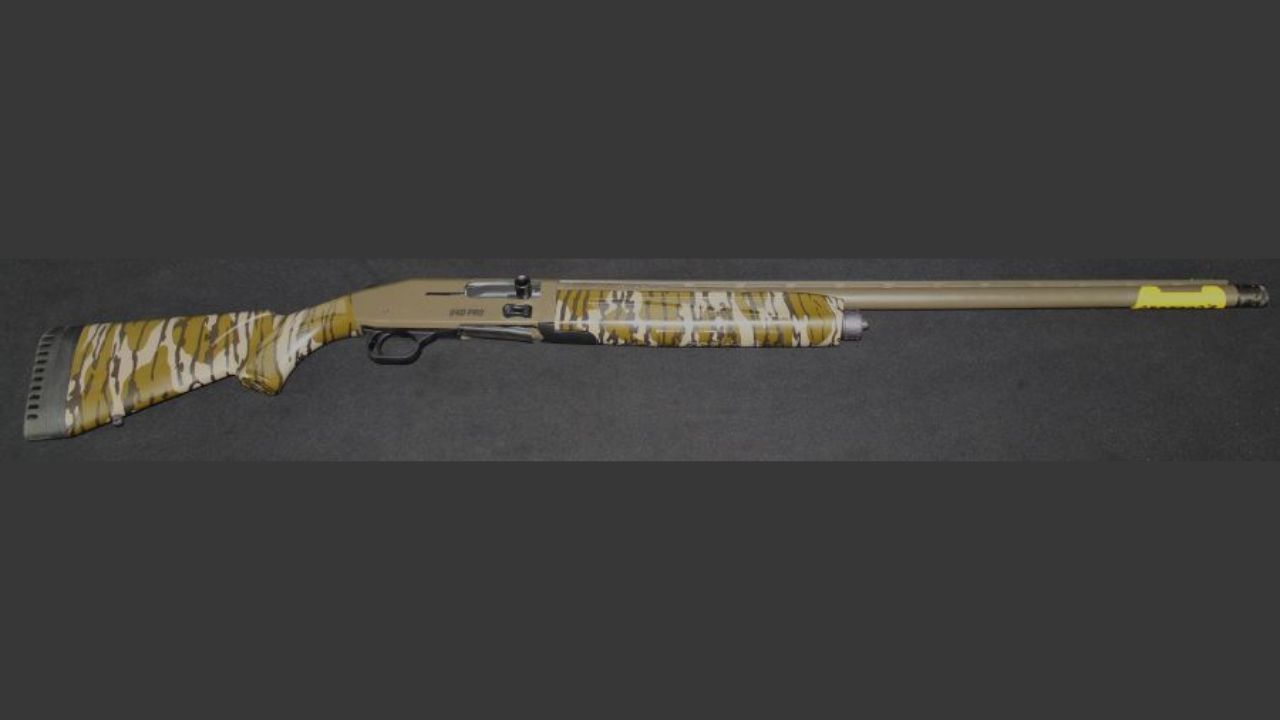
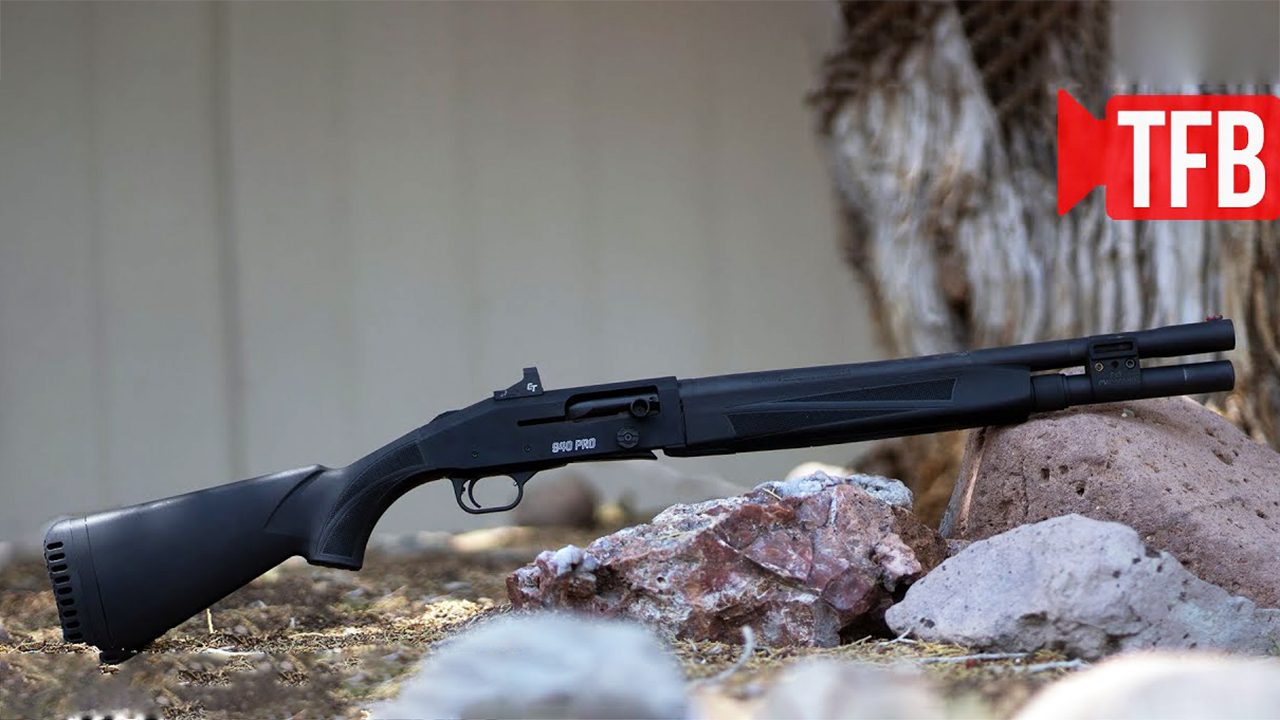
The 940 did not stay trapped in one niche. Mossberg built it out into hunting, tactical, field, waterfowl, turkey, and competition models. Mossberg’s own 940 Pro page lists choices like the 940 Pro Turkey, Tactical, Waterfowl, Field, and JM Pro.
That matters because a strong platform becomes more valuable when it can stretch. A competition shooter does not need the same setup as a turkey hunter. A defensive shotgun does not need the same barrel, sights, or furniture as a waterfowl gun. The 940 gave Mossberg a common semi-auto foundation it could tailor to different buyers without starting over every time.
8. It Made Mossberg More Competitive in the Defensive Semi-Auto Market
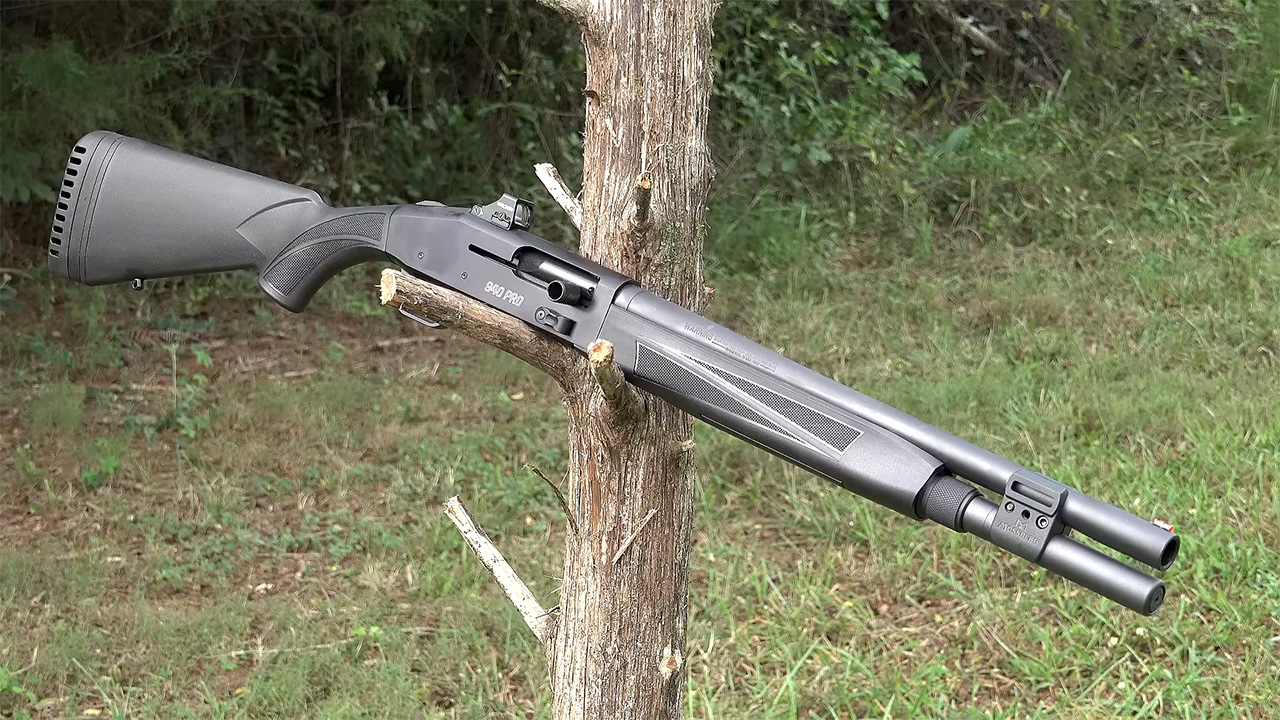
Mossberg has always had strong defensive pump guns, especially with the 500, 590, and 590A1 families. The 940 gave the company a better defensive semi-auto option to stand beside those pumps. That matters because a lot of defensive shotgun buyers now want faster follow-up shots, easier recoil management, optics, lights, and accessory mounting.
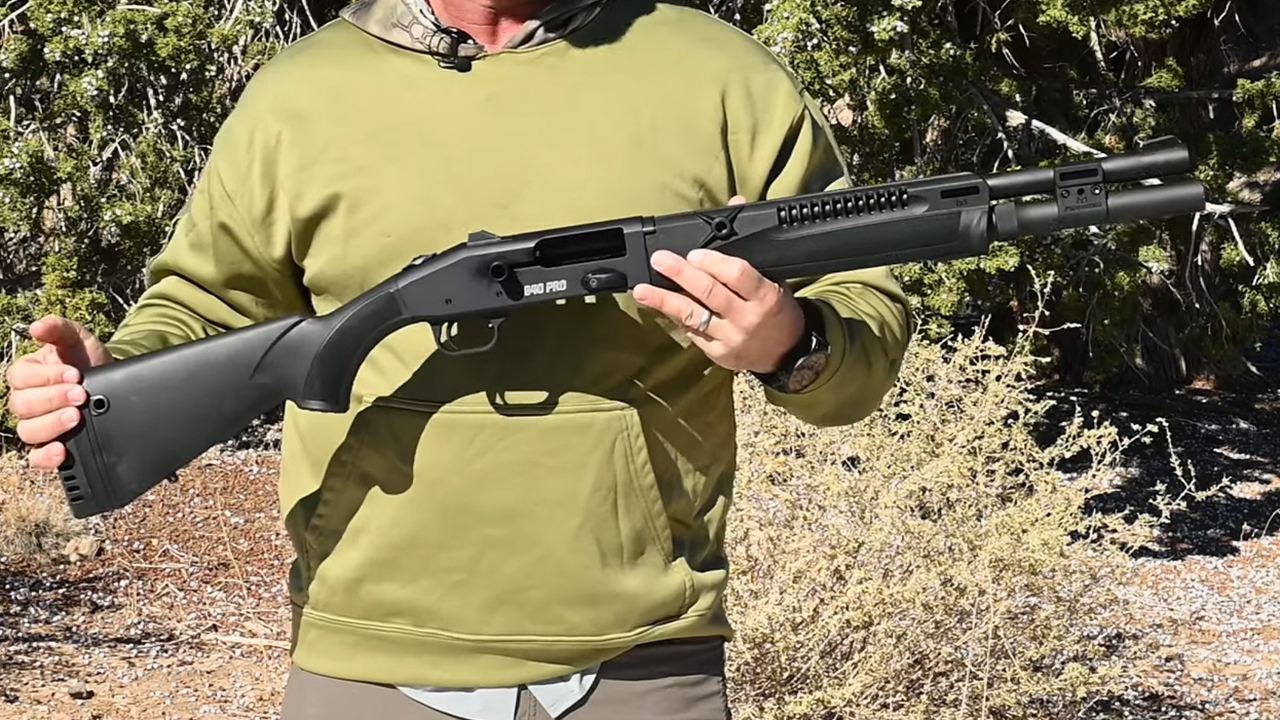
The 940 Pro Tactical and Tactical SPX versions helped Mossberg move into that space more convincingly. The 940 Pro Tactical SPX, for example, includes an optic-ready receiver system, protective ghost-ring sight wings, M-LOK slots, QD cups, and an integrated heat shield-style forend design. That is a different level of modernization than simply shortening a barrel and calling it tactical.
9. It Helped Normalize Optics on Mossberg Shotguns
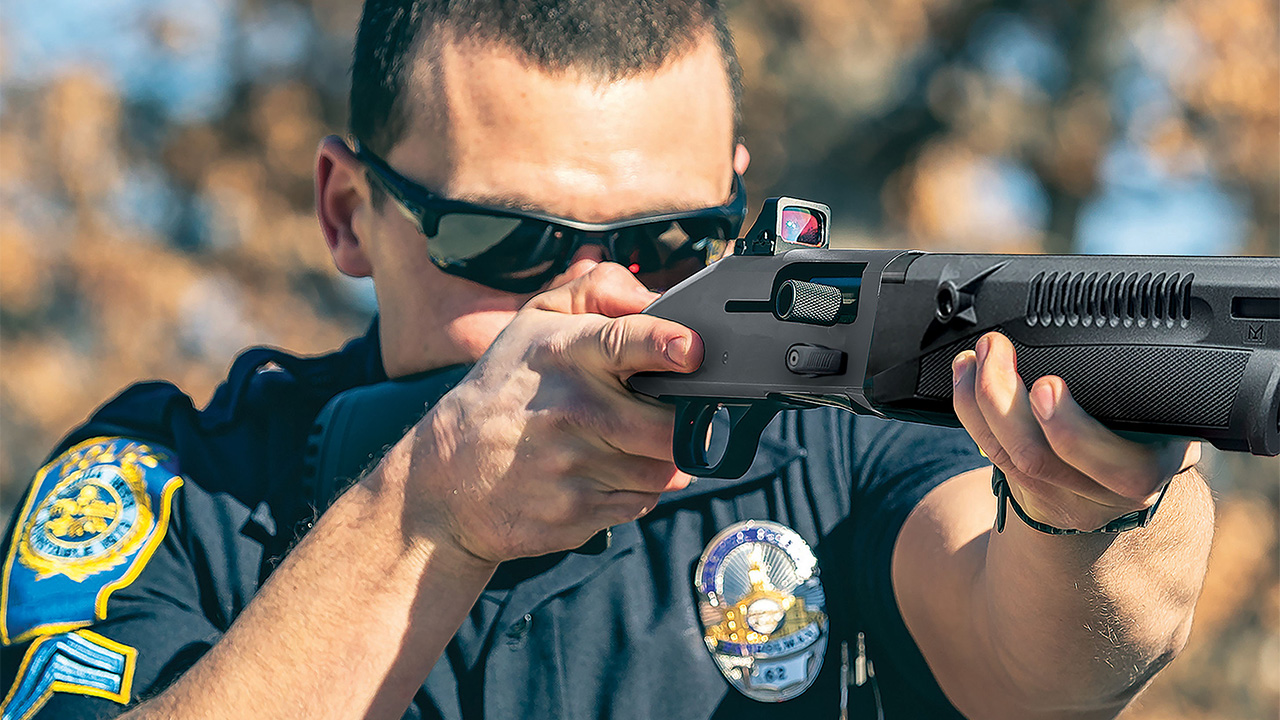
Shotgun optics are not new, but the 940 helped make them feel more normal across Mossberg’s semi-auto line. The 940 Pro Tactical SPX can run a low-mounted optic with the receiver’s RMSc-ready setup, and Mossberg includes adapter plates for several common footprints like RMR, Docter, and Leupold.
That matters for turkey hunters, defensive shooters, and anyone who wants a cleaner aiming solution than a bead or basic irons. Red dots make a lot of sense on shotguns when set up correctly. They help with slugs, turkey patterns, buckshot accountability, and aging eyes. The 940 moved Mossberg closer to where the shotgun market was already heading.
10. It Made the Waterfowl Models Feel More Purpose-Built
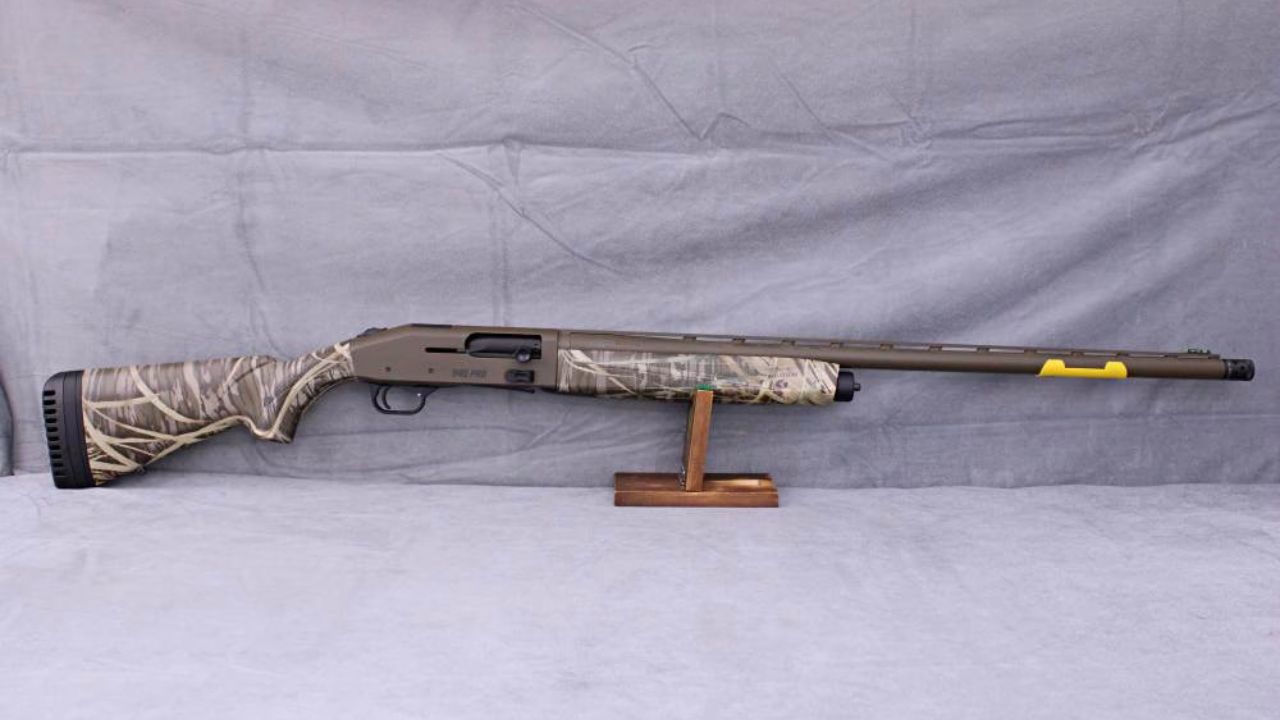
The 940 Pro Waterfowl was not just a black semi-auto dipped in camo. Mossberg’s overview points to a cleaner-running gas system, longer cleaning intervals, an adjustable self-draining stock, and aggressive texturing on the grip and slim forend. Those are features waterfowl hunters can actually use.
Duck and goose hunting is hard on guns. Mud, water, cold, gloves, and long mornings in rough conditions make reliability and handling matter. A self-draining stock and better grip texture are not flashy, but they fit the job. The 940 helped Mossberg look more serious in that field instead of only relying on price and brand familiarity.
11. It Gave Turkey Hunters a Better Modern Option
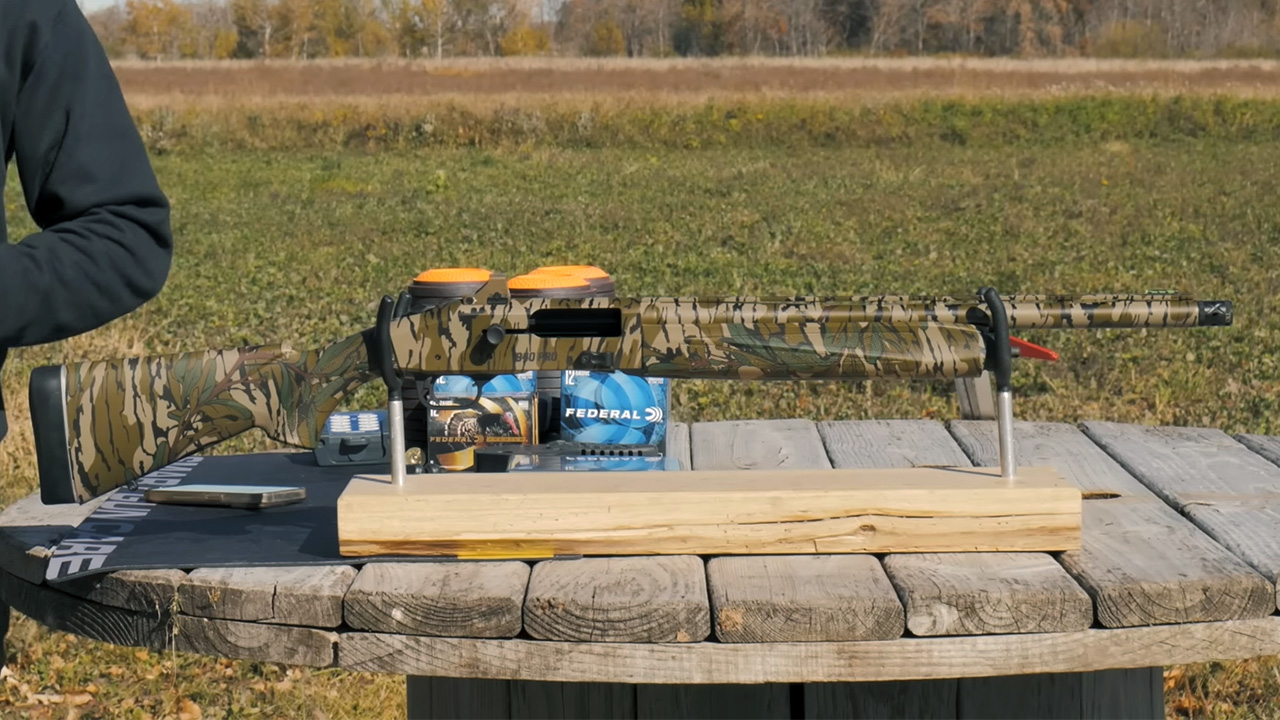
The 940 Pro Turkey brought the same platform into a world where optics, tight patterns, and specialized setups matter a lot. Turkey guns have changed over the years. More hunters are using red dots, shorter barrels, camo finishes, extended chokes, and shotguns built specifically around sitting still and making precise shots.
The 940 platform fit that shift well. A semi-auto turkey gun with an optics-ready setup and a reliable gas system gives hunters a strong tool for heavy turkey loads and precise aiming. The 940 helped Mossberg compete in a market where a plain field shotgun with a turkey choke no longer feels like the only answer.
12. It Made Mossberg’s Semi-Auto Line Feel Less Budget-Only
Mossberg has long been known for value, and there is nothing wrong with that. But value can sometimes turn into a ceiling if shooters assume the brand only competes on price. The 940 helped change that. It gave Mossberg a semi-auto that could be discussed in terms of performance features, competition use, optics, coatings, and fit.
That kind of perception matters. A company known for affordable pump guns needed a semi-auto that did not feel like a cheap alternative. The 940 still appeals to practical buyers, but it gave Mossberg a stronger seat at the table with shooters comparing modern gas guns for serious use.
13. It Improved Controls Where Shotgun Shooters Actually Notice
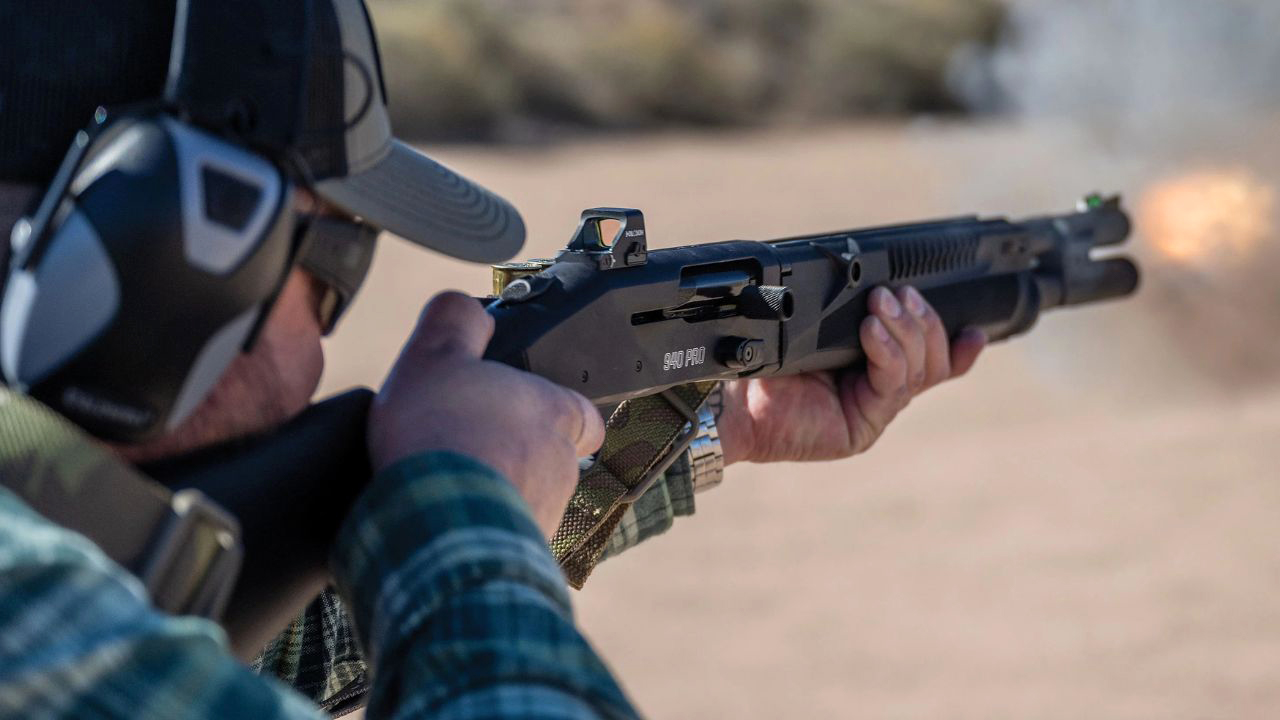
The 940 JM Pro uses oversized and contoured controls, including the charging handle and bolt release button, for quicker manipulation. That kind of detail matters because shotgun controls can be clumsy under speed, gloves, stress, or bad weather.
A bigger bolt release and easier charging handle are not gimmicks when you are loading fast, clearing a problem, or running the gun in a match. The 940 pushed Mossberg toward controls that feel more modern and user-focused. That is a big improvement over shotguns that technically work but feel like they were designed without watching anyone run them hard.
14. It Made the 940 JM Pro a Real Competition Name
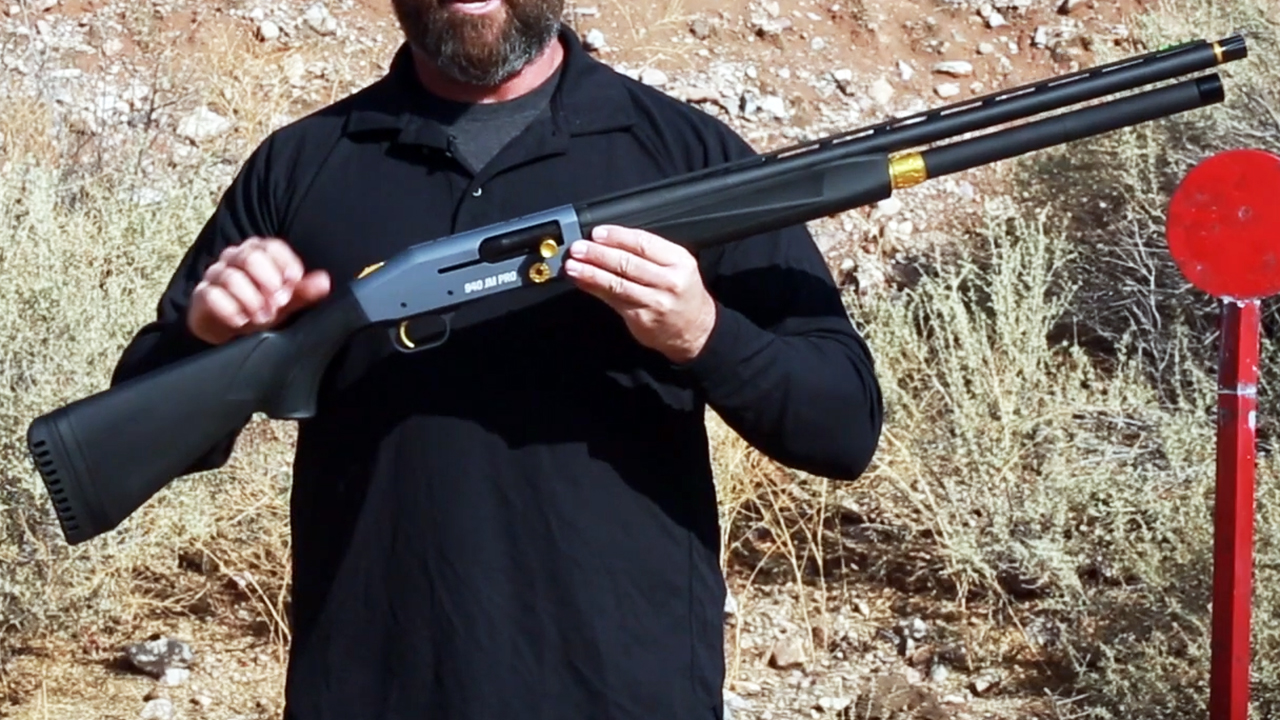
The JM Pro model gave the 940 lineup instant attention because it entered a space where performance is easy to measure. If the gun loads slowly, cycles poorly, or handles badly, competition shooters will not be quiet about it. Mossberg built the JM Pro around speed-focused features like a beveled loading port, elongated elevator, bright follower, oversized controls, and an adjustable stock.
That helped the whole 940 family. Even buyers who never plan to shoot 3-gun can appreciate features that came from high-speed shotgun use. Competition models often improve the breed because they force companies to care about loading, manipulation, and reliability under volume.
15. It Gave Mossberg a Semi-Auto Platform With Staying Power
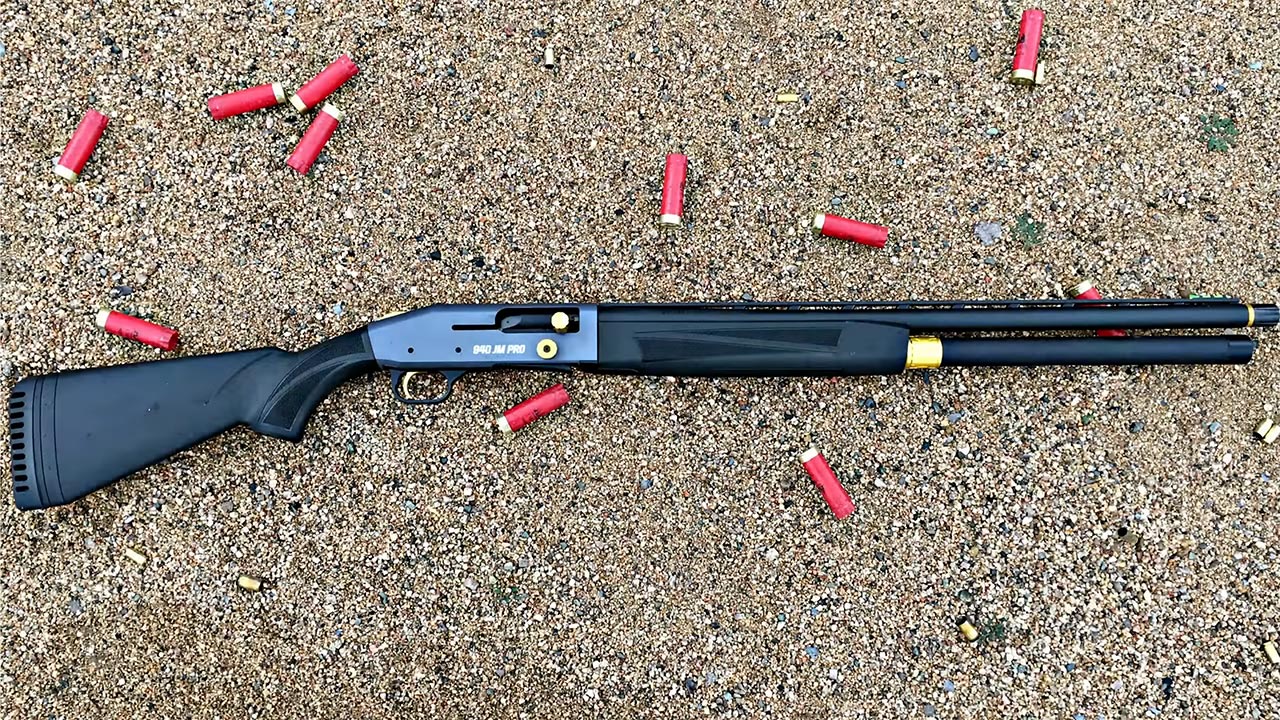
The Mossberg 940 changed the lineup because it gave the company a semi-auto platform that could grow. It was not only a replacement for older ideas. It became a foundation for several types of shotguns: competition, tactical, field, turkey, and waterfowl. That is what strong platforms do.
The 940 did not erase Mossberg’s pump-gun identity, and it did not need to. The 500 and 590 families still matter. But the 940 made Mossberg look more serious in the modern semi-auto shotgun world. Better gas operation, longer cleaning intervals, improved loading, adjustable fit, optics-ready models, and purpose-built versions all moved the company forward. That is why the 940 changed the lineup instead of simply joining it.
Like The Avid Outdoorsman’s content? Subscribe to our newsletter so you never miss an article.
Here’s more from us: