Photo credit: Ambrosia Studios/Shutterstock.com
Dust is one of the most unforgiving enemies of firearm reliability. A little grit in the wrong spot can lock up an otherwise smooth action, and not every gun handles it well. Some designs have generous tolerances, self-cleaning features, or protective coatings that help keep the gun running even in sandy or dusty conditions. Others don’t. Certain rifles, pistols, and shotguns will start choking the moment airborne grit works its way into the chamber, bolt, or trigger group. These aren’t always poorly built guns—they may be precision firearms tuned so tight that even minor fouling leads to failures. If you’re hunting in dry country or carrying in places where dust is constant, you learn quickly which designs tolerate abuse and which ones quit at the first sign of grit. Here are the guns that often fail when the dust comes calling.
M16 in Early Vietnam Configurations
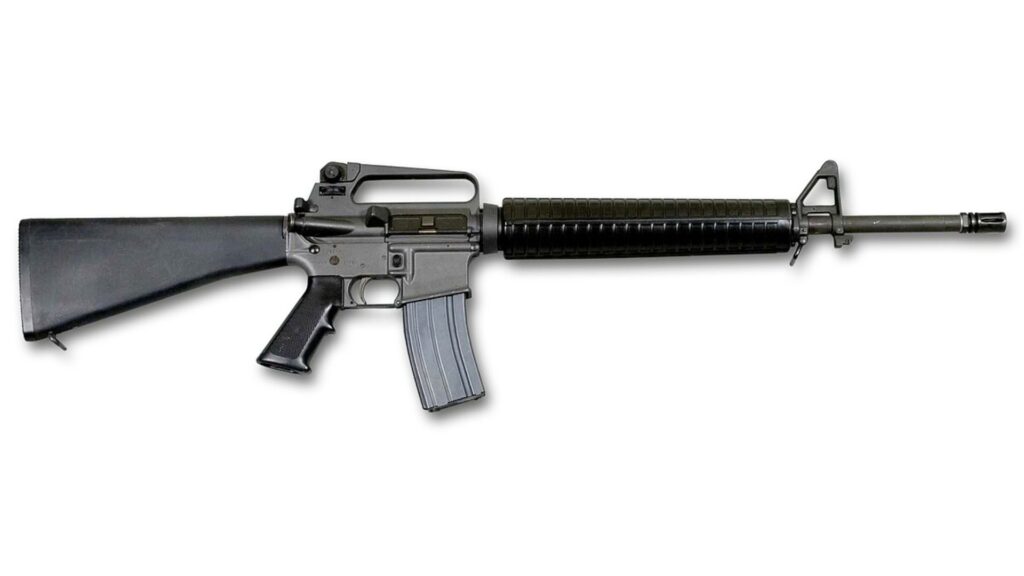
The early M16 rifles fielded in Vietnam gained a terrible reputation when dust and fouling hit the action. Much of it came down to the combination of tight tolerances, lack of chrome lining in the chamber, and bad ammunition choices that left the guns filthy quickly. Soldiers found themselves with rifles that seized in sandy and humid conditions when cleaning kits weren’t even supplied at first.
Later improvements—chrome-lined barrels, forward assists, and better powder—addressed many of these issues. But the legacy stuck. In dry, dusty environments, the original rifles were prone to failures that other battle rifles shrugged off. When you talk about firearms that choke as soon as grit enters the action, the early M16 is the prime example of how small design oversights add up in real-world conditions.
AR-15 Rifles with Match Chambers
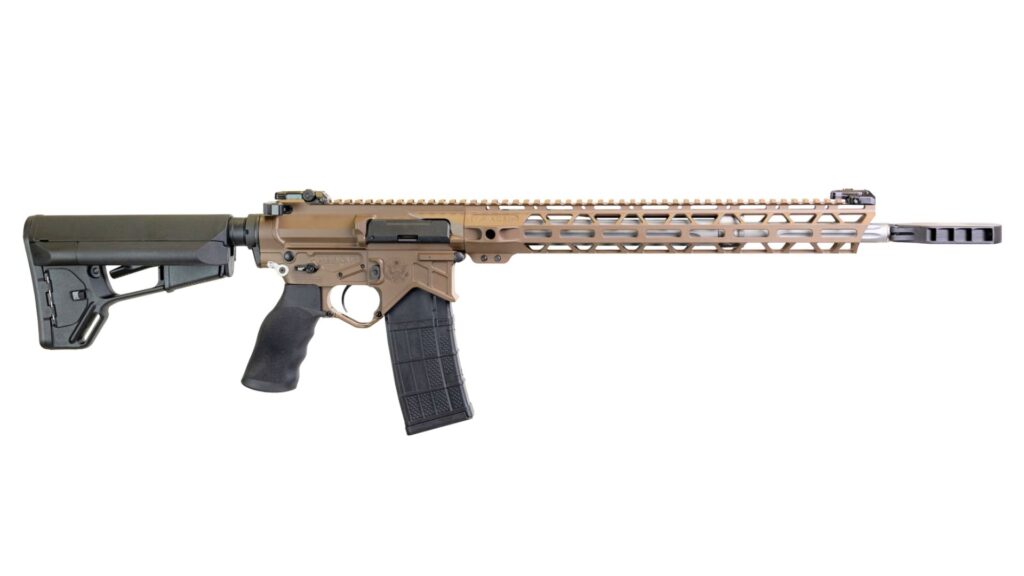
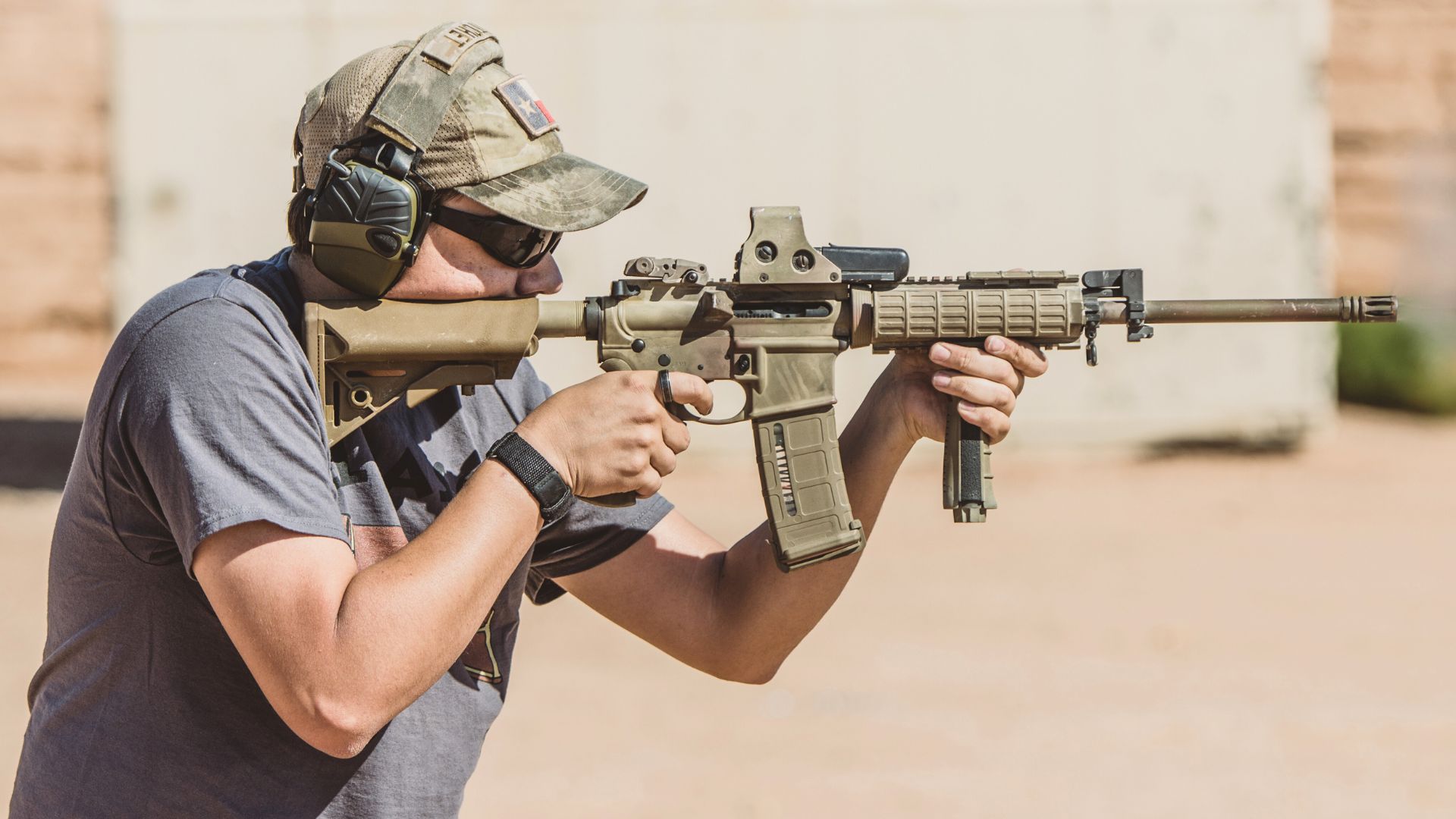
Civilian AR-15 rifles built with tight match chambers often run into dust-related problems. These rifles are designed for accuracy, not hard use, and the tighter the chamber, the less tolerant it becomes to grit or fouling. A little dust in the bolt carrier group can turn a smooth-running rifle into one that won’t go fully into battery.
In controlled environments like ranges, these rifles perform wonderfully. But take them into a dry prairie dog field or a windblown desert, and you’ll quickly see why looser military-spec chambers are favored for duty rifles. Dust makes precise tolerances work against you, leading to malfunctions that seem baffling until you remember that match-grade builds demand clean conditions. They’re great for paper but not as dependable in sand and grit.
Desert Eagle

The Desert Eagle is an iconic pistol, but its gas-operated system makes it unusually sensitive to dust. Unlike most pistols that rely on recoil operation, the Desert Eagle uses a gas piston system with ports and small parts that can quickly become clogged by powder residue or airborne grit. In a dusty environment, these tight passages choke easily.
Carrying one into sandy terrain or using it for field work often results in failures to cycle or jams. While it’s a powerful and well-built handgun, it wasn’t made for environments where dirt is constantly in the air. The more dust that finds its way into the piston or bolt, the quicker it stops functioning. For range shooting or controlled hunts, it’s impressive, but for reliability in dusty conditions, it falls short fast.
Winchester Model 94
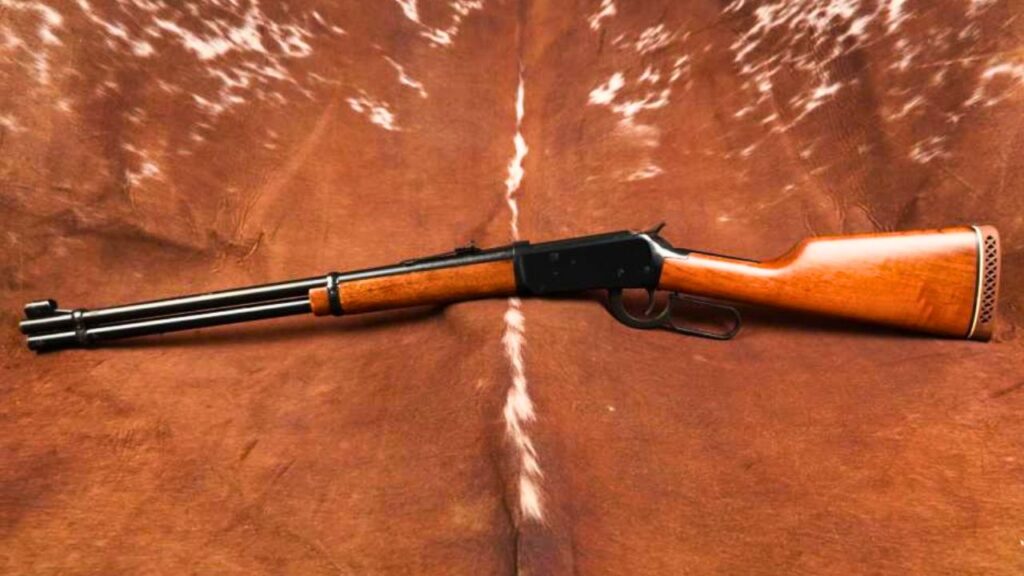
The Winchester 94 lever-action rifle is a classic deer gun, but it doesn’t handle dust well. The design leaves parts of the action exposed when cycling, and grit can settle in easily. Once dust is in the locking surfaces or lever linkage, the action feels gritty and can seize with repeated fouling.
In damp forests, this isn’t much of a problem. But in dry, dusty conditions, it can quickly become one. Lever guns like the 94 weren’t designed with sealing or debris protection in mind. Hunters who carry them in open plains or desert terrain often find that reliability suffers once airborne grit gets into the internals. It doesn’t take long before the action feels like sandpaper and rounds fail to chamber smoothly.
Colt 1873 Single Action Army
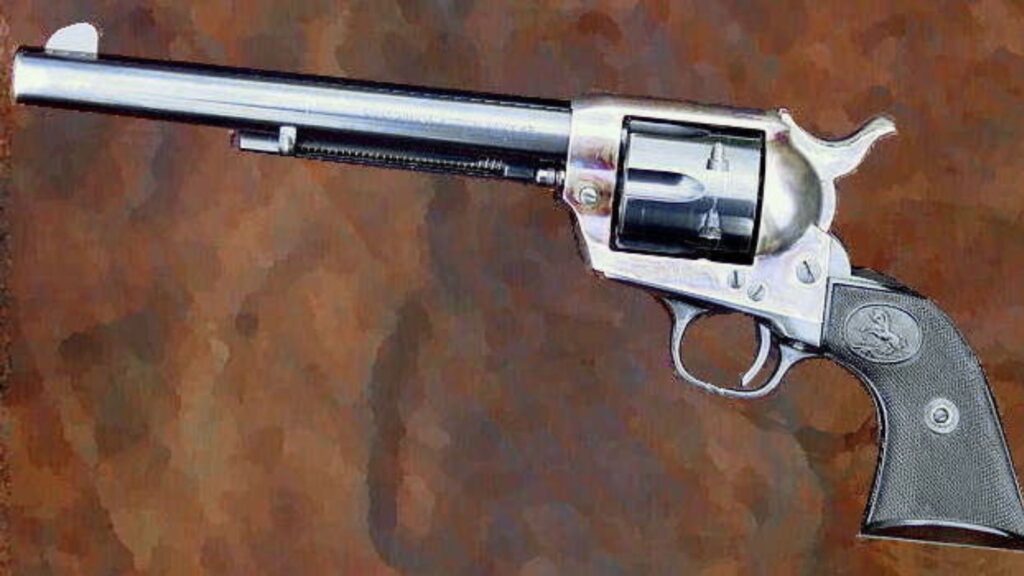
The Colt Single Action Army has been called “the gun that won the West,” but it wasn’t exactly known for shrugging off dust. Its design leaves the cylinder and hammer exposed, and dust can settle between the cylinder and frame, leading to binding. Cowboys in dry, gritty environments had to constantly clean and oil them to keep them turning freely.
Even today, if you carry a Colt SAA replica in dusty country, you’ll find that dust in the cylinder gap or around the base pin can lock it up quickly. It’s a revolver that works beautifully when clean, but unlike modern designs with tighter seals, it demands constant attention in sandy environments. While iconic, it’s one of the firearms that fails fast once grit enters the picture.
Remington 742 Woodsmaster

The Remington 742 semi-automatic rifle has long been known for reliability issues, especially when dust or fouling come into play. Its action design, with multiple small parts and tight areas around the chamber, doesn’t tolerate dirt well. Hunters in dusty fields often found the rifle locking up or failing to extract once grit entered the action.
The 742 also suffered from wear issues in its bolt rails, and dust only made the situation worse. Even when cleaned regularly, these rifles had a reputation for choking if they weren’t kept spotless. In controlled environments, they shot fine, but in hunting camps where dust is unavoidable, the 742 often sat out of rotation because it couldn’t keep running once airborne grit got involved.
M1 Carbine

The M1 Carbine was light and handy, but it never earned a reputation for thriving in dusty conditions. Its small parts and relatively weak recoil system meant that dust and fouling quickly slowed the action. Troops found them less reliable than full-size rifles when deployed in dry or sandy environments.
Hunters who use surplus M1 Carbines in open fields or prairie settings often notice the same. Dust in the chamber or bolt face quickly leads to misfeeds and failures to cycle. The rifle wasn’t built for extreme environmental abuse, and while beloved for its handling, it’s a gun that falters quickly once grit gets inside.
Luger P08
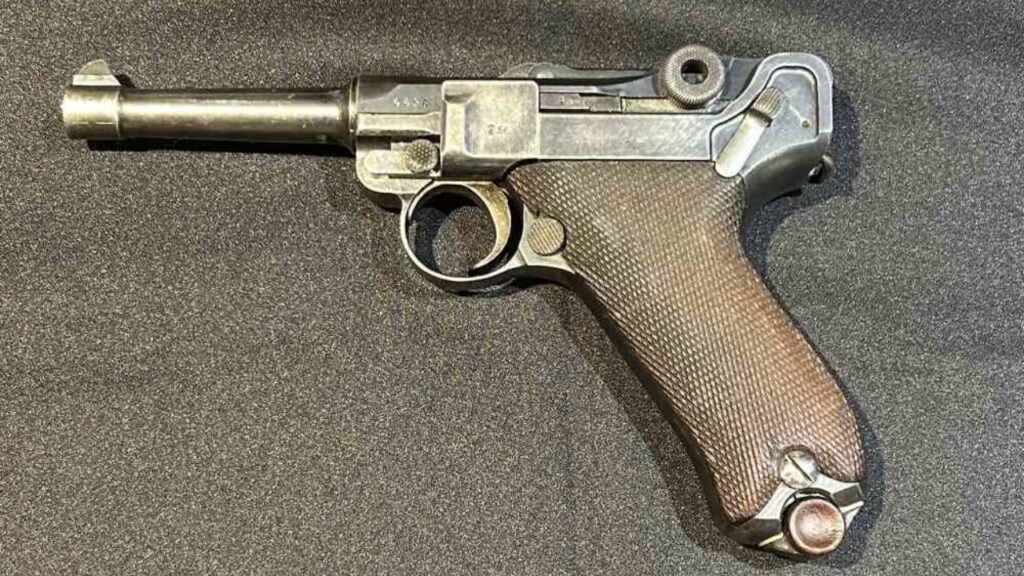
The Luger P08 is a precision-made pistol, but it’s infamous for being too finely tuned to handle dust. The toggle-lock design is intricate and requires clean conditions to work properly. Dust or grit in the joints or chamber causes failures to go into battery almost immediately.
In World War I and II, soldiers quickly learned that while the Luger was accurate, it was not forgiving of battlefield debris. Compared to simpler pistols like the Walther P38 or the 1911, the Luger could not handle dirt and dust without constant attention. If you’ve ever handled one on a windy day at the range, you know how fast the action feels sluggish once grit sneaks in.
Remington R51

The Remington R51 is a modern pistol that also struggles in dusty environments. Its hesitation-lock design is mechanically complex, and dust in the action often leads to feeding issues and jams. Shooters have reported that even light debris fouls the system and makes the pistol unreliable.
Because the R51 relies on precise alignment of its locking surfaces, anything that disrupts that—like airborne grit—causes problems fast. While marketed as a carry gun, it doesn’t hold up well to real-world abuse, especially in dry climates where dust is always present. It’s one of those pistols that sounds interesting on paper but falters quickly in conditions where reliability matters most.
AR-7 Survival Rifle

The AR-7 survival rifle, popular for backpacking and emergency kits, has a reputation for choking on dust. Its lightweight design is handy, but the simple blowback action doesn’t tolerate fouling well. In dusty conditions, failures to feed and extract are common after only a little exposure.
Because it was designed to be compact and stowable, durability against environmental factors wasn’t the priority. That makes it fine for casual use or as a backup, but if you expect it to handle long exposure to grit, you’ll be disappointed. Dust gets into the magazines and action easily, and without constant cleaning, the rifle stops running.
FN FAL in Sand Tests

The FN FAL has been called the “right arm of the free world,” but it showed vulnerabilities in dust and sand tests. Compared to rifles like the AK, the FAL’s action and magazines weren’t as tolerant of grit. In desert testing, failures to feed and eject were common when dust entered the receiver.
Troops in arid climates often found themselves cleaning the rifle constantly to keep it working. While robust in many other ways, the FAL’s issues in dusty environments are well documented. It remains a respected battle rifle, but when the wind blows grit across the action, it’s one of the guns that needs extra attention to stay functional.
*This article was developed with AI-powered tools and has been carefully reviewed by our editors.