Photo credit: Olde English Outfitters/YouTube
If you spend enough time around handguns, you learn fast that “one size fits all” is mostly marketing. Your hand size, your carry style, your eyes, your recoil tolerance, and what you actually do at the range all push you toward different setups. The good news is there are pistols built around customization from the start—guns that let you swap grips, tune triggers, change sighting systems, and mount lights or optics without turning the whole project into a machine-shop bill.
The key is choosing a platform with real support. That means factory modularity where it matters, plus a deep aftermarket so you can tailor the gun gradually as you learn what helps and what’s noise. These are 15 pistols that are known for being easy to personalize without fighting the design.
SIG Sauer P320

The P320 is one of the most modular pistols you can buy because the serialized “fire control unit” is the heart of the gun. That one core drops into different grip modules, different slide lengths, and different configurations without you starting over. You can go from compact to full-size feel, change grip circumference, and pick the balance that tracks best for you.
Support is also deep. There are optics-ready slides, trigger options, grip modules from SIG and third parties, and enough holster and light compatibility that you aren’t stuck. You can build a soft-shooting range setup, a duty-ready setup, or a carry setup around the same core. Done right, it’s one platform that grows with you instead of forcing you to buy three separate pistols.
SIG Sauer P365 (and P365 X/XL/XMacro variants)
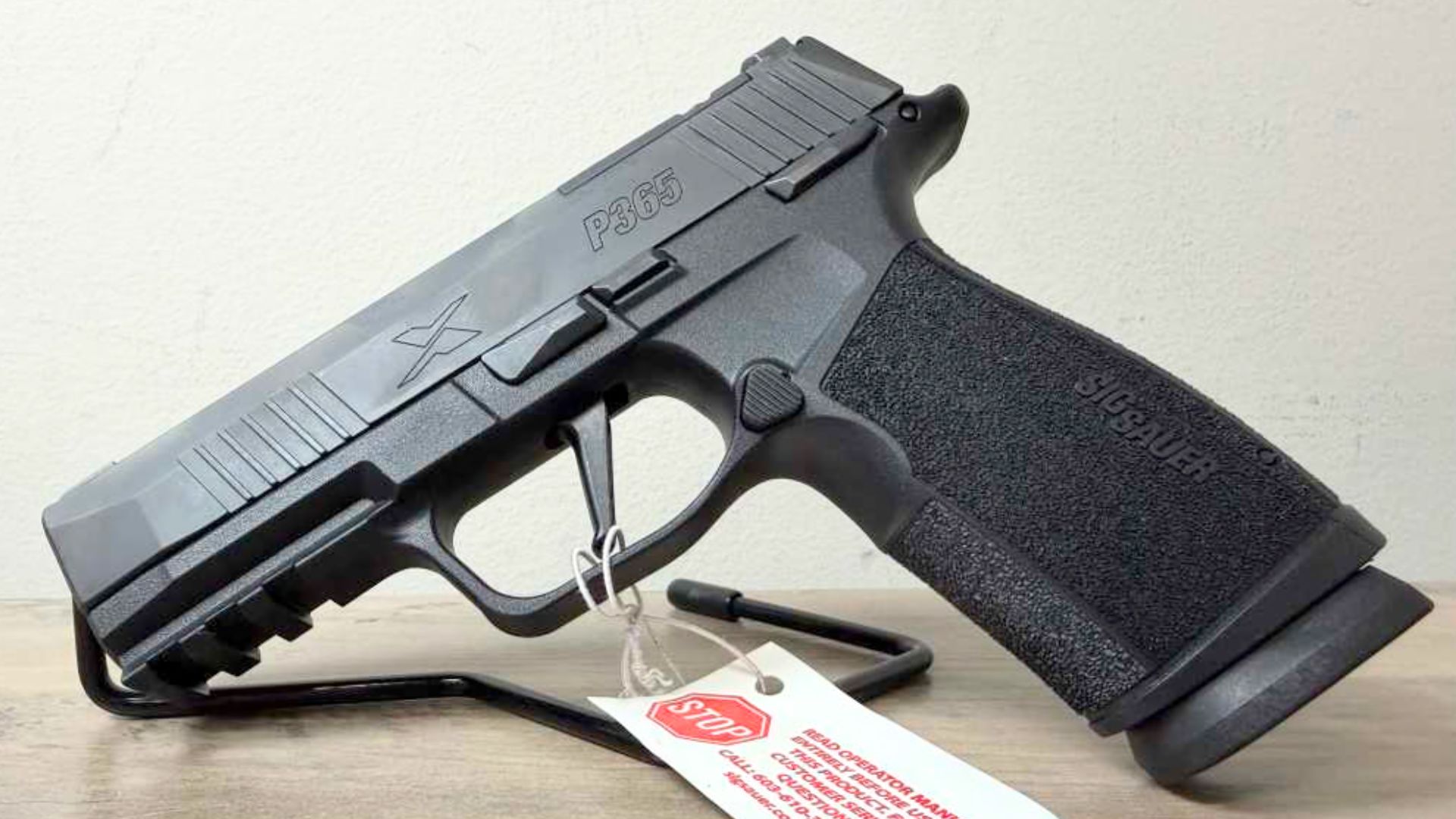
The P365 family is a customization playground because the serialized FCU gives you room to change the “shape” of the gun without changing the legal core. Grip modules let you alter length, texture, and capacity. Slide options let you choose a shorter carry top end or a longer sight radius without learning a totally new trigger feel.
The ecosystem around it is huge. Optics-ready variants are common, and the micro-compact light and holster world has largely caught up. You can tune the gun to your hands with different grip modules, mix-and-match slides and barrels, and dial in sights for your eyes. The platform stays small enough to carry, but flexible enough to keep you from feeling boxed in.
Springfield Armory Echelon

The Echelon was built around a modular chassis system, so it’s meant to be changed without drama. You can swap grip modules to change size and texture, and the gun was designed with modern optics use in mind. That matters when you want a clean dot setup without weird compromises or one-off plates that never fit quite right.
You also get practical customization points that actually affect shooting. The grip shape and texture options let you tune control, and the rail makes light selection straightforward. As the platform matures, aftermarket parts and support continue to expand, but even out of the gate it’s clearly aimed at shooters who want to tailor fit and sighting setup. It’s a modern “do a little of everything” pistol that’s friendly to upgrades.
Smith & Wesson M&P 2.0

The M&P 2.0 has become a go-to platform for shooters who like to personalize their guns without chasing rare parts. The interchangeable backstraps give you immediate control over grip size and feel, and the aggressive texture on many models helps you keep the gun planted when your hands are sweaty, cold, or tired.
The aftermarket is a big reason it belongs here. Sights, triggers, barrels, recoil springs, and optic-ready slide options are everywhere, and the platform is widely supported by holster makers. You can keep it simple with a light and better sights, or go deeper with a tuned trigger and barrel for tighter groups. It’s an easy pistol to make “yours” while staying reliable and practical.
Glock 19 (Gen 5 and MOS variants)

The Glock 19 is the default customization platform because the aftermarket is massive and well-tested. You can change sights, add an optic (especially with MOS models), tune triggers, swap connectors, add extended controls, and choose from a mountain of holsters and lights. If you want a gun that can be tailored in a hundred small ways, it’s hard to beat that parts support.
The smart play is restraint. You can easily over-mod a Glock and create problems you didn’t have before. But if you focus on fit and function—better sights, a quality optic setup, a light that makes sense, and maybe minor control tweaks—you end up with a pistol that fits you without losing the reliability the platform is known for. It’s a “build it your way” classic for a reason.
CZ P-10 C
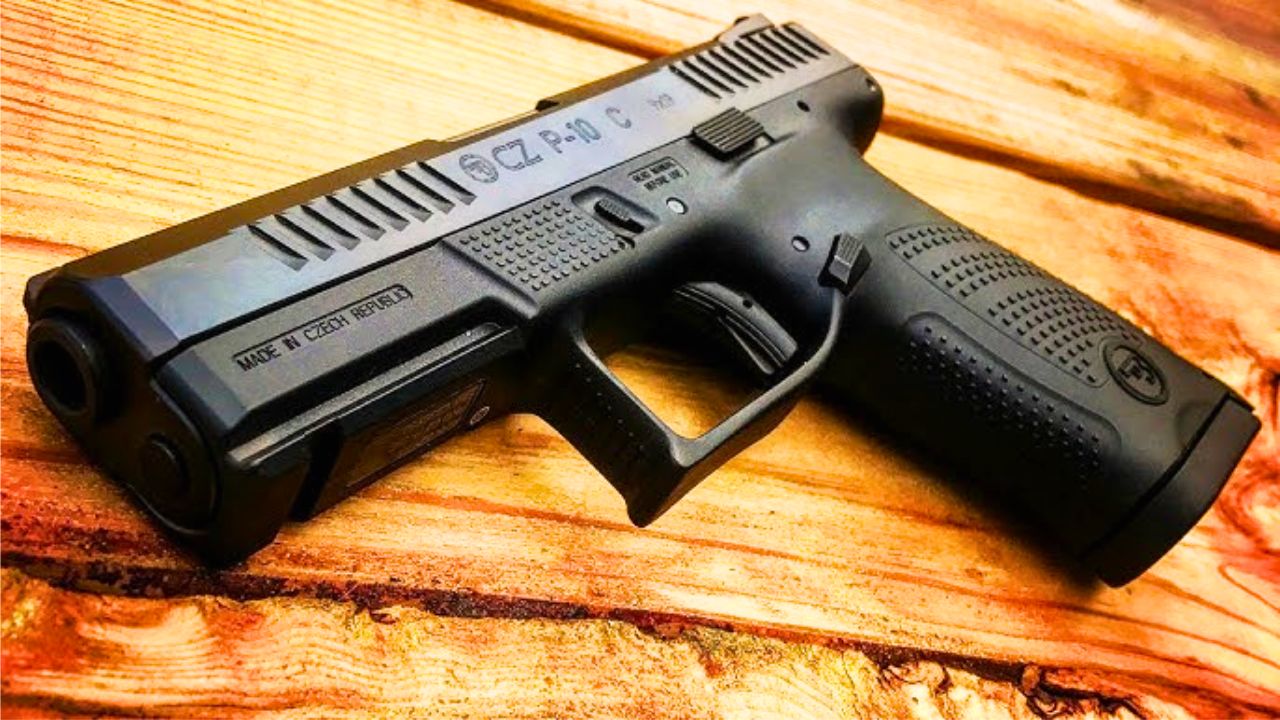
The CZ P-10 C has earned a reputation as a practical striker gun that responds well to thoughtful upgrades. Out of the box, it’s already a very shootable shape for many hands, and the platform has enough support that you can tune it without hunting for obscure parts. Sights and holsters are easy, and optic-ready options are common now.
Where it shines is refining what’s already good. You can tailor the trigger feel with reputable components, choose sights that match your eyes, and set up a light without compatibility headaches. Grips and stippling work well on the frame if you want more traction or a different feel. The P-10 C is a good choice when you want customization potential without the “everything must be replaced” mindset.
Walther PDP

The Walther PDP is built for shooters who care about ergonomics and fast sight acquisition, and it’s friendly to personalization. The grip shape works for a lot of hands, and the platform is commonly offered in optics-ready configurations. That means you can build around a dot early without weird milling decisions you’ll regret later.
Customization is strong where it matters: sights, optics mounting, lights, and holsters are widely supported, and there are trigger and spring options for people who want a different feel. You can also choose different sizes and slide lengths to match carry or range use. The PDP is one of those pistols that can feel “dialed” quickly, then keeps giving you room to fine-tune as your preferences get sharper.
HK VP9

The VP9 is a great platform when your priority is fit. The grip can be tailored with interchangeable backstraps and side panels, which lets you fine-tune circumference and palm swell in a way many pistols can’t match. When you get the grip right, the gun tends to point naturally and track predictably in recoil.
Customization support is solid in the real-world categories: sights, optic-ready variants, holsters, and lights. HK parts and aftermarket support aren’t as endless as Glock, but you don’t need endless to build a practical setup. The VP9 is the kind of pistol you tailor for your hand first, then finish with a sighting system that matches your eyes. It rewards shooters who prioritize feel and control over cosmetic changes.
FN 509

The FN 509 is a duty-focused platform that lends itself to practical customization. Many versions are optics-ready, and the slide designs tend to be friendly to modern dot setups. The grip texture and ergonomics are already built around control, but you still have room to tailor the feel through backstraps and grip choices depending on the specific model.
Where the 509 earns its spot is the “hard-use” accessory world. Lights and holsters are well supported, and the pistol is commonly set up as a working gun rather than a safe queen. You can keep upgrades functional—sights, optic, light, and maybe a trigger refinement—without turning it into a fragile range toy. If you want a customizable platform that stays serious, the 509 fits that lane.
Beretta 92X / M9A4

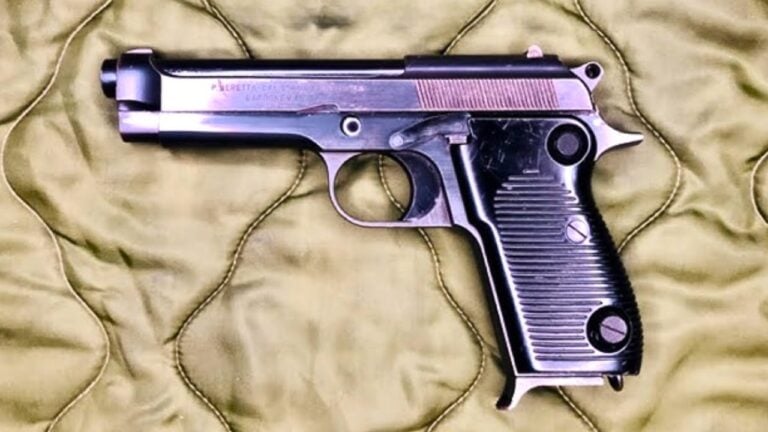
The Beretta 92 family is one of the best “tinker-friendly” metal pistol platforms ever made. You can tailor grip thickness with different panels, refine triggers with proven parts, and tune how the gun runs with springs and small component changes. The 92X and M9A4 variants also make modern use easier with rails and, on some versions, optics-ready capability.
Customization here can be as mild or as deep as you want. You can keep it classic with better sights and grips, or build a slicker shooter with a refined trigger, improved controls, and a light. The platform has decades of knowledge behind it, which helps you avoid guessing. If you like metal guns and want one you can truly shape to your preferences, the 92 ecosystem is a deep well.
1911 Government Model (5-inch .45 ACP or 9mm)

The 1911 is still the king of “make it yours” because so many parts and configurations exist. Triggers, safeties, grip panels, sights, barrels, bushings, mainspring housings, and magwells can all be tailored to how you shoot and how you carry. When you keep the work within proven specs, the pistol can be tuned to feel almost custom-fit.
The trick is choosing quality parts and a competent approach. A 1911 can be made incredible, but sloppy parts choices can create reliability issues. Done right, you can tailor the trigger to a clean break, choose sights that match your eyes, and build a grip shape that locks into your hand. If you want a pistol platform that can be personalized down to the smallest detail, the 1911 remains unmatched.
Staccato P (2011 platform)

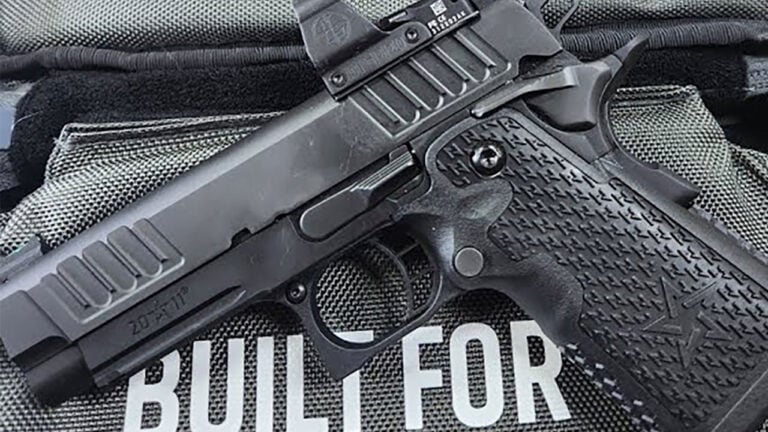
The 2011/“double-stack 1911” world—especially with a proven model like the Staccato P—offers customization without turning into guesswork. You get a platform that’s already built around performance, with room to tailor grip texture, trigger feel, sights, and optics setup. It’s a system that’s meant to be shot hard and refined, not babied.
The modular grip setup opens the door for fit changes, and the optic-ready ecosystem makes a dot build straightforward. You also have options for lights and holsters that suit real use, not only range photos. The best part is that you can personalize it while keeping the core shooting character that makes 2011s popular: a controllable recoil impulse and a trigger that encourages clean, fast work. It’s customization with purpose.
Ruger Mark IV

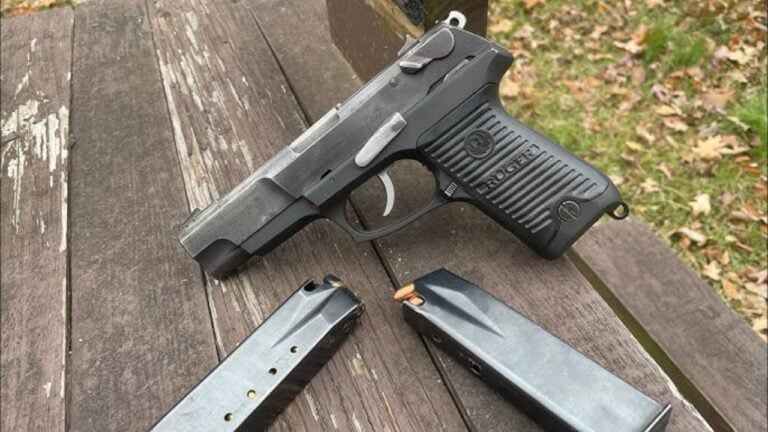
If you want a pistol you can tailor for training, small-game work, or pure rimfire fun, the Ruger Mark IV is a standout. The platform has huge aftermarket support for barrels, uppers, triggers, grips, rails, and optic setups. You can set it up as a lightweight trail gun, a suppressed host, or a target-focused rig without fighting the design.
What makes it especially appealing is how easy it is to work on. The Mark IV’s takedown system simplifies maintenance and encourages experimentation, because you’re not dreading the next cleaning session. You can start simple with better sights or a dot, then refine trigger and balance as you learn what you like. For building skill and getting reps without breaking the bank, a customized Mark IV is hard to beat.
Shadow Systems MR920 / DR920
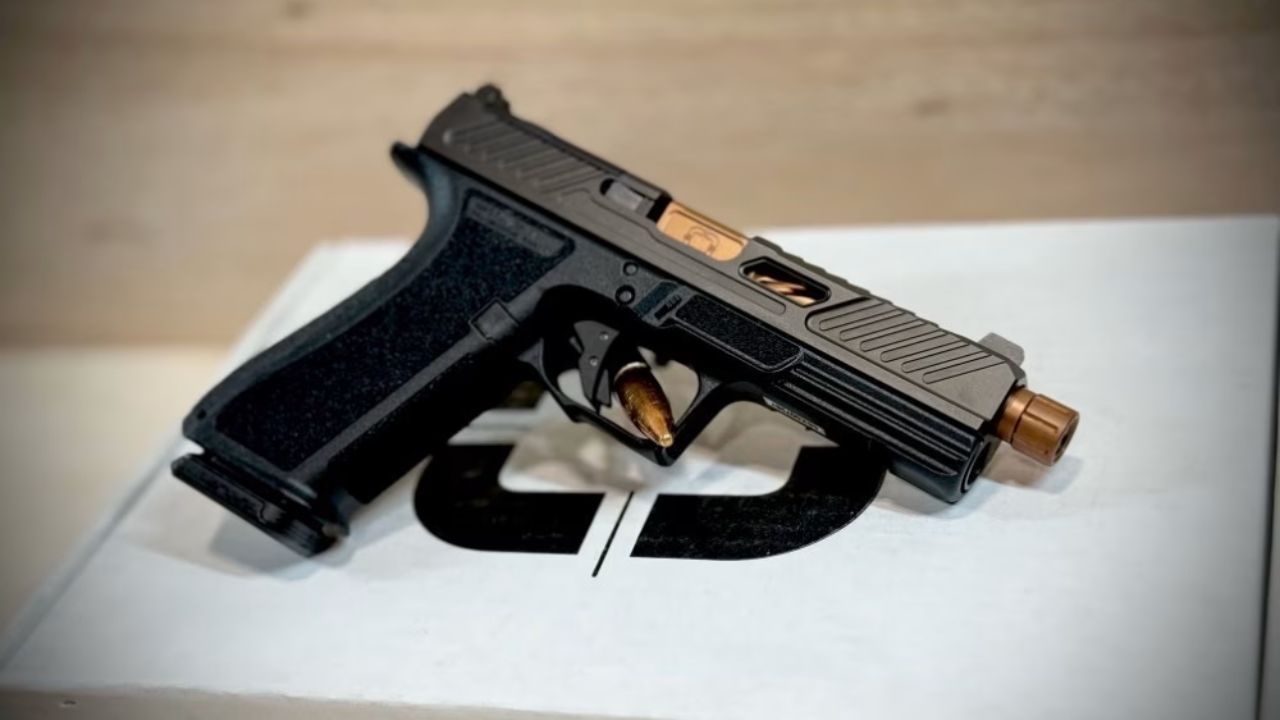
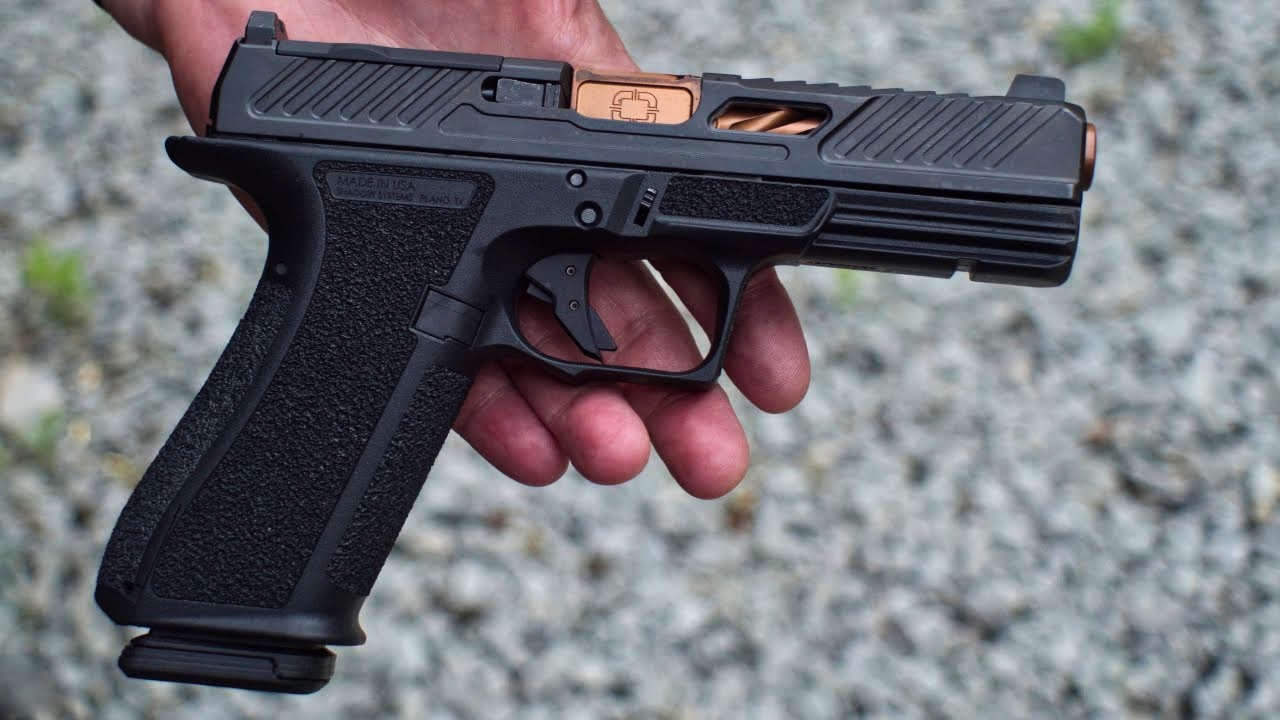
Shadow Systems pistols are built around the idea that most shooters end up adding the same “practical” upgrades anyway: better grip texture, optics-ready capability, improved controls, and refined handling. You’re starting with a platform that’s already tailored toward real use, and you can still personalize it further with sights, optics, lights, and internal tuning that fits your preferences.
The value here is compatibility and refinement. You get broad support for holsters and accessories, and you can adjust the gun around your hands with grip angle and texture that many shooters find easy to control. As with any heavily supported platform, you can go too far with parts swaps. But if you treat it as a high-quality base and customize with restraint—dot, light, sights—you end up with a very personal, very shootable setup.
Canik Rival / Rival-S

The Rival series is popular because it gives you a lot of shootability up front and still leaves room to tailor the setup. You can tune sights, optics, triggers, and recoil behavior depending on how you plan to use it. The Rival-S adds a different feel with its heavier frame, which some shooters prefer for flatter tracking and steadier transitions.
Customization is strongest in the performance categories: optic mounting, sight choices, trigger refinement, and competition-friendly controls. Holster support is good, and the platform has a growing ecosystem of parts and accessories. The Rival shines when you want to set up a pistol around speed and consistency, then adjust the details to match your hands and your rhythm. It’s a platform that encourages practice because it shoots in a way that keeps you honest and confident.
CZ Shadow 2 (and Shadow 2 Compact)
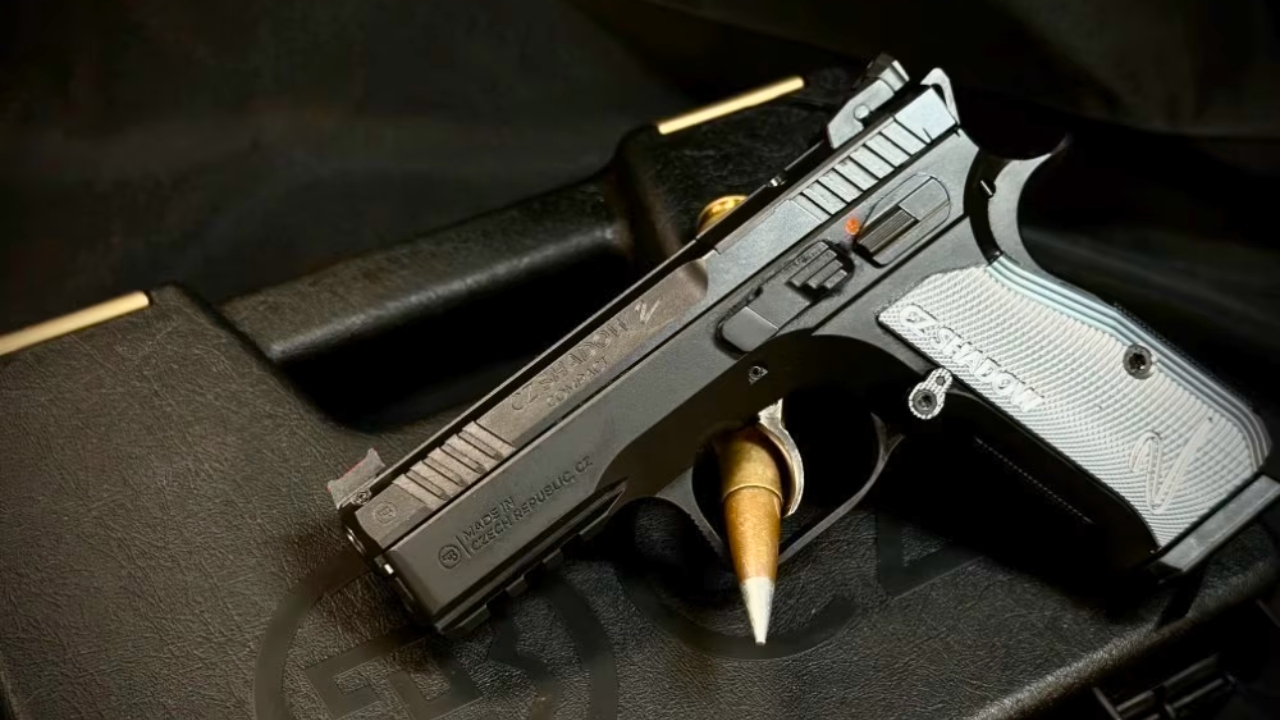
The CZ Shadow line has a long history in practical shooting, and that history shows in how easy it is to tailor. You can adjust grips for thickness and texture, refine the trigger system with proven parts, and tune springs to match your ammo and your preferred feel. The platform rewards a shooter who pays attention to details, because small changes can make the gun feel like it was built around your hands.
The Shadow 2 is also a strong “learn and grow” pistol. You can run it mostly stock and do very well, then personalize it as your skill and standards climb. Sights, grips, and trigger tuning are the common starting points, and there’s no shortage of support. If you want a pistol you can shape into a serious performer without losing reliability, the Shadow platform gives you a lot of room to build your own fit.
Like The Avid Outdoorsman’s content? Subscribe to our newsletter so you never miss an article.
Here’s more from us: