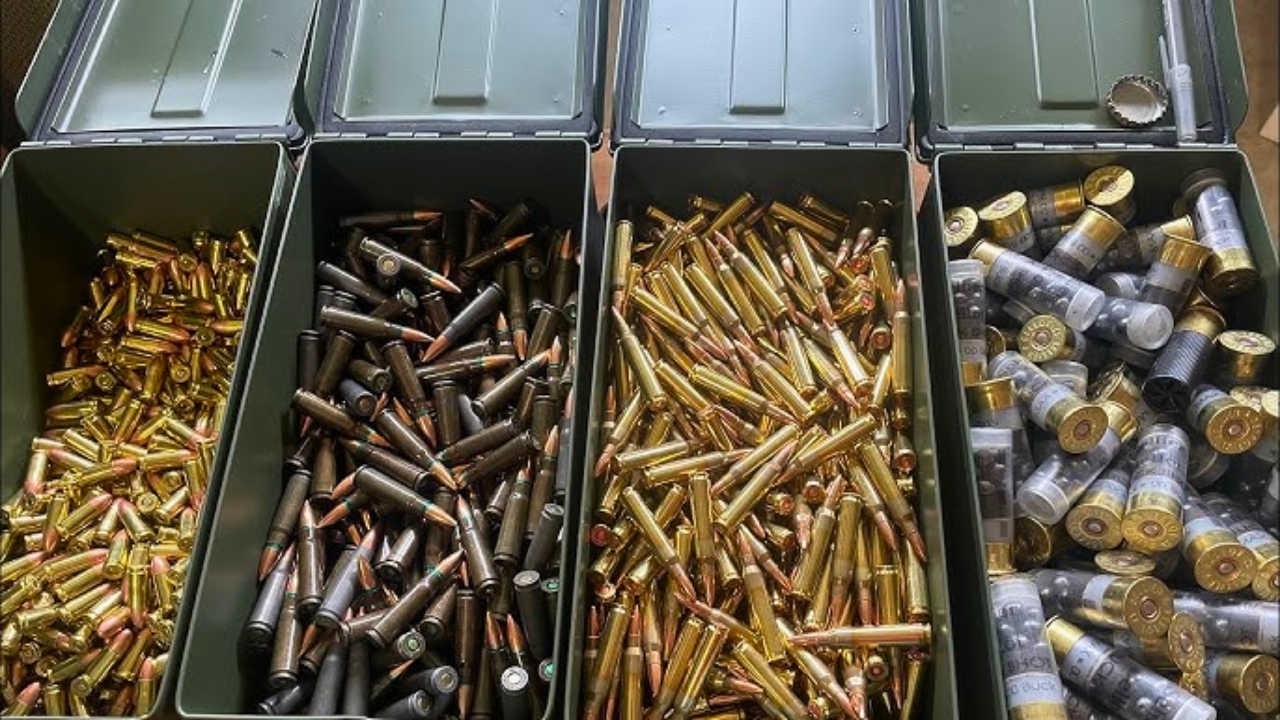
Photo credit: Trench Grenade/YouTube
Buying ammo online can save you real money, but it can also turn into a slow-motion headache if you don’t know what to look for. The problem isn’t just price—it’s shipping rules, sketchy sellers, mislabeled loads, “deal” ammo that’s really just someone’s leftovers, and the fact that one bad case can turn your range day into a malfunction clinic. Guys also forget the boring stuff: storage, lot numbers, return policies, and whether the ammo they’re buying is actually appropriate for the gun they’re running. Bulk ammo is great when you buy it like a grownup. Here are the mistakes I keep seeing that make people swear they “got scammed” when what really happened is they skipped the basics.
Chasing the lowest CPR and ignoring who’s selling it
If the price looks too good, the first question isn’t “how fast can I check out,” it’s “who is this?” A lot of ammo “deals” come from sellers with terrible customer service, slow shipping, or a history of sending the wrong product and making returns painful. Guys see a low cents-per-round price and forget that the seller matters as much as the ammo. You want a retailer with a real track record, clear contact info, and policies you can actually use if something goes sideways. If the seller is brand new, has a sketchy site, or only takes weird payment methods, that’s a red flag. Saving $20 isn’t worth a month-long fight or a box of the wrong caliber showing up at your door.
Not reading the product title carefully (caliber and load details)
This one sounds dumb until it bites you. Online listings can be confusing on purpose: same brand, same box style, but different grain weight, different pressure, different bullet type. People click a thumbnail, see “9mm,” and assume it’s standard 115gr FMJ. Then they get 147gr subsonic, or +P, or something weird that shoots to a different point of impact and cycles differently. For rifles, the same mistake gets expensive fast—guys buy the wrong bullet weight or a load meant for a different twist rate or intended use. Bulk buying amplifies the mistake because you didn’t buy one box—you bought a case. Read the exact listing. If you can’t tell what it is from the description, don’t buy it.
Buying remanufactured ammo without understanding the risk
Reman can be fine from reputable companies that do quality control, but it can also be the ammo equivalent of “trust me bro.” The risks are real: inconsistent powder charges, mixed brass, questionable primers, and higher chances of hard primers or weird dimensions. In pistols, that shows up as failures to feed, light strikes, or erratic ejection. In rifles, it can show up as inconsistent velocities that make accuracy unpredictable. Worst case, you risk overpressure or case failures, and that’s not worth saving a few bucks. If you’re going to buy reman, do it from a well-known outfit, and don’t buy it as your “test ammo.” Buy a smaller amount first and actually run it. Bulk purchases are for ammo you already trust.
Assuming steel case is “basically the same” as brass
Steel case can run fine in many guns, but it’s not the same as brass. It can be dirtier, it can be harder on extractors in some setups, and it can behave differently once a chamber gets hot and fouled. Some guns eat it all day. Others get picky fast—especially tighter chambers or guns with marginal extraction setups. A lot of guys buy a case of steel because it’s cheaper, then they spend the next month diagnosing failures to extract and blaming the gun. If you’re going to run steel, test it in your specific firearm, and understand that your cleaning schedule might need to change. Also, don’t mix steel and brass randomly in the same session if your gun is already on the edge. Consistency matters when you’re trying to diagnose problems.
Buying “range” ammo and expecting it to mimic your defensive load
Bulk FMJ is for practice. It’s not a substitute for vetting your carry ammo. People buy 1,000 rounds of cheap 9mm and then assume their gun is “proven.” Then they load defensive hollow points and the gun suddenly has feed issues, different recoil impulse, or different point of impact. That doesn’t mean your gun is junk—it means you validated one load, not the one you carry. You should absolutely train with bulk ammo, but you still need to test your carry load enough to trust it. Different bullet shapes feed differently. Different pressures cycle differently. If you’re buying bulk, that’s great—just don’t let it fool you into thinking you’ve tested everything.
Ignoring lot numbers and consistency across cases
Lot numbers matter more than people think. One case of ammo might run perfectly, and another case of the “same” ammo might have a different lot with different velocity spread or different primer hardness. Most of the time it’s minor, but when it isn’t, it shows up as unexplained flyers, different zero, or inconsistent cycling. If you’re training for matches or you care about consistent dope, lot consistency can save you headaches. If you find ammo your gun loves, try to buy enough of the same lot when possible, or at least keep lots separated so you can identify what changed. It’s the same reason serious shooters track their ammo. You don’t need to be obsessive, but you do need to be aware that “same brand” doesn’t always mean “same performance.”
Not checking for restrictions to your state or local area
This mistake wastes time and gets people mad at the wrong person. Some retailers won’t ship ammo to certain states, cities, or even specific zip codes. Others require adult signature. Some require additional paperwork. Guys order a case, it gets canceled, then they complain the retailer “stole their money” when really it’s a compliance issue. Before you buy, know your local rules and the seller’s shipping policy. If you’re in a restricted area, you may need to use a retailer that supports it or ship to an address that’s legal. It’s boring, but it saves you from surprise cancellations and delays—especially right before a trip or a match.
Forgetting shipping costs can erase the “deal”
A lot of ammo deals aren’t deals once shipping gets added. Heavy items cost real money to ship, and some sellers hide that until the last step. You might think you’re saving big, then shipping and fees add 20–30% and suddenly the local shop looks better. Always calculate total cost delivered, not price per round on the listing. Some retailers offer free shipping over a threshold, which can change the math. Others bake shipping into higher prices. Either way, you want to compare apples to apples. The right move is to evaluate the delivered CPR. If you don’t, you’ll chase “deals” that aren’t deals and wonder why your ammo budget doesn’t improve.
Buying the wrong bullet type for your range rules
This one gets guys turned away at the door. Some indoor ranges prohibit steel core, bimetal jackets, or certain projectile types because they spark, damage backstops, or ruin traps. Some outdoor ranges have similar rules. People buy bulk ammo without checking the projectile type, then show up and get told “nope.” It’s especially common with cheap rifle ammo and some surplus-style loads. Read the fine print: “bimetal,” “steel core,” “magnetic,” those terms matter. Bring a magnet if you’re not sure. The range doesn’t care that it was a deal online. They care about their backstop and their insurance policy. Don’t buy a case of ammo you can’t shoot where you actually train.
Skipping a small test order before committing to a full case
This is the big one. If you’ve never run that exact load in your gun, don’t buy 1,000 rounds first. Buy a couple boxes. Run it clean. Run it dirty. Run it fast. Watch for odd ejection, failures to feed, and accuracy weirdness. Every gun has preferences, especially with cheaper ammo. A load that runs perfectly in your buddy’s Glock might choke in your micro-compact. A load that groups fine in one rifle might open up in another. Testing first saves you from being stuck with 900 rounds of ammo you don’t want. And if you do end up with ammo that’s “meh,” at least you didn’t buy it by the pallet.
Not verifying the ammo is actually new production (not “pulled” or surplus)
There’s nothing wrong with surplus if you know what you’re buying, but some listings blur the line. “Pulled” bullets, “bulk pack,” “loose,” “factory seconds,” or “surplus” can mean inconsistent performance, harder primers, or older storage history. That’s not always bad—just different. If you’re buying for training and you know your gun runs it, fine. But don’t buy mystery ammo expecting match consistency or flawless cycling in a tight gun. And don’t buy old surplus for a gun with a light striker setup and then act shocked when you get light strikes. Know what you’re buying. If the listing is vague about origin, you’re gambling.
Assuming “match” in the title means match performance
A lot of “match” ammo marketing is just that—marketing. True match ammo is consistent and built for accuracy, and it costs accordingly. Some brands slap “match” on a box and you get slightly better QC than standard, but not real match consistency. If your goal is precision, check reviews from shooters who actually chrono and group test, not just “it went bang.” Also, remember: even good ammo needs a rifle that likes it. Don’t buy bulk “match” ammo without testing. And don’t let the word “match” trick you into paying premium money for a load that’s basically regular ammo in a nicer box.
Not thinking about storage before the case shows up
Ammo stored badly turns into unreliable ammo, and bulk buyers forget that. If you’re buying cases, you need a plan: cool, dry place, sealed containers if humidity is an issue, and some kind of organization so you’re not mixing lots and calibers. Garages are brutal for ammo in many climates—heat cycles and humidity do damage over time. If you’re stockpiling, get ammo cans with good seals and throw in desiccant packs. Label the cans. Keep the boxes if you want lot tracking. Bulk ammo is only a good investment if it stays reliable. Otherwise you’re just buying future malfunctions.
Buying exotic calibers in bulk without confirming future availability
Some calibers come and go in availability, and the price swings can be wild. People buy bulk of an oddball caliber thinking they’re set, then later realize they can’t easily replace it, can’t find consistent lots, or they bought a load their gun hates and now they’re stuck. This matters especially for niche defensive calibers and newer rifle cartridges. Before you buy a case, ask yourself: is this something I can still find six months from now? If not, bulk buying might make sense—if you already know it runs. If you don’t know it runs, you’re locking yourself into a problem. Bulk is for stable, proven ammo in calibers you shoot regularly.
Falling for fake sites and payment traps
Ammo scams are real, especially when demand spikes. Fake storefronts pop up with “in stock” banners and prices that are too good. They often push payment methods that have little protection: Zelle, crypto, wire transfer, or weird gift card setups. A legitimate retailer will have normal payment processing, real contact info, and a history you can verify. Before you buy, do a quick credibility check: how long has the domain existed, do they have a real address, do people actually report receiving orders from them? If the only “reviews” are on their own site, that’s not a review—that’s marketing. One scam purchase can erase years of savings from smart shopping.
Not reading the return policy before you click buy
Ammo returns can be limited or impossible depending on the retailer and local laws. Some sellers won’t accept returns once it ships. Others charge restocking fees. If you buy the wrong load or the wrong caliber, you may be stuck. That’s why the test-order step matters so much. But even then, you should know the policy. If you receive damaged ammo, incorrect product, or clear defects, you want a seller that will make it right without a fight. Bulk buying is about reducing cost per round, not increasing stress per round. A clear return policy and responsive support matters more than people think, especially when you’re spending a few hundred bucks at a time.
Like The Avid Outdoorsman’s content? Be sure to follow us.
Here’s more from us: