Photo credit: Ian Dewar Photography/Shutterstock.com
Elk tags feel harder to draw every year, but the big picture is actually pretty solid: across the West, elk numbers are up around 5% over the last few years, even as pressure climbs. On top of that, a handful of Eastern and Midwestern states that once wiped elk off the map are quietly building real herds again. For hunters, that means more options, new draw strategies, and a few sleeper states that don’t get nearly enough attention.
This list isn’t about every place that ever had elk. It’s the states where herds are healthy, tags are still worth chasing, and the trend lines either show steady growth or a serious recovery push. Some are classic Western powerhouses tightening up seasons to protect strong numbers. Others are reintroduction stories where a “novelty” herd is turning into a real hunt you can plan around.
Colorado: still the elk heavyweight

Colorado still wears the crown with roughly 290,000 elk, more than any other state by a mile. CPW has tweaked seasons and tag structures over the years, but the basic story hasn’t changed: big country, lots of public land, and enough animals that even OTC units can produce if you’re willing to hike past the orange army. Growth has leveled in some spots, but the overall herd is stable-to-strong.
For a traveling hunter, Colorado stays on the shortlist because it mixes opportunity and quality. You’re not banking on a once-in-a-lifetime draw just to get in the game. If you can learn pressure patterns, glass hard, and manage your expectations, it’s still one of the most realistic states to build elk experience and fill a freezer.
Montana: strong numbers with room to roam

Montana’s elk numbers sit around 135,000, and habitat is what makes them feel bigger than that. From big, rough country in the southwest to pockets of private and block management ground on the plains, elk have been spreading out and taking advantage of good forage and mild-to-average winters. That mix keeps herds resilient, even as pressure stays high on the “famous” units.
For nonresidents, the draw isn’t cheap and the tag process can be frustrating, but elk hunting here still feels like elk hunting should: long country, mixed herds, and actual chances at a mature bull if you stick with it. As long as Montana keeps managing for strong overall numbers, this stays one of the best bets for a Western road-trip hunt.
Oregon: coastal rain, timber elk, and steady growth

Oregon quietly sits near the top of the elk pile with roughly 133,000 animals split between Rockies and Roosevelt herds. While deer numbers have bounced around, elk have held their own and even expanded in some timber and coastal country where thick cover and mild winters work in their favor. Good age structure in pockets of Roosevelt habitat has made for some surprisingly heavy bulls.
It’s not easy hunting. Clearcuts grow up fast, visibility can be terrible, and access is a constant chess match with private timber ground. But the overall population picture is solid, and for guys who like still-hunting wet timber and calling in close quarters, Oregon is one of the best “working class” elk states that still has room to breathe.
Idaho: rugged country, resilient herds
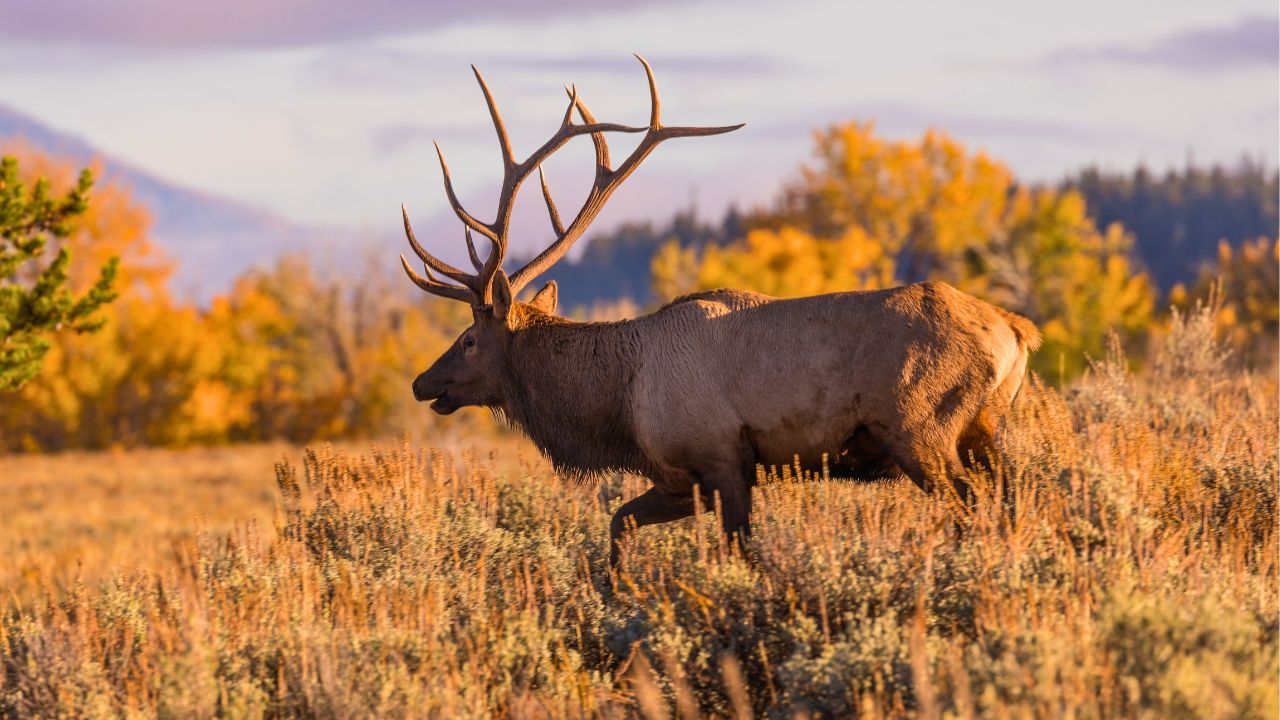
Idaho’s elk herd stays strong at around 120,000 animals, even with wolf pressure and hard winters in some regions. The reason is simple: serious habitat. Deep canyons, big wilderness, and a ton of mixed public ground let elk spread out and find pockets where they’re hard to touch. That’s frustrating if you’re glued to roads, but it’s exactly what keeps the herd from crashing.
For hunters willing to grind, Idaho offers a rare combo: real wilderness hunts, plenty of general-season opportunity, and the chance to bounce between rifle and archery in the same fall if you plan ahead. Herds that can stay healthy with predators, winter, and pressure all in the mix are the ones you can trust long-term.
Wyoming: fewer tags, still stacked with elk
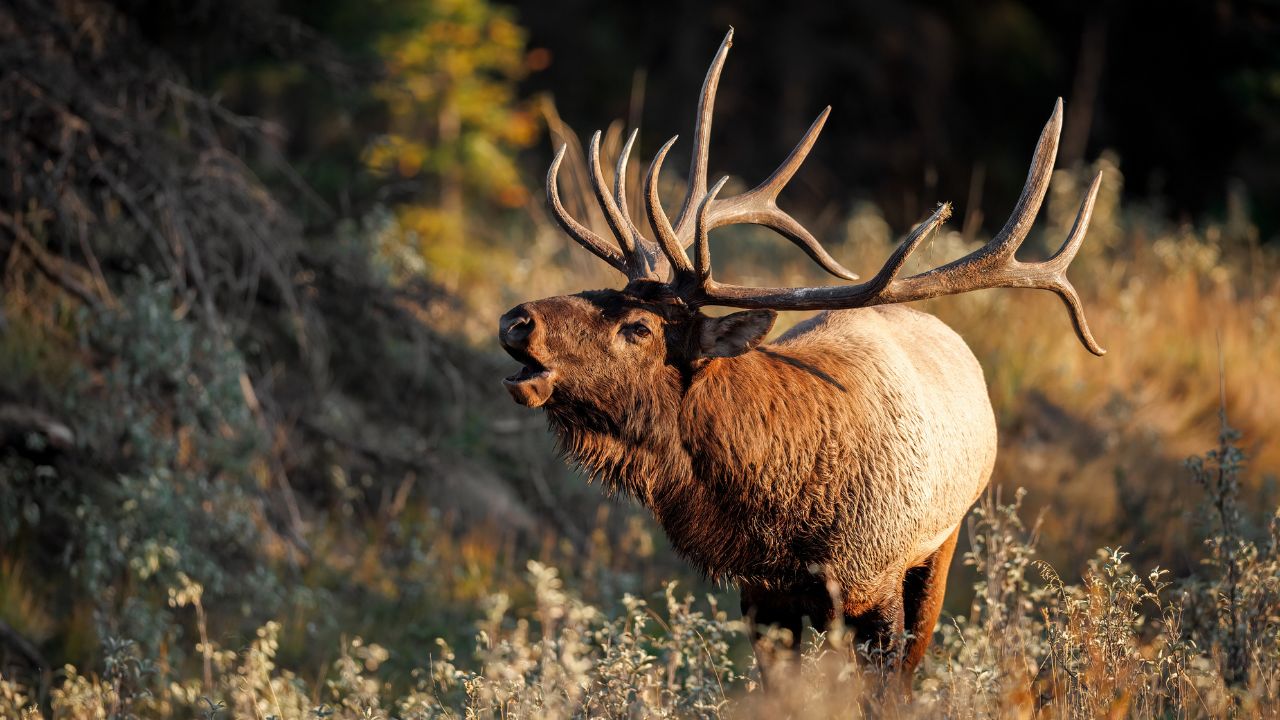
Wyoming holds roughly 113,000 elk, and the state has leaned into managing them for both quality and stability. Some herds in the northwest and around feedgrounds have actually been above objective, which lets the state keep hunting pressure on without draining the tank. Where winters are kinder and summer range is strong, calf recruitment has stayed healthy.
Nonresident access isn’t what it used to be, and point creep is real. But when you finally do draw, you’re hunting a state that still believes in elk the way hunters do—big country, managed herds, and a realistic chance at seeing multiple legal bulls in a week. Strong populations plus careful tag control usually equals hunts worth the wait.
New Mexico: tag odds are rough, elk numbers aren’t

New Mexico’s elk herd sits around 80,000 and has been one of the better Western growth stories, especially compared to some struggling mule deer units. Good habitat, limited tags, and smart management have turned a lot of units into consistent producers for both resident and nonresident hunters. Draw odds can be ugly, but that’s because people know what’s on the table.
The nice part is how diverse the elk country is. From dark timber and big elevation swings to lower country with piñon and juniper, elk here use a lot of different patterns. The common thread is that herds are stable or improving in much of the state. If you want a chance at a legitimate trophy bull with modern herd numbers on your side, New Mexico stays near the top.
Utah: limited-entry pressure, serious elk potential

Utah’s elk population is estimated around 74,000, but the perception on the ground is “more elk than that” because of how concentrated some herds are in classic limited-entry country. The state has spent years managing for quality, and it’s paid off with big-antler bulls and herds that can handle a lot of interest from residents and nonresidents.
The downside is obvious: draws can take a chunk of your life. The upside is that general-season and spike hunts still let people get in the woods, and elk numbers have been stable-to-strong enough that Utah keeps producing top-end bulls every season. If you’re playing the long game with points, this is one of the few states where that strategy still makes sense.
Washington: elk hanging on and gaining ground

Washington isn’t the first state people picture for elk, but with around 60,000 animals split across coastal and interior country, it’s become a serious player. Herds in some western units have grown as timber practices and mild winters line up, and even in the east—where predators and weather can be rough—elk have proven tougher than folks expected.
The catch here is access and politics. You’re dealing with mixed public and private land, different weapon restrictions, and units that can go from quiet to crowded overnight. But population-wise, elk are doing better than many hunters think. If you live in the Pacific Northwest or want a hunt that doesn’t mean driving all the way to Colorado, Washington is worth a hard look.
Nevada: small herd, upward trend

Nevada’s elk story is all about expansion from almost nothing to nearly 18,000 animals in modern times. Once elk got a foothold in the high desert and mountain ranges, careful tag management and good water work let them grow into a real, huntable resource. You’re not talking about Colorado numbers, but for a dry state that’s famous for mule deer and sheep, elk have carved out a solid niche.
Draw odds are rough, and you’re usually in for a backpack hunt in big, open country. But the reason the tags are coveted is because herds are healthy and still trending in the right direction. If you’re looking to mix a Western elk hunt with a true “big sky and long glassing” feel, Nevada’s growth curve is worth chasing.
Kentucky: the Eastern elk comeback leader

On the recovery side, Kentucky is the headline act. With over 13,000 elk on reclaimed coal country and surrounding habitat, it’s the largest elk herd east of the Mississippi and a textbook reintroduction success story. What started as a novelty hunt has turned into a serious draw that produces big-bodied bulls and a lot of meat for resident tags.
The habitat isn’t what Western hunters expect—think steep cuts, roads, and thick regrowth instead of endless wilderness—but elk don’t care. They’ve used that broken country to their advantage and kept growing. For Eastern hunters who thought they’d never chase elk without a two-day drive, Kentucky is proof that the species can come back strong when the state gets behind it.
Pennsylvania: small herd, solid trajectory

Pennsylvania’s elk herd is still relatively small at around 1,300 animals, but that’s after being wiped out completely and then carefully rebuilt through reintroductions and tight tag control. The state has managed it with a long-term mindset: low tag numbers, strict seasons, and heavy emphasis on keeping herd health ahead of social pressure.
From a hunter’s standpoint, this is a “lottery ticket” kind of hunt. Draw odds aren’t great, but if your name comes up, you’re looking at real bulls in surprisingly pretty country for a state most people only talk about for whitetails. With numbers still ticking upward and habitat improving, Pennsylvania is one of the best proofs that Eastern elk aren’t a gimmick.
Wisconsin: reintroduction that’s finally paying off

Wisconsin’s elk count is still in the low hundreds, but that’s after starting from scratch in the late 1990s and early 2000s and working through multiple reintroduction waves. Herds in the Clam Lake and Black River regions have slowly grown as calves survive and animals figure out logging cuts, wetlands, and mixed ag edges.
You’re not planning a dedicated out-of-state elk trip here yet unless you’re local and patient, but the trend line matters. Every extra calf that hits the ground and survives winter brings Wisconsin closer to having a consistent, long-term elk hunt. For Midwestern hunters who care about the species, this is one of the more encouraging stories on the map.
Missouri: the quiet Ozark herd

Missouri’s elk story flies under the radar. With a herd now estimated around 200 animals and growing, the state has gone from “no elk” to carefully managed, limited hunts in the Ozark region. Reintroduction work, habitat projects, and tight control on tags have kept the growth curve pointed in the right direction.
It’s not a numbers game yet—this is more about rebuilding a native species than filling every freezer in the county. But for hunters in the region, just having elk back on the landscape is a big deal. As calves stack up and habitat projects continue, Missouri should quietly keep climbing the list of legitimate Eastern elk states.
Oklahoma: more elk than most people realize

Most folks think of hogs and whitetails when they hear Oklahoma, but the state holds around 5,000 elk between private-land herds and public-land pockets in the southwest and southeast. Some of those animals trace back to old transplants and ranch releases that eventually turned into wild, free-ranging herds.
Growth has been helped by mild winters, decent forage, and the fact that elk can disappear into brush and broken country that doesn’t look “elk-y” at first glance. Tags are limited, and access can be complicated, but the trajectory is up. For hunters in the southern Plains, Oklahoma might be the most overlooked elk opportunity on the map.
Nebraska: prairie edges and growing herds

Nebraska doesn’t scream elk at first, but the state now holds an estimated 2,700+ animals scattered along rough breaks, pine ridges, and canyon country in the west and northwest. Those herds have grown steadily as elk adapt to a mix of ag land and native grass, and as the state carefully adjusts tags to keep numbers at or above objective.
From a hunter’s point of view, Nebraska elk is a draw game, but it’s one where you’re hunting realistic country with animals that haven’t been hammered to death by nonresident pressure. As long as winters stay moderate and habitat projects continue, elk here should keep trending upward—quietly turning a “whitetail state” into one more line on the elk map.
Like The Avid Outdoorsman’s content? Subscribe to our newsletter so you never miss an article.
Here’s more from us: